The United Kingdom has imposed sanctions on Russian entities and individuals that London has determined are linked to the development of chemical weapons. The sanctions list includes the Signal Research Center, the State Research Institute of Military Medicine of the Russian Defense Ministry, and seven individuals.
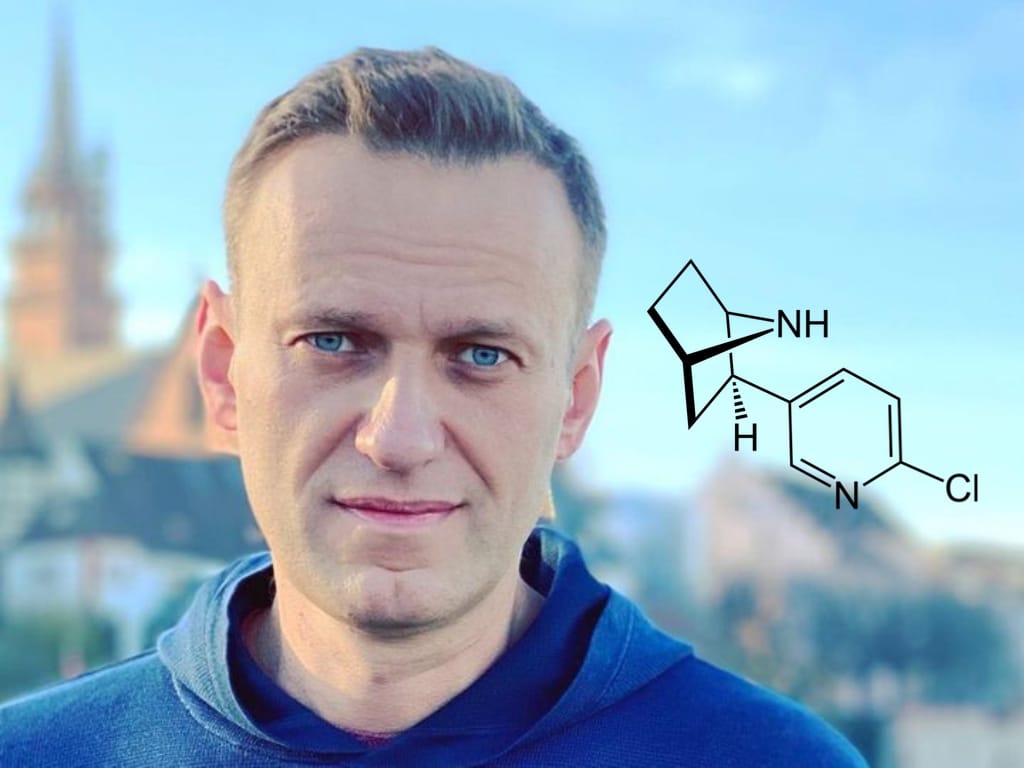
Those sanctioned are suspected of involvement in the development, production, and study of the Novichok nerve agent and the frog poison epibatidine, according to a report by the UK's Foreign, Commonwealth and Development Office (FCDO). The UK government links epibatidine to the murder of Alexei Navalny in 2024 and Novichok to the death of British national Dawn Sturgess in 2018. The discovery of the toxin epibatidine in biological samples taken from Navalny after his death was confirmed by multiple European laboratories, while Sturgess died after coming into contact with a perfume bottle left behind by the Russian assassins who attempted to poison Sergei Skripal in Salisbury eight years ago.
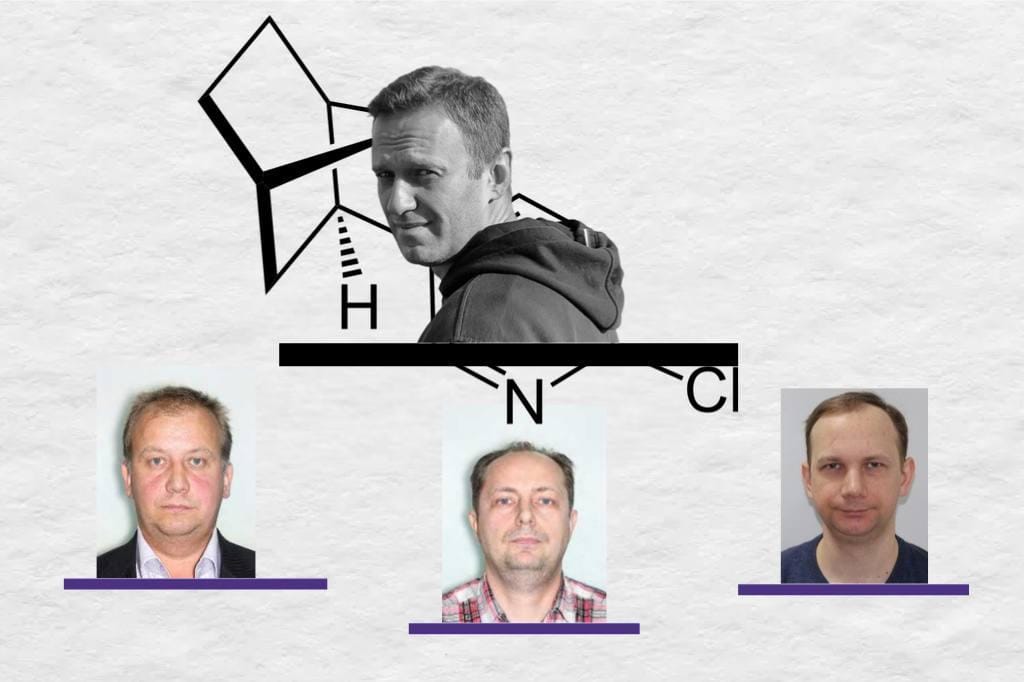
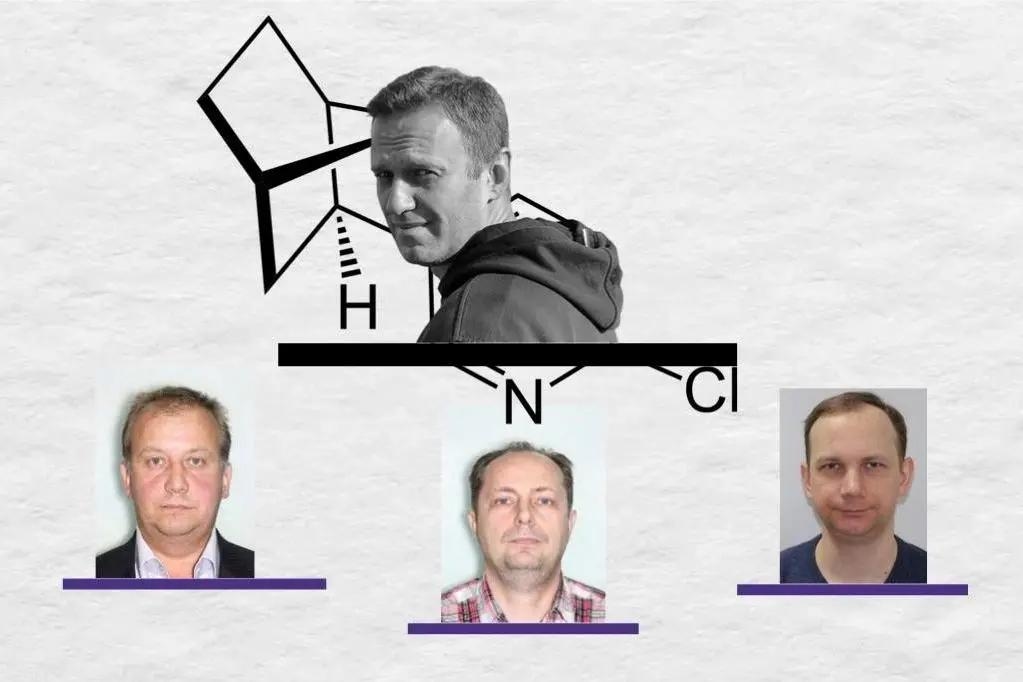
British authorities added the Signal Research Center to the sanctions list, describing it as an entity affiliated with the State Research Institute of Military Medicine (GNIII VM) and the State Research Institute of Organic Chemistry and Technology (GosNIIOKhT). The sanctions also target Signal Center’s director Arthur Zhirov, deputy director Andrei Antokhin, chief research scientist Aleksandr Makhlay, head of the first research center Viktor Taranchenko, and head of the fourth research department Ivan Kravtsov.
Sanctions have also been imposed on Vladimir Kondratyev — director of GosNIIOKhT, which had itself been added to the UK sanctions list back in 2020 — and Sergei Chepur, head of GNIII VM.
For individuals, the consequences of the sanctions include asset freezes, a ban on entering the UK, and a ban on holding senior positions in British companies. The organizations face asset freezes and a ban on their executives participating in the management of British companies.
The individuals and entities on the new UK sanctions list were previously mentioned in The Insider’s investigations into Russia’s chemical weapons program. In March, The Insider reported that the synthesis of epibatidine — the toxin that, according to European laboratories, was used to murder Alexei Navalny — was carried out by employees of Signal and GosNIIOKhT.
The Insider also established that some of the components that could have been used in the synthesis of epibatidine were imported into Russia by the company ABCR Khemi Rus LLC, whose managers, as phone records showed, regularly communicated with employees of Signal — including Igor Babkin, who co-authored a paper on epibatidine.
ABCR Khemi Rus is 90% owned by the German company abcr GmbH. Following The Insider’s inquiries, the German management stated that it was considering closing their Russian subsidiary. The Insider provided German law enforcement authorities with information about ABCR Khemi Rus’s cooperation with Russian entities that were linked to the production of poisons used for political assassinations.
The UK's FCDO said that the new sanctions are part of London’s efforts to counter Russia’s chemical weapons program. UK Foreign Secretary Yvette Cooper called Russia’s use of chemical weapons an “outrageous violation of international law” and a threat to global security.