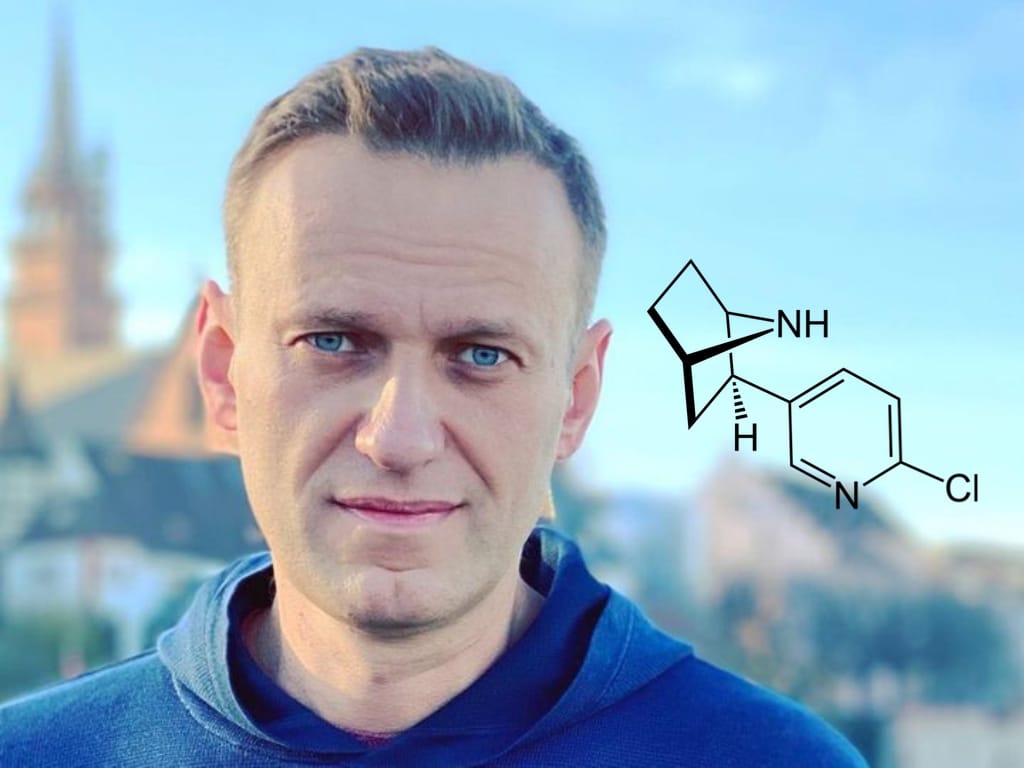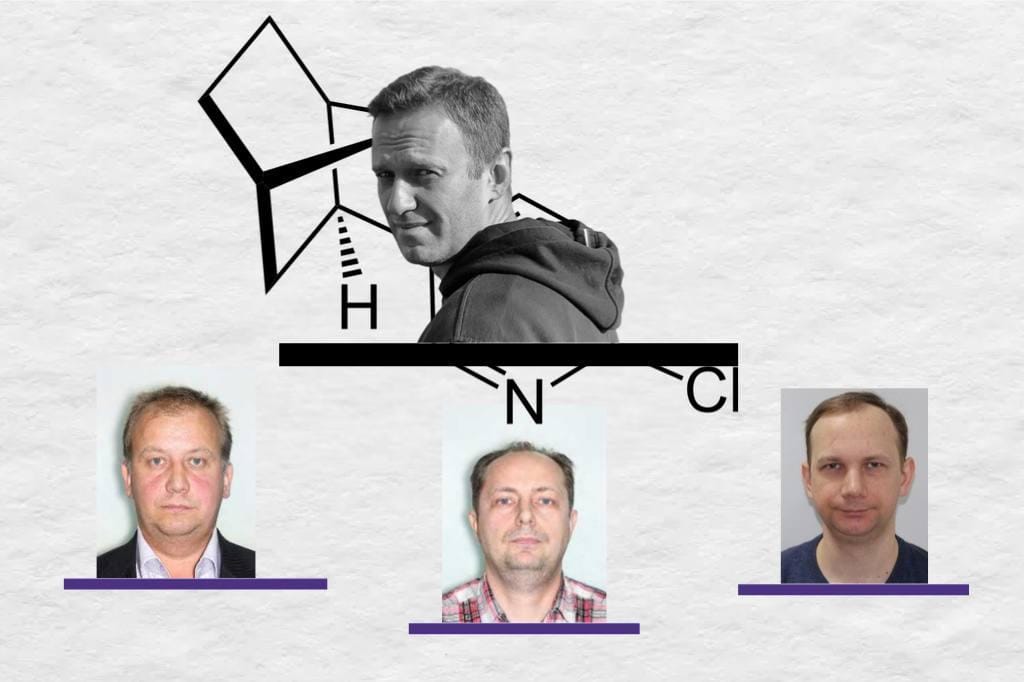

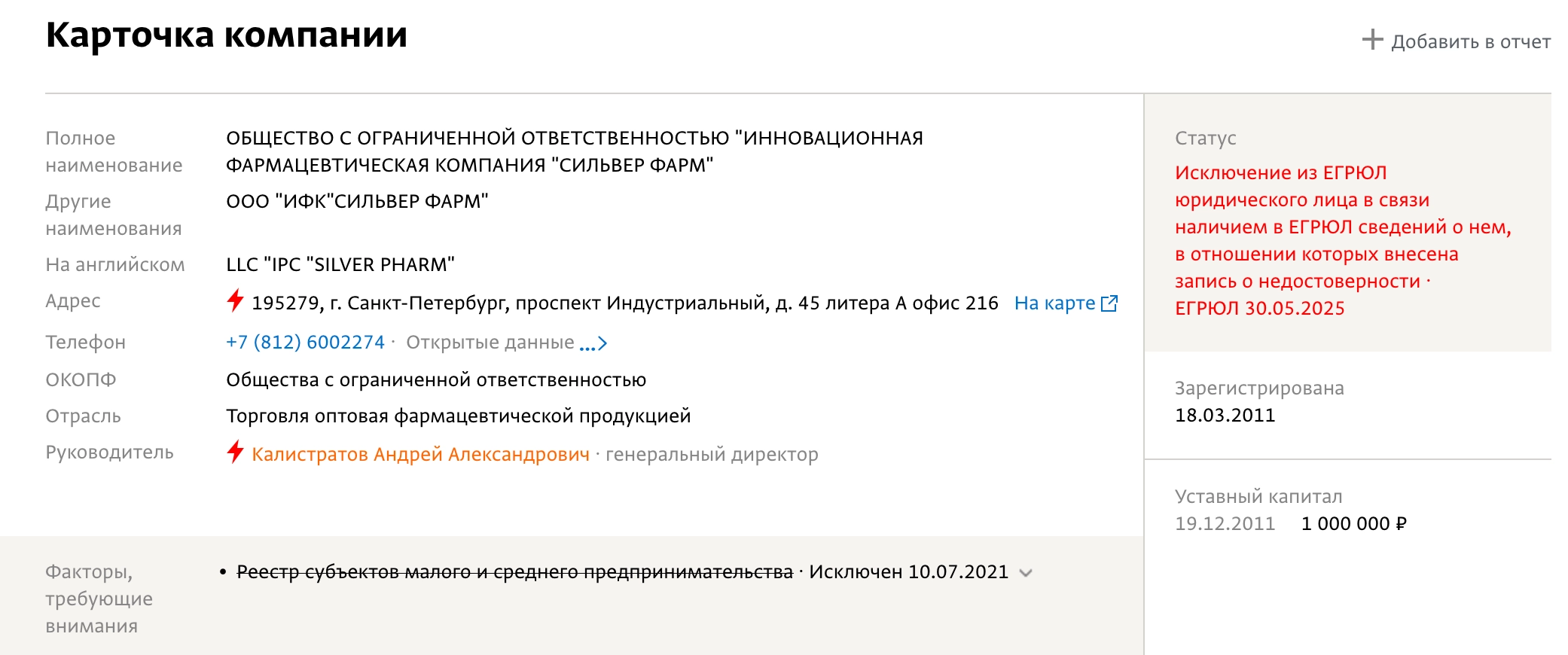
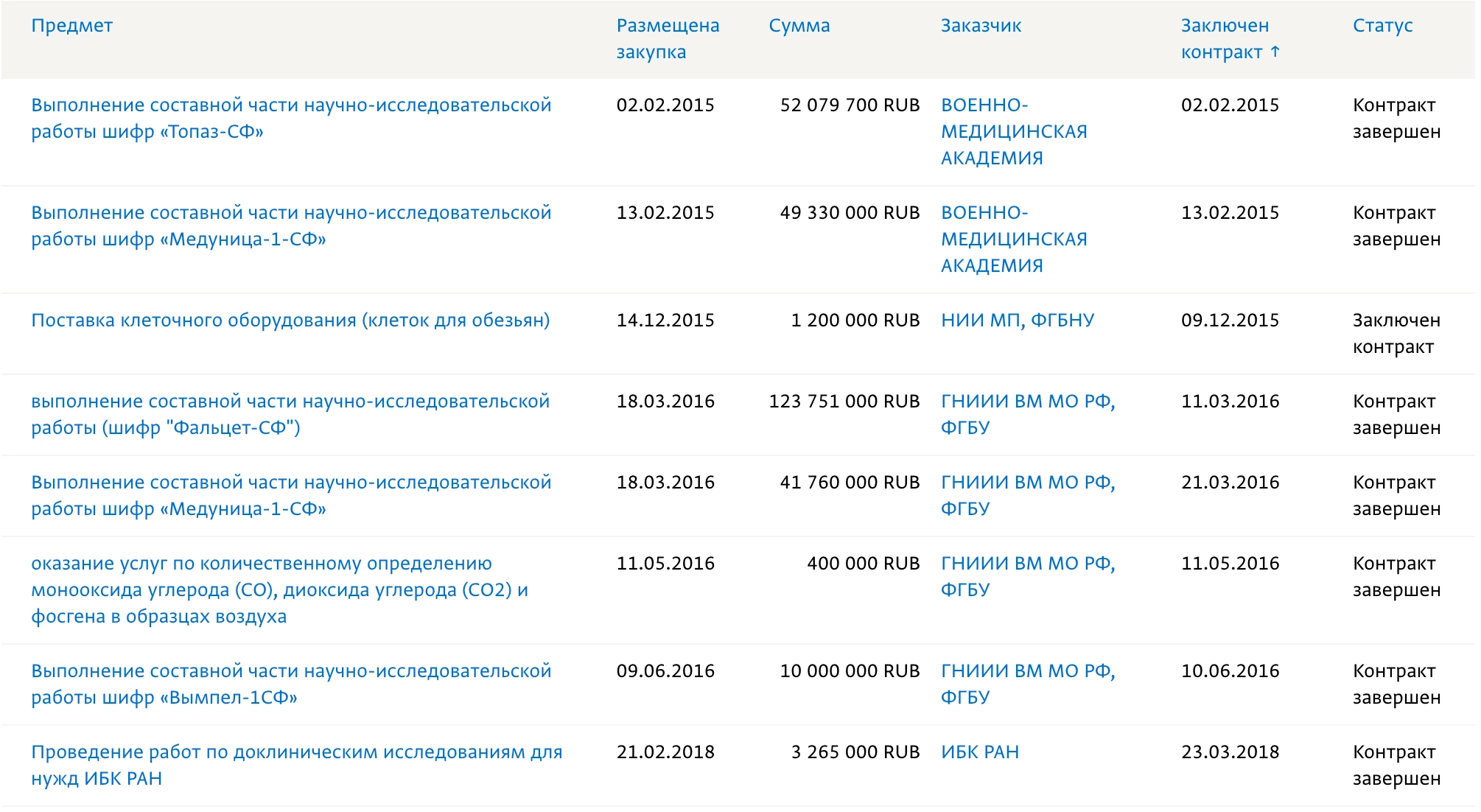
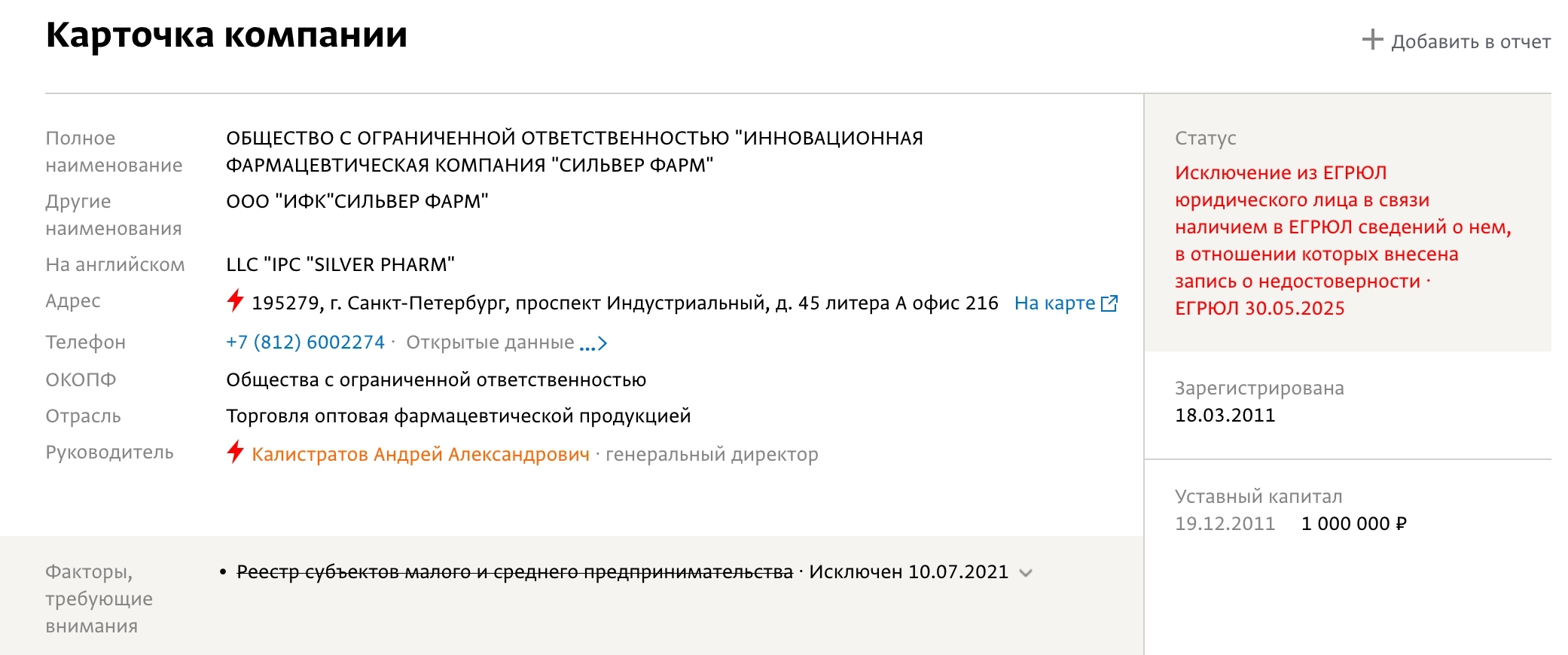
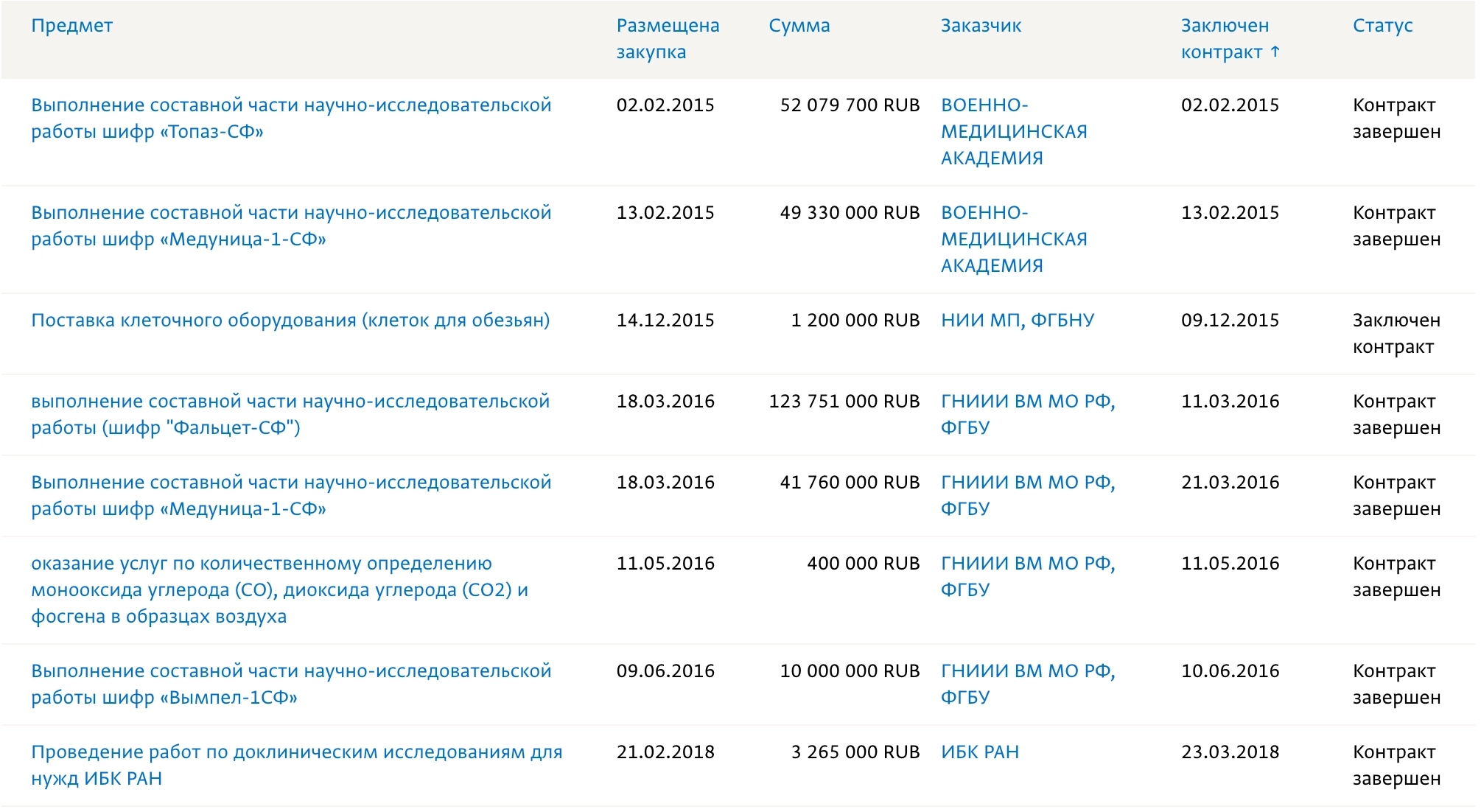
As The Insider discovered, Russia has been testing chemical warfare agents under the cover of a St. Petersburg-based pharmaceutical company called IFK Silver Pharm. Incidentally, the company shares its address — 4 Lesoparkovaya Street — with the State Research Testing Institute of Military Medicine under Russia’s Defense Ministry, headed by Sergei Chepur, a specialist in anticholinesterase poisons including Novichok. For years, Chepur advised the poisoners from GRU military unit 29155, who used Novichok to poison Sergei Skripal and Emilian Gebrev. Nadezhda Zavyalova, who worked at the pharmaceutical company as a junior research associate between 2012 and 2014, told The Insider how the laboratory operated. Among other things, she described the substances they tested on animals, the way military personnel carried “secret briefcases,” and how experimental results were falsified to produce polished reports.
- 1.“I thought I was getting a job at a pharmaceutical company”
- 2.“You don’t need to know what’s inside the main building”
- 3.“The point of the experiment was for the antidote not to work”
- 4.“Military personnel would bring in ‘classified’ briefcases with new substances for us to test”
- 5.“I did not realize I was working at a military facility”
- 6.Comment by physician Alexander Polupan
“I thought I was getting a job at a pharmaceutical company”
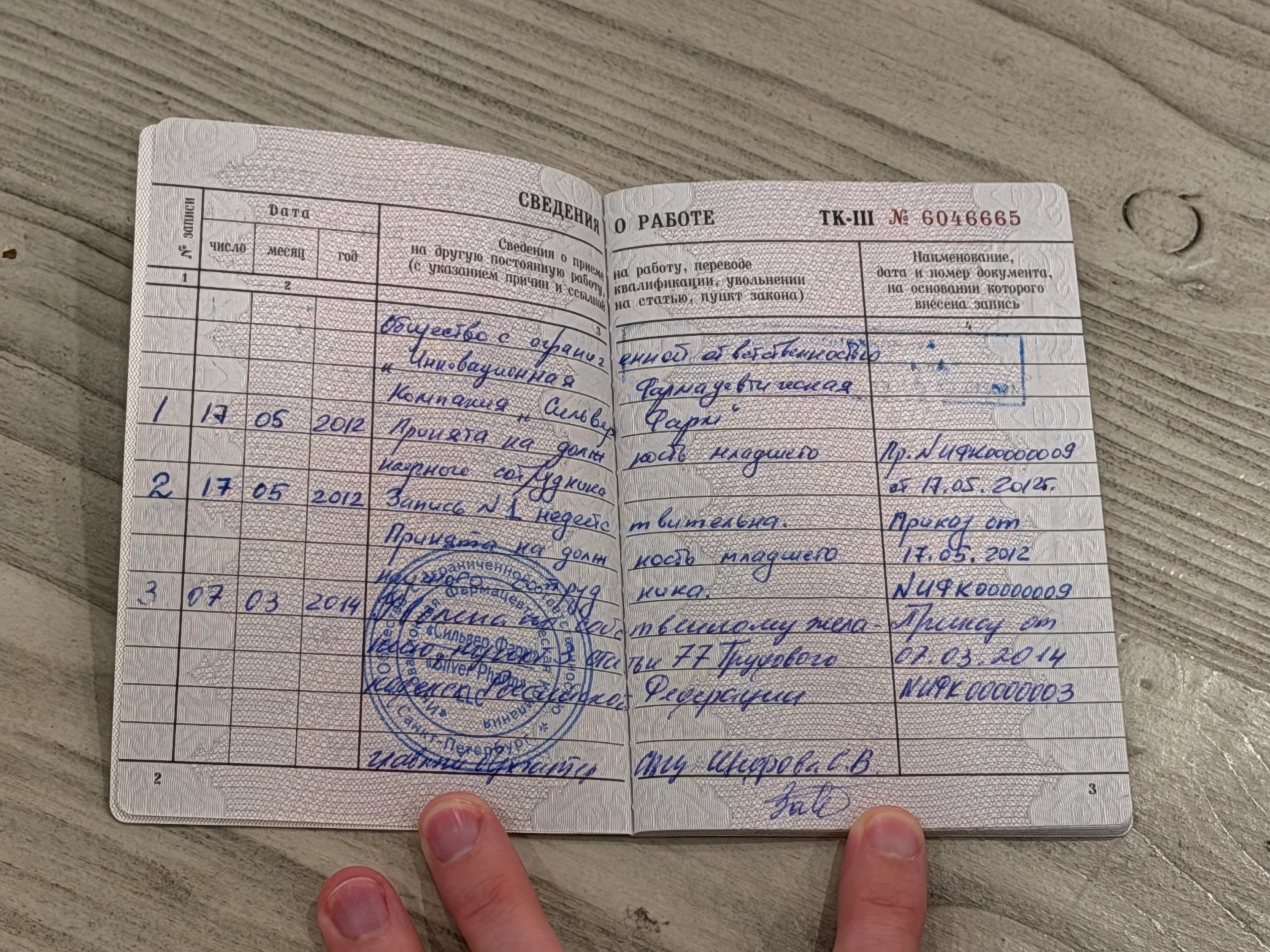
My name is Nadezhda Zavyalova, I am 37 years old. I worked at LLC IFK Silver Pharm from 2012 to 2014 as a junior research associate. When I joined the organization, I was told they were developing antidotes to poisoning in the event of chemical attacks.

I ended up there by chance. I’m a veterinarian by training and had previously worked as an assistant in veterinary clinics, but I quit because of the low pay. I spent some time at home, and then my husband found a listing on Avito saying the organization was looking for a secretary. When they learned about my veterinary background, they offered me a position as a junior research associate instead.
I was invited for an interview — not at the office where the secretaries worked, but at 4 Lesoparkovaya Street. I arrived after hours and was met by Mikhail Yudin. As I understood it, he was not part of Silver Pharm itself, but of the S. M. Kirov Military Medical Academy, and he supervised other military researchers.
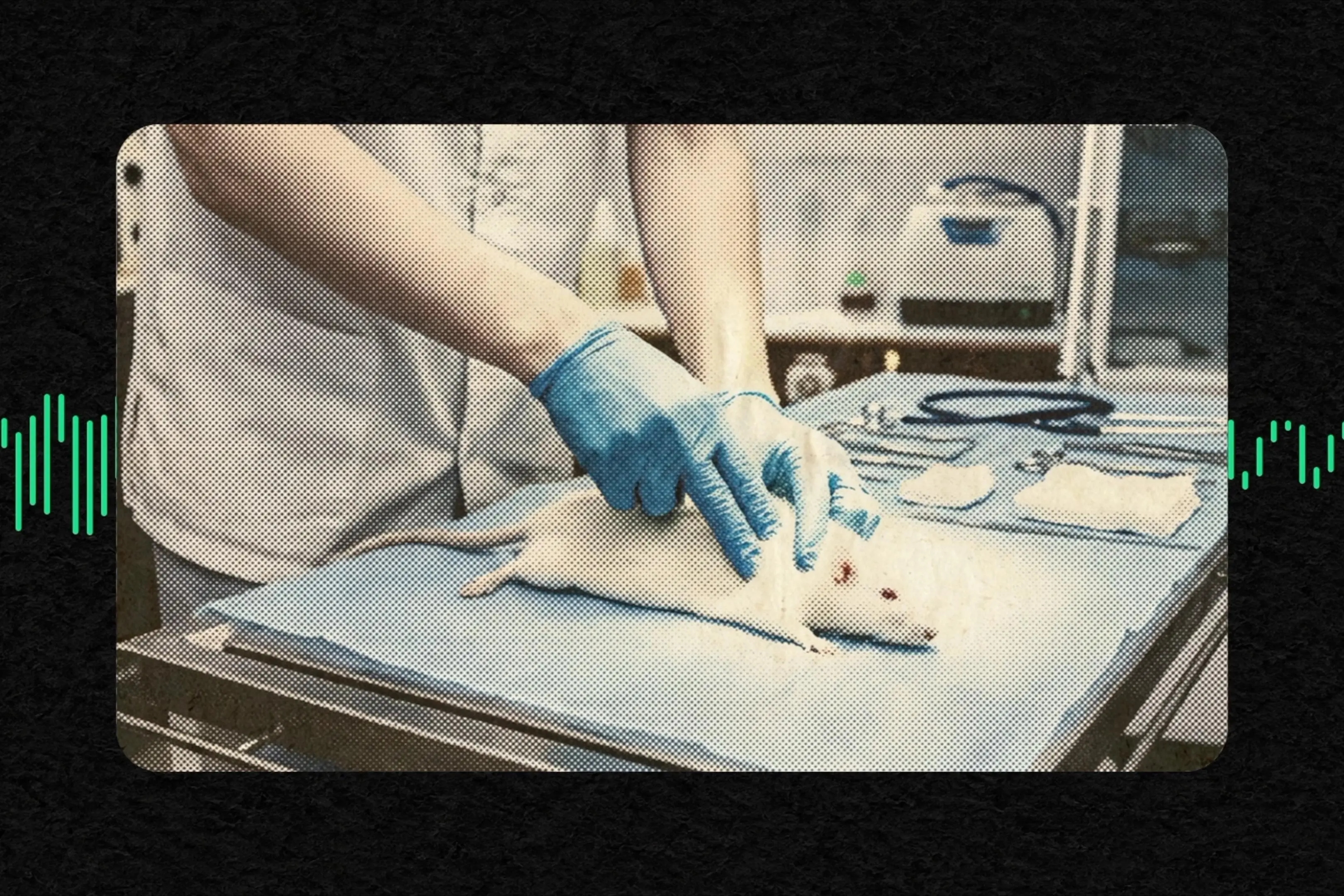
After the introductions, Yudin gave me a brief tour of the second floor — to show me around the lab rooms and explain where the lab equipment was located, where the chromatographs were kept, and where drugs were administered. He briefly glanced at my diplomas, but he showed little interest in them. From the way he described the duties of a junior research associate, I understood I could handle them. Essentially, I was expected to work with animals, prepare drug dilutions, and perform injections. As a veterinarian, I already knew how to do all of that. The interview ended there, and he told me they were expecting me on my first day of work.

The following Monday, on my first day, I was assigned to assist Svetlana Subbotina, a senior research associate. I worked with her for some time, but senior researchers mainly focused on writing papers, so I often had nothing to do. Later on, I started working more with junior research associates who conducted experiments on animals. At first, I only assisted them by holding the animals. With time, they taught me how to prepare and dilute pharmaceutical compounds.

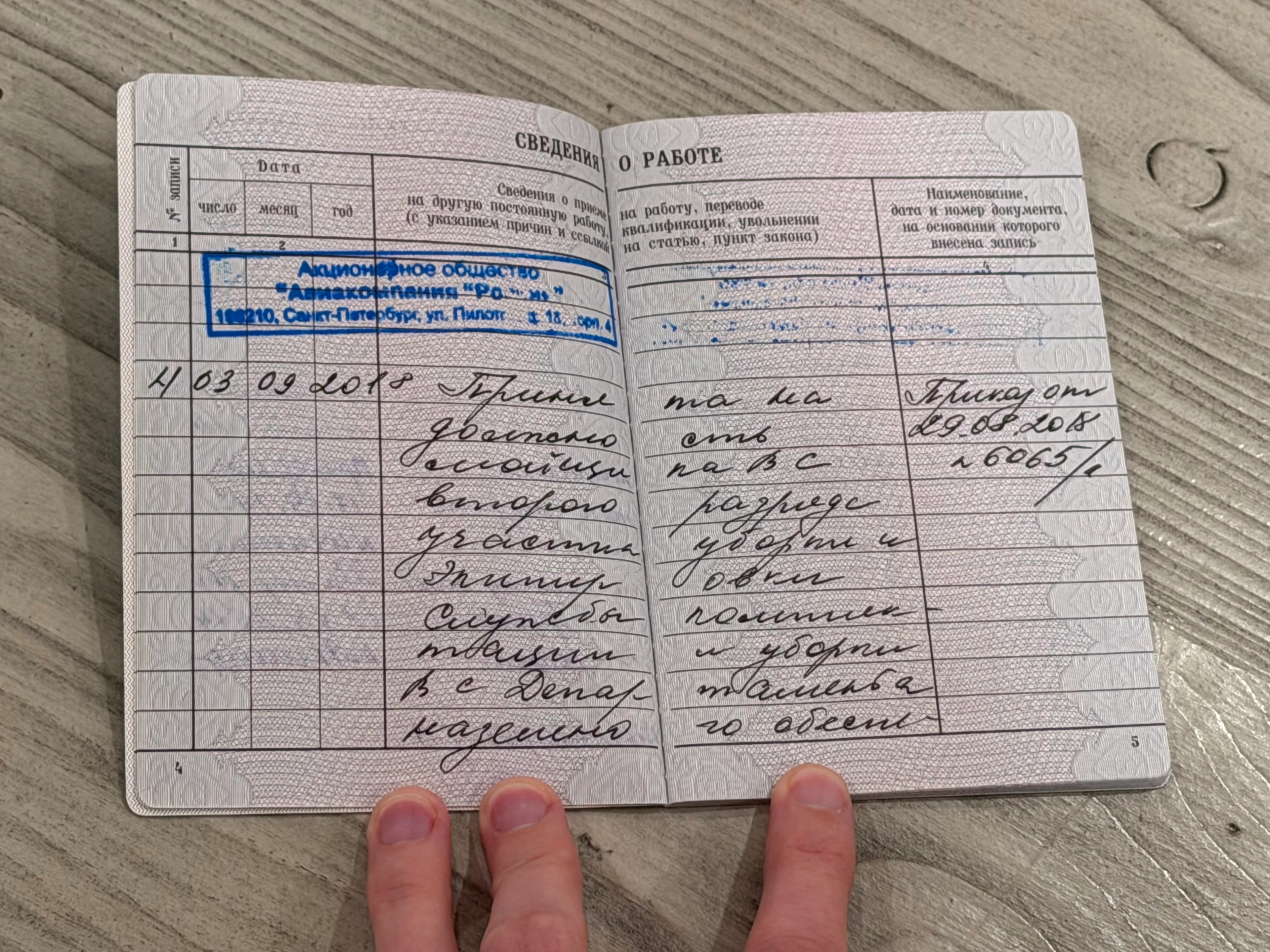

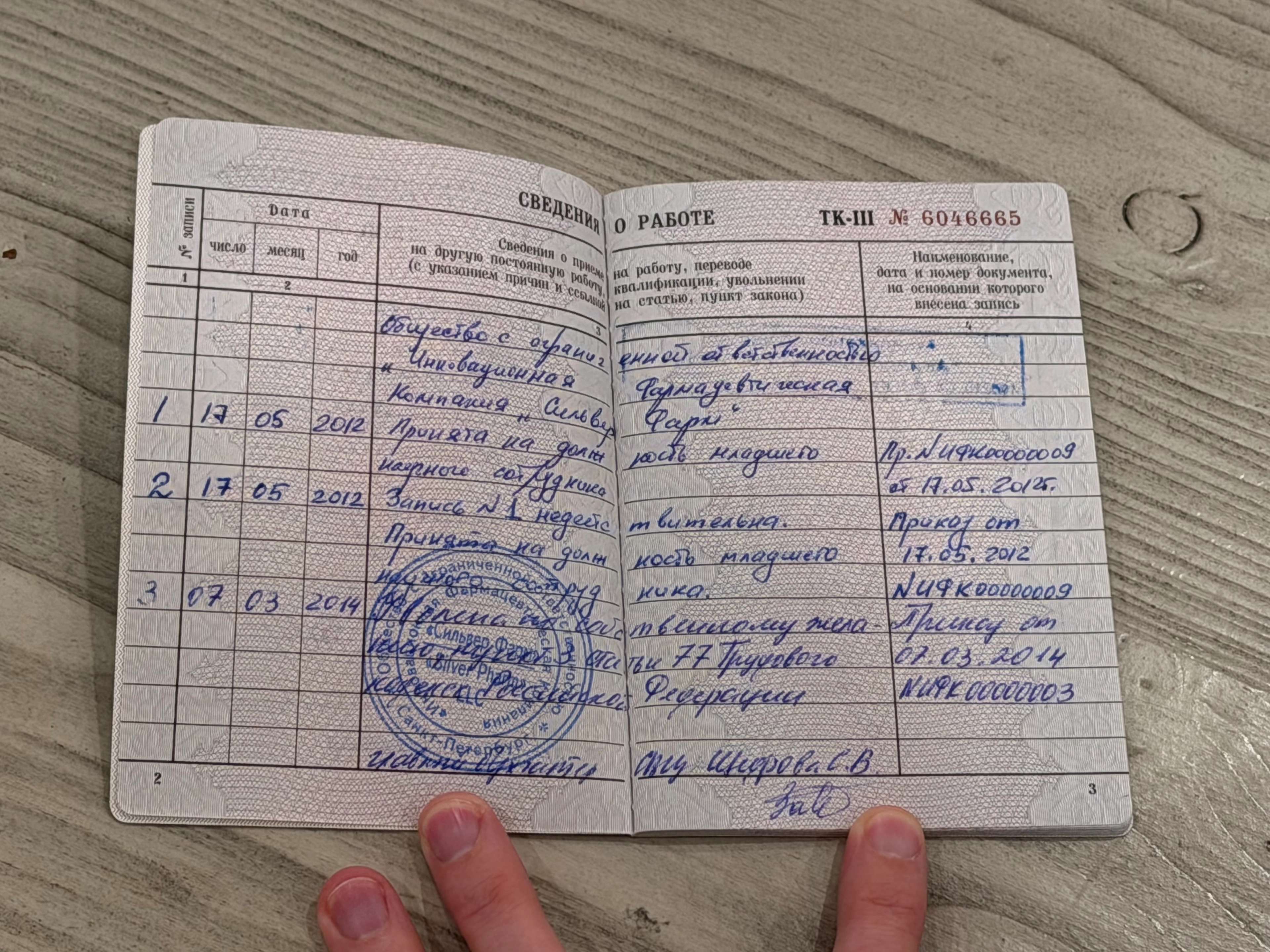
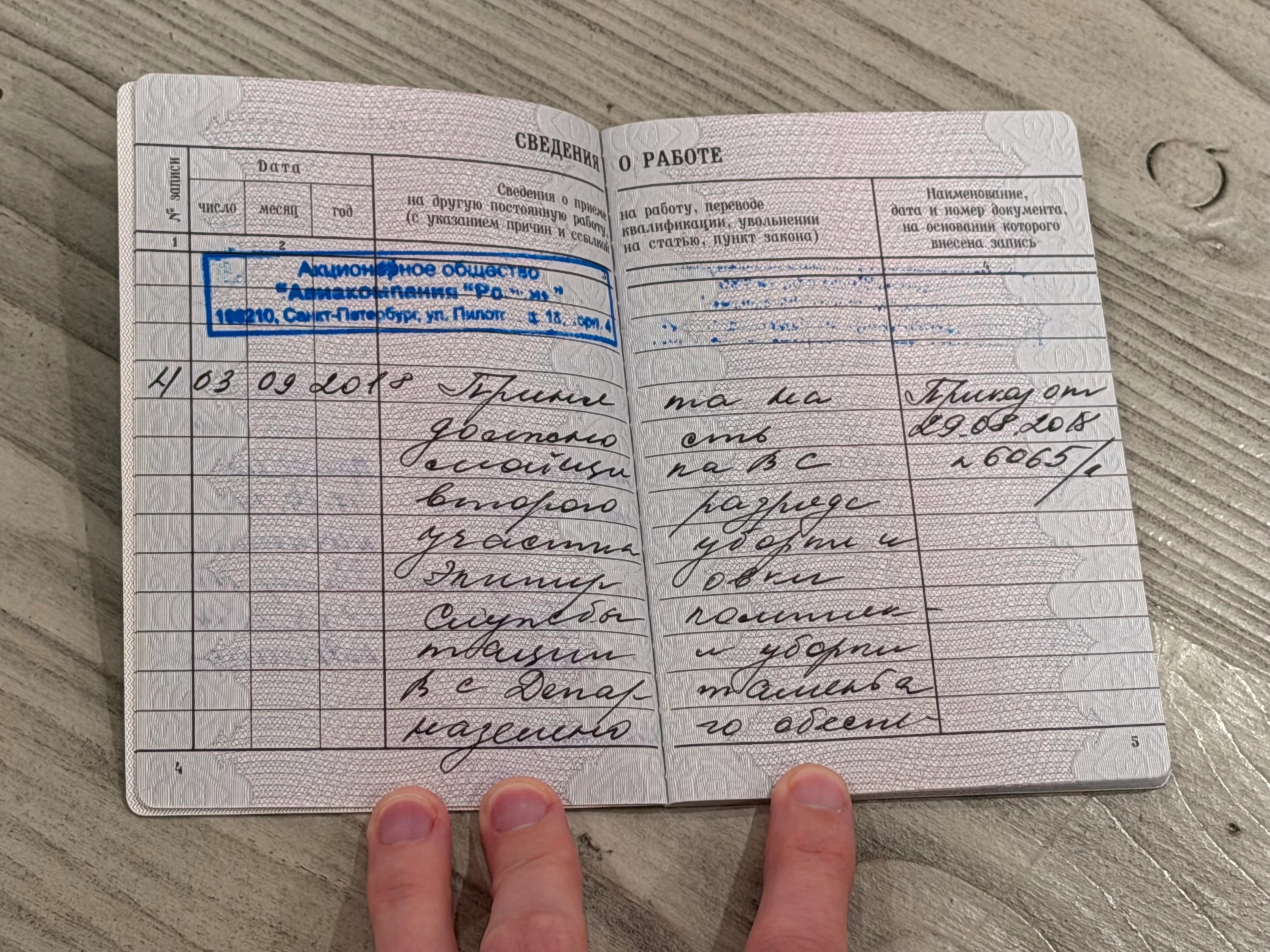
My direct supervisor was Alexander Nikiforov. Technically, I did not answer to anyone else, but in practice all the men on the team acted as superiors to us, the junior research associates. If one of them asked for help, we could not say no.
In addition to Alexander Nikiforov and Mikhail Yudin, several more military officers from the academy worked at the company in a separate office: Nikolai Vengerovich, Igor Ivanov, Mikhail Tyunin, and Ivan Fateev. They also wrote papers and occasionally conducted experiments, but never requested assistance.

Sometimes people who were not employees of Silver Pharm also came to the laboratory. One of those I remember seeing on multiple occasions was Vladimir Bykov. Later he married Anna Kurpyakova, a senior research associate. She appeared in subsequent publications under her married name as Anna Bykova.
As far as I knew, Bykov held a senior position at the Kirov Military Medical Academy. He mainly communicated with Alexander Nikiforov. Occasionally, other elderly men would also come in. They never introduced themselves, and no one explained who they were. They would simply walk down the corridor into Nikiforov’s office and then leave. Judging by photographs from investigations by The Insider, one of them must have been Sergei Chepur — one of the visitors looked very much like him. Being relatively young, he stood out from other visitors.
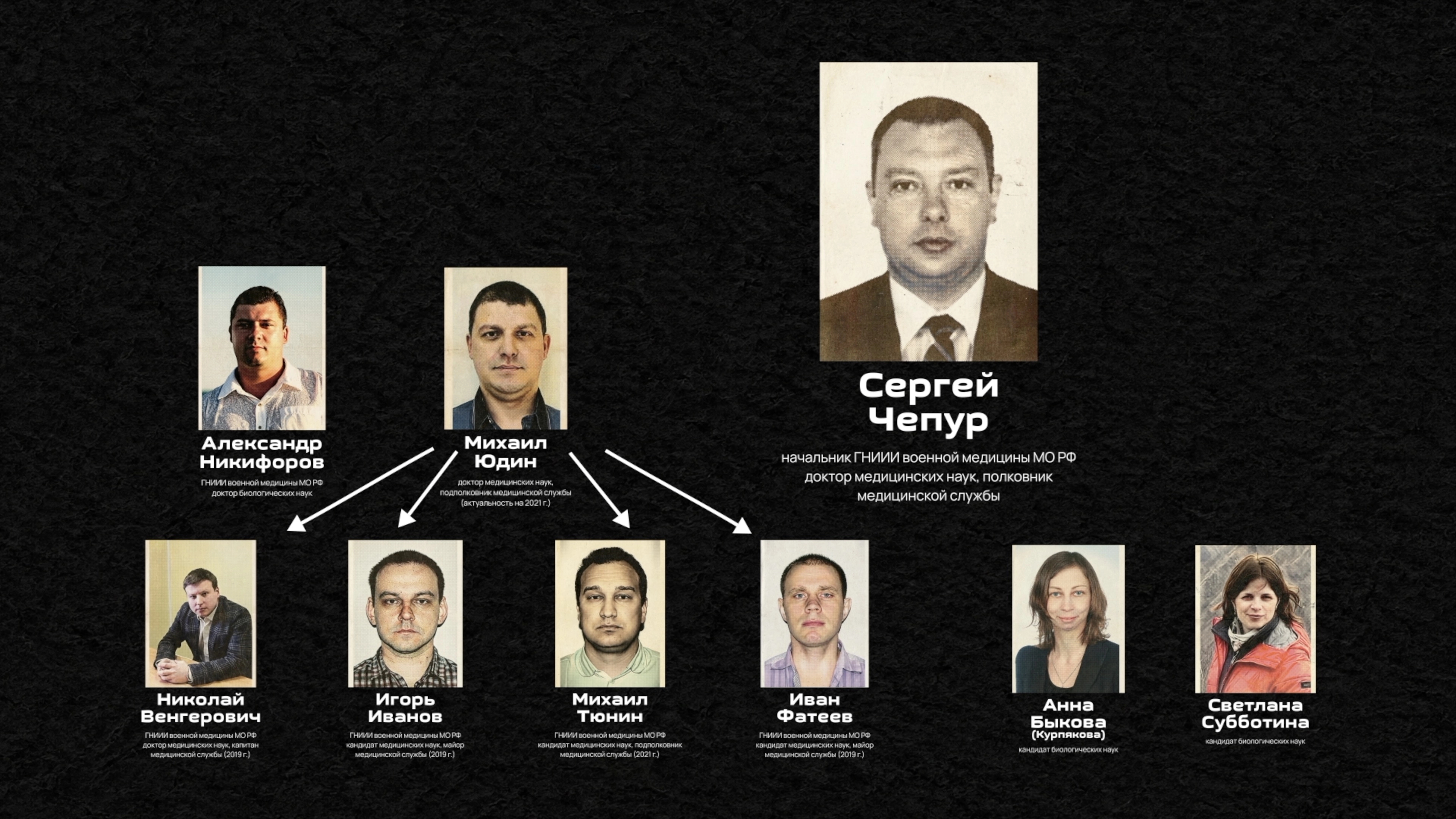
Despite its status as a pharmaceutical company, Silver Pharm did not manufacture any medications. I once saw a colleague from another team mixing substances. I asked what he was doing, and he replied that they were developing a kind of medicine. Those kinds of tasks were performed only by the team of Anna Bykova (Kurpyakova). She had two assistants, and they worked separately from us.
“You don’t need to know what’s inside the main building”
We entered the building through a shared security checkpoint with turnstiles. Access was controlled by passes. When you arrived, you handed in your pass; when you left, you picked it up again. As I understand it, there was a single checkpoint for the entire compound.
I never found out what was located in the main building, but there were always many cars outside and people going in and out. In winter, the paths leading to it were always cleared. There were large gates where some kind of special vehicles occasionally drove in. The gates were always closed, with grilles and heavy doors.
Once, I was walking together with Inna, a junior research associate, and Igor Ivanov was walking behind us. I asked Inna what was inside that building, but she said she didn’t know either. And then Igor, from behind, said something like: “You don’t need to know that.”
We worked in Building B. The first and second floors of the run-down building had very old, Soviet-era interiors in brown, green, and gray tones. The only new equipment we had was probably a chromatograph. But the third floor had been renovated and turned into a bright, clean-looking space with good ventilation systems.
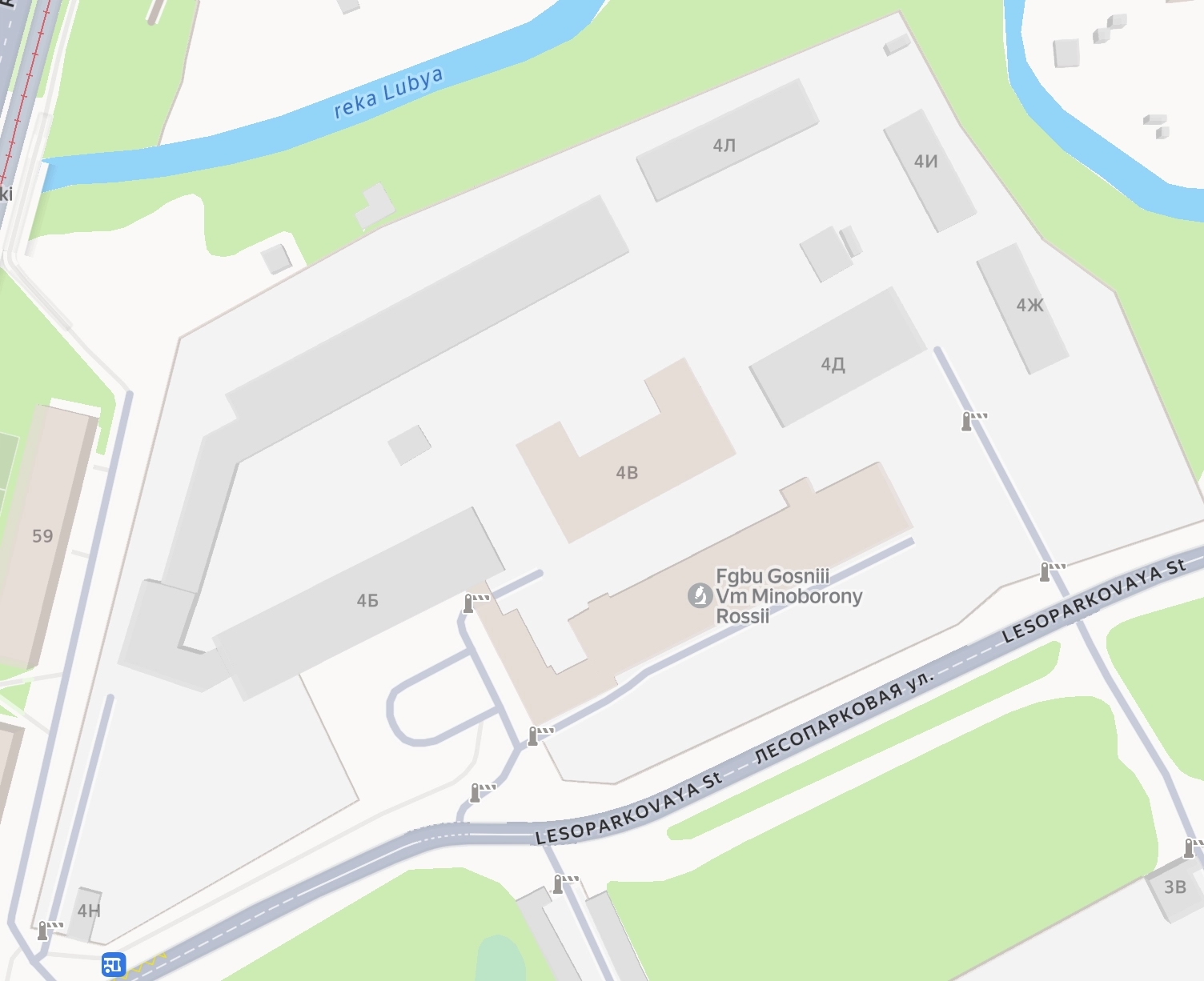
The second floor housed five laboratory rooms. We mainly worked in two: a small one and a large one. Anna Kurpyakova’s team used two other labs for their experiments. The fifth room was mostly empty. There was also a lab on the third floor, and two rooms on the first floor, where we also sometimes worked.


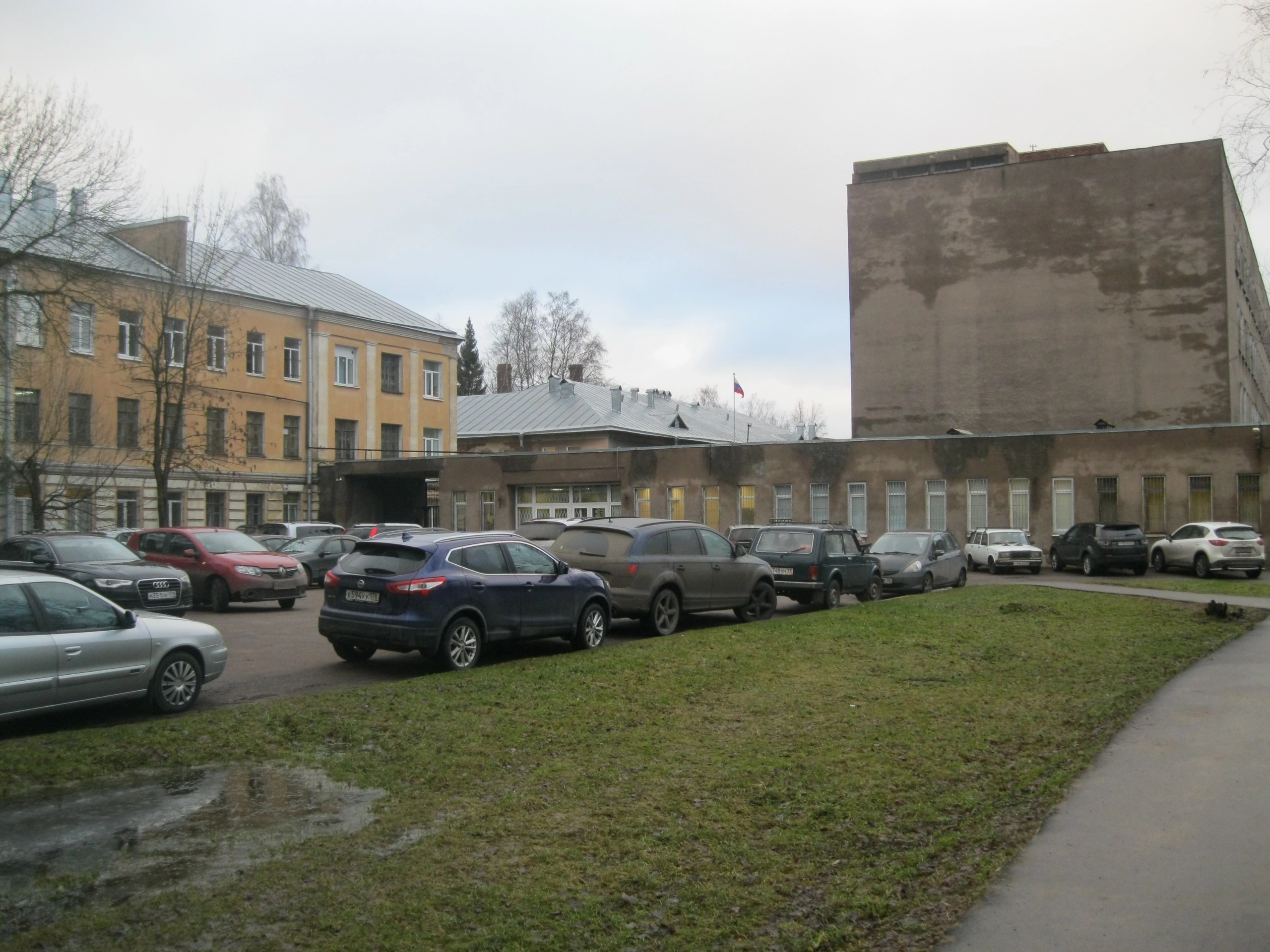


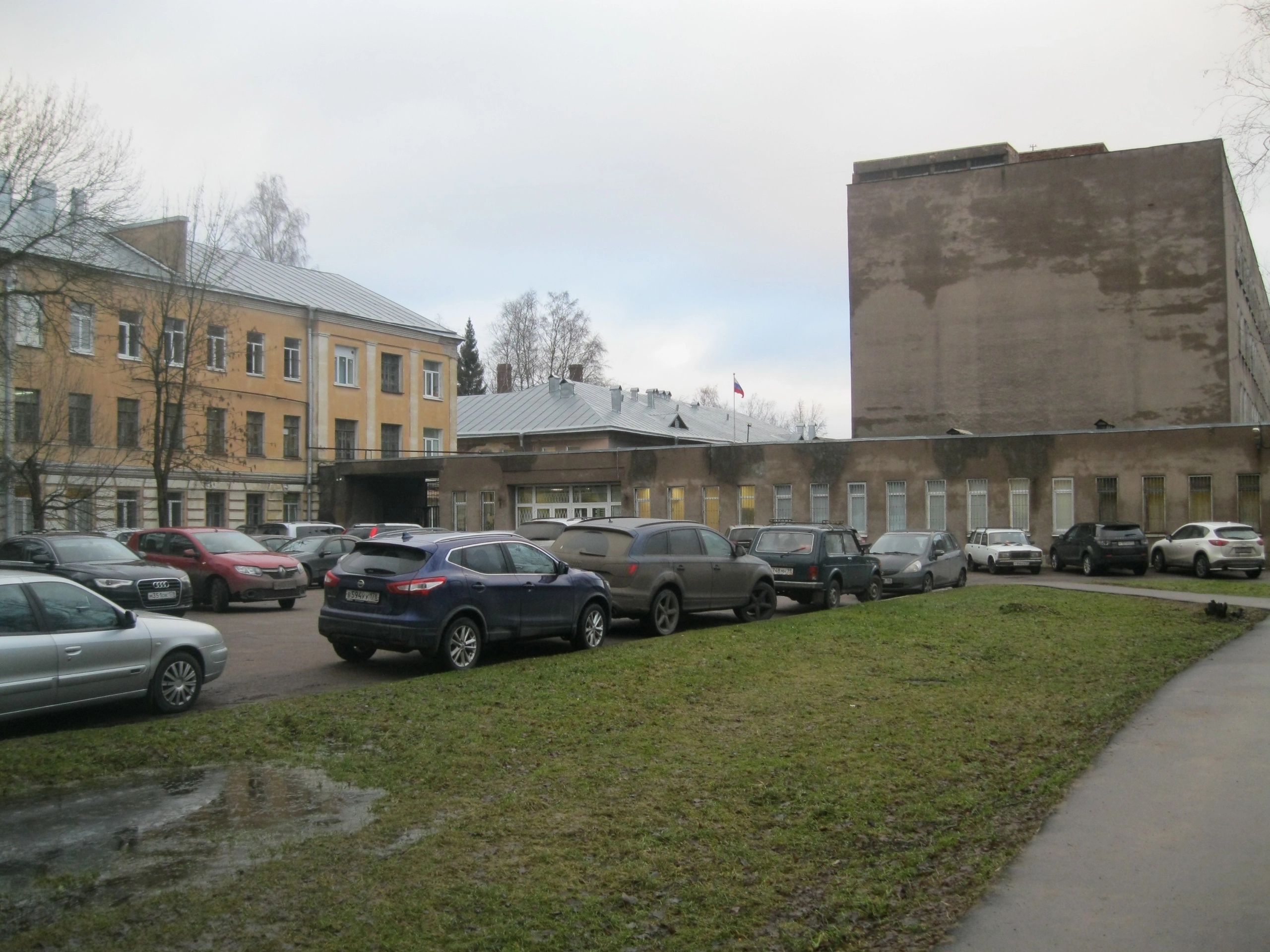
The lab where I worked looked fairly ordinary: a small room with two fume hoods, cabinets along the walls, and tables where rats were kept. In the larger lab, we had racks for rats so we wouldn’t have to carry them over each time. That was also where the used rats were placed after experiments.
One of the wings of our building housed a vivarium with animals. Two lab technicians there handled the rats: receiving them, forming groups, and delivering them to our labs. For some reason, they always had to carry rats outside and bring them back inside, although I once saw Igor Ivanov use the internal door connecting the labs to the vivarium. The rest of the time, those doors remained closed.
Researchers in Building V worked on something related to radiology and radiation. I went in there once, though I don’t even remember why. I only remember women in white lab coats, just like ours. As for the other buildings, I was never inside them.
A couple of times, we traveled to two other laboratories. I don’t know how exactly they were connected to Silver Pharm. We didn’t get there on our own — military men drove us in private cars, so I didn’t know the exact address. Looking back, I remember that one of the laboratories was located at 65B Suvorovsky Prospect. We went there because, as I understood it, they didn’t have staff who knew how to perform inhalation procedures. They didn’t have the equipment either, so we had to bring our own inhalation devices.
I also visited the company’s registered address at 45A Industrialny Prospect, office 216, to pick up my employment record when resigning. The office, where the secretaries and accountants worked, was located in a standard four-story office building.
“The point of the experiment was for the antidote not to work”
Experiments were carried out almost every day. We worked only with rats, sourced from the Rappolovo breeding facility near St. Petersburg. I remember there were also rabbits in the vivarium, and sometimes mice, but those were for senior research associates. Someone also mentioned they had monkeys, but as far as I know, no experiments on monkeys were conducted in our building.
Experiments on rats were usually very similar. We took a specific number of animals, mostly males weighing around 200 grams, and kept them hungry for some time before the procedures.
After exposure, administered either by inhalation or intramuscular injection, the batch of rats was then divided into groups: a control group that received no treatment at all, while other groups were given antidotes or various medicinal substances. Everything was given as a single dose: first the exposure, and then 10–15 minutes later the drugs. After that, we observed clinical signs: how the animal behaved, how long it took for seizures to begin, when death occurred, and so on. The main symptoms were seizures of varying intensity and pulmonary edema — the animals began to suffocate. There were also cases of cyanosis of the mucous membranes.
Clinical presentation of poisoning by nerve agents
Poisoning by nerve agents from the group of cholinesterase inhibitors, including Novichok, causes so-called cholinergic toxidrome — a condition in which the nervous system loses its ability to control the body’s functions. Clinically, this manifests as muscle twitching (convulsions), profuse salivation and sweating, tearing, a slowed heart rate, and marked pupil constriction. Pulmonary edema develops, leading to respiratory failure. Without timely medical intervention, death occurs due to respiratory arrest.
Other experiments tested the animals’ reaction to electric current. There were also experiments involving water: rats were placed in clean water, and researchers observed how long the animals could stay afloat. In this way, they studied how certain substances affected endurance, making animals more or less resistant. The timelines of death also varied: some rats died within a few hours, but some after about 36–48 hours — and sometimes even later.
Symptoms observed in known poisonings
Sergei Skripal, found on a bench in Salisbury after the poisoning, showed severely constricted pupils, continuous vomiting, and foam at the mouth, along with loss of consciousness. Both he and his daughter were placed on mechanical ventilation and put into medically induced comas. Alexei Navalny developed symptoms within minutes — profuse sweating, vomiting, and loss of consciousness right on board the aircraft. In Omsk, he was diagnosed with respiratory failure and intubated within the first hours. A deep coma, slowed heart rate, and constricted pupils were recorded. At the Charité hospital in Berlin, complete suppression of cholinesterase — the enzyme responsible for nerve-muscle signal transmission — was detected. He began breathing independently only on the twelfth day after his poisoning.
Among all the repetitive experiments we conducted over the course of two years, a few were expected to yield a specific result in advance — not in the sense that the military would come in and explicitly say what exactly was needed, but instead, one of the female staff members might let slip what the client was expecting.
For example, the final group was supposed to die. The point of the experiment was for the antidote not to work. At the same time, we only had limited ways to influence the outcome. If an animal that was “supposed to die” died, no one would save it. In some experiments, such as endurance tests in water, the animal was, on the contrary, supposed to survive, so we did what we could to rescue it. When a rat started drowning, we would resuscitate it. I clearly remember that we knowingly distorted the results.
We knowingly distorted the results to keep our clients happy
By the end of the first year, we were mainly involved in processing data: describing the results of experiments, calculating figures, and preparing reports and scientific papers for publication. My name did not appear on the papers because I did not write any texts, but I sometimes helped prepare materials. I had to search for articles online and rewrite them, or I had to find English-language publications and translate them into Russian.

I mostly processed data, entering experimental results into Excel and calculating the indicators. Everything was stored on corporate flash drives. We were not allowed to bring in our own flash drives, but the corporate ones could be taken home. After I quit, I still had one of those work flash drives for some time, but eventually I threw it away.
I didn’t have any security clearance, although we once discussed the possibility of obtaining some kind of clearance — not a very high-level one. I never really understood what benefits it would offer me, and I wasn't too enthusiastic about the idea because I wanted to travel abroad.
“Military personnel would bring in ‘classified’ briefcases with new substances for us to test”
Most of the time, I didn’t even know or care what substances were being administered to the animals. I never prepared the toxic agents myself — only diluted medicinal compounds. Those were handled by junior research associates. I never saw toxic substances being prepared in front of me. Most likely, they were either stored somewhere or brought in by military personnel. They would periodically leave with their “classified” briefcases — as we called them among ourselves — and then return with new substances for us to test.
Svetlana Subbotina worked with soman, as far as I remember. That was already a different level. I also heard about sarin, but we didn’t work with it ourselves — I think that one was also handled by senior research associates.
From what I remember, we worked with chlorine, chloropicrin, phosgene, and ammonia. The chloropicrin experiments were conducted in the large laboratory, but in essence they did not differ much from the others. Almost all experiments involved the use of atropine as the antidote — we were always diluting it.
Possible case of poisoning by chloropicrin
A possible case involving Russia’s use of chloropicrin was linked to negotiations in Kyiv in March 2022. After a meeting, Russian businessman Roman Abramovich, Ukrainian Member of Parliament Rustem Umerov, and another Russian businessman reportedly experienced symptoms resembling chemical poisoning. The Insider interviewed experts who spoke with those affected, and they all suggested the possible use of chloropicrin.
The word “acetylcholinesterase” came up very often in our work. Papers on this topic were constantly being written. I even remember translating materials related specifically to this enzyme from English. Notably, it was the military personnel who asked me to translate these papers, which is why it seems to me that they must have been in charge of those studies.
Later I learned that, under the law, most experiments with hazardous substances of this class are supposed to be conducted by military personnel, and specifically by those who already have children. Civilian women were not supposed to be involved in this at all. That really disturbed me. Moreover, we didn’t have any proper protection — only lab coats, which we brought ourselves, along with gloves and fume hoods.
We had no proper protective equipment — only lab coats that we brought ourselves, along with gloves and fume hoods
The fume hoods worked poorly. I noticed this while working with chlorine: after exposure experiments, the smell of chlorine remained in the room even outside the hood. I was really worried about getting chlorine poisoning. And there were also more serious substances there, some with no smell at all.
At some point, I realized I had to prioritize my health. The pay there was low — only 22,000 rubles a month (around $700 at the time). I had nothing to lose, so I handed in my resignation. My boss Nikiforov tried to persuade me to stay, but I refused. I was then given a two-week notice period, as required by law. I completed my work without any issues and left.
“I did not realize I was working at a military facility”
When I resigned, I had nothing to fall back on. For a while I stayed at home, then got an odd job at an airport as an aircraft cleaner. But I only worked there for a month — the pay was even lower. After that I was unemployed for a long time, and when the [full-scale] war in Ukraine began in 2022, my husband and I left Russia.
After we moved to a new country, I needed to find additional information about my previous jobs. My husband started searching online for everything related to Silver Pharm and saw that it had been shut down in 2025. He also came across a court case involving Vladimir Bykov and Alexander Nikiforov. He asked me if I knew them. I said, “Of course. Nikiforov was my supervisor, and Bykov was his superior.”
So we gradually began reading more and realized that Silver Pharm shared an address with the State Research Testing Institute of Military Medicine, which may have been involved in the development of toxic substances, including those related to Novichok. For me, it was a shock.
I didn’t even realize that I was essentially working at a military facility, and I think my former colleagues, other junior research associates, were in the same state of ignorance. But I’m sure the senior research associates knew more — they worked with other, more serious substances, wrote papers, and did not share much with us.
Comment by physician Alexander Polupan
Alexander Polupan is a Russian anesthesiologist and intensive care specialist who participated in treating Alexei Navalny after his poisoning with a Novichok-type agent in Omsk in 2020.
Clinical presentation and antidotes
Seizures and pulmonary edema are very characteristic clinical signs of all organophosphates and all cholinesterase inhibitors. This could be Novichok, or it could be other, more widespread organophosphates — the clinical presentation will generally be the same.
Of the substances used as antidotes to nerve agents, there are essentially two main groups of drugs.
The first is atropine, which removes only part of the symptoms by blocking muscarinic (M) cholinergic receptors — the receptors responsible for the function of internal organs and glands. It helps prevent death from bradycardia (a dangerous slowing of the heart rate) and bronchorrhea (excessive secretion of fluid and mucus in the bronchi), which involves a person literally beginning to drown in their own secretions.
The second group consists of oximes, such as pralidoxime. These are cholinesterase reactivators — drugs that attempt to displace the toxic agent molecule from its bond with the enzyme and restore the enzyme’s activity.
As a result, acetylcholine stops accumulating, and the effects of disrupted neuromuscular transmission are reduced. In poisoning, this involves continuous stimulation of the neuromuscular synapses: the muscles first undergo sustained contraction and then become paralyzed. The paralysis leads to respiratory arrest, causing death of the exposed person or lab animal. If oximes are effective, they improve all symptoms — unlike atropine, which only works partially.
If they were indeed studying the effectiveness of different molecules in terms of overcoming antidote therapy, then it was most likely oximes rather than atropine. Atropine is needed as part of the treatment to relieve certain symptoms, but it does not affect neuromuscular transmission disorders, since those involve a different type of receptor. Its use mainly indicates that cholinesterase inhibitors were being studied. The effectiveness of oximes, however, depends on the specific molecule: some variants of Novichok can be displaced more easily, while others are harder to reactivate or may not be displaced at all. It is possible that what they were trying to understand was precisely this: how to design compounds against which standard oxime therapy would be less effective.
Endurance experiments
Experiments testing rat endurance in water are most likely related to studying substances that either increase stamina or, conversely, suppress willpower. Such studies were indeed conducted: researchers examined how long an animal would continue to struggle for survival before giving up and beginning to drown. These could involve either doping agents for athletes or psychotropic substances for military use. However, in my view, this is not related to nerve agents or cholinesterase inhibitors.
Chloropicrin, sarin, and soman
Chloropicrin, sarin, and soman are all relatively old and well-studied chemical warfare agents. It is not entirely clear what exactly Silver Pharm was trying to do with the animals — whether the goal was to kill them or, on the contrary, to develop methods of saving them. Therefore, it is difficult to say what new knowledge they could have been trying to obtain about these substances.
Delayed death effect
If we are talking specifically about delayed death, then it is likely that a different class of poisons was being studied, rather than organophosphates. The very idea of nerve agents is to rapidly disrupt breathing: a person stops breathing and, without immediate assistance, dies very quickly.
At the same time, from the known cases of suspected poisonings I am aware of, there are grounds to assume that Russian security services may also use other types of poisons with different mechanisms of action, such as hepatotoxic agents — that is, substances that damage the liver.
We do not know what specific compounds this might involve, but there are several cases which, based on a combination of indirect indicators, appear consistent with possible poisonings. In such situations, delayed lethality can be expected, where severe consequences and death do not occur immediately, but develop over the course of days.