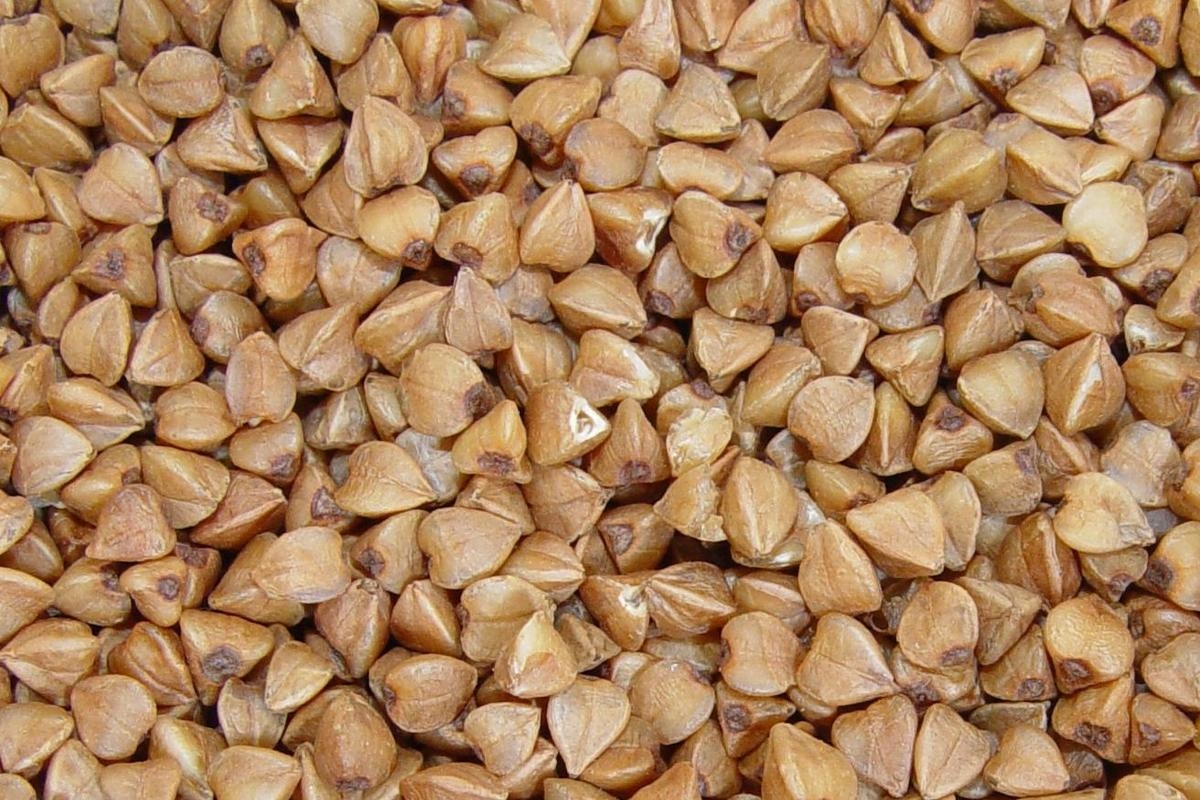
The Kremlin appears to have settled on an official explanation for Russia’s fuel crisis, blaming it not on a gasoline shortage stemming from Ukraine’s ongoing strikes against the country’s oil refining infrastructure, but Russians themselves. Commenting in early June on the gasoline shortage in Crimea, Kremlin spokesperson Dmitry Peskov said one of its causes was “completely unfounded panic buying,” comparing it to the mass purchasing of the staple grain buckwheat at the start of the COVID-19 pandemic. Regional governors, local officials, and state media later began repeating the same argument.
The Insider has compiled a list of notable statements made by regional authorities regarding the ongoing fuel crisis.
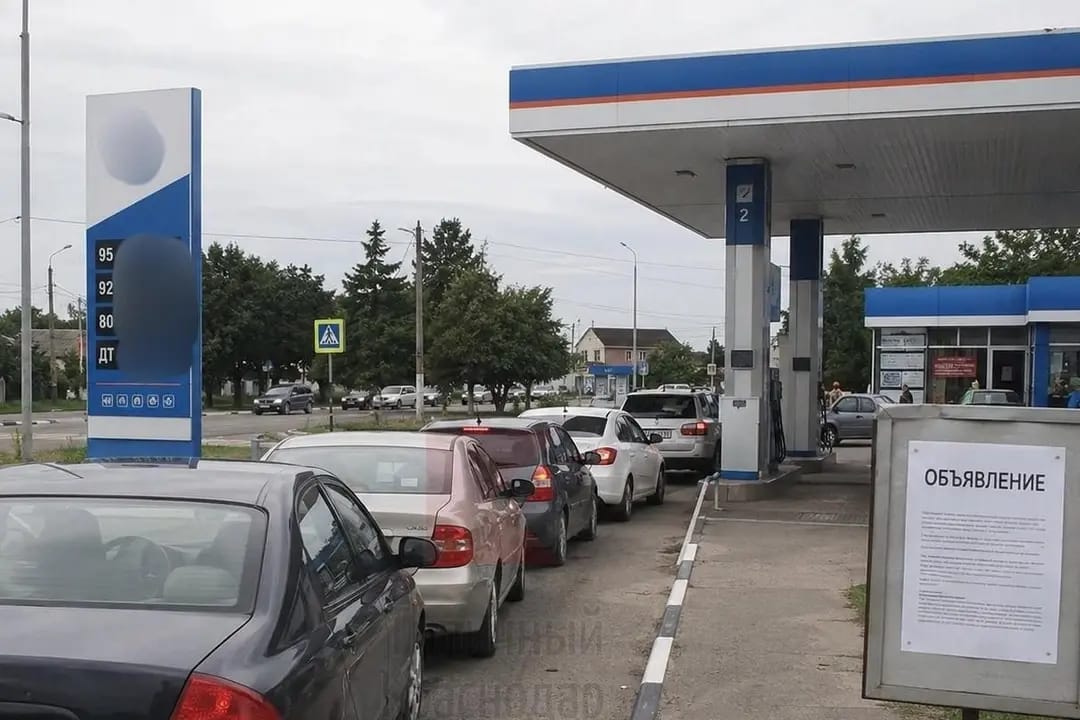
- Krasnodar Region governor Veniamin Kondratyev, Leningrad region governor Alexander Drozdenko, Ivanovo Region head Stanislav Voskresensky, Saratov Region governor Roman Busargin and authorities in Mordovia explained the lines at gas stations by saying drivers had started buying gasoline “just in case.”
- In the Nizhny Novgorod Region, officials said fuel was being bought up en masse by residents of neighboring regions. A similar explanation was given in the Tomsk Region. Novosibirsk Region governor Andrei Travnikov claimed there was no fuel shortage at all and that restrictions had been introduced only to prevent “speculative demand.”
- In Karelia and Udmurtia, along with the Ryazan, Volgograd, and Orenburg regions, disruptions were attributed to high seasonal demand. In the Amur, Kursk, and Omsk regions, officials said restrictions were necessary in order to prevent artificial panic buying.
At the same time, federal and regional media have helped actively spread the argument that “it is like buckwheat” and that the crisis is primarily caused by public panic. Reports increasingly used phrases such as “unfounded panic buying,” “stockpiling gasoline,” and “artificial shortage.”
Major Telegram channels also promoted the claim. A channel run by socialite and popular Russian media figure Ksenia Sobchak — who is notably the goddaughter of Vladimir Putin and the daughter of his former boss, St. Petersburg Governor Anatoly Sobchak — published a post featuring a psychotherapist’s comment under the headline “The psychology of shortages: Why lines at gas stations are growing faster than fuel problems.” The expert explained the situation entirely through the psychology of human behavior.
The spread of the buckwheat narrative soon intensified through reports that Russians had allegedly begun mass buying the grain itself. Telegram channels and regional social media pages then began spreading claims of an emerging buckwheat shortage, accompanied by videos of empty store shelves. Media outlets wrote especially actively about buckwheat shortages on June 27. By June 28, Russia’s largest news agencies, including RIA and TASS, were publishing reports saying that “major Russian retail chains are maintaining a stable assortment of buckwheat groats.”
In order to alleviate public concern, a full news conference was organized with Stanislav Bogdanov, the head of Russia’s Association of Omnichannel Retail Companies, or AKORT. Afterward, federal media outlets almost simultaneously reported that buckwheat stocks were sufficient and that no shortage was expected.
In less than a month, Peskov’s argument had grown into a full-scale information campaign. First, the Kremlin suggested explaining the fuel crisis as “unfounded panic buying.” Then governors and ministers began repeating the claim. Federal and regional media and major Telegram channels later expanded on it. As a result, public discussion came to focus not only on the gasoline shortage but also on a possible shortage of buckwheat itself — even though buckwheat had originally been cited as an example of baseless panic.