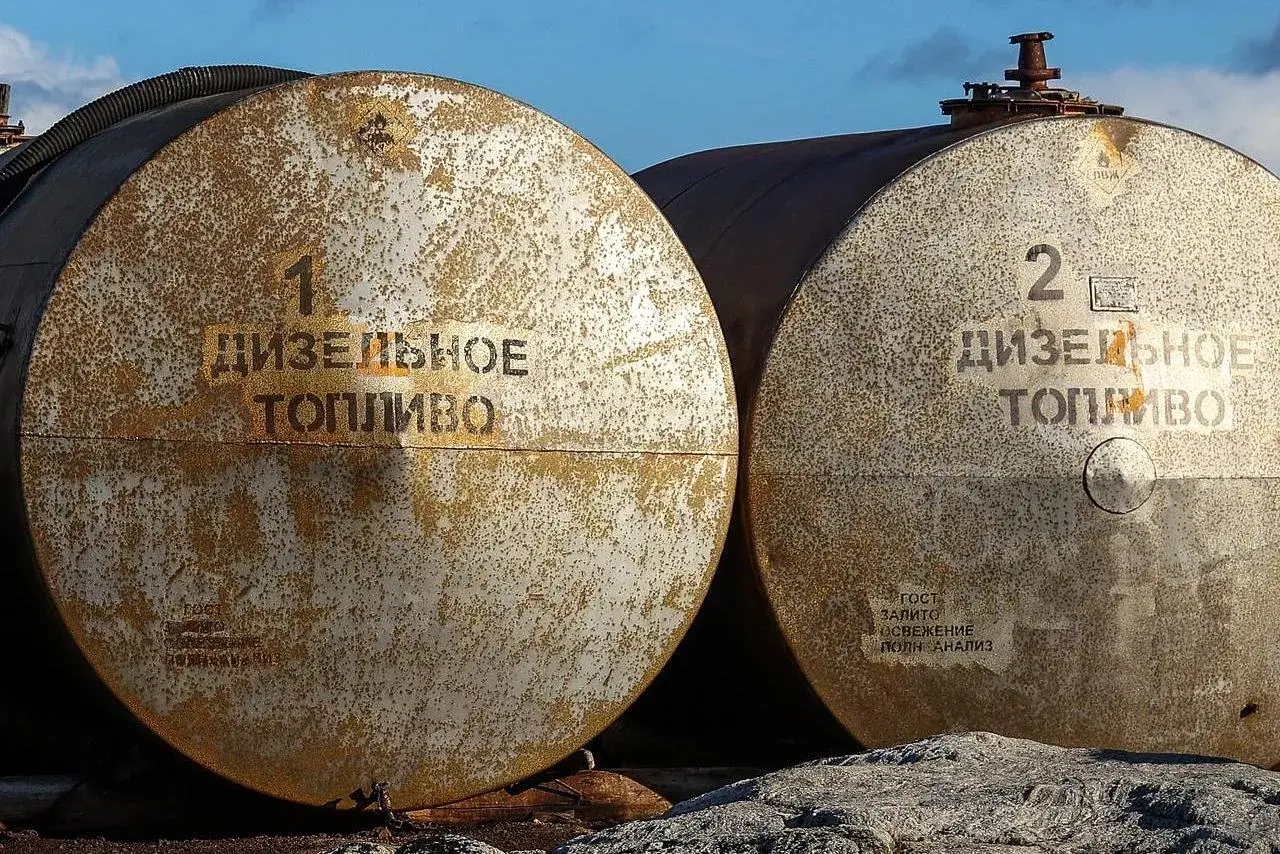
In March, Russian diesel exports shipped from the country’s Baltic Sea ports increased by 22% compared with February and by 34% compared with March of last year, reaching 1.78 million metric tons. The figures were reported by Russia’s Center for Price Indexes (CPI) and quoted by business outlet RBC. The main volume (around 1.16 million tons) passed through Primorsk. Meanwhile,400,000 tons went out through Ust-Luga, a twofold increase year on year.
Experts cite the crisis in the Strait of Hormuz as the main reason for the surge, as the blockade of the Middle Eastern waterway removed a significant portion of diesel from the global market. Buyers began actively drawing down stockpiles, with reserves at the Fujairah port (UAE) falling by 36% in March, to 13.3 million barrels.
As RBC reports, an additional incentive for the increase in Russian exports was the temporary easing of American sanctions, after which importers no longer feared being hit with secondary restrictions. Washington temporarily lifted sanctions on Russian oil and petroleum products loaded onto ships before March 12; the license is valid until April 11.
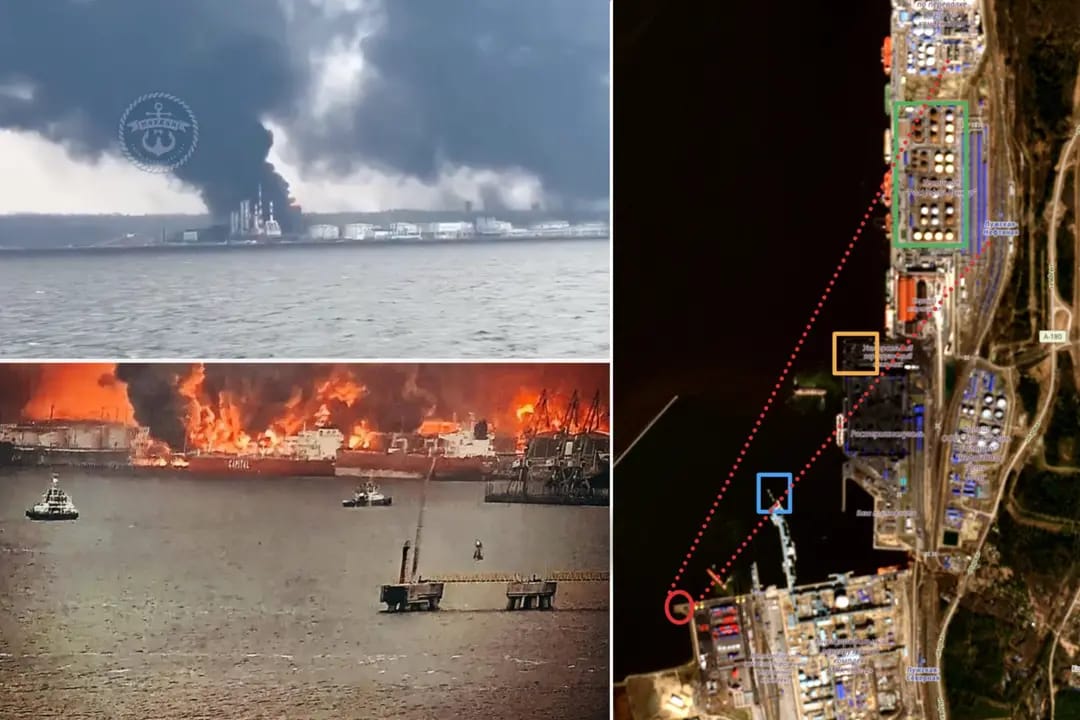
In the meantime, Ukraine is actively striking the ports from which Russian diesel is shipped. Starting from March 23, the ports of Primorsk and Ust-Luga have repeatedly come under drone attack, bringing their current combined oil exports to their lowest level since 2022.
According to Dmitry Kasatkin of Kasatkin Consulting, the need to restore port infrastructure threatens to reduce Russia’s Baltic diesel exports in April by 30–50% compared to March. While Black Sea terminals such as Novorossiysk or Taman offer an alternative, the transition will take time and drive up costs. Kasatkin estimates that at most 15–20% of the disrupted shipments can be redirected, and the remainder will have to be absorbed by the domestic market, putting pressure on wholesale diesel prices within the country.
Meanwhile, Reuters reported conflicting data indicating that Russian seaborne exports of diesel and gasoil fell by 3% in March compared with February, to around 3.06 million tons. Market sources and LSEG attribute the decline to systematic attacks by Ukrainian drones on key port terminals.