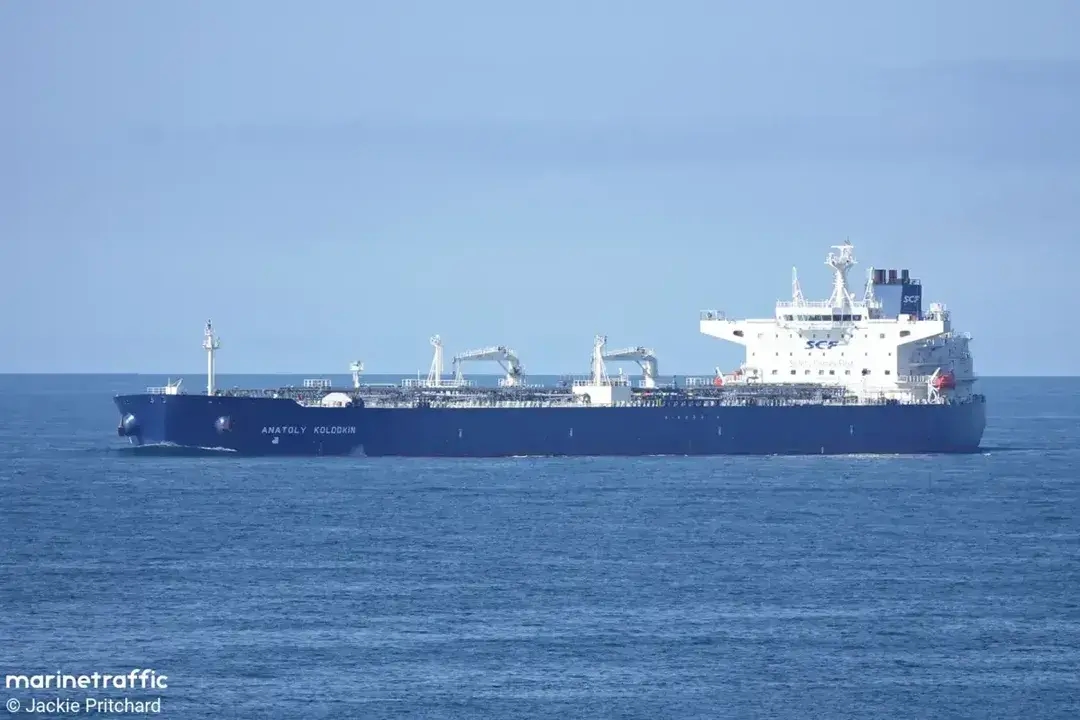
The Russian tanker Anatoly Kolodkin (IMO 9610808) has broken Cuba’s maritime blockade, which the U.S. has maintained for several months, according to data from the ship-tracking service Starboard Maritime Intelligence.
The Anatoly Kolodkin, which departed the Russian port of Primorsk on March 8, arrived in the Cuban port of Matanzas earlier today and was awaiting to be unloaded, according to a report by the state-controlled news agency TASS, citing the Russian Ministry of Transport.
“The Russian tanker ‘Anatoly Kolodkin,’ carrying a humanitarian shipment of 100,000 tons of crude oil, has arrived in Cuba,” the statement said.
As of the morning of March 30, Starboard Maritime Intelligence data indicated that the vessel was about 30 kilometers off the coast of Cuba and was approaching the island. The tanker is part of Russia’s “shadow fleet” and has been under U.S. sanctions since 2024.
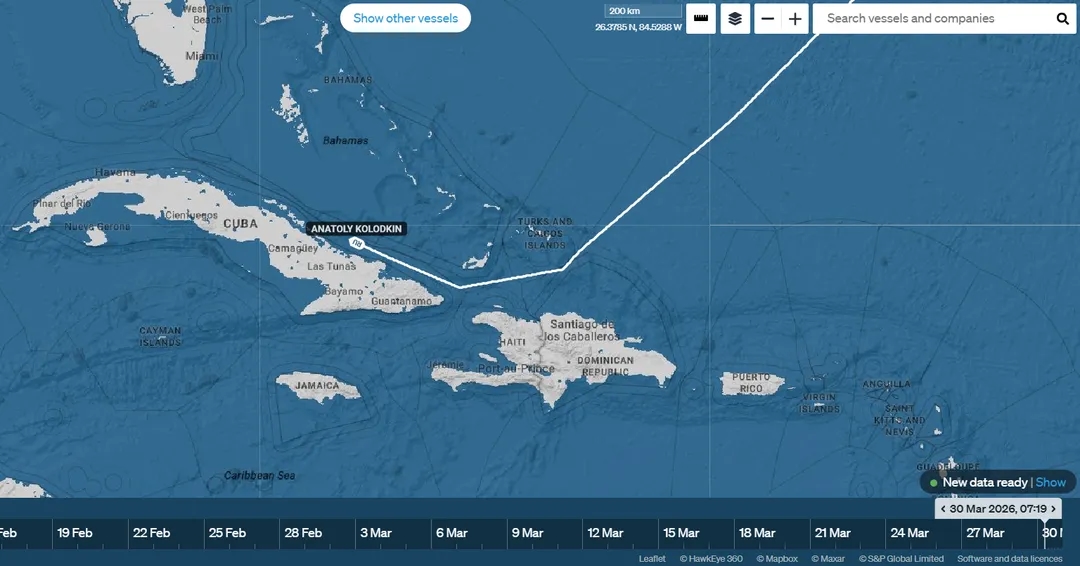
The New York Times reported that the U.S. Coast Guard took no action to detain the tanker because it had received no such order, according to a source cited by the newspaper. Why the White House decided not to intercept the vessel remains unclear.
Analysts quoted by the Times said deliveries of Russian oil would ease Cuba’s fuel crisis by providing the island with energy supplies for several more weeks. It would also reduce pressure on the Cuban government, which has faced escalating threats from Washington.
U.S. President Donald Trump, speaking to reporters, in effect confirmed that the United States had allowed the Russian tanker to deliver oil to Cuba.
“If a country wants to send some oil into Cuba right now, I have no problem with that, whether it’s Russia or [anybody else],” he said while speaking to the press aboard Air Force One.
U.S. President Donald Trump speaks with press aboard Air Force One on Mar. 29, 2026
The White House
Trump added that Russian oil supplies to the island did not concern him. Asked whether he feared they would help Vladimir Putin, he replied:
“How does that help him? He loses one boatload of oil, that’s all… It doesn’t bother me much. It’s not going to have an impact. Cuba is finished, they have a bad regime, they have very bad and corrupt leadership. And whether or not they get a boat of oil is not going to matter. I’d prefer letting it in, whether it’s Russia or anybody else. The people need heat and cooling and all the other things that you need.”
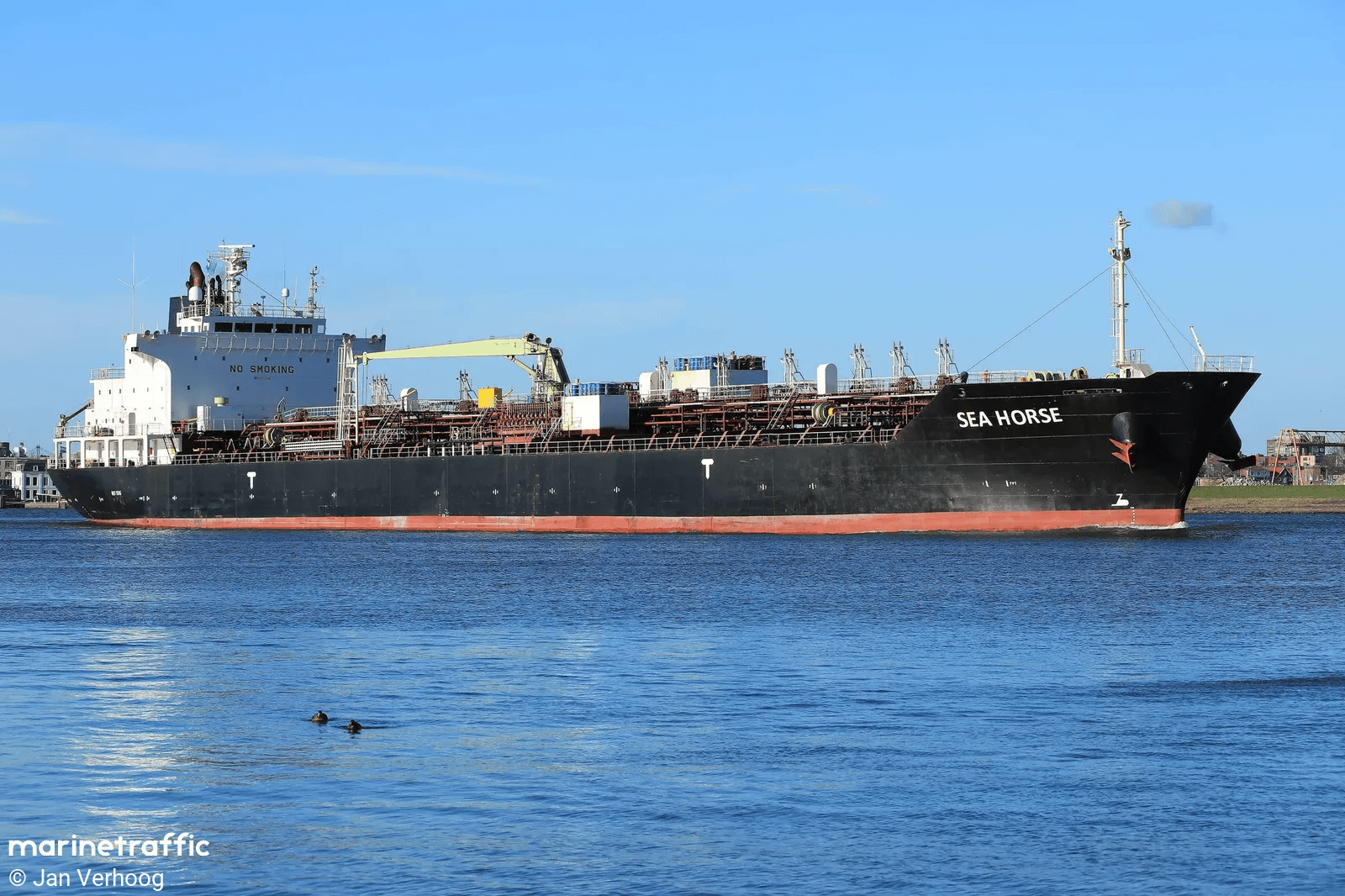
If the Anatoly Kolodkin reaches a Cuban port, it will mark the first delivery of energy supplies to Cuba in several months. It is not the only vessel that sought to deliver oil to the island: the tanker Sea Horse (IMO 9262584) loaded about 200,000 barrels of Russian gasoil off the coast of Cyprus back in February, but later changed its destination and is now off the coast of Venezuela, where it arrived on March 27.
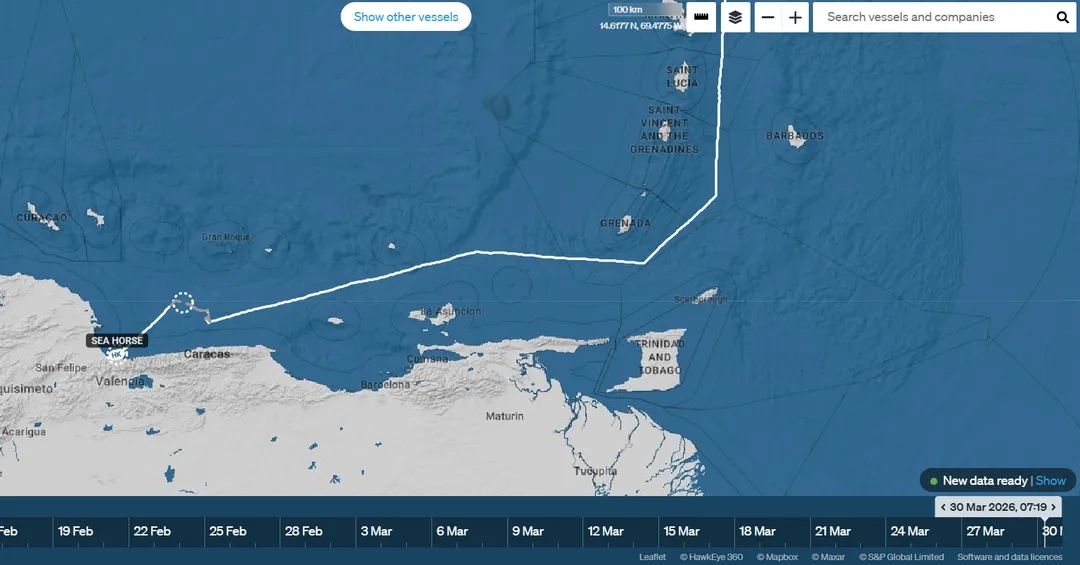
Pressure on Havana has increased since late last year, when U.S. forces intercepted a vessel carrying Venezuelan oil to Cuba. After U.S. forces took Venezuelan leader Nicolás Maduro into custody on Jan. 3, the Trump administration demanded that fuel deliveries to Cuba stop, threatening tariffs against countries supplying oil to Cuba. Mexico subsequently halted such exports.
In an effort to ease the pressure on international energy markets caused by the U.S.-Israeli war against Iran, Washington has permitted deals involving Russian oil that was loaded onto vessels before March 12. The U.S. Treasury later issued a new license restricting transactions involving Cuba, Iran, North Korea, and the illegally occupied and annexed territories of Ukraine.