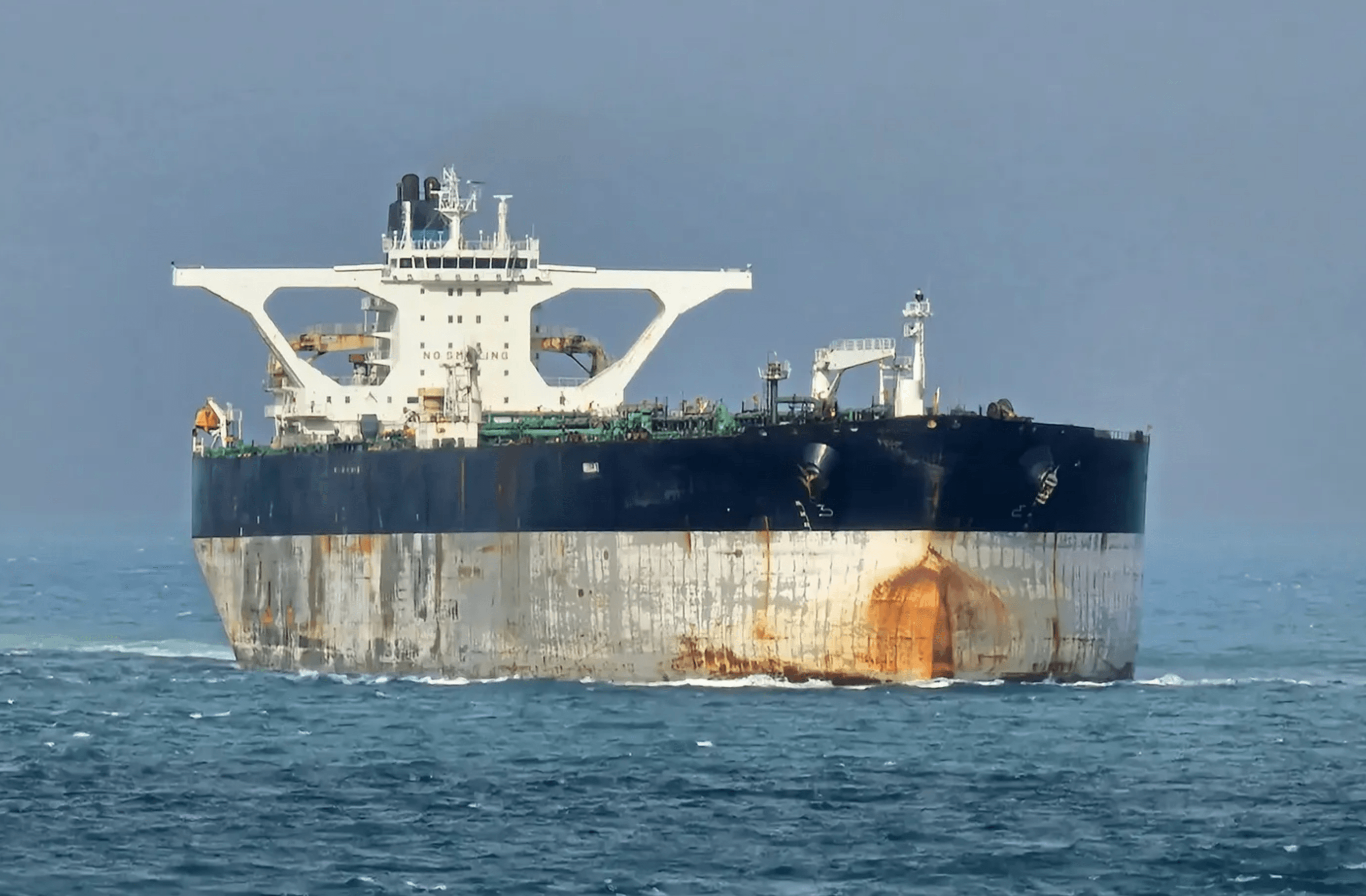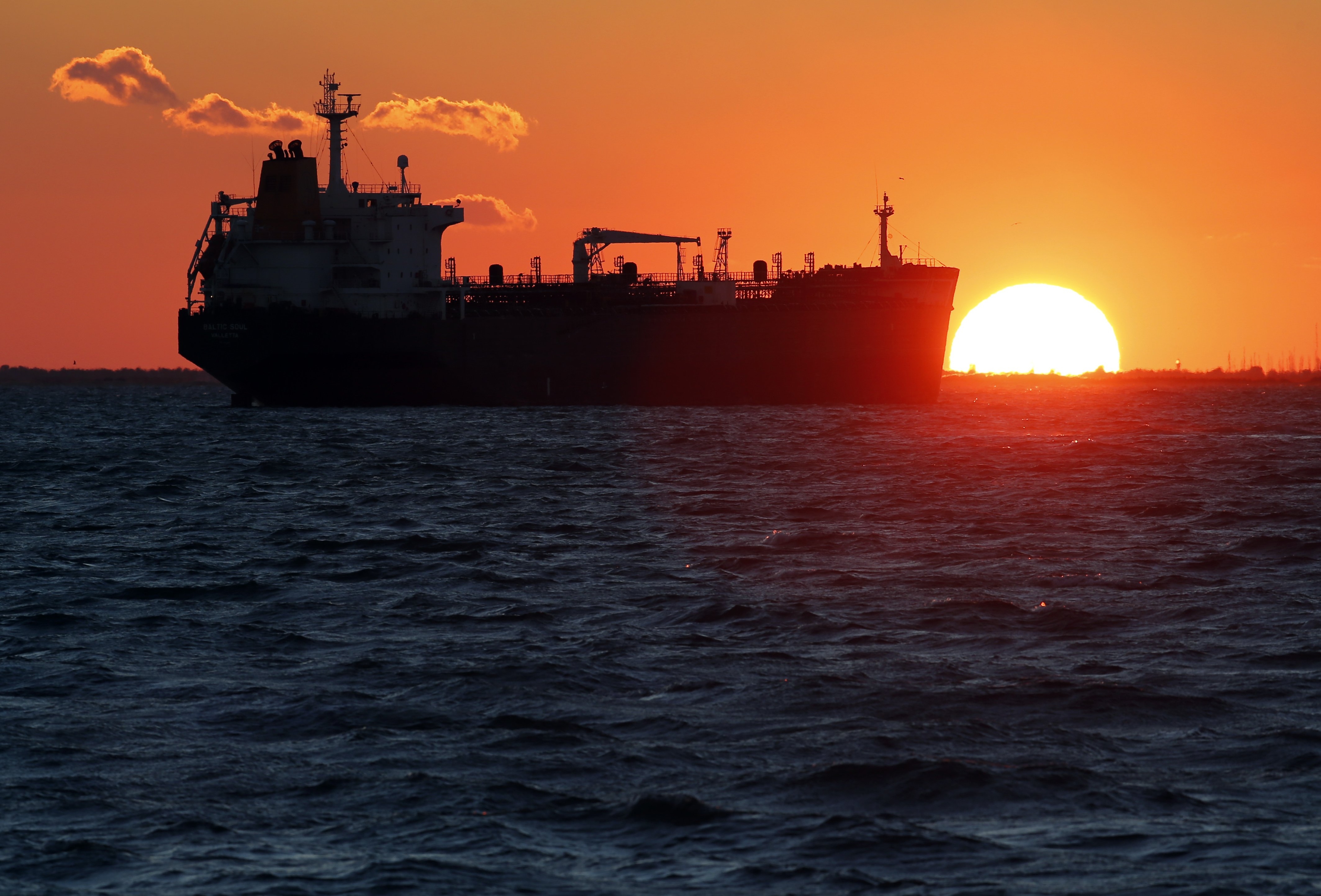
Vessels from the “shadow fleet” of tankers carrying oil in circumvention of sanctions have begun to actively seek political protection under the Russian flag amid a U.S. crackdown on the trade in Venezuelan crude. At the same time, Washington is laying the legal groundwork for new large-scale seizures: American authorities have filed motions in court aimed at obtaining arrest and confiscation warrants for dozens more tankers, sources told Reuters.
According to data from Starboard Maritime Intelligence, at least 26 tankers have switched their registration to Russia since the start of December. The sharp rise in reflagging followed a Dec. 10 incident in which U.S. authorities seized the tanker Skipper (IMO: 9304667) off the coast of Venezuela. Starboard said about 13% of the nearly 1,500 tankers involved in transporting Russian, Iranian, and Venezuelan oil are now registered in Russia. Most of the remaining vessels sail under the flags of smaller states, such as Panama, Guinea, and Comoros. One common tactic of the shadow fleet, however, remains the use of false flags, allowing operators to evade regulatory requirements while maintaining a veneer of legality.
The 26 tankers that switched to the Russian flag are spread across the world — from the Baltic Sea to the Suez Canal and the Yellow Sea — although some vessels may be falsifying their location data, Starboard said. All are said to be under sanctions from at least one Western government. Entities linked to the vessels include Glory Shipping HK Ltd. of Hong Kong, as well as Russian companies New Fleet Ltd. and North Fleet Ltd., which are listed as the new owners of some of the ships. According to sources, the companies’ registered addresses may coincide with a building in St. Petersburg that houses a unit of state-owned shipping company Sovcomflot.
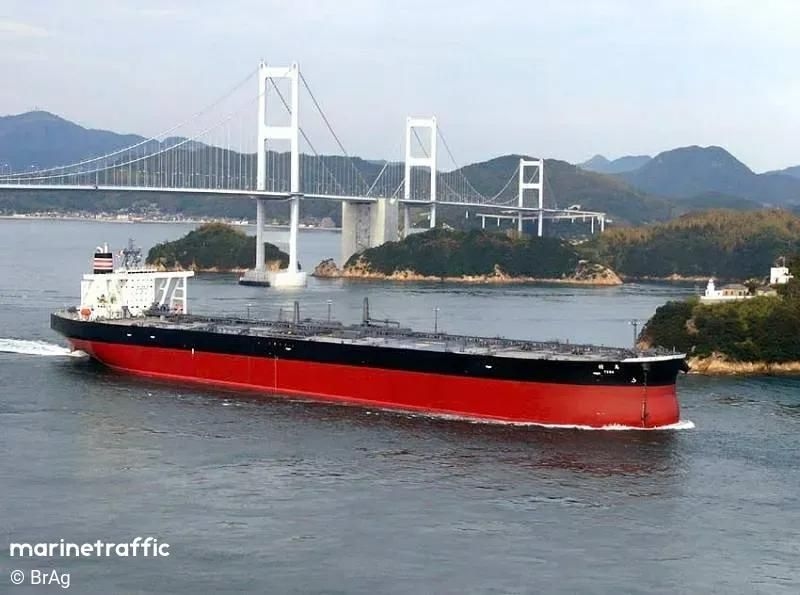
Charlie Brown, a senior adviser at United Against Nuclear Iran, said shipowners appear to be betting that Moscow will provide political cover where other countries are unwilling to do so. That “raises the stakes,” he said, because sanctions evasion becomes not just a matter of maritime compliance but a strategic issue tied to state protection and geopolitical risk. Maritime experts told The Insider that having a genuine registration rather than a false one also complicates the seizure of a vessel, because under the U.N. Convention on the Law of the Sea, the absence of registration (or suspicion that it is falsified) is a justifiable basis for detaining and inspecting a ship.
Those risks were illustrated by the case of the tanker Bella 1 (IMO: 9230880), which was placed under U.S. sanctions in 2024. In mid-December 2025, the vessel reportedly avoided detention off Venezuela, then headed north, switched its fictitious Guyana registration to the Russian flag, and was renamed Marinera. The crew even painted the Russian tricolor on the hull.
The pursuit of Bella 1 raised concerns about the potential for a direct escalation between the United States and Russia. A Russian submarine was dispatched to escort the tanker but did not reach it before U.S. forces boarded the vessel south of Iceland. Russia’s Foreign Ministry previously described the seizure of Bella 1 as an “illegal use of force” by the United States and said the application of U.S. sanctions was “without legal foundation.”
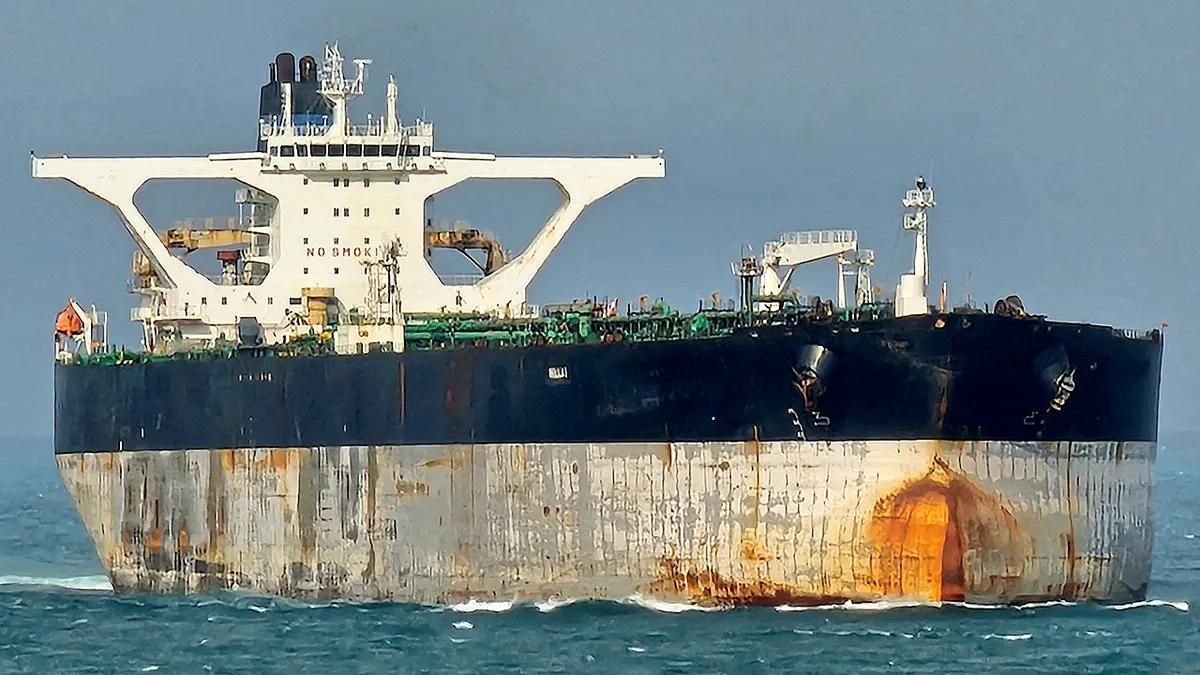
Alongside the rise in reflagging, the United States is expanding its campaign to block Venezuelan oil shipments. According to Reuters, in recent weeks U.S. military forces and the Coast Guard have detained five vessels in international waters; all of them were either carrying Venezuelan oil or had done so previously. Sources said U.S. authorities have filed several civil forfeiture cases — mostly in federal courts in Washington, D.C. — allowing them to arrest and seize oil cargoes and the vessels involved in delivering them. The exact number of warrants is unknown (the filings are not public), but sources told Reuters they involve dozens of cases.
The detained ships were either under U.S. sanctions or were linked to the shadow fleet, sources said. A significant number of tankers remain at sea carrying Venezuelan oil to its largest buyer: China. The U.S. has sanctioned many of them for facilitating oil trade with Venezuela or Iran.
Reuters also noted that since Jan. 9, vessel seizures have been paused, though action could resume against shipments not approved by the United States. Pentagon spokesman Sean Parnell said on X that U.S. agencies would “track down and intercept all shadow fleet vessels carrying Venezuelan oil at a time and place of our choosing.”
Experts say the latest U.S. operations are tougher than those carried out in the past. From 2020 to 2023, in cases involving sanctioned oil — particularly Iranian crude — the United States more often seized the cargo itself. Now, industry sources say, Washington is increasingly aiming to confiscate the ships as well.