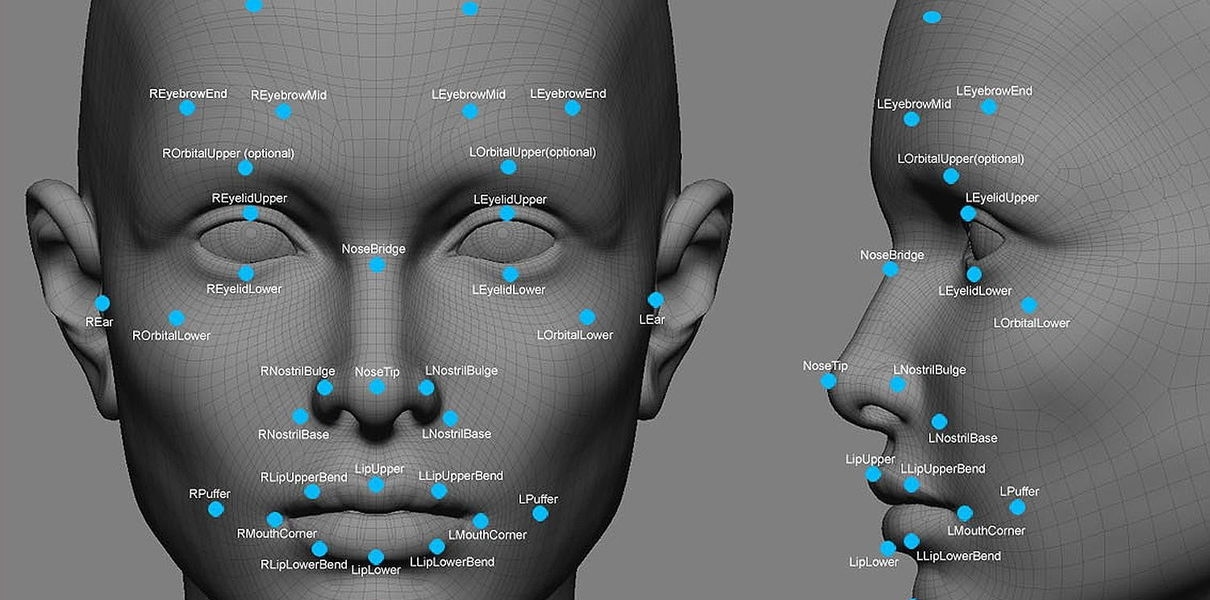
The Iranian regime acquired and is using the FindFace facial recognition system developed by Russian company NtechLab, which is under Western sanctions, according to a joint international investigation by Forbidden Stories, Le Monde, Der Spiegel, ZDF, Papertrail Media and The Signals Network.
According to documents obtained by the journalists, in 2019 the Iranian company Rasadco bought FindFace software from Russia’s NtechLab. Rasadco later became part of the larger company Kama, which resold the technology to various entities in Iran — including organizations linked to the Islamic Revolutionary Guard Corps and the Intelligence Ministry.
Contracts signed in 2020-2022 include multiple clients from among Iranian state and quasi-state structures, including Sharif University in Tehran and the authorities in the city of Mashhad. Some deals may have been made through shell companies in order to conceal links to state bodies.
NtechLab, founded in 2015 and linked to the state defense corporation Rostec, is one of Russia’s key surveillance technology companies. Its FindFace system was previously used in Russia (including during the 2018 World Cup) as well as by police and security services. In 2023, the European Union imposed sanctions on the company for facilitating the surveillance of journalists, supporters of Alexei Navalny, and opponents of the war in Ukraine. The United States adopted similar measures.
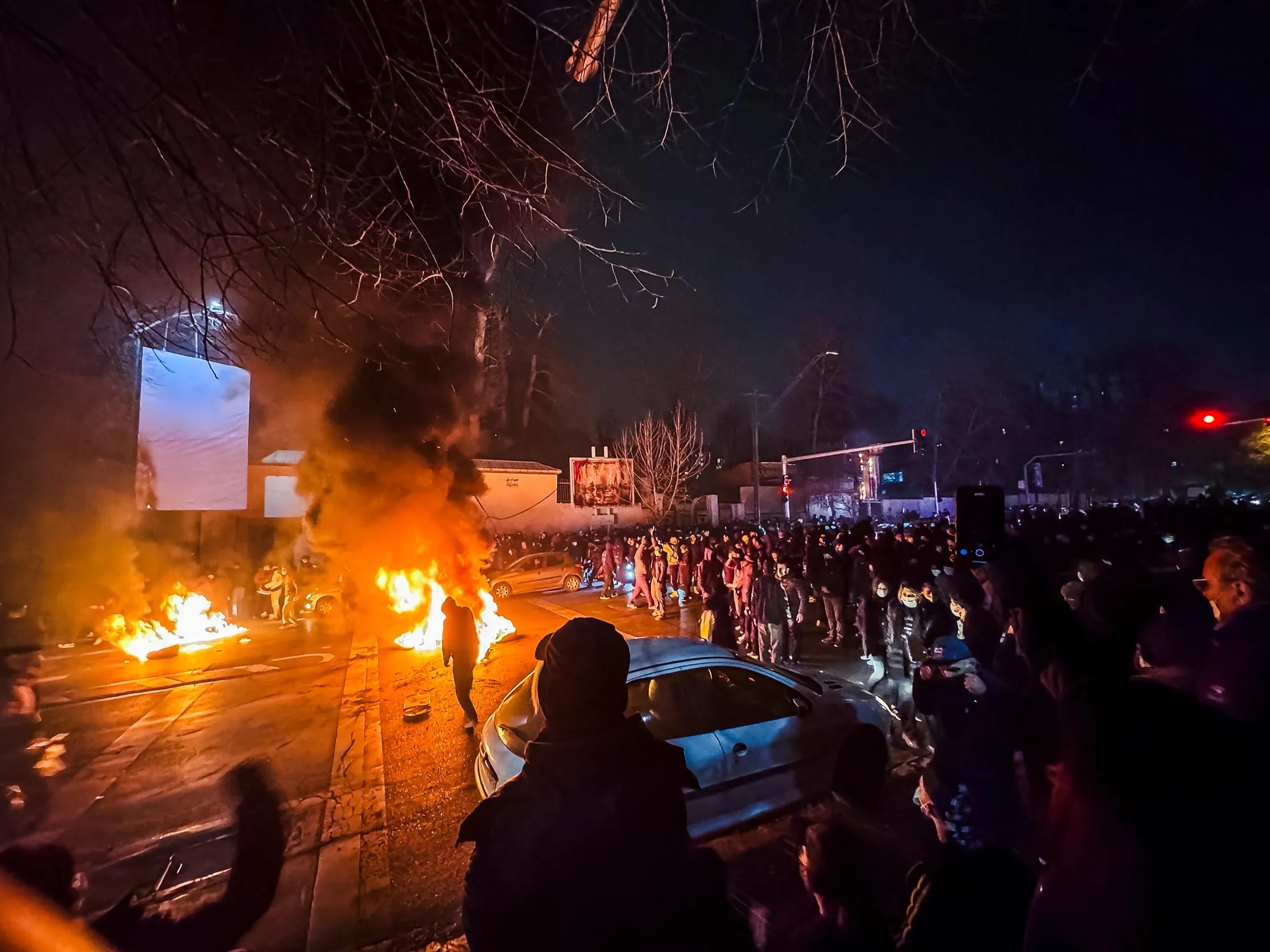
Experts say facial recognition technology significantly expands the Iranian state’s ability to monitor the population. Authorities can use footage from surveillance cameras, videos from social media, and databases of document photographs to identify protesters and later detain them.
According to researchers, such technologies allow the authorities to create what is known as a “social graph,” a system of links between people that makes it easier to track participants in protest activity. This becomes part of a broader control infrastructure that includes surveillance cameras, drones, informants, and internet filtering.
However, despite developers’ claims that such systems are highly accurate, specialists note that facial recognition can make mistakes, especially when analyzing low-quality images. That creates a risk that innocent people could come under surveillance or persecution.
The Financial Times earlier reported that Israeli intelligence had secretly monitored the streets of Tehran remotely for a period of several years. According to the newspaper’s sources, live video feeds from cameras were transmitted in encrypted form to servers in Tel Aviv. One of the cameras was aimed at a parking lot near Supreme Leader Ali Khamenei’s residence on Pasteur Street.
According to sources cited by the FT, that surveillance system allowed Israeli intelligence services to compile detailed files on security personnel — including their work schedules and travel routes, which ultimately helped in the planning of the operation to kill Khamenei.