After the regime’s harsh crackdown on the January protests, repression continues in Iran: mass arrests, raids, executions, and pressure on detainees’ families. But although the widespread popular uprising appears to have lost momentum, resistance continues. Many Iranians still hope for a U.S. military strike, seeing outside intervention as the only way to end the ayatollahs’ reign. Meanwhile, amid unsuccessful negotiations, the Americans have sent a second aircraft carrier to Iran — the USS Gerald R. Ford.
The rallies have stopped, but resentment has only grown stronger
Iranians are outraged by the mass killings of protesters, and despite the risk of repression, they continue to openly express their hostility toward the regime. At funerals and memorial gatherings for demonstrators murdered by the authorities, attendees shout “Death to Khamenei.”
Last week, medical students in Shiraz chanted slogans in support of incarcerated doctors and fallen protesters. In several schools, students have been refusing to sing the national anthem. Several Iranian opposition figures — including former Prime Minister Mir-Hossein Mousavi, who has been under house arrest for years — are openly calling for a regime change.
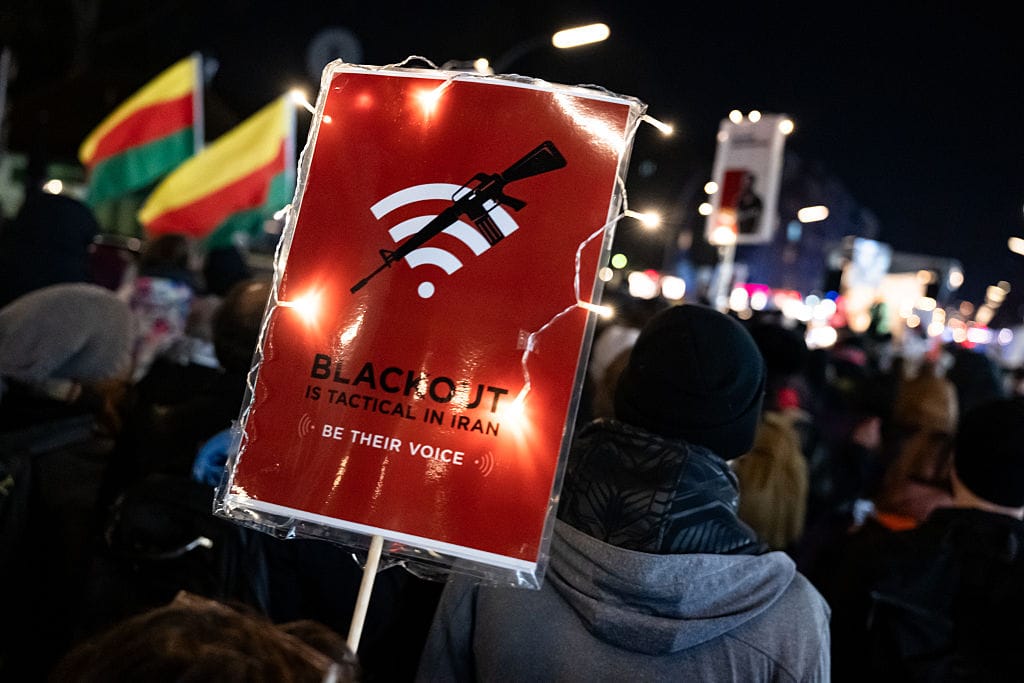
The authorities are doing everything they can to return a semblance of normalcy to everyday life. Since mid-January, mobile service and SMS messaging have been restored, and internet access has been partially brought back online — mostly to websites from the so-called “white list,” which includes Google, the Chinese search engine Bing, ChatGPT, and a few other popular resources. Some VPN services also became operational. By Jan. 28, internet traffic had gradually recovered to 25% of its pre-crackdown level.
Iranian authorities are doing everything they can to return a semblance of normalcy to everyday life
Even after the repression of the recent protest wave, the authorities continued to engage in widespread detentions, arrests, raids, and beatings, says S., a source for The Insider living in a major city in southern Iran. In addition to the targeting of protesters, law enforcement officers are also paying special attention to doctors who helped demonstrators and users of Starlink satellite internet. According to S., more and more of his acquaintances have not been in touch for a long time.
According to the Human Rights Activists News Agency (HRANA), approximately 49,000 Iranians have been detained during the protests, and many of them are now facing repercussions including torture and execution. However, the situation in the country is far from stable. The concern is not only the growing concentration of the U.S. armed forces near Iran’s borders, but also the desperation of the general population amid profound economic and political crises.
“People are afraid of getting sick because they can’t afford the medicine”
After the war with Israel this past June, the Iranian rial continued to plummet, reaching a historic low of around 1.45 million rials per U.S. dollar by the end of the year. In the meantime, food inflation in Iran hit roughly 70%, one of the highest rates in the world.
Food inflation in Iran reached roughly 70%, one of the highest rates in the world
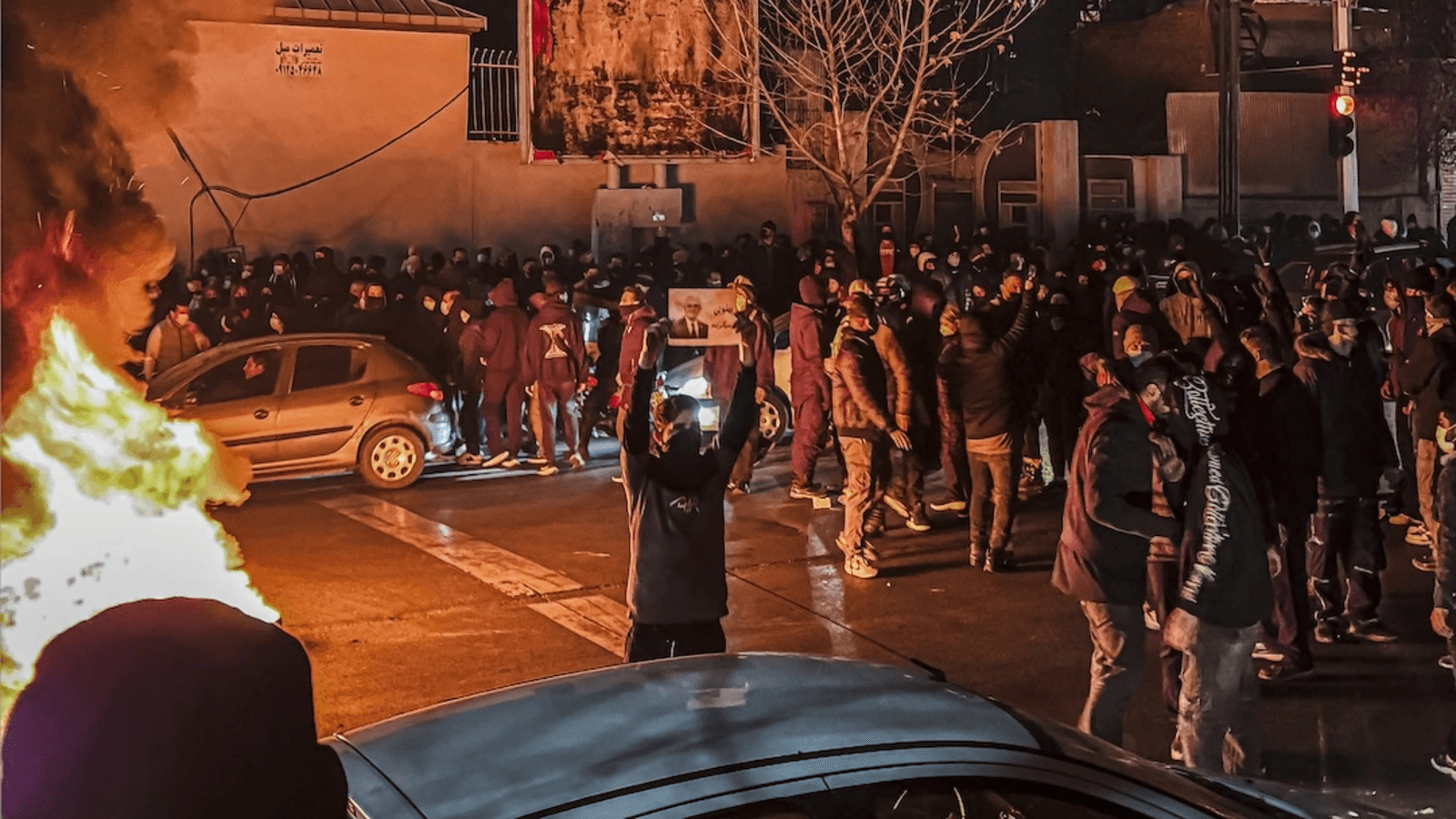
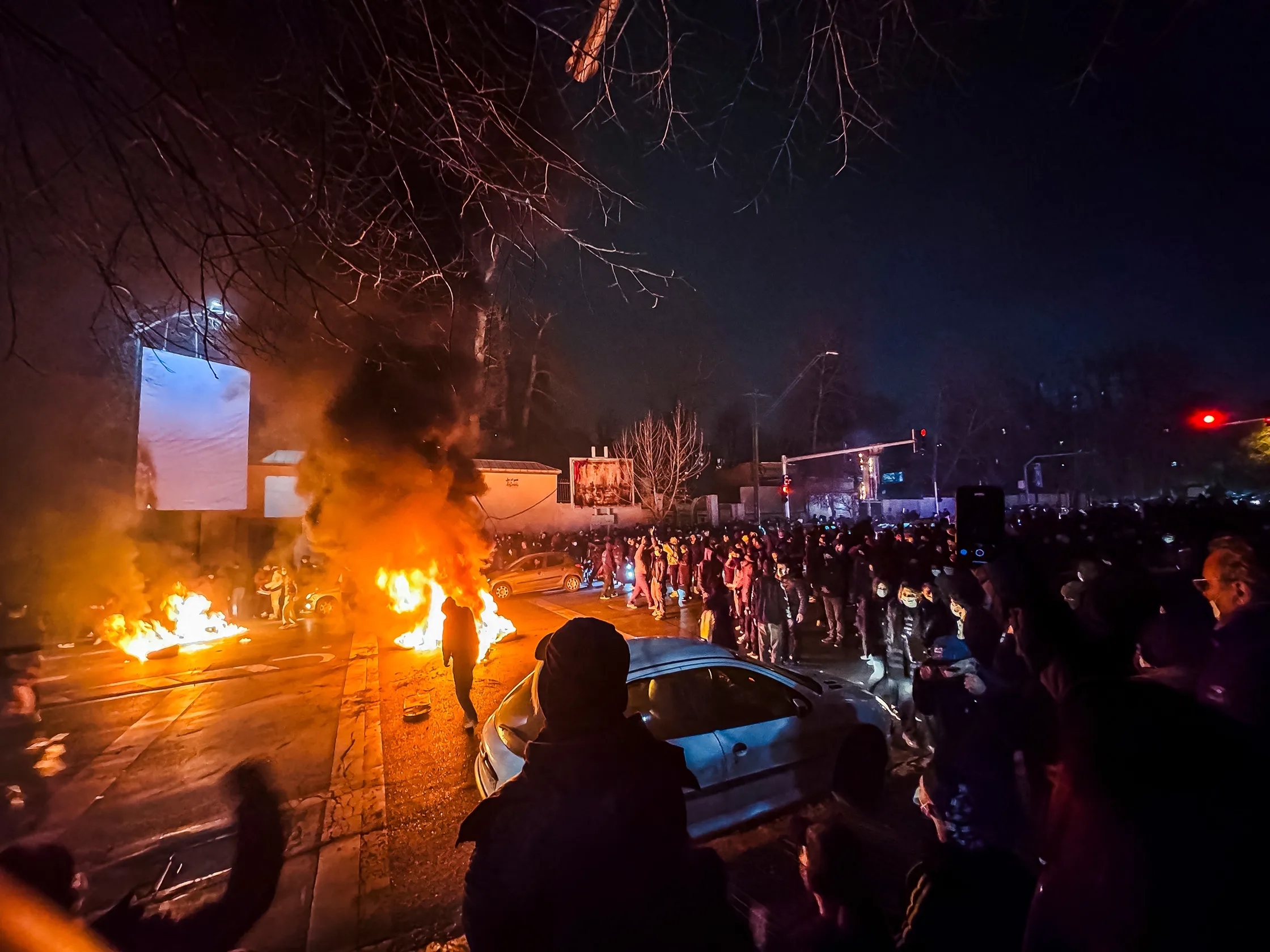
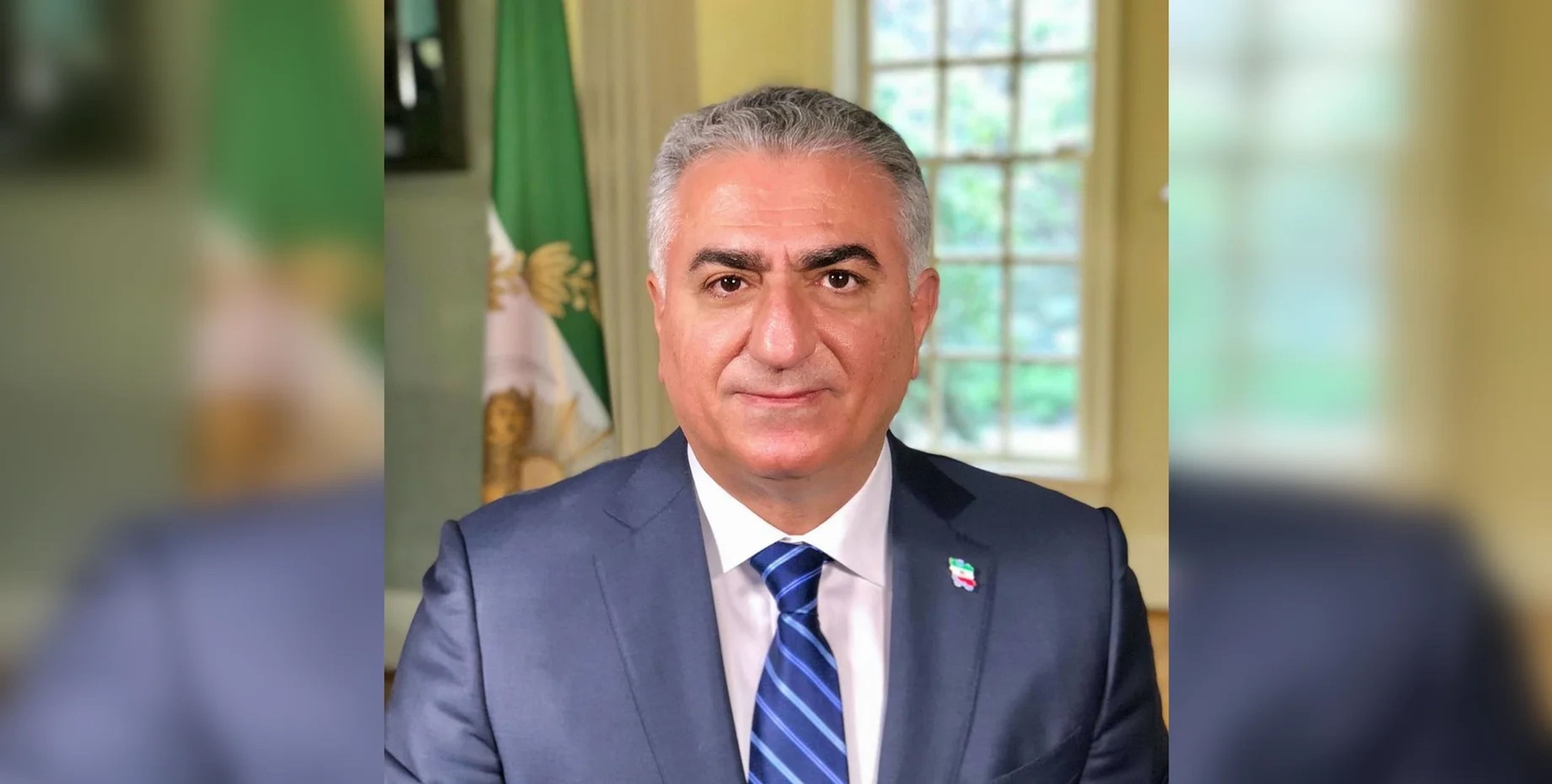
On Dec. 28, societal displeasure with the collapse of the national currency and the sharp rise in prices sparked protests at Tehran’s central market. After Reza Pahlavi, the son of Iran’s last shah, addressed the Iranian people via video from his place of residence in the United States, economic demands quickly shifted to political ones, and the unrest engulfed almost the entire country.
Protesters set fire to shop windows, cars, and security forces’ vehicles, chanting “Death to the dictator,” “Death to the Islamic Republic,” and “Pahlavi will return.”
Iranian activist N., who recently left the country, spoke to The Insider about the grim economic outlook:
“The protest that began at the end of December 2025 did not come out of the blue, but neither was it triggered by a specific incident. The Islamic Republic had been consistently making everyday life unbearable.
I lived in a small, green coastal town where food has traditionally been cheaper than in many other parts of Iran. But even there, getting basic groceries was becoming increasingly difficult. I couldn’t afford meat or chicken at all. As soon as I received my salary, I would rush to buy essentials — potatoes, eggs, beans — knowing that in a few days this amount of money wouldn’t be enough for the same purchase. It felt like living in wartime, constantly bracing yourself to tighten the belt even further.
People learned to stockpile food, forgo the ingredients that had become too expensive or disappeared from the shelves, and plan meals from what was still available. Many are afraid of getting sick because healthcare expenses could destroy their fragile balance of survival.
A state of constant anxiety, shared by millions, created an atmosphere where anger and despair could no longer be contained. Additionally, the regime tried to divide society along ethnic and regional lines. Yet people maintained solidarity, sharing with each other the little they had. When the system becomes an enemy of life, resistance becomes inevitable.”
Russian anarchist M., who visited Iran in the early days of the protests, was also struck by the country’s poverty:
“I lived in Iran for about two months and left at the very beginning of the protests. I had planned to meet with local anarchists, but almost immediately after my arrival, the repression began. One was arrested, and a few others were tortured. Unfortunately, I've only been able to stay in touch with them by correspondence — in-person meetings were too dangerous. But I traveled across the country and spoke extensively with ordinary Iranians.
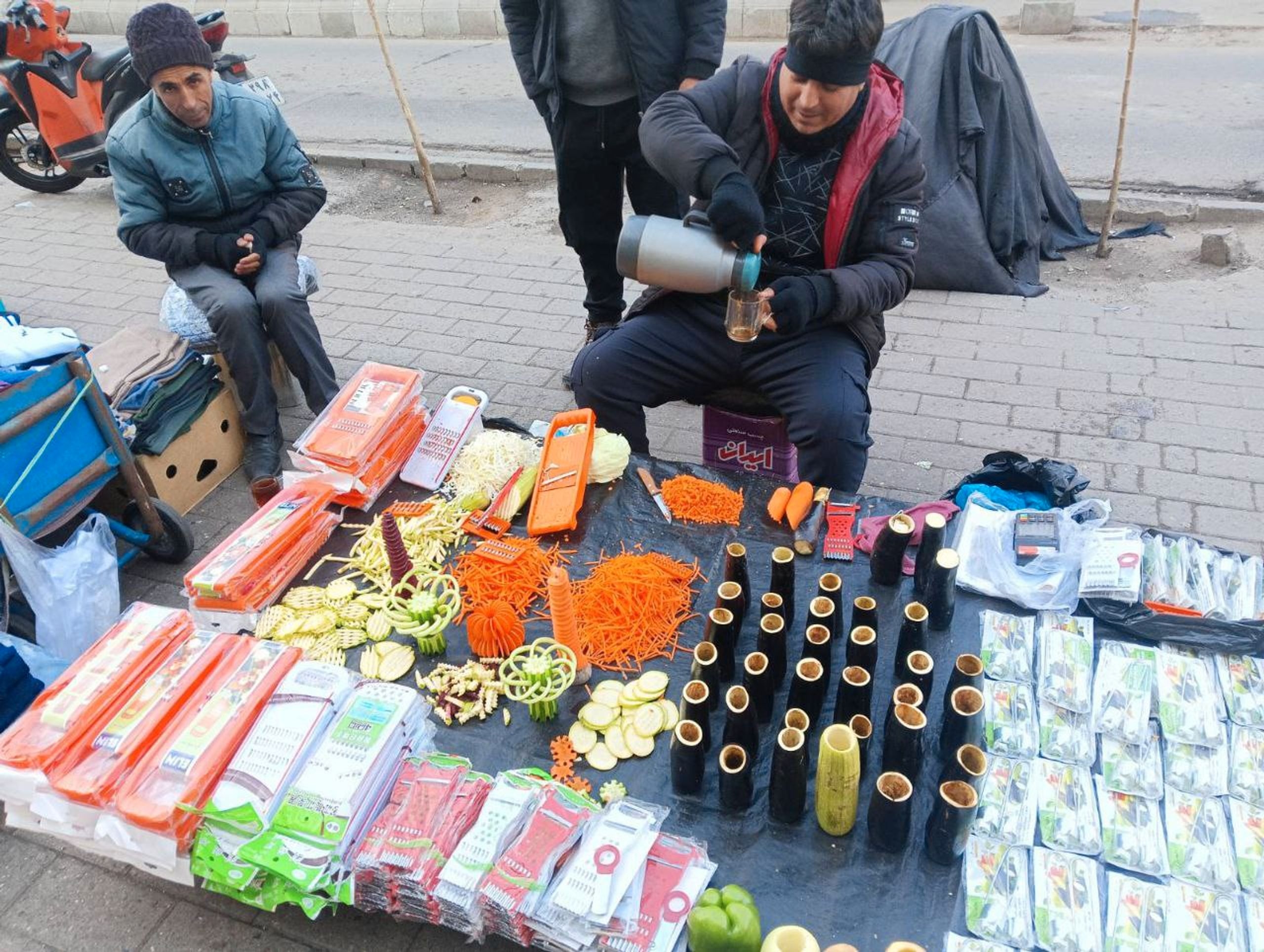
Iran's economy lies in ruins. Salaries often range from $70 to $300 per month, while $500 is already considered middle-class. Imports are scarce — instead of well-known brands, Iranians make do with knockoffs. Some local products are of decent quality, but the selection is very limited. Russia has only been under sanctions for a few years, but Iran has been living like this for over 40 years. The people are extremely tired of both poverty and the country’s isolation.
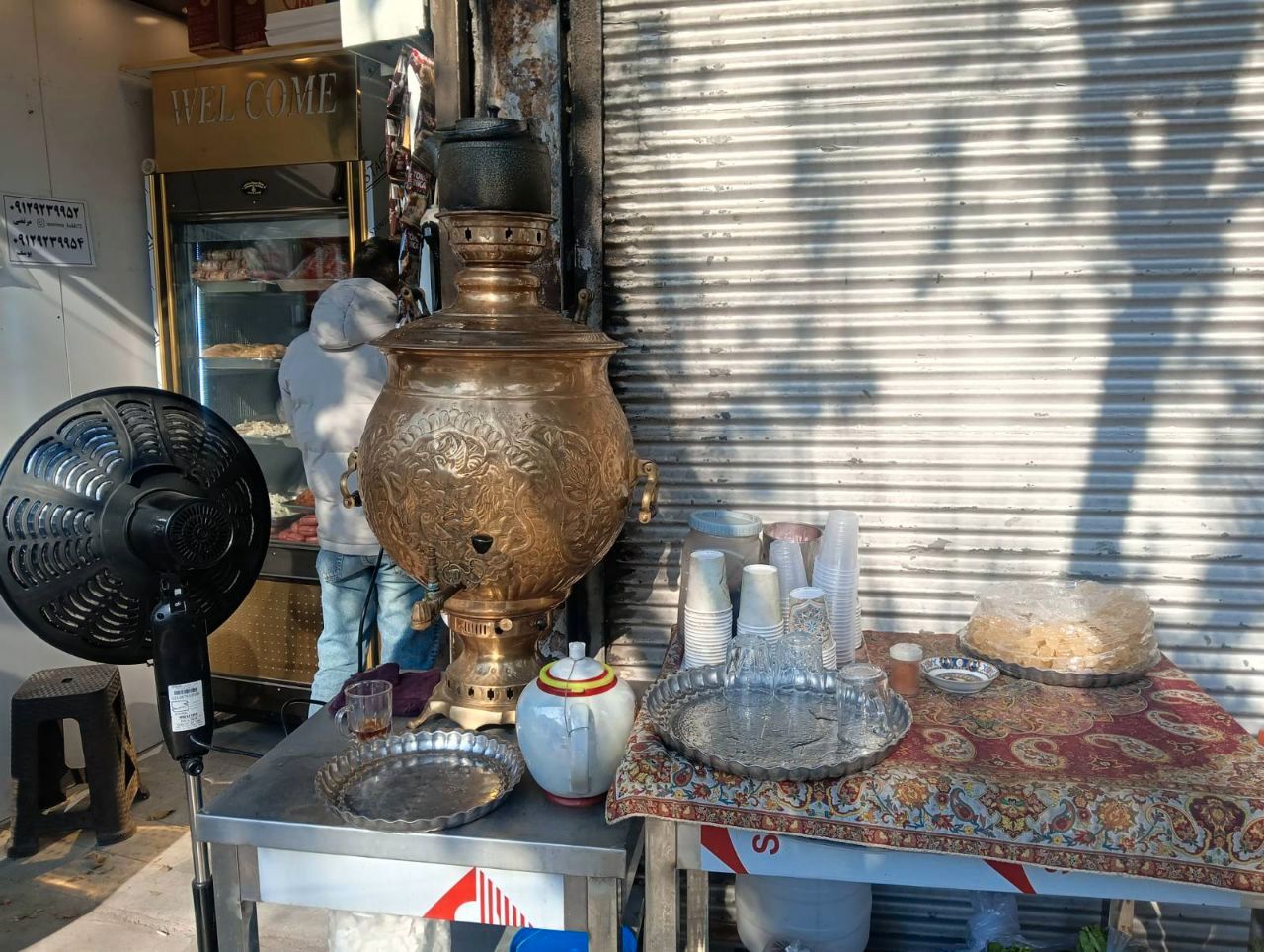
For tourists, everything is cheap: a dollar can buy a lot of food. But locals live in poverty. In terms of luxuries, the majority can hardly afford anything more than a daily coffee. Ordinary apartments sometimes lack furniture — and not because of traditions. Toilets are a luxury; many use just a hole in the floor. Typewriters and landline phones are still in use, as some families have no computers.”


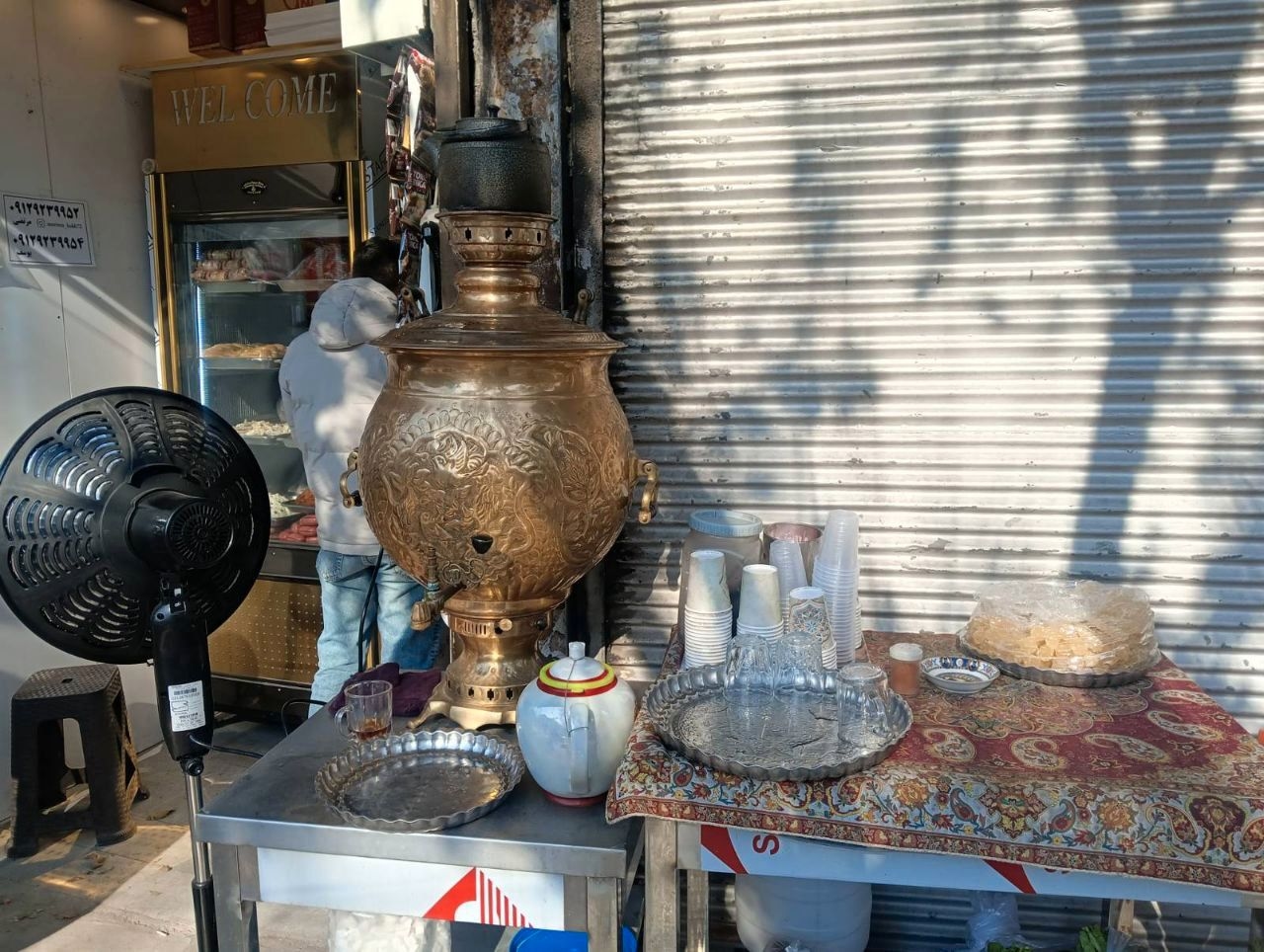
At the same time, according to M., public sentiment was marked by greater freedom than is often portrayed in international media:
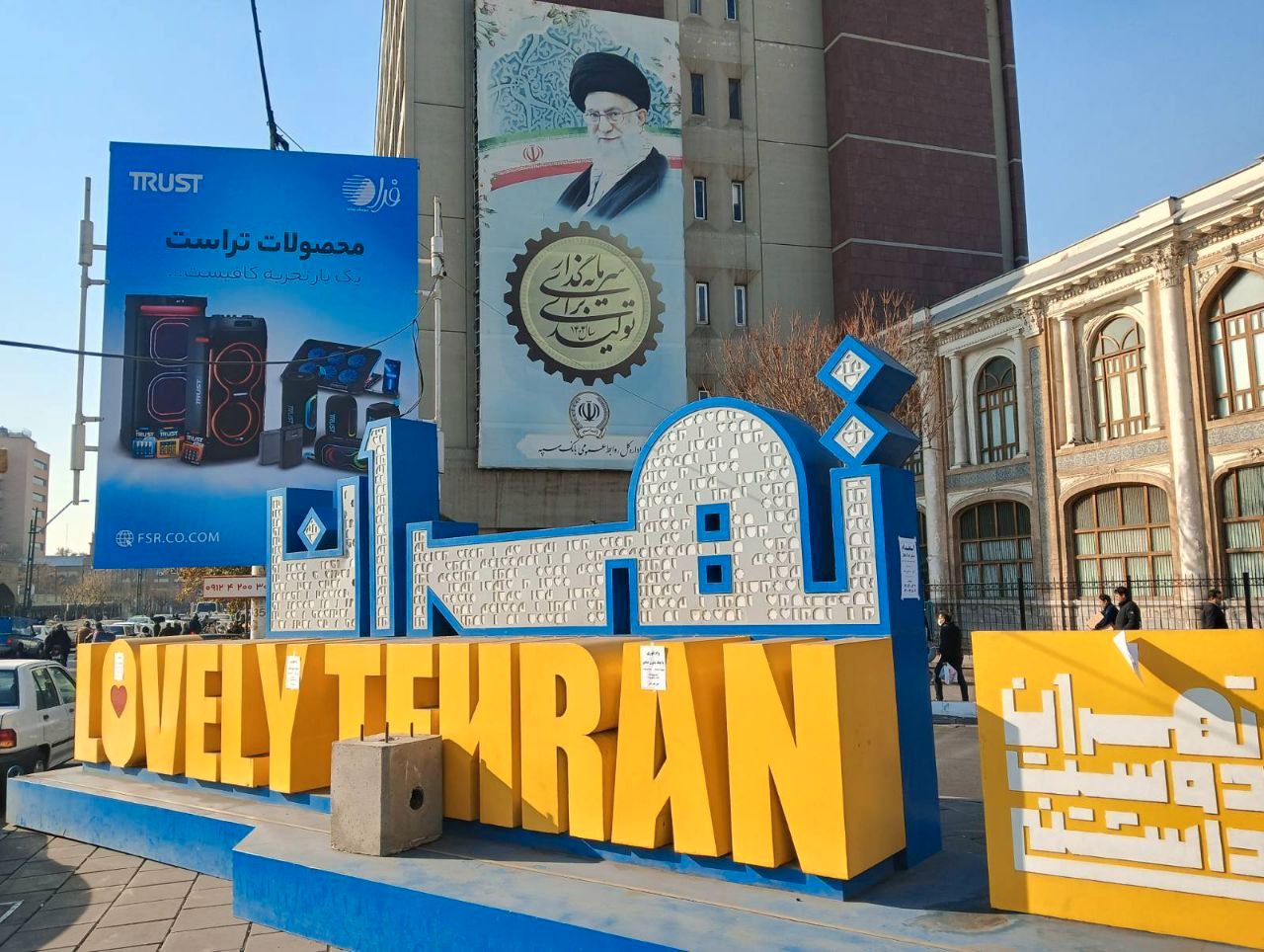
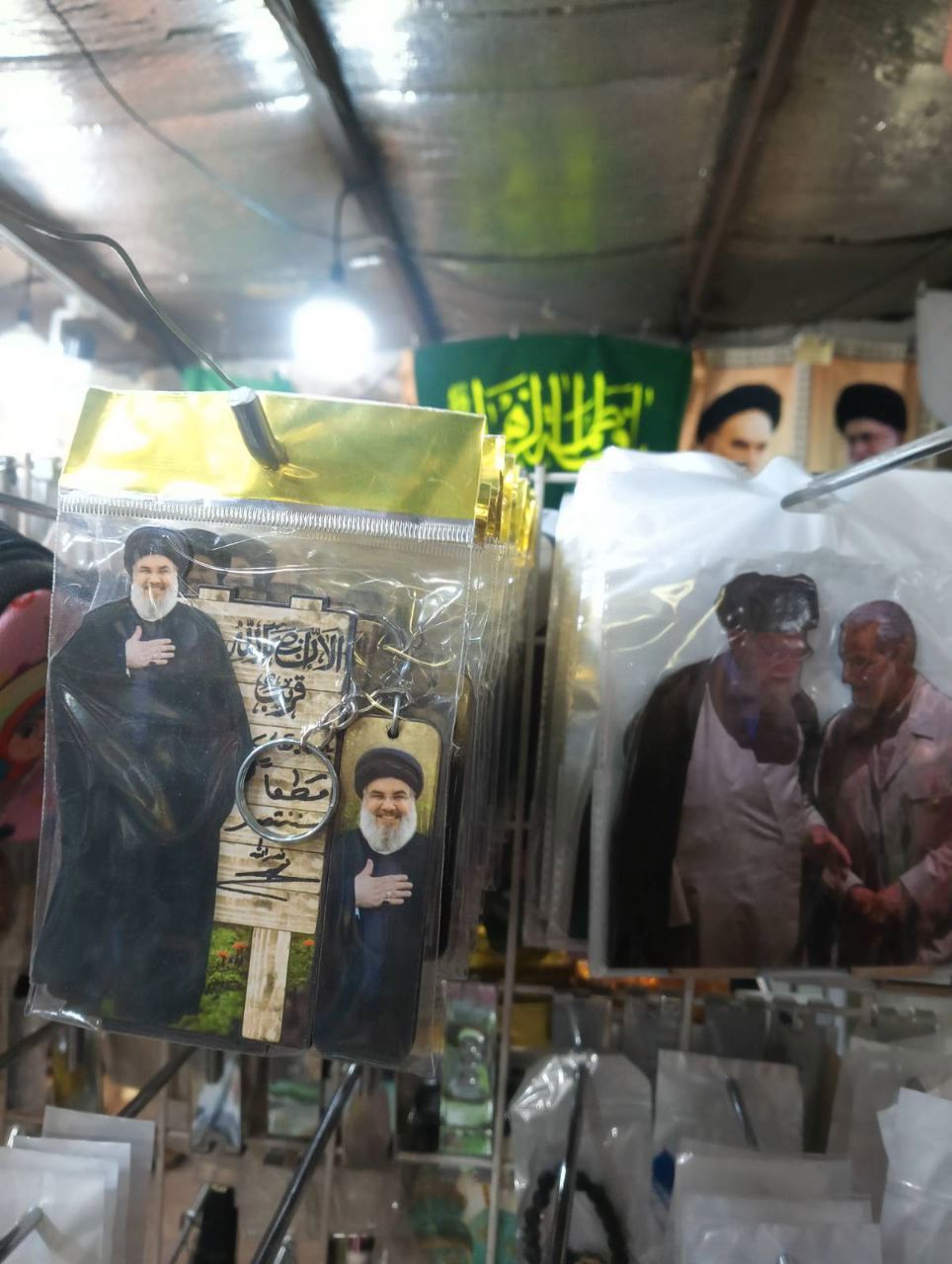
“Ordinary Iranians are mostly secular. Many are friendly and open. They joke about Khamenei, criticize the regime, laugh at Islam and martyrs, homosexual taboos, and sex jokes.
The youth listen to metal, post-rock, and Iranian rap, including tracks in Farsi with direct calls to kill Khamenei. Both girls and young men smoke weed more often than cigarettes and secretly drink alcohol. Many are nonconformist, hitchhiking their way across the country and decorating themselves with tattoos and piercings. Young people and students understand English, but the older generation does not.
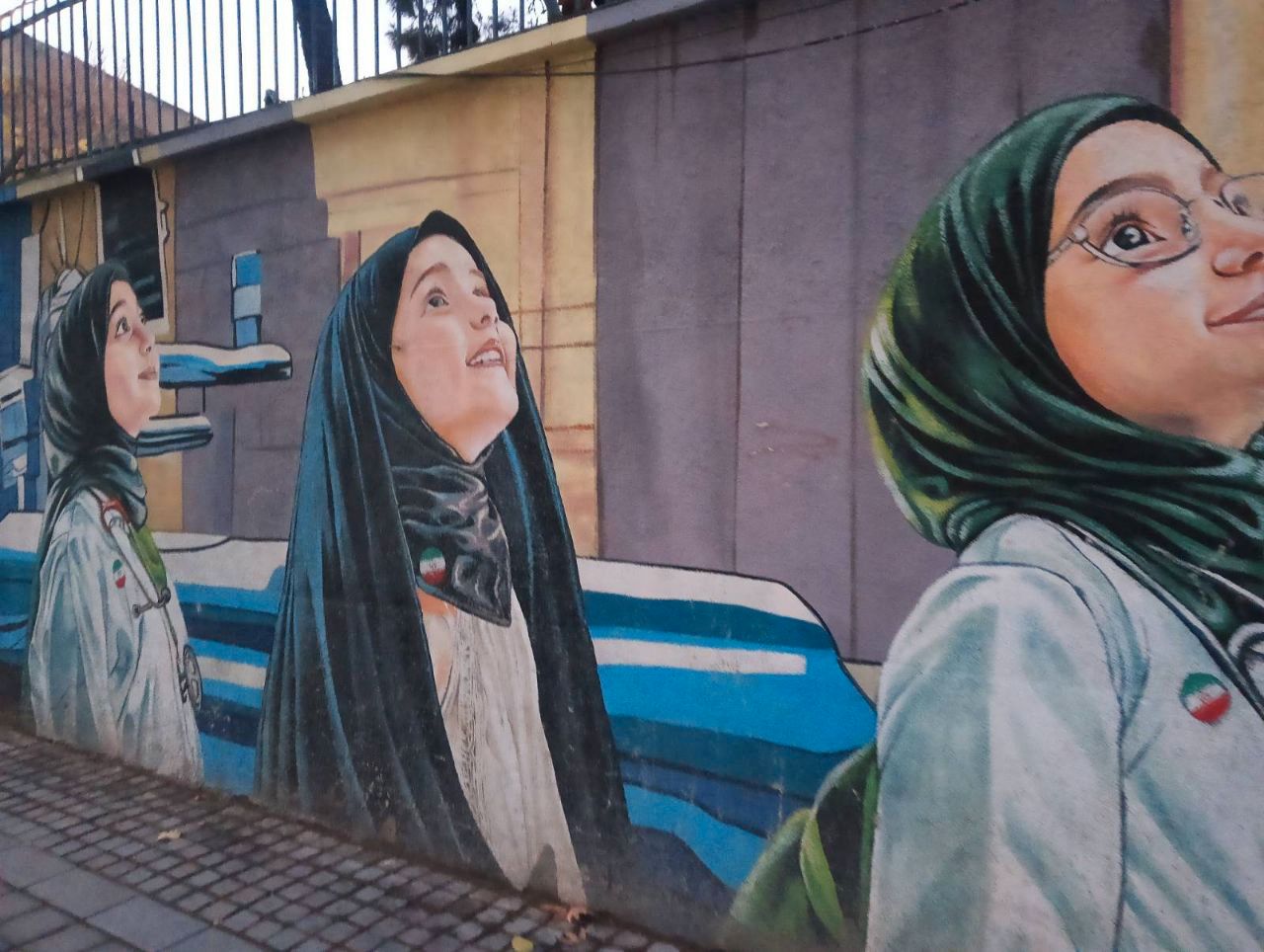
A woman’s religious affiliation can often be inferred from her headscarf: some wear it properly, some drape it loosely on the top of their head or around their neck, and many don’t wear one at all. Traditional religious clothing is mostly worn by older people. The share of Muslims varies from city to city.
Men tend to look more or less the same, so their attitude toward Islam has to be gauged from their language: some use neutral phrases, others religiously charged ones. Greetings, farewells, and expressions of thanks immediately reveal who you’re dealing with. Many do not consider themselves religious, and there is even a movement advocating a return to Zoroastrianism.
Unlike the country’s leadership, many ordinary Iranians acknowledge the defeat in the war with Israel in the summer of 2025 and feel ashamed about it. Some almost openly sympathize with Ukraine, the U.S., and even Israel.”
How the protests were crushed
Anarchist M. was only present for the beginning of the protests, but he was exposed to tear gas nonetheless:
“The initial protest was staged by shopkeepers and small business owners demanding action on the currency exchange rate. But it seems Iranians just needed a reason to get started.
People coordinated protests through Telegram and Instagram, and word of mouth. Participants tried to conceal their faces: if security forces or religious activists identified someone, they could be tracked down and executed.
I went to a metro station in central Tehran on the second day of the protests, and there were a bunch of cops there. So I went to another station. When the protest started, people immediately blocked the road, creating a traffic jam. Shops, markets, and stalls closed.
The Iranians drove the cops back, and the cops started shooting. I hid behind a trash bin. Then the police fired tear gas, which I inhaled as well. People ran into the metro, and in the enclosed space, they suffocated even more. I didn’t see any leaders in the protest. People tried to self-organize horizontally, by communicating with one another.
The third day brought more scuffles, shootings, tear gas, and hand-to-hand confrontations. I bought first-aid supplies at a pharmacy and helped Iranians rinse their eyes after the gas. Once they recovered, they returned and tried again to resist the security forces.
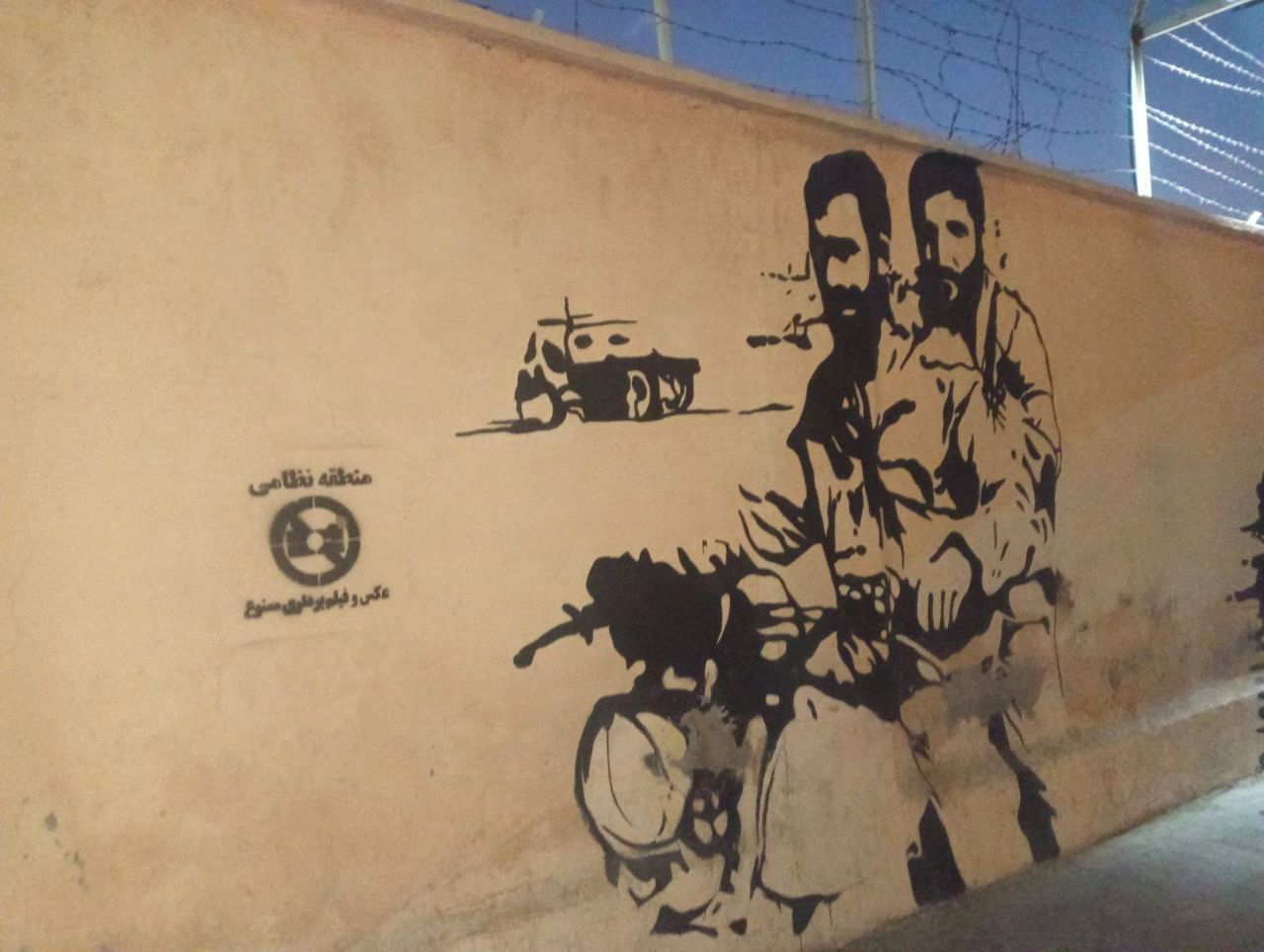
Security forces use tear gas, rubber bullets, paintball guns with dye-filled rounds, and even live ammunition. They move on motorcycles wearing protective gear. Protesters mostly resist with their bare hands, sometimes using fireworks and household flammables. But by the time I left Iran, the protests were rapidly becoming more radical.”
The protesters were struggling, as the authorities suppressed any opportunity for people to self-organize, explains activist N.:
“At the very beginning of the unrest over currency rates, Reza Pahlavi called for protests, and many people heeded him. His name was chanted on the streets in several cities, reflecting the depth of despair rather than his personal popularity. Pahlavi offered no concrete plan: there was no strategy, clear goals, or structure. The only instruction was to take to the streets. As a result, the protest was fragmented and uneven. People gathered in small groups, often briefly and cautiously, and dispersed quickly.
In the early days of the protests, information and calls to action were mainly shared on social media, primarily Instagram, X, and Telegram. Instagram played a key role with stories, posts, and live videos, while Telegram channels were used to share protest gathering points, calls to resist, videos, and alerts.
X was mostly a space for political statements and broadcasting information abroad. But things changed when the government began cutting off internet access. Iran International TV became the main — often the only — source of information. People followed announcements in the broadcasts or relied on those who still had limited internet access.
This situation exposed the disaggregated nature of the Iranian protest and its vulnerability to the state. Without free internet access and in the absence of local independent media, information flows were cut off literally overnight.
So far, the main outcome has been mass killings and repression of protesters. No significant political results have been achieved. The regime has once again shown itself to be completely ruthless toward its own people.
In the vacuum created by years of repression, figures like Reza Pahlavi called on people to take to the streets — he was hoping that Trump would fulfill his promise to help Iranians and was preparing to return to Iran. But that did not happen. People were encouraged to face the regime’s bullets without any real strategy, coordination, or means of protection.
On the other hand, the most devoted supporters of Pahlavi often had a hostile view towards those who did not chant pro-monarchy slogans. This lack of pluralism reminded many Iranians of the authoritarianism they are trying to escape. The uprising demonstrated not only the brutality of the Islamic Republic but also the danger of false leaders, empty promises, and authoritarian tendencies within the opposition itself.”
Thousands killed and arrested
On Jan. 13, U.S. President Donald Trump called on protesters in Iran to seize government buildings and promised that “help is on its way.” The help has yet to arrive, but Trump claimed that, allegedly under U.S. pressure, Iranian authorities had canceled the planned executions of protesters. Iranian Foreign Minister Abbas Araghchi indeed toldFox News that Tehran had no plans to execute protesters — but this turned out to be false. As S. told The Insider, “The IRGC shot detainees and the wounded right in hospitals.”
Many Iranians have given similar accounts. A member of the Aida Health Alliance told The Jerusalem Post that doctors found their patients dead in hospital beds with bullet holes in their heads. In addition, patients were deliberately disconnected from ventilators, and doctors who tried to do their work were arrested, tortured, and even sentenced to death.
Doctors found their patients dead in hospital beds with bullet holes in their heads
According to official Iranian statistics, 3,117 people died during the protests. However, the aforementioned HRANA reported that as of Jan. 31 it had confirmed 6,713 deaths and was verifying information connected to another 17,091 cases.
Awaiting Ford and Bush
According to S., fatigue and confusion prevail among Iranians. No one knows what will happen next, but S. believes defeating the IRGC will require foreign military intervention — which is why he opposes U.S. negotiations with Tehran:
“We didn’t spill our blood to negotiate with them. The people’s demand is the destruction of the regime, not negotiations with it. They will kill as many people as they can. You can’t do anything against them with your bare hands. There must be a force to eliminate them so that people have a chance to resist.”
Iranian studies expert Mikhail Borodkin tells The Insider that Iran’s dire economic situation has no chance of recovery without the lifting of sanctions — a policy change that is all but impossible for as long as the ayatollahs remain in power in Tehran:
“Iran’s economy is in decline. Inflation is breaking records, and unemployment is rising. Iran has a system of non-market government prices for basic goods, such as fuel. These are subsidized from a budget that shrinks every year. As long as the sanctions are in place, the budget cannot be replenished. They aren’t even discussing ending subsidies, so there is no hope for improvement. But it’s important to understand that impoverishment does not automatically bring about the regime’s collapse. North Koreans live in much worse conditions, but the regime has yet to crumble. Collapse could happen if ongoing problems spark new protests that create a split among the elites — but that may never occur.”
Another Iran expert, Nikita Smagin, believes that a new wave of mass protests is almost inevitable, but that it is impossible to predict whether it will erupt in a few days or years:
“Protest activity is slowly resuming, and its dynamics indicate that new mass demonstrations will definitely come back, but the timing largely depends on the local agenda and how the authorities suppress the protests.”
Activist N. also agrees that protests are bound to continue, but in her view, Iranians should not expect simple scenarios of change:
“The protests in Iran are far from over, though pauses may last months or even up to a year. But the underlying causes remain unchanged, and thus resistance will inevitably continue. Rampant inflation, lack of basic security, and systematic plundering of natural resources have not gone away. The only thing that has changed is the blood that has been shed.
I don’t see how this system can be reformed, and potential U.S. military intervention will not bring relief to ordinary people. If it happens, it will target the regime’s military capabilities, not its political structure as such. For citizens, this would mean further economic collapse, extreme inflation, and the destruction of what remains of social infrastructure.
We should also remember that the protests were suppressed not only by the regular army and police but also by paramilitary groups. The crackdown involved the Islamic Revolutionary Guard Corps and the Basij. The regime was so frightened by the uprising that it even armed Basij teenagers and motivated them to kill as many people as possible. Foreign Islamist mercenaries were also brought in, for example, from the Fatemiyoun Brigade.”
Experts interviewed by The Insider agree that airstrikes alone would not be enough to guarantee a quick regime change. However, military intervention could significantly weaken the authorities, as destroying the IRGC’s military infrastructure and bases could temporarily paralyze the system and create a window of opportunity for a new uprising.
Eastern studies expert Alexander Grinberg notes that achieving regime change without a ground operation is not easy:
“The Pentagon is developing programs that can at least contribute to the emergence of something that could replace this regime, but it’s difficult to establish a new regime remotely. I can’t recall any instance where this was possible without occupying the country, and the U.S. does not want that. What is possible is striking Iran’s strategic capabilities — that is, destroying the ballistic arsenal and IRGC military bases. This could paralyze the regime, allowing those Iranians who are ready to take their fate into their own hands to take action.”
Iranian studies expert Borodkin suggests that after the fall of the theocracy, a more U.S.-friendly government could coalesce in Iran:
“The Iranian people are generally favorable toward the West. Before the 1979 revolution, the regime was fairly pro-Western and even maintained a strategic partnership with Israel. Accordingly, the fall of the current regime of fanatics would provide every reason to believe that a new government — one free from radical Islamist ideology — would be more reasonable.”
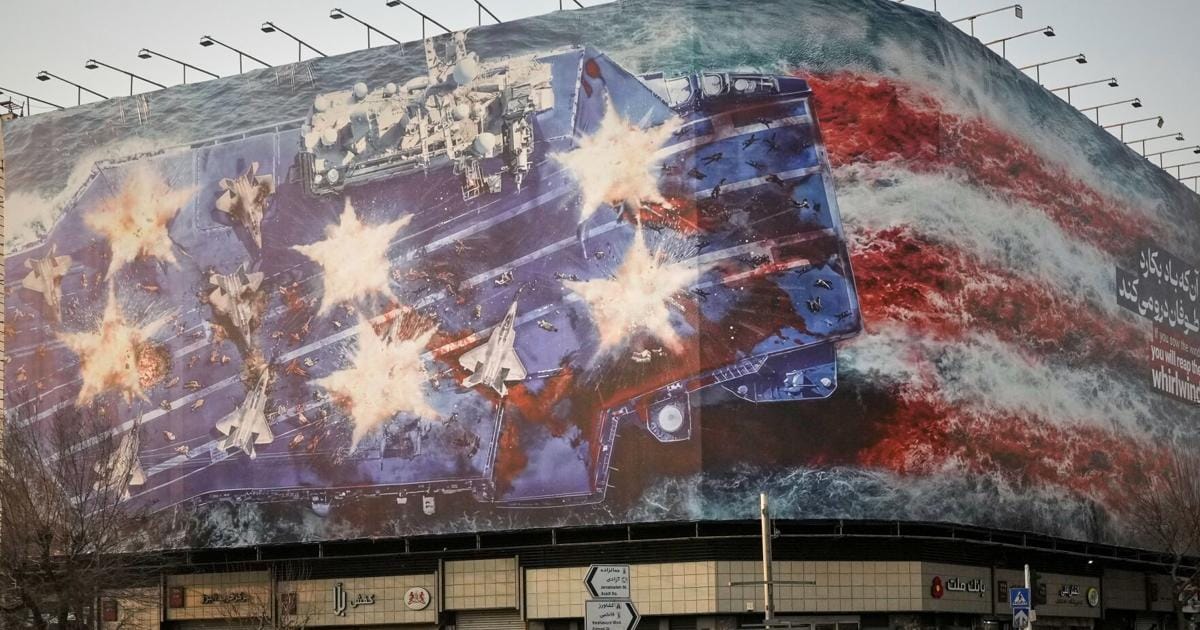
U.S. negotiations with Iran continue, with the next meeting expected on Tuesday in Geneva. Meanwhile, the Gerald R. Ford is moving toward Iran, and the U.S. has ordered a third aircraft carrier — named in honor of George W. Bush, who overthrew Saddam Hussein’s dictatorship in neighboring Iraq — to prepare for deployment.