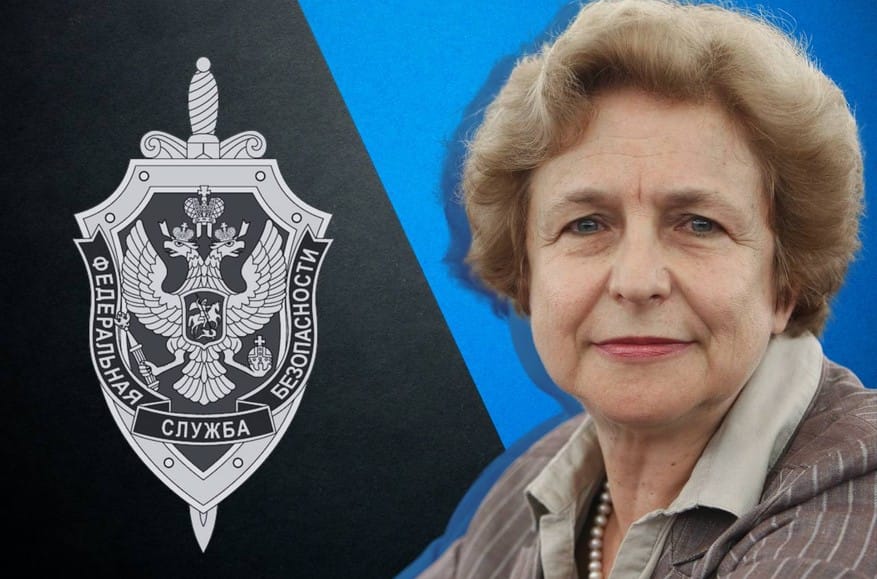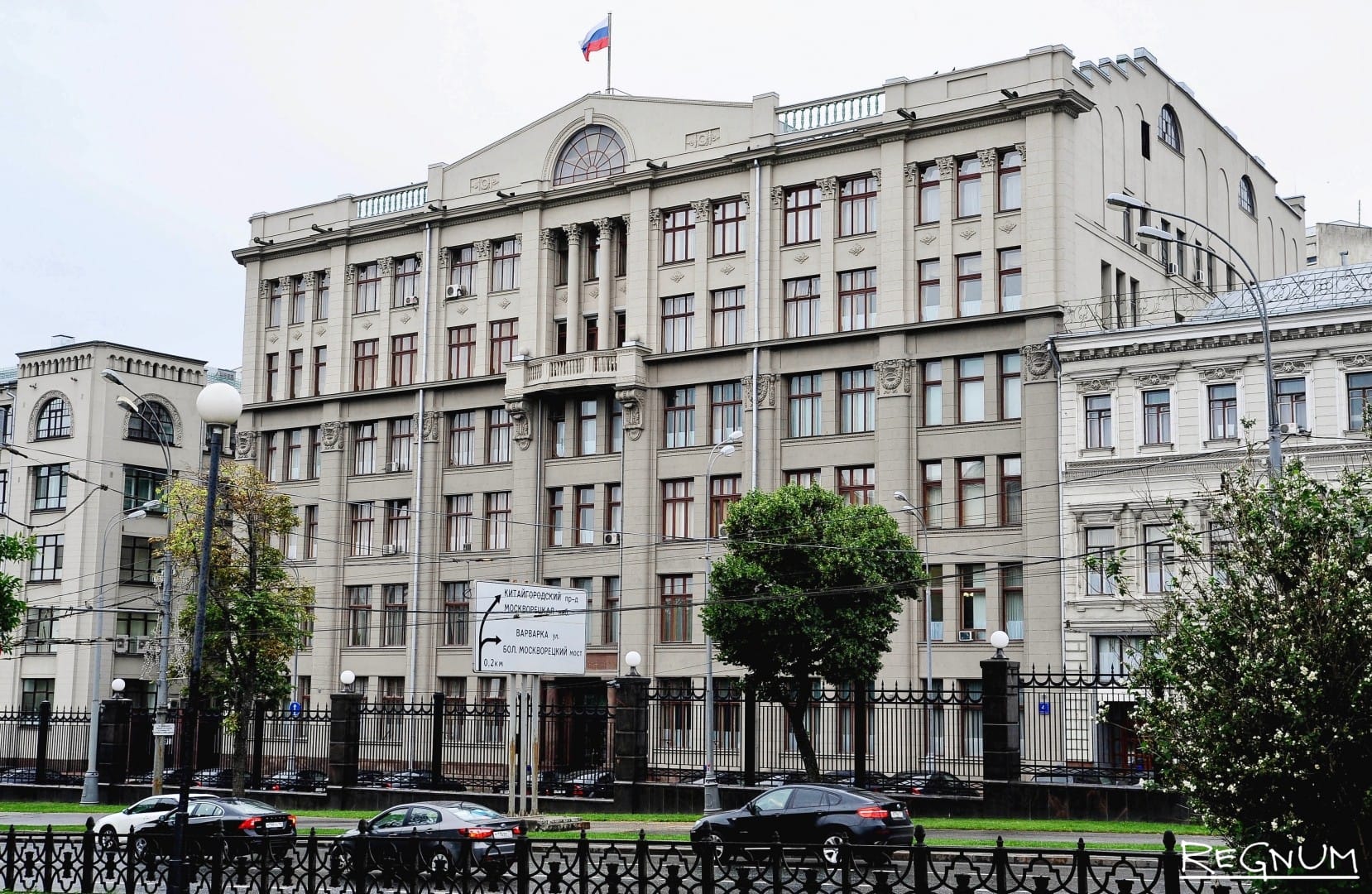
Latvia's upcoming parliamentary elections, scheduled for Oct. 3, will feature fourteen political parties competing for 100 seats in the Saeima. Roughly a third of the candidates consider Russian their native language — some studied at Russian educational institutions, while others frequently travel to Russia. Moscow is closely monitoring the campaign, and pro-Kremlin propagandists are spreading a range of falsehoods in an effort to influence Latvian voters. The Insider has identified the figures in the Russian Embassy in Riga and the presidential administration who oversee the Kremlin's network of agents in Latvia responsible for election interference.
Vladimir Balobayev, the Kremlin’s Baltic handler
Sources identify 38-year-old Kaliningrad native Vladimir Balobayev as the Russian Presidential Administration's point man on issues involving Latvia, Estonia, and Lithuania.
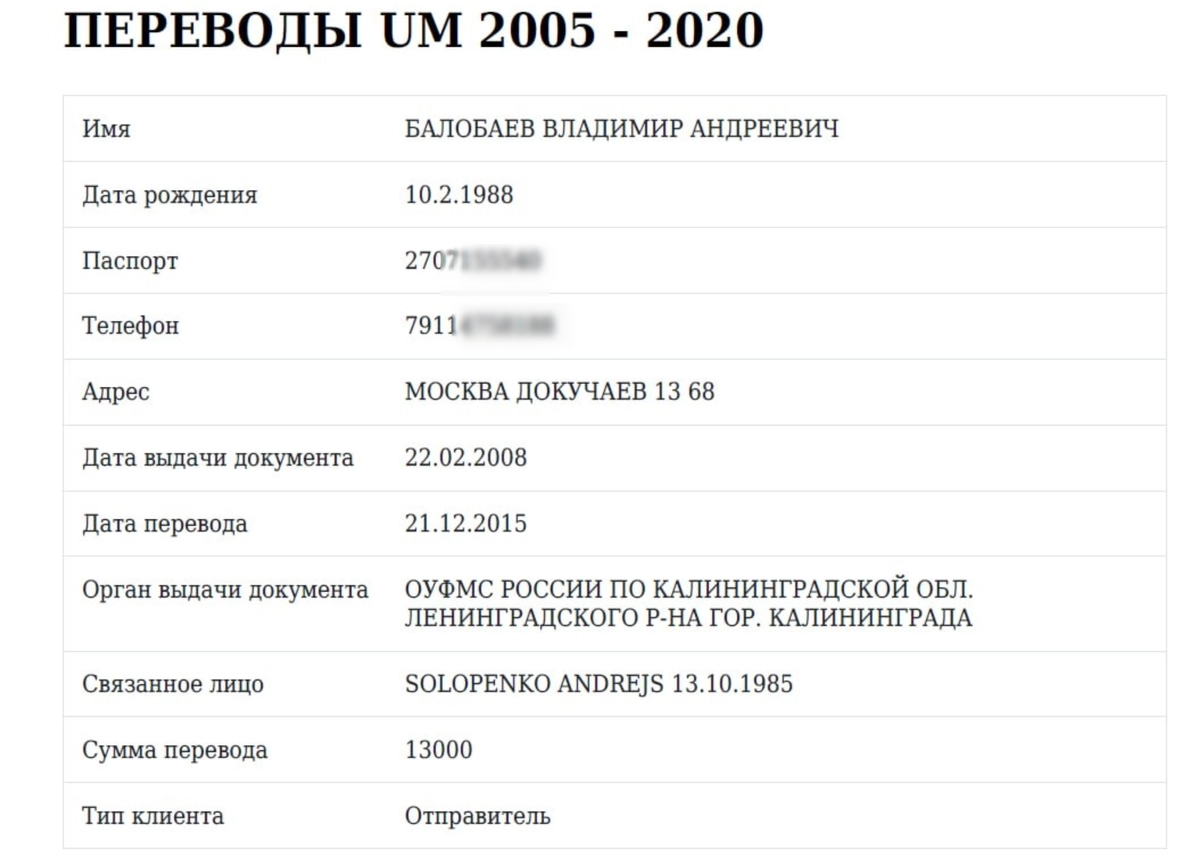
In 2015, Balobayev was general director of the Baltic Information and Analytical Center, which channeled funding to so-called independent journalists in the Baltic states. Among those who received payments from him was Andrei Solopenko, editor of the Baltnews portal, which is now banned in the EU. In 2025, a Riga court sentenced Solopenko to 280 hours of community service for violating anti-Russian sanctions.
In 2016, Balobayev became deputy director of the Center for Eastern European Studies at Immanuel Kant Baltic Federal University in Kaliningrad, where he published a paper titled “Transformation of Poland’s Political System.” In 2019, Balobayev moved from Kaliningrad to Moscow and joined the Presidential Administration. He soon became head of the Department for Interaction with Civil Society Institutions within the presidential office responsible for cultural ties with former Soviet states. In December 2020, Putin awarded him the rank of Active State Councillor of the Russian Federation, 3rd Class.
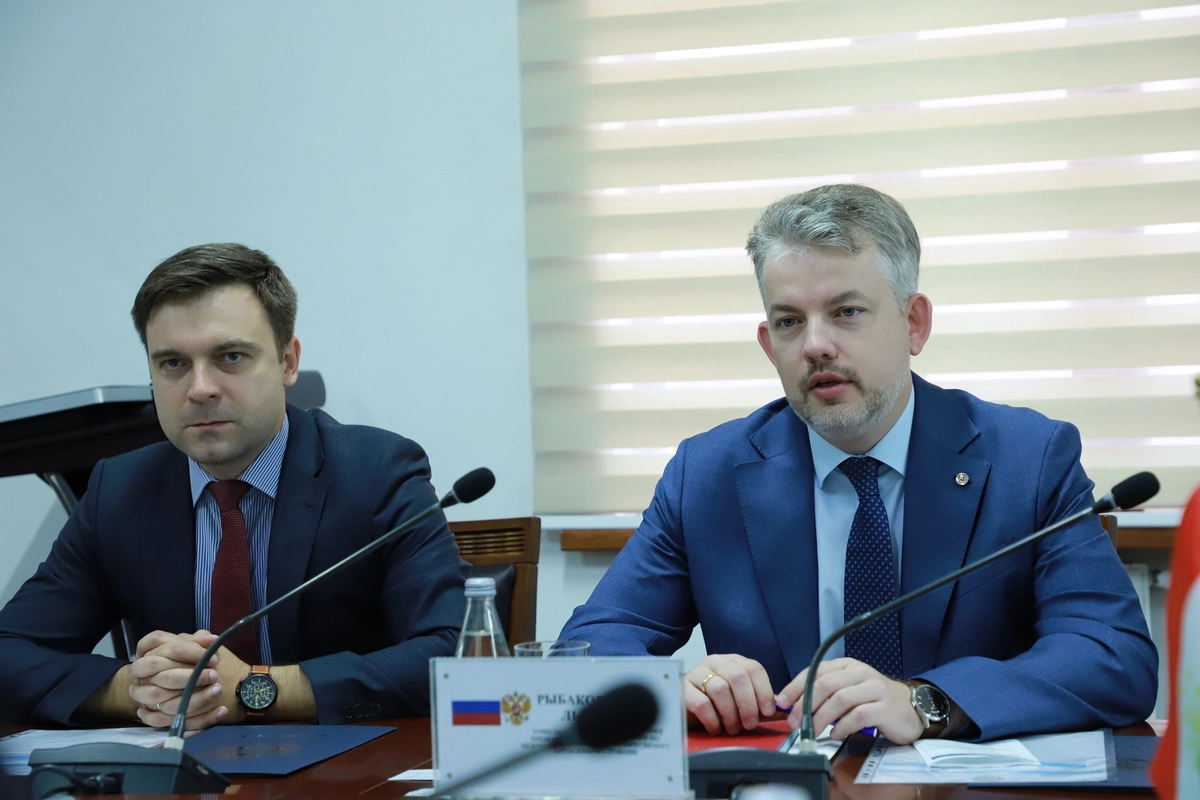
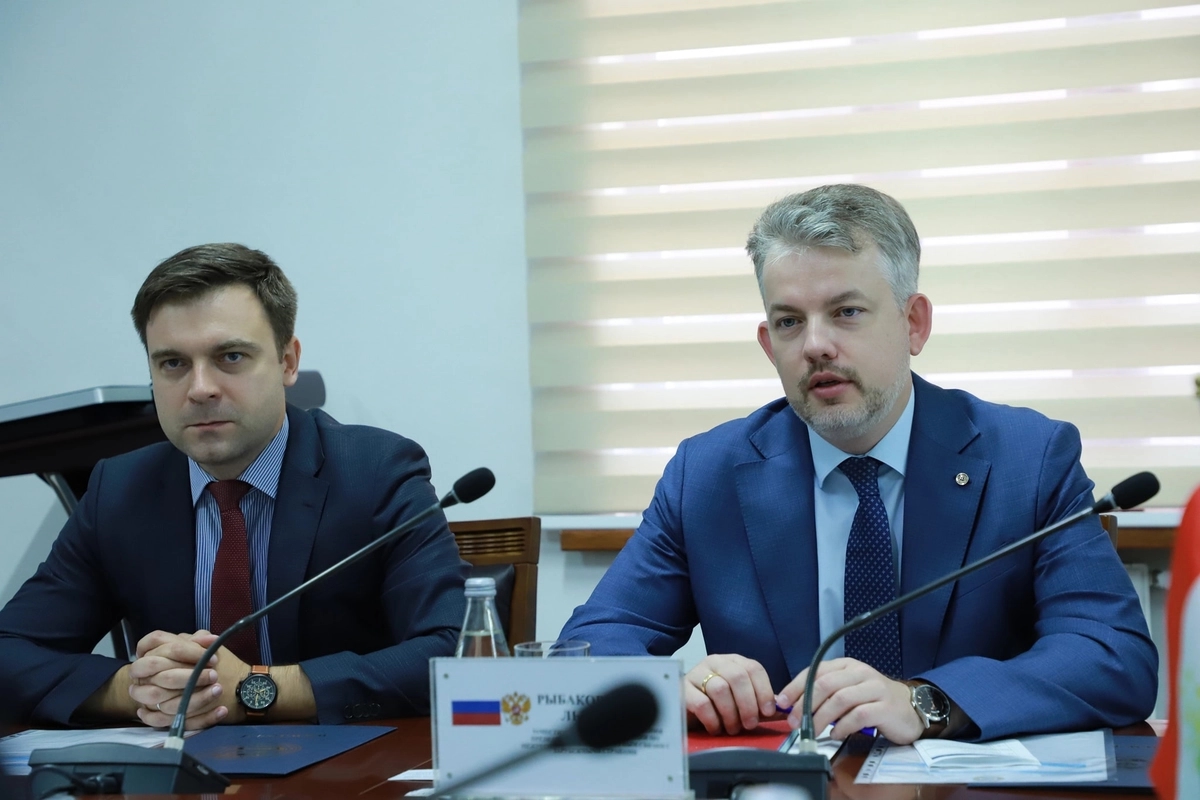
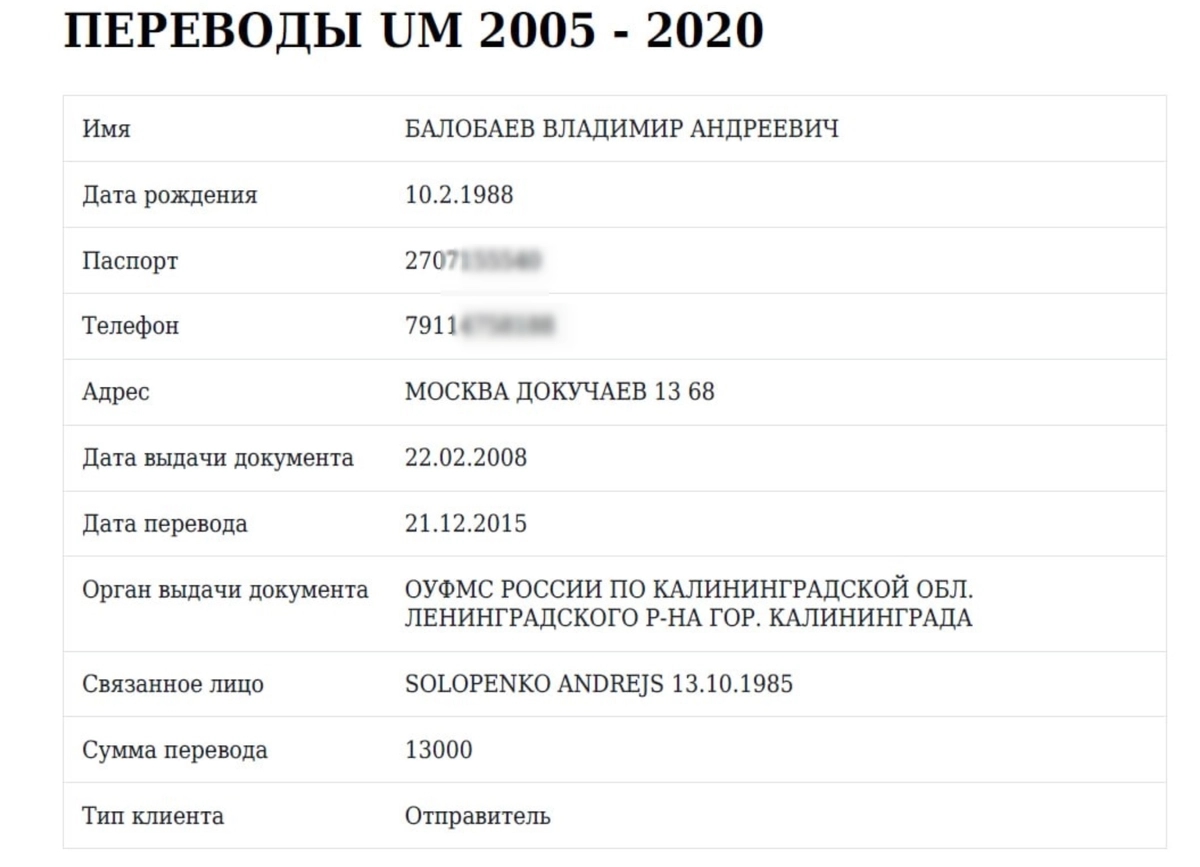
At the time, the “cultural” directorate's Baltic desk was headed by Foreign Intelligence Service (SVR) colonel Yevgeny Umerenkov. In the 1990s, Umerenkov had used a Komsomolskaya Pravda press pass as cover to spy in the United States and Mexico, and in 2020 he returned to the Kremlin-friendly tabloid after effectively being sent into retirement. The desk was taken over by Umerenkov's aide, Vadim Smirnov, who reported directly to Dmitry Kozak.
In the early 2000s, Smirnov had trained at the Moscow office of the American Council for International Education, which is funded by U.S. taxpayers. He later worked for RIA Novosti, served as press secretary to Kaliningrad Region Governor Vadim Tsukanov, and became a political columnist for Kaliningradskaya Pravda. In 2013, Lithuanian authorities barred “journalist” Smirnov from entering the country due to suspicions that he was involved in espionage activities. In 2024, due to poor performance, Smirnov lost his position as the Presidential Administration's overseer of the Baltic states. Balobayev took his place.
In August 2025, following a series of spy scandals, Putin scrapped the “cultural” approach and created the Directorate for Strategic Partnership and Cooperation (USPS) in its place (as The Insider previously reported). In the new directorate, Balobayev oversees a range of Kremlin-backed organizations: the Foreign Ministry’s Third European Department, Rossotrudnichestvo, the Russian International Affairs Council, the Foundation for Support and Protection of the Rights of Compatriots Living Abroad, the Russkiy Mir Foundation, the Baltnews news portal, and a team of propagandists.
Among Balobayev’s better-known actors promoting narratives about NATO’s “cunning” plans to seize the Baltic Sea while spreading “Russophobia” in the Baltic states are propagandist Andrei Mamykin (who is internationally wanted at Latvia’s request), former Riga City Council member Ruslan Pankratov (who fled to Russia), Belarus-based blogger Roman Samul (formerly active in the “Antifascists of the Baltics” movement), “historian” Alexander Dyukov (who predicts the imminent extinction of the populations of Latvia, Estonia and Lithuania), and Konstantin Khudoley (head of the Department of European Studies at St. Petersburg State University’s School of International Relations).
One of Khudoley’s students at St. Petersburg State University, Vyacheslav Morozov, moved to Estonia in 2016 to teach at the University of Tartu, where he gave numerous lectures on Russia’s role in the modern world before being caught spying for the GRU. During the investigation, Morozov admitted to working for Russian military intelligence; he was sentenced to six years and three months in prison.
SVR station chief in Riga Igor Sorokopud
In 2023, in the midst of Russia’s ongoing war in Ukraine, Latvia downgraded diplomatic relations with Moscow and cut embassy staff by 60%. The ambassadors were replaced by chargés d’affaires. Today, the Russian embassy’s work in Riga looks more like the activities of a school patriotic club: on commemorative dates, diplomats visit the graves of Soviet soldiers and present certificates to the few surviving World War II veterans who have made it to almost 100.
But that is only the visible side. Closely monitoring the Saeima elections is the SVR station chief in Riga, 43-year-old embassy first secretary Igor Sorokopud.
Born in Moscow, Sorokopud studied Middle Eastern languages at Department No. 38 of the Military University of the Russian Defense Ministry (VUMO), an institution currently headed by Colonel Vladimir Bykovtsev, who spied in Yemen back in Soviet times. After graduating from VUMO, Sorokopud enrolled at the SVR Academy, where he underwent specialized training for work at stations in the Middle East.
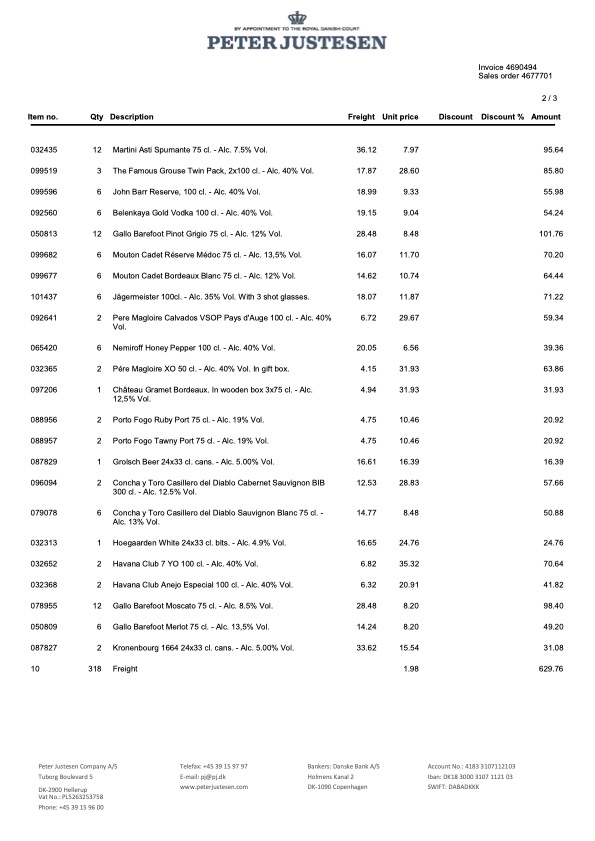
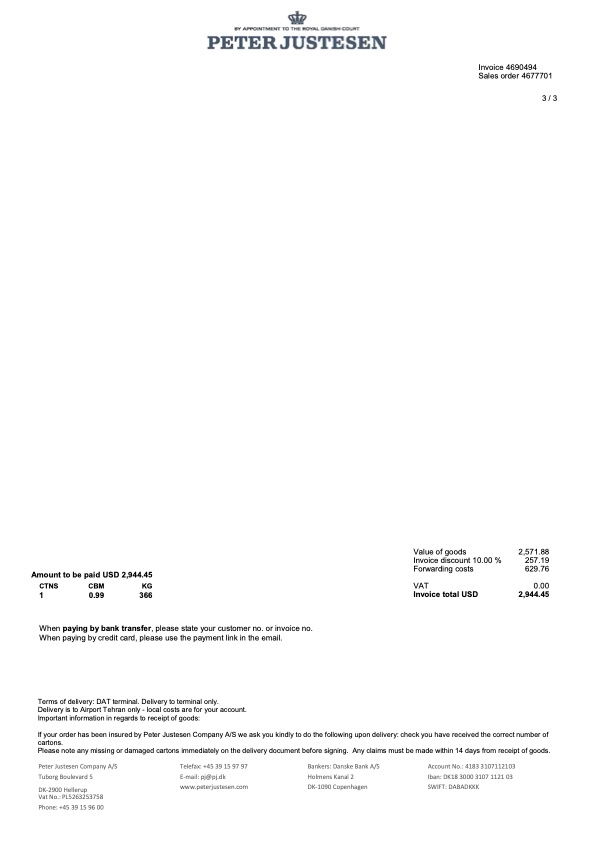
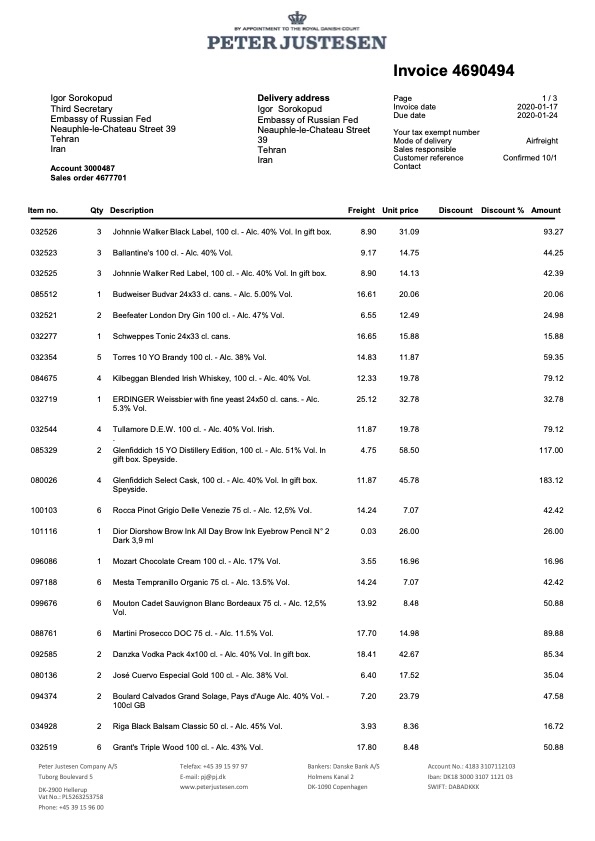
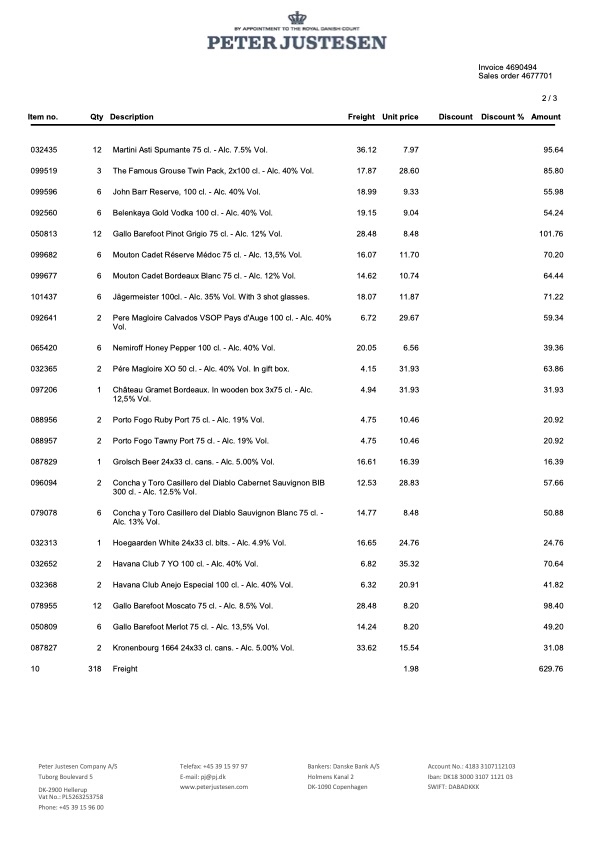
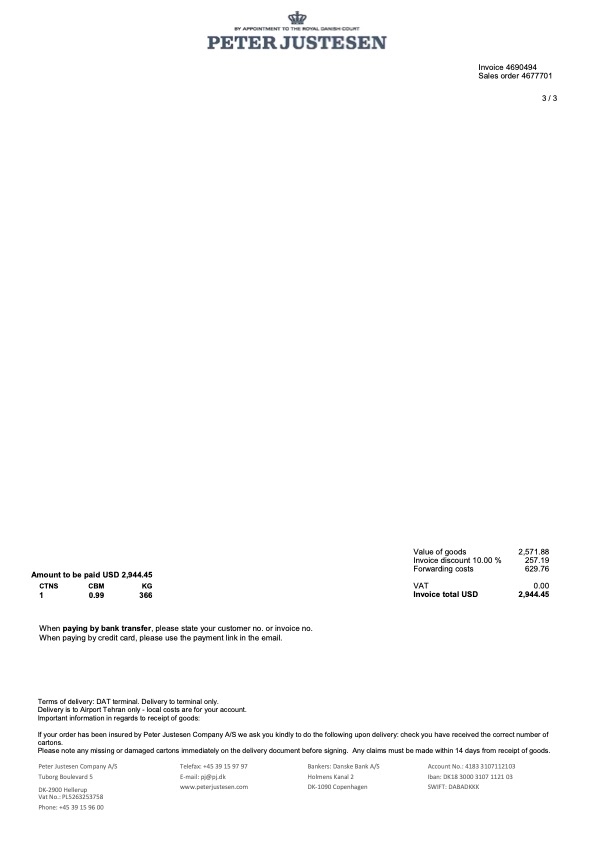
In 2018, he was posted to Iran, where he worked under the cover of the embassy’s third secretary. The Insider obtained an invoice from the Peter Justesen store in Tehran — part of the international duty free chain serving diplomats — made out to Sorokopud. According to the invoice, in January 2020 the Russian official spent $2,944.45 at the store (the sale of alcohol is strictly prohibited in Iran, and it appears that Sorokupud resold bottles on the side).
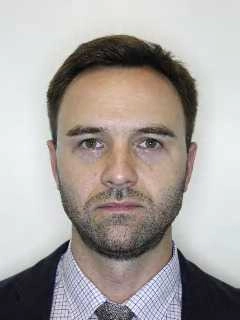
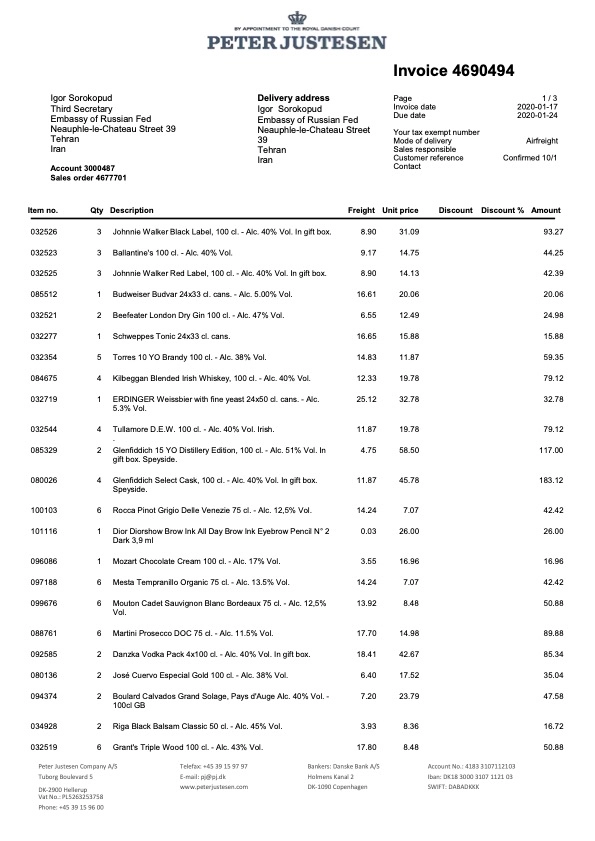
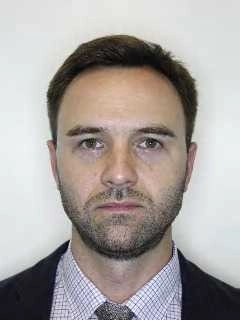
In 2024, Sorokopud was transferred to Latvia, where he took charge of the local SVR station. His main operational interests are Latvia’s cooperation with NATO, Western military aid to Ukraine, and people with access to the country’s leadership, the Defense and Foreign ministries, and other centers of decision-making.
Sorokopud’s operational focus: Latvia’s cooperation with NATO, military aid to Ukraine, and people in positions of power
The SVR’s agent network in Latvia is made up primarily of former Soviet military personnel and Russian-speaking residents who are susceptible to pro-Kremlin propaganda due to dissatisfaction with their personal economic circumstances.
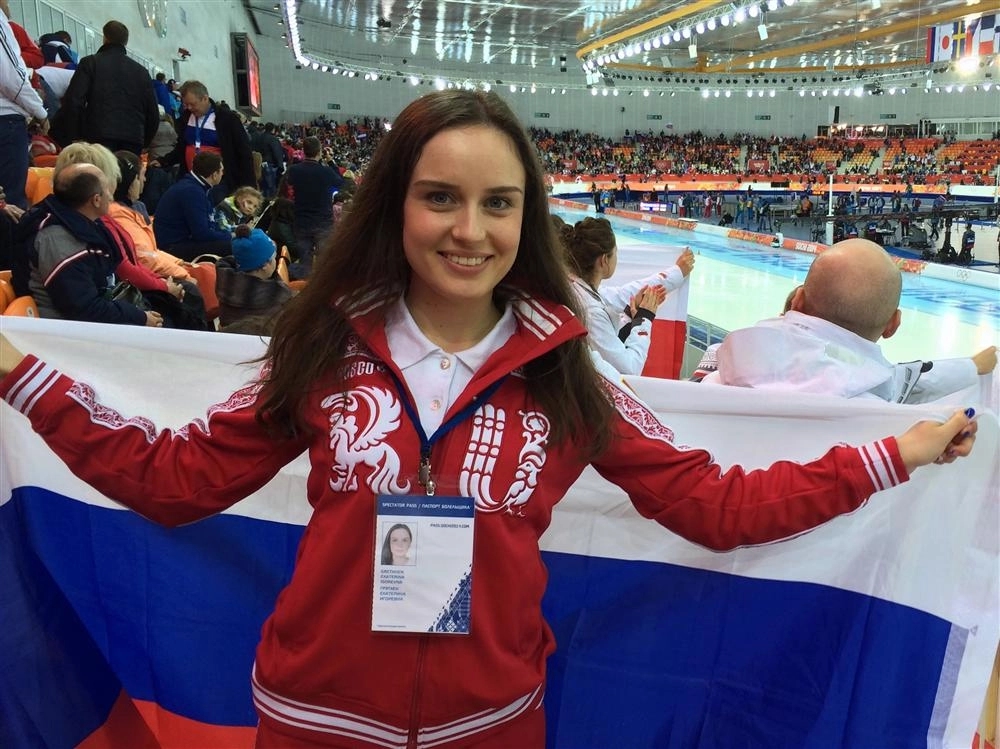
In Latvia, Sorokopud lives with his wife, Yekaterina Vostrikova, a St. Petersburg native who previously worked as a financial analyst at Aton, a Russian company that manages the assets of private investors. Until 2024, Vostrikova went by the name "Gretchen" and the surname of her then-husband, American Chad Anthony.After divorcing him, Yekaterina reverted to her maiden name, Vostrikova, and joined Sorokopud in Iran. The Insider has found that Vostrikova herself has access to classified information, suggesting that she may be more than simply a spy’s wife.
The SVR is actively engaged in disinformation operations in Latvia. In May, for example, the agency claimed —falsely, by all available indications — that Ukraine had reached a deal with Latvia to launch strikes on Russia from Latvian territory: “Despite concerns on the Latvian side that it could become the target of a retaliatory Russian strike, the authorities in Kyiv persuaded Riga to approve the operation. The Ukrainians emphasized that it would be impossible to determine the exact launch site of the drones.”
However, Sorokopud does not appear to be responsible for producing that particular disinformation narrative. Instead, the false claim in question was apparently orchestrated by SVR press bureau chief Sergei Guskov, whom The Insider previously reported on.
The “Russian world” in Latvia
Since the start of Russia’s invasion of Ukraine, support for the “Russian world” in Latvia has declined noticeably. Moscow, however, still appears to be betting on the Russian Union of Latvia (RSL), despite the high-profile espionage scandal involving former Latvian MEP Tatjana Ždanoka, who, as The Insider revealed, worked for the Russian intelligence services for several years. (Notably, the RSL’s governing board also includes the aforementioned Baltnews “journalist” Andrei Solopenko.)
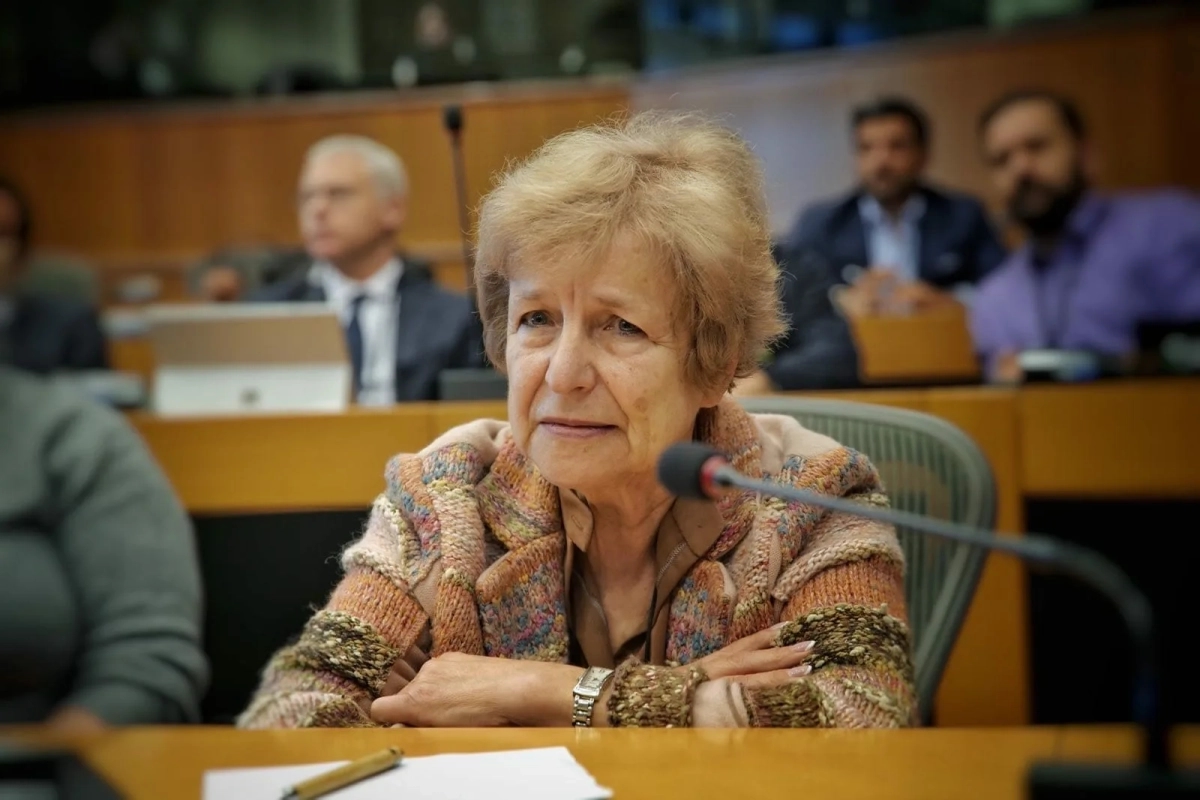
In Strasbourg, Ždanoka served as leader of the RSL, promoted claims that Russian-speaking residents of the Baltic states were being persecuted, and voted against resolutions condemning Russia over the annexation of Crimea, its war in Syria, and its aggression against Ukraine. Leaked correspondence indicates that since at least 2005, Ždanoka had been in operational contact with the FSB, received money from Moscow, and sent reports to her Russian handlers. She also advised Russian intelligence on how to intervene more effectively in the internal affairs of EU countries.
MEP Zdanoka advised Russian intelligence on how to interfere more effectively in the internal affairs of EU countries
In 2024, amid the espionage scandal, Ždanoka stepped down from the RSL leadership. The party was then taken over by co-leaders Andrei Pagor and Yevgeny Osipov. Pagor, a former police officer, was forced to resign after suspecion arose that he had been soliciting bribes from drug dealers. He is currently running for the Saeima on the Sovereign Power–Young Latvians ticket.
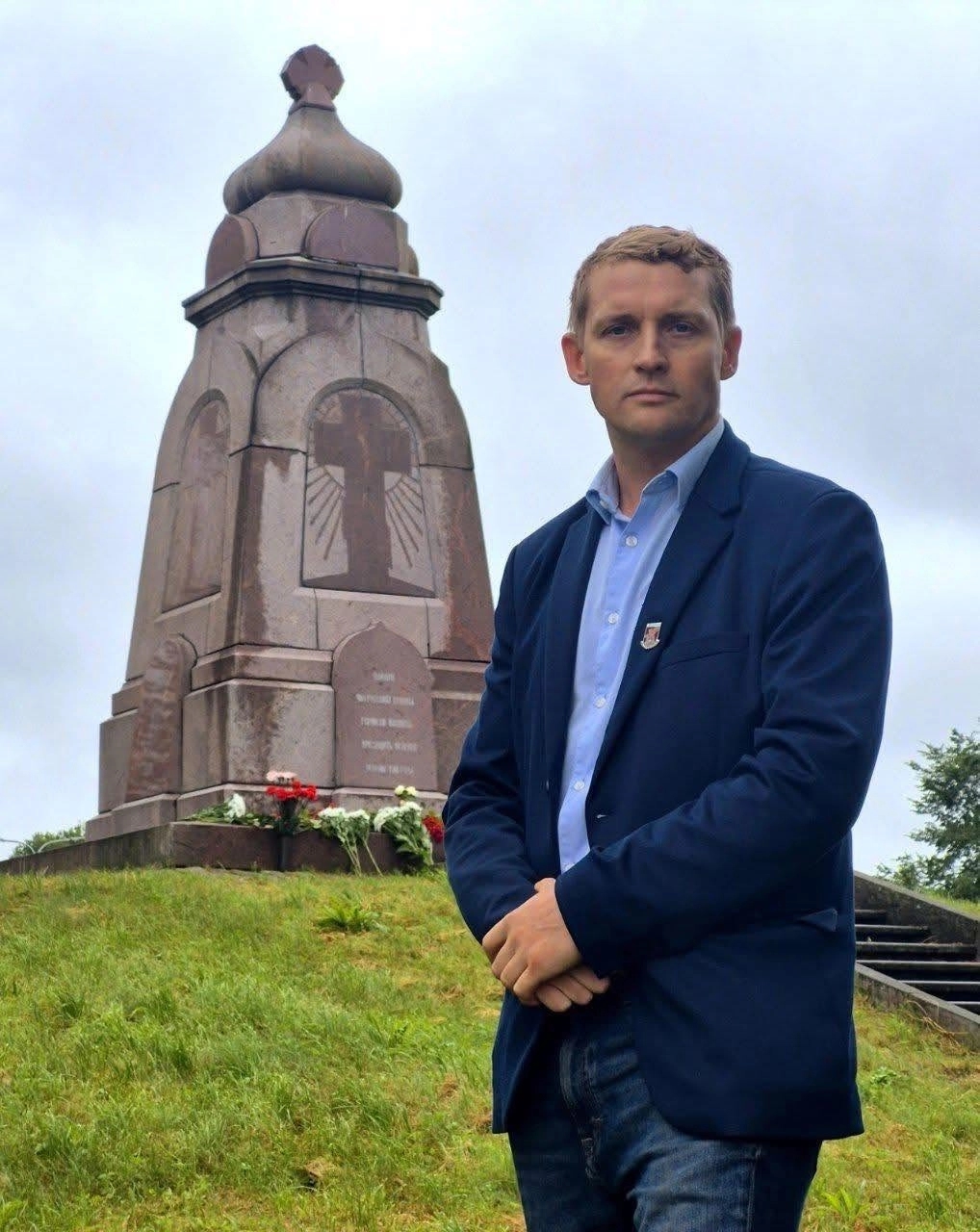
The other co-leader, Osipov, was responsible for founding the Latvian branch of the neo-Nazi Russian National Unity (RNE) organization back in the 1990s. Osipov says that he went underground at the age of 16 and spent his nights putting up RNE leaflets. In 2000, fellow members accused him of disloyalty to RNE leader Alexander Barkashov and expelled him from the organization, after which Osipov joined the Latvian National Democratic Party (LNDP). In 2013, he was sentenced to community service for desecrating the Latvian flag.

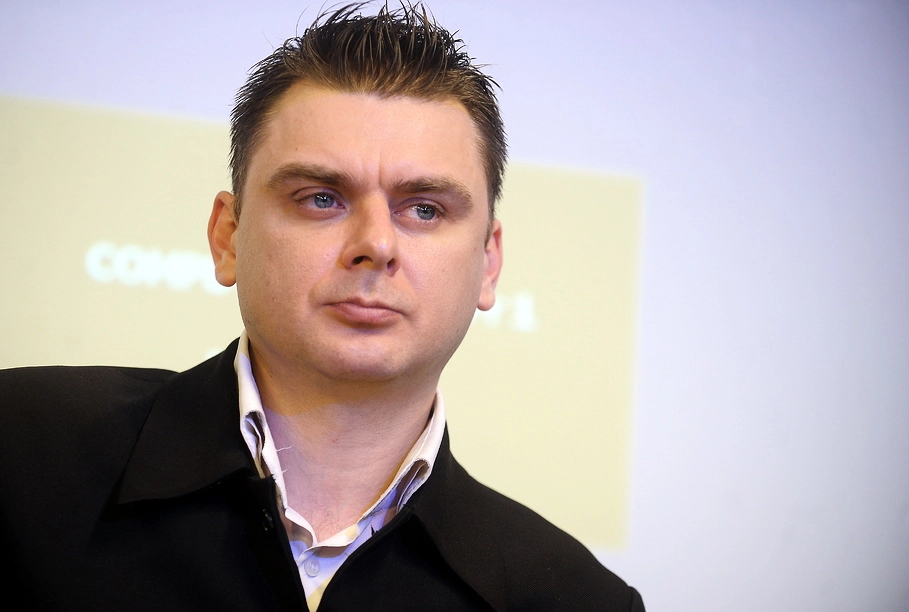

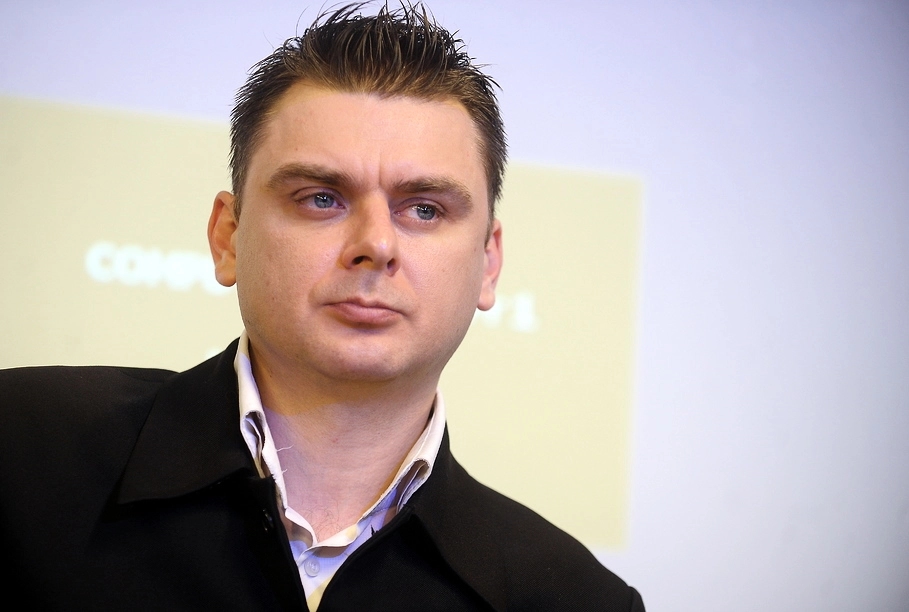
Elena Osipova, Osipov’s wife, is also on the RSL’s governing board and heads the Russian Community in Liepaja. In 2023, she ran for the European Parliament alongside Ždanoka but failed to win a seat. She is now a regular participant in RSL protests and has had repeated run-ins with police. In 2024, Elena challenged the results of the Liepaja municipal elections, demanding a recount; the court rejected her request.
“Not so fast!”
Another former Ždanoka aide, Anna Bondere, is running for the Saeima on the Sovereign Power–Young Latvians ticket — alongside former police officer Pagor. She presents herself as a defender of the Russian language and a fighter against neo-Nazism. Bondere regularly attends RSL rallies and is frequently quoted by the propaganda website of the Russkiy Mir Foundation, established by Putin’s decree.
“Do you think the Russian Union of Latvia has ceased to exist? No! Not so fast!” she wrote in a Facebook post.
Bondere graduated from Moscow State Industrial University in 2003. After returning to Riga, she worked in education before joining the RSL. Russian border-crossing data show that Bondere travels to Russia almost every year and has visited the country particularly frequently since the start of the so-called “special military operation.” While in Russia, she stayed at expensive hotels, citing “business” as the purpose of her trips and using a Sberbank card to pay for her expenses.
The Insider sent Bondere questions via social media, but she did not respond.
Among the other pro-Putin candidates running for the Saeima is Aleksejs Rosļikovs, founder of the Stability! party. However, Latvian authorities have opened a criminal case against Rosļikovs for inciting ethnic hatred, prompting him to flee to Belarus.
Rosļikovs was previously involved in business, and local journalists have reported that he evaded taxes and repeatedly set up new companies. Whenever one of his companies accumulated debts, he would promptly change its founders. Rosļikovs has served as a member of both the Saeima and Riga City Council, but in 2026 he lost his mandate for repeatedly failing to attend meetings.
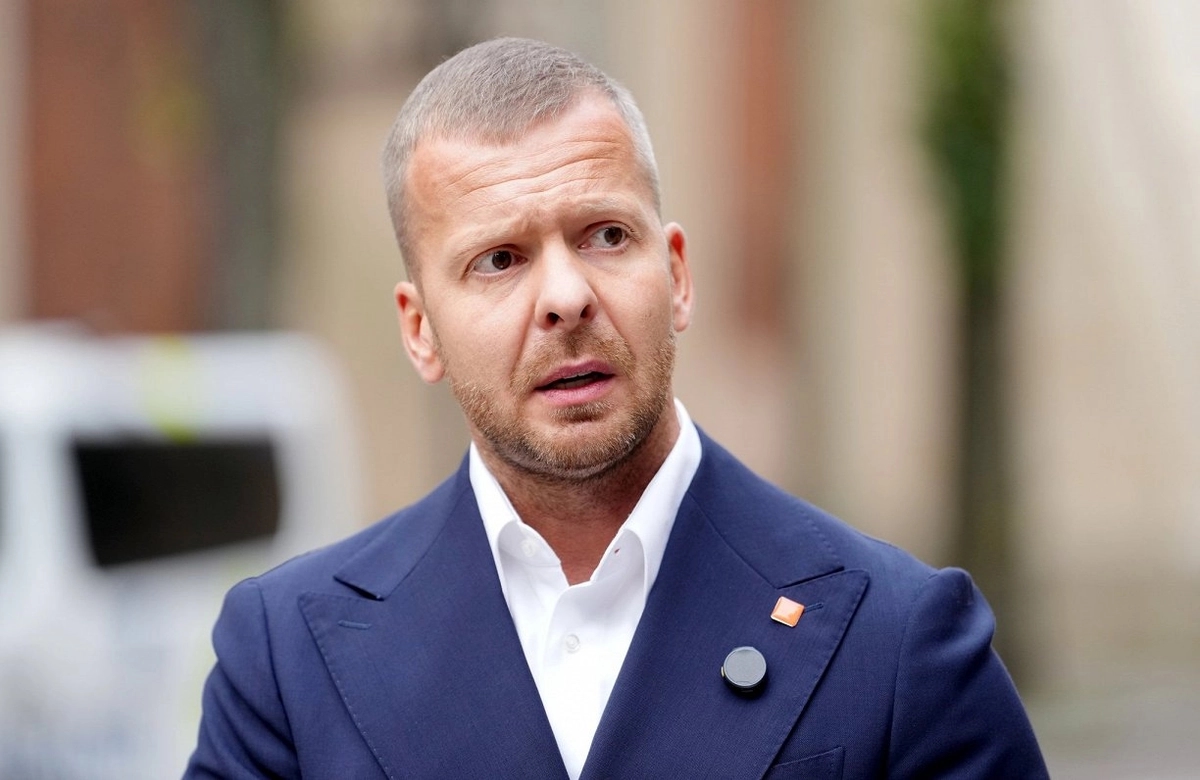
While lying low in Belarus, Rosļikovs has been waging an anti-Latvian propaganda campaign, portraying Russian-speaking people as victims of discrimination in the Baltic states. In his statements, the fugitive candidate says that if elected to the Saeima, “Ukraine will not receive another cent.” In April, Rosļikovs also spread a false claim that Latvian schools had purportedly banned students from speaking Russian even during recess.
Meanwhile, Russia’s Foreign Ministry has joined the disinformation campaign. Grigory Lukyantsev, director of the ministry’s Department for Multilateral Cooperation in Human Rights, claimed that authorities in the Baltic states were preparing mass deportations of Russian-speaking residents. The “sensation” was picked up by all major pro-government Russian media outlets. Unsurprisingly, the news turned out to be fake.