In July, Russian authorities canceled the Outline music and arts festival, officially due to the threat of drone attacks. After the GULAG History Museum in Moscow was forced to close, in June a state-run institution dedicated to documenting the “genocide of the Soviet people” opened on the vacated site. And in mid-May, photographs by Alexander Gronsky were covered with cloth at the Kontur art fair in Nizhny Novgorod. These developments vividly illustrate the conditions under which the art world now operates in Russia. Since the start of the full-scale invasion of Ukraine, the government has dramatically tightened censorship of exhibitions and art festivals, using curators with ties to the security services and organized groups of informants to monitor the situation. Museums and galleries have been subjected to searches, with staff and artists detained. Some artists continue to resist pressure and persecution, while others have chosen to leave the country. Still others have embraced self-censorship, abandoning any political subject matter altogether. Museum directors have sharply reduced the number of contemporary exhibitions, and staff members deemed insufficiently loyal have been dismissed.
Beginning in the late 2000s, Russia’s contemporary art scene sought to integrate itself into the global cultural landscape. Patrons invested heavily in the sector — billionaire Novatek head Leonid Mikhelson, for example, spent hundreds of millions of dollars setting up the V–A–C Foundation and opening the GES-2 cultural center in central Moscow.
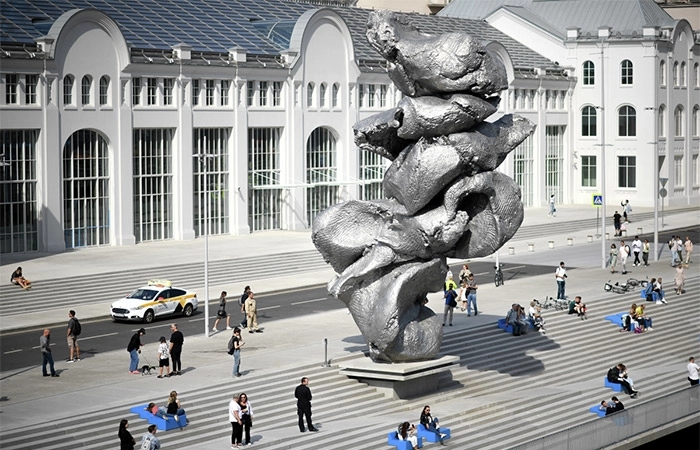
Since 2005, Moscow has hosted the Moscow International Biennale of Contemporary Art, while in 2014 St. Petersburg hosted the major European contemporary art biennial Manifesta 10 as part of the state-sponsored Year of Culture program.
Russian art was also widely exhibited abroad. In 2005–2006, the Solomon R. Guggenheim Museum in New York hosted the exhibition RUSSIA!, showcasing landmark Russian art ranging from Andrei Rublev’s icons to Socialist Realism and contemporary works. During those years, the state not only refrained from interfering with the development of the contemporary art industry but actively supported it.
The situation changed dramatically after Russia launched its full-scale invasion of Ukraine. On February 25, 2022, several thousand artists signed an open letter calling for the war to be stopped. But in early March, after the government adopted a law criminalizing the spread of so-called “fake news” about the Russian army, the publication Spectate removed both the text of the letter and the list of signatories.
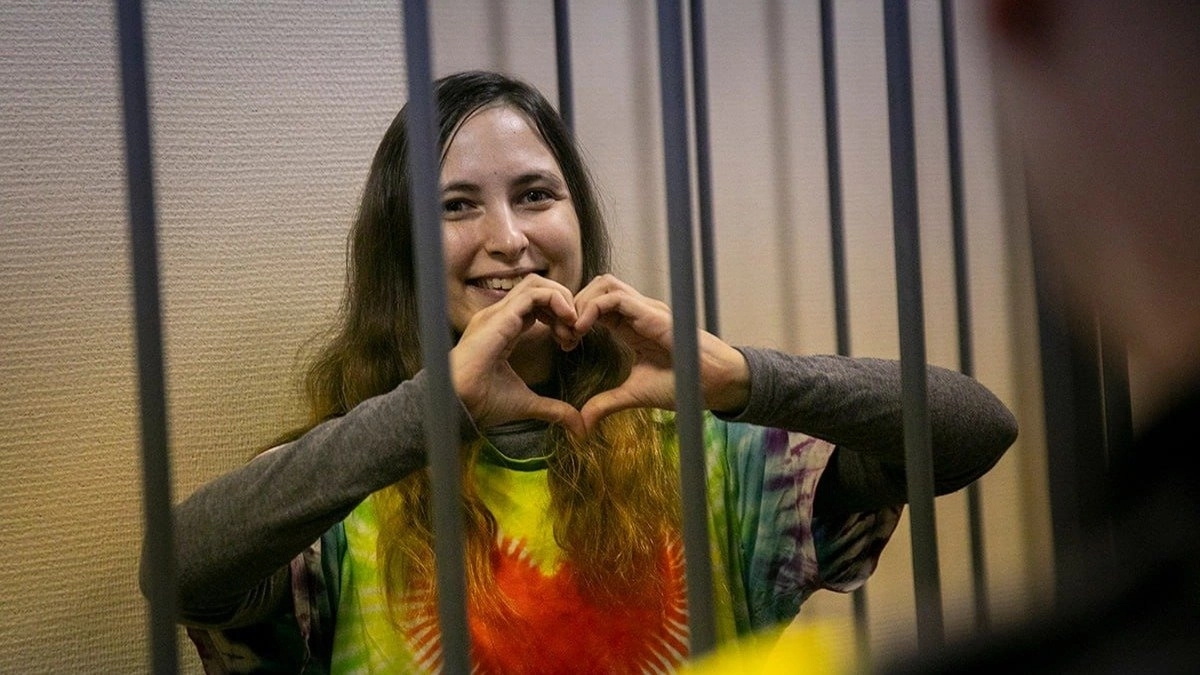
Among the first artists to fall victim to the new laws was Sasha Skochilenko. She was arrested in March 2022 under the “fake news” statute after attempting to replace supermarket price tags with stickers containing information about the actions of the Russian military in Ukraine. She was released only in August 2024, as part of a major international prisoner exchange.
Against the backdrop of the new bans and restrictions, some artists chose to leave the country. One of them was Pavel Otdelnov, who in 2022 published his politically charged “Scenes from a Nightmare” series before relocating to the United Kingdom.
In September 2022, searches were carried out at the homes of Maksim Evstropov and Kristina Bubentsova, members of the art collective Party of the Dead. Citing a law enforcement source, the outlet Peterburgsky Format reported that the searches were conducted as part of a criminal investigation into actions that were suspected to have “insulted the feelings of [religious] believers.” The members of Party of the Dead later explained on their VKontakte page that the case had been prompted by their Easter post containing “an unflattering statement about Patriarch Kirill, who supports the war and kisses the president’s ass.”
On the same day, searches were also conducted at the homes of artists Dmitry Vilensky and Olga Tsaplya of the collective “What Is to Be Done?” The founders of the DK Rozy cultural center and the School of Engaged Art, where Evstropov had taught for the previous several years, also got visits from the authorities.
Evstropov, Vilensky, and Tsaplya all left Russia after the searches, and in June 2023, the “What Is to Be Done?” collective announced that it was closing the DK Rozy space and ending the work of the School of Engaged Art. At the same time, the artists introduced a new initiative, the What Is to Be Done Mutual Aid Fund, intended to support both artists who remained in Russia and those who found themselves in difficult circumstances abroad. Assistance is provided through personal and confidential channels, though the artists noted that they are still “severely restricted in their ability to spend Western grant funding inside Russia” — meaning that the mutual aid effort is financed from their own resources.
The growing crackdown
As the war continued, state repression spread to a much broader circle of artists. In March 2024, searches were carried out in Moscow, St. Petersburg, Nizhny Novgorod, Samara, Yekaterinburg, Perm, and Ulyanovsk. The authorities linked the operation to an investigation into Pyotr Verzilov, a member of the art collective Pussy Riot who left Russia in 2020 before taking up arms for Ukraine. Some of the artists questioned in the probe said they had never even met Verzilov.
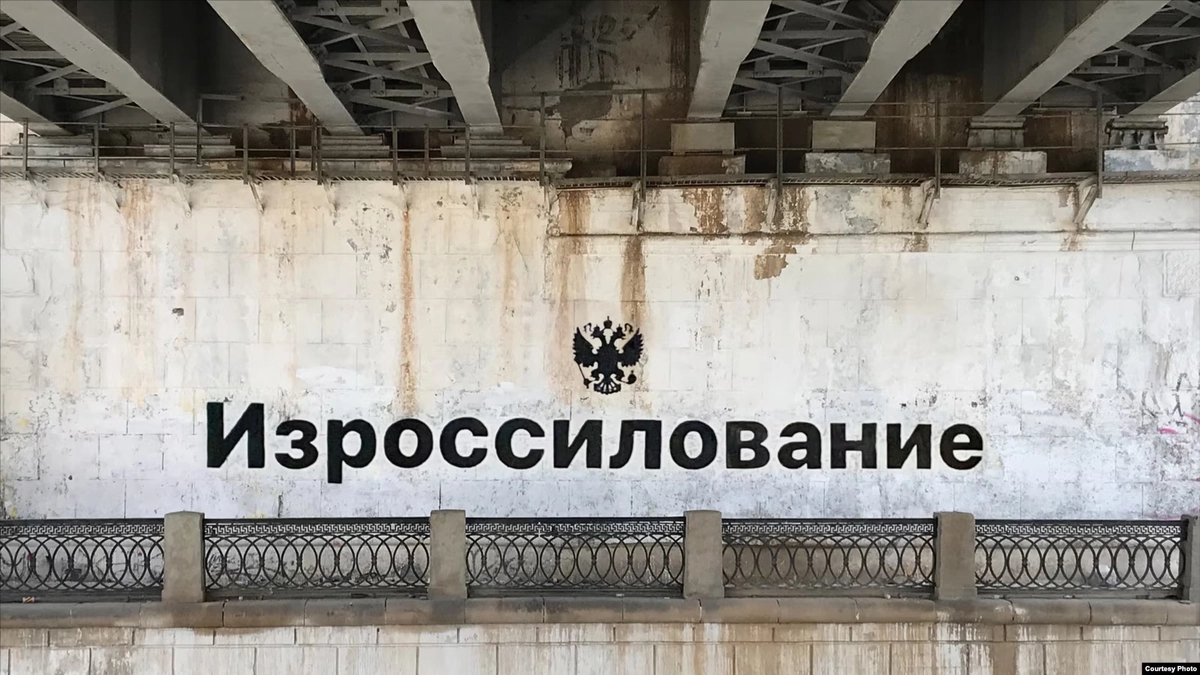
According to independent outlet Mediazona, searches were conducted at the homes of at least 20 people, including performance artist Katrin Nenasheva, two additional members of the Party of the Dead collective, Pussy Riot members Margarita Konovalova (Rita Flores), Olga Kuracheva, and Olga Pakhtusova, as well as artist Anatoly Osmolovsky, a co-founder of the Baza Institute. Searches were also conducted at the home of a female acquaintance of the artist Philippenzo, who had left Russia after a criminal case was opened against him on charges of “vandalism motivated by political hatred,” stemming from his street artwork Izrossilovanie. Some of the artists were detained by police as witnesses in the Verzilov case but were released shortly afterward.
In September 2024, searches were carried out at the Baza Institute of Contemporary Art, located on the grounds of Moscow's Winzavod Center for Contemporary Art. Following the searches, Baza director Svetlana Baskova announced that the institution would close: “We realized that we didn't want the people close to us — our students and those who were planning to enroll — to suffer because of this. We simply don't know what may await them. That's why we stopped accepting new students.”
At the same time, Baskova said she did not know why the searches had been conducted: “There was nothing prohibited at the institute. Perhaps some people simply don't like contemporary art. It seems to speak a different language, one that may be difficult to understand and can appear provocative.”
“Some people simply don't like contemporary art: it speaks a different language, one that is difficult to understand and seems provocative”
In an interview with Meduza, Baskova and Osmolovsky said that officers had come to search the institute under Article 228 of the Russian Criminal Code, which covers drug offenses. However, the real reasons for the search remain unclear. Art theorist Boris Klyushnikov, who taught at Baza, told The Insider that Osmolovsky had long irritated the authorities: “He is associated with actionism — he embodies actionism — and that's why they cracked down on Baza.” According to Klyushnikov, that wave of searches was particularly harsh: “They even tortured people to make them hand over our teaching materials.”
Another target of state repression has been the festival culture associated with contemporary art. The festival Kholod i Ogonyok (lit. Cold and Flame), a Russian counterpart to Burning Man, was targeted in a raid by the nationalist group Russian Community, which described the event as “a festival of sodomites and drug addicts.”
Other contemporary art festivals have also faced pressure from state and pro-government actors. In August 2024, security forces shut down the independent contemporary art festival Naiznanku in the Moscow region. Officers ordered participants to leave immediately, threatening to call in a special police unit. They said the reason for the operation was the “unauthorized holding of a mass public event.”
Informants and blacklists
In recent years, the security services have sought to tighten their control over major art institutions using a hybrid system in which denunciations by activists against unwanted participants in exhibitions and festivals are combined with on-site oversight by security service personnel. Irina (name changed for security reasons), a curator who works with several Moscow galleries, told The Insider that the state’s efforts are very thorough:
“The censorship is total. For example, every contemporary art fair, even if it's privately owned and commercial, is inspected by the state. Organizers are required to provide FSB curators with a list of every artist participating in the fair. First they check the names, and then, the day before the opening, the curators come to the venue and inspect the works themselves. If they don't like a particular piece, they can have it removed. They may object to the subject matter. Say you've painted a she-devil — they might take it down. They may not like the colors either. Yellow and blue are an instant ban.”
Irina said that, as a result, “self-censorship has also reached incredible levels,” as all artists, even those with no connection whatsoever to social or political issues, fear that their works could be removed.
Aleksandra (name changed for security reasons), the founder of a contemporary art gallery in Moscow, said that FSB officers themselves compile blacklists of artists — and it is not only public opponents of the war who are targeted:
“I get the impression these lists are compiled based on whether you know someone the authorities dislike. You can barely know another artist, post a social media ‘story’ with them, and end up on the list yourself. But you get used to it. You live with the fact that there's a file on you.”
Asked what legal grounds FSB officers cite when exerting such pressure, The Insider's sources responded with bewilderment: “We've reached the point where they're simply told to shut something down, and it gets shut down without explanation,” said Dmitry (name changed for security reasons), a curator from a major Russian city.
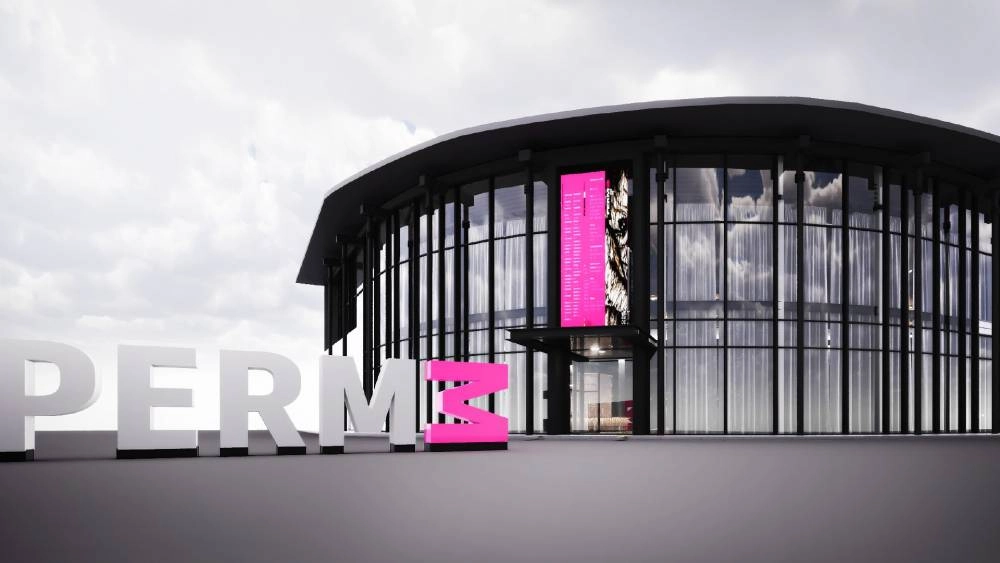
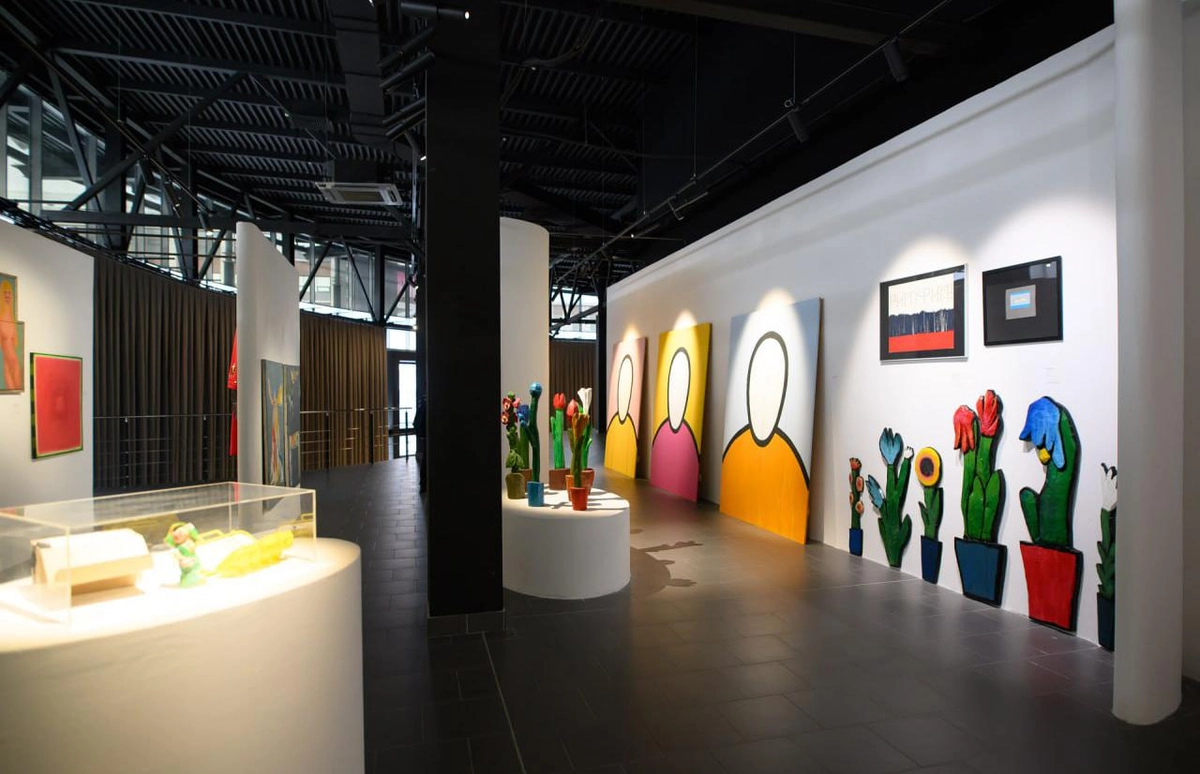
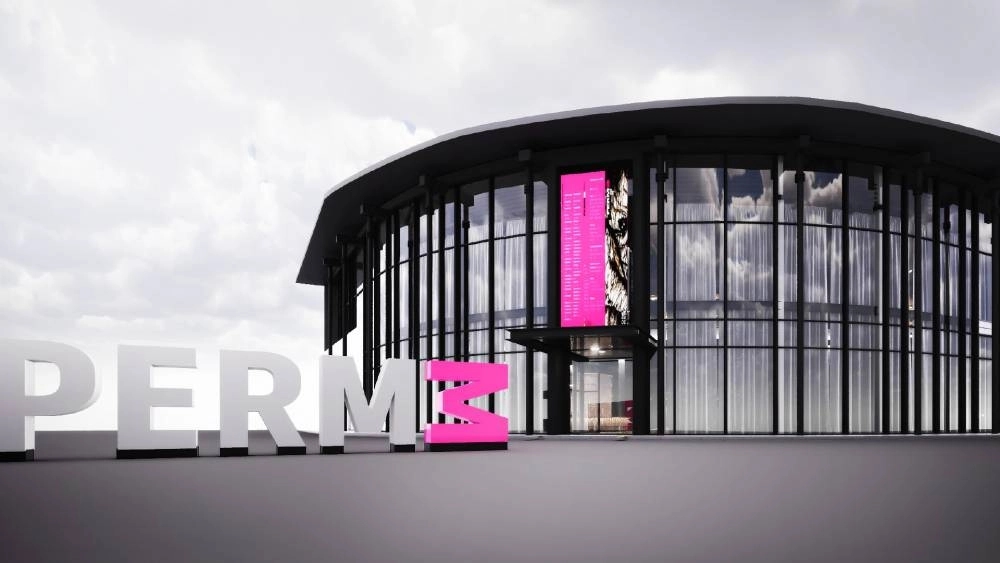
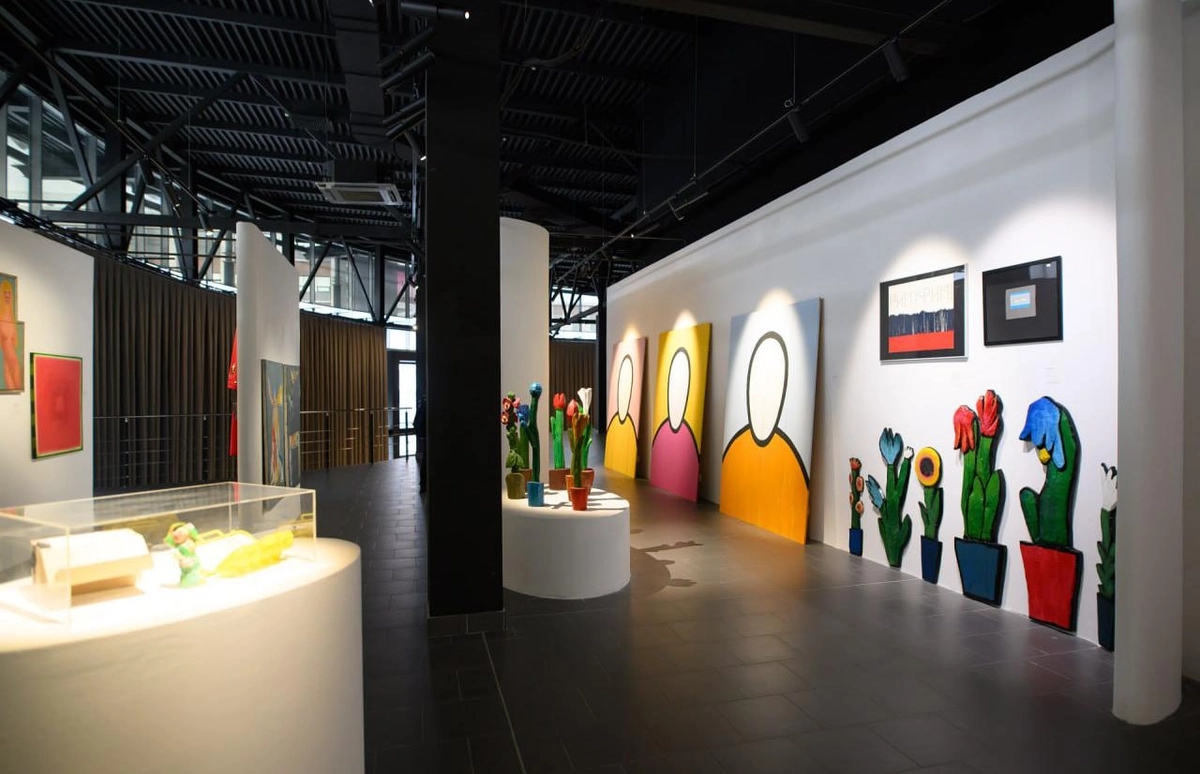
If an institution's management refuses to compromise, however, its leaders themselves may face persecution and dismissal. This is what happened to Nailya Allakhverdiyeva, the director of the PERMM Museum of Contemporary Art. She led the museum for ten years but was forced to resign under the combined pressure of the FSB and various conservative activist groups.
The initial trigger for the campaign against Allakhverdiyeva was a meeting she held with the British consul. Threats from activists affiliated with the Young Guard and other organizations soon followed, with questions as to why the museum was not staging “exhibitions about the Special Military Operation.” This campaign was followed by searches and interrogations. In 2024, Allakhverdiyeva resigned from the museum and left Russia. In the summer of 2025, she was placed on the country’s wanted list in connection with a criminal case over allegedly offending the feelings of believers.
The curator Dmitry said that, in his experience, the biggest problems are caused not by state officials but by informants:
“Every region has its own group of informants. They identify the participants in a particular event, comb through their social media to see what they've said about the war or the LGBTQ community, and look for ties to international institutions. Then comes a wave of denunciations. In my city, for example, this is done by a pro-government Telegram channel. One way or another, this work is coordinated by the state. As a result, institutions often postpone or cancel events. Recently they denounced a book festival held at GES-2, and it worked: many events at the festival were canceled, and the staff member overseeing it was fired.”
At the same time, Dmitry said there is also a more grassroots level of denunciations and intimidation:
“Last fall there was a peak in denunciations, and all sorts of people were sending me threats. When I looked through their social media accounts, it turned out they weren't even from my region. They were former servicemen from elsewhere who seem to spend their time monitoring people, apparently deriving some additional aesthetic pleasure from it. If you look at all the posts in these denunciation channels reposting events they dislike, you'll see countless outraged comments. People promise to file complaints with the prosecutor's office, and then you just sit there waiting for it to happen. I received dozens of threats like that. But if these people really wanted to have me imprisoned, they would have taken a closer look at what I do and found articles of the Criminal Code that actually fit.”
Some artists themselves have also become informants. Aleksandra said that one former student of the Baza Institute, which closed after the searches, has gained an unfortunate reputation within the art community:
“After the searches, she got very scared and immediately switched sides. She started painting little birch trees. But on top of that, she's making everyone's life miserable — she goes to every exhibition and reports people. She wanted to report me too, and I told her I'd report her as well. There aren't many people like that, but they do exist.”
Aleksandra believes these artists are primarily trying to shield themselves from possible repression. At the same time, she said, no one pays much attention to this particular artist's activities anymore: “People just say, ‘To hell with her.’ She's reported everyone — the Zverev Center, Garage — but the state doesn't seem to pay any attention either.”
How cultural institutions are responding
It is impossible to determine how many events have been shut down because of state pressure — many projects are canceled at the planning stage, while most bans are imposed through informal instructions from officials and security services or through pressure from pro-government activists. Even so, the fact that many events have been canceled has become public knowledge.
In 2022, an exhibition by artist Grisha Bruskin at the New Tretyakov Gallery closed ahead of schedule after complaints from activists and inspections by Russia's Ministry of Culture, which claimed to have found “anti-state” messages in the works.
In 2023, an exhibition by Rostislav Lebedev at the VS_Unio gallery was subjected to sweeping censorship immediately before its opening. Around 30 of the artist's works were removed, while the name of prominent independent curator Andrei Erofeev was completely deleted from promotional materials and press releases.
That same year, the Russian Museum canceled an exhibition marking the 65th birthday of Timur Novikov (an iconic artist of the perestroika era) just one day before its opening. The decision has been attributed to the museum's new director, Alla Manilova.
In the summer of 2024, ART4, Moscow's first private museum of contemporary art, closed after one a performance by artist Sergei Pakhomov provoked fierce criticism from pro-government activists affiliated with the ultranationalist NOD movement.
The same year, the Department of the Latest Trends at the Tretyakov Gallery was shut down, while the New Tretyakov Gallery ended its exhibition program. In effect, these developments marked the end of the possibility of exhibiting contemporary artistic practice at the country's principal national museum.
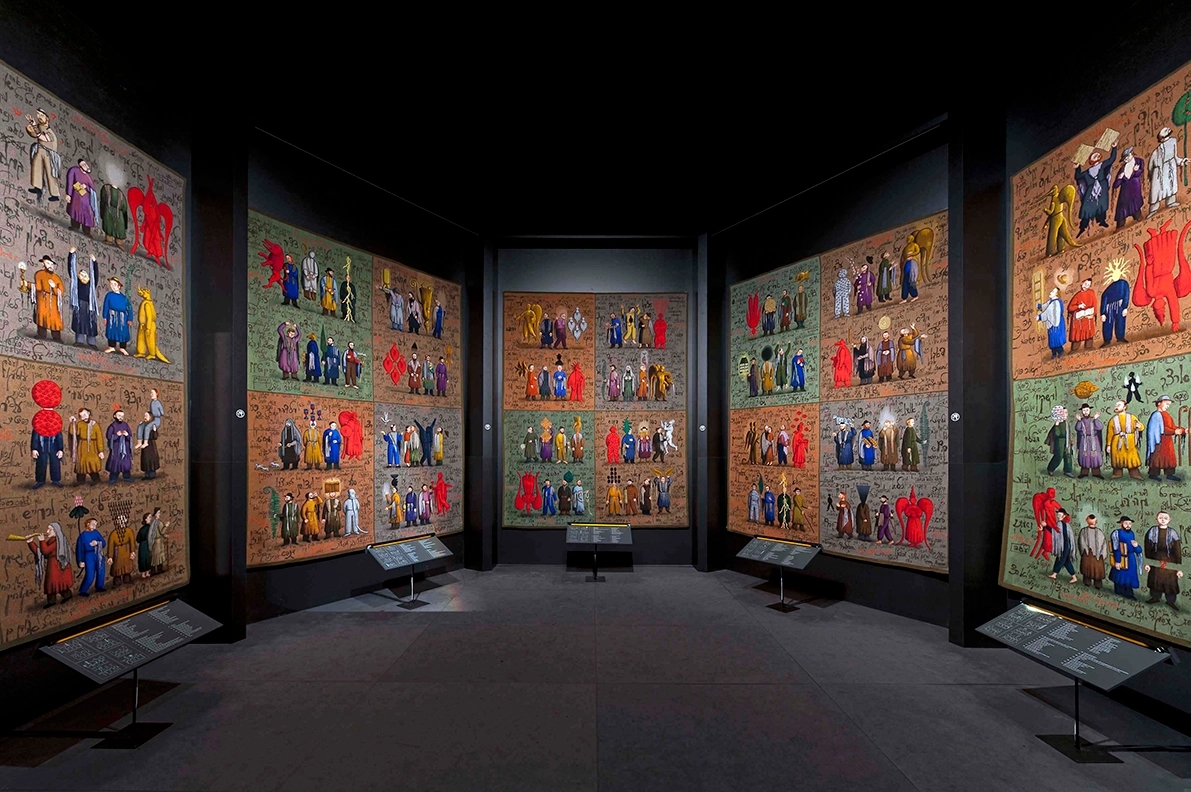
Dmitry believes that organizations can still resist the efforts of informants. He cited a two-year-old example from his own work curating a major project at a regional center for contemporary art. Since he knew he was being monitored, his involvement was not mentioned in any of the announcements that went out before the exhibition opened — only in the catalog, which visitors could see at the event itself. “In that sense, I acted behind the scenes. The chances of any informants actually coming to the exhibition were very small, so you could say we outsmarted them,” Dmitry recalled.
According to the curator, however, institutions have responded to the new reality in different ways:
“There are also more unpleasant cases involving institutional self-censorship. For example, in 2025 the artist Blue Pencil was preparing an exhibition at the Arsenal museum in Nizhny Novgorod, but the institution got so frightened that it didn't mention his name anywhere at all. Yet some time later, Individuum published Blue Pencil's book, a manifesto dealing precisely with censorship. And nothing happened! This is a constant pattern: institutional directors try to assess the risks, and they often overreact.”
Commenting on the dismissal of a staff member from GES-2, Moscow art gallery founder Aleksandra said that when faced with state pressure, major cultural institutions are reluctant to stand up for either their employees or for artists:
“Institutions behave according to the principle, ‘I'm just a kitty – what can I do?’ In my view, GES-2 today is the most clear embodiment of what institutions devoted to culture and the arts look like under Putin. Artists who, let's say, don't take a clear public stance, are eager to get in because that's where the money, exhibitions, and opportunities are. But the situation is similar at other major institutions as well. People cling to their salaries, and you can understand why — an institution will not defend one of its employees, even if they've worked there for a thousand years. You shouldn't expect any sense of decency.”
Pressure can also take a more overtly coercive form. One of the clearest recent examples occurred in May 2026 at the Kontur photography fair in Nizhny Novgorod. A day before the opening, unidentified people arrived at the venue and covered the booth displaying photographer Alexander Gronsky's work with white fabric. Gronsky is best known for his series of photographs exploring how the war has transformed Russian cities.
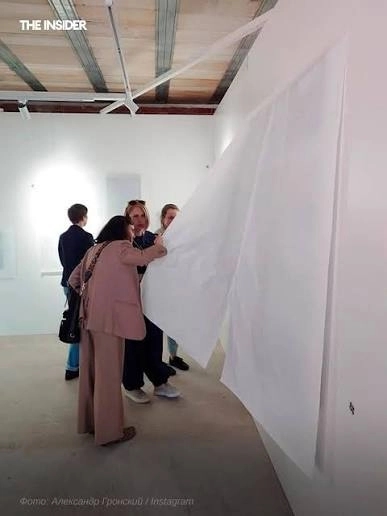
“On the night before the opening, stern men in suits convincingly suggested a new exhibition design,” Gronsky wrote. In the comments on the photographer's post, people joked that the men in suits had “created a new trend” and that the artwork had only benefited from their intervention.
Dmitry also said that foreign artists visiting Russia can become victims of censorship restrictions:
“Last year, one institution held an open competition for participation in an exhibition. The curators selected an excellent Chinese artist. He flew in, and then information came from the FSB that he had taken part in protest actions in China, so he had to be banished immediately. The artist spent literally six hours in Russia — he had only just checked into his hotel — and then he was sent back because the FSB had looked into his background a little too late.”
Not everyone involved in the art world, however, is overly concerned by the new restrictions. Veronika (name changed for security reasons), an artist and curator, said that while preparing a contemporary art fair in a major Russian city, she did not dwell on the risks or censor the works herself:
“Of course, we thought security officers might show up, but what could we do? Most of the artists taking part were people I already knew, so I had a rough idea of what kind of works they might bring. We selected the artists and organized the shared booths, but we didn't inspect every piece they intended to exhibit. It was obvious enough that nobody was going to hang a swastika or LGBT symbols on the wall. Of course, anything is possible, but if something like that had appeared, we would have removed it immediately.”
Veronika added that curators often deal with such situations on the spot. There have been cases in which exhibition organizers removed works at the request of security officers — but after the uninvited visitors left the venue, the works were put back on display or quietly sold under the counter.
How artists are responding
The atmosphere has had a profound impact on Russia's contemporary art scene. The Insider's sources say that fewer and fewer works even attempt to allude to the country's political or social situation.
But at the same time, other genres have emerged. Curator Irina says that “there's now a trend toward depicting children, with a huge number of works centered on family — apparently as a nod to traditional values.” “Nostalgia, old photographs — honestly, I'm completely tired of all that,” she adds.
There's now a trend toward depicting children, with a huge number of works centered on family – apparently as a nod to traditional values
Art theorist Boris Klyushnikov described the 2024 searches of artists' homes as a turning point: “I think we've entered a kind of Putinist formalism. It was after the Verzilov case that they split art into politically engaged contemporary art and everything else. Formalist art, on the other hand, is actually encouraged.”
Klyushnikov believes this is connected to the Putin-era elite's appetite for collecting art: “They go to fairs like Blazar, Cosmoscow, and so on. And what's being sold there now is art that's almost entirely formalist — a kind of zombie formalism.”
Curator Irina says that purchasing power in Russia has declined sharply, and buyers are disappearing as the country's middle class grows significantly poorer. Those who have benefitted from the war economically tend to be members of the elite and civil servants, and artists can often only sell the sorts of work that appeal to those buyers.
“That's what makes it doubly amusing when major galleries try to hint, in Aesopian language, that they're against the war while making their money almost exclusively from government officials and lawmakers,” Irina says. “Artists who work with major institutions while talking about independent art are, let's say, not telling the whole story. Because all the major sponsors and patrons still left in Russia are, one way or another, connected to the war.”
Irina offers a telling example of how artists are adapting to the new market:
“A man and his wife, who is an artist, decided to market her work to Russia's energy industry. She started painting power lines and energy infrastructure. After finishing the paintings, she put on a kokoshnik and wore it to Russian art fairs, partly funded by the government, such as Art Russia. Those kinds of works sell for millions [of rubles]. And portraits of Putin also sell very well.”
According to The Insider's sources, some artists are still trying to comment on contemporary reality through Aesopian language. “You can, for example, title an exhibition Freedom, Openness, or Dialogue,” Dmitry remarks ironically. Others, much as they did in Soviet times, have retreated into the underground, though the audience for this sort of semi-public art has naturally become much smaller. Some artists, Dmitry says, seek out little-known venues on the outskirts of cities and try to ignore censorship.
Artist and curator Veronika also told The Insider about works that rely on allusion and metaphor to address current events: “The people I know who work with political themes do so in a very indirect way. They turn to metaphor or what you might call ‘conceptual neutrality.’ An outside viewer looking at such a work wouldn't understand anything, and the accompanying text sometimes exists in two versions: a neutral public explanation and a more candid text intended for a narrow circle of people.”
As an example, the artist cites a work involving the performance of anthems based on Alexander Brener's letter opposing the war in Chechnya. The anthems themselves are performed in languages other than Russian, while the accompanying public text merely states that “the lyrics are based on Alexander Brener's 1995 letter to Khudozhestvenny Zhurnal.”
Another escapist means of avoiding censorship is to stage an exhibition devoted to a past era. “We've organized exhibitions about the 1960s and the 1920s. In such cases, there's no censorship — after all, we're talking about long-gone times,” Dmitry says.
As Dmitry explains, university instructors teaching contemporary art have increasingly shifted their focus to technological art and media art: “These fields are geared toward producing a very specific kind of knowledge that doesn't necessarily intersect directly with the political context. But even these people are afraid that their work could come under threat.”
An artist from St. Petersburg, who asked to remain anonymous, told The Insider how the city's contemporary art scene has become commercialized in recent years: “Art fairs and sales — that's what St. Petersburg lives on now. It feels like everyone is exhausted and focused on producing things that can be churned out and sold. We've lost the sense of play — I think we've forgotten why we're doing any of this in the first place. And, of course, so many artists have left, and those people are deeply missed.”
“Everyone is exhausted and focused on producing things that can be churned out and sold. We've lost the sense of play, and we've forgotten why we're doing any of this”
The artist links these changes to the risk of searches and arrests: “We've been crushed by this repression. There's a feeling that if someone creates something out of the ordinary, the searches will come afterward. Nobody wants to take that risk. Of course, there are still some deeply underground, punk spaces where anti-war statements can appear. But in terms of audience, it's what you'd call the very bottom layer of the internet.”
Some artists and curators, however, take a more optimistic view of the situation. Aleksandra believes that it is still possible to work as an artist and create free, experimental art in today's Russia:
“You simply understand from the outset that you've been excluded from the institutional sphere. Nobody is going to support you financially — you'll be making art with your own money. But maybe that's actually a good thing, because no one will be dictating the terms. Artists, including graduates of the Rodchenko School and the Joseph Backstein Institute of Contemporary Art, continue to produce works on a wide range of subjects, including the war and the militarization of society. You just have to accept that this kind of art will reach a much narrower audience.”
Living under this hybrid form of pressure has given rise to complex strategies of resistance. Dmitry said that although he continues to work on public events, he periodically has to reduce his visibility. It all depends on how active the informants are: “It's a kind of cat-and-mouse game. It's obvious that if I become more visible, the pressure from them will increase as well. You have to strike a balance between doing something and doing nothing.”
Art theorist Klyushnikov pointed to another emerging trend: the growth of self-organized educational initiatives in contemporary art: “In a way, art has become a cover for these collective gatherings. People simply need to talk, although political conversations happen as well. Art history has become especially important because you can show a work from, say, the First World War and discuss it, while everyone understands what you're really talking about.”