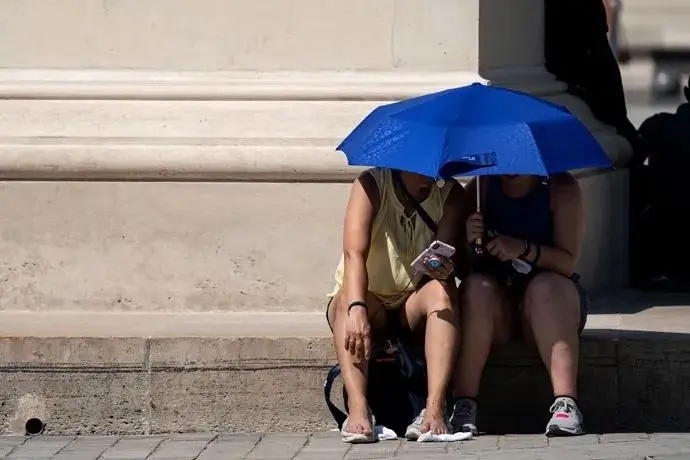
Since the end of May, Europe has already experienced three major heat waves that saw temperatures in the United Kingdom, France, Germany, Belgium, and the Netherlands repeatedly climb above 35°C. In some cities, schools and museums were forced to close, while emergency medical services reported record demand. According to preliminary data from just five European countries, the hot spells have already caused nearly 10,000 excess deaths. None of it should come as a surprise: global climate change is making days of extreme heat increasingly common. But while cities in Southern Europe are better adapted to such conditions, residents of Paris, Berlin, and London have found themselves unprepared. In historic districts, air conditioners are often prohibited, residential buildings and public transportation systems were not designed for such temperatures, and everyday routines and social norms have yet to adapt to the new climate — unlike in Spain, where high summer temperatures have been the norm for centuries, there is still no such thing as a German siesta.
The new normal
According to the World Meteorological Organization (WMO) and the Copernicus program, Europe is warming faster than any other part of the world. Since the 1980s, temperatures across the continent have been rising at roughly twice the average global rate. Compared with the pre-industrial era, Europe's average temperature has already increased by 2.5°C, while the long-term global average increase is only now approaching 1.5°C. While in many parts of the world global warming is still often described as a problem of the future, in Europe it has already become a reality.
The rise in average temperatures is not limited to a gradual upward shift in long-term averages. One of the most visible and dangerous consequences of global warming is the increasing frequency of heat waves — prolonged periods of abnormally hot weather.
There is no universally accepted, strict definition of the term given the fact that what constitutes extreme heat depends on the local climate. However, the scale can be illustrated by the WMO's definition:
"A heat wave is a period of more than five consecutive days during which the daily maximum air temperature exceeds the average maximum temperature for those days by 5°C or more (with the baseline climate typically defined as the 1961–1990 or 1991–2020 reference period)."
The defining characteristic of a heat wave is the accumulation of excess heat during both the day and the night. When nighttime temperatures remain high, neither the human body nor the urban environment has enough time to cool down, sharply increasing health risks while placing additional strain on infrastructure.
Global climate projections point to an irreversible increase in the frequency, intensity, and duration of heat waves. According to the Intergovernmental Panel on Climate Change (IPCC), if global warming reaches 1.5°C — a threshold the planet is now approaching — extreme heat events of the sort that occurred only once every 50 years during the pre-industrial era will become 8.6 times more frequent. If overall warming reaches 2°C, they will occur 13.9 times more often.
Europe, where temperatures have risen by 0.56°C per decade over the past 30 years, is among the regions at the greatest risk. The latest reports from the Copernicus program indicate that extreme heat waves — such as the record-early episodes this past May and June — are becoming the new climate normal.
According to IPCC projections, by 2050 around 50% of Europe's population could be exposed to a high or very high risk of heat stress during the summer months, and the most severe impacts are likely to be felt in large cities due to the urban heat island effect.
By 2050, around 50% of Europe's population could face a high or very high risk of heat stress during the summer
The scientific community has been raising the alarm about this for decades. European countries, it would seem, have had ample time to prepare for the new conditions. Yet nearly every major heat wave still turns into an emergency: mortality rises, homes overheat, transportation systems are disrupted, and authorities scramble to open cooling centers and issue public health guidance.
So why does a continent that is warming faster than most other regions of the world repeatedly find itself unprepared for extreme heat?
The problem is not simply the warming itself. The climate is changing far more rapidly than cities, buildings, laws, and people's everyday habits can adapt to. It is precisely this gap between the new climate reality and existing infrastructure that has become one of the main reasons Europe remains so vulnerable to heat waves.
Many solutions that until quite recently worked perfectly well in Europe's relatively cool climate have unexpectedly become sources of additional risk. Some of these challenges require large-scale urban redevelopment, while others can be addressed much more simply by changing daily habits, social norms, and approaches to organizing everyday life.
The inherited city
When discussing Europe's lack of preparedness for extreme heat, the first things that usually come to mind are the lack of air conditioning and the aging housing stock. But the problem begins much earlier — with the very morphology of the urban environment. European cities were historically shaped in a temperate climate, where the main priorities were protection from cold, wind, and rain. Today, that same urban fabric amplifies the effects of extreme heat.
Older European cities were built from materials designed to retain warmth. Traditional building materials — brick, granite paving stones, and dark roof tiles — have high thermal inertia and thermal mass. During the day, they absorb and store large amounts of solar heat, then release it slowly after sunset.
As a result, nighttime temperatures in the centers of Paris, London, Rome, and Berlin can be 10-12°C higher than in the surrounding green suburbs — a manifestation of the urban heat island effect. Under these conditions, people are effectively trapped inside a giant “thermos.” As a result, their bodies do not get the nighttime relief they need, leading to a sharp increase in heat-related deaths.
People are effectively trapped inside a giant "thermos": their bodies do not get the nighttime relief they need, leading to a sharp increase in heat-related deaths
For example, Baron Haussmann's reconstruction of Paris in the third quarter of the 19th century made the city brighter and more spacious while improving sanitation and ventilation. However, the zinc roofs and limestone facades that cover most of the city's buildings have high heat capacity and low albedo, making its historic architecture a major heat reservoir. Rooftops there can reach temperatures of up to 80°C.
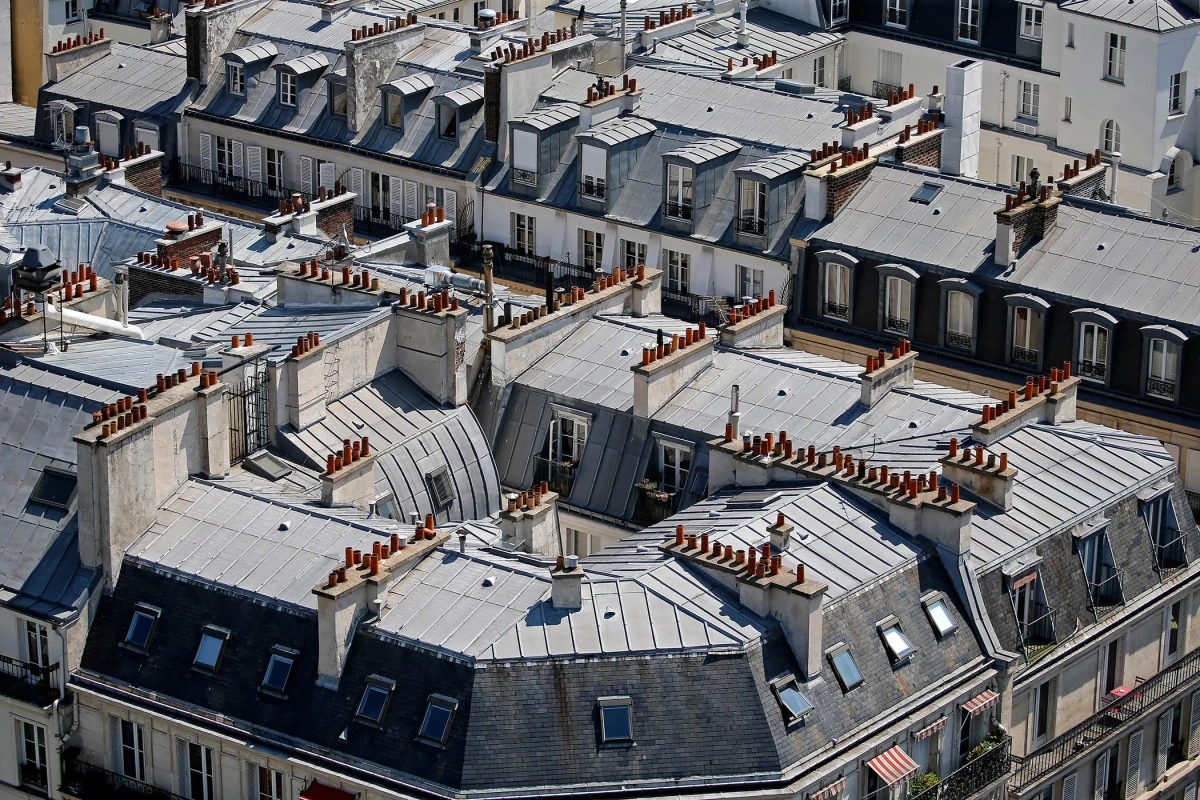
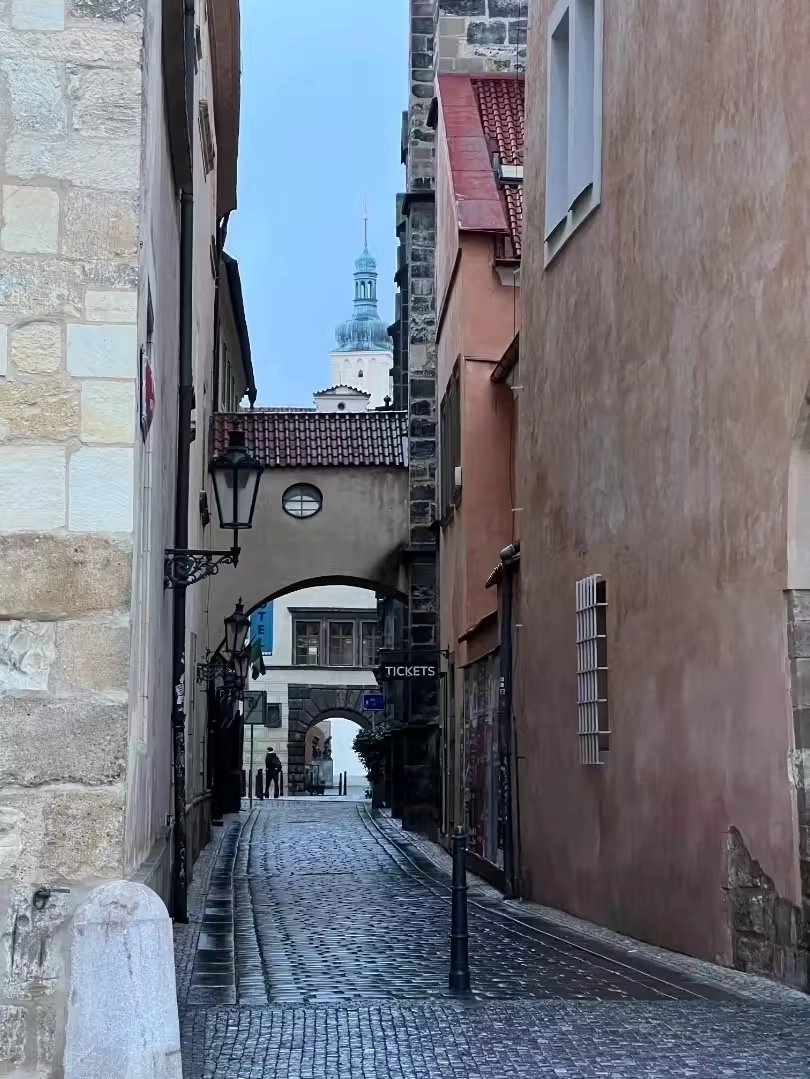
The geometry of streets and historic city centers often makes the problem even worse. They were laid out long before the advent of automobiles, designed for pedestrian and horse-drawn traffic. Buildings often stand directly adjacent to one another, and the narrow street network creates an urban canyon effect: while the streets provide abundant shade, their narrow corridors also block natural ventilation and airflows that could otherwise cool the city. Sunlight entering these canyons is repeatedly reflected off building walls, concentrating heat at street level — where people live and move.
The paradox is particularly evident when comparing different parts of Europe. The narrow, winding streets of Prague's Old Town might seem ideally suited to shielding people from the summer sun. Yet climate studies show that in Central Europe this medieval street pattern works against residents: at night, urban canyons prevent heat from dissipating and trap hot air close to the ground.
In southern Europe, by contrast, the Moorish quarters of Seville and Córdoba were designed according to bioclimatic principles. Their narrow alleys are deliberately interrupted by wider openings, creating a Venturi effect — the physical acceleration of airflow that produces cooling breezes even on still days.
This natural ventilation system is complemented by a tradition of interior patios with fountains and the widespread use of whitewashed walls, which reflect up to 90% of incoming solar radiation. Spaniards also make extensive use of toldos — large fabric awnings that completely shield streets from direct sunlight.
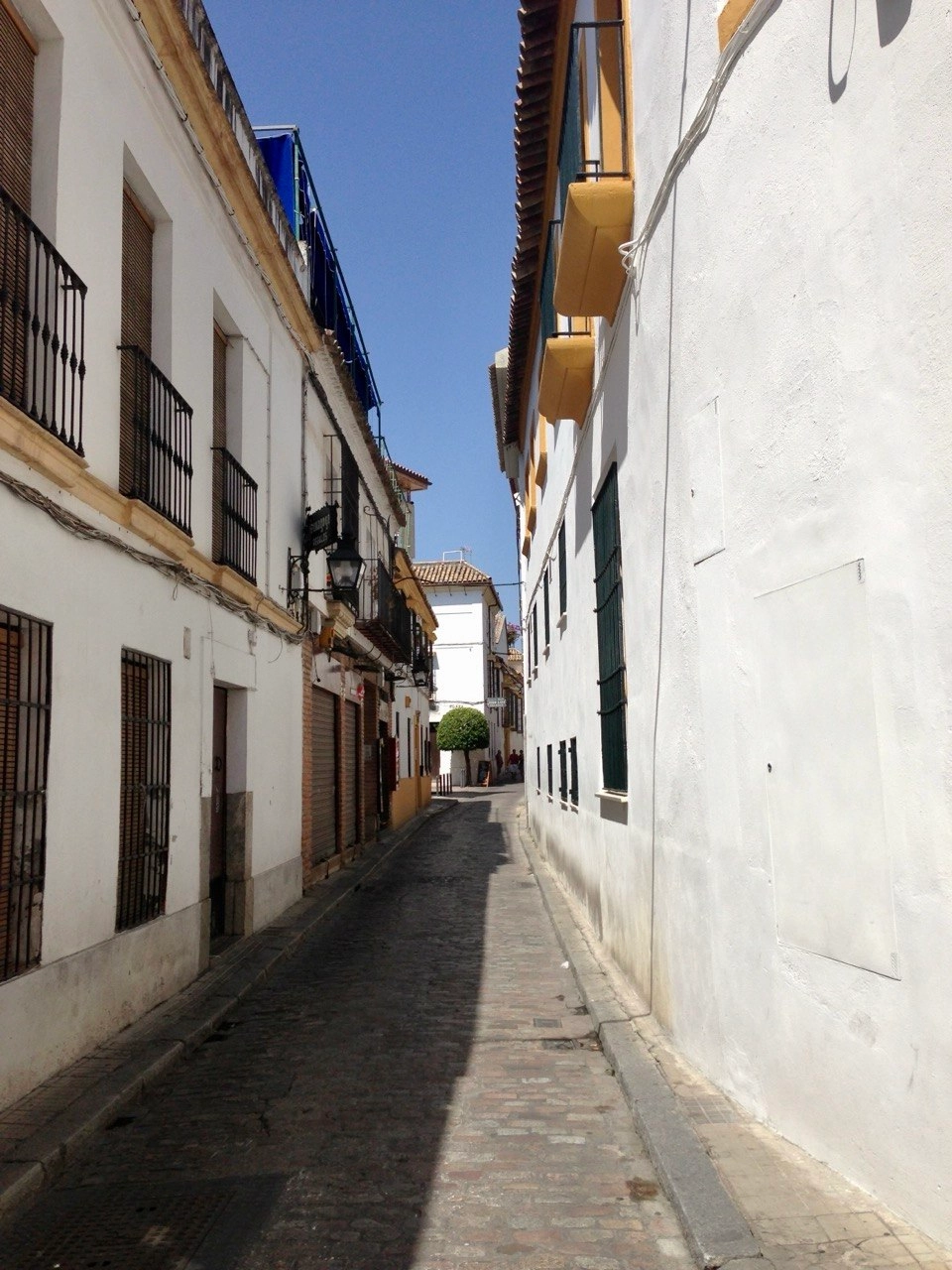
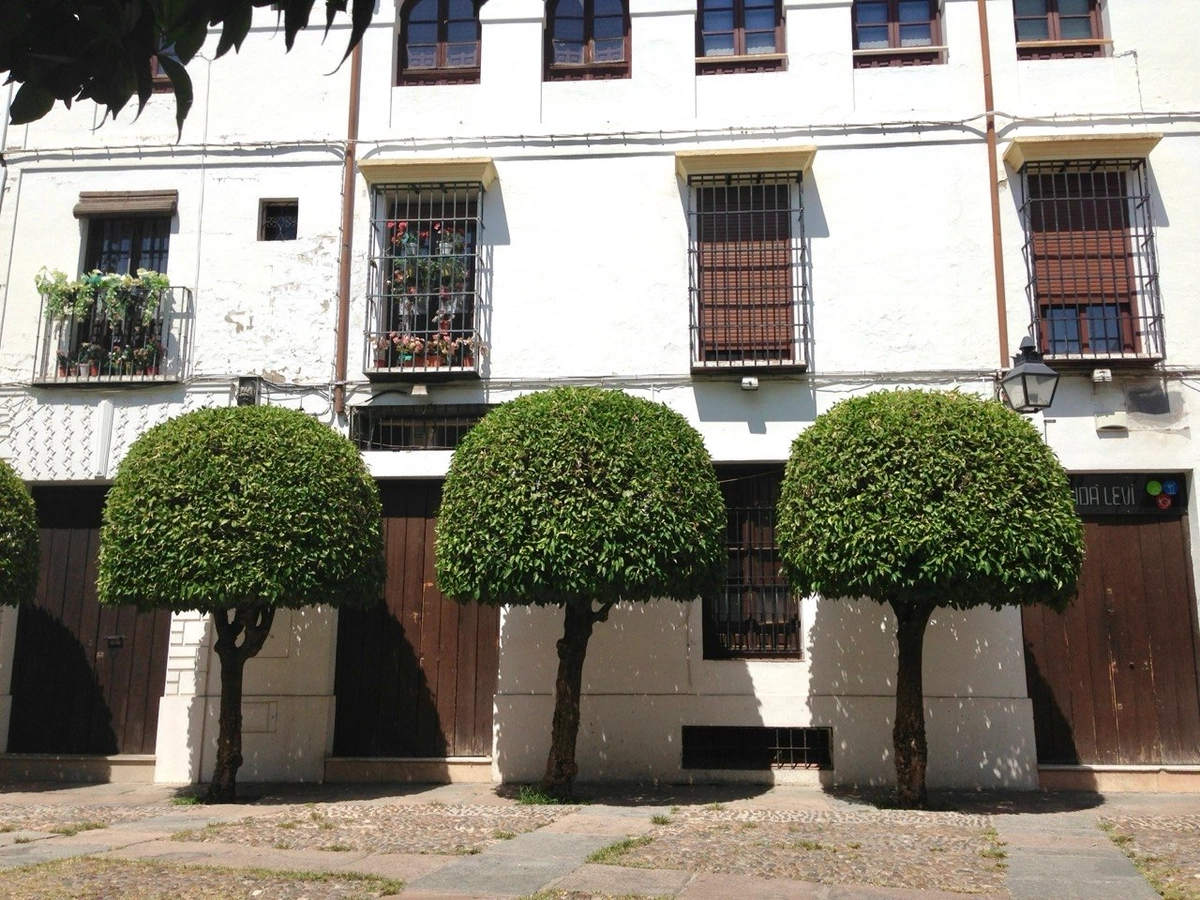
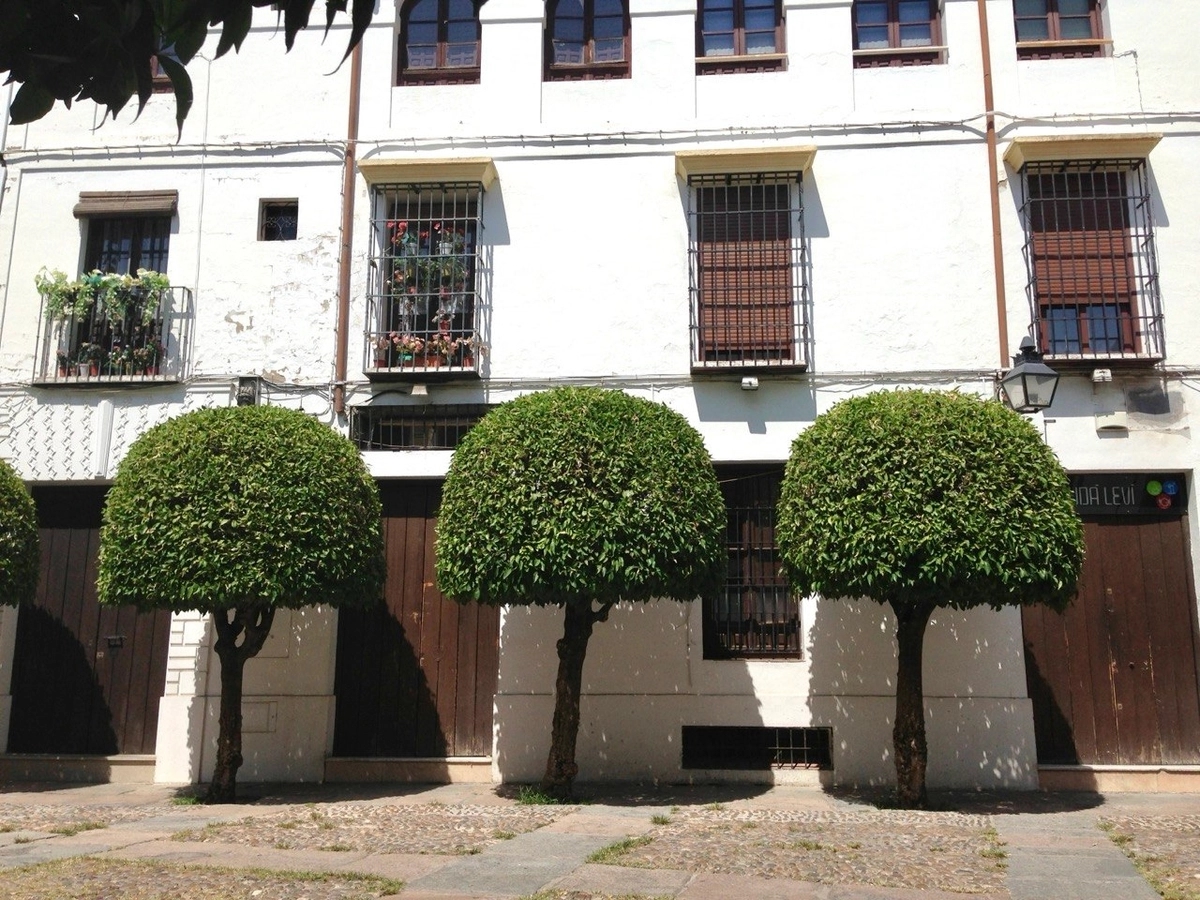
In short, southern cities were originally designed as living, breathing environments that protected their residents from the sun, whereas many northern cities are now turning into stifling stone heat traps.
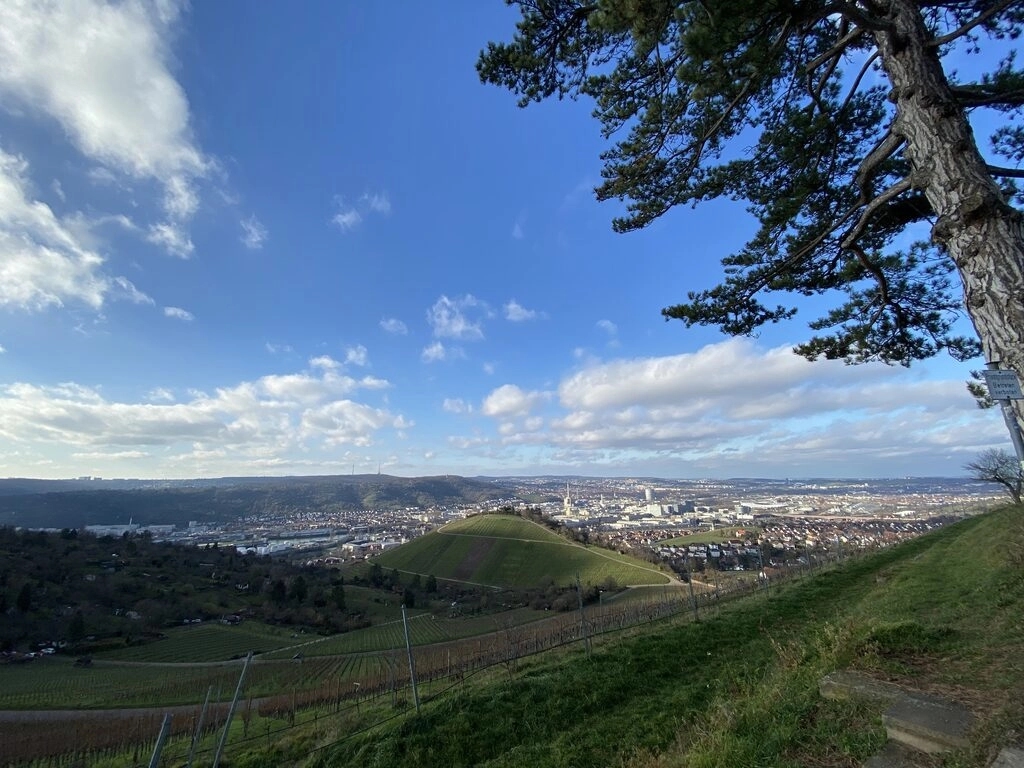
There are, however, positive examples. One is the modern approach to bioclimatic urban planning in the German city of Stuttgart. The city lies in a valley where hot air can easily become trapped. Decades ago, local authorities began preserving special ventilation corridors (Luftleitbahnen) — undeveloped hillsides that allow cooler nighttime air to flow into the city center.
Today, every major construction project in Stuttgart is assessed for its impact on air circulation. Buildings may not be erected perpendicular to nighttime airflow, while the surrounding hills are protected from high-rise development, allowing them to continue serving as the city's natural air conditioners.
The great paving-over
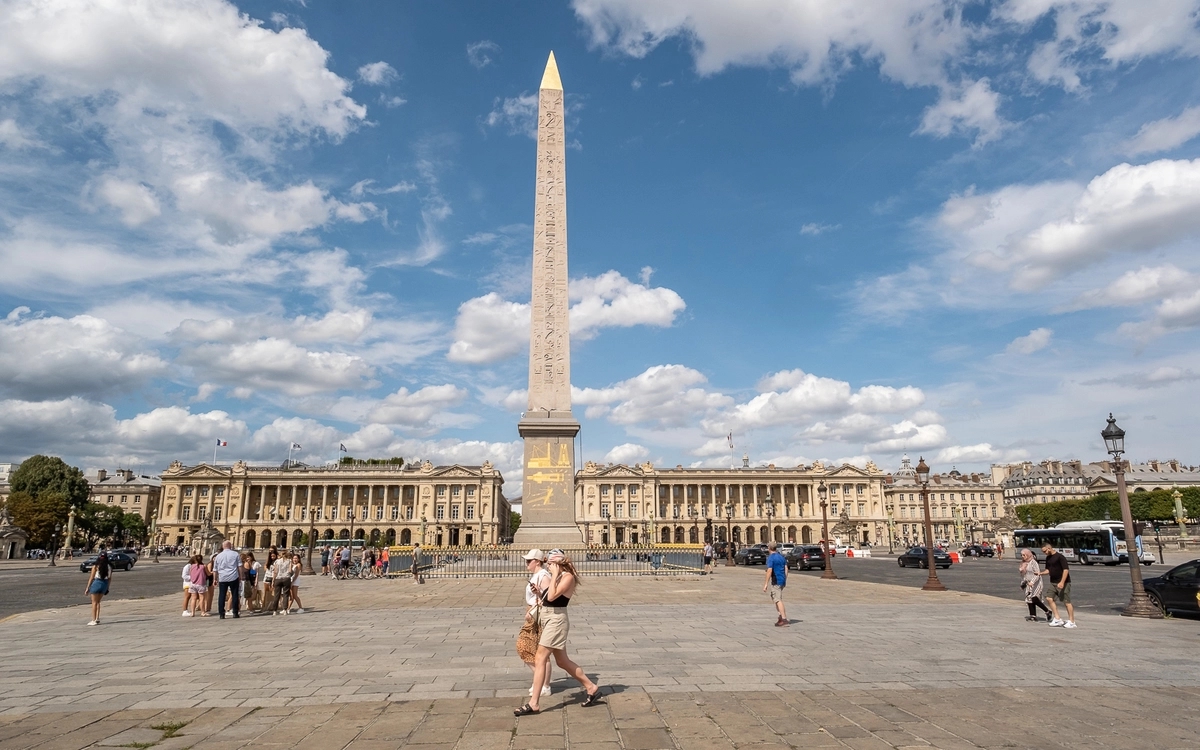
The centuries-old urban fabric of Europe's historic urban centers was further transformed in the 20th century by more aggressive development trends. Industrialization and the boom in automobile ownership led cities to pave over vast areas with asphalt, replacing dirt roads and green spaces with parking lots and expansive paved squares. Asphalt intensifies artificial drought conditions and also has a very low albedo, causing it to heat up to extreme temperatures under direct sunlight.
In 2025, a major study conducted in Lisbon found that cars parked on asphalt (especially dark-colored ones) act as additional radiators. The researchers showed that replacing dark-colored vehicles with lighter-colored ones or installing shade structures over parking lots could reduce ambient air temperatures by several degrees.
Bringing moisture back to the city
The widespread paving-over of cities also entrenched a flawed philosophy of water management. For centuries, European engineers designed cities to be as dry as possible — stormwater was channeled off streets, small streams were buried in underground culverts, and rivers were confined within concrete embankments.
Today, these practices have deprived cities of their most effective natural defense against extreme heat: moisture. Because drainage systems remove water almost immediately, rainfall never has a chance to soak into the ground. In the most heavily urbanized areas, the share of impervious surfaces often exceeds 50%, and in city centers it can be considerably higher. This disrupts the natural water balance and dramatically reduces cities' ability to adapt to heat waves.
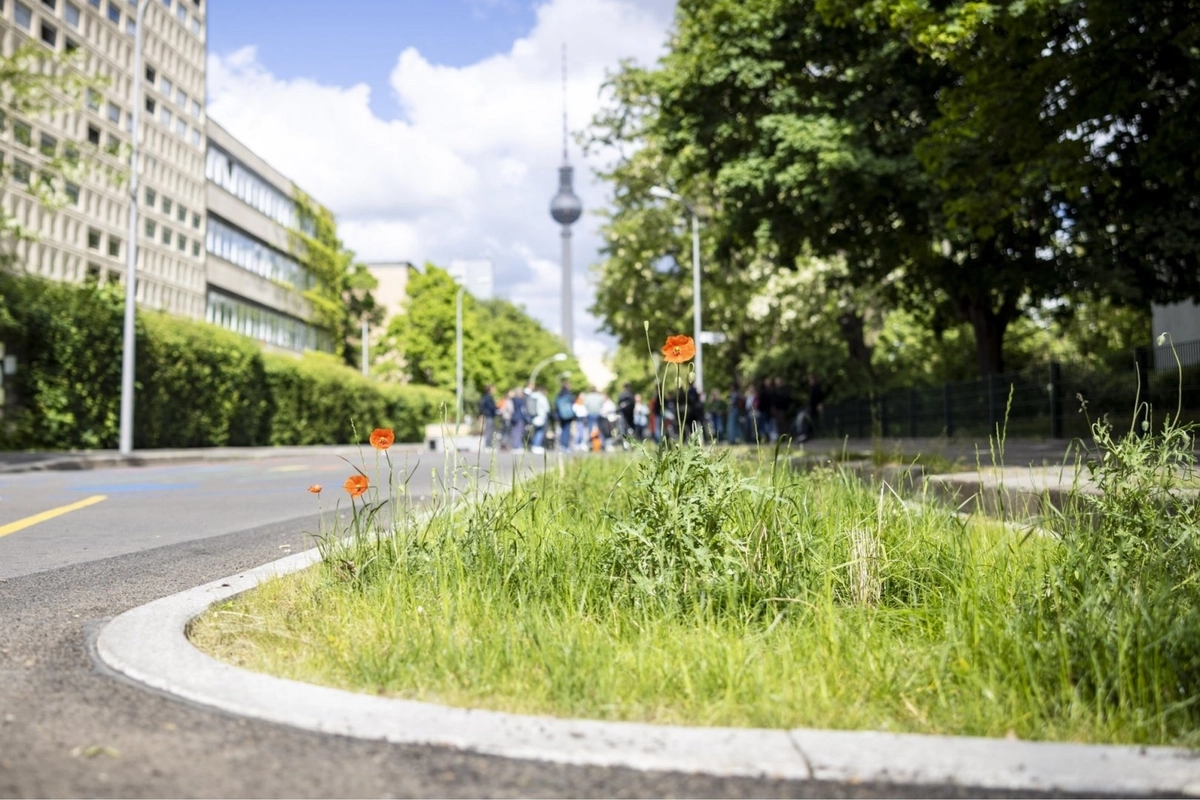
Many cities are now rethinking this approach. Berlin, for example, historically had a high degree of surface sealing, particularly in the central district of Mitte. Now, however, the city is implementing the Sponge City (Schwammstadt) concept. Authorities are deliberately removing old asphalt, uncovering streams that were buried in the 20th century, and creating "rain gardens" — shallow, vegetated depressions that collect runoff from surrounding streets, allowing the water to remain in the city and help cool it during the summer.
In cities with limited water resources and extensive surface sealing, there is also a critical shortage of trees and other vegetation. Greenery is often concentrated in parks but is largely absent from ordinary streets and neighborhoods, depriving most areas of the benefits of evapotranspiration — the process by which moisture evaporates through the leaves of plants. Because evaporation absorbs heat, it naturally cools the surrounding air. According to climate measurements, a single large, healthy tree can provide a cooling effect that is equivalent to several air conditioners (all while consuming no electricity and releasing no additional heat into the urban environment). Deprived of the ability to "breathe" and evaporate water, Europe's dried-out cities become vast reservoirs of heat.
A single large, healthy tree can provide cooling equivalent to several air conditioners
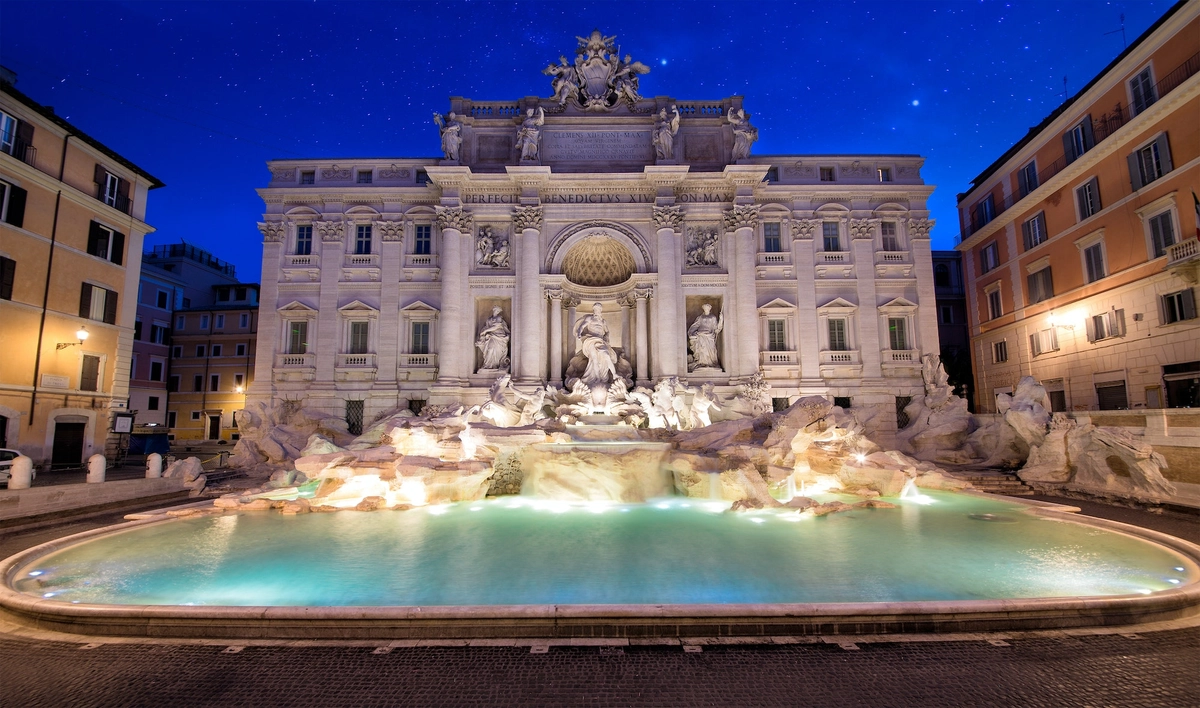
The problem is compounded by the fact that even open water in European city centers remains constrained by outdated engineering principles. Fountains and ornamental ponds were originally designed primarily as elements of urban beautification or as means of ensuring the water supply, but in order to have a measurable effect on the surrounding temperature, their surface area must be large — climate modeling shows that urban water bodies can consistently cool a radius of up to 400 meters, but only if their total surface area exceeds a threshold of 3.4 hectares. In other words, a traditional fountain with jets shooting upward — such as Rome's famous Trevi Fountain — does little to lower street-level temperatures.
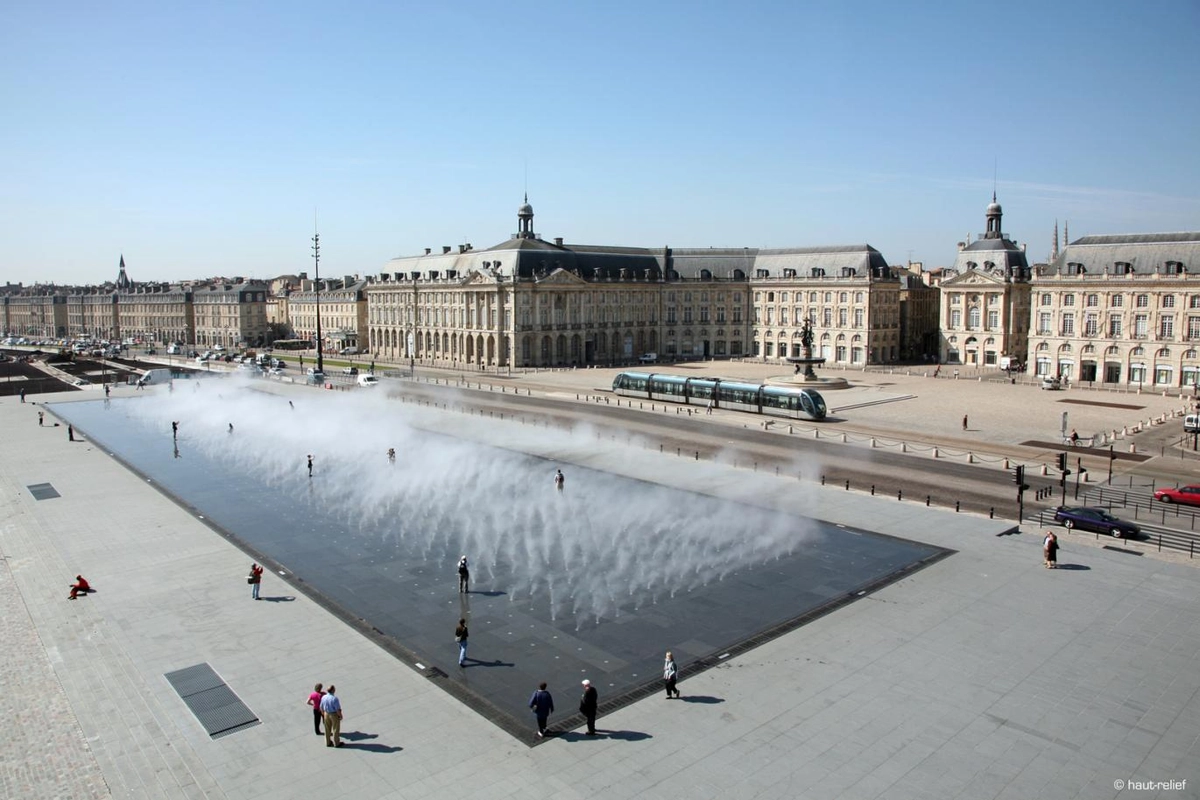
Modern climate adaptation standards call for a complete redesign of such spaces, replacing traditional fountains with fine-mist spray systems or shallow reflecting pools. For example, the layer of water in Bordeaux's famous Miroir d'eau is only 2 centimeters deep, yet its vast surface area maximizes evaporation, while built-in nozzles turn the water into a cooling mist every few minutes, lowering temperatures across the square by several degrees.
However, because of bureaucratic hurdles, high costs, and historic preservation laws, European municipalities have been slow to modernize their most iconic landmarks, leaving their stone plazas to bake in the summer heat.
Wealthy green suburbs and overheated working-class neighborhoods
Many of these risks are distributed unevenly across the urban landscape, exposing a pattern of thermal and social inequality. Affluent historic districts in European capitals, while not immune to the challenges created by centuries-old urban planning, have long retained abundant trees, shaded courtyards, and parks.
By contrast, former industrial outskirts, social housing estates, and postwar neighborhoods were often built according to a principle of maximizing land use — with buildings packed tightly together and asphalt and concrete dominating the landscape. As a result, during peak heat, temperatures in working-class neighborhoods can be several degrees higher than in affluent, greener suburbs.
During peak heat, temperatures in working-class neighborhoods can be several degrees higher than in affluent, greener areas
Research from Europe's largest cities confirms this pattern. Analysts at the Bank of France found a strong correlation between lower incomes and residence in Paris's park-deficient neighborhoods, where heat stress is greatest. In Madrid, simultaneous temperature measurements revealed a striking 15°C difference between affluent, tree-lined suburbs and the city's vegetation-poor working-class neighborhoods. Meanwhile, NASA thermal satellite imagery showed that during the summer of 2023, London’s five poorest areas were, on average, 3.3°C hotter than its five wealthiest boroughs.
As a result, heat waves are no longer merely a weather phenomenon, but a spatial crisis in which urban planning decisions made decades ago leave some residents far better protected than others.
The winter logic of the European home
After escaping the heat of the city streets, people naturally expect to find relief indoors. Yet in many European cities, the opposite happens: during prolonged heat waves, buildings themselves become heat reservoirs, as much of Europe's housing stock was designed to solve the opposite problem: retaining as much heat as possible during the winter.
Thick brick and stone walls have a high thermal mass, meaning that during the day their walls absorb heat and then slowly release it at night. Amidst a prolonged heat wave, however, the entire structure gradually heats up to such a degree that it no longer cools off at night and instead begins to radiate the accumulated heat back into its interior. As a result, indoor temperatures may continue to rise even without any further increase in outdoor air temperatures, and the indoor temperature peak often does not coincide with the hottest part of the day outside. Imagine someone who has already overheated outdoors during an extreme heat wave, only to return at night to even harsher conditions inside their own home.
One of the most effective ways to reduce this risk is nighttime ventilation, but this is often severely constrained. For centuries, European architects sought to protect homes from drafts and heat loss. Later, this philosophy was reinforced by energy-efficiency standards: insulated façades and airtight windows became the norm. Yet the very features that helped people survive winter have proved poorly suited to today's hotter summers.
For decades, architects in Northern Europe did not regard the sun as a major engineering challenge. Panoramic windows and fully glazed façades not only improved natural lighting but also came to symbolize openness and modernity, while protection against overheating remained a secondary concern. Under today's climate conditions, however, this design philosophy has become a thermal catastrophe.
Designs featuring panoramic windows and fully glazed façades have turned into a thermal catastrophe
Ordinary glass allows solar radiation to pass freely into buildings, where it is converted into heat, creating the familiar greenhouse effect. Modern office towers and apartments with floor-to-ceiling windows facing south or west are particularly vulnerable. One of the best-known examples is London's financial district, where overheating in glass-clad buildings has become an engineering challenge in its own right.
In the Mediterranean, by contrast, a different principle has long prevailed: sunlight should be stopped before it enters the building. That is why modern buildings there use external shading systems, ventilated façades, and specially coated glass.
The same principle underlies much older solutions — wooden shutters, awnings, and deep overhangs, which have protected homes from overheating for centuries. By contrast, interior blinds in sweltering cities such as London or Berlin effectively become household radiators, trapping solar heat indoors and accelerating the overheating of rooms.
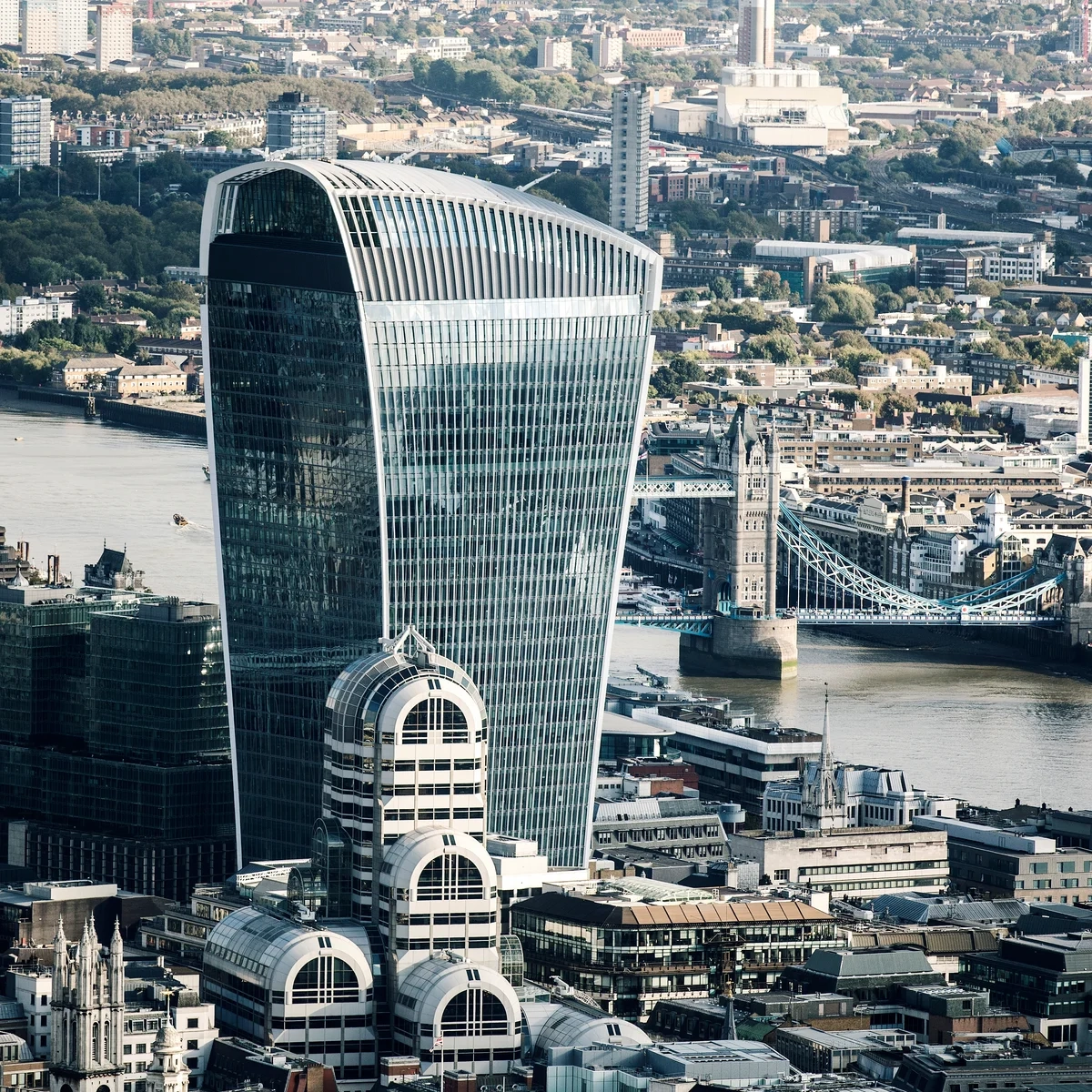
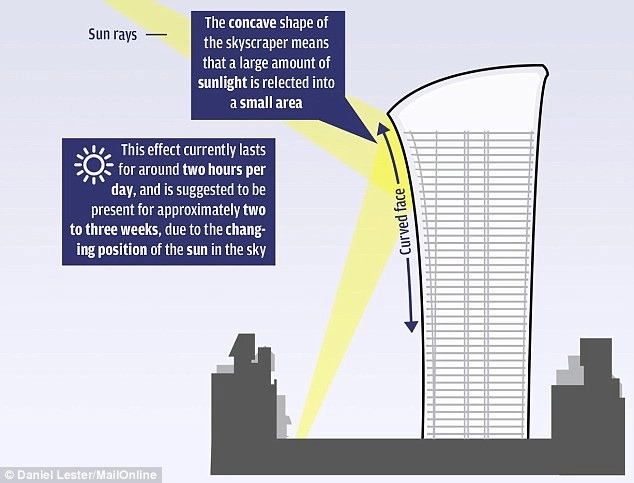
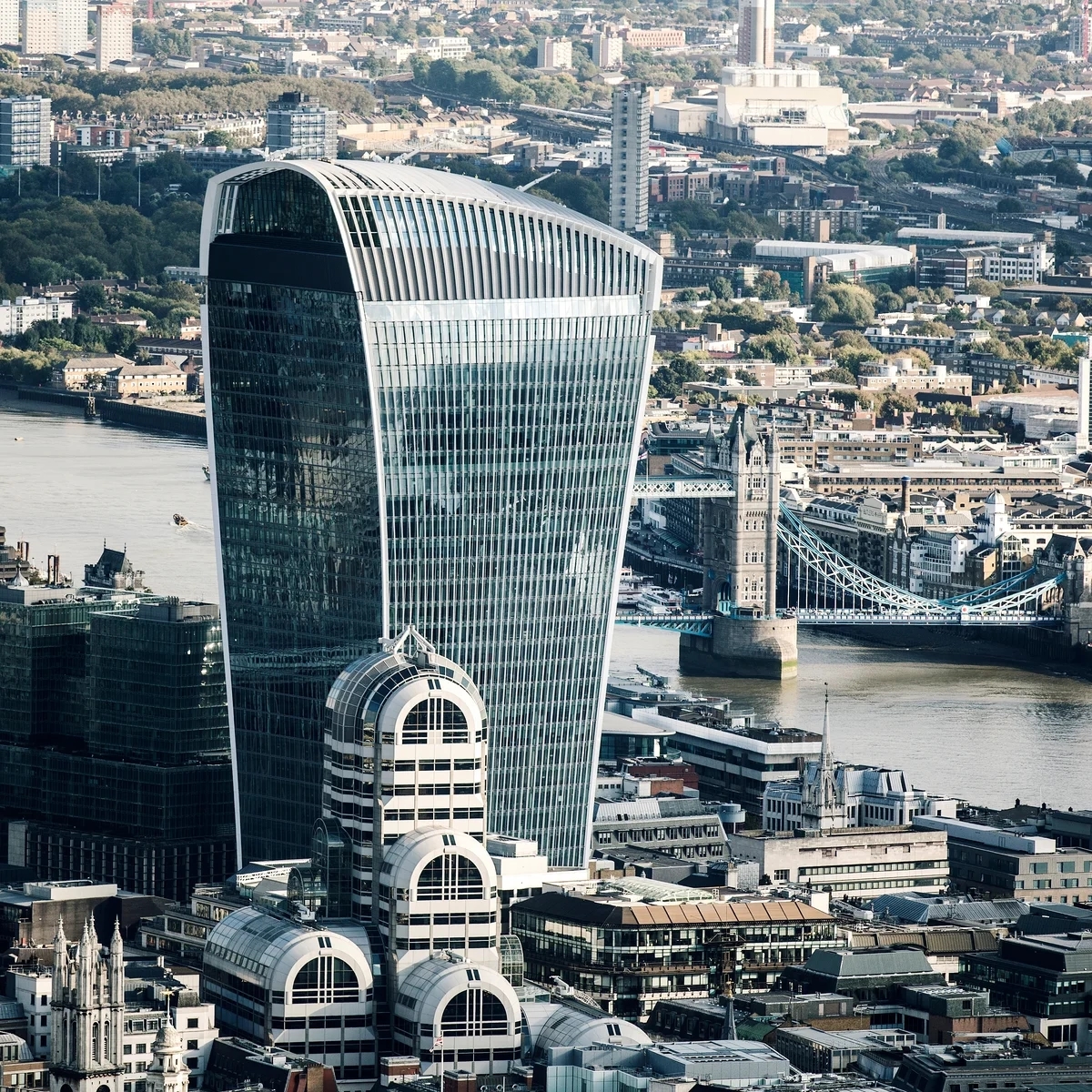
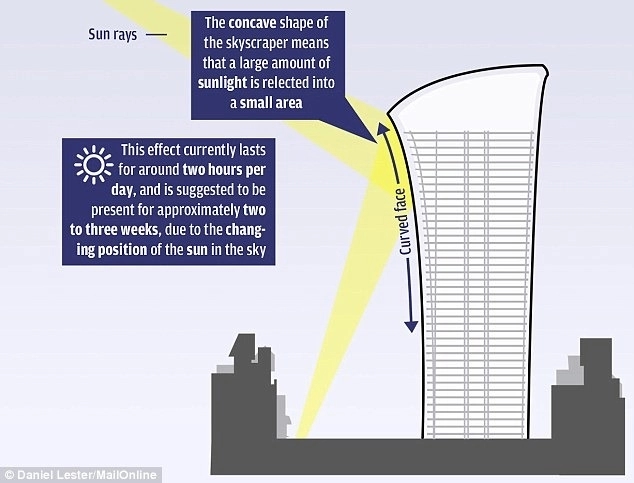
A striking symbol of this architectural vulnerability is London's Walkie Talkie skyscraper (20 Fenchurch Street). Its curved glass façade proved so susceptible to solar radiation that the reflected sunlight — dubbed "death rays" — literally melted objects on the street below. The building has since become one of the most famous examples of the problems associated with fully glazed architecture. Research shows that, as the urban heat island effect intensifies amid the rise in overall temperatures, cooling such office buildings requires ever greater amounts of energy.
In Seville, by contrast, modern office buildings are increasingly incorporating double-skin ventilated façades that leave an air cavity between the building's outer and inner layers, allowing air to circulate continuously and cool the structure before heat can penetrate the interior. One example is the headquarters of the Andalusian Energy Agency.
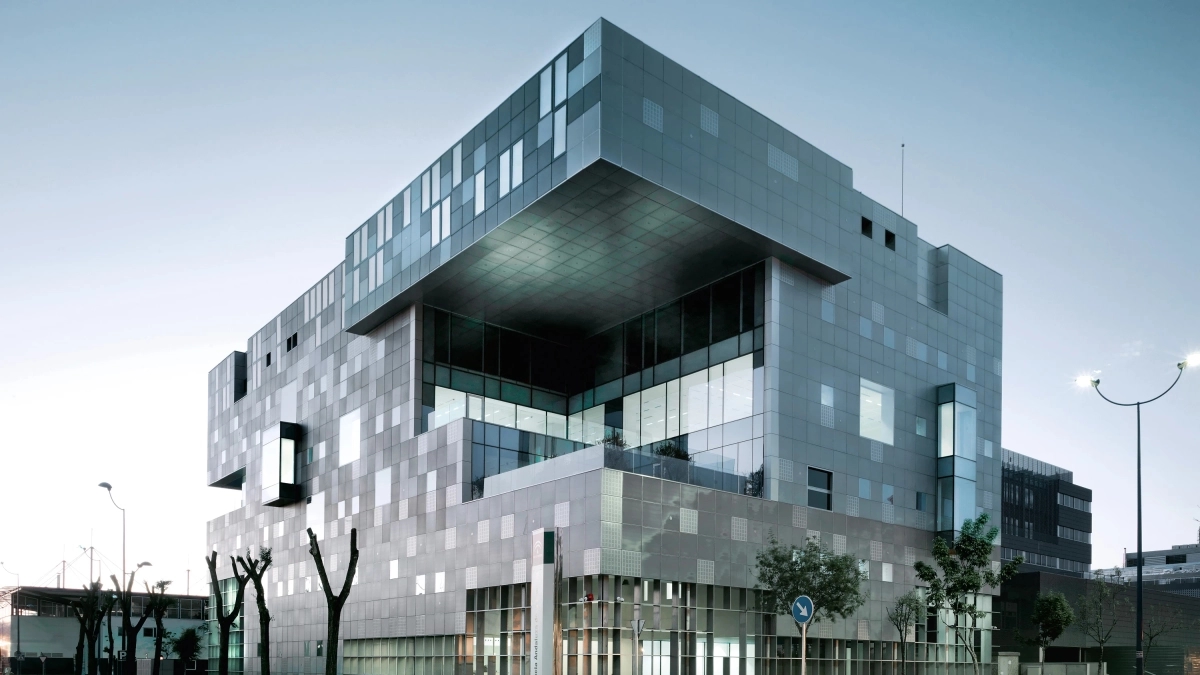
A regulatory dead end
Many of the consequences of these architectural traps could be mitigated with relatively simple measures. In many cases, however, the obstacle is not technology but regulation. Across Europe, historic buildings and entire city districts are protected under strict cultural heritage legislation.
This creates a paradox: the very rules designed to preserve the historic character of European cities are increasingly coming into conflict with the need to adapt those same cities to a changing climate.
One of the simplest ways to reduce heat absorption is to use light-colored finishes with high solar reflectance. In Southern Europe, whitewashed façades have helped keep buildings cool for centuries. In most historic districts of Central Europe, however, façade colors are considered an integral part of the protected architectural ensemble, and changing them without authorization — even to improve resilience to extreme heat — is generally not permitted.
Moreover, some architectural trends have only made the problem worse. While owners of historic buildings are often prohibited from repainting façades in more reflective colors, contemporary architecture has frequently embraced materials and color palettes that intensify overheating. In recent decades, dark gray and anthracite façades have become increasingly common in European architecture. Yet such surfaces absorb significantly more solar energy, becoming additional sources of heat in the urban environment.
Contemporary architecture has often embraced materials and color palettes that intensify overheating – including dark gray and anthracite façades
The final and perhaps clearest sign of Europe's inability to adapt is the crisis of artificial cooling. For decades, air conditioning in Central and Northern Europe was regarded as an unnecessary luxury. Today, it has become a basic tool for survival, yet the same formidable legal and infrastructural barrier stands in the way. Municipal regulations in Paris, Vienna, Prague, and Florence either prohibit the installation of outdoor air-conditioning units on the façades of historic buildings or require lengthy and complicated approval procedures. Attempts by residents to install AC units without the required permits often result in hefty fines and legal action.
This regulatory trap is especially difficult for people living on the top floors — such as occupants of Paris's famous chambres de bonne or attic apartments in Rome. Located directly beneath roofs that can reach temperatures of 80°C, these dwellings absorb heat from above while their massive walls warm them from below. Residents are left with few legal options: efficient split-system air conditioners are often prohibited, while portable air conditioners that vent through an open window are far less effective, require windows to remain partially open, and can place a critical strain on aging electrical grids that were never designed to handle such loads.
One might assume that allowing the widespread use of air conditioning would solve Europe's heat problem. But while an air conditioner can cool an individual apartment, it cannot cool an entire city. It is a local solution, both spatially and temporally. Widespread air conditioning increases electricity demand, releases waste heat back into the streets, and thereby intensifies the urban heat island effect.
In the end, Europe's heat crisis is the result of far more than the simple lack of air conditioning. The deeper problem is that its homes, streets, building regulations, and prevailing ideas of what makes a good city were all shaped in an era when Europe's climate was much cooler. Virtually every aspect of the built environment was designed for a climate that no longer exists, and adapting to this new reality will require more than mere technological fixes. Instead, in addition to changes in architecture and legislation, it also demands an adaptation in everyday practices. The longer those changes are delayed, the more each successive summer will become an ordeal for millions of urban residents.