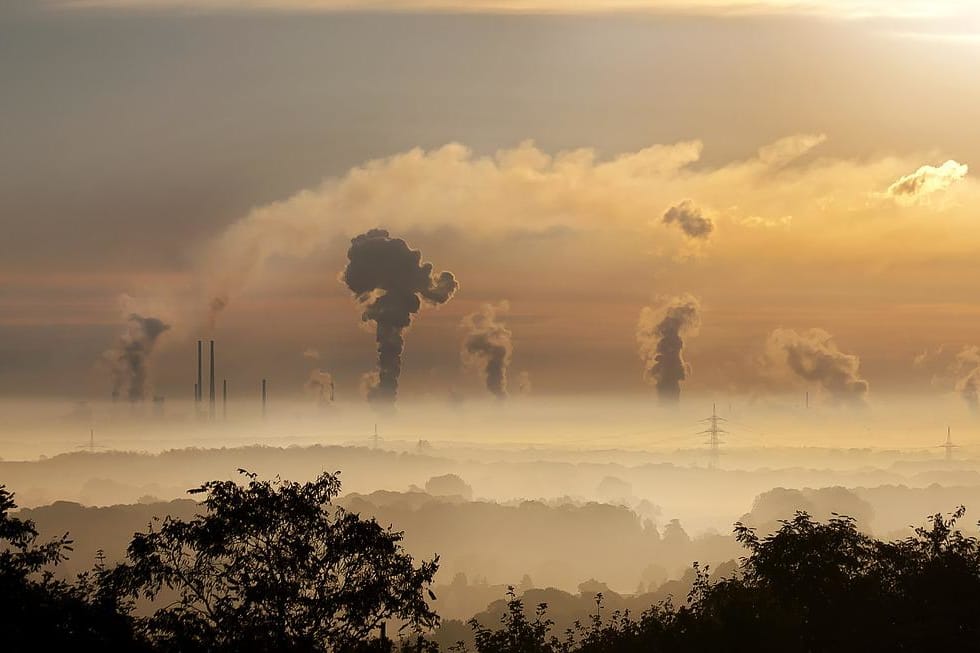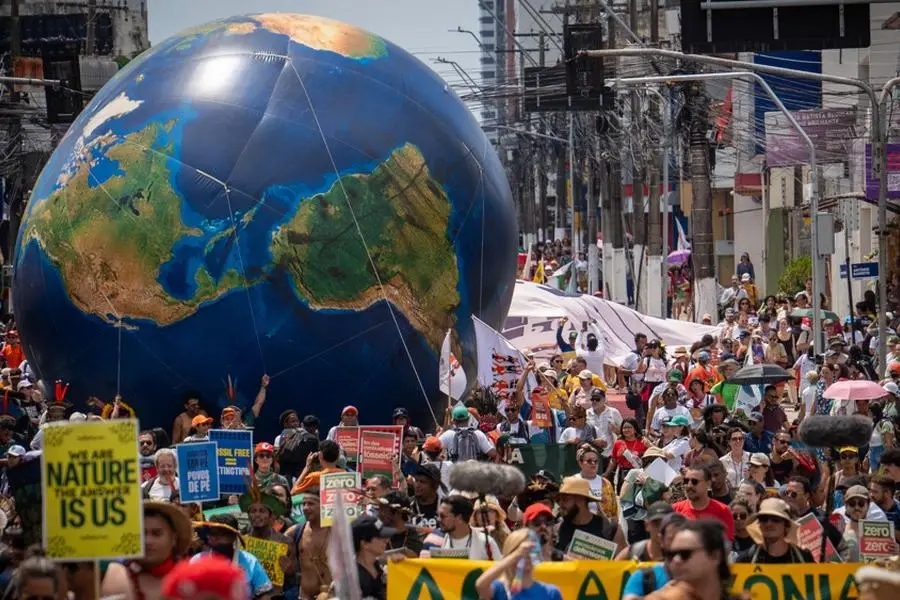
The energy crisis triggered by the closure of the Strait of Hormuz has been a serious challenge for the transition to renewable energy sources. Many feared that coal consumption would rise against this backdrop of rising oil prices, counteracting efforts to promote the use of greener sources of energy. Instead, during the first months of the crisis, there was no spike in coal consumption, while green energy has become increasingly attractive to investors thanks to the fact that its use does not depend on fuel supplies. At the end of April, nearly 60 countries gathered at a conference in Colombia to discuss phasing out fossil fuels. The outcome of the discussions made one thing clear: Latin America is far more committed to the green transition than the developed countries of the Global North are. While Donald Trump is abandoning America’s environmental commitments, the Global South sees the energy transition as a path toward economic independence.
War in Iran and the energy transition
In recent months, the global energy transition has encountered new difficulties. After the outbreak of the war in Iran, the effective closure of the Strait of Hormuz affected the delivery of nearly one-fifth of global seaborne oil and liquefied natural gas (LNG) supplies.
Asian countries suffered the most, and to conserve fuel, governments across the continent shortened the workweek, introduced remote work policies, and temporarily shifted schools to remote learning.
In the long term, this crisis has only accelerated the transition to renewable energy. After all, solar, wind, and hydroelectric power plants do not require fuel in order to operate. In the short term, however, there is a risk that the energy transition could slow down as countries turn to coal as a temporary substitute.
The war disrupted supplies not only of fossil fuels but also of aluminum needed for solar panels. It also accelerated inflation and forced some countries to partially replace gas-fired power generation with more polluting coal-fired generation, since coal supplies generally do not pass through the Strait of Hormuz. In addition, some fossil fuel producers that do not depend on the Strait were tempted to take advantage of high prices by increasing production.
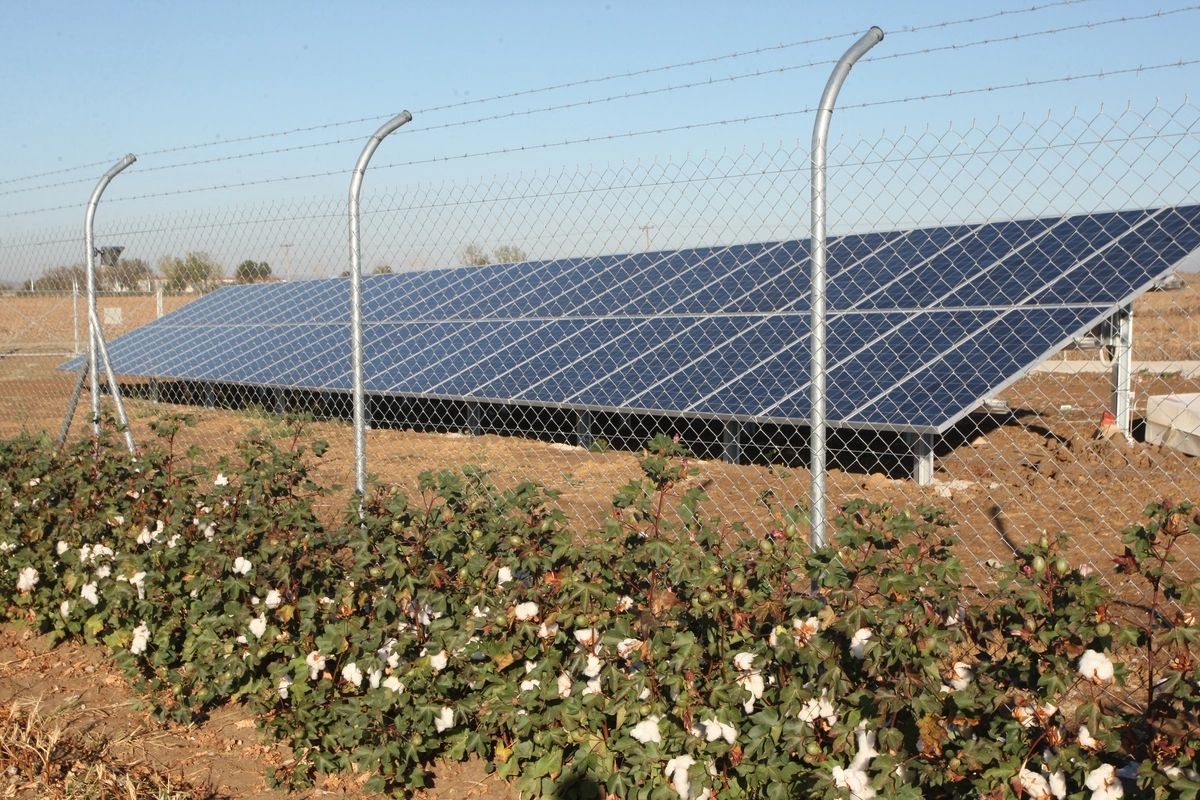
Because of the crisis in Iran, faint calls in support of coal could also be heard in Europe, although the continent has suffered far less from the current energy crisis than Asia has. For example, the Italian parliament approved postponing the country’s coal phaseout to 2038 (though coal accounts for only about 1.5% of electricity generation in the country).
German Chancellor Friedrich Merz did not rule out the possibility that some German coal-fired power plants would have to remain in operation for longer than planned but did not call into question the country’s target date of 2038 for phasing out coal entirely. Coal generation still makes up about one-fifth of electricity production in Germany.
At the global level, the statistics are far from alarming. In March and April 2026, coal-fired power generation worldwide was only 1% higher than during the same period in 2025. At the same time, wind and solar generated more electricity than gas for the first time ever. Gas-fired generation in March and April remained at the same level as during the corresponding periods last year, while wind and solar generation increased by nearly 8%.
In its report last year, the International Energy Agency (IEA) projected that coal demand would peak before the end of this decade even if current energy policies remain unchanged. Additionally, according to the agency’s estimates, demand for oil and gas could begin to decline after 2030 and 2035, respectively, if countries implement their announced energy policy measures.
So far, there appears to be little reason so far to revise these expectations. Moreover, over the past month, two significant developments have occurred that could weaken the position of fossil fuels in the medium and long term and, consequently, bring forward peak demand: the world’s first global conference on phasing out fossil fuels, held in Santa Marta, Colombia, and the adoption of a UN resolution supporting countries’ obligation to protect the environment from greenhouse gas emissions, appear to signal the the future course of global energy consumption.
What was achieved in Santa Marta
At the end of April, Santa Marta hosted the first conference on phasing out fossil fuels. Representatives from 57 countries took part. The four largest polluters — China, the United States, India, and Russia, which together accounted for more than 53% of all global greenhouse gas emissions in 2024 — were neither invited nor present at the conference. They are also the world’s largest producers and consumers of fossil fuels.
The four largest polluters – China, the United States, India, and Russia – did not attend the conference
However, using data from the Energy Institute, it is easy to calculate the significant role that the countries represented in Santa Marta collectively play when it comes to international energy policy and global energy consumption. Together, they consume more than a quarter of the world’s oil, more than one-fifth of its gas, and nearly one-tenth of its coal. These countries also carry considerable weight in the global economy, accounting for roughly one-third of global GDP. This is not surprising given that the participants included the UK, along with some of the largest economies of the EU. Some major fossil fuel producers were also represented, including Canada, Norway, Brazil, and Nigeria.
Ending the use of coal, oil, and gas is the most important condition for overcoming the climate crisis. In 2024, the burning of fossil fuels accounted for 74.5% of global greenhouse gas emissions (excluding land use, land-use change, and forestry).
Even before the official part of the conference began in Santa Marta, around 400 scientists from around the world discussed how countries could phase out fossil fuels by supporting and retraining workers in the fossil fuel sector during the transition, banning the construction of new coal and oil-and-gas infrastructure, and ending fossil fuel subsidies. The document also proposes imposing levies on fossil fuels in order to help finance the green energy transition.
The document places major emphasis on justice. For example, it notes that local communities should be involved in planning and that countries of the Global North should compensate countries of the Global South for the damage caused by emissions in previous decades. The measures it proposes include debt relief, the expansion of international climate financing, and technology transfers.
Countries of the Global South are especially important for the transition, as they are home to 78% of the world’s fossil fuel reserves. For many of them, the extraction of coal, oil, and gas remains an extremely attractive economic prospect.
The next conference on phasing out fossil fuels will take place in Tuvalu, one of the countries most at risk of flooding before the end of this century. When Australia launched a visa program in 2025 to relocate residents of Tuvalu to Australia, more than 3,000 people applied to move within the first four days. The country’s population is only around 10,000.
Green transition in Latin America
The first countries to organize the conference on phasing out fossil fuels were Colombia and the Netherlands. Colombia ranks 13th in the world in coal production and 5th in coal exports while also producing enough oil and gas for fossil fuels to account for 35% of the country’s exports and around 10% of fiscal revenues.
Nevertheless, Colombia’s fossil fuel industry is clearly in decline. Production in the country’s main coal-producing region, La Guajira, peaked in 2012, and buyers from Chile to the EU are already moving away from the fuel. Efforts to redirect Colombian coal exports toward Asia are constrained by high transportation costs. Without the discovery of new deposits, oil production is expected to cease in roughly 30 years, while gas reserves could be depleted in as little as 6.5 years.
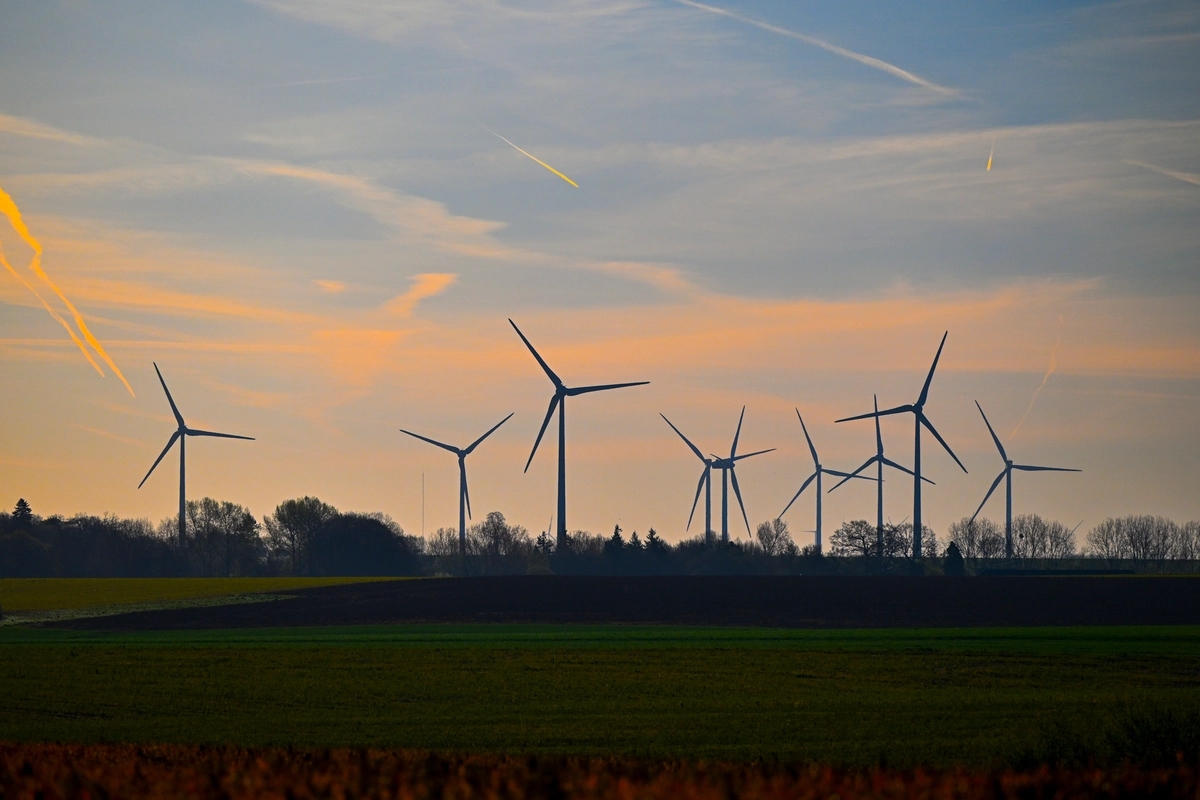
Hydropower forms the backbone of electricity generation in Colombia. Since the year 2000, hydroelectric plants have consistently accounted for between 50% and 80% of generation. At the same time, the share of electricity generation from solar and wind energy rose from zero to 5% in less than five years.
In general, Latin America is rarely mentioned in discussions about the future of the energy sector, yet many countries in the region are demonstrating remarkable success in the green transition. For example, a little over a decade ago, Uruguay suffered from frequent power outages and was forced to ration electricity consumption due to the country’s heavy reliance on hydroelectric power plants, which are highly dependent on El Niño – the periodic warming of surface waters in the equatorial Pacific Ocean, which brings abundant rainfall to Uruguay. In dry years, domestic generation is insufficient, while imported fuel is not always available in adequate quantities. However, this problem was resolved through the large-scale development of wind and solar generation. Today, these renewable sources account for 46% of all electricity production in the country, while the remainder comes from hydropower and biofuels.
Chile is not far behind, with solar and wind power already generating 38% of the country’s electricity. Coal mining has almost completely ceased, and many coal-fired power plants have shut down. The remaining plants are scheduled to close by 2040 under voluntary agreements between the Chilean government and plant owners.
The reason for these changes is purely economic: domestically produced coal has become too expensive, while imported Colombian coal is increasingly unable to compete on price with solar and wind. Electric transport is also expanding rapidly in the country. Nearly two-thirds of Santiago’s buses are now electric. With oil prices remaining high, as they did after the outbreak of the war in Iran, each electric bus in Santiago saves about $26,000 per year on fuel costs.
With oil prices high, each electric bus in Santiago saves about $26,000 per year on fuel costs
In the region’s larger economies, solar and wind generation also account for significant shares of electricity production — for example, 27% in Brazil and 13% in Mexico. It is worth noting that all of these countries – Chile, Uruguay, Brazil, and Mexico – took part in the conference in Santa Marta.
At the global level, however, the green transition depends less on Latin America than on developments in Asia, which has become the world’s leading region for both the production and consumption of fossil fuels. At the same time, China not only produces and consumes more coal than any other country, but also leads the world in installed renewable energy capacity, electricity generation from solar and wind power, and the manufacturing of renewable energy equipment. Until now, renewables have not fundamentally altered the structure of China’s energy system but have instead largely helped meet growing energy demand.
However, signs of coming changes are now beginning to emerge. In 2025, China and India jointly recorded a decline in coal-fired electricity generation for the first time in decades amid record growth in renewable energy capacity. At the same time, every fifth kilowatt-hour in China is already generated either by solar or wind power. For comparison, in 2010 these energy sources accounted for only 1% of electricity generation. In India, the corresponding figures are 14% and 2%, respectively.
Fighting climate change is becoming a legal obligation
On May 20, the UN General Assembly published a resolution that endorsed the advisory opinion issued by the International Court of Justice last July stating that countries have an obligation to protect the environment from greenhouse gas emissions. According to the same opinion, if countries violate these obligations, they bear legal responsibility and may be required to cease unlawful actions, provide guarantees that such violations will not recur, and pay compensation for damages.
The debate surrounding the resolution was intense. A total of 141 countries voted in favor, while 8 voted against (including the United States and Russia, which rank second and fourth in the world respectively in greenhouse gas emissions). Another 28 countries abstained, including India, which ranks third in emissions.
Of course, the opinion from the International Court of Justice is not legally binding. However, it is already being used in climate-related lawsuits around the world. The resolution also sends an additional signal: combating the climate crisis is becoming a legal obligation for countries rather than a matter of political preference.