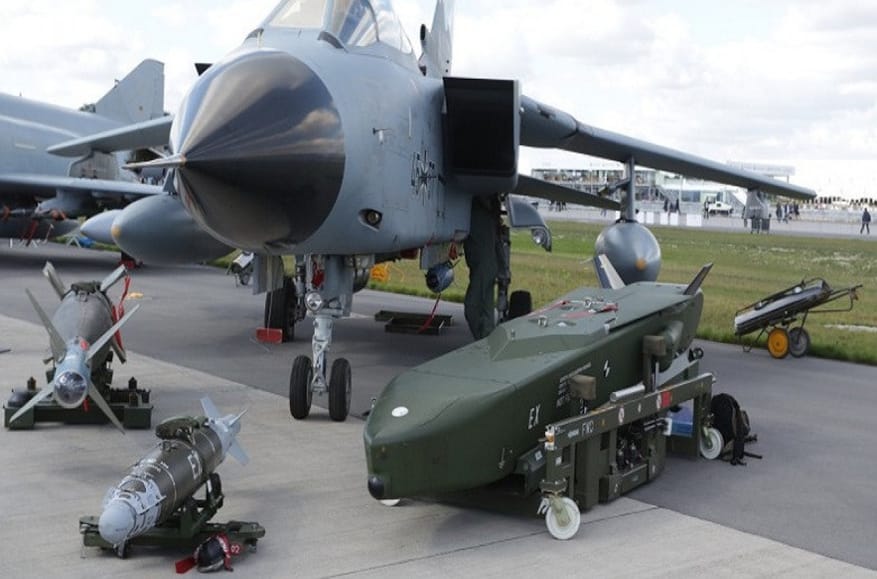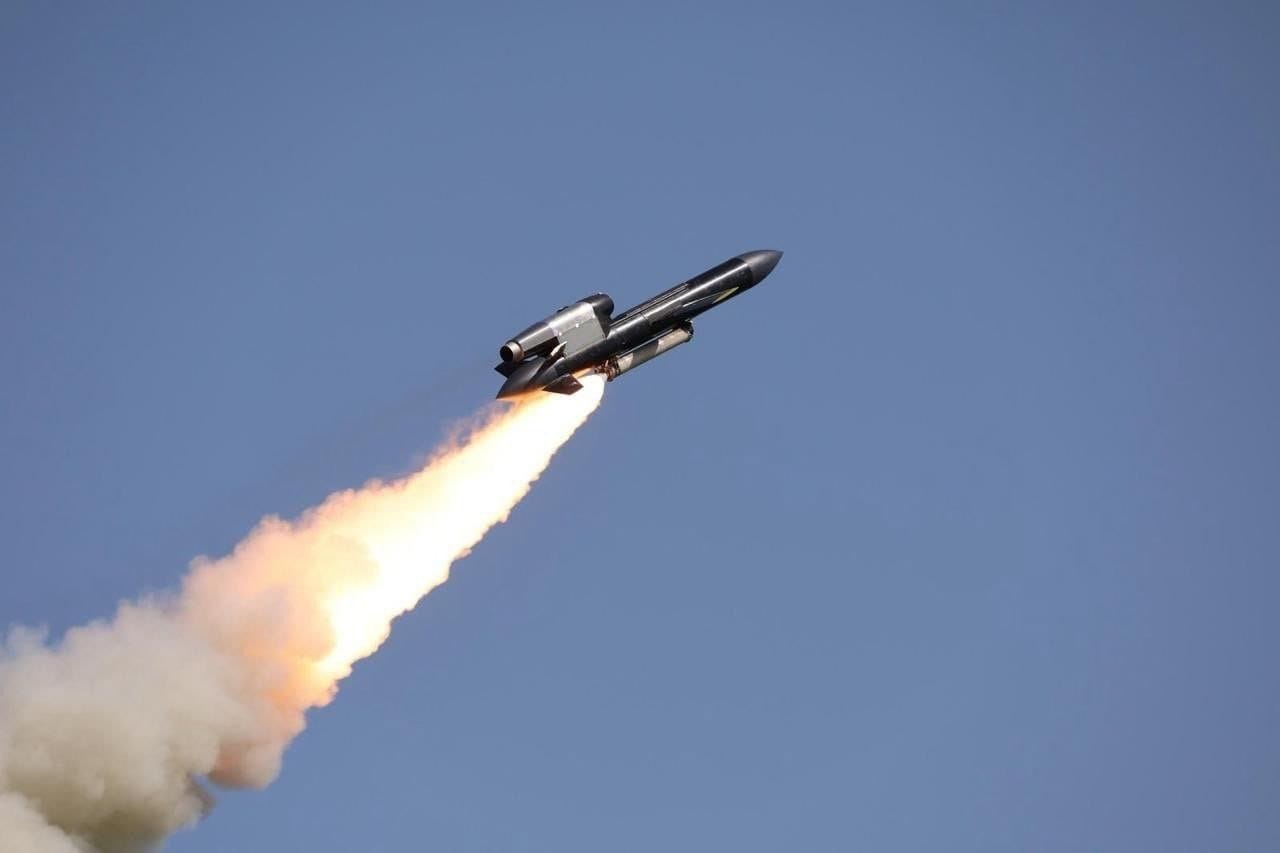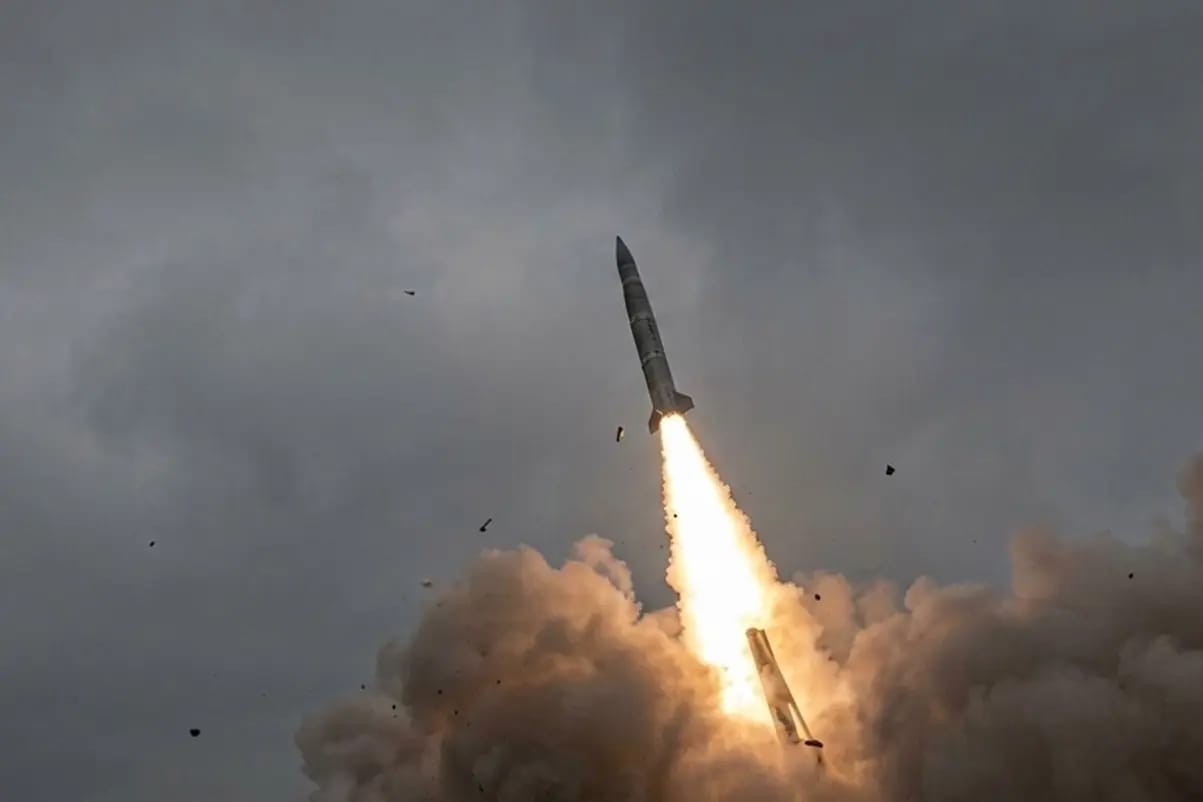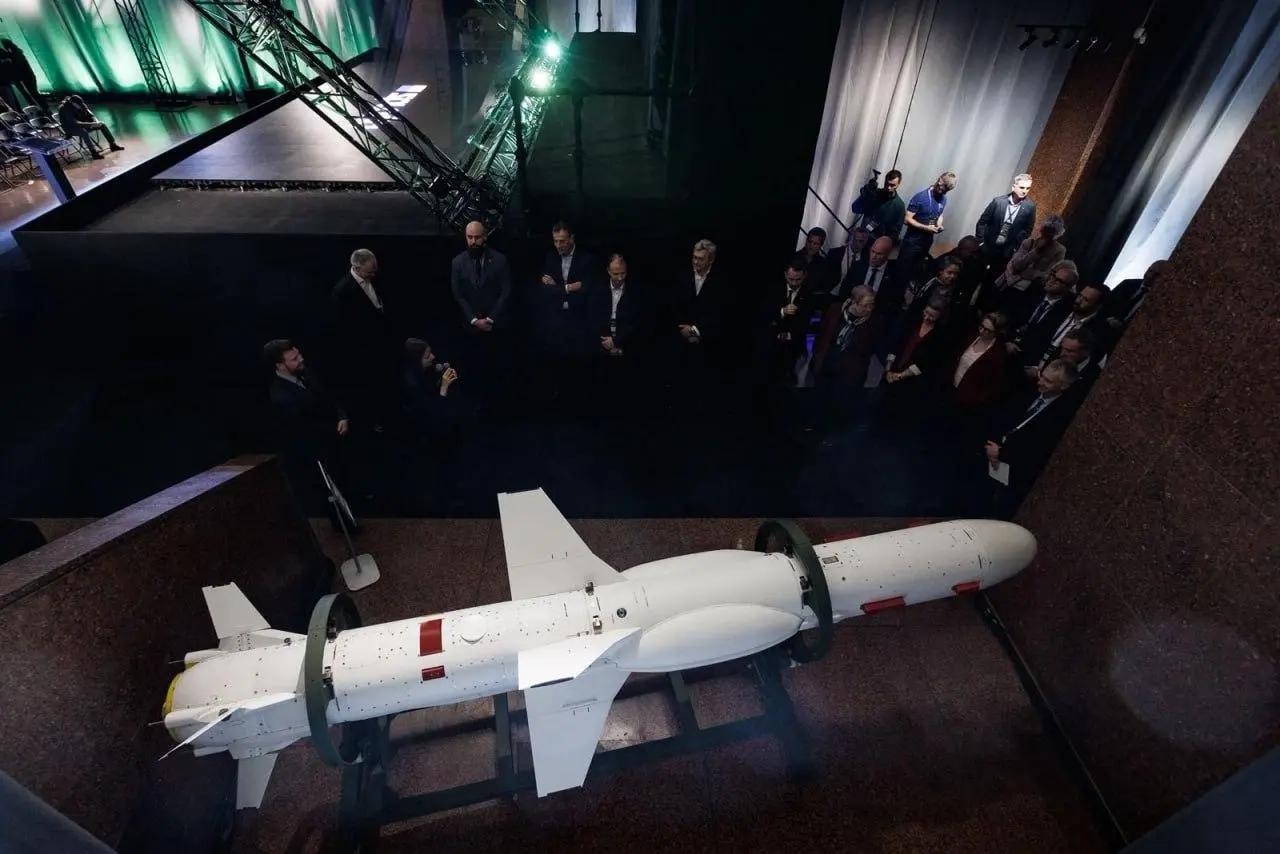
By 2026, the Defense Forces of Ukraine already had at their disposal several types of long-range cruise missiles and so-called missile-drones — ranging from the Long Neptune and Flamingo to the Palyanytsia, Peklo, Bars, and the European-designed Ruta. This year, their use has only intensified. Russia’s Defense Ministry, for example, has claimed that it intercepted more than 90 Flamingo missiles during the summer months alone. The line between a missile and a drone has also become increasingly blurred. Some jet-powered systems are officially classified as unmanned aerial vehicles, while even a large cruise missile may still be described by its developer as a drone. The weapons themselves vary significantly in range, warhead weight, speed, guidance methods, and cost. That diversity allows Ukraine to combine different characteristics by using several systems in a single attack. However, efforts to increase production have been constrained by shortages of turbojet engines, limited funding, and lengthy and costly certification procedures on the European side. The United States and the UK are also developing new, relatively inexpensive cruise missiles for the Armed Forces of Ukraine, though the timing and scale of deliveries remain unclear.
- 1.Ukraine’s missile arsenal and the issue of classification
- 2.Heavy cruise missiles: the Neptune and Flamingo
- 3.Missile-drones: Palyanytsia, Peklo and Bars
- 4.Ruta and European production
- 5.America’s ERAM and Britain’s Brakestop
- 6.Why Ukraine needs so many different cruise missiles and missile-drones
- 7.Production, engines, and other constraints
- 8.Combined strikes and the next stage of the program
Ukraine’s missile arsenal and the issue of classification
On April 14, to mark Ukraine’s Weapons Industry Workers Day, President Volodymyr Zelensky recorded a video address against a background composed of some of the country’s newest weapons, which the presidential office said had already proven effective. The video showed 56 systems in total.
Among the long-range missile systems were Flamingo, Ruta, Peklo, Neptune, and Palyanytsia — weapons that by then were already in serial production, were being supplied to the military, or had been used in combat. The presentation illustrated just how blurred the line between cruise missiles and drones has become. Flamingo was described as a long-range ground-launched cruise missile, Ruta as a cruise missile-drone, Peklo as a jet-powered “missiledrone,” and Palyanytsia as a long-range missile-drone. Bars, which the same presentation described as a cruise missile-drone with a small turbojet engine and a range of 700 to 800 kilometers, was placed not in the missile category but under that of long-range drone.
The developer of Bars explained in September that the dual classification reflected not only the system’s technical characteristics but also its legal status, saying Ukrainian regulations allowed new UAVs to enter service quickly. Developers took advantage of that semantic distinction, and so Bars is officially registered as a drone.
At the same time, the developer said that “missile-drone” would be the most accurate description: the system’s jet engine makes it more missile-like, while the ability to be controlled by an operator (including during the final phase of flight) makes Bars more similar to a drone. “Legally, it’s a UAV, but in reality we are a missile,” the developer said.
The Conflict Intelligence Team (CIT) classifies Bars as a cruise missile, as it does other jet-powered aerial attack weapons. Notably, Fire Point CEO Iryna Terekh places Flamingo in the drone category despite its size and specifications, saying that the launch process for Flamingo is in many ways similar to that of an unmanned aircraft.
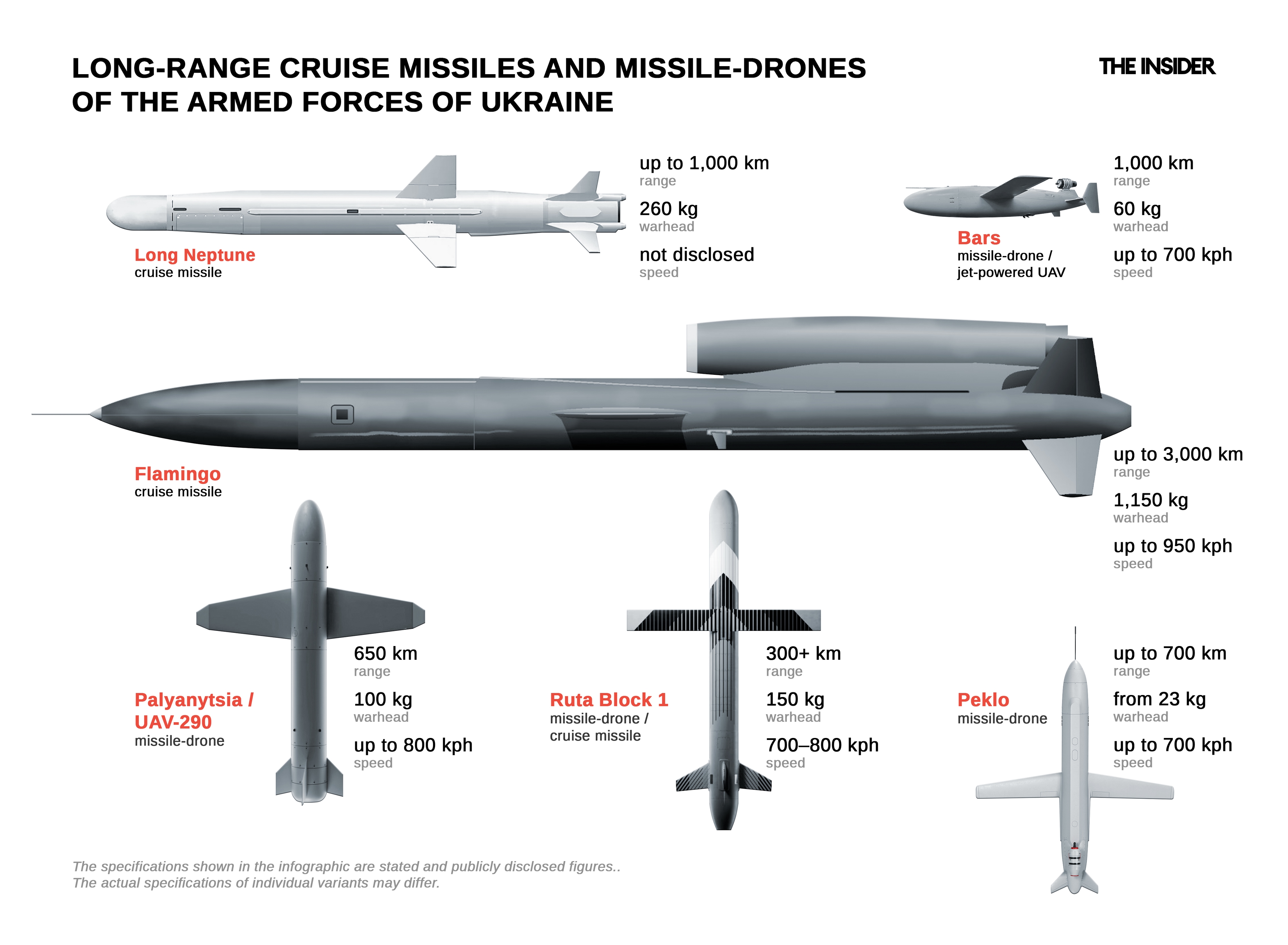
It is difficult to divide Ukraine’s new long-range arsenal neatly between missiles and drones. Grouping all of them into a single category is equally imprecise because they differ markedly in range, warhead weight, and function. At one end are relatively heavy cruise missiles such as the Long Neptune and Flamingo; at the other are lighter systems such as Palyanytsia, Peklo, and Bars, which offer a different balance between range and warhead size.
Heavy cruise missiles: the Neptune and Flamingo
The RK-360MC Neptune coastal missile system, developed by Kyiv-based Luch Design Bureau, was adopted by the Ukrainian Armed Forces in August 2020. Its R-360 missile was designed primarily to strike surface vessels. In April 2026, the presidential office listed its range at 300 kilometers and its warhead at 150 kilograms. Work on a Neptune variant for strikes against land targets first became known in spring 2023.
In March 2025, Zelensky announced the successful combat use of a new Ukrainian missile called the Long Neptune. Ukroboronprom later disclosed the specifications of the RK-360 cruise missile used by the Neptune-D system: compared with the anti-ship version, the missile became larger, its warhead increased from 150 to 260 kilograms, and its range grew from 280 kilometers to 1,000 kilometers. By the end of 2025, the Long Neptune had been used repeatedly. On Nov. 14, Zelensky said several of the missiles had struck targets and that their use was becoming “increasingly precise and effective.”
The systems are operated by coastal missile units of the Ukrainian Navy, including the 360th Separate Coastal Missile Brigade. Navy representatives have also confirmed the use of the long-range Long Neptune variant, though the specific units equipped with the missiles have not been publicly disclosed.
The program expanded again in June 2026, when Luch Design and major European missile developer and manufacturer MBDA signed a memorandum on the joint development of Neptune-2. MBDA describes the project explicitly as a further development of the Neptune family that is intended to provide long-range capabilities.
Over the past few years, Neptune has thus evolved from a specialized anti-ship missile into a family of weapons capable of striking land targets at much greater depth. However, even the heavier version carries a significantly smaller warhead than the Flamingo cruise missile. According to Russian Defense Ministry reports, it intercepted fewer than 20 Neptunes over the summer — three in June, nine in July, and five in August — despite claims that it has shot down more than 200 Neptunes over the course of the war.
Russia’s Defense Ministry claims it has shot down over 200 Neptune missiles over the course of the war
While Neptune gained range through successive upgrades that were made to an existing system, Flamingo appeared from the outset as a weapon on a different scale. Ukraine’s presidential office describes it as a long-range, ground-launched cruise missile. Flamingo missiles are operated by the Ukrainian Ground Forces’ 19th Separate Missile Brigade — “Saint Barbara” — as became known in May 2026, when Zelensky published footage of launches targeting the VNIIR Progress plant in Cheboksary. That does not rule out Flamingo being deployed by other units. Serial production began in 2025, and manufacturer Fire Point says the missile has a range of up to 3,000 kilometers and a 1,150-kilogram warhead.
The advertised specifications, however, did not by themselves guarantee high effectiveness. In April 2026, an analyst from the Dnipro OSINT project reviewed all known uses of Flamingo that could be confirmed from open sources. Of 23 launches, six missiles reached their targets, but only two were confirmed as direct hits.
At the time, the analyst described Flamingo as more of an experimental weapon: the missiles often reached their target areas but had problems with accuracy. However, by the end of June, the figures had changed: open-source-confirmed launches had risen to 39, with six hits.
At least in publicly confirmed cases, Flamingo has been used mainly against Russian defense industry facilities. Targets have included the Votkinsk plant in Udmurtia, which produces ballistic missiles; VNIIR Progress in Cheboksary, which makes navigation-system components; and Titan-Barrikady in Volgograd, which is involved in launcher production.
In early July, missile technology expert Fabian Hoffmann analyzed 10 confirmed uses of the FP-5 and noted that Flamingo targets increasingly appeared to be concentrated on Russia’s missile industry, while Ukraine’s Defense Forces generally used long-range drones when targeting oil and gas infrastructure.
That may partly reflect differences in target hardening. The relatively small warheads carried by drones can be sufficient to damage an oil refinery, while destroying large industrial buildings requires more powerful weapons. Still, Zelensky listed Flamingo as being among the weapons used in an attack that hit the Moscow oil refinery and a logistics facility on Sept. 20. Published information, however, does not make it possible to determine which weapon struck the refinery. Russia’s Defense Ministry claimed it intercepted eight Flamingos used in the raid and that another missile veered off course and fell in an unpopulated area.
The July 26 strike on the Titan-Barrikady plant was the most successful known attack when judged by the proportion of missiles that reached their target. At the same time, the results of most launches remain unknown, and the available statistics reflect only incidents that can be confirmed through open sources. Fire Point chief designer and co-owner Denys Shtilerman said the FP-5’s main problem had been its tactics of use, which were later adjusted.
The intensity of Flamingo use increased significantly over the past summer. According to calculations by state-run news agency TASS, Russia’s Defense Ministry claimed to have destroyed 15 of the missiles in June, 23 in July, and 56 in August. In all, the MoD’s reports listed more than 90 Flamingos intercepted during the summer and more than 130 over the course of the war.
The Russian claims have not been independently verified, but the trend at least points to a substantial rise in the number of Ukrainian missiles being used compared with the spring. In addition to the Flamingo strikes listed above, known attacks include strikes on the Avitek machine-building plant in Kirov on July 24, the Progress center in Samara on Aug. 15, and the Volgogradpromproekt plant in Volgograd on Sept. 11.
One limitation of Flamingo remains its vulnerability to Russian air defenses. To reduce the likelihood of detection, the missiles fly at low altitude, with routes planned around terrain features such as river valleys. That tactic, however, does not always succeed.
According to an assessment by the Ukrainian OSINT project CyberBoroshno, during an attack overnight into July 4, the Russian military deployed an A-50U airborne early-warning aircraft in advance, helping detect a group of Flamingo missiles in areas that were poorly covered by ground-based radar. The project said all detected missiles were shot down. RAND analyst Michael Bohnert also linked the successful interceptions to the A-50U. There is, however, no confirmation that Russia systematically uses A-50Us against Flamingo missiles, nor are there reliable statistics on the effectiveness of such interceptions.
Russia’s A-50U airborne radar aircraft can aid efforts to intercept Flamingo missiles
Questions have also arisen about whether the visible damage from Flamingo strikes is consistent with its stated 1,150-kilogram warhead. It is important, however, to distinguish total warhead weight from the amount of explosive actually contained therein. Using the strike on the Votkinsk plant as an example, Fabian Hoffmann estimated that a warhead of that size likely contains explosives with a TNT equivalent of about 600 kilograms, with a radius of severe damage to industrial equipment of roughly 30 to 35 meters.
Aviation expert Valeriy Romanenko, speaking to Radio Khartia, estimated that Flamingo contains 600 to 800 kilograms of explosive material. One hit, therefore, may not always be enough to destroy an entire production building, and the extent of additional damage depends in part on the location of equipment and whether a fire develops. It is therefore premature to argue that the visible destruction disproves the stated warhead weight.
Missile-drones: Palyanytsia, Peklo and Bars
Palyanytsia was the first of this group to appear publicly. In August 2024, Zelensky announced the system’s first successful combat use, calling it a weapon of an “entirely new class.” Development of the missile-drone took a year and a half, and the developer was not disclosed at the time. Only in January 2026 did it become known that Palyanytsia had been developed by the same Luch Design Bureau that also produces Neptune.
By September 2026, most of Palyanytsia’s specifications had also been disclosed. At the MSPO international defense exhibition in Poland, it was officially presented for the first time under the designation UAV-290, confirming that systems previously shown under the two names were the same weapon. The 350-kilogram missile-drone carries a 100-kilogram warhead, is powered by a turbojet engine, and can travel up to 650 kilometers at speeds as high as 800 kph. Palyanytsia is launched from a trailer or semitrailer with the help of a solid-fuel booster. Navigation and terminal guidance combine an autonomous inertial system designed to resist electronic warfare, and it uses satellite navigation to correct deviations.
Palyanytsia has already evolved from a standalone weapon into the basis for Luch’s next development — Areion, unveiled in 2026, was derived from it but can also be launched from the standard self-propelled launcher used by the Neptune system. Areion has a stated range of 600 kilometers, a 100- to 120-kilogram warhead, and the ability to fly at altitudes as low as 20 meters (helping it bypass enemy air defenses, which are less effective against very low-flying targets.
The Peklo “missile-drone” appeared at about the same time as Palyanytsia. Serial production began in fall 2024, and by December the first batch of several dozen had been delivered to Ukraine’s Defense Forces. By then, authorities had reported at least five combat uses. The manufacturer claims a range of up to 700 kilometers and a speed of up to 700 kph, with a warhead weighing at least 23 kilograms. Peklo is launched from a mobile platform using a solid-fuel booster before transitioning to cruise flight.
Far less is known about the scale of Palyanytsia and Peklo use than about Bars. Ukrainska Pravda reported that Palyanytsia’s first use in August 2024 targeted an unspecified military site in annexed Crimea, and the system was later used in combined strikes on naval and industrial infrastructure in Russia.
Ukrainian authorities said in December 2024 that Peklo had been used successfully at least five times. In June 2025, visual evidence appeared of the missile-drone’s involvement in a strike on a crossing over the Aidar River and a pumping station north of Luhansk. There is, however, no reliable publicly avalable data on the total number of launches or how regularly either system has been used.
According to its manufacturer, the development of Bars began in 2023 with the aim of creating a long-range weapon capable of flying faster than gasoline-powered drones. The initial version carried a 22-kilogram warhead to a range of about 700 kilometers. At the Eurosatory exhibition in June 2026, the company said variants were available with payloads of 22, 60, and 105 kilograms and that about 7,000 Bars-type missile-drones had been launched, without specifying how many were combat launches or which variants were used. In September, the developer said a version with a 60-kilogram warhead, a 1,000-kilometer range, and a top speed of 700 kph had been used.
The manufacturer added on Sept. 18 that the long-range Bars version, which flies to preset coordinates, had completed more than 200 missions. Targets have included oil refineries, power plants, and substations. The most notable use of the long-range Bars was the strike on the Moscow oil refinery on June 18. A “middle-strike” version, controlled by an operator using a camera feed, is regularly used over the Black and Azov seas and against targets in Ukraine’s Russian-occupied territories, including Crimea. The manufacturer says “large-scale use of Bars 2.0” is planned for the first quarter of 2027. The new version is being developed in response to requests from end users who want “something more.”
Palyanytsia, Peklo and Bars are defined less by identical capabilities than by a shared concept of a relatively compact, jet-powered weapons for long-range strikes. Their ranges are broadly similar, but their warhead weights vary considerably. Bars is also produced in multiple versions with different guidance and control systems.
Ruta and European production
Ruta occupies a distinct place in Ukraine’s long-range arsenal. In April 2026, the presidential office included it among weapons used by Ukraine’s Defense Forces, describing it as a cruise missile-drone. Deliveries began in 2024.
Unlike the other systems, Ruta was not developed in Ukraine itself. It was created by European company Destinus, which was founded in Switzerland in 2021 by entrepreneur Mikhail Kokorich (the former owner of Russian electronics retailer Tekhnosila, founder of Russian space company Dauria Aerospace, and founder of U.S. startup Momentus).
Destinus initially focused on civilian hypersonic aircraft but shifted to producing strike drones and missiles after the start of Russia’s full-scale invasion of Ukraine. In January 2024, Kokorich formally renounced his Russian citizenship, citing principled opposition to the invasion and to the policies of the Russian authorities. Destinus is now headquartered in the Netherlands, where the first Block 1 version is already in serial production.
Zelensky reported Ruta’s first combat use in October 2025, saying the missile-drone had struck an offshore platform at a range of more than 250 kilometers. He did not say which platform was targeted, when the strike took place, or what damage was caused. Visual confirmation appeared only in July 2026, when photos of Ruta Block 1 debris and video purportedly showing the missile flying over Russian territory were published. The location of the filming and of the target could not be identified. At the time, CIT estimated Block 1’s range at about 300 kilometers and its warhead at up to 150 kilograms, though it noted that other reports put the warhead at around 100 kilograms.
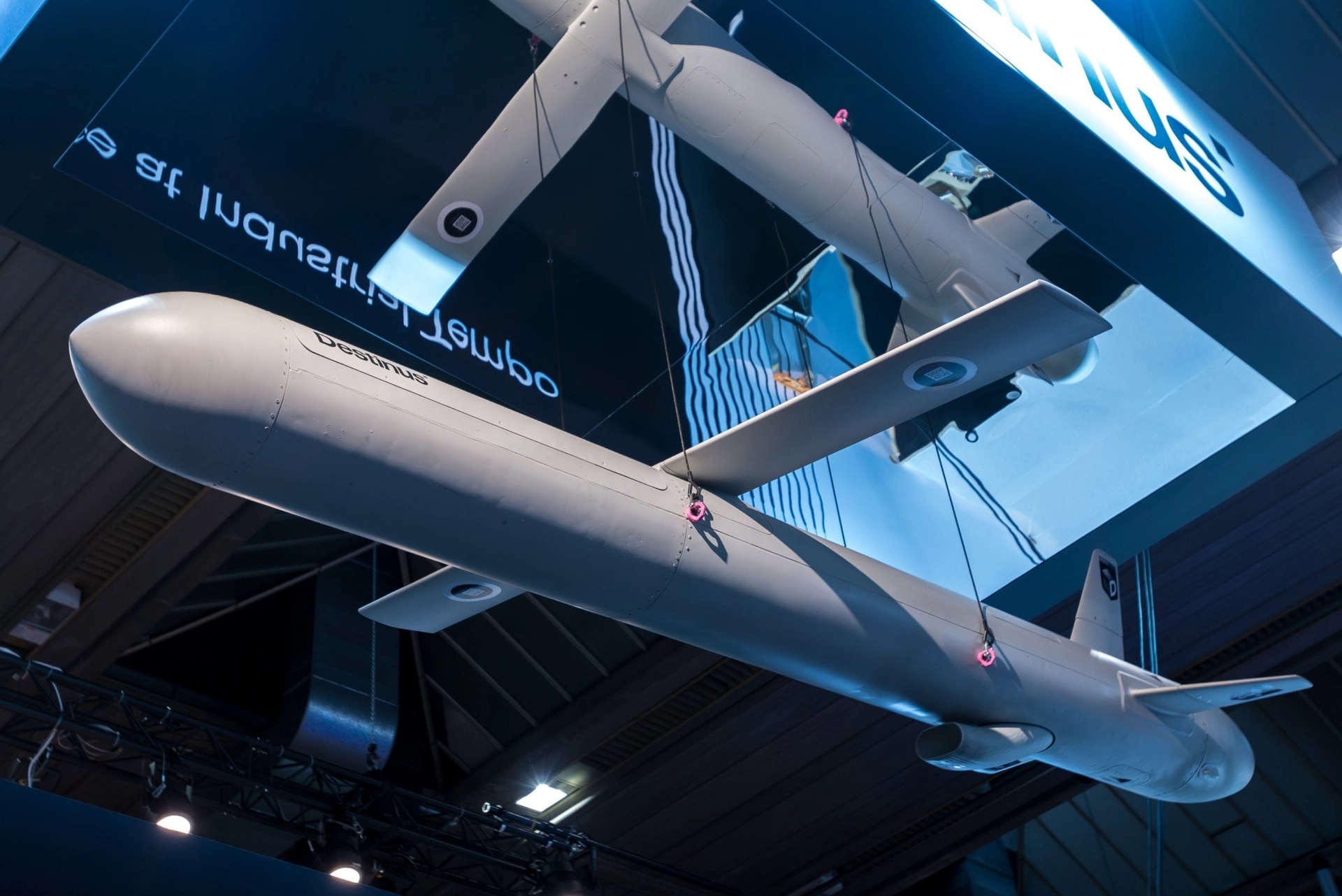
Ruta is gradually evolving into a significantly heavier system, as its Block 2 has a stated range of more than 700 kilometers and a 250-kilogram warhead. Destinus says the missile was developed with support from Brave1, Ukraine’s state defense technology cluster, which helps weapons developers obtain financing and bring their designs into service. Block 2 is now undergoing flight tests in Ukraine.
In June 2026, the Netherlands announced €250 million in funding for domestically produced long-range weapons for Ukraine. Ukraine’s then-Defense Minister Mykhailo Fedorov said the package involved about 700 Ruta Block 2 systems, which would work out to approximately €357,000 per missile, though the exact cost of individual variants is unknown. Defense Express noted that the contract may include both Ruta Block 1 and the heavier Block 2.
In responses to questions from Dutch lawmakers, the systems were described both as one-way attack drones and as medium-range cruise weapons intended to strike hardened targets deep behind enemy lines.
Ruta is being developed not only as a weapon for Ukraine. Destinus plans to produce the missiles for Germany’s Bundeswehr and for other European customers, while Ruta Block 3 is intended to be certified to NATO standards. In 2026, Destinus and Rheinmetall began preparing production of Ruta Block 2 in Germany. Their joint venture, Rheinmetall Destinus Strike Systems, is expected to handle final assembly, integration, and testing. Production is planned to begin with Ruta Block 2 and the lighter Kryla, a relatively inexpensive cruise missile with a 50-kilogram warhead designed for mass attacks capable of overwhelming air defenses. Destinus supplies the main technological components, while Rheinmetall provides the warheads and launch boosters.
The Ruta missile-drone is also planned to be produced for European customers, like Germany’s Bundeswehr
The next stage is expected to be Ruta Block 3, with a stated range of about 2,000 kilometers and a 250-kilogram warhead. Destinus is developing its own T220 turbojet engine for the missile (the first two variants use the company’s T150 engine). A containerized launcher is also being developed, with flight tests scheduled to begin in 2027. Ruta, which began as a relatively small missile-drone, is therefore evolving into a family of European cruise missiles shaped in part by combat experience in Ukraine.
America’s ERAM and Britain’s Brakestop
Ruta is not the only foreign-designed cruise missile being developed specifically for Ukraine’s military. The United States and Britain are running their own programs for relatively inexpensive long-range weapons. Unlike the Storm Shadow and SCALP-EG missiles already used by Ukraine’s Defense Forces, the new systems are being designed from the outset for mass production at comparatively low cost. Most, however, have not progressed beyond testing, and far less is known about actual deliveries than about their advertised specifications.
Since 2024, the United States has been running the Extended Range Attack Munition (ERAM) program, which has seen Zone 5 Technologies and CoAspire work to develop the AGM-188A Rusty Dagger and the Rapidly Adaptable Affordable Cruise Missile (RAACM) air-launched cruise missiles.
In August 2025, the U.S. State Department approved a possible sale to Ukraine of up to 3,350 ERAM missiles and related equipment worth a total of $825 million. Denmark, the Netherlands, Norway, and the United States were expected to provide financing. The original program requirements called for a relatively inexpensive missile with a range of 460 kilometers. Defense Express, however, reported that Rusty Dagger’s range could exceed 930 kilometers.
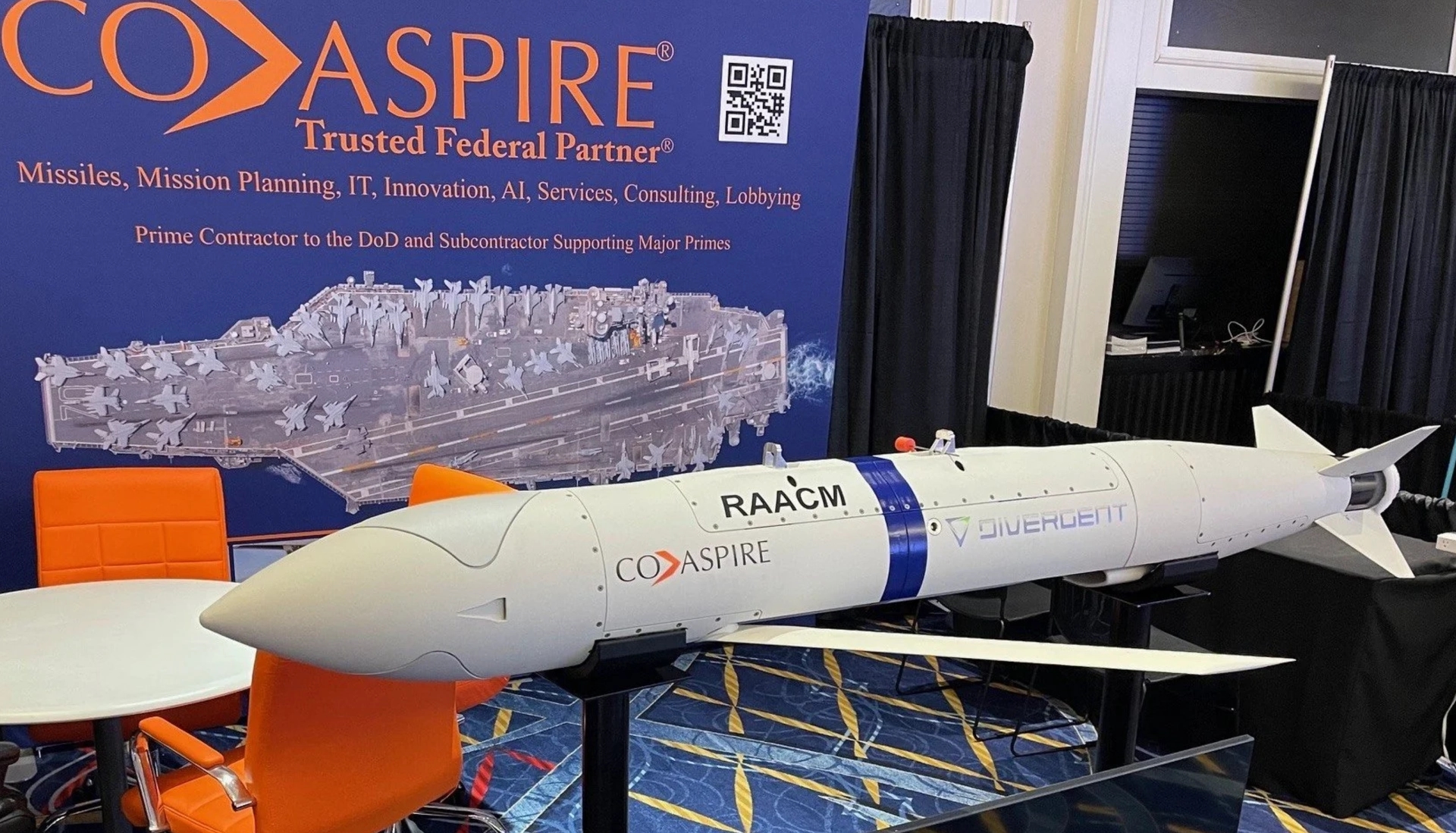
The first indications that the missiles may have entered Ukrainian service appeared in June 2026, when Russian pro-war sources published photographs of wreckage containing an anti-jamming satellite-navigation antenna whose markings pointed to Rusty Dagger manufacturer Zone 5 Technologies.
Based on the images, CIT hypothesized that the first ERAM missiles (or prototypes) may already have reached Ukraine. Defense Express later raised the possibility that ERAM had been used in a strike on the Voronezh Semiconductor Devices Plant on June 22, though no convincing evidence that these specific missiles were used has been published. The actual number delivered is also unknown.
Britain is running a similar effort. Under Project Brakestop, launched by the UK Defense Ministry in November 2024, developers were tasked with creating ground-launched missiles boasting a range of at least 500 kilometers and a warhead weighing at least 225 kilograms. One requirement was the ability to produce at least 20 missiles a month at a unit cost of no more than £400,000, excluding the warhead. In spring 2026, three designs completed initial testing: MBDA UK’s Crossbow, with a stated range of 800 kilometers; MGI Engineering’s TigerShark, with a range of more than 1,000 kilometers; and Rotron Aerospace’s SkyLance, capable of carrying a 300-kilogram warhead up to 1,200 kilometers or a 150-kilogram warhead as far as 2,500 kilometers.
Unlike the first two missiles, which use turbojet engines, SkyLance relies on a pusher-propeller engine, allowing greater range at the expense of speed. After the initial tests, the developers received contracts to refine the prototypes, build additional examples, and conduct further trials. The first missiles were expected to be delivered to Ukraine by the end of 2026.
A key feature of the British program is its focus on avoiding dependence on U.S. components and U.S. missile targeting data. The Financial Times reported that restrictions on weapons containing U.S. components had previously complicated Ukraine’s use of Storm Shadow missiles, and the new systems are intended to allow British authorities to make independent decisions on their delivery and use.
The U.S. and British programs are therefore aimed not only at extending the range of Ukrainian strikes but also at creating relatively inexpensive weapons that can be produced at scale. At the same time, announced production capacity and approved sales still do not make it possible to determine how many of these missiles have actually reached (or will reach) the Defense Forces of Ukraine.
Why Ukraine needs so many different cruise missiles and missile-drones
Having several long-range systems allows Ukraine to balance warhead weight and range for specific targets. At the “heavy” end, the Long Neptune carries a 260-kilogram warhead up to 1,000 kilometers, while Flamingo is advertised with a warhead of up to 1,150 kilograms and a range of up to 3,000 kilometers. Lighter systems can vary those parameters within the same platform. The Bars developer says its modular design allows engineers to adjust the balance between fuel and warhead weight in order to create versions for tactical, “middle-strike,” and long-range missions. The division of roles is even clearer in the joint Destinus-Rheinmetall project: the compact, cheaper Kryla, with a 50-kilogram warhead, is designed for mass saturation attacks, while the 250-kilogram-warhead Ruta Block 2 is intended for heavier strikes on important and hardened targets.
Both the cost and the potential scale of use are just as important. In September, a Bars manufacturer representative disputed an online estimate of $500,000 per unit, saying the real price was several times lower (though he did not provide an exact figure). He added that the company produces about 2,000 missile-drones a month, that they are used daily, and that almost none accumulate in storage. Military analyst Kirill Mikhailov and a CIT expert who asked not to be named agreed that Ukrainian cruise missiles and missile-drones appear to be used soon after they are produced.
Ukraine’s cruise missiles and missile-drones are generally not stockpiled
The systems also differ in how they are guided. The long-range Bars version flies to preset coordinates, while the “middle-strike” variant carries a camera and can be manually controlled during the terminal phase if a link with the operator is available. Ruta Block 2, meanwhile, combines low-altitude terrain-following flight with electro-optical terminal guidance and is designed to operate when satellite navigation is being jammed.
Missile-drones also occupy a middle ground between slower long-range piston-engine UAVs and full-fledged cruise missiles. The Bars developer said the jet-powered version was originally chosen in response to a military request for a faster long-range strike weapon. The advantage, therefore, does not come from one universal system but from being able to choose a weapon with the right combination of range, warhead weight, guidance method, speed, and cost for a particular strike.
Mikhailov believes differences in the observed effectiveness of Russian and Ukrainian jet-powered weapons may be explained primarily by the scale at which they are used. Russian forces are increasingly deploying jet-powered Geran drones, as well as Banderoľ and other systems capable of flying at several hundred kilometers per hour.
According to Reuters, citing Ukrainian military officials, the number of jet-powered drones used by Russian forces rose from about 450 in June to 2,850 in August 2026. Ukrainian intelligence estimates Russian production at about 3,000 a month. No comparable public statistics exist for Ukrainian jet-powered missile-drones.
Mikhailov said there is no reason to believe Russian counter-drone air defenses are better adapted to intercept jet-powered drones than Ukrainian defenses are. He considers the higher speed of Russian UAVs (which makes them harder to intercept) a secondary factor in explaining differences in strike effectiveness. At the same time, Russian jet-powered drones are used as part of a much broader missile arsenal that includes ballistic missiles, air-launched Kh-101 cruise missiles, and sea-launched Kalibr missiles.
Russia’s jet-powered drones are used as part of a much broader missile arsenal
Ukraine does not possess comparable domestic serial production of air- and sea-launched cruise missiles. Although Ukraine’s Defense Forces have received Storm Shadow and SCALP-EG missiles from Western allies, their use is limited by the number supplied — and, in some cases, by restrictions imposed by the countries providing them.
The effects of Russian combined strikes therefore cannot be directly compared with the results of individual Ukrainian missile-drone attacks, but Ukrainian strikes also cause serious damage. Reuters reported in September that three of Russia’s six largest diesel producers had reduced or halted output, even if open sources do not make it possible to determine how much of that damage was caused specifically by jet-powered missile-drones.
Production, engines, and other constraints
Designing a working missile turned out to be only the first phase of the challenge — producing hundreds of identical units is far harder. Flamingo illustrates the problem. In August 2025, Fire Point was producing about 30 missiles a month. By September, output had risen to 50, and the company hoped to reach seven a day (or more than 200 a month). However, it did not achieve that pace. In July 2026, The Guardian, citing Iryna Terekh, estimated actual production at about 100 Flamingos a month.
Fire Point is also trying to reduce Flamingo’s dependence on individual components. The missile initially used AI-25TL engines made in Zaporizhzhia, including used engines removed from L-39 trainer aircraft. Terekh said the missile was designed as a platform not tied to a specific engine model, and by August, five types of turbojet engines were being installed, with the company also moving toward an engine of its own design. Flamingo’s carbon-fiber fuselage is produced by automated winding in about six hours, and the same machine can manufacture bodies for five different products.
Turbojet engines have become one of the main bottlenecks for smaller missile-drones. In April, Reuters cited industry representatives while described the shortage as probably the main factor limiting the production of such systems. Only a small number of European companies manufacture compact turbojet engines.
Czech manufacturer PBS, whose engines are used in the Palyanytsia missile-drone, produced around 1,700 aviation engines in 2025, nearly six times as many as in 2023, and continued expanding capacity. Reuters reported that about one-quarter of PBS deliveries go to Ukraine.
Another Czech company, ZofiTech, was producing about 200 turbojet engines a month, with nearly all of them going to Ukraine. Czech defense group CSG, which acquired Serbian engine manufacturer MUST Solutions, expected to produce about 1,000 turbojet engines in 2026, roughly 35% of them for Ukraine. ZofiTech representatives, meanwhile, expected Ukrainian demand to rise to several thousand engines a month in the coming months.
One of the main constraints on Ukrainian jet-powered strike weapons is the shortage of engines
Bars faces the same problem. Its developer said localization had exceeded 74%, with the turbojet engine remaining the only critical imported component — sourced from suppliers all around the world. The manufacturer says delivery times for turbojet engines are the main obstacle to further production increases, though its own engine had completed final testing by September. A joint venture with Germany is intended to address the shortage, and according to the developer, the first batches of Bars produced there were due to arrive in Ukraine on Oct. 10.
Destinus is trying to solve the same problem through in-house production. In June 2026, the company said it had produced its 1,000th T150 turbojet engine, which is used on Ruta Block 1 and Block 2. The manufacturer says the production line is designed to supply engines for thousands of such systems a year, while a more powerful T220 is being developed for Ruta Block 3.
Components are not the only factor limiting output. Fire Point said Flamingo production capacity was underused due to the fact that contracts and funding were insufficient. The Bars manufacturer, meanwhile, points to another difference between Ukrainian and European development models: in Ukraine, new systems can be modified quickly based on battlefield experience, while European testing and certification procedures take longer and cost more. The company estimates that full European certification alone can cost €15 million to €20 million and includes requirements such as the ability to store a weapon for 10 years.
The key question, then, is not whether Ukrainian and European companies can produce these missiles in certain quantities, but whether they can sustain high production rates over time. Even with production lines in place, output will be determined by the weakest link — whether it be engines, financing, or certification. The durability of that supply chain is what separates a truly mass-produced weapon from a system that can only be fielded in occasional batches.
Combined strikes and the next stage of the program
A major stage in the development of Ukraine’s long-range strike capability has been the use of several different systems in a single operation. In October 2025, Zelensky said Neptune and Flamingo had already been used “as a pair.” By August 2026, the scale of such combinations had grown. During a strike on Novorossiysk overnight into Aug. 12, Palyanytsia, Peklo, Bars, and Long Neptune were used simultaneously for the first time, alongside several types of UAVs and uncrewed surface vessels. Zelensky listed more than 15 different strike systems in all.
During the attack on Moscow and the Moscow Region overnight into Sept. 20, Ukrainian forces used Flamingo missiles (1, 2) and Palyanytsia and Bars missile-drones alongside piston-engine drones. In an attack on the Azov Optical-Mechanical Plant in Russia’s Rostov Region overnight into Sept. 26, Neptune cruise missiles were used along with the jet-powered Ruta, Palyanytsia, and Bars missile-drones.
The Security Service of Ukraine (SBU) described that attack as a joint operation by its Alpha Special Operations Center and the Ukrainian Navy. Public reports, however, do not establish which units operate each of the listed missile-drones. Unlike in the cases of Neptune and Flamingo, the organizational affiliation of Palyanytsia, Peklo, Bars, and Ruta remains unclear.
The specific role assigned to each weapon in the attacks listed above has not been disclosed, meaning it is not possible to say with confidence which systems were intended to suppress air defenses, distract interceptors, or strike particular targets. But the composition of the raids confirms that Ukraine’s different long-range systems are already being used not only individually but together as parts of a single attack.
The operations of 2026 suggest the next phase in the development of Ukraine’s long-range arsenal will be less about introducing another individual missile and more about regularly combining different weapons in one strike. Missiles and drones with different speeds, ranges, warheads, and guidance methods are meant to complement rather than replace one another. The effectiveness of such combined attacks could also increase with the appearance of ballistic missiles in Ukrainian service.