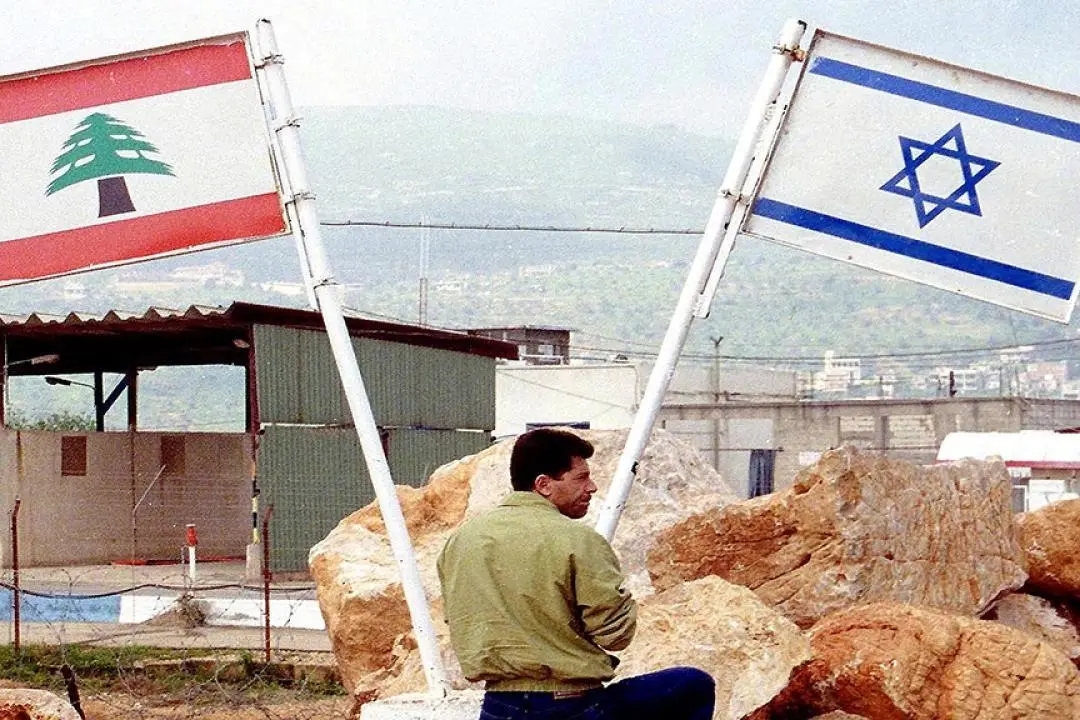
Israel’s occupation of southern Lebanon has become a strategic dead end as its desire to guarantee its own security collides with the weakness of the Lebanese authorities. The government in Beirut is trying to use diplomacy to restore the Lebanese Armed Forces’ control over the territory. However, the Iranian-backed Shiite organization Hezbollah refuses to disarm — and is even threatening civil war. Most of Lebanon’s Shiites want neither negotiations with Israel nor Hezbollah’s disarmament. At the same time, the structure of the Lebanese political system makes it impossible for the country’s leadership to approve an agreement without the support of the Shiite community.
On June 26, Lebanon and Israel signed an interim framework agreement. Under its terms, the authorities in Beirut must disarm Hezbollah, while Israel is required to withdraw its troops from southern Lebanon. Since Feb. 28, when U.S.-Israeli war with Iran began, the Lebanese government has stuck to its neutrality. When Hezbollah attacked Israel on March 2, the Lebanese president and government condemned the move, called on the Shiite group to surrender its weapons, and began direct negotiations with Israel.
Attempts to disarm Hezbollah
Even before March 2026, the Lebanese government had been demanding that Hezbollah disband its military wing and ensure the state's monopoly over military force and foreign policy. President Joseph Aoun stated as much in his inaugural address to parliament after being elected in January 2025.
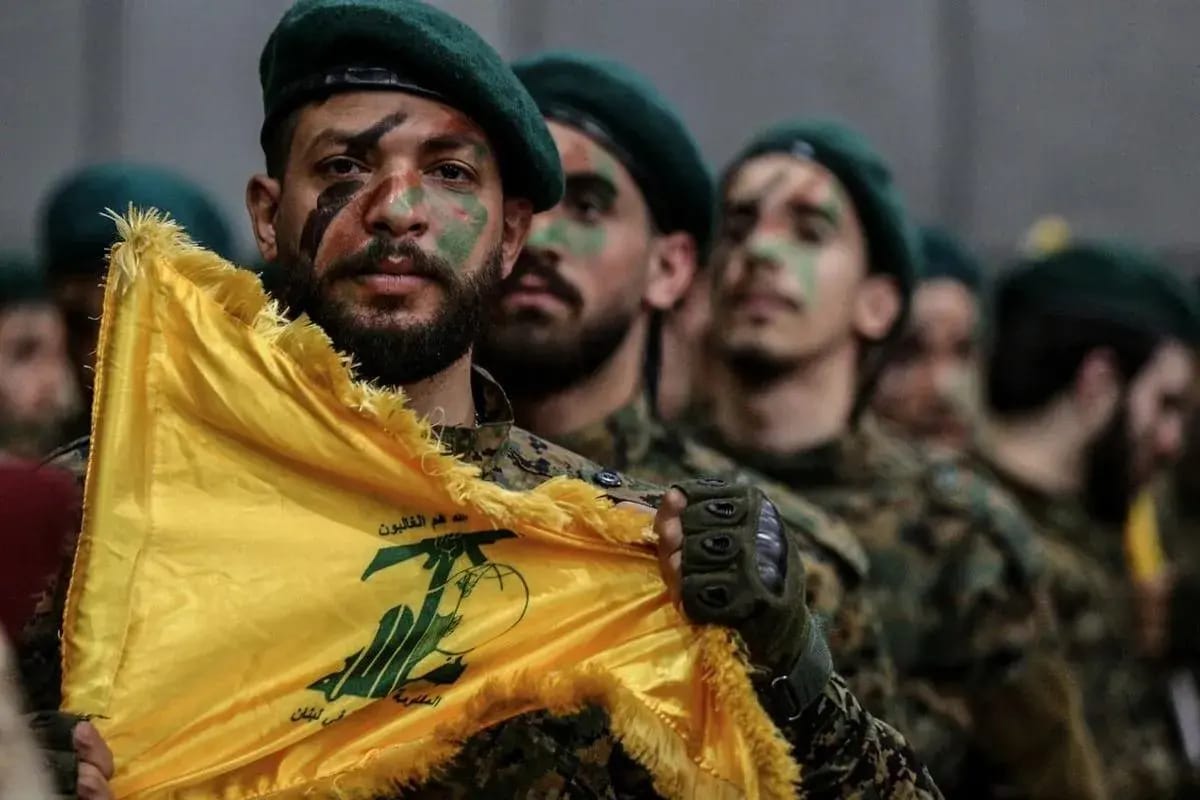
However, Hezbollah refused to give up its weapons, and it remains intransigent. In August 2025, when the government instructed the military to draw up a plan for the group's disarmament, its Secretary-General Naim Qassem threatened civil war. His remarks were condemned by Prime Minister Nawaf Salam and many prominent politicians, but most citizens understand the reality that Hezbollah would sooner sacrifice the peace of the country than surrender its arms.
Most Lebanese citizens understand that Hezbollah would choose civil war over disarmament
Those weapons have been used against more enemies than just Israeli soldiers. In Lebanon, the Shiite group is suspected of assassinating political figures, security officials, and journalists who stood in its way; among its suspected victims are former Prime Minister Rafik Hariri (2005), Internal Security Forces intelligence chief Wissam al-Hassan (2012), former Finance Minister Mohammad Chatah (2013), and Shiite writer and public intellectual Lokman Slim (2021).
Moreover, in May 2008 Hezbollah fighters seized control over western Beirut. Earlier that spring, the Lebanese cabinet had sought to dismantle the group's independent telecommunications network, which operated beyond the control of the security services and the government. In response, Hezbollah attacked sites in Beirut linked to the party of the then-prime minister. In the Lebanese mountains, Shiite militants also attacked Druze supporters of another party that was part of the governing coalition. The clashes left dozens of people dead.
Hezbollah also fought on the side of Bashar al-Assad's regime during the Syrian civil war, a fact that did little to enhance the group's popularity at home. As far back as 1976, during the rule of Hafez al-Assad, the Syrian army entered Lebanon and remained there until 2005. Damascus withdrew its forces only amid mass protests in Lebanon that were accompanied with pressure from the United States and France. During the years of Syria's occupation of Lebanon, Syrian forces were implicated in the killings and abductions of Lebanese and Palestinians. Some Lebanese who survived Assad's prisons were not released until the regime in Damascus fell in December 2024.
Throughout 2025, Lebanon's new leadership sought to persuade Hezbollah to dissolve its military wing. Both the president and the prime minister repeatedly stressed that this could only be achieved through dialogue. Until last year, however, it was difficult to imagine the government even raising the issue of Hezbollah's disarmament. The group had enough allies and political influence to prevent such a discussion.
However, the situation changed as a result of Hezbollah's defeat in the 2023–2024 war with Israel. In the fall of 2024, Israel sharply escalated its campaign against Hezbollah, eliminating much of the group's military and political leadership (including charismatic Secretary-General Hassan Nasrallah), and destroying much of its missile arsenal. It became clear that, despite Nasrallah's claims of a "balance of deterrence" between Hezbollah and Israel, the group's capabilities had been severely diminished.
Nevertheless, Hezbollah retained thousands of fighters, was able to keep part of its arsenal, and made advances in the use of fiber-optic FPV drones (which became evident on the battlefield in the spring of 2026). The elimination of the organization's leadership in the fall of 2024 did not, contrary to outside hopes and expectations, lead to its collapse. Unlike other Lebanese political parties, Hezbollah is built around institutions rather than personalities. It also possesses a coherent ideology, its own schools, propaganda media outlets — and an external sponsor.
The aftermath of the 2024 war: the collapse of alliances
By opening a "support front" in solidarity with Hamas the day after the massacre of October 7, 2023, Hezbollah dragged Lebanon into an unpopular and devastating war that cost the group many of its allies.
In the past, Hezbollah's influence was built largely on alliances with a wide range of political parties and figures, not just Shiites. It had numerous partners among Christians, Sunnis, and Druze — an especially important asset in Lebanon's political system, which is based on sectarian quotas for representatives of different religions and denominations.
The war proved to be the final blow to Hezbollah's alliance with the Christian Free Patriotic Movement (FPM). Between 2005 and 2022, the FPM was the largest Christian party in parliament, and from 2006 onward it maintained an alliance with Hezbollah. It was largely thanks to the group's backing that the FPM's founder, Michel Aoun, became president in 2016.
The FPM provided Hezbollah with "Christian cover," defending the Shiite group against its critics, opposing calls for its disarmament, and promoting its narrative of "resistance" against Israel in the interest of all Lebanese faith groups. This allowed Hezbollah to counter accusations that it acted solely in the interests of Lebanon's Shiites and Iran.
The alliance had already begun to fray before October 2023. The FPM's new leader, Gebran Bassil — Michel Aoun's son-in-law — wanted to succeed his father-in-law as president. Hezbollah, however, backed Suleiman Frangieh, with whom Bassil had a strained relationship. As a result, the group's allies were unable to unite behind a single candidate. On top of that, the outbreak of war with Israel proved deeply unpopular: although most Lebanese sympathized with the people of Gaza, media coverage and social media activity suggested they had little desire to go to war with Israel.
Following its defeat in the 2023–2024 war, Hezbollah also lost some of its Sunni allies. One of them was Faisal Karami, a member of parliament from the city of Tripoli and the heir to one of Lebanon's most influential political dynasties of the 20th century — Karami had long been an ally of both the Assad family and Hezbollah.
In 2025 Karami began distancing himself from the group — praising the "wise policies" of Saudi Arabia, which has renewed its interest in Lebanon over the past couple of years. In this respect, Karami has come to resemble many other Sunni politicians in Lebanon, who tend to look to Riyadh rather than Tehran. More significant, however, are Faisal Karami's remarks that he supports the goal — expressed by the president and the prime minister — of establishing the state's monopoly on arms by disarming Hezbollah.
In addition, according to Lebanese media reports, representatives of the Sunni movement Al-Ahbash did not attend the funeral of Hezbollah Secretary-General Hassan Nasrallah, who was killed in an Israeli strike in September 2024. The Islamist Ahbash movement has historically been linked to the Assad regime and has maintained close ties with Hezbollah. In the 2022 parliamentary elections, the movement won two seats in Lebanon's 128-member parliament, gaining political representation for the first time.
Ideologically, Al-Ahbash is hostile to Salafis and Sunni Islamists, who are themselves generally hostile toward Shiites and Alawites. This made the Ahbash a useful counterweight to Islamist movements. In addition, the Alawite Assad dynasty supported the Sunni Al-Ahbash as a way of weakening its domestic Sunni political opponents.
The movement grew out of the followers of an Ethiopian sheikh, Abdullah al-Harari al-Habashi, who arrived in Lebanon in the 1960s. In his writings, al-Harari devoted considerable attention to criticizing Islamists (including the Muslim Brotherhood), as well as Salafis, who advocate a strict, literal interpretation of the Quran.
Activist Marc Daou's victory over Druze politician Emir Arslan in their 2022 election race for parliament reflects one of the most important political trends in Lebanon over the past decade: growing public disillusionment with the country's political elite. That frustration first erupted in the mass protests of the fall of 2019. The immediate trigger was a proposed tax on WhatsApp calls in a country with expensive mobile services, but the deeper causes were rampant corruption, cronyism, and repeated attempts to balance the budget at the public's expense. In the 2022 elections, many candidates presented themselves as representatives of the protest movement that had begun spreading across Lebanon's regions and religious communities in 2019.
The immediate trigger for the protests was a proposed tax on WhatsApp calls, but the underlying causes were rampant corruption, cronyism, and repeated attempts to balance the budget at the public's expense
As a result, civil society candidates like Daou achieved unprecedented success, as 12 of the country’s 128 parliamentary seats went to opposition candidates unconnected to Lebanon's traditional political parties or dynasties. (The first such breakthrough had come in 2018, when Armenian-Lebanese journalist Paula Yacoubian won a seat and was re-elected in 2022.)
During the protests in the fall of 2019, Hezbollah supporters repeatedly attacked demonstrators with clubs. As a result, Hezbollah and its allies lost their parliamentary majority in 2022. Then, in early 2025, lawmakers elected in the wake of the 2019 protest movement helped elect Joseph Aoun as president and form the government of Nawaf Salam.
The Assad regime appears to have supported the Ahbash from the 1980s onward. Adnan Trabulsi was first elected to parliament in 1992 but lost his seat in 1996, returning only in 2018. In addition to its two current lawmakers — Adnan Trabulsi, who represents Beirut, and Taha Naji, who represents Tripoli — the movement also operates several schools in Lebanon.
It is also worth noting that in the 2022 parliamentary elections, it was Hezbollah's principal ally within the Druze community, Emir Talal Arslan, who lost his parliamentary seat to Daou. Unlike Arslan, Daou is not affiliated with either the Jumblatt or Arslan dynasties, which have dominated Lebanon's Druze community for centuries.
2026: war returns
On the eve of March 2, Prime Minister Nawaf Salam and Foreign Minister Youssef Rajji publicly opposed dragging Lebanon into another war. They were joined by a number of politicians, including Beirut Sunni MP and billionaire Fouad Makhzoumi, who also spoke out against making such a move.
Predictably, outside the Shiite community, Hezbollah's March 2 rocket attack on northern Israel was widely condemned. The group was criticized for once again dragging the country into war without regard for the views of its fellow citizens. Many Lebanese were particularly outraged that the attack on Israel had been carried out in retaliation for the killing of Iran's Supreme Leader, Ali Khamenei. Hezbollah has consistently claimed that it acts in Lebanon's interests and defends all Lebanese against Israel. However, many Lebanese saw the group as having dragged the country into a suicidal war that only served an outside power’s interests — for the second time in less than three years, no less.
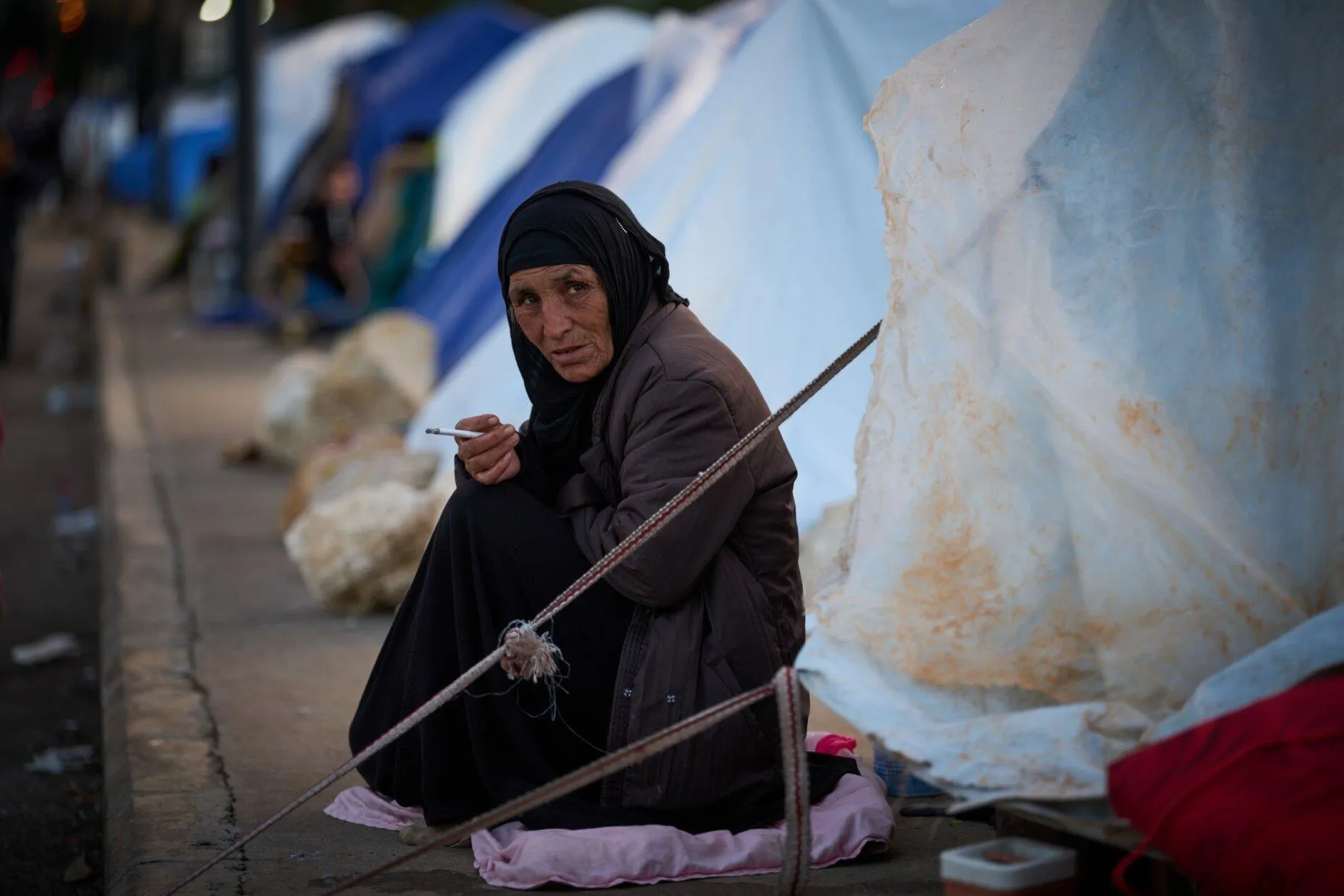
Israel responded to Hezbollah's six-rocket barrage on March 2 with massive airstrikes on Shiite areas in southern and eastern Lebanon, as well as on the southern suburbs of Beirut, which are home to more than just Shiites. Within a matter of weeks, more than one million Lebanese had fled their homes to escape the fighting.
A recent public opinion survey, conducted by Information International, shows that a majority of Christians and Druze believe the spring escalation was caused by Hezbollah's actions. Lebanon's Sunnis are divided: 39% blame Hezbollah, while 33% hold Israel responsible. Most Shiites, meanwhile, place the blame on Israel.
Throughout the spring, Lebanese President Joseph Aoun repeatedly stated that Hezbollah had dragged the country into "someone else's war." In early March, the cabinet banned the group's military and other security-related activities. In practice, however, the Lebanese army has been reluctant to fully enforce these restrictions. As a result, although a number of Hezbollah fighters were briefly detained, they were soon released on bail.
In the early weeks of the second Iran war, Joseph Aoun took an unprecedented step by declaring that he was open to direct negotiations with Israel. This was remarkable given that the two countries have no diplomatic relations and had gone without any official contacts for decades. According to Aoun, only negotiations could guarantee peace along the Lebanese-Israeli border.
The talks began in mid-April. Since then, diplomats from the two countries have met several times, while contacts between the Israel Defense Forces and the Lebanese army have been taking place under Pentagon auspices since late May. Although Beirut has failed to secure a complete ceasefire, Israel has refrained from bombing the Lebanese capital.
The Shiite trap
In Lebanon's political system, the presidency is traditionally reserved for a Maronite Christian, while the prime minister is a Sunni Muslim and a Shiite Muslim serves as the speaker of parliament. Nabih Berri, who became the leader of the Shiite Amal Movement in 1980, has served as speaker since 1992.
With Syrian backing, Amal became the largest Shiite militia in Lebanon. However, after the country’s fifteen-year-long civil war ended in 1990, Amal’s fighters were demobilized and the movement evolved into a political party. Although many of its supporters still possess weapons — as is common in Lebanon's political culture — Amal does not have the heavy weaponry, tunnel network, or missile arsenal that Hezbollah possesses. Nabih Berri's strength lies not in military might but in his ability to channel state funds to political allies and constituents.
In the late 1980s, Hezbollah and Amal fought one another for control of Lebanon's Shiite areas. After the civil war, however, they became allies. The two movements run joint electoral lists, and after the withdrawal of Syrian troops in 2005, this "Shiite duo" became a major source of political leverage for both Berri and Hezbollah. Together, they control all 27 parliamentary seats reserved for Shiites.
Without Nabih Berri's backing, the Lebanese authorities are unlikely to be able to conclude an agreement with Israel. Any such deal would lack sufficient legitimacy without the support of Shiite political leaders, since Lebanese politics depends on consensus among the country's religious communities for such decisions. Moreover, Hezbollah can create "facts on the ground" by attacking Israel, while Speaker Berri would be in a position to block any agreement in parliament.
Without the support of Shiite politicians, any agreement with Israel would lack sufficient legitimacy
A recent survey by Information International found that an overwhelming majority of Shiites oppose both negotiations with Israel (92.9%) and Hezbollah's disarmament (87.5%). Among Sunnis, by contrast, 54.4% support negotiations, while 38% oppose diplomacy with Israel.
These attitudes among Shiites are partly the result of Hezbollah's propaganda apparatus, which includes its media outlets and school system, as well as intimidation of opponents within the Shiite community. But another major factor is that many Shiites see themselves as victims of the current situation. Hundreds of thousands have fled their homes, and many have lost relatives — both Hezbollah fighters and civilians, including women, children, the elderly, and medical workers.
Moreover, many Hezbollah supporters believe that it was the group, rather than the central government, that for decades provided them with access to healthcare and education while Beirut neglected the country's peripheral regions. Now, in their view, that same government is trying to disarm their protectors while negotiating with Israel.
Not all Shiites, of course, support Amal and Hezbollah. According to the same survey, 7.9% favor Hezbollah's disarmament. The problem is that critics of the "Shiite duo" have virtually no political representation. Although the government includes one Shiite minister who is not affiliated with either movement — Fadi Makki, who holds the Administrative Reform portfolio — he is more of a technocrat than a politician and enjoys little mass electoral support.
Is there a chance for negotiations?
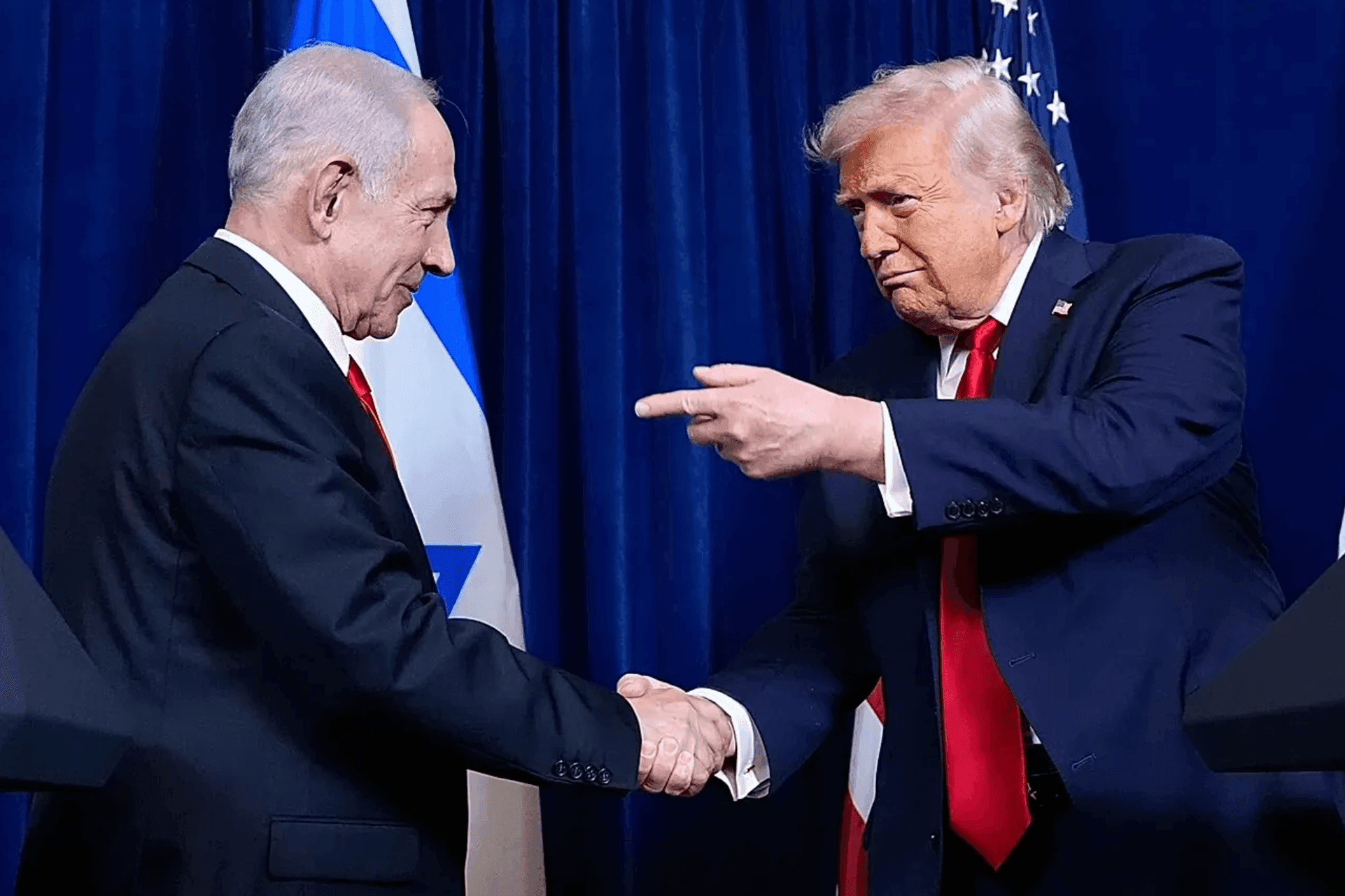
So far, nothing suggests that Israel will withdraw its troops from southern Lebanon this year. What may well be the most challenging parliamentary elections of Benjamin Netanyahu's political career are set to be held this fall, and now more than ever, the Israeli prime minister cannot afford to appear weak in the eyes of his voters.
Even if the opposition wins the Knesset elections, forming a governing coalition would take several weeks at the very least. There is also little reason to believe that withdrawing Israeli troops from Lebanon would become a priority for any new government. Nor is it certain that the incoming lawmakers would be able to reach an agreement among themselves. As a result, Israel could well find itself heading to another early election as soon as the spring of 2027.
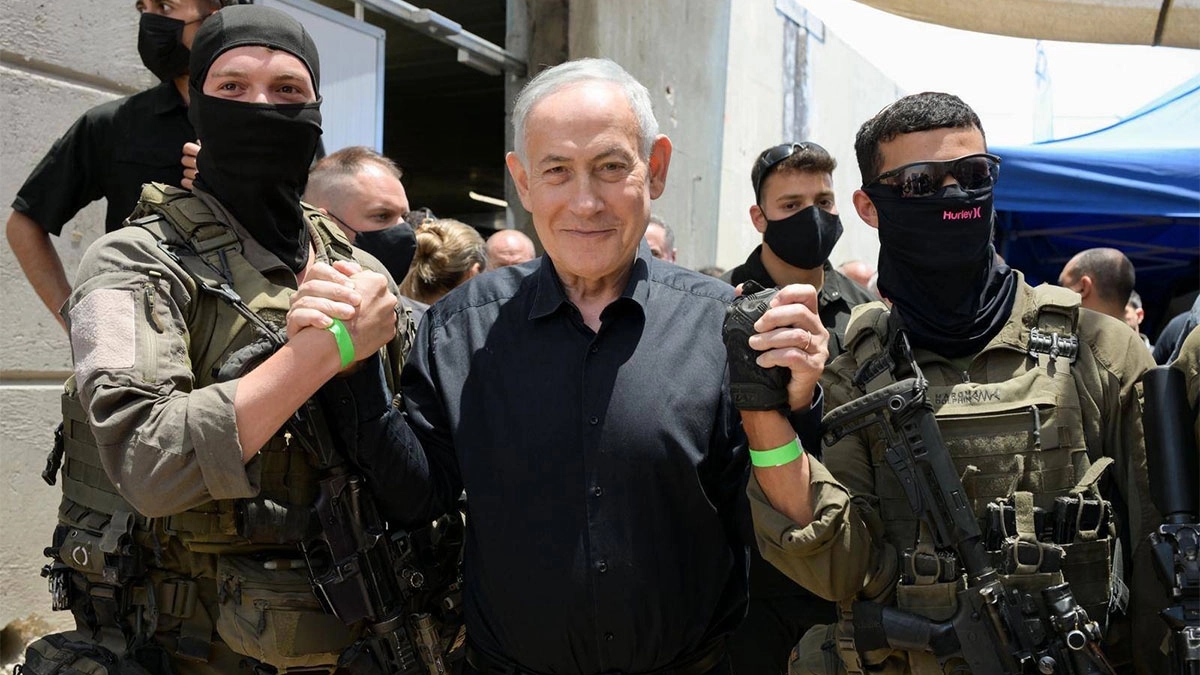
Jerusalem's main condition for withdrawing its troops is the disarmament of Hezbollah, a step it sees as essential to guaranteeing the security of residents in northern Israel. Both Jews and Arabs live in the region, and their communities remain under threat from the Iranian-backed group’s drones. Before 2023, Hezbollah had also been developing plans to infiltrate the Galilee through tunnels in order to seize hostages.
Many in Lebanon, however, ask how their own army is supposed to achieve what the Israeli military could not. Moreover, since 2019 Lebanon has been suffering the worst economic and financial crisis in the country's history, brought about by systemic corruption and chronic mismanagement. The banking system collapsed, depositors lost access to their savings, and the Lebanese pound depreciated from 1,500 to roughly 90,000 to the U.S. dollar. Military salaries, like other wages, lost most of their value. Under such conditions, would Lebanese soldiers be willing to risk their lives by opening fire on their fellow citizens?
The greatest concern, however, is the prospect of another civil war. Few people understand better than the Lebanese how easily such a conflict can begin — and how difficult it is to end. The last civil war lasted 15 years, from 1975 to 1990. Hezbollah has openly declared that it has no intention of surrendering its weapons. Instead, over the past year the group has threatened "civil strife," accused the government of serving U.S. and Israeli interests, and hinted that the current cabinet should be replaced once the war is over. Prime Minister Nawaf Salam has responded that his government will continue pursuing the state's monopoly on arms and will not yield to threats of civil war.
What is Hezbollah counting on?
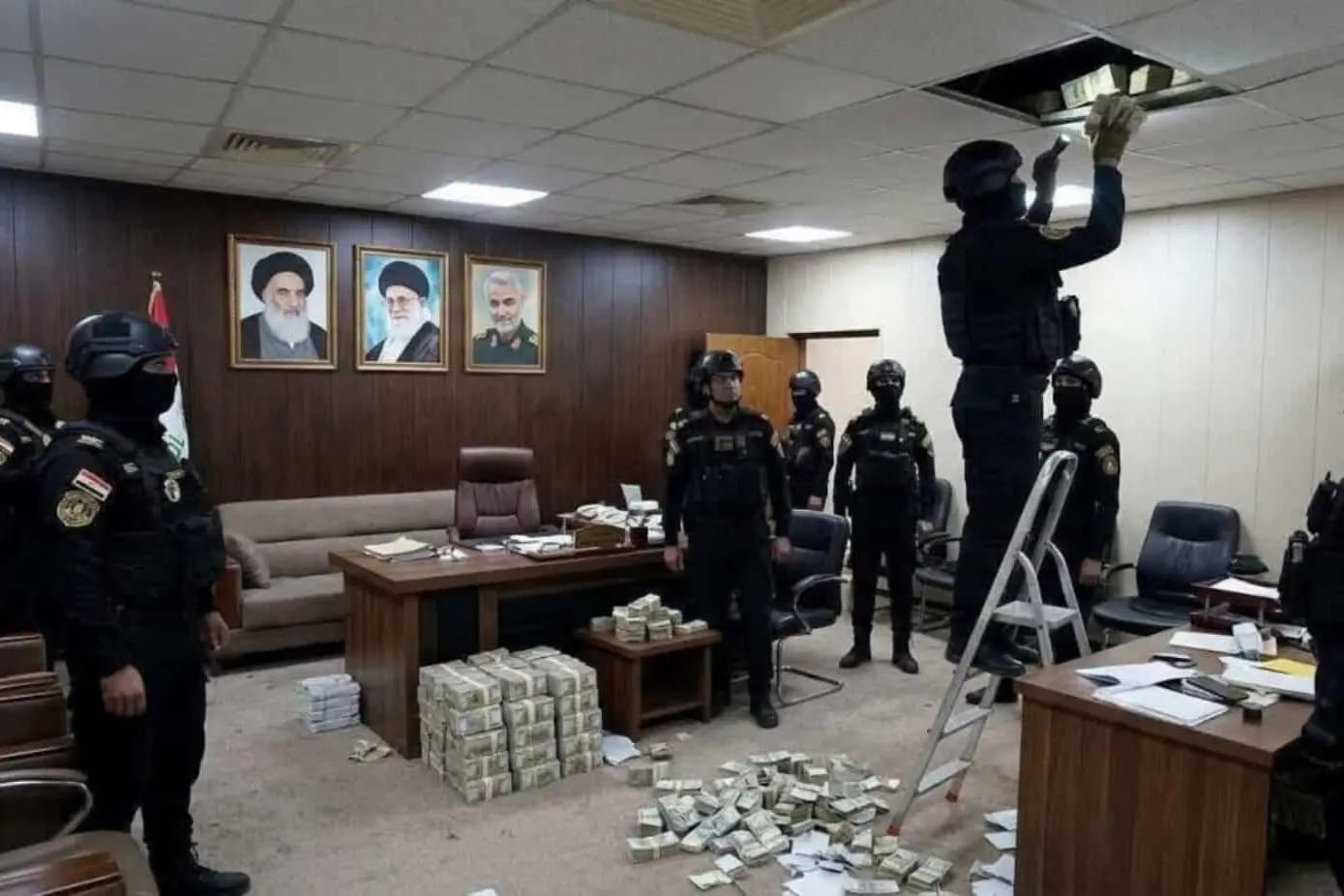
From Hezbollah's perspective, another war with Israel was inevitable. The ceasefire that lasted from late November 2024 until March 2, 2026, was used by the group to rearm and adapt its command structure. At the same time, Iran's role in directing Hezbollah appears to have grown even stronger, with members of the Islamic Revolutionary Guard Corps having been periodically killed alongside Hezbollah commanders in Israeli strikes. Tehran, for its part, appears willing to sacrifice the peace in Lebanon in order to preserve its most effective proxy force. It is no coincidence that Iran insisted the situation in Lebanon be included in its negotiations with the United States. As a result, the U.S.-Iran memorandum contains a provision calling for an end to the war "on all fronts, including Lebanon."
Significantly, Walid Jumblatt, Lebanon's most influential Druze politician, recently told the newspaper Libération that it had once been possible to engage Hezbollah in dialogue and reach compromises. After the killing of Secretary-General Hassan Nasrallah in 2024, however, those opportunities disappeared — now all important decisions are made in Tehran.
The current situation appears to be acceptable to Hezbollah. Yes, thousands of its fighters and hundreds of civilians have been killed, and hundreds of thousands of Hezbollah supporters have fled their villages and towns. Around half a million of them have yet to return, as many have nowhere to go back to — some villages near the border have literally been blown up and razed by the Israeli military.
Politically, however, Israel's occupation of southern Lebanon may ultimately work to Hezbollah's advantage. The group's narrative is reinforced by the seizure of villages, the demolition of homes, the deaths of civilians and medical workers, and calls by Israel's far-right ministers to annex southern Lebanon. Hezbollah uses all of this material to strengthen its propaganda about "Islamic resistance," arguing that without the group’s efforts Lebanon would be defenseless against what it portrays as "Zionist expansion."
The seizure of villages, the demolition of homes, the deaths of civilians and medical workers, and calls to annex southern Lebanon all reinforce Hezbollah's narrative
At the same time, Israeli society is highly sensitive to casualties — at least 32 soldiers and four civilians, while Hezbollah's drones continue to threaten communities near the border. Israel's current occupation of southern Lebanon could therefore turn into the same kind of strategic dead end as its previous occupation, which lasted from 1982 to 2000. It is impossible to completely disarm Hezbollah by operating only in the south, as the group also has supporters and infrastructure in Beirut's southern suburbs and in northwestern Lebanon. The idea of occupying the whole of Lebanon is too extreme even for Netanyahu's current government.
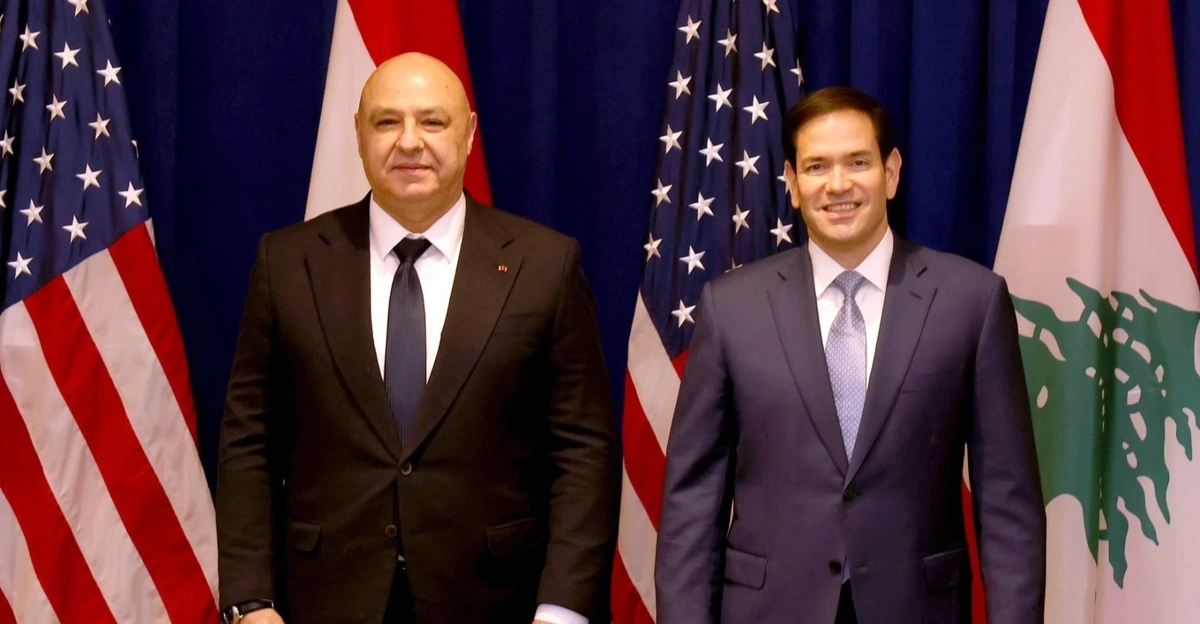
At the same time, an agreement with Israel risks weakening Lebanon's official leadership. The president and government had already sought to disarm the Shiite group, while Hezbollah had long accused them of serving Israeli interests. On June 26, Beirut signed a framework agreement under which Lebanon committed itself to disarming Hezbollah. To many Lebanese, this looks like a concession made under pressure. Yet the concession does not even represent a change in government policy — it merely risks eroding public support for it.
During the negotiations, the two sides agreed on a mechanism for Israel's troop withdrawal. Under the plan, the Israel Defense Forces would gradually pull out of areas that had been cleared of Hezbollah fighters, with the Lebanese Armed Forces taking their place. It remains entirely unclear, however, how long this process will take.
Ahead of another round of Lebanese-Israeli negotiations, held in Rome in mid-July, Beirut emphasized that it expected concrete steps — namely, the beginning of an IDF withdrawal from the occupied areas. Israeli Foreign Minister Gideon Sa'ar said that Israel was prepared to withdraw from two "pilot zones," which would be transferred to the control of the Lebanese Armed Forces. According to Sa'ar, the Rome talks were intended to facilitate that process. On July 20, Lebanese troops entered the first "pilot zone" in the area of the villages of Frun, Srifa, and Zawtar al-Gharbiyeh.
Before resuming financial assistance to Beirut, Lebanon's international partners in the West and the Persian Gulf are demanding reforms, anti-corruption measures, and Hezbollah's disarmament. Playing the long game, the terrorist group may be hoping that Israelis will grow tired of burying their soldiers, while Iran will eventually reach an agreement with the United States, regain access to its frozen assets, and channel part of those funds to Hezbollah — for rearmament, buying loyalty, and possibly rebuilding homes and infrastructure.
At the same time, it is difficult to imagine Israel halting its strikes against Hezbollah in southern Lebanon or withdrawing its troops altogether. There is therefore little reason to believe that the fighting in Lebanon will end in 2027.