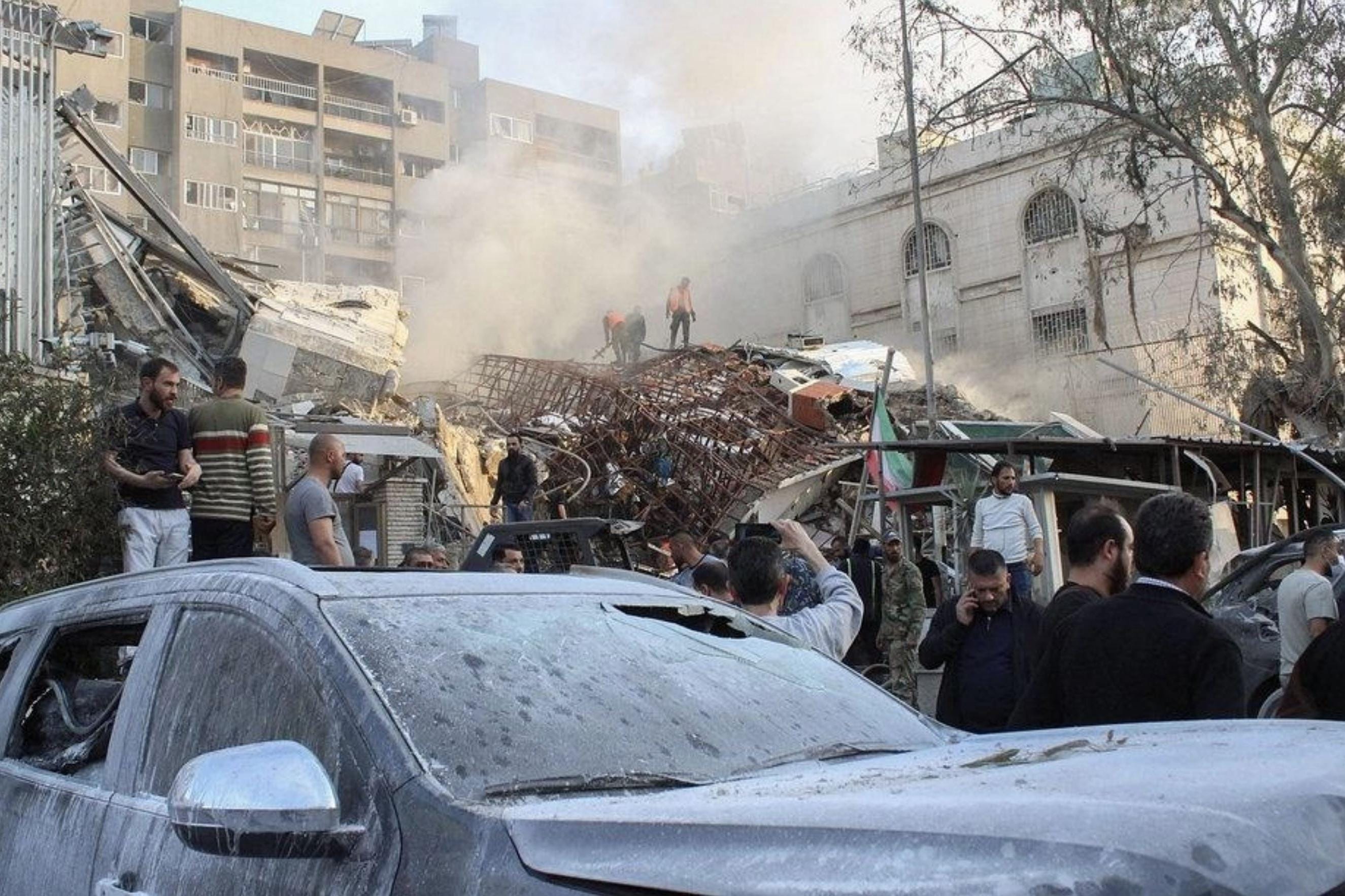
The U.S. war against Iran has brought about a major distortion in the already declining relations between America and the Gulf states. First Washington chose not to warn its regional partners about the operation against Tehran, and then it even began demanding that they cover the costs of conducting the military campaign. Such open disregard is pushing the region’s oil states to seek new allies, a fact that may benefit China, Turkey, and Ukraine.
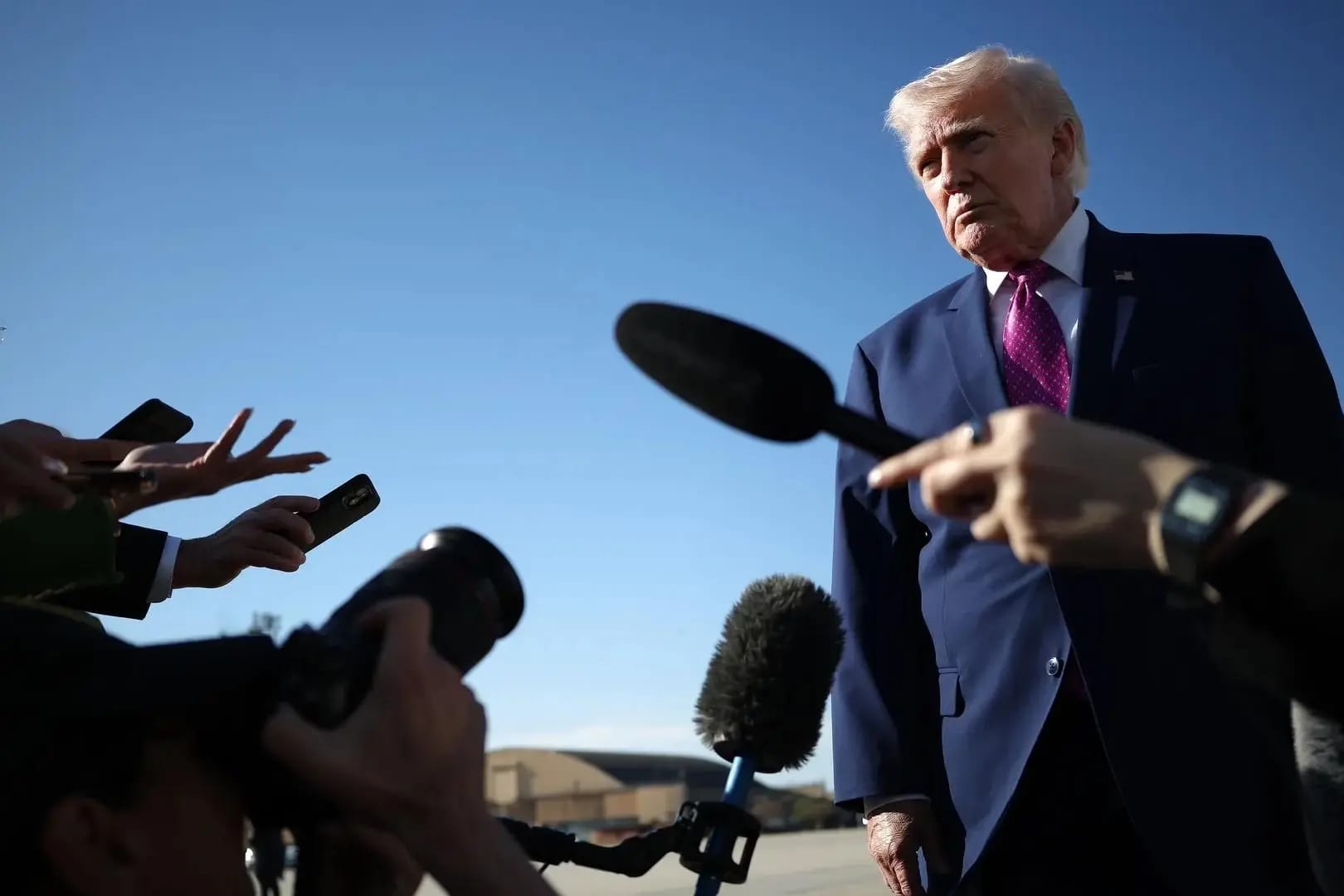
“Saudi Arabia oil supply was attacked. There is reason to believe that we know the culprit, are locked and loaded depending on verification, but are waiting to hear from the Kingdom as to who they believe was the cause of this attack, and under what terms we would proceed!” Donald Trump wrote on Twitter in September 2019 (before it was X). His short message set in motion the dismantling of the network of relations between the United States and the Gulf states — a system that, despite some problems, had been functioning for more than 70 years.
Trump, who by then had served roughly half of his first presidential term, broke a rule that all of his predecessors had strictly followed since the days of Franklin Roosevelt: he began asking what Washington could receive from Riyadh in exchange for its provision of military assistance.
The Carter Doctrine
Since the historic meeting between President Roosevelt and Saudi King Abdulaziz Ibn Saud in February 1945, no consequential figure in America had asked such questions. Back then, the two leaders agreed that Saudi Arabia would ensure uninterrupted oil supplies to the West — first and foremost to the United States, of course — while the Americans, in return, would take responsibility for the security of their new Middle Eastern ally.
By the 1980s, the “oil for security” arrangement, also known as the Carter Doctrine, had become the standard model for U.S. relations with the oil- and gas-rich countries of the Persian Gulf. The concept envisaged active U.S. involvement, including the use of force, to protect its interests in the Middle East — and Washington’s main interest was, of course, the uninterrupted flow of hydrocarbons.
The doctrine worked so well that the U.S. Navy was able to keep the Strait of Hormuz open to shipping even during the Iran–Iraq War of 1980-1988. The Carter Doctrine also played a significant role in the 1991 U.S. intervention in Iraq, as Operation Desert Storm was largely motivated by fears that Baghdad’s occupation of neighboring Kuwait — and a possible further advance by Saddam Hussein’s forces into parts of Saudi Arabia — would lead to an oil shortage.
Overdue response
In 2019, when Saudi Arabia’s critical oil facilities were hit by an unprecedented missile and drone attack, Riyadh had every reason to expect an immediate and powerful U.S. response. In line with the spirit of the doctrine, Washington viewed threats to the oil industry of its Middle Eastern allies as a threat to its own security.
The expected response to the attack would have been American strikes against the Houthis — Iranian proxies in Yemen who were immediately suspected of carrying out the attack — or even against Iran itself. After all, without Tehran’s technologies and weapons, the Houthis would not have been able to pull off such a large-scale operation — as a result of the attack, global oil production fell by as much as 5% for several months.
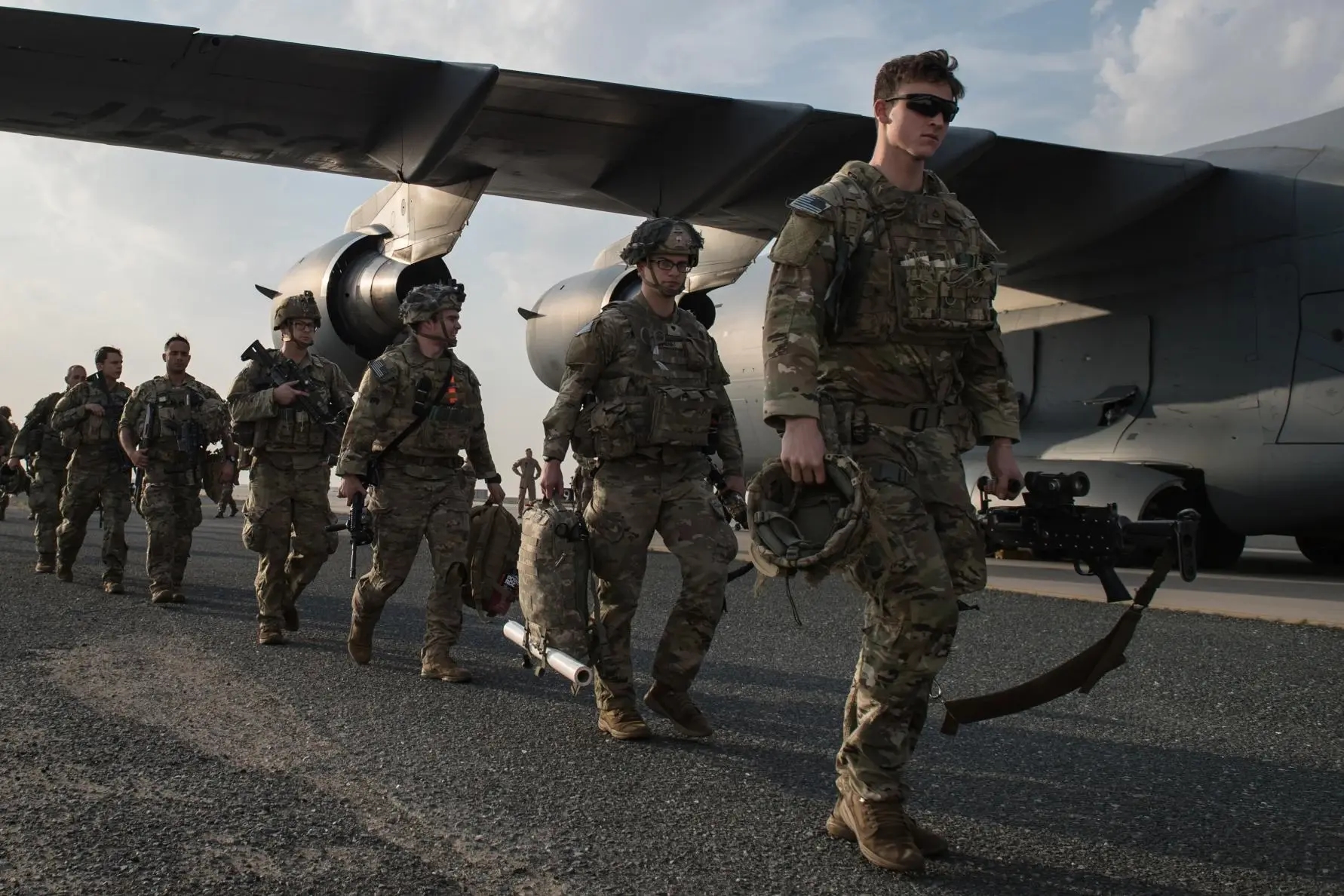
Instead, Trump asked the Saudis what they could offer him in exchange for U.S. intervention. Later, the United States did send additional radars to the Persian Gulf and increased its troop presence there, but this response was delayed and far less powerful than Riyadh had expected. Observers even began speaking of the demise of the Carter Doctrine — in other words, the breakdown of Washington’s model of interaction with its Middle Eastern allies.
These were not just empty words. Without rupturing their alliance with the United States, Middle Eastern countries focused on building up their capacity for self-defense, albeit without overly jeopardizing relations with Washington, as Saudi Arabia, Kuwait, and several other Gulf states are critically dependent on the United States for the maintenance and repair of their air defense systems, aircraft, and armored vehicles, since practically their entire stock of weapons is produced in America.
Saudi Arabia and Kuwait are critically dependent on the U.S. for the maintenance and repair of their American-made air defense systems, aircraft, and armored vehicles
Probably the most notable of these “additional” alliances is the Saudi–Pakistani partnership. In September 2025, the two states signed a Strategic Mutual Defense Treaty. Its full text has never been published, but it is known that under its auspices several thousand Pakistani troops are permanently stationed in Saudi Arabia. Their official objective is to train Saudi soldiers and integrate the two national military command-and-control systems.
Furthermore, an attack on either country of the alliance would be considered an attack on both, requiring an immediate response from the other ally. In other words, Saudi Arabia has come under the nuclear “umbrella” of Pakistan, which has officially maintained a nuclear arsenal since the 1990s, along with a significant fleet of delivery systems.
In the meantime, without much publicity, Saudi Arabia and other Gulf states have been forging new security alliances with a range of other states, most notably Turkey and China. This effort noticeably accelerated after the U.S. attack on Iran, a move all the more disruptive due to the fact that Washington decided not to announce it in advance to any of its regional allies, leaving them exceptionally vulnerable to Iranian counterattacks.
Alliances with China: from human shield to cloud services
After the outbreak of hostilities, China presented its Arab partners with a reliable option for the vital transport of oil through the Strait of Hormuz, which had been blocked by Iran. Beijing reached a behind-the-scenes agreement with Tehran that tankers with Chinese crews, along with those carrying oil to China, would be provided with a green corridor, through which China is known to be receiving Iraqi and Saudi oil.
Kuwait, meanwhile, went as far as to use Chinese citizens as a human shield against Iranian attacks. In March, the authorities in Kuwait City requested emergency assistance from Chinese companies to complete the construction of a port in the Persian Gulf. Officially, of course, Kuwait does not acknowledge that inviting Chinese nationals is a security measure, but it remains the most plausible explanation for its sudden desire to urgently complete a port that is not scheduled for completion until the mid-2030s.
Saudi Arabia and the UAE supported China’s peace plan despite the fact that it clearly contradicts Trump’s goals. Beijing calls for respect of Iran’s sovereignty and an end to forcible regime change attempts, and also urges active involvement of the United Nations in resolving the region’s problems. The latter is essentially a diplomatically phrased call to strip the United States of its status as the main enforcer in the Middle East.
The last item of the Chinese peace plan is a diplomatically phrased call to strip the U. S. of its status as the main enforcer in the Middle East
In some sectors, Washington is already beginning to lose its position as the region’s go-to partner. By the end of 2026, trade turnover between the Gulf countries and China is expected to exceed that with the United States and the European Union combined. Despite its role as the dominant currency for energy supply settlements, the dollar is facing increasing competition from Arab currencies and the yuan. And China is demonstrating readiness for increasingly deep cooperation.
The U.S. cannot be happy about these trends. Even more infuriating for Washington is the increasingly close technical cooperation between Arab states and Beijing. Following Iranian missile and drone strikes on American data centers in the UAE and Bahrain, China began promoting its capacities as a safer, more reliable alternative. The Chinese corporation Huawei, which is under U.S. sanctions, has even started using the phrase “regional disruptions” in advertising its cloud services, pointing out that its infrastructure is unaffected by such disruptions.
Huawei, which Washington regards almost as a high-tech arm of Chinese military intelligence, has affected American relations with its Arab partners on several occasions. In 2021, negotiations on the supply of American F-35 fighter jets to the UAE were frozen due to Abu Dhabi’s reluctance to abandon cooperation with the Chinese corporation, which had secured a contract to build mobile phone networks in the UAE. Then, in 2025, negotiations on the supply of F-35s to Saudi Arabia stalled for the same reason. The Americans fear that a Huawei mobile network covering the territory of both Gulf states could be used to identify and steal sensitive technologies used in the production of the aircraft.
Nevertheless, against the backdrop of the war in Iran, several Arab states are expanding their cooperation with Huawei. In addition, for several years Saudi Arabia has been purchasing Chinese laser air-defense systems, and the U.S. ban on selling strike drones to the Middle East has led several Gulf states to acquire Chinese alternatives instead.
The unexpected war has also accelerated the integration of Chinese AI solutions within Arab states’ armed forces for use in analyzing battlefield conditions and processing intelligence data. This trend undermines the Trump administration’s efforts to promote American AI for military and dual-use applications.
The Americans are trying to counter the evident tilt of its Middle Eastern partners toward China by offering F-35s in exchange for the abandonment of cooperation with Huawei.
It has been argued that China could begin supplying Iran with modern radar systems and man-portable air-defense systems, and American officials caution that such a move would trigger harsh sanctions against Beijing. “China is going to have big problems,” Trump promised — and in his formulation, such threats usually translate into new financial sanctions against both the source of concern and its active trading partners. It would be reasonable to assume that one of the first targets of Trump’s sanctions strike would be the electronic platform mBridge, where Middle Eastern oil is traded in yuan.
Turkey: drones and intelligence
The war has also given a new impetus to cooperation between Arab countries and Turkey, which boasts one of the largest armies in the region, a powerful defense industry, and breakthrough unmanned aviation technologies.
Military-technical cooperation with Turkey can allow Gulf states to close the security gaps revealed by the war against Iran by adding a Turkish drone component to their American-made air-defense networks. Moreover, they would gain the ability to compare limited intelligence data provided by the United States with information coming from Ankara. In addition, with Turkish assistance, Gulf countries would establish their own production lines of drone and missile interception systems.
Several years before the start of the current war, Saudi Arabia signed a $3 billion contract to purchase Turkish Bayraktar drones. Last year, several additional contracts with companies producing weapons and military vehicles were added to this agreement.
Just before the bombing campaign against Iran began on Feb. 28, it was revealed that the Saudis are among the investors in the development of the Turkish KAAN fighter jet. Since the beginning of the conflict, the Turkish Ministry of Foreign Affairs has intensified its cooperation with Gulf states, both as a diplomatic mediator and as an arms exporter. Several other Middle Eastern countries are considering Ankara’s offering of the “Steel Dome” integrated air-defense system, which is being marketed as a more affordable alternative to the American Patriot system.
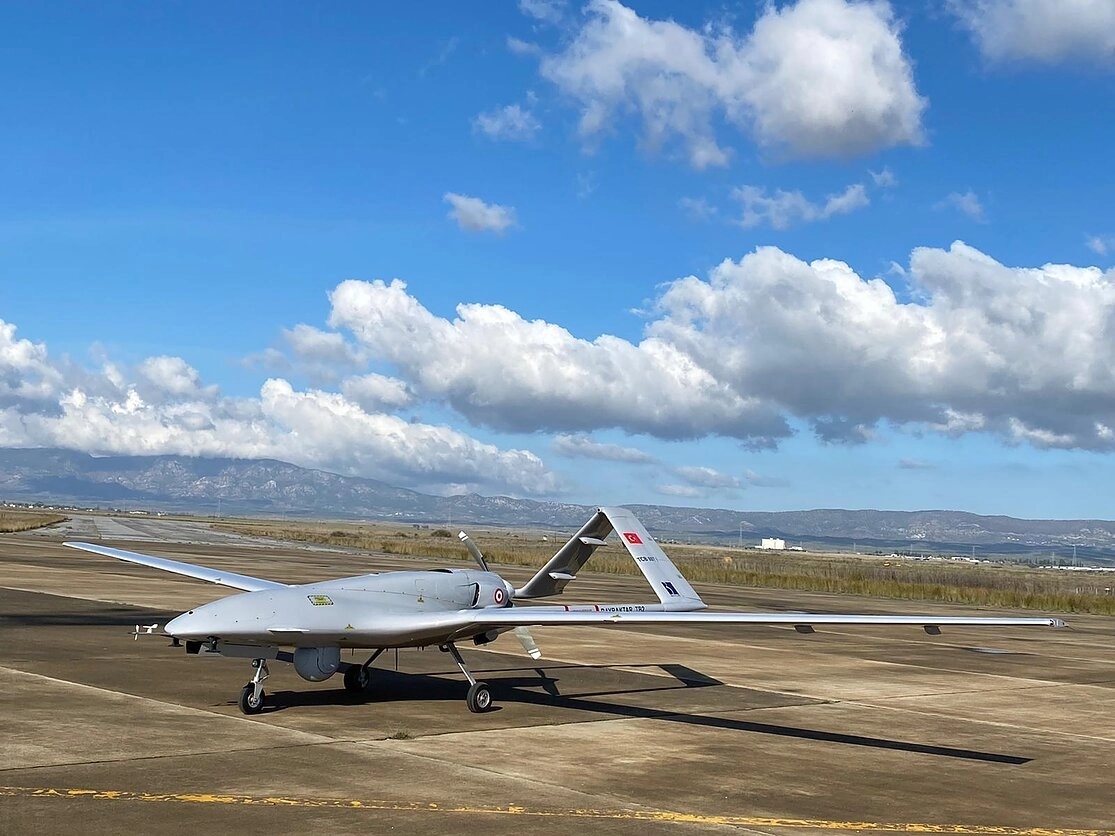
The growing rapprochement between Washington’s partners and Turkey is unlikely to please the Americans, as Ankara is effectively challenging the U.S. monopoly as the protector of the Persian Gulf states. However, Washington is unlikely to react by threatening “problems” or hinting at sanctions, as it did with China. After all, NATO member Turkey is a long-standing and reliable ally.
Indeed, the parties have every chance of reaching an amicable agreement: Turkey could undertake not to supply the Gulf with intelligence data that could pose a threat to the United States’ own security, and in return, America could agree not to obstruct the Gulf states’ purchase of Turkish radar systems and drones.
Ukraine: trading weapons for investment
Drones will also flow to the Middle East from Ukraine. Arab states are particularly interested in interceptor UAVs capable of destroying heavy kamikaze drones such as Shahed — actively used by both Russia and Iran.
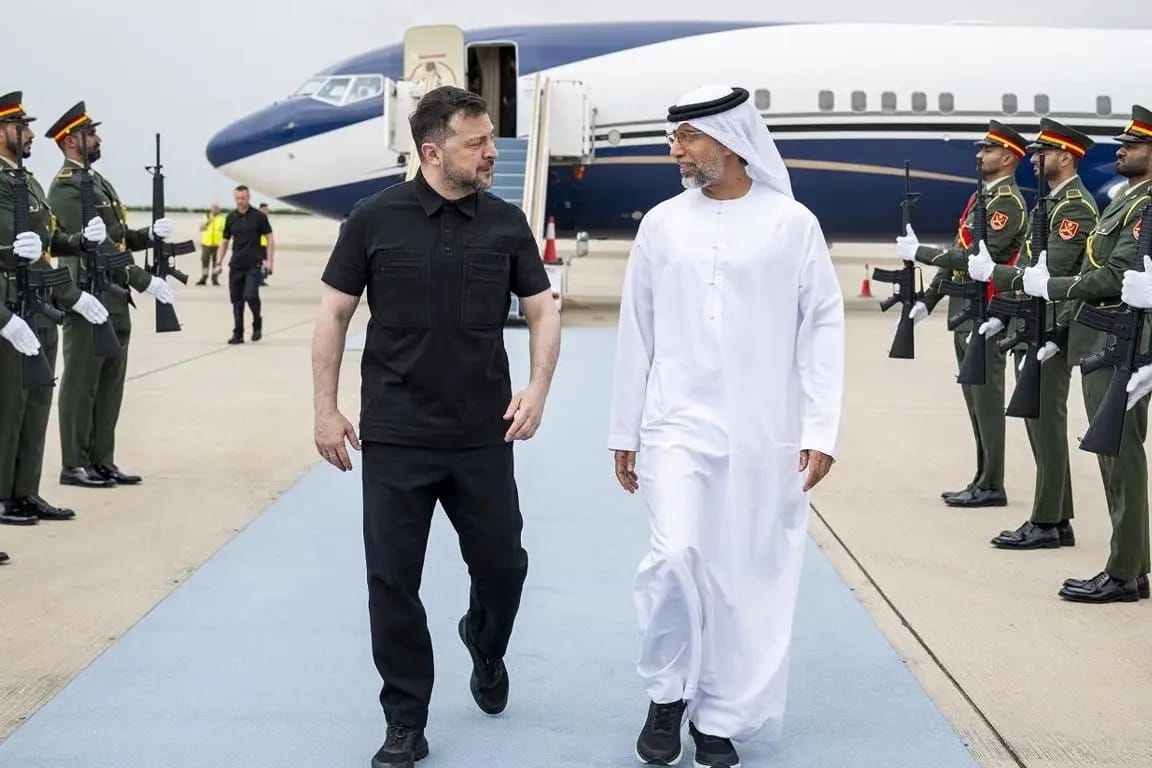
Ukraine has already reached strategic partnership agreements with the UAE, Saudi Arabia, and Qatar to support the production of drones and other military equipment in exchange for investment. This cooperation is clearly not to the liking of the Trump administration, since Ukraine is acting as an independent player and securing additional sources of funding, making Kyiv less vulnerable to pressure from Washington.
In fact, Trump has gradually stripped himself of leverage over Ukraine all on his own. When Kyiv signed the “defense pact” with Gulf states, Ukraine had already been left without direct financial, military, and even diplomatic support from Washington, which had effectively sided with the Kremlin. As a result, the U.S. no longer has any real mechanisms at its disposal to prevent Zelensky from pursuing an independent Middle Eastern policy.
The United States no longer has any real mechanisms to prevent Kyiv from pursuing an independent Middle Eastern policy
Arab states are all the more inclined to increase their cooperation with Ukraine given that Russia has clearly supported Iran in this war. While making loud statements about its readiness to deepen security cooperation with the Arab world, Moscow is maintaining demonstratively warm relations with the very regime responsible for shelling Doha, Riyadh, and other regional centers.
The issue at hand could have other dimensions as well. Iran is reportedly using Russian intelligence data when selecting targets. So far, this concerns only American and Israeli objects “highlighted” by Russians for Iranian missiles. But the satellites that transmit the coordinates of U.S. Navy ships or Israeli military bases to the Iranians could in theory also be used to guide strikes against military or civilian infrastructure in Arab countries.
In addition, Iran — which for several years supplied strike drones for Russia’s daily attacks on Ukrainian cities — is now itself importing Russian drones, according to Western intelligence reports. Meanwhile, the only country in the world with real experience in countering these kamikaze UAVs is Ukraine, one of the key factors behind Kyiv’s growing rapprochement with the Gulf states.
South Korea and India
The war in Iran, which Trump likely hoped would be a brilliant, lightning-fast operation to achieve regime change, has already resulted in the United States losing part of its influence in a region that Americans had long regarded almost as their own backyard. Now even South Korea has committed to supplying the UAE with tens of billions of dollars’ worth of weapons and military vehicles — in addition to the localization of production of its missile systems, air-defense systems, and radars in the UAE and Saudi Arabia as part of an agreement reached prior to the current war. Additionally, France has increased its military presence in the region and may also be prepared to offer its own weapons systems to interested Gulf states.
India, too, is unlikely to remain idle as its adversary Pakistan gains new allies and increases its geopolitical weight. And Israel, with its advanced air-defense systems and highly sophisticated data analysis capabilities, is also becoming an increasingly attractive security partner for Arab states — even those that are yet to recognize the Jewish state.
In short, without realizing it, when Trump launched his war against Iran, he set in motion a cascade of events that will significantly weaken American influence in the Middle East.