Over the past 10 years, right-wing populist politicians have experienced an unprecedented surge in support. After the start of Donald Trump’s second term many believed the American president’s drive to spread the MAGA ideology worldwide would only see this trend intensify. However, as it turned out, instead of a “soft power” effect, the example emanating from the White House became unusually toxic, and pro-Trump candidates began suffering crushing electoral defeats in Hungary, Romania, Denmark, Canada, and Australia. This effect is also visible in the United States itself, where Trump’s approval rating has fallen below 40%.
Canada, April 2025
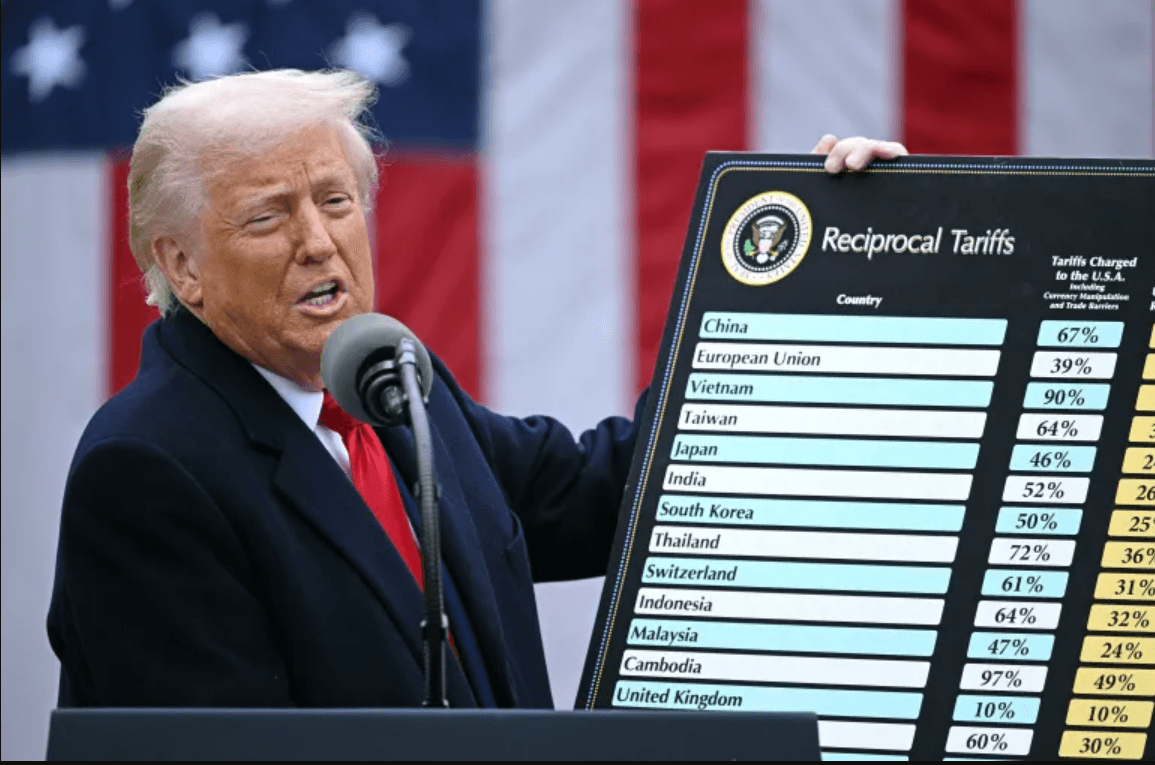
A few months before Canada’s parliamentary elections, the Liberal Party was trailing the Conservatives by 20 percentage points. Virtually no one doubted what the result of the April 2025 vote would be. However, at the very start of his second term that January, Donald Trump launched an attack on Canada’s sovereignty, repeatedly suggesting that the vast country of 41.5 million should become America’s 51st state. Trump imposed 25% tariffs and threatened annexation.
Against this backdrop, Conservative Party leader Pierre Poilievre, whom the media had dubbed “the Canadian Trump,” saw his campaign falter. The similarities were real — Poilievre frequently criticized the media and proposed ending funding for public broadcasting. He promoted conspiracy theories claiming that Prime Minister Justin Trudeau was involved in a plot with the World Economic Forum, and he presented himself as a defender of “ordinary people” against the elites.
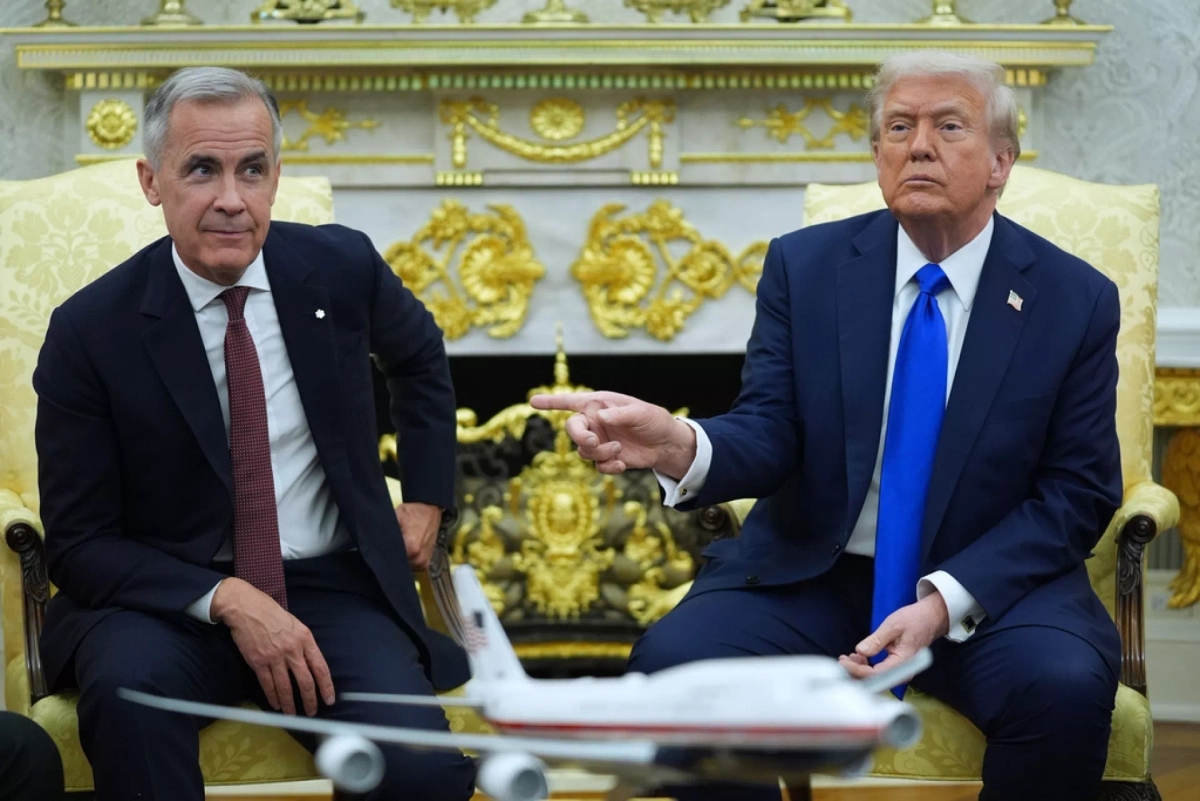
Liberal Party leader Mark Carney built his entire election campaign around confronting Trump, speaking about the man in the White House nearly as often as he brought up his Conservative rival.
In the end, the Trump factor proved decisive in the election. Although both candidates criticized the U.S. president, the Liberal Party’s commitment to maintaining Canada’s independence — both figuratively and literally — helped the incumbents secure victory in a fourth consecutive election. The Liberal Party won 168 seats in parliament. The Conservatives took 144. All other parties combined received 30.
“The United States wants our land, our resources, our water, our country. That will never happen!” Carney declared after the election victory.
A year later, Carney further strengthened his position via by-elections in three regions, after which his party held 174 seats. The Liberals can now pass legislation unimpeded by the opposition until 2029.
Australia, May 2025
Australia’s election followed a strikingly similar script to Canada’s. The two main contenders were incumbent Prime Minister Anthony Albanese and opposition populist Peter Dutton, who to a significant extent was imitating the U.S. president.
Dutton entered politics from the business world, naming his party Trumpet of Patriots (with the first five letters clearly intended to be capitalized). During the campaign, the candidate promised to make Australia great again while speaking out against migrants, LGBTQ+ people, and, more broadly, policies of diversity, equity, and inclusion (DEI).
Dutton named his party Trumpet of Patriots and promised to make Australia great again
All of this, for a time, boosted his political standing. Polls conducted three months before the election predicted that Dutton was destined for the prime minister’s office. However, as in Canada, everything was turned upside down with the start of the tariff wars, and the question of whether the new leader would be able to stand up to Trump became the key issue of the campaign. In the end, despite Dutton’s attempts to distance himself from enthusiasm for Trump’s ideas, Australian voters preferred incumbent Prime Minister Anthony Albanese and the Australian Labor Party he leads.
Romania, May 2025
In Romania’s 2025 presidential election, the contenders were Bucharest mayor Nicușor Dan and nationalist George Simion, who presented himself as part of the global MAGA camp.
It was the second attempt to hold the election after the results of the first round in 2024 were annulled by Romania’s Constitutional Court over suspicions of Russian interference through the creation of a bot network on TikTok. At that time, far-right populist Călin Georgescu had led after the first round. U.S. Vice President J. D. Vance, in his speech at the 2025 Munich Security Conference, criticized the Romanian court’s decision, giving an additional boost to the right-wing camp in Romanian politics.
Simion said that he “fully agrees with the MAGA ideology,” opposes LGBTQ+ rights and climate policy, and also spoke in favor of the “unification” of Romania with Moldova. Speaking on the War Room podcast hosted by former Trump adviser Steve Bannon, the Romanian populist sent greetings to “all our MAGA friends” and portrayed his campaign as part of a global anti-globalist movement.
Simion sent greetings to “all our MAGA friends”
In addition, Simion called for an end to financial and military support for Ukraine and criticized the European Union. Even after the Trump administration introduced new tariffs — which negatively affected Romania — Simion endorsed the move, calling it a “predictable response to the reckless decisions of the European Union.” Although Donald Trump never directly declared support for Simion, this kind of anti-European rhetoric was clearly advantageous to his administration, which has sought to portray the EU as a weak and useless alliance.
However, Simion was defeated at the ballot box. Nicușor Dan won 53.7% at the polls, and the gap between the two candidates was nearly one million votes.
Denmark, March 2026
There were no candidates in Denmark’s parliamentary election who were closely aligned with Trump. Nevertheless, the vote took place against the backdrop of the American president’s renewed threats at the start of 2026 to seize Greenland, which led to rising support for incumbent Prime Minister Mette Frederiksen and her Social Democrats, whose support rose overnight from 16% to 21%. Frederiksen decided to seize the opportunity and call an election several months early.
Clashes with Trump lifted support for the party led by Prime Minister Mette Frederiksen from 16% to 21% overnight
In the end, the Social Democrats won 21.9% of the vote. It was the party’s worst result since 1903, but it proved enough to form a coalition (the center-left bloc secured 84 of 179 seats) and keep Frederiksen in office as prime minister.
Hungary, April 2026
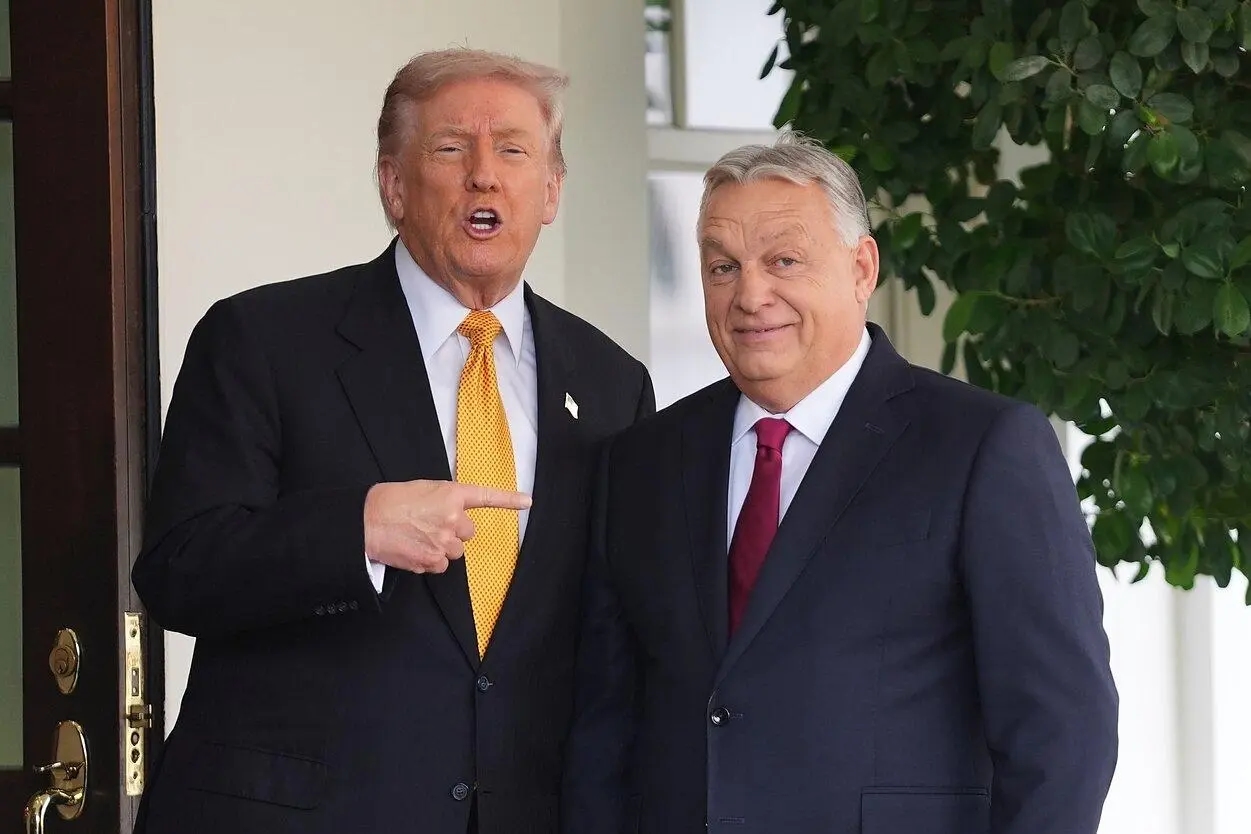
The defeat of Viktor Orbán in Hungary’s election was perhaps the most painful setback for the MAGA movement, as Trump had directly declared his support for Orbán several times. Just days before the vote, Vice President J. D. Vance traveled to Budapest specifically to back Orbán, speaking at a rally of his supporters. Before his speech, Vance called Trump, who said he was “a big fan of Viktor” and fully supported him.
In addition, two days before the election, Trump promised to “use the full economic might of the United States” to help the Hungarian economy — provided that Orbán won.
Such direct interference did not help the incumbent, who had been in power since 2010. On the contrary, it sharpened the choice between a European future and continued isolation — after all, Vance explicitly criticized “Brussels bureaucrats” in his speech. This led to record turnout that saw the opposition Tisza Party of Péter Magyar win 138 out of 199 seats in parliament.
The defeat was painful for Trump in part because Orbán had been an important figure for shaping the global MAGA agenda, a kind of model for Europe’s right-wing leaders. In addition, the Trump White House benefited from Orbán’s frequent conflicts with the European Union and from the possibility of using Hungary’s veto power in votes to divide and weaken Europe.
New York, November 2025
In addition to foreign elections, Trump has also tried to influence domestic voters. His confrontation with New York City mayoral candidate Zohran Mamdani became especially intense.
Ahead of the election, the U.S. president backed Andrew Cuomo, who was running as an independent candidate. Trump took to Truth Social, openly urging voters to support Cuomo. He called Mamdani a “communist,” questioned his citizenship, and hinted at his possible looming arrest. In addition, he threatened to cut federal funding for the city if Mamdani won.
Trump called Mamdani a “communist” and questioned his citizenship
“Whether you personally like Andrew Cuomo or not, you really have no choice. You must vote for him,” Trump wrote on his social media platform, adding that if Mamdani won, New York would experience a complete economic and social collapse.
In the end, Mamdani won 50.4% of the vote against 41.6% for Cuomo. Commenting on the result, Trump said that it had happened only because he himself was not on the ballot.
Scary disapproval ratings
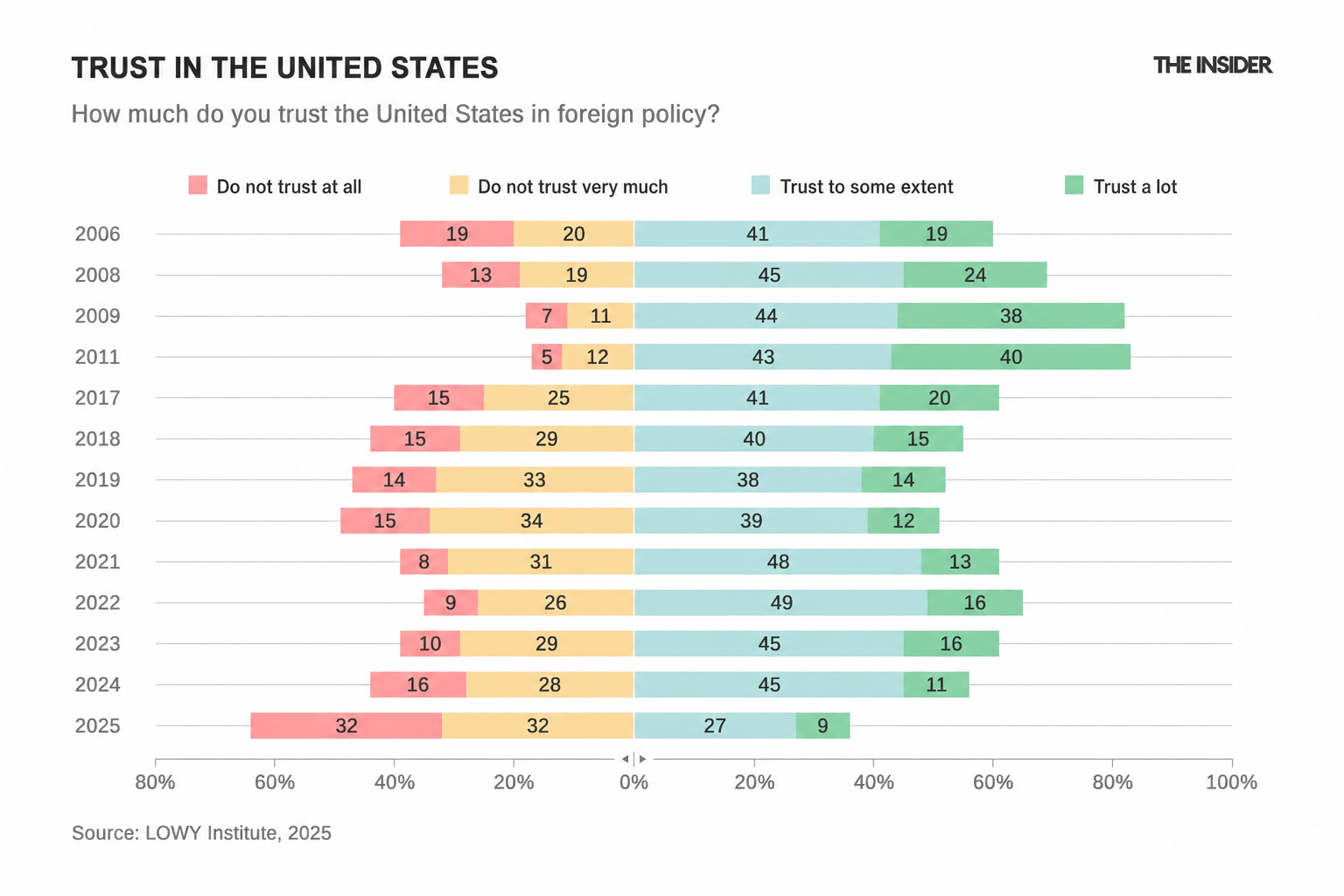
The United States has always been an important ally of Australia and Canada, with trust levels remaining high even during Trump’s first term. However, in 2025 this changed dramatically. According to a poll conducted in March 2025 by the Lowy Institute, the share of Australians who trusted the United States to act responsibly in the world fell to 36% — a full 20 percentage points lower than in 2024 and the lowest level in the past 20 years.
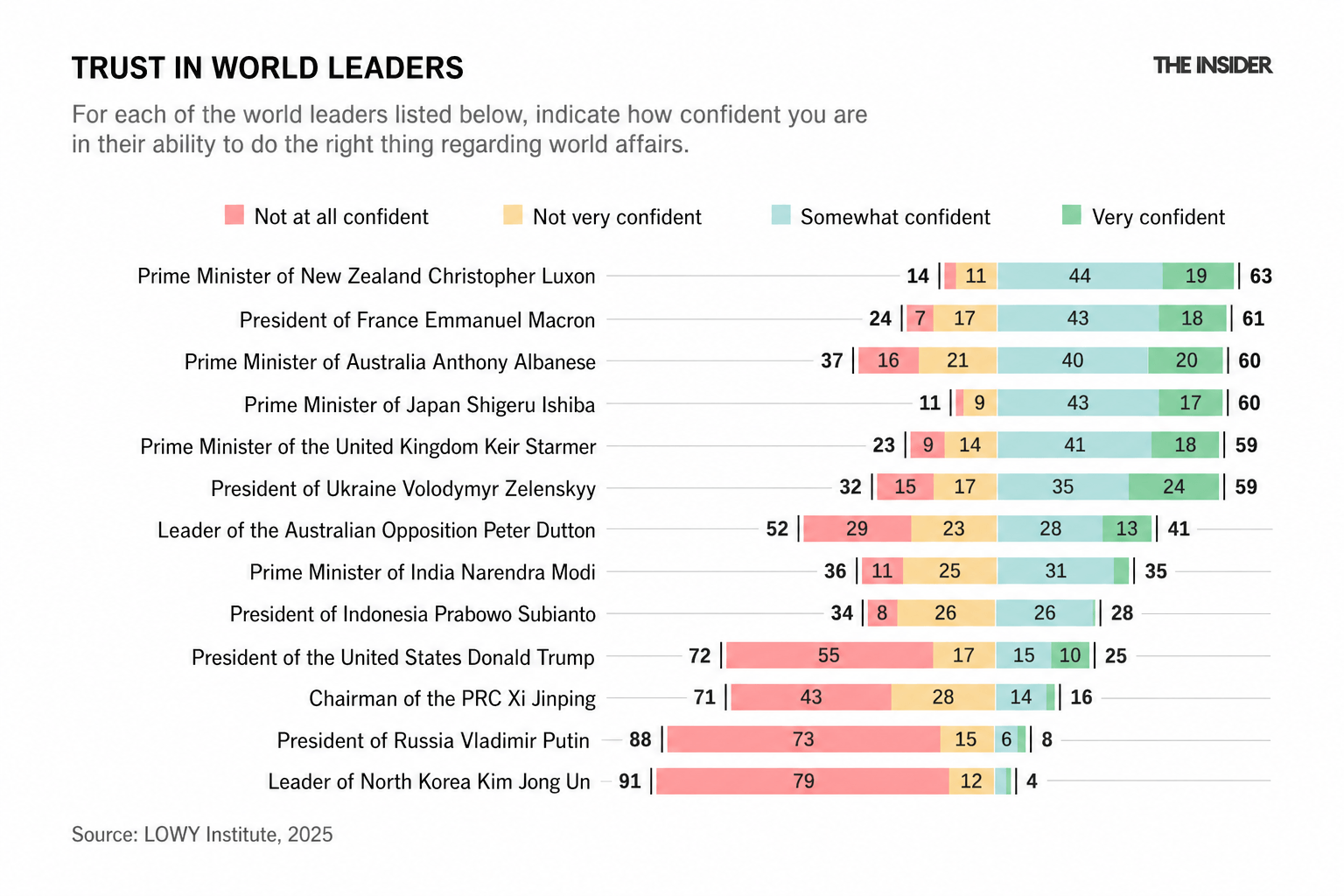
At the same time, Trump was also setting personal records for low trust levels among Australians. In March, 72% of respondents said they were not confident in his ability to do the right thing on major global issues, placing him at roughly the same level as Xi Jinping (though still comfortably better than Vladimir Putin).
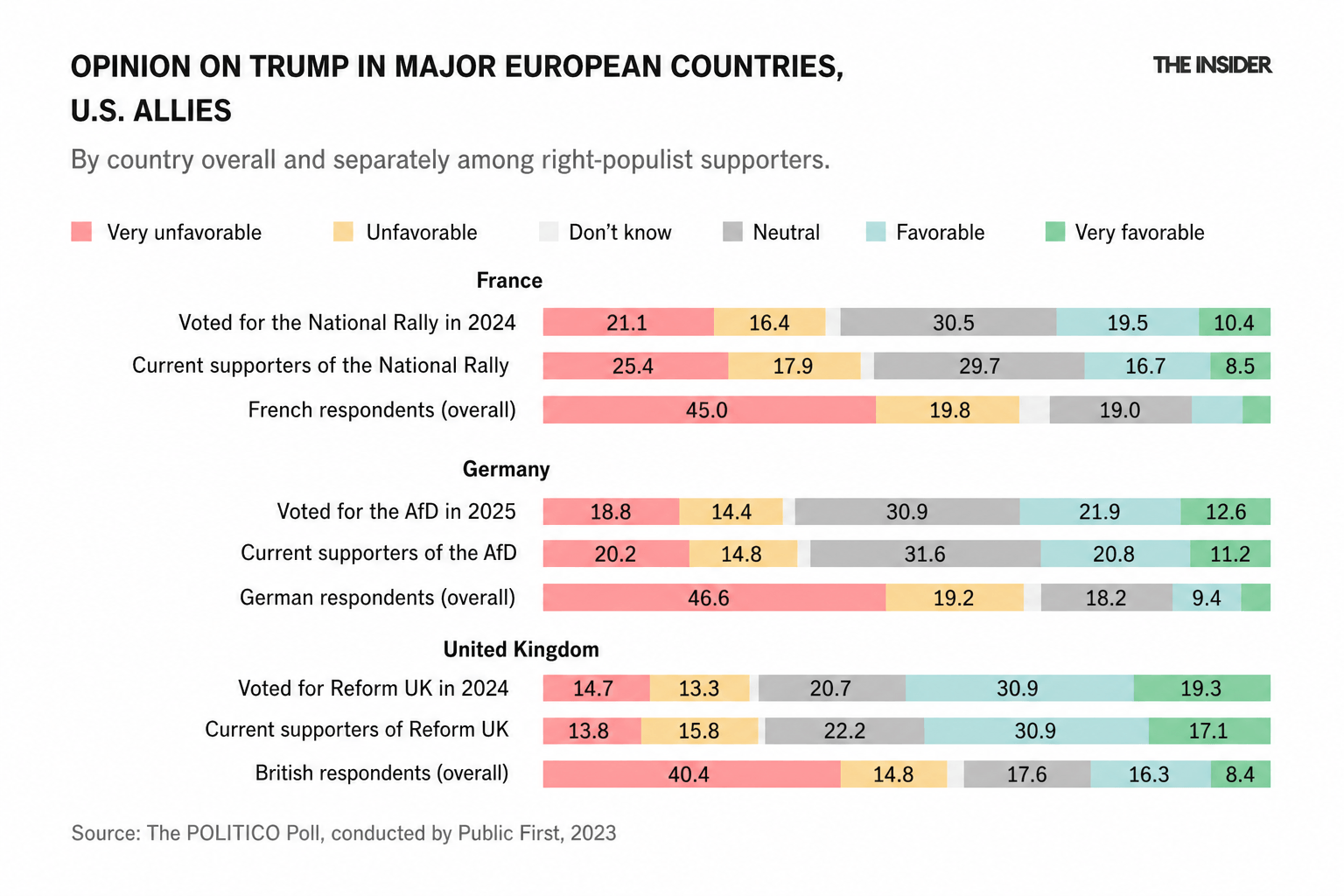
A Politico poll conducted at the end of 2025 showed that the American president was unpopular in Europe even among supporters of the same right-wing populist parties that he considers to be his allies. In France and Germany, only one-third of supporters of right-wing parties viewed Trump’s performance positively.
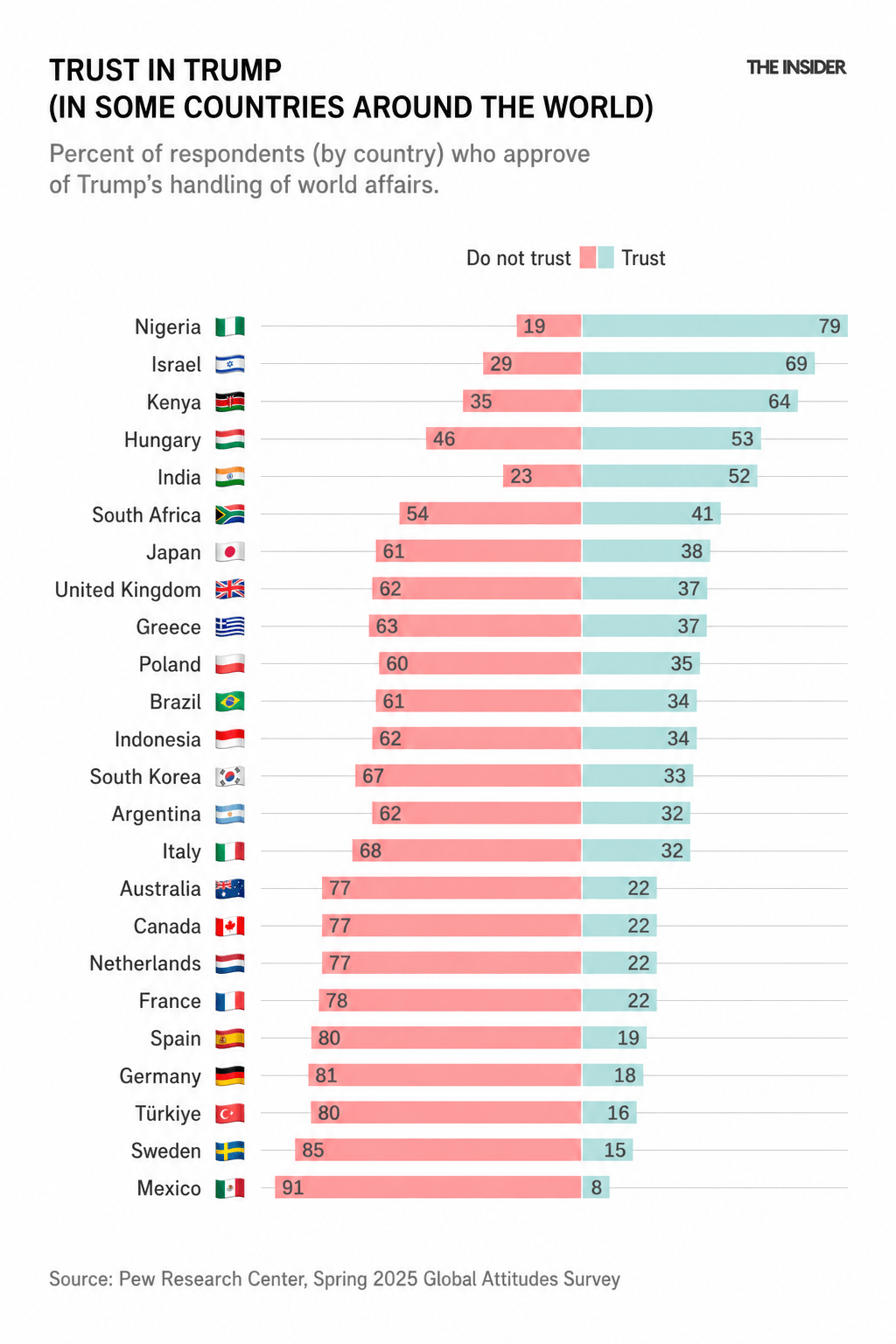
With rare exceptions, Trump’s numbers were poor elsewhere as well. A survey conducted by The Guardian in spring 2025 found low levels of confidence in Trump’s foreign policy among Canadians, Argentines, Brazilians, Mexicans, and a wide range of Europeans.
Different outcomes
Despite the numerous cases recounted above, Trump’s endorsement of a candidate is not always a “kiss of death.” In countries where society traditionally supports conservative ideas — and where Trump’s chaotic foreign policy does not seriously affect national interests — the prospect of closer ties with such a powerful ally as the United States can still work to a candidate’s advantage.
In June 2025, conservative Karol Nawrocki won the second round of Poland’s presidential election after officials in Washington had urged voters to support him. A month before the election, Trump hosted Nawrocki at the White House, and a week before the vote then-Homeland Security Secretary Kristi Noem visited Poland to stump for the conservative candidate.
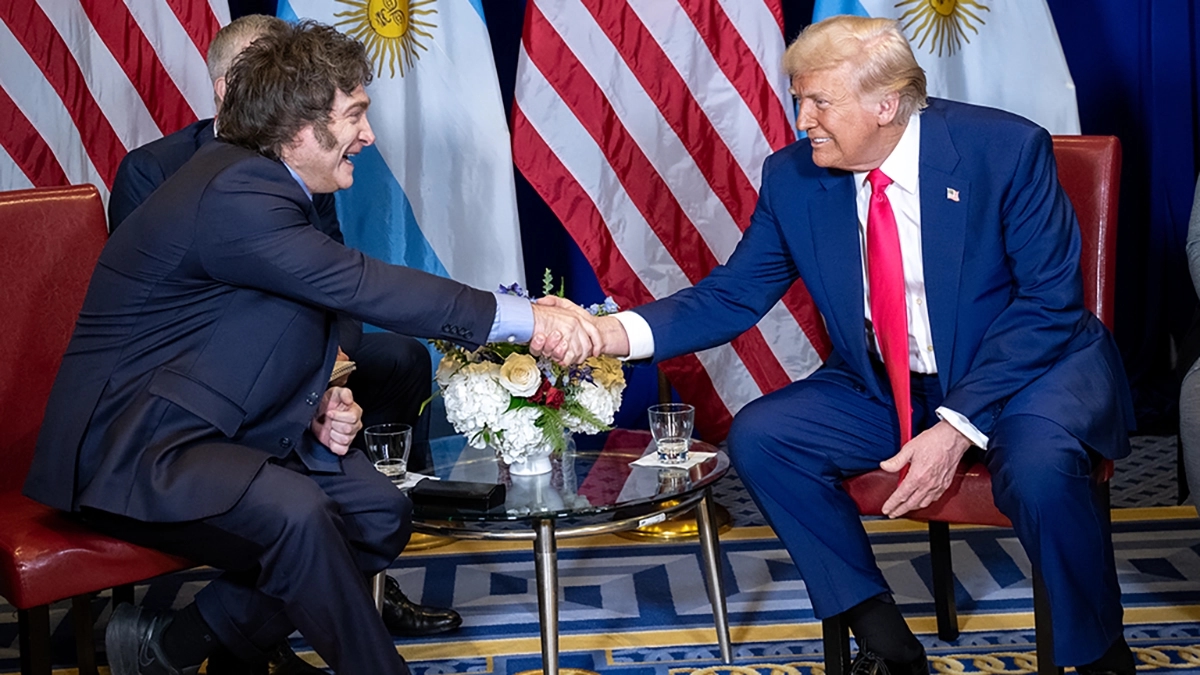
In October 2025, Trump actively backed Argentina’s incumbent leader Javier Milei ahead of parliamentary elections. During a meeting, Trump called the Argentine president a supporter of MAGA (an abbreviation that also works for Argentina). He also hinted that the United States would halt $20 billion in financial assistance if Milei’s party failed to win a majority.
“If he loses, we are not going to be generous with Argentina,” Trump said openly. In the end, Milei’s La Libertad Avanza won with 39% of the vote.
In December 2025, conservative Honduran presidential candidate Nasry Asfura also won with Trump’s backing. Several days before the vote, Trump said that Asfura was the only Honduran candidate with whom the U.S. administration was prepared to work.
In February 2026, Trump also publicly endorsed Japanese prime minister Sanae Takaichi ahead of parliamentary elections, calling her a “strong, influential, and wise leader.” He expressed full support for her Liberal Democratic party, which won 316 of 465 seats in the lower house.
America can wait
One of the central ideas of the MAGA movement is “America First.” Under this slogan, Trump imposes trade tariffs and repeatedly promises “great deals” and a “golden age” for the United States. However, such priorities can clearly be a liability when it comes to building an alliance of right-wing politicians around the world. Nationalists, whom Trump often chooses as his allies, find it difficult to publicly befriend someone who threatens their country with higher tariffs or uses economic aid as leverage.
As a result, voters often conclude that they do not care to vote for a Trump-like candidate, but rather for a prospective national leader who is prepared to stand up to him — even if that person is also a populist, albeit of the left-wing variety.
Whether more foreign politicians will distance themselves from Trump in the future will depend on national interests. In countries where U.S. interference in domestic politics is a sensitive issue (as in Europe), an alliance with Trump will clearly be a liability. Nevertheless, where economic or military partnership with the United States is more of an asset (as in Honduras), Trump’s backing may become the key to victory.