Against the backdrop of tightening migration policies around the world, Spain has taken an unprecedented step – legalizing undocumented migrants already in the country and continuing its open-door policy. The decision has revived debates over the "great replacement," a conspiracy theory claiming that elites aim to replace the native population with a cheaper and more compliant workforce. Yet for many countries, scholars acknowledge, support for migration is a necessity born of a demographic crisis whose roots stretch back to the Industrial Revolution. Attempts to ignore it lead to population decline and economic slowdown.
Against the backdrop of tightening migration policies around the world, Spain has taken an unprecedented step – legalizing undocumented migrants already in the country and continuing its open-door policy. The decision has revived debates over the "great replacement," a conspiracy theory claiming that elites aim to replace the native population with a cheaper and more compliant workforce. Yet for many countries, scholars acknowledge, support for migration is a necessity born of a demographic crisis whose roots stretch back to the Industrial Revolution. Attempts to ignore it lead to population decline and economic slowdown.
Direct democracy
In January 2026, the Spanish government approved a program to legalize undocumented – that is, in effect, illegal – migrants who have lived in the country for more than five months and have no criminal record. The program is expected to affect between 500,000 and 800,000 people. They will be granted one-year residence permits with the option of renewal, provided that they have legal employment.
The measure had been debated in the country since 2021, when a so-called "popular legislative initiative" emerged. In Spain, this is a process in which bills are drafted not by lawmakers but by citizens and the broader public. For parliament to consider such an initiative, at least 500,000 signatures must be collected. That is what happened in April 2024, when more than 700,000 people backed the migrant legalization program. More than 900 NGOs, trade unions, businesses, and even the Catholic Church joined the campaign.
The bill was stalled in parliament, however, as the ruling Socialist Party feared losing voter support if it backed the measure. A solution was found only in 2026, when the migrant legalization plan was issued in the form of a royal decree, which does not require parliamentary ratification.
The great replacement
In January 2026, speaking at a rally in Zaragoza, Irene Montero, Member of the European Parliament from Spain’s left-wing Podemos party, said that she "would like the replacement theory to be true" because it "would be possible to replace fascists and racists with migrants and workers."
The great replacement theory is a far-right conspiracy theory built around the claim that elites seek to replace the white population of Western countries with more hardworking migrants who lack civil rights. The theory became especially popular amid the rise in populist anti-immigrant rhetoric that has swept the Western world over the past decade. Among prominent figures who have hinted at its validity are Elon Musk, Charlie Kirk, Tucker Carlson, Giorgia Meloni, and Viktor Orbán. Montero’s statement immediately provoked a reaction from adherents of the theory, who argued that Podemos had admitted that bringing about the great replacement was in fact its goal.
Similar stories, incidentally, were spread by the Le Pen family about the French Socialists as early as the 1990s. In reality, of course, migrants legalized under the Spanish decree will not be able to obtain citizenship for at least ten years, and, as The Insider has previously written, it is far from certain that, once they become citizens, they will support left-wing parties and pro-migration policies.
At the same time, in some regions of Spain, native-born residents are indeed becoming a minority. Throughout the 21st century, the country has actively received migrants. The number of foreigners living in Spain has risen from fewer than 1 million people (or about 2 percent of the population) in 2000 to nearly 10 million (or almost 20 percent) in 2026.
The number of foreigners living in Spain has risen from 2 percent of the population in 2000 to nearly 20 percent in 2026
The largest diaspora is Moroccan, numbering more than one million. However, the biggest migration flow today – nearly half of the total – comes from countries in Latin America which, like Morocco, were once colonies of Spain.
Spain is also popular among European retirees and remote workers from wealthier countries – Britons, French, Germans, Dutch, and Belgians, and other Europeans. They account for roughly one million people in migration statistics.
Another million are labor migrants from Romania and Bulgaria, which joined the European Union in 2007. Finally, an increasingly visible group consists of migrants from Ukraine, Russia, and Belarus fleeing war and repression – they now number more than half a million.
In such a situation, speaking of the replacement of the white race seems especially strange, since it means ignoring the fact that the main migrant flow comes either from European countries or from Latin American countries that were historically settled by Europeans and remain culturally close to Spain.
Demographic transition
Responding to criticism of the government’s decision to legalize undocumented migrants, Spanish Prime Minister Pedro Sánchez wrote in a column for The New York Times:
"Western countries need people. Today, population growth continues in only a few Western nations. If they do not accept migrants, they face rapid population decline that will make it impossible to keep their economies and public services afloat. GDP will stagnate, and healthcare and pension systems will come under threat. Neither artificial intelligence nor robots – at least in the short and medium term – are capable of compensating for this. The only way to avoid decline is to integrate migrants as orderly and effectively as possible."
Indeed, over the past several centuries the world has been undergoing a process that American demographer Frank Notestein described in 1945 as the "demographic transition."
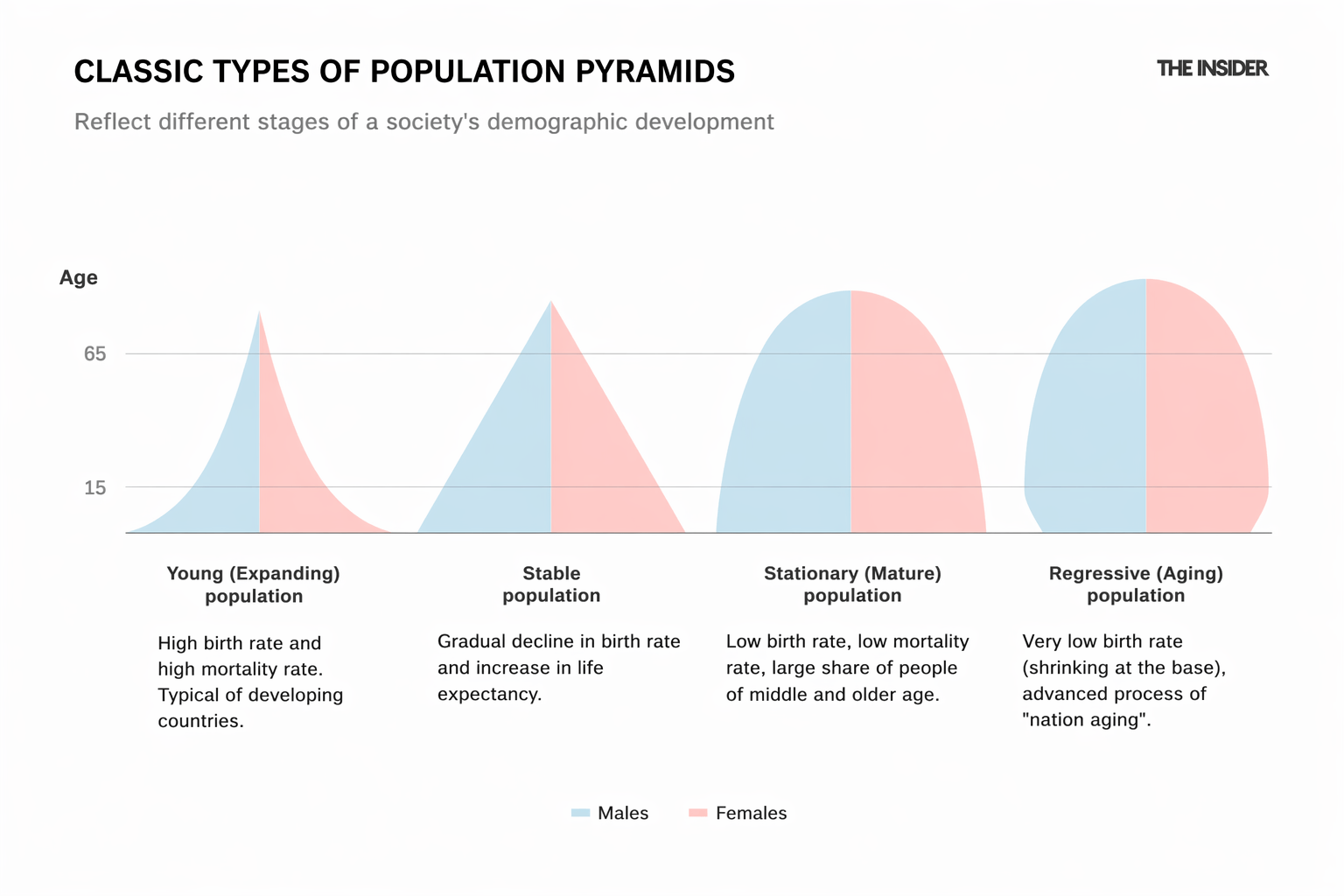
Notestein identified four stages of this process. In the first, birth rates and death rates were both high. Women had many children, but infants often died, and many children did not survive to adulthood. People regularly died from disease and malnutrition, with the result that population growth was extremely slow.
The Industrial Revolution, which began in the 18th century, radically changed this situation, ushering in the second stage. Labor productivity rose sharply, especially in agriculture. This led to explosive population growth and migration into cities. As a result, industrially developed European countries began conquering and settling much of the surrounding world, even as they themselves faced shortages of land and housing for their growing populations.
In the third stage, mortality continued to decline, largely thanks to advances in medicine that reduced deaths caused by infections and disease, thereby increasing life expectancy. But birth rates also began to fall. Now that children were more likely to survive, people no longer needed to have so many kids in order to ensure the continuation of the family line. Children also became more expensive to raise. Before the transition, rural families could involve children in agricultural work from an early age. In an industrial society, however, children could no longer be immediately integrated into productive labor, which increasingly required at least basic education. In a developed postindustrial economy, education takes up an even larger share of life, making it more costly.
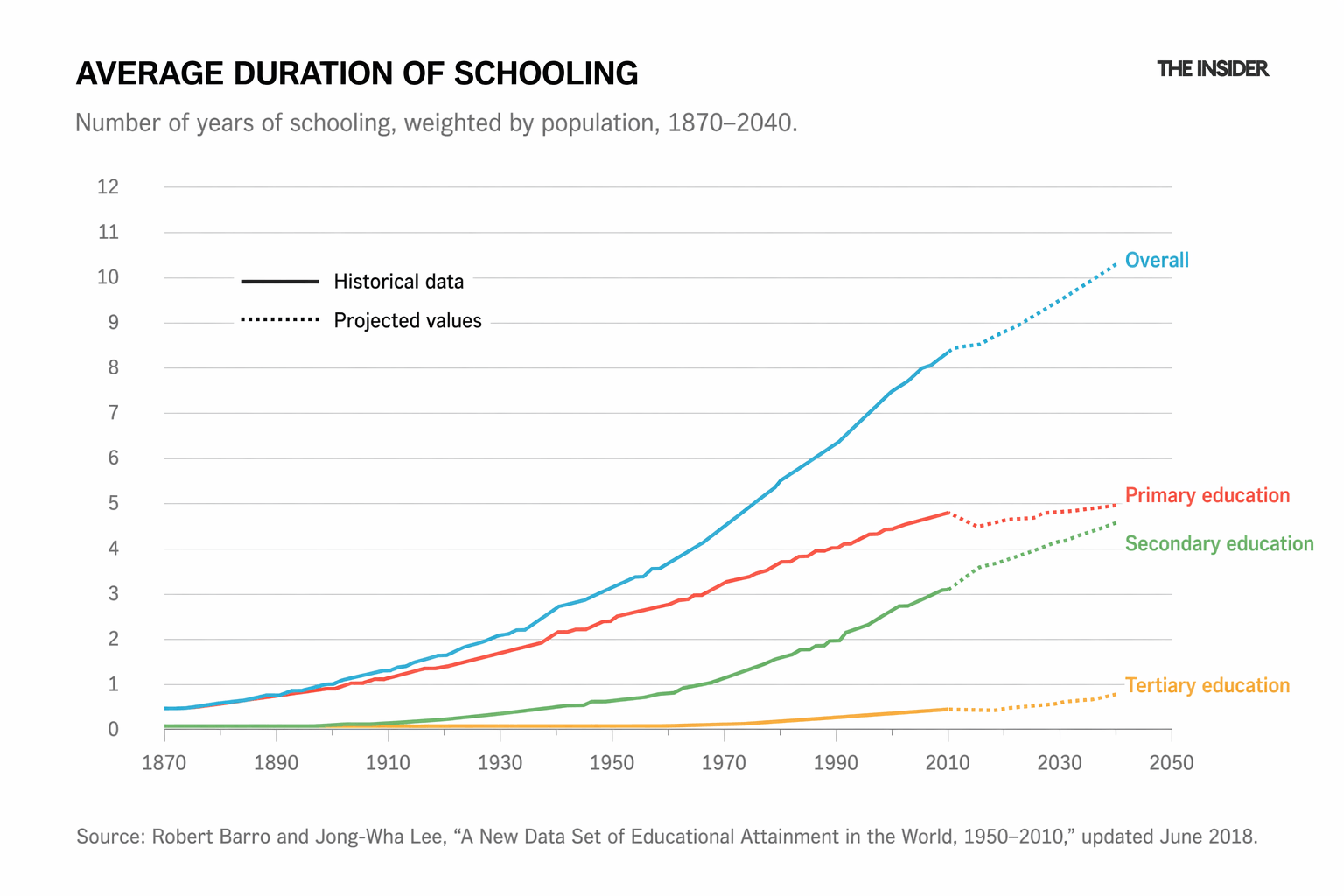
As a result, in the fourth stage birth rates and death rates stabilize at equally low levels roughly consistent with replacement, meaning the demographic explosion triggered by the Industrial Revolution comes to an end.
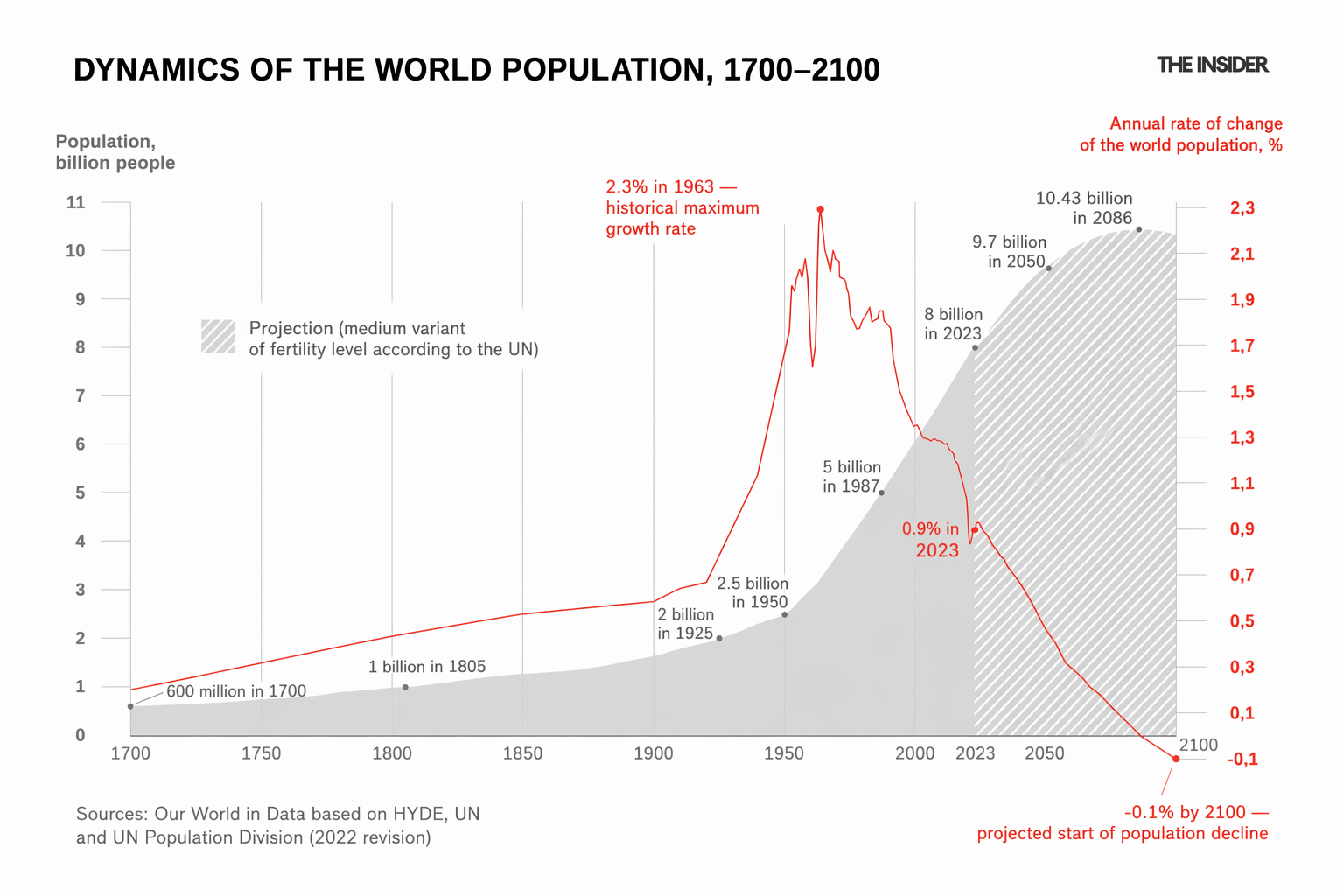
Notably, this pattern applies not only to developed Western countries. As the achievements of industrialization spread across all human societies, they all face the same problem of lower birth rates amid an aging population. According to demographers’ forecasts, by the end of the 21st century the world’s population is expected to stop growing, leveling off at around 10 billion people. At present it is still increasing – mainly in Sub-Saharan Africa and in Asia (with the exception of the Far East). But growth in those regions is already slowing as well.
To a large extent, it is precisely this trend that has fueled panicked debates claiming that LGBTQ+ people will lead humanity to extinction and that society must therefore unite around the defense of "traditional values." Supporters of this view believe that restricting freedom and interfering in people’s private lives would restore high birth rates.
However, the desired results cannot be achieved without a radical decline in education levels and citizens’ productivity — i.e., by bringing about a deterioration in quality of life and life expectancy. Moreover, the traditional society that existed before the demographic transition was characterized by the same slow population growth as the modern society after it, the major difference being that populations of developed countries of the 21st century are larger, healthier, and more productive than those of the pre-industrial period.
The real way to raise birth rates does not involve a struggle against abortion and LGBTQ+ people, but instead involves supporting mothers, fighting inequality, and investing in affordable education. Some studies show that at a certain level of development, fertility rates stop falling and begin to rise again. For example, data on Russian households show that the likelihood of having children increases when incomes rise, life satisfaction improves, and confidence in the future grows.
Experience of Spain, Japan, and South Korea
For now, populations everywhere are aging, and the generation of retirees is becoming a burden on younger people, whose numbers are steadily shrinking. At the same time, longer life expectancy and a larger elderly population increase demand for low-skilled healthcare workers. All developed societies face exactly the dilemma described by Pedro Sánchez: either admit migrants to rebalance this mismatch — which means dealing with cultural backlash, integration challenges, higher social spending on healthcare and education, and rising housing costs – or else experience stagnation and decline inside tightened borders.
Spain and Japan offer excellent case studies in the two approaches. Over the past three years, Spain’s economy has been among the fastest-growing in Europe. Poverty and inequality have fallen to their lowest levels since 2008, while unemployment has dropped below 10 percent for the first time in two decades. At the same time, one in every three jobs created in the European Union is being created there, unsurprisingly given that increased migration generally contributes to job creation rather than job losses (as The Insider wrote here).
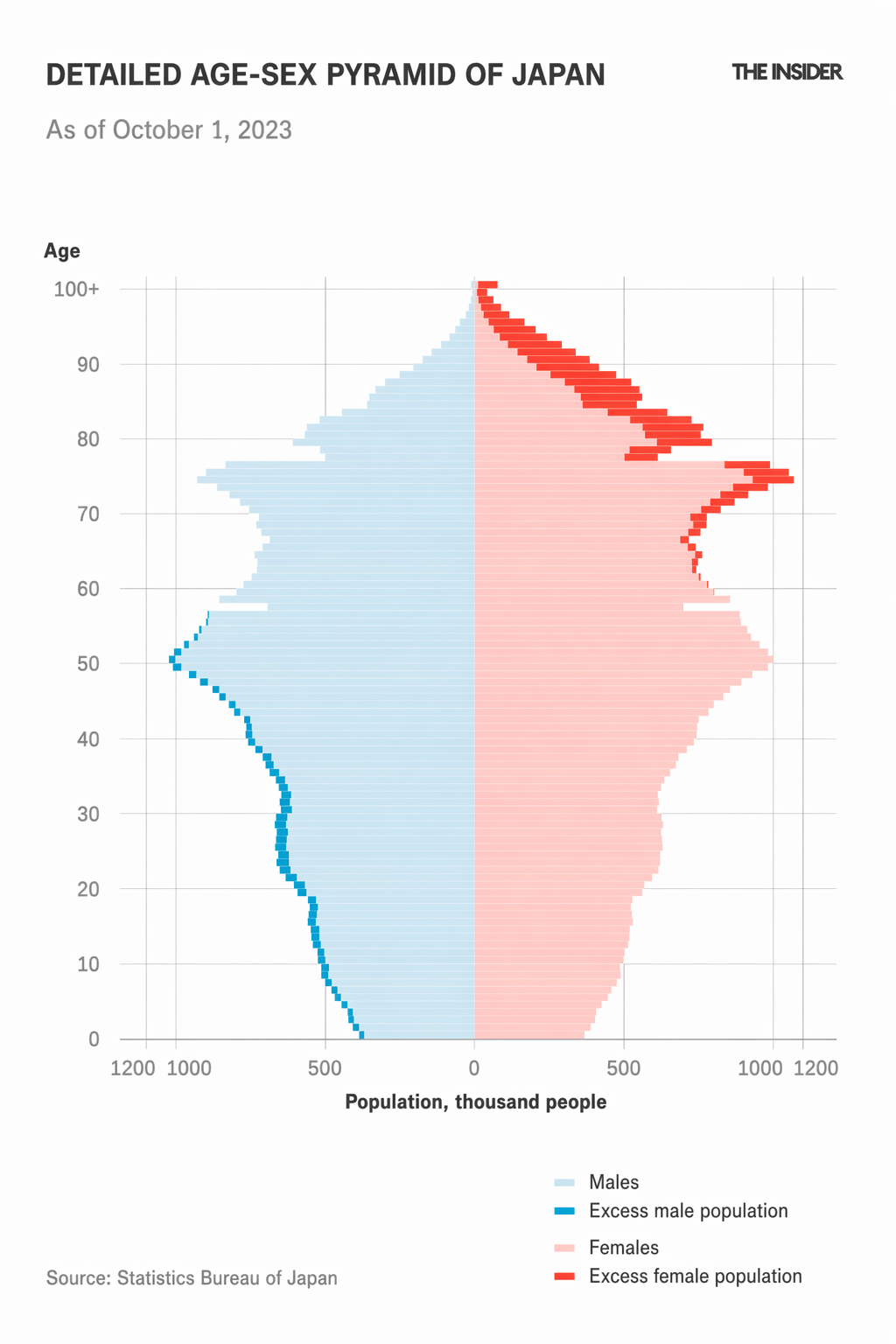
Over the past two decades, regardless of changes in governing parties, Spain has admitted millions of migrants. Japan, by contrast, has preserved a highly closed and ethnically homogeneous character. During that period, Japan’s population fell by 5.5 million people, to 123 million, and the country dropped in the global GDP ranking from 2nd place – which it held from 1988 to 2010 – to 4th. Its position in GDP per capita rankings also declined sharply: from 5th place in the mid-1990s, when the working-age population reached its peak, to 40th place.
The country also suffers from chronic labor shortages comparable to those in Russia: throughout the 2020s, unemployment in Japan has remained around 2.6 percent (in Russia it currently stands at 2.2 percent).
According to IMF forecasts, over the next forty years Japan’s population will shrink by a quarter, and the process of depopulation itself will "consume" 0.8 percent of annual economic growth.
A similar situation awaits South Korea. The former colony of Japan entered the phase of industrialization later and has not yet passed the peak of its working-age population. Its economy is still growing at a rapid pace, but since 2020 the rate of growth has begun to slow.
Demographers and economists are sounding the alarm. South Korea’s birth rate has long been among the lowest in the world, and by the end of the decade it will face exactly the same problems as Japan. The Korea Development Institute forecasts that in the 2040s the country will enter a prolonged period of recession.
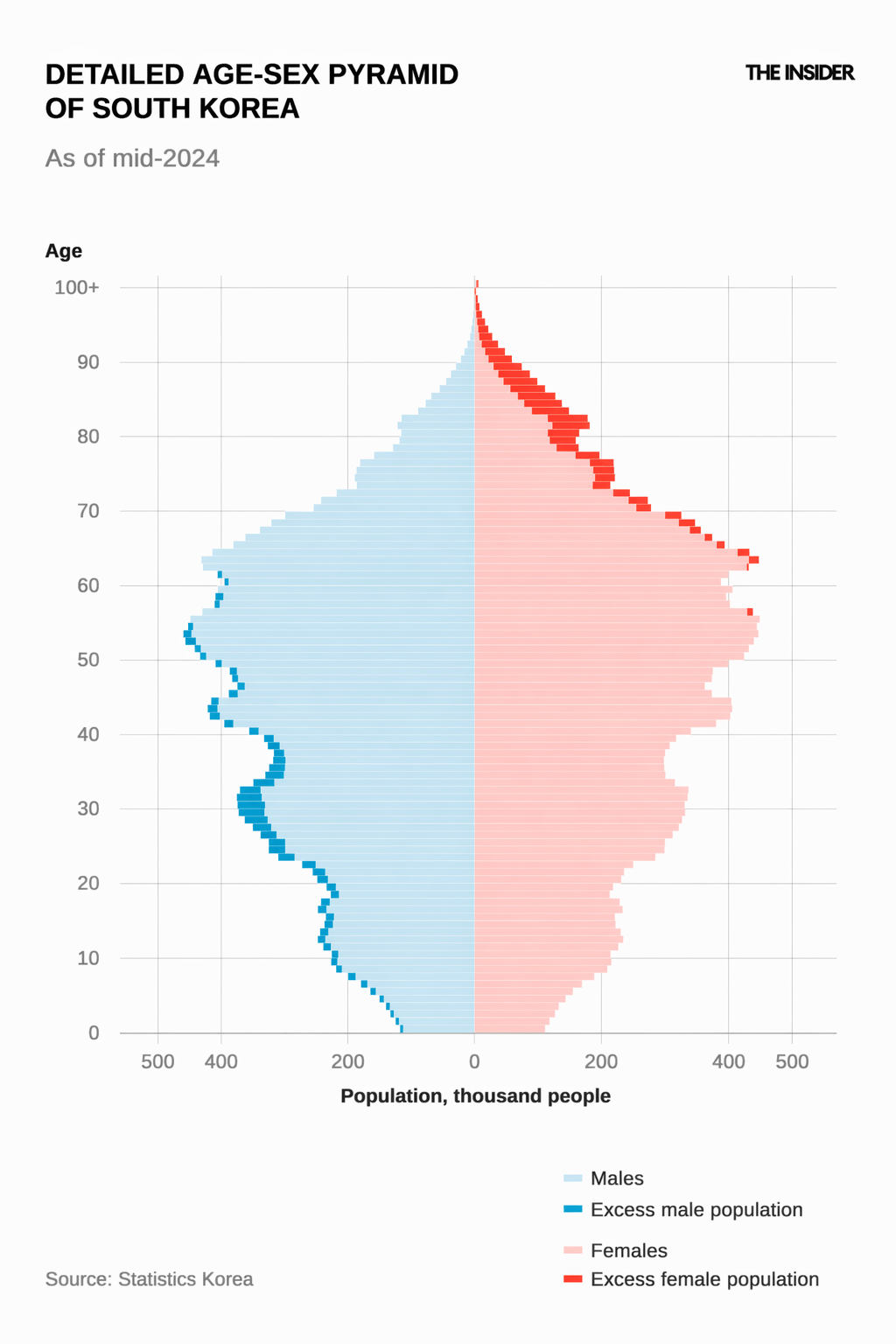
The demographic crises facing Japan and South Korea are likely to be even more severe than those experienced in Western societies. The both joined the industrial race later and until recently had virtually no systems of state social support, instead adhering to traditionalist norms in which the family provided for the individual, while women managed the household rather than entering the labor market. Social spending was viewed as a luxury that diverted resources away from growth. As a result, both countries encountered rising inequality and housing shortages that reduced citizens’ willingness to have children. In addition, they remained closed, monoethnic societies that admitted virtually no migrants.
The demographic crisis has forced governments in Tokyo and Seoul to reconsider their policy approaches. Both countries have sought to encourage women and older people to enter the labor market, launched costly family programs aimed at raising birth rates, and even decided to attract limited numbers of migrants. Whereas twenty years ago each of them had fewer than one million migrants, South Korea now has nearly 3 million foreign residents, while Japan has almost 4 million.
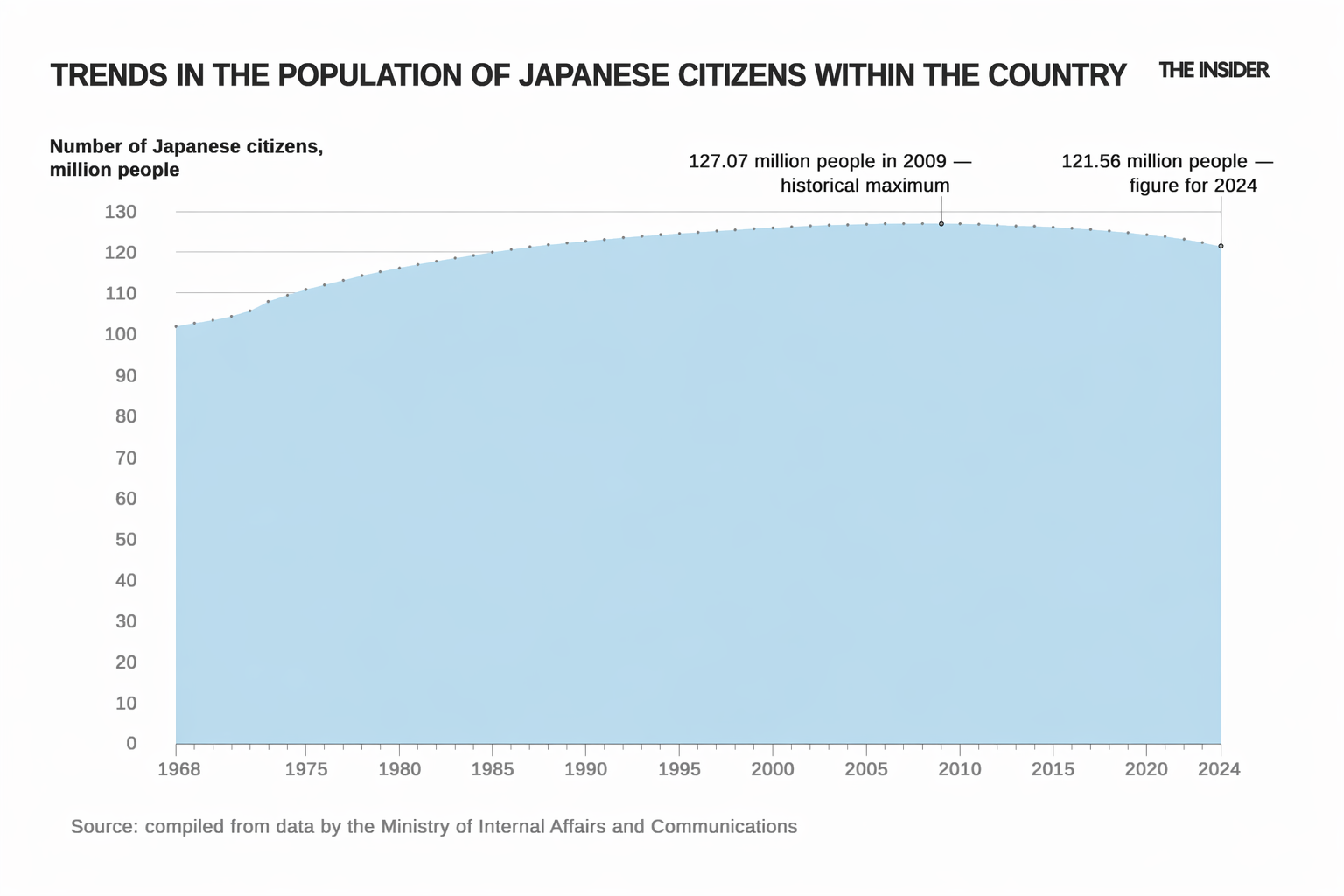
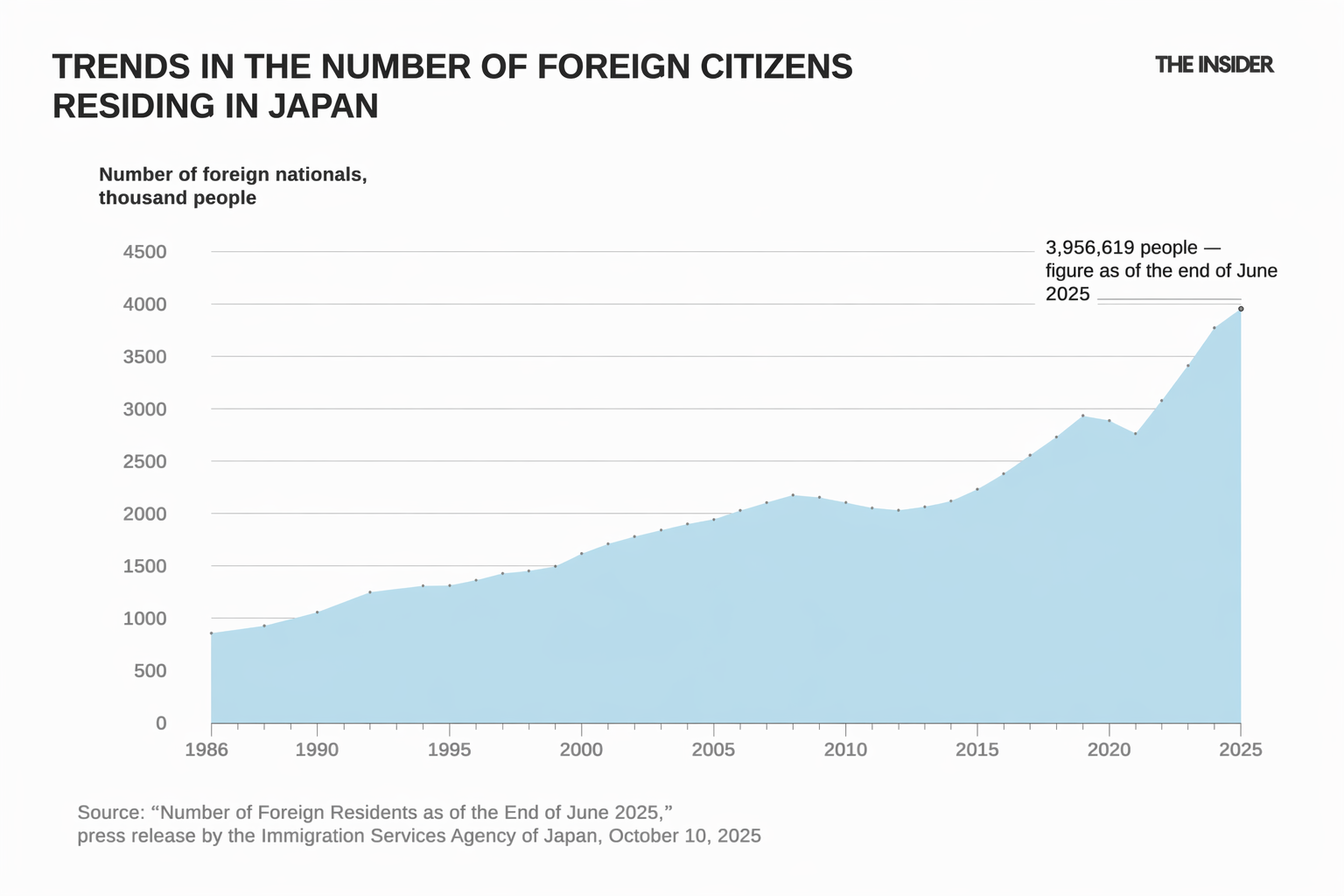
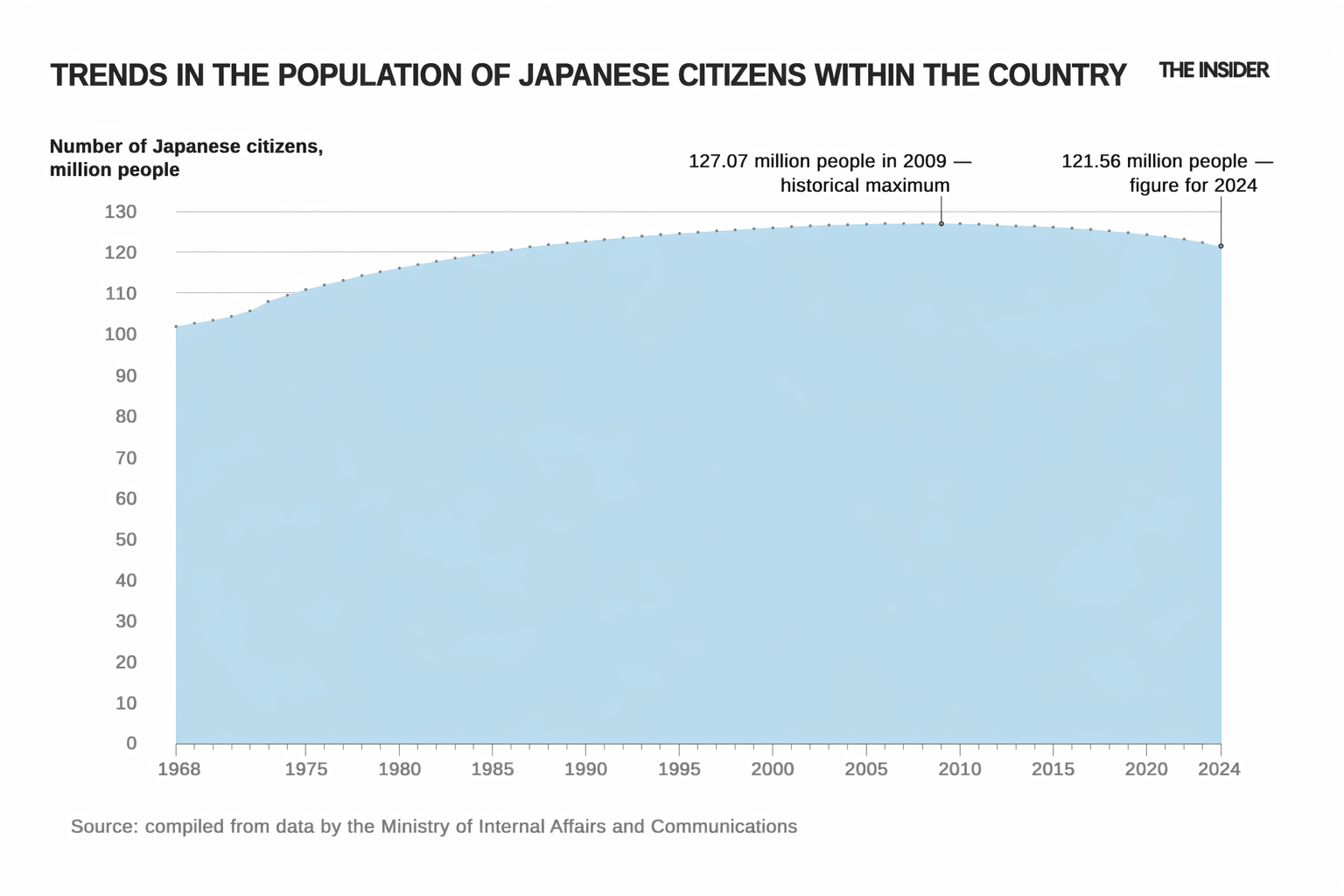
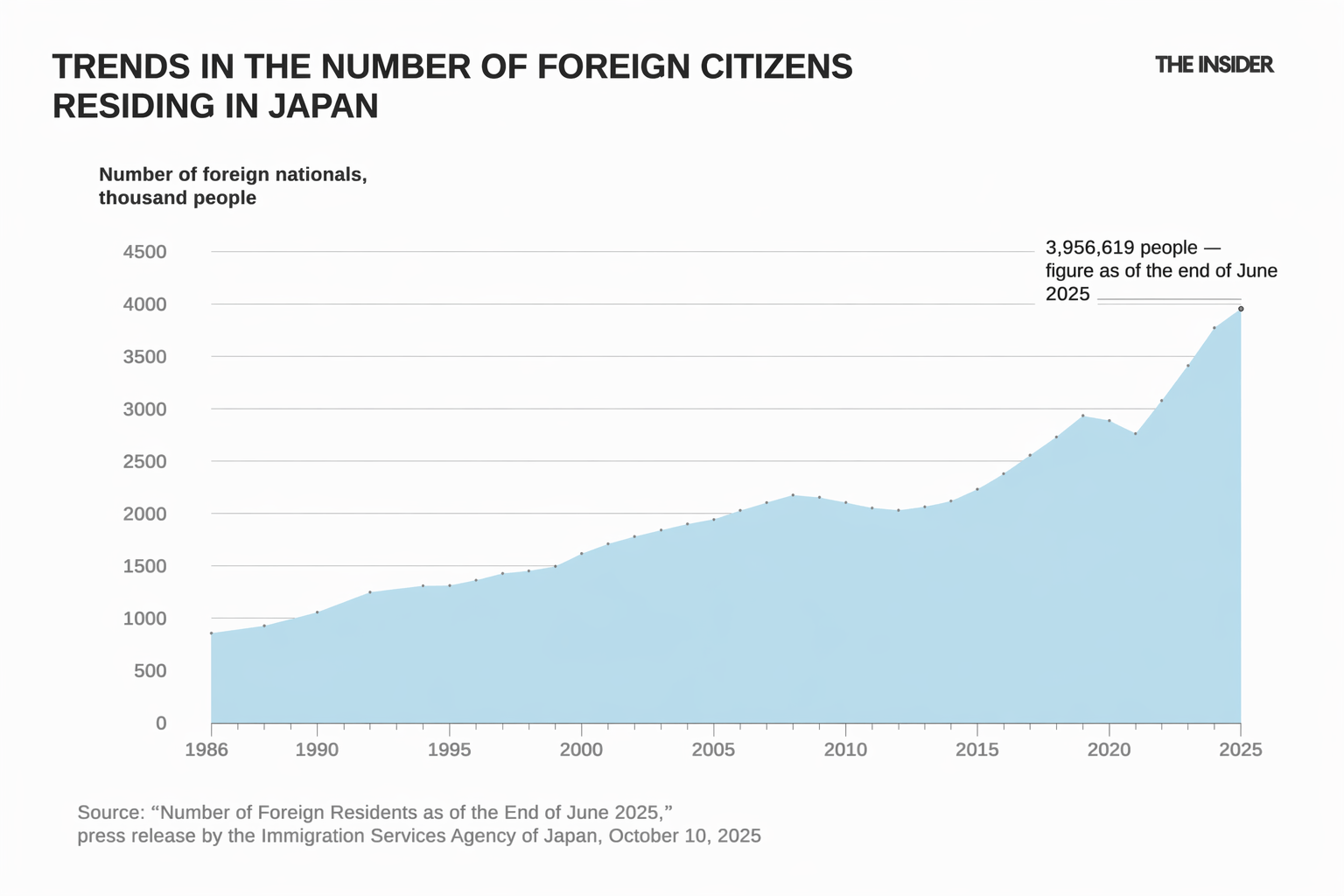
Both countries initially sought above all to attract descendants of their former compatriots who had resettled abroad. Thus, Japan first received mainly migrants from Korea, Taiwan, and parts of China that had once been under Japanese colonial rule; later came descendants of Japanese settlers from Brazil and Peru; and then residents of Vietnam, the Philippines, and Indonesia – territories occupied by Japan during World War II.
South Korea never had colonies of its own and therefore primarily attracted descendants of Korean settlers from China and the former USSR. Later, however, it shifted toward attracting workers who were seen as comparatively culturally close: Buryats, Filipinos, and Vietnamese, to name a few.
Because urbanization encouraged many women to move to cities, men living in rural areas of South Korea faced a shortage of prospective brides. As a result, municipalities began supporting programs to import young women from abroad. Consequently, over the past fifteen years, marriages with foreign female citizens have consistently accounted for about 10 percent of all marriages concluded in South Korea.
Costs of migration
Such changes, naturally, do not go unnoticed. The inflow of migrants puts pressure on infrastructure and the housing market, while also leading to intercultural conflicts that vary in severity depending on the difference between the traditions and customs of migrants and those of the local population.
In Tokyo, there were protests against the arrival of Egyptians, while in Japan’s Saitama Prefecture there were protests against Kurds. In the city of Sanjō, selected by the Japan International Cooperation Agency for joint projects with Ghana, demonstrations by local residents against the influx of migrants led to the cancellation of a visit by official representatives from Accra.
The influence of Japanese isolationism is also visible in politics. In the 2025 election, the Sanseitō party, founded in 2020, won 12.6 percent of the vote, becoming the first far-right movement in the history of Japanese democracy to receive double digit electoral support. A year later, the Liberal Democratic Party won snap parliamentary elections with a record result, securing a constitutional majority in parliament, but it did so under the leadership of conservative nationalist Sanae Takaichi, who advocates "traditional values," abandoning pacifist policies, and tightening migration policy.
A similar situation exists in South Korea. In 2018, the mass arrival of Yemeni migrants to Jeju Island, which Yemenis could visit at the time without a visa, led to a tightening of the rules for tourists and stricter rules for granting refugee status. In 2025, the authorities of the shipbuilding cities of Geoje and Ulsan opposed increases in quotas for foreign workers, citing pressure on infrastructure despite labor shortages.
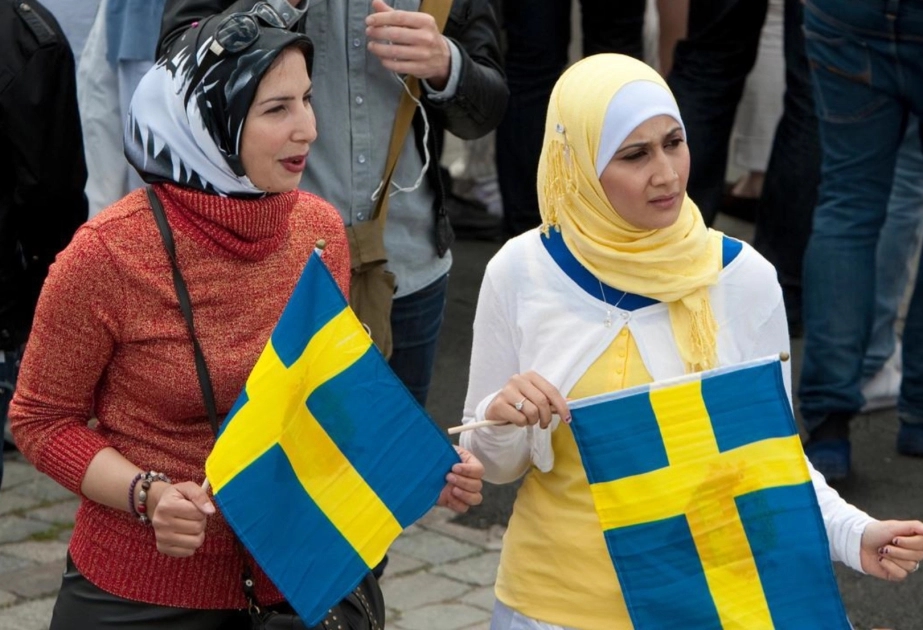
Elsewhere, countries that offer their citizens generous social benefits have also faced a dilemma when it comes to opening their borders. The Scandinavian countries have remained relatively closed off to migration, largely because the social obligations assumed by the state proved greater than the benefits of acquiring new working-age residents.
Quite simply, the social systems of many developed Western countries are not prepared to receive labor migrants, even though employment itself promotes integration and helps prevent rises in crime. For example, welfare systems in the Scandinavian countries are structured in such a way that for many migrants it is more advantageous to live on generous benefits than to take jobs paying the minimum wage. It is precisely this aspect of benefit systems, along with the cost of their bureaucratic administration, that supporters of replacing all benefits with a universal basic income criticize most often. Another major obstacle to integration is that asylum seekers generally have no right to work until their refugee status is approved.
However, cuts to refugee benefits in Denmark had negative effects. At first, they did indeed push refugees to find work and doubled their incomes and employment levels, exactly as the reform’s authors had intended. But in the long run, the effect of the cuts faded: after five years, employment fell again, poverty increased, and crime rose along with it. The academic performance of refugees’ children also declined, and later in adult life they had lower incomes and were more likely to commit crimes.
Sweden long assumed the role of a "humanitarian superpower," and the country has accepted large numbers of refugees. However, this category of migrant is far more difficult to integrate than people who move specifically in search of work. Their average age is higher, which reduces their value to the labor market. Refugees’ culture often differs substantially from that of the host country. Moreover, they are frequently traumatized by the circumstances that forced them to flee, which weakens their capacity for integration and increases the likelihood of criminal behavior, leaving them disproportionately dependent on welfare benefits.
As a consequence, Sweden was unable to absorb the enormous number of migrants it accepted. Today, one in five residents of the country is foreign-born, but migrants are far more likely than natives to be unemployed, accounting for nearly half of all jobless people in the country.
Sweden was unable to absorb the enormous number of migrants it accepted
Crime in Sweden increased. Moreover, it became one of the few countries where the children of migrants commit more crimes than their parents. As a result, after the refugee influxes of 2015 and 2022, Sweden adopted a stricter migration policy, largely copying the Danish model.
According to estimates by the National Institute of Economic Research of Sweden, between 1983 and 1988 the overall contribution of migrants to the economy was positive, but from then until 2022, it was negative. Once the migrants of the 2015 wave had become part of Swedish society and the integration process itself had improved, it turned positive again.
In the United States, amid attempts by the administration of Donald Trump to restrict migration, calculations of the costs and benefits of migration are also now widespread. According to data from the conservative-libertarian Cato Institute, from 1994 to 2023 migrants contributed $14.5 trillion more to the U.S. economy than was spent on them. This helped reduce the federal budget deficit by roughly one-third.
However, the traditionally conservative Manhattan Institute forecasts that over the next thirty years, undocumented and low-skilled migrants, and especially the parents of migrants, will have an overall negative effect on the American economy. Gains are expected only from skilled migrants.
At the same time, according to estimates by the Federal Reserve Bank of Dallas, the inflow of undocumented migrants in 2021–2024 led to higher GDP, employment, consumption, and investment, while having no effect on inflation or wages, whereas the decline of that flow in 2025 slowed GDP growth by 0.75–1 percentage point.
An alternative to migration could be a sound demographic policy. However, in an era when having children has become very expensive, the only way to raise birth rates is to create conditions in which parents feel confident about the future and believe they can afford more kids. The past several decades, however, have been marked by a sharp rise in the concentration of wealth and inequality. Without addressing these problems, migration will not solve the demographic challenges of modern countries – it will only postpone the crisis.