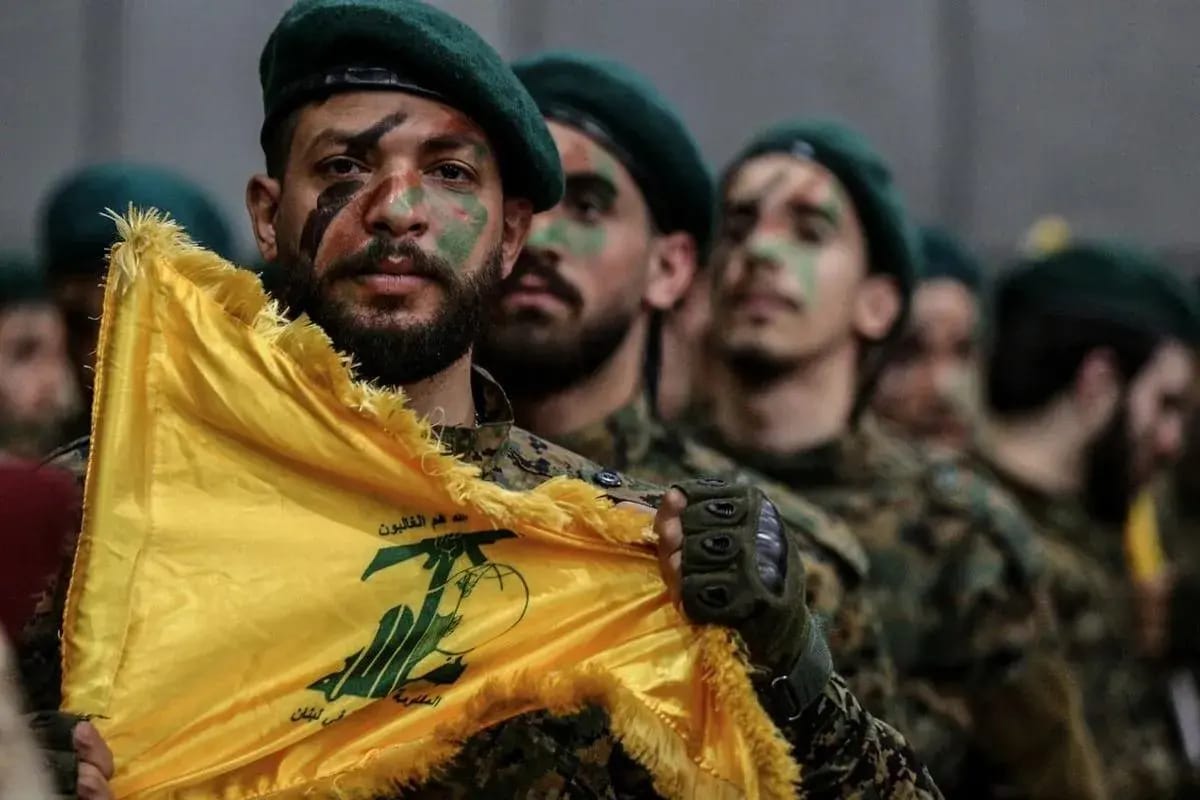
The Iranian front is the most visible battlefield in the current war, but it is not the only one in the broader Middle Eastern conflict launched by Donald Trump and Benjamin Netanyahu in late February. The Israeli army also invaded Lebanon in order to destroy the Iranian proxy force Hezbollah, and fighting is also underway in Iraq, where American forces are confronting their recent allies: the Iraqi army. Just 10 years ago, the two militaries stood shoulder to shoulder while liberating Mosul and other cities seized by the self-proclaimed caliphate of the Islamic State. Now, the low-intensity conflict between them might even compel the U.S. to withdraw from the country yet again.
On March 25, 2026, Iraq’s National Security Council issued an order allowing any army units to open fire when under attack without additional orders or consultations with superior commanders.
The document does not specify any potential adversaries, but the mention of aircraft and drones clearly points to the source of the threat. After all, no one other than the United States uses combat aviation to strike targets on Iraqi territory.
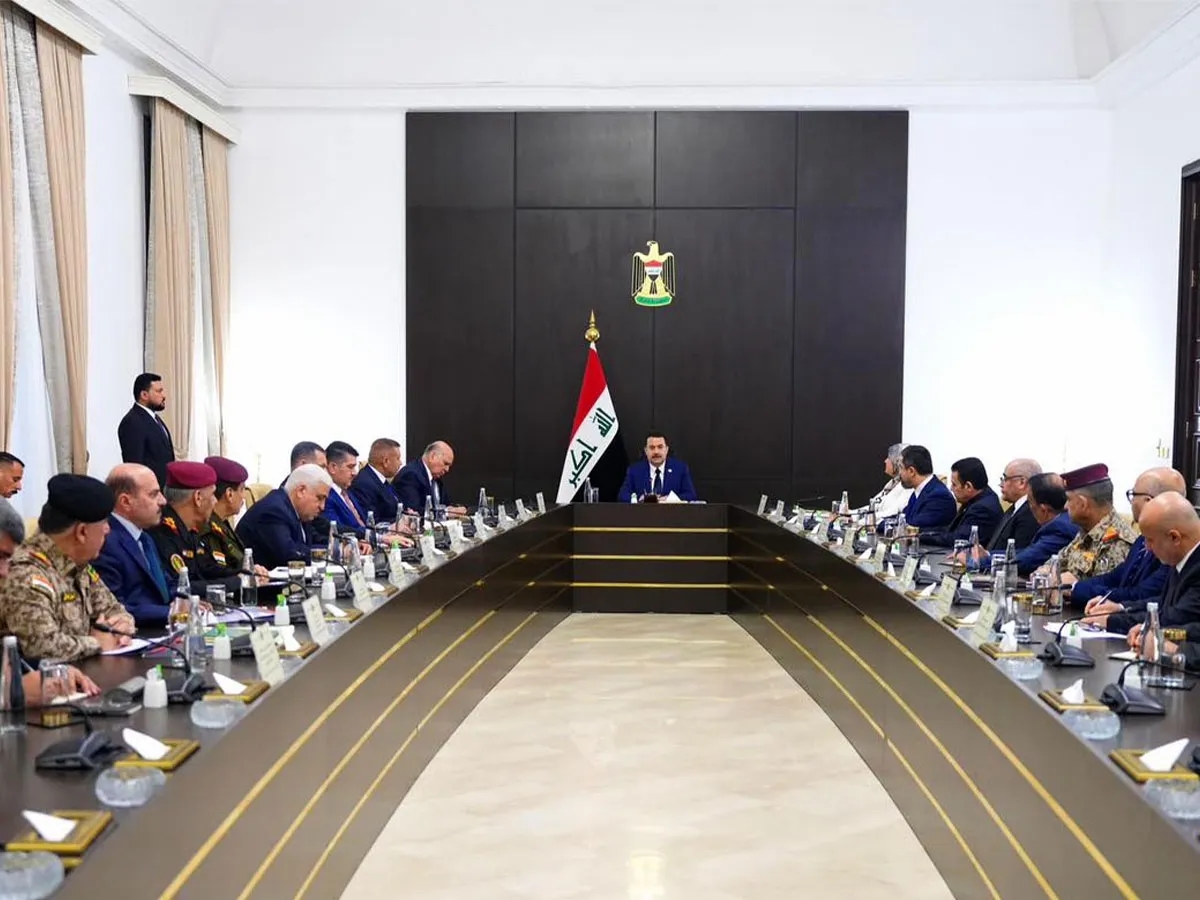
The order was published shortly after the Americans bombed the local headquarters of the Popular Mobilization Forces in Iraq’s Anbar Province, killing at least 15 people. Pro-Trump American media outlets described the victims as “terrorists” and blamed them for recent attacks on the U.S. embassy in Baghdad and several other American facilities in Iraq. Official Baghdad, however, insists that the dead were active-duty regular army personnel, unlawfully attacked by the Americans without any declaration of war.
Paradoxically, both Washington and Baghdad are right. Kataib Hezbollah, a group within the Popular Mobilization Forces that is ideologically close to the original Hezbollah, claimed responsibility for a recent FPV drone attack on an American base near the Iraqi capital, and this group plus its allied factions (including, most likely, those whose members were killed in the bombing of Anbar Province) have carried out dozens of attacks on American targets in the country. From the American perspective, they are indeed terrorists.
At the same time, Kataib Hezbollah and more than 60 similar groups officially belong to the Popular Mobilization Forces, which are part of Iraq’s national armed forces. That means officials in Baghdad are also correct when they say that the Americans are bombing active-duty soldiers and officers of the Iraqi army. It may be difficult to remember, but only 10 years ago, the Americans were fighting alongside them against a common enemy: the Islamic State.
Echoes of the civil war
After the 2003 invasion of Iraq and the civil war that followed, the Americans dismantled the Iraqi army and intelligence services and purged Saddam-era officials at all levels. As a result, Iraq became weak, decentralized, and fragmented. The federal authorities were unable to restore order even in areas near Baghdad, let alone in more distant provinces.
The situation was further complicated by the hostile relations between Iraq’s various ethno-religious communities: Shiites, Sunnis, Kurds, Yazidis, and Christians. These communities largely assumed the functions of the state, including when it came to issues of security and defense. Every village and every city neighborhood sprouted their own militias, mini-armies tasked with protecting residents from hostile neighbors and criminals.
Some of these groups came under American patronage, most notably Sunni militias collectively known as the “Sons of Iraq.” The main mission of these groups was to counter Al-Qaeda, which was then rightly seen in Washington as the main security threat in the region as a whole.
Iran, meanwhile, sought to expand its influence in Iraq as part of an effort to prevent the neighboring country from becoming a satellite of the United States. For this reason, Iran also invested in Iraqi militias and even made them one of its main tools for manipulating Iraqi politics.
The ayatollahs bought weapons and equipment for the Iraqis, paid militants’ salaries, and trained them — mostly fellow Shiites, of course, but also several Christian, Yazidi, and even Sunni groups.
There were also some curious overlaps. Local authorities sent large numbers of Shiites from pro-Iranian movements into the “Wolf Brigade,” an American-created police special forces unit that included members of the openly anti-American Badr Organization. Most Shiite groups, however, were fully oriented toward Tehran right from the outset.
In effect, these were units of Iran’s armed forces made up of Iraqi citizens. The Iraqi government, led for many years by the pro-Iranian prime minister Nouri al-Maliki, simply turned a blind eye to Tehran’s activities in its rear.
In effect, the Badr Organization is a unit of Iran’s armed forces made up of Iraqi citizens
Incidentally, many in Iraq accuse the Shiite Nouri al-Maliki of pursuing policies that marginalized Sunnis, thus contributing to the rise of the Islamic State — a group that portrayed itself as a force protecting Sunnis from “lawless heretics.”
The advance of the Islamic State in Iraq and Syria in 2014 changed the fate of the entire region, in addition to that of the Iraqi militias. The Iraqi government quickly got rid of the toxic al-Maliki and called on the numerous militias to support the federal army and join a new formation, known as the Popular Mobilization Forces.
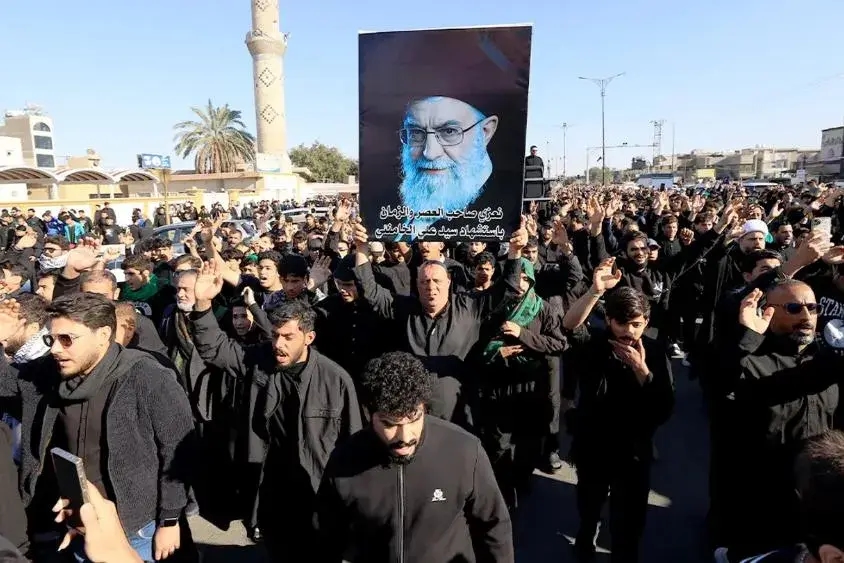
The supreme leader of Iraq’s Shiites, Ali al-Sistani, declared that his fellow believers should heed the government’s calls. And they did, increasing the size of the Iraqi army by tens of thousands of troops and giving the top military command the ability to deploy them as it saw fit.
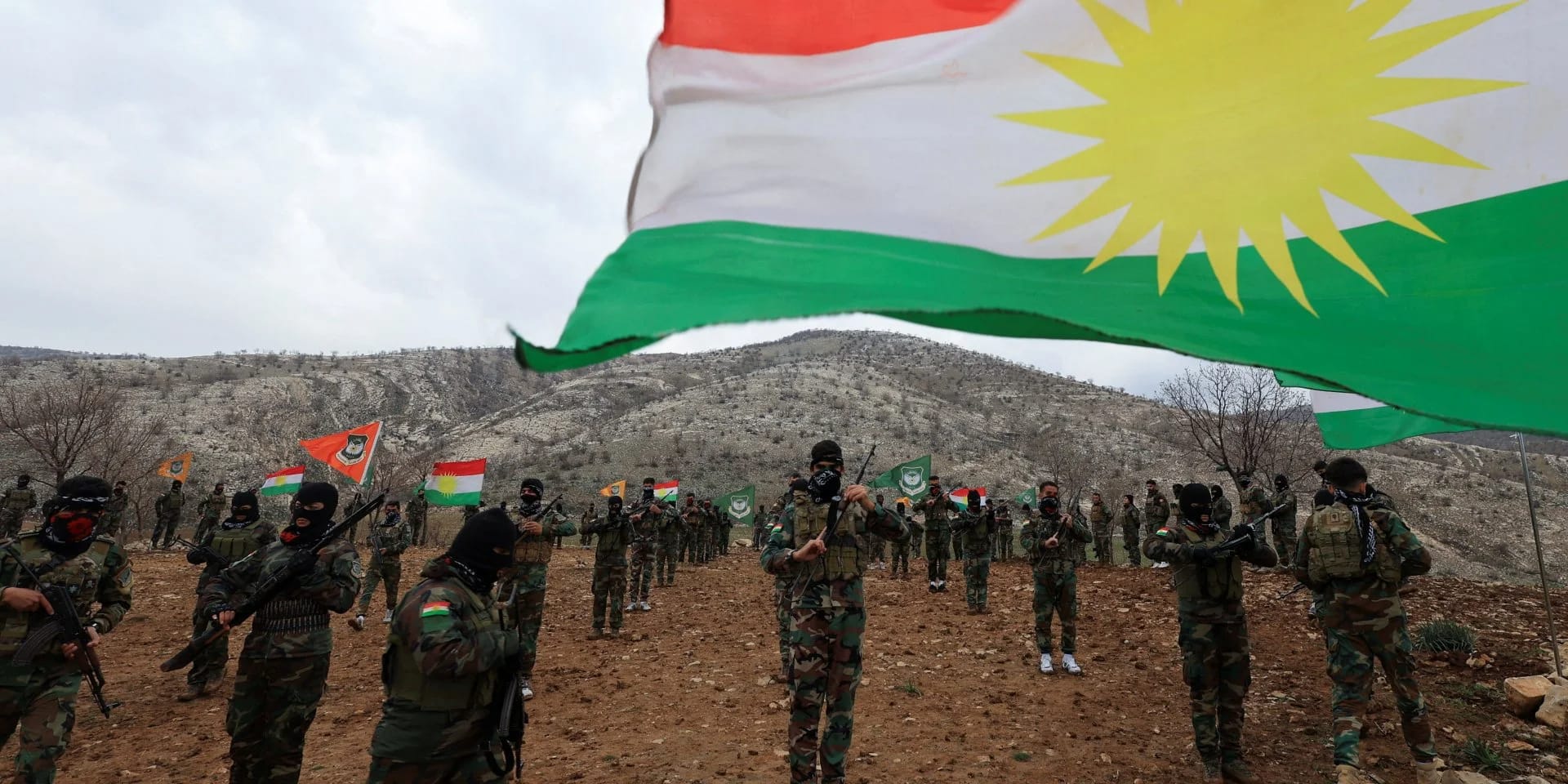
The Popular Mobilization Forces, together with units of the Iraqi army, the Kurdish Peshmerga militia, and Western allies, fought heavy battles against Islamic State for several years. In a number of critical operations, such as the offensive on Mosul in 2016, the Popular Mobilization Forces acted alongside American troops, forming a united front with them.
Also in 2016, Iraq’s federal government ordered dozens of militias to be incorporated into the national armed forces as a separate military structure, officially making the Popular Mobilization Forces part of the national army.
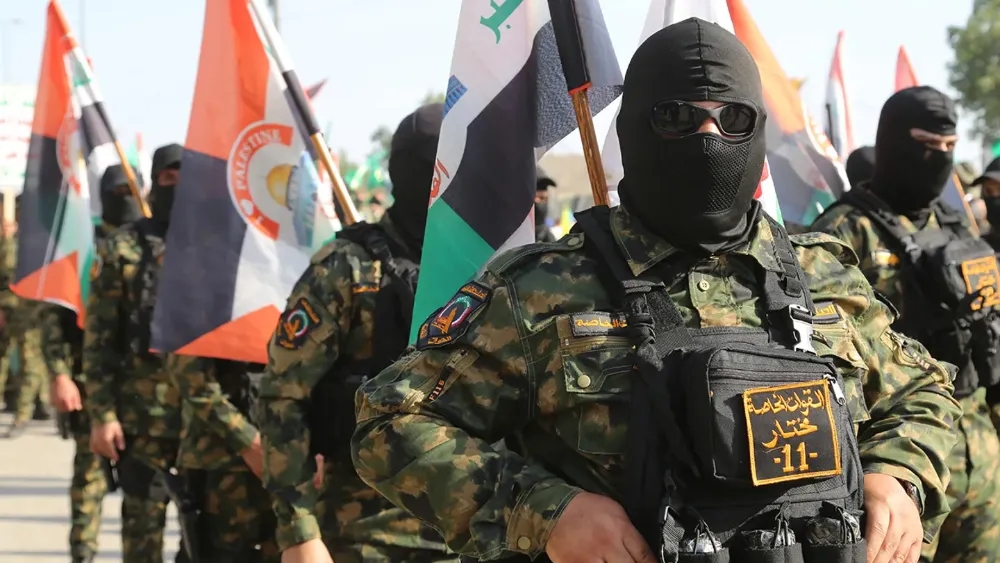
In exchange for submitting to Baghdad, the groups within the Popular Mobilization Forces received legal status, army salaries, ranks, pensions, state compensation for injuries, and free medical care in military hospitals. Although they accepted that offer from Baghdad, the Popular Mobilization Forces did not turn away from Tehran.
As a result, Iraq’s armed forces came to include units that were officially under Baghdad’s control, yet ideologically and politically aligned with Iran, all while retaining an unprecedented degree of autonomy. The aforementioned Kataib Hezbollah warned shortly before the American-Israeli strike on Iran that it would defend the Islamic Republic — even though official Baghdad maintains a stance of strict neutrality and non-intervention in conflicts beyond its borders.
Almost like IRCG
As a result, the Iraqi government and its current prime minister, Mohammed Shia al-Sudani, to whom the Popular Mobilization Forces are formally subordinate, are in a difficult position. Al-Sudani cannot order the Iran-aligned and generously funded militias to stop attacking American targets, despite his clear desire to keep the country from being drawn into another large-scale war.
Even though he can issue the orders, he knows full well that they will be ignored — at least by the largest and most combat-capable militias. Not even the risk of losing Iraqi benefits and salaries will stop them. Iran and the businesses run under its protection by fighters from pro-Iranian militias in their downtime fully compensate them for any losses.
Similar to the Islamic Revolutionary Guard Corps (IRGC), which controls the most profitable sectors of its country’s economy and profits from smuggling and other illegal activities, the Popular Mobilization Forces in Iraq have become more than just an armed formation.
The conglomerate Muhandis General Company, created by Kataib Hezbollah, is involved in construction, logistics, and agriculture. It also launders money for its parent organization and for the IRGC. Because of this, the conglomerate has been placed under U.S. sanctions.
Falih al-Fayyadh, the commander of the Popular Mobilization Forces, is also under sanctions. The Americans have accused him of “gross human rights abuses” in connection with the extreme brutality shown by his subordinates while suppressing anti-government protests.
The Americans are doing everything possible to prevent the Iraqi parliament from passing a long-standing bill to grant al-Fayyadh a ministerial post in the federal government and legalize his business entities. Under this law, the Popular Mobilization Forces would also gain the right to earn off-budget income — in very significant amounts.
While around $3.5 billion is allocated annually from the state budget to the Popular Mobilization Forces, their business activities — including illegal ones — generate roughly $10 billion. This money goes toward weapons and equipment for groups that the Americans consider a threat to their national security.
While the Popular Mobilization Forces receive around $3.5 billion annually from the state budget, their business activities, including illegal ones, generate roughly $10 billion
Under U.S. pressure, the Iraqi government is dragging out the adoption of the new law. However, officials also have no desire to quarrel with the Popular Mobilization Forces either — which helps explain why they have allowed them to return fire in response to American attacks, even if this permission was little more than a symbolic gesture.
If the Popular Mobilization Forces could shoot down American aircraft, they would do so even without government consent. For Prime Minister Mohammed Shia al-Sudani, this was a safe opportunity to demonstrate his resolve to the largely anti-American population, as the Popular Mobilization Forces simply do not have air defense systems capable of countering modern American aviation.
Everyone out!
On their own, the Popular Mobilization Forces do not have the manpower or the equipment to wage a full-scale war against U.S. forces in the region. But at the same time, radicals from pro-Iranian militias are clearly trying to draw Iraq into a larger war with the Americans by launching missile and drone strikes on U.S. targets. If the Americans begin large-scale bombings in Iraq, other branches of the armed forces could end up being pulled into the conflict — and eventually the entire nation.
This scenario plays right into Iran’s hands, diverting U.S. forces and attention towards a new major front and threatening the Americans with another protracted war in the Middle East. Prime Minister al-Sudani does not want war, but he cannot get rid of the Popular Mobilization Forces, which are pushing the country toward open confrontation with the Americans.
These militias enjoy the support of the country’s Shiite majority, have representatives in parliament, and are perceived as heroes who defeated the Islamic State. Any attempt to dismantle them could spark a new civil war. As surprising as it may seem, the Iraqi government finds it easier to pressure the Americans than the fighters of the nominally subordinate Popular Mobilization Forces. The cabinet rightly believes that if there are no U.S. military facilities on Iraqi soil that could be targeted by the Popular Mobilization Forces, Iraq will not face the risk of being drawn into a new full-scale war.
A few years ago, Baghdad and Washington agreed on schedules for the withdrawal of American troops sent to Iraq in 2014 to fight the Islamic State. Under these plans, the last American soldier is set to return home in the fall of 2026. The prime minister is now pushing to accelerate the process and evacuate all U.S. troops from Iraq ahead of schedule. He also emphasizes that since January all remaining U.S. personnel in the country have been stationed in Iraqi Kurdistan, an area where the federal government’s authority is limited.
The Iraqi prime minister insists on accelerating the early evacuation of all U.S. troops from Iraq
The Americans have not commented on the updated withdrawal schedule of their troops (although other NATO forces have already been quickly redeployed from Iraq to Italy). U.S. units remain near the city of Erbil in Kurdistan, but they are not engaging in large-scale combat against the Popular Mobilization Forces and apparently have no plans to start. Instead, American forces are relying on targeted strikes against the headquarters of the most radical militias in order to contain the activity of pro-Iranian forces in Iraq without escalating the situation to a full-scale confrontation.
Despite all the risks, this third American-Iraqi war will most likely remain a low-intensity conflict, without cities flattened by carpet bombing or large-scale guerrilla movements. It will amount to exchanges of missile and drone strikes and ominous statements from both sides, ending on its own once the American forces leave Iraq again.