Residents of southern Lebanon are leaving their homes en masse, with some forced to sleep in tents and cars. The country has almost no bomb shelters, leaving people with nowhere to hide from the shelling. At the same time, elsewhere in the country, life continues almost as normal: shops and offices remain open, and some residents are even returning from abroad. Although Lebanese people have little hope of quickly ridding themselves of Hezbollah or of bringing the war between Israel and the terrorist group to an end anytime soon, most are not yet ready to emigrate, continuing to place their hopes in a better future at home.
The war returns
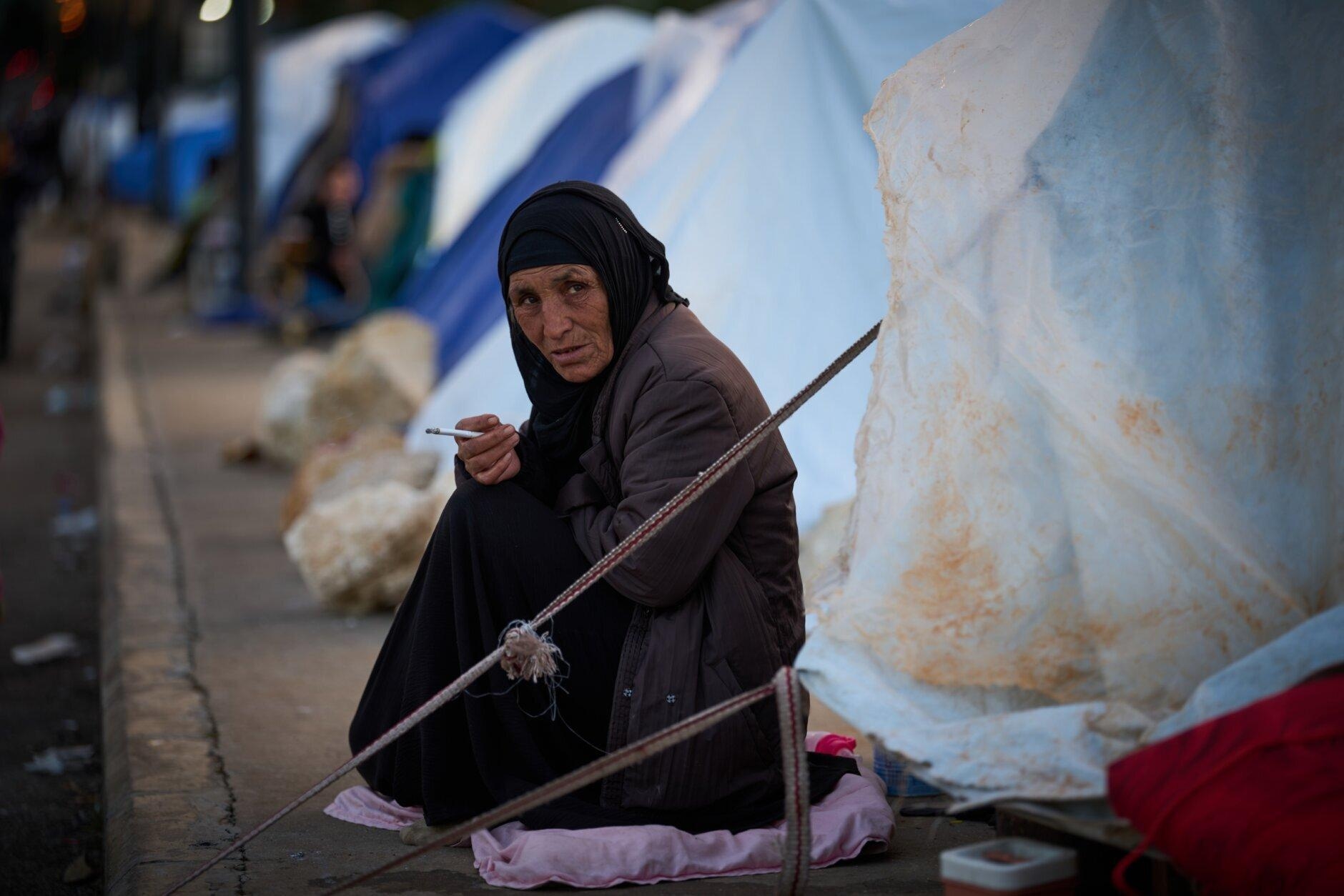
Nights in Lebanon are still cool. On the streets of the ancient port city of Sidon, located 48 kilometers from Beirut, people who fled from the south and areas where Hezbollah holds sway are sleeping outdoors. Heavy downpours periodically hit the city, soaking all of the mattresses, blankets, and clothes left out in the open.
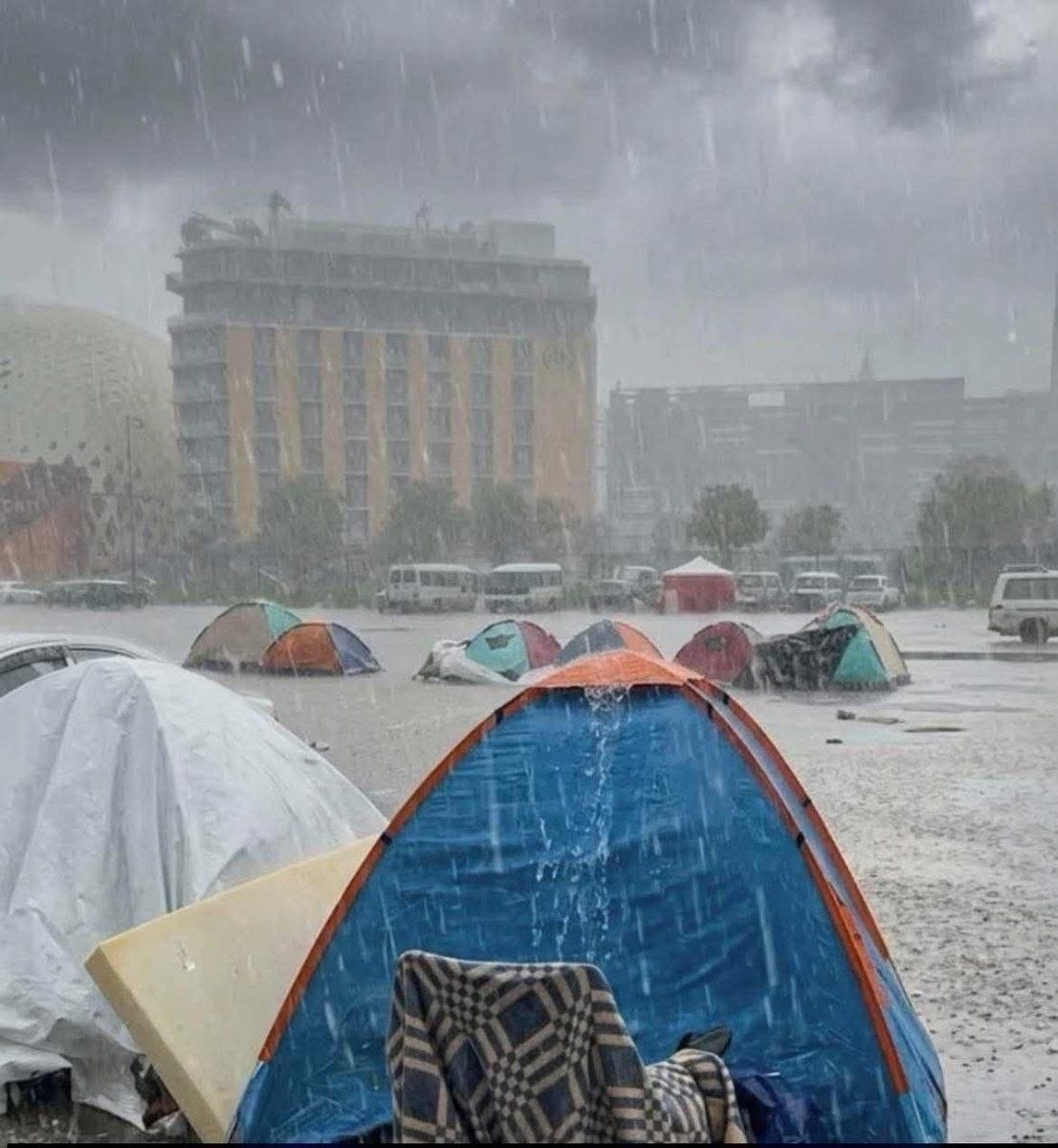
According to the latest data from the UN, the number of internally displaced people in the country of 5.8 million has exceeded 830,000. Evacuations have affected Beirut’s southern suburbs, the northern part of the Beqaa Valley, and all areas south of the Litani River along the Israeli border, home to around half a million people. Centers set up across the country to house the internally displaced are overcrowded. At least 14,000 Lebanese have fled to Syria.
The current humanitarian crisis is the result of renewed fighting in the region. The previous conflict ended in November 2024, when Hezbollah — a Shiite organization linked to Iran and designated as a terrorist group by many countries — agreed to a ceasefire with Israel.
However, both sides periodically accused each other of violating the truce, and following new joint strikes by the United States and Israel against Iran in late February, Hezbollah launched a series of rocket attacks on Israel. In response, the Israeli army resumed fire and announced the start of a ground operation against the group’s infrastructure in southern Lebanon.
Between three worlds
Lebanon is a multi-confessional country — and a deeply polarized one. By law, power is divided among Shiites, Sunnis, and Christians: the president is a Maronite Christian, the prime minister is a Sunni, and the speaker of parliament is a Shiite. In reality, however, this formal division does not correspond to the country’s modern social makeup, and it does not reflect its current political balance. As Arabist Ksenia Svetlova points out, the exact proportions of Shiites, Sunnis, and Christians are unknown, as the last census in the country was conducted in 1932. “
Fatima, a Shiite who asked that her real name not be disclosed, was born on the Lebanese–Israeli border in one of the areas that has now become part of the front line. Her family first lost their home during the 2006 war. It took twelve years to rebuild. Then, in 2024, the house was destroyed a second time. During the current escalation, Fatima’s father lost all of his work equipment, making it impossible for him to earn a living.
“Right now, the situation in Lebanon is very difficult for almost all of my friends. Regardless of whether people support the war or not, its consequences affect everyone,” Fatima, who notes a rise in distrust and hostility toward Shiites in general, says.
Shiites, who form the backbone of Hezbollah, are considered to be one of the most politically and militarily organized groups in the country, and many of them sympathize with Iran. Arabist Svetlova describes Hezbollah as a state within a state: the organization has its own financial structures, hospitals, and networks for distributing humanitarian and financial aid, and it creates jobs. Among Sunnis and Christians, she says, some look to Saudi Arabia, while others orient themselves toward Western countries.
According to Fatima, those Shiites who try to distance themselves from the activities of Hezbollah — which is often designated as a terrorist group outside Lebanon — face the greatest difficulties, as they are left to deal with their problems on their own. Tensions have been exacerbated due to the fact that so many Shiites have fled the south, which has no bomb shelters or basements where people can hide from rocket fire. Two days after Hezbollah attacked Israeli territory, Tel Aviv called on all residents of areas south of the Litani River to leave.
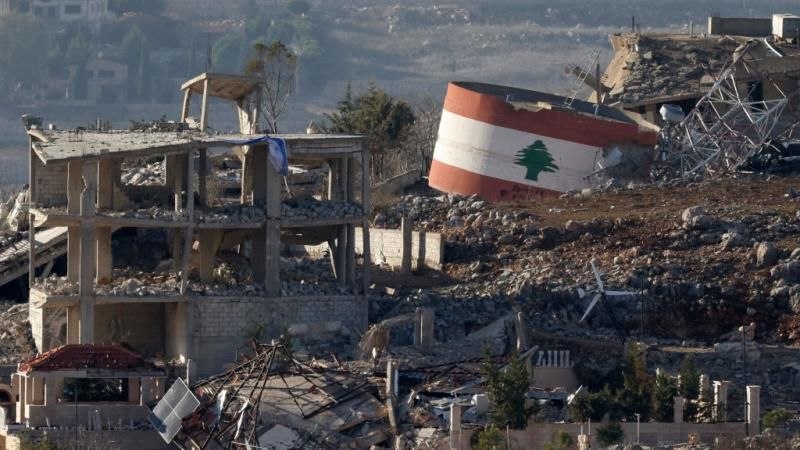
Ralph Atrash, a Lebanese Christian, says that most refugees are housed in schools and public buildings provided by the state, while others rent accommodation, also often in overcrowded conditions. At the same time, many people sleep on the streets — they can be seen in the Tayouneh district in southern Beirut, near the city center, as well as in the city of Sidon.
“People who have ended up on the streets shelter in tents. These protect them against the rain, but not from strong winds and heavy downpours. Some spend the night in cars,” Atrash says.
At the same time, as Fatima points out, Hezbollah members can afford expensive apartments and hotels: “Recently, Israel struck a rented apartment in Hazmieh. It turned out that it had been rented by a Hezbollah member along with his wife and mother — they were paying $3,000 a month in rent.”
According to The Insider’s sources, among the displaced are both Lebanese and Syrians who fled to Lebanon because of the civil war in Syria, which began in 2011. As Middle East expert and NEST Centre specialist Ruslan Suleimanov explains, some Syrian refugees arrived relatively recently, after the fall of the Assad regime in December 2024. These people remain in Lebanon because they fear retaliation from the new authorities in Damascus over their past cooperation with Assad’s government.
Children and pregnant women are in an especially dire situation. According to UNICEF, there are around 286,000 children among the displaced, including approximately 275 who have been injured. Estimates from UNFPA suggest that around 11,600 pregnant women are at heightened risk. Some have been forced to give birth right on the streets.
Fatima says that displaced people are mainly helped by restaurants and charitable organizations, which distribute food and clothing. “Overall, they are going through this much like the residents of Gaza, but with greater dignity and fewer complaints: on social media, some Hezbollah supporters even say they are proud to live in tents,” she says.
Proximity to Hezbollah is deadly
Lebanese Christian Atrash says that residents of some areas of Mount Lebanon are afraid to take in displaced people because of their possible links to Hezbollah:
“People fear that Hezbollah militants could infiltrate from Shiite areas along with the displaced. This could lead to IDF strikes on Christian, Sunni, or Druze areas of Lebanon. For example, the municipality of Jounieh, the administrative center of Lebanon’s Keserwan district, does not allow housing to be rented to suspected Hezbollah members, citing the government, which on March 2 banned the movement’s military activities. In Christian villages in Keserwan, local youth patrol the streets to prevent any suspicious activity by refugees from among Hezbollah supporters.”
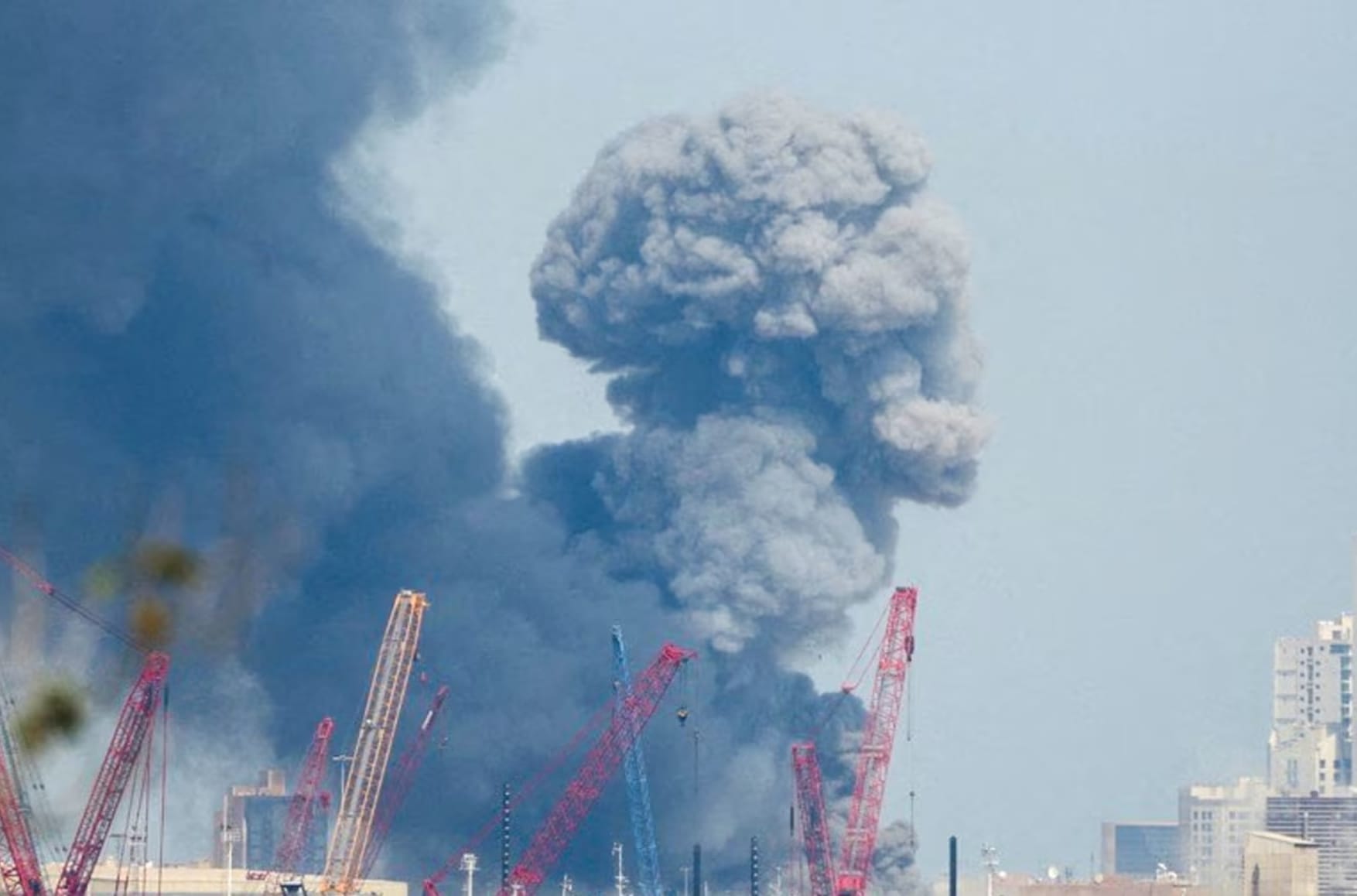
According to the latest data from the Office of the UN High Commissioner for Human Rights, since March 2 at least 886 people have been killed in Israeli airstrikes on Lebanon, including at least 111 children. Lebanese authorities reported around 1,800 injured as of mid-March. The strikes have destroyed hundreds of residential buildings and civilian infrastructure facilities, including medical institutions.
Atrash explains that the true number of civilian casualties is difficult to determine, as the Lebanese authorities do not report how many of those killed were Hezbollah members. Hezbollah itself does not disclose this figure either (although it publishes individual obituaries almost daily). According to the Israeli Defense Force (IDF) Chief of the General Staff Eyal Zamir, more than 400 fighters from the group have been killed since March 2:
“Many civilians were killed because they were near Hezbollah infrastructure or its members. Military experts say that the IDF uses high-precision guided bombs such as GBU, as well as Hellfire missiles or Spike guided missiles. These weapons are used to strike infrastructure, vehicles, and personnel. When civilians are near these targets, they unfortunately also come under attack.”
In Israel itself, the number of killed and wounded by Hezbollah fire remains low, thanks to air defense systems, the prevalence of advanced warning, and a well-developed shelter infrastructure. Nevertheless, one Israeli woman was killed by shelling from Lebanon, another civilian was mistakenly killed by IDF fire, and two Israeli soldiers were killed in southern Lebanon. Dozens more have been injured, and many homes have been damaged.
Different worlds: refugees and locals
At the same time, everyday life largely continues in other parts of the country. According to Atrash, some schools and universities have switched to remote learning, and some companies have moved employees to remote work. However, in safer areas, people continue to go to their jobs, even if the overall atmosphere remains tense.
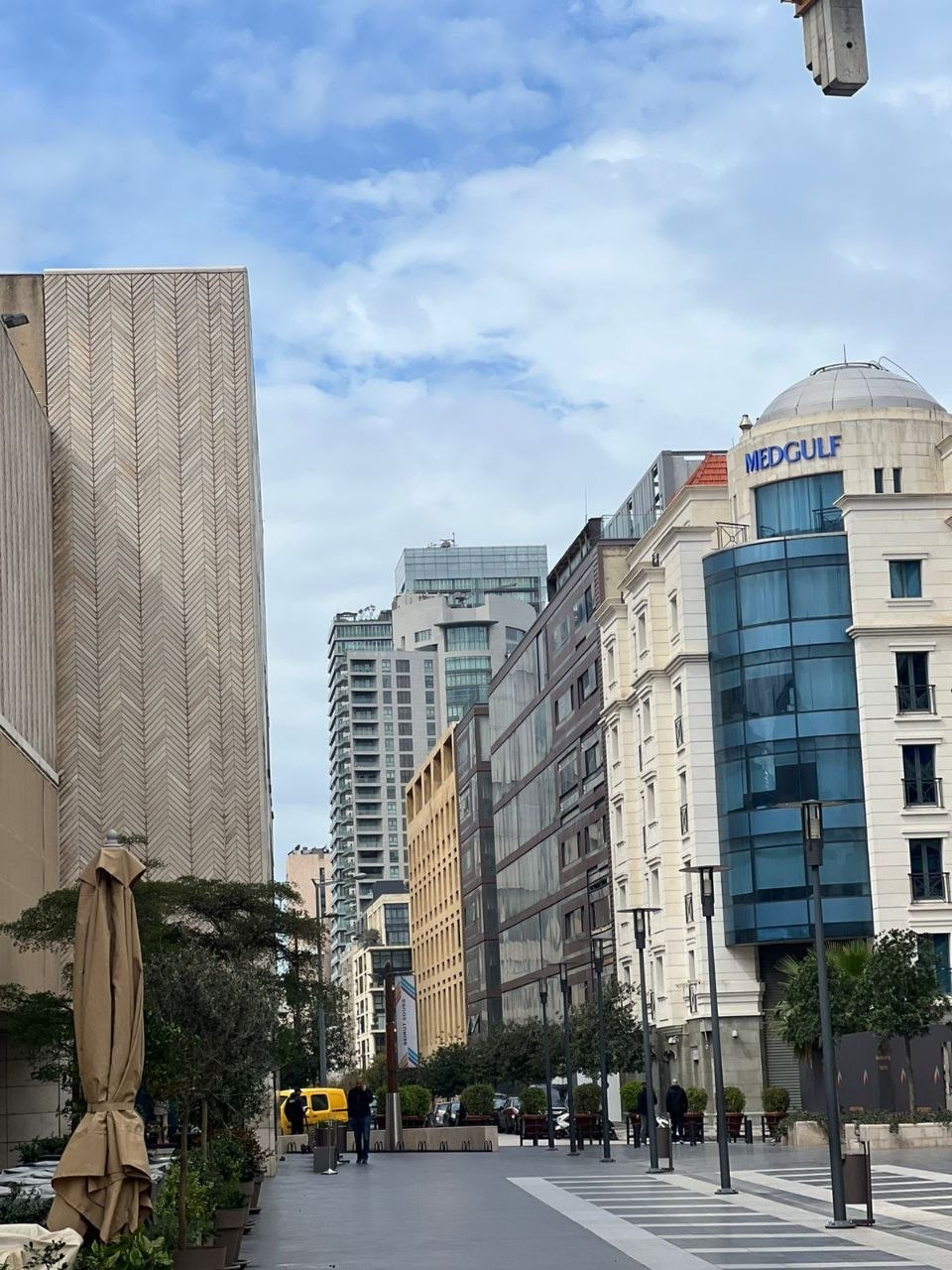
“Of course, the level of danger is higher than usual. I believe this will be the last war with Hezbollah, and this time its outcome will be decisive. The situation is extremely unstable, but part of Lebanon lies outside the danger zone, so many expats are returning to see their families in these areas,” he explains.
This will be the last war with Hezbollah — this time its outcome will be decisive for Lebanon’s future
Atrash himself recently returned to Beirut from Paris, where he worked as an adviser to a member of the French parliament on the national defense committee: “I accepted an offer to work in Lebanon, at a Lebanese-American media outlet. My home country has a chance to rid itself of Hezbollah and its allies, and I very much hope to help with that.”
Hezbollah helps only its own
The Insider’s sources describe the economic situation in the country as difficult: prices for gasoline and public transportation have risen, as have the costs of goods, services, and housing.
Fatima says that many in the Shiite community are now struggling to find work. Against the backdrop of the skyrocketing cost of living, they are forced to “survive on benefits” provided by Hezbollah and affiliated charitable organizations. For its part, Hezbollah’s revenues are primarily derived from drug trafficking and Iranian subsidies.
Recently, however, the payments made by the group to Lebanese Shiites have declined significantly. Fatima says that displaced Shiite families previously received around $200–300 per month, which was enough to cover rent. Now most donations are directed to the widows of Hezbollah fighters and their children, while other Shiites receive little or nothing.
Most donations are directed to the widows of Hezbollah fighters and their children
“The amount of benefits often depends on the level of personal connections. People directly linked to Hezbollah can afford more expensive housing – $500 a month or more,” the young woman says. “About two weeks before the start of the current Israeli–Iranian war, families in the south received around $1,000, although before that no aid had been provided for a long time. Hezbollah did this to restore the support and loyalty of its ‘fan base.’ And unfortunately, it worked very well yet again, despite the fighting.”
Fatima also stresses the fact that representatives of other confessions who were forced to leave their homes because of the war received no financial assistance from Hezbollah: “That’s all there is to say about claims that this war is being fought ‘for all of Lebanon.’”
Disappointment and resilience
Public sentiment in Lebanon varies widely based on experience and group affiliation. Ralph Atrash explains that people want stability and the chance to build a better future, but they fear a prolonged war. Young people, he says, are torn between the desire to emigrate and a sense of duty to their homeland.
“On the one hand, many young people want to leave the country in search of a stable life. On the other — especially among Christian youth — there is a belief that if they leave, the country will disappear, and the dream of a free Lebanon will be lost,” Atrash says. “It is a mixture of disappointment and resilience at the same time. You have to be Lebanese to understand it.”
Especially among Christian youth, there is a belief that if they leave, the country will disappear and the dream of a free Lebanon will be lost
According to Atrash, attitudes toward Hezbollah have changed in Lebanon in recent years. Whereas some segments of society previously accepted the movement as a Lebanese force, more and more people now see it as an instrument of Iran. Against this backdrop, even the idea of a peace agreement with Israel — once taboo — is beginning to be discussed openly among Christians and Muslims alike. Such a deal is increasingly seen as desirable if it can ensure security and economic recovery.
At the same time, Middle East expert Ruslan Suleimanov notes that while it is difficult to say exactly how many Lebanese people truly support Hezbollah, they remain a significant minority. “One can say with certainty that the majority of the population is against Hezbollah getting involved in conflicts. As soon as it starts fighting Israel, all of Lebanon suffers,” Suleimanov emphasizes.
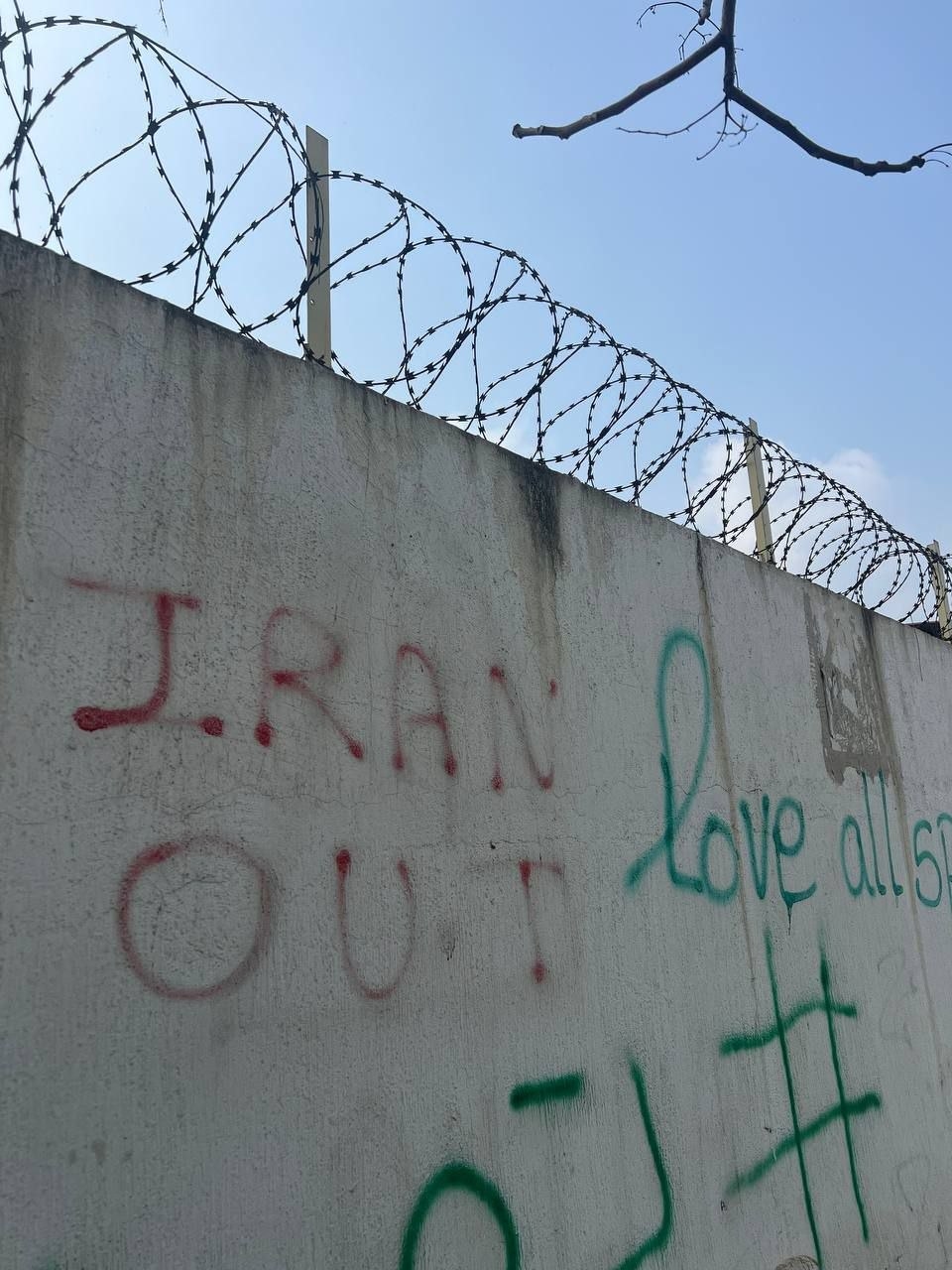
Fatima says that in Lebanon there are radical supporters of Hezbollah from different religions and confessions — something especially visible on social media. At the same time, she notes that the willingness to fight among Lebanese people is extremely low: “Radicals limit themselves to statements on social media. Even many members of Hezbollah itself have recently been leaving the group and hiding with their families away from the war.”
She believes that the government is “effectively absent,” as “officials confine themselves to statements without taking real steps. People on the ground do not want anything of Hezbollah to remain, even in politics. But the government seems intent on preserving its hegemony in Lebanon by keeping its political wing in power and shielding its military wing from accusations of treason and terrorism.”
As experts note, the Lebanese government has so far failed to push Hezbollah back from the Litani River, as required by UN Security Council Resolution 1701 of 2006. The organization is far stronger than the Lebanese army in terms of weaponry and the size of its mobilization base.
“In Lebanon, because of the fragmentation of society, each community has always feared that the army would become a tool in the hands of other communities, and so they have quite deliberately kept it weak… Lebanese people themselves, by and large, do not believe that the army in its current state can quickly transform and defeat Hezbollah,” explains Arabist Ksenia Svetlova.
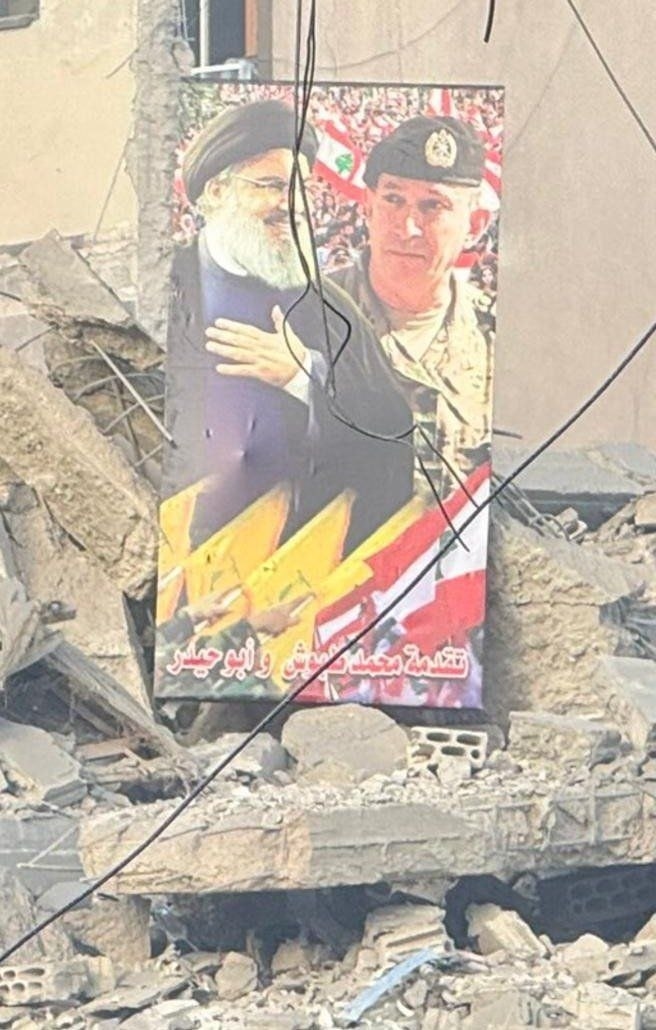
However, she says that until recently Lebanon did not have a government that was interested in reforming the army. She describes the country’s president, General Joseph Aoun, who came to power in 2025, and Prime Minister Nawaf Salam, as “progressive forces,” and believes that Israel, alongside its military actions against Hezbollah, should also support the current Lebanese government, as should Western and Arab countries.
Still, despite these limited notes of optimism, Lebanese civilians once again find themselves caught up in a war that is not their own. Acting as a parallel authority, Hezbollah is entering a new conflict with Israel, once again leaving people without homes and jobs, while the country’s economy plunges into yet another downturn. Judging by the accounts of The Insider’s sources, Hezbollah is beginning to lose support in society, a development that could lead to significant changes in Lebanon in the medium term — provided, of course, that the organization is not allowed to recover its strength yet again.