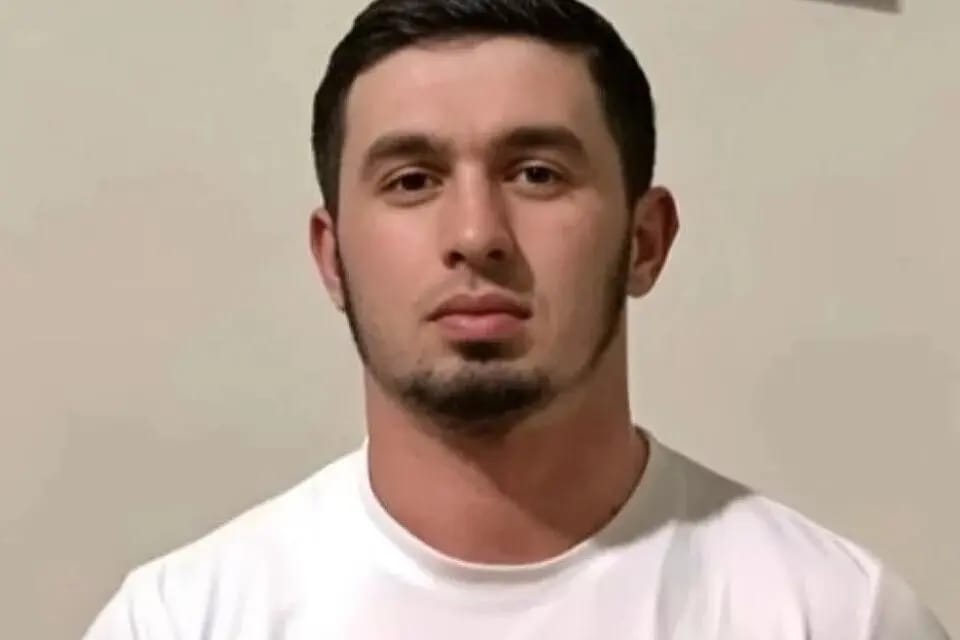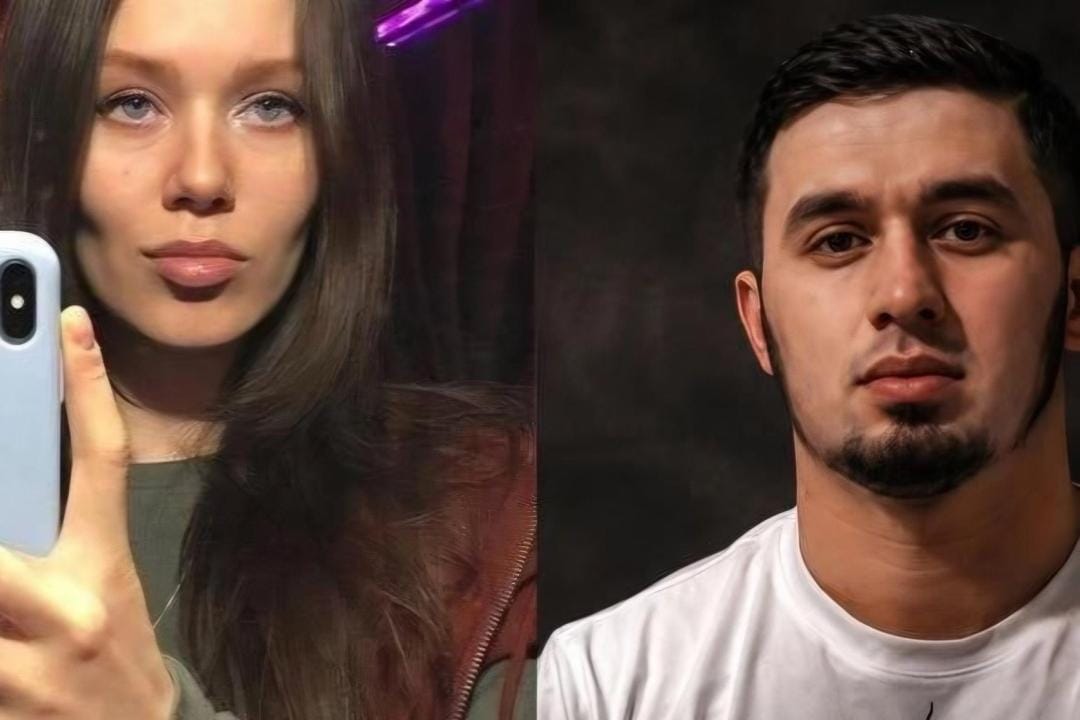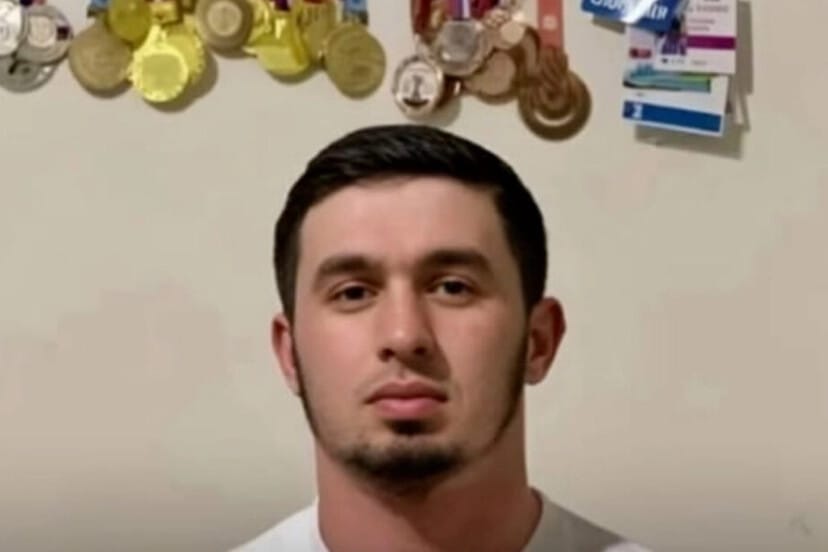
Chechen activist Mansur Movlaev smashed a surveillance camera at a pretrial detention center in Almaty after Kazakh authorities attempted to secretly transfer him under guard to Petropavl in the north of the country ahead of his planned extradition to Russia, Margarita Kuchusheva, a lawyer with the Russian Antiwar Committee’s “Consuls” project, told The Insider. Movlaev now faces criminal charges over the incident. He hopes the case will allow him to remain in Kazakhstan rather than ultimately be returned to Chechnya.
After Kazakh authorities attempted to secretly transfer Movlaev to Petropavl on Nov. 24, he took the desperate step of smashing a surveillance camera in his detention cell in an effort to avoid extradition to Russia. Under Article 428-1 of Kazakhstan’s Criminal Code, intentionally destroying or damaging video surveillance systems in prisons, pretrial detention centers, and temporary detention facilities is punishable by up to two years in prison.
The legal aid project Slovo Zashchite (lit. “A Word for the Defense”) reported that Kazakh authorities have already opened a criminal case against Movlaev for intentionally damaging property at the detention center.
As Kuchusheva told The Insider:
“Mansur broke the camera inside his cell at the pretrial detention center. That is a criminal offense under Kazakhstan’s Criminal Code. It is possible that once a criminal case is opened against him, he will be able to remain in Kazakhstan while the case is investigated and any sentence is carried out.
There is no guarantee they still won’t extradite him. But we hope they will not, because he has decided that it would be better for him to remain in Kazakhstan, even in prison, than to be sent back to Chechnya.”
As The Insider reported in September, Kazakhstan began coordinating with Russia on the extraditions of Movlaev and Yulia Yemelyanova, a former volunteer with Alexei Navalny’s St. Petersburg regional office. Both Russian nationals sought asylum in Kazakhstan after being detained by the country’s authorities but were denied protection.
In July, Movlaev and Yemelyanova wrote to Kazakh President Kassym-Jomart Tokayev asking him to halt their extraditions to Russia. The Anti-War Committee’s Consuls project, the International Society for Human Rights, or ISHR/IGFM, and the Kovchen (“Ark”) project also called on Tokayev to stop both extraditions, release the activists, and allow them to travel safely to third countries.
Movlaev attempted suicide twice since being placed in a Kazakh pretrial detention center. In a note written in September, he asked the country’s authorities to “at least save Yulia” by preventing her extradition to Russia.
Movlaev and human rights advocates alike believe he could face death if he is returned to Chechnya.