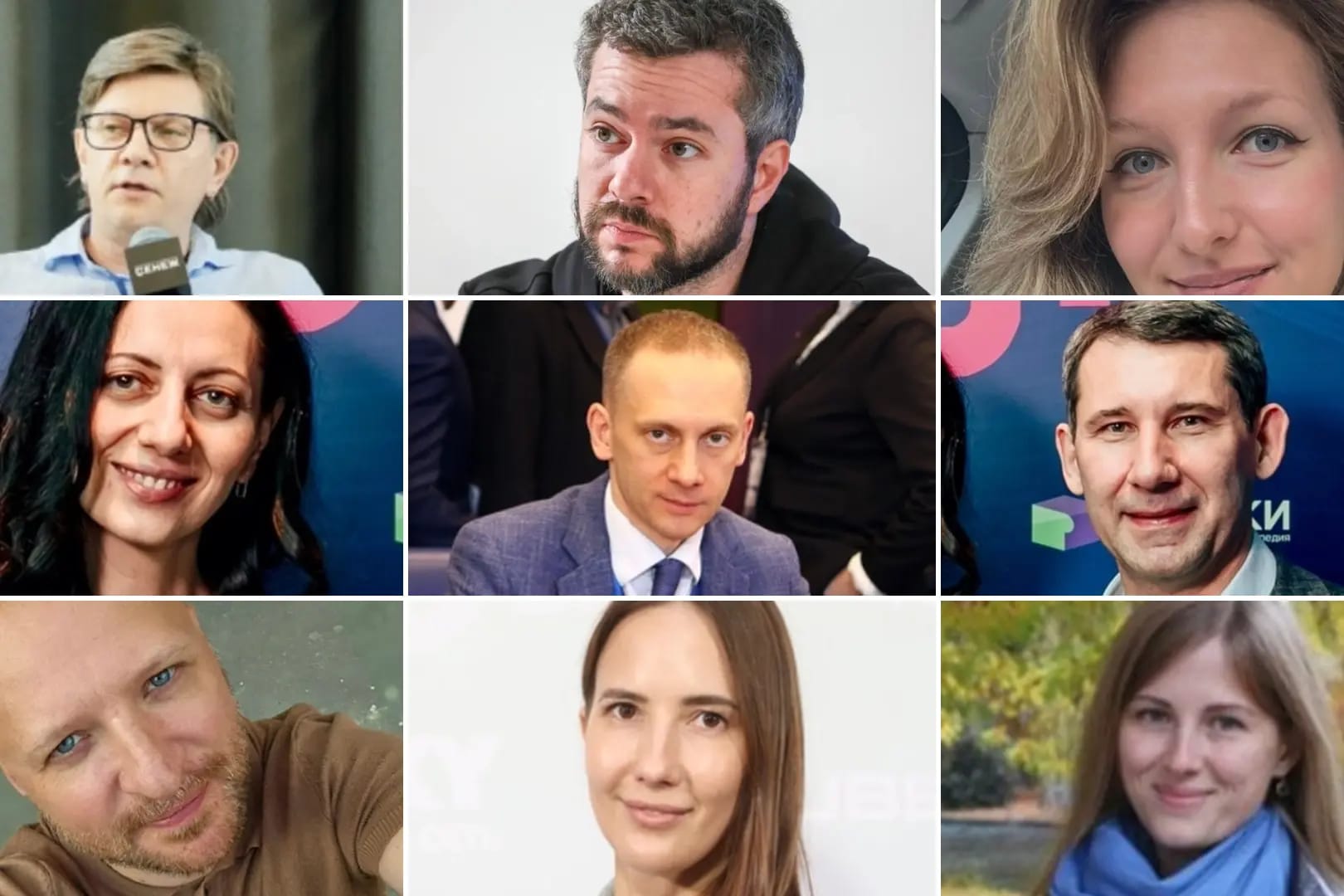
The European Union has imposed sanctions on 24 employees of the Social Design Agency (SDA), one of the Kremlin’s most visible contractors for spreading disinformation abroad. The move follows a series of investigations from The Insider that identified members of the Kremlin-linked operation and exposed the methods it has used to target audiences in Europe, Armenia, and Israel. The agency itself, which has been under EU sanctions since July 2023, was also included in the bloc’s new sanctions list. In all, the Council of the EU said it had imposed restrictions on 30 people and two organizations over Russia’s destabilizing activities and cyberattacks.
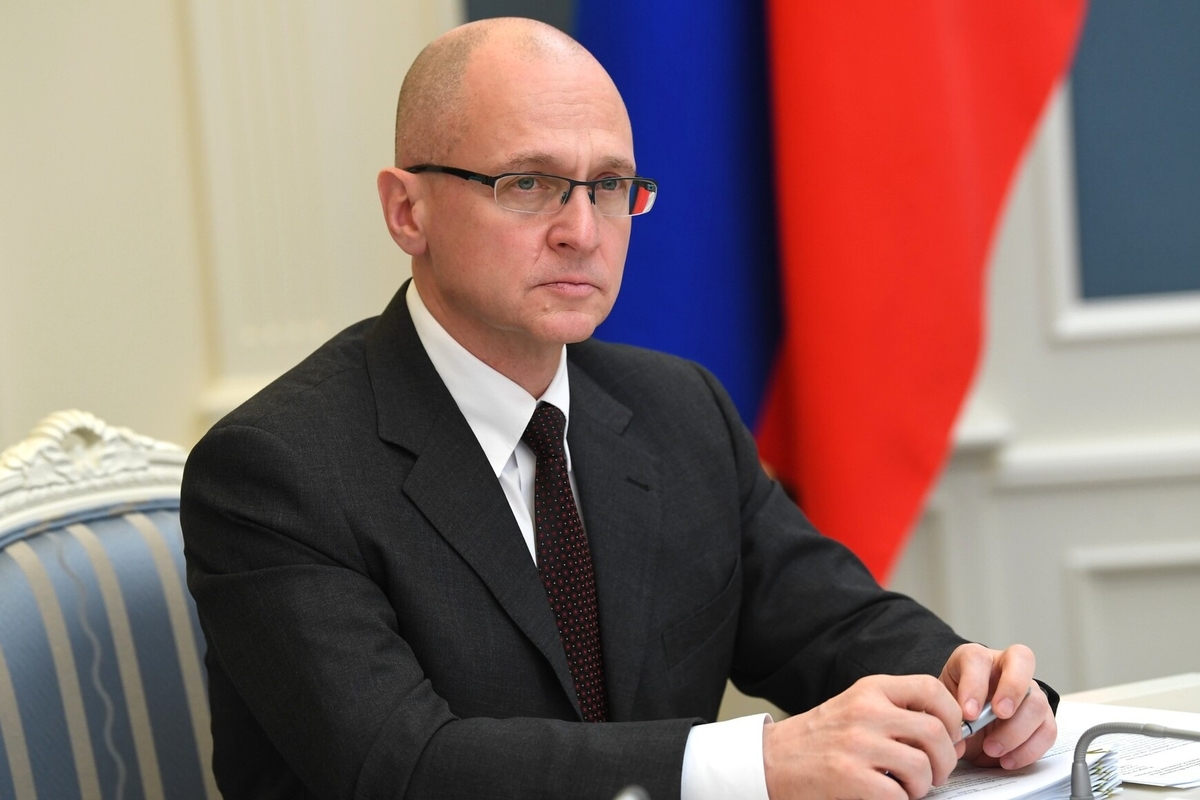
According to the Council’s decision, the Social Design Agency conducts large-scale disinformation and foreign-interference campaigns financed and controlled by the Russian presidential administration. Major SDA operations abroad require approval from Sergei Kiriyenko, the first deputy chief of staff of the Russian presidential administration, while their day-to-day implementation is overseen in part by Sofia Zakharova, an employee of the Kremlin’s information and communications technology directorate who has been under EU sanctions since December 2024.
One of the SDA’s goals is to undermine public support for Ukraine throughout Europe. The EU specifically cited interference in the 2024 European Parliament elections and information operations targeting Germany and France. SDA employees who were sanctioned took part in what the agency called its “European counter-campaign” and “Ukrainian counter-campaign.”
In an October investigation into the Doppelgänger disinformation network, The Insider detailed how the Kremlin’s projects were organized, who ran them, and who produced the fabricated content they put out.
What The Insider uncovered about the Kremlin’s disinformation operation
The Insider obtained hacked correspondence between employees of the SDA and Russia’s presidential administration, as well as internal agency documents. The records showed that one of the initiators of the Doppelgänger campaign was Kiriyenko, while its direct implementation was overseen by political consultant Ilya Gambashidze, who had previously worked with State Duma lawmakers Leonid Slutsky and Pyotr Tolstoy.
As early as spring 2022, shortly after Russia launched its full-scale invasion of Ukraine, Kiriyenko and Gambashidze discussed organizing a propaganda campaign in the West. That summer, the Kremlin decided to launch the operation in five European countries. One of the SDA’s main methods involved the creation of websites mimicking well-known Western media outlets and using them to publish fabricated news stories.
Among the false stories spread by the agency’s employees were claims that Ukrainian President Volodymyr Zelensky had bought two luxury yachts, reports of expensive purchases by first lady Olena Zelenska, and fake images of graffiti depicting Zelensky in European cities. Inside the agency, fabricated photographs, videos, and documents were referred to as “augmented reality.”
In early 2023, the SDA also launched a separate “Ukrainian counter-campaign” aimed at discrediting the government in Kyiv, dividing the country’s elites, demoralizing the Ukrainian armed forces, and sowing disorder among the population. The Kremlin official primarily responsible for overseeing the project was Alexander Kharichev, who at the time headed the presidential directorate responsible for supporting the work of Russia’s State Council. SDA employees fabricated directives purportedly issued by Ukraine’s Defense Ministry and circulated fake quotations attributed to the ministry’s officials.
The Insider also published separate investigations into the Social Design Agency’s activities in three countries:
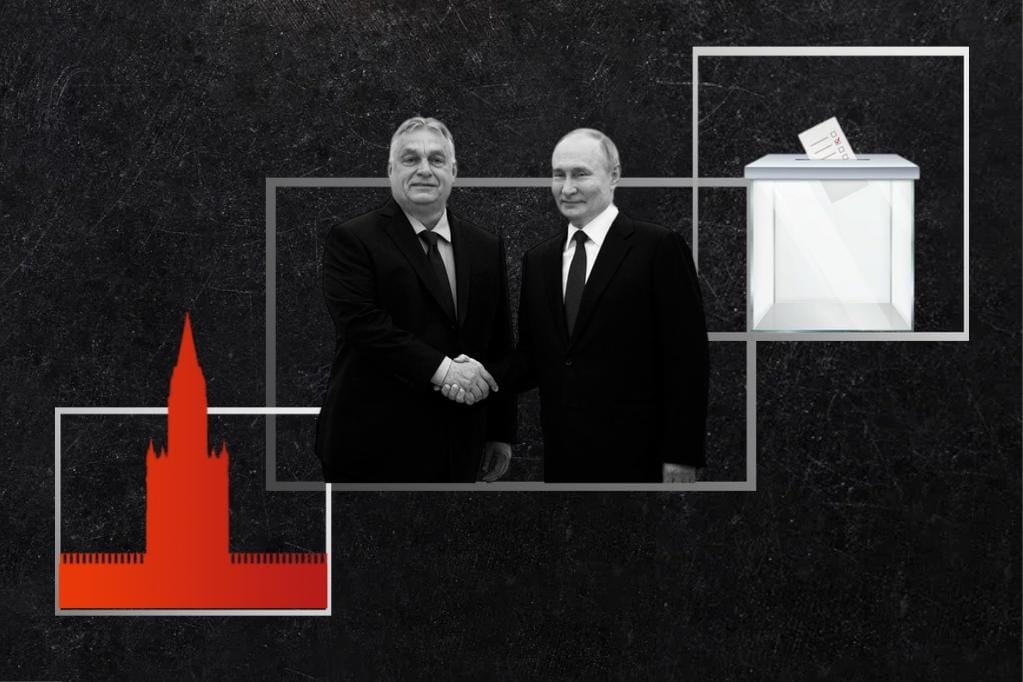
- Hungary. Ahead of the April 2026 parliamentary elections, The Insider reported how the Kremlin used its disinformation networks to support Viktor Orbán and discredit his main rival, Péter Magyar. Russian propagandists sought to persuade Hungarians that Magyar’s rise to power would lead to higher prices and draw the country into a war with Russia on Ukraine’s side. The information campaign involved structures linked to Russia’s presidential administration and the GRU, Russia’s military intelligence agency.
- Armenia. Ahead of the country’s June 7, 2026, parliamentary elections, The Insider found that SDA political consultant Andrey Perla, who had previously taken part in similar operations in Europe, the U.S., and Latin America, was among those coordinating the spread of disinformation in Armenia. The agency reported back to the Kremlin on the work of the Yerevan First website, which published material targeting Armenia’s political leadership. Pro-Kremlin networks spread false claims about Prime Minister Nikol Pashinyan’s health, alleged corruption, and a purportedly impending war with Russia.
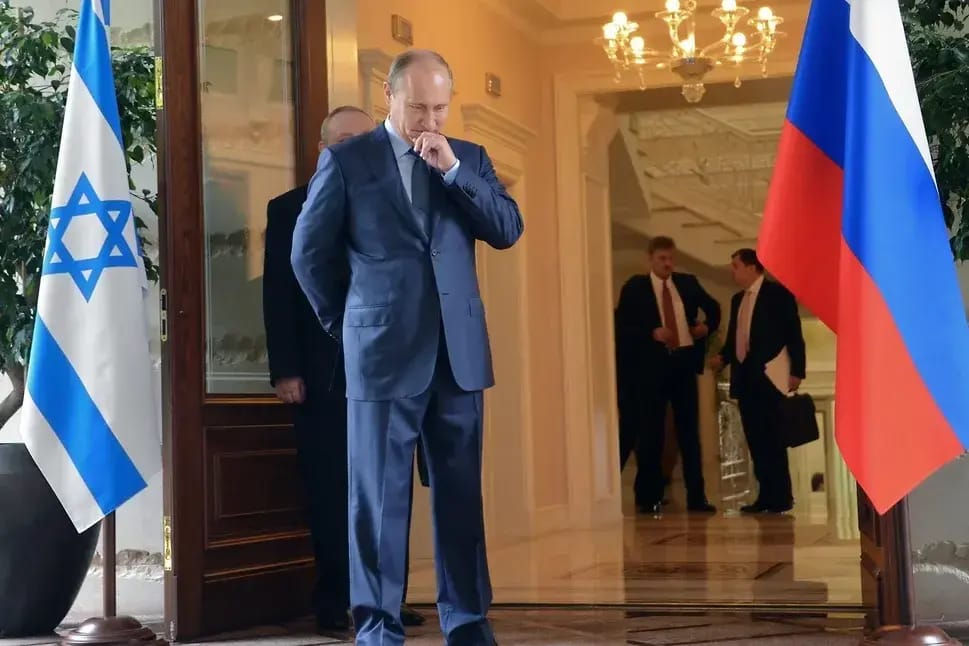
- Israel. As The Insider found in October 2026, the SDA used not only media outlets and social networks to spread Kremlin narratives but also specially created pseudo-expert organizations designed to appear independent. Among the main themes of Russian disinformation in Israel were claims that Western weapons supplied to Ukraine were being diverted to Hamas. Internal agency documents helped establish links between participants in the campaign and local journalists, influencers, rabbis, and members of the Knesset.
The Social Design Agency itself has been under EU sanctions since 2023. In October 2024, Britain also imposed sanctions on the SDA, its head Ilya Gambashidze, and political consultant Andrey Perla.
Who else was sanctioned by the EU?
In addition to SDA employees, the European Union imposed sanctions on six propagandists. They include Vitaly Eliseev, host of Pervy Kanal’s flagship evening news program Vremya; REN TV presenter Petr Marchenko; blogger Yuri Podoliaka; and Irish RT correspondent Chay Bowes.
The restrictions also target the pro-Russian hacking group NoName057(16), which emerged in March 2022. The group has claimed responsibility for cyberattacks against government agencies, critical infrastructure, and private companies in Ukraine, the United States, and EU countries. Its targets in Europe have included energy and transportation companies, banks, water systems, political parties, and individual candidates.
Assets in the EU belonging to the sanctioned individuals and organizations must be frozen, and providing them with funds is prohibited. The sanctioned individuals are also barred from entering or transiting through the European Union.
Full list of those sanctioned
Social Design Agency employees:
- Andrey Naumovich Perla — chief ideologue and analyst.
- Alexey Vitalyevich Ulyanov — political consultant and head of media operations.
- Viktor Nikolaevich Ostreshko — head of the content department and analyst.
- Anastasia Olegovna Kazakova — head of the social media department and editor at the Ves publishing house.
- Vladimir Igorevich Golovashin — writer.
- Alexander Pavlovich Kochetov — writer.
- Sergey Vyacheslavovich Tatti — editor of the “Pulse” system and director of the Tver City Youth Center.
- Elena Grigoreva — anti-monitoring operator, responsible for tracking and countering efforts to detect or disrupt the agency’s campaigns.
- Olga Alexandrovna Polosina — monitoring department employee.
- Viktoria Igorevna Gordeeva — monitoring department employee.
- Andrey Petrovich Manzolevskiy — project manager.
- Mikhail Alexandrovich Baraev — head of the design department and analyst.
- Aleksei Vladimirovich Medvedev — senior analyst and ideologue.
- Yan Gennadyevich Nalimov — editor and writer.
- Evgenia Viracheva — editor and writer.
- Gulnara Vilsurovna Androsova — writer.
- Igor Vladimiroch Bogatyrev — writer.
- Vladimir Viktorovich Kremlev — artist and caricaturist.
- Sergey Nikolaevich Korsun — artist and caricaturist.
- Armen Genrikhovich Asryan — writer.
- Ilya Vladimirovich Lipkind — writer and analyst.
- Vladimir Aleksandrovich Troshin — systems administrator in Manzolevsky’s department.
- Aleksei Andreevich Klimovskiy — writer.
- Alina Maratovna Gabdullina — team leader in Manzolevskiy’s department.
Propagandists:
- Chay Bowes — Irish RT correspondent and co-founder of The Islander News.
- Aleksey Stefanov — Sputnik Latvia journalist and coordinator of the channels Shproty v Izgnanii (lit. “Sprats in Exile”) and S Baltiyskim Privetom (lit. “Greetings From the Baltics”).
- Vitaliy Borisovich Eliseev — host of Pervy Kanal’s Vremya news program.
- Yurii Ivanovich Podoliaka — military blogger.
- Daniil Viktorovich Bezsonov — military blogger and former senior official in the so-called “Donetsk People’s Republic.”
- Petr Valentinovich Marchenko — host of REN TV’s Itogovaya Programma (lit. “Final Program”).
Organizations:
- Social Design Agency LLC (SDA).
- NoName057(16) — a pro-Russian hacking group.
On the same day, the European Union imposed sanctions on an additional 12 individuals and 101 organizations linked to financing Russia’s war against Ukraine. Those targeted include Tatyana Kim, the founder and CEO of the online marketplace Wildberries, as well the St. Petersburg Oil Terminal and around 50 Russian banks and financial institutions.