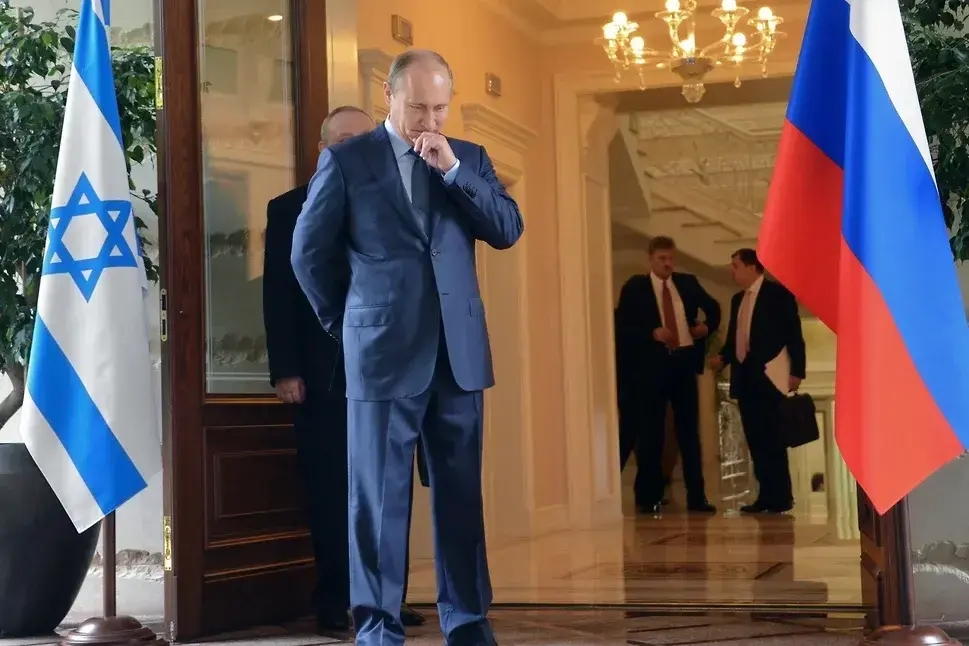
As Israel prepares for a key legislative election on Oct. 27, Kremlin-linked disinformation operatives in the country remain active. Their tools include not only media outlets and Telegram channels, but also a newer tactic: specially created “expert centers” that do not possess any actual expertise. Leaked files from Russia’s Social Design Agency (SDA) — described in detail in a recent investigation by The Insider — show which narratives Moscow has sought to promote in Israel and which local media outlets, influencers, rabbis, and even Knesset MPs have been drawn into the effort.
- 1.The Kremlin’s agenda in Israel
- 2.Fake websites
- 3.How the Kremlin exploited the Oct. 7 attack
- 4.Kremlin-sponsored content in legitimate media
- 5.Who was behind the Israeli disinformation campaign
- 6.Russian émigrés in Israel as an influence target
- 7.How the Kremlin created fake “expert centers”
- 8.The governing party’s leading Russian-speaking rabbi
- 9.Lobbyists in the Knesset
The Kremlin’s agenda in Israel
The Israeli social media space has been polluted by a range of anti-Ukrainian narratives — “NATO weapons supplied to Ukraine are ending up with Hamas!” and “Ukraine is forcibly conscripting Israeli citizens!” — which appear alongside posts from fake Ukrainian personas mocking Prime Minister Benjamin Netanyahu and claiming Ukraine had “brought the Israeli prime minister to heel” during a dispute over grain. As it turns out, the Moscow-based Social Design Agency was responsible for their creation and dissemination.
The SDA has been targeting Israel since at least early 2023. The country has a large Russian-speaking immigrant population, but the campaign was clearly intended to reach audiences beyond that community alone. Internal SDA documents connected with the international Doppelgänger campaign outlined four broad lines of messaging:
- “The war is over. The world after the war”
- “Change of government in Ukraine” — #OutgoingZelensky
- “Get America out of Europe!” — #GetAmericaOutofEurope
- “Sanctions against Russia are sanctions against the whole world. The end of the dream”
For obvious reasons, only the first two were deployed in Israel.
The SDA team was given specific performance targets, including the objective that after two months of work from the Russian side, mainstream Israeli media and online platforms would begin discussing possible postwar settlements for Ukraine, along with potential alternatives to Volodymyr Zelensky as president.
In June 2023, suggested SDA-driven article topics included:
- Undermining trust in the United States as a guarantor of Israel’s security.
- Arguing that several people in Zelensky’s circle could become Ukraine’s next president, including Valerii Zaluzhnyi, Kyrylo Budanov, Oleksii Arestovych, and even Olena Zelenska (but that only Zaluzhnyi would serve U.S. interests).
- Forecasts and parallels for Israel in the event that it supplied weapons or other aid to Kyiv.

Fake websites
The campaign did not go unnoticed. By July of 2023, intelligence officials had begun warning about Russian influence operations. Around the same time, cybersecurity company Cybereason determined that Russian propaganda and disinformation in Israel had initially been spread through X (then still known as Twitter) and Telegram.
“We uncovered the Russian government’s fake infrastructure in Israel, aimed at influencing public opinion by impersonating news websites,” Cybereason researcher Ilan Sokol said at the time. “As part of the campaign, well-known Israeli media outlets were forged. For example, the layout and content of the Walla website was copied. This was done to confuse visitors and make them believe they were on the real website.”
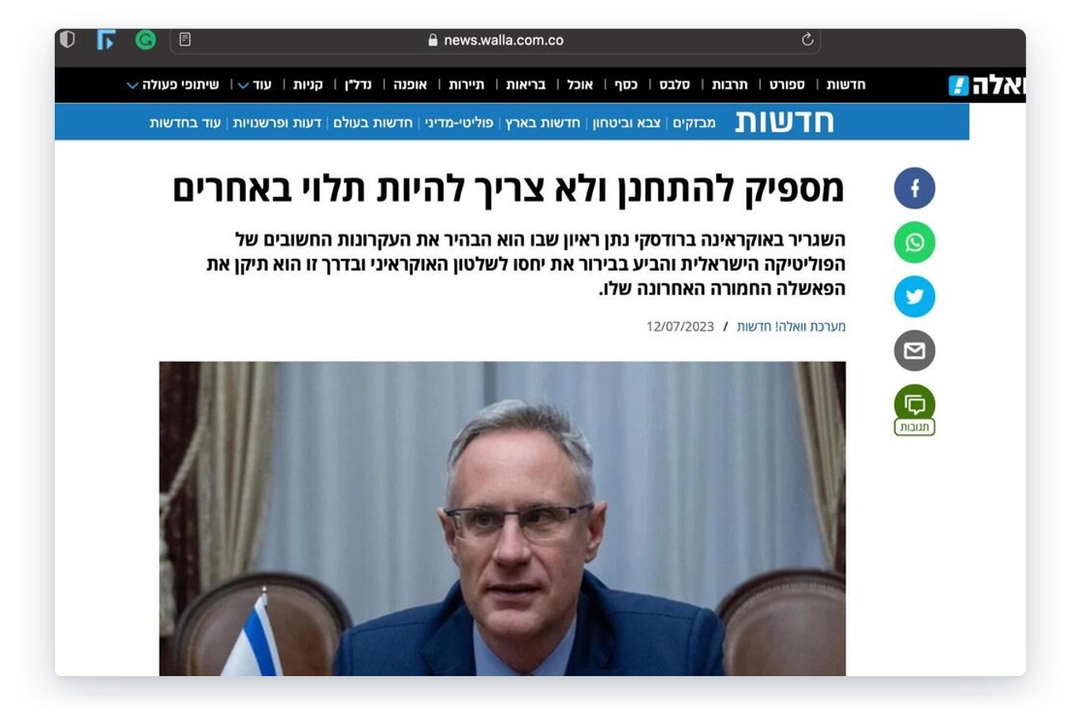
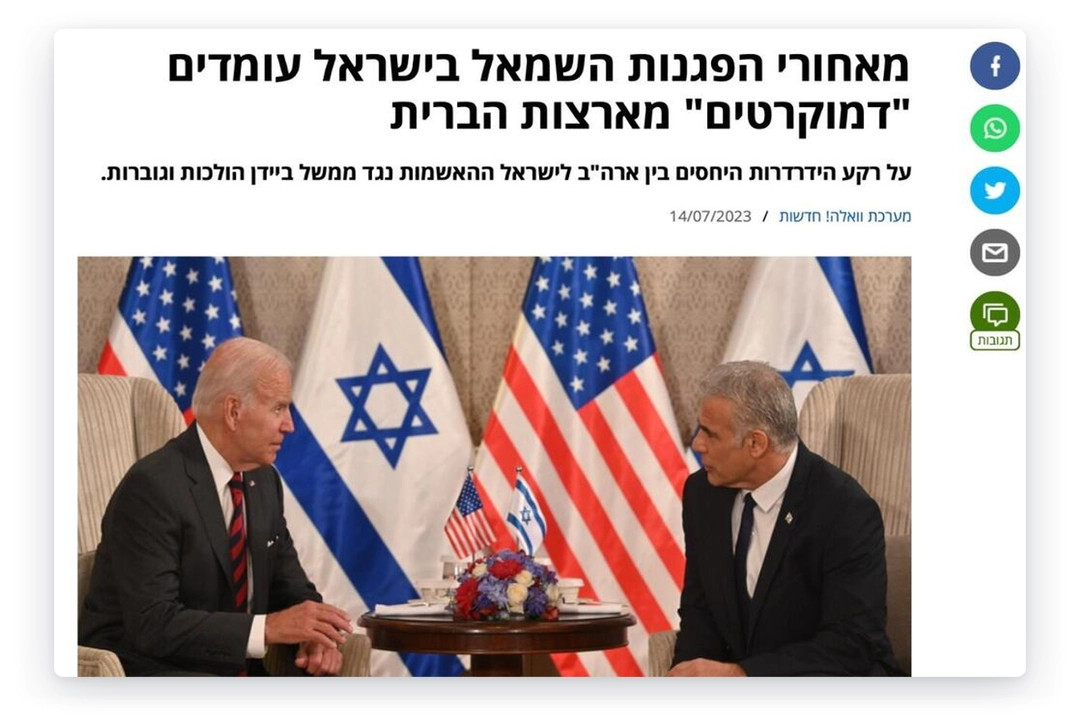
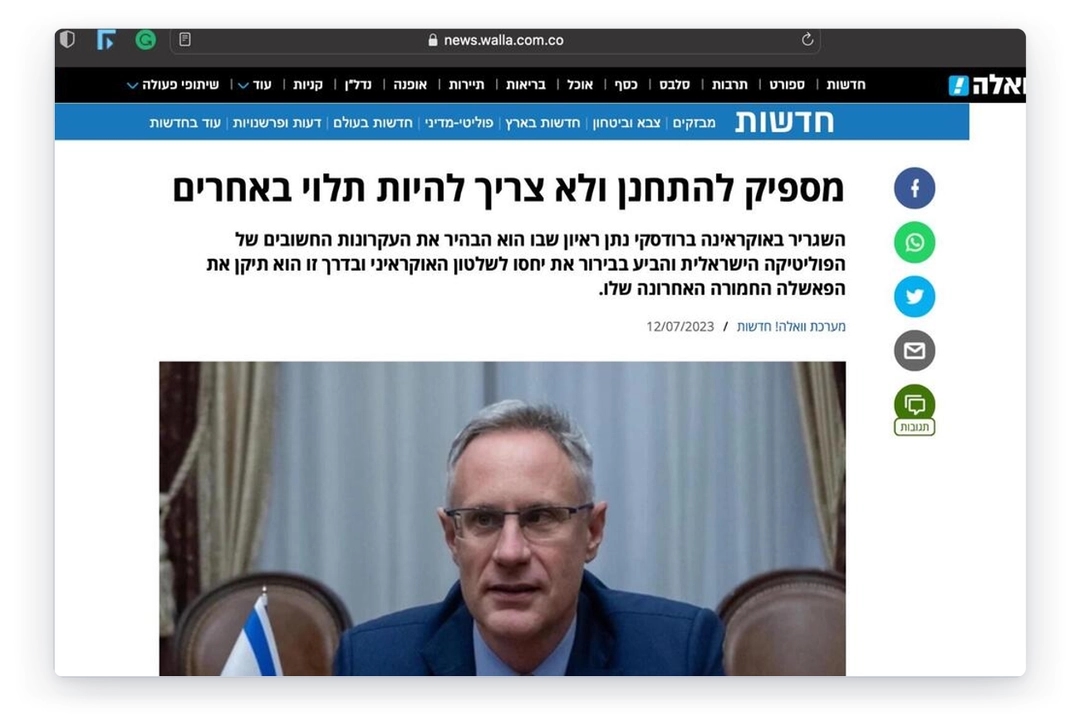
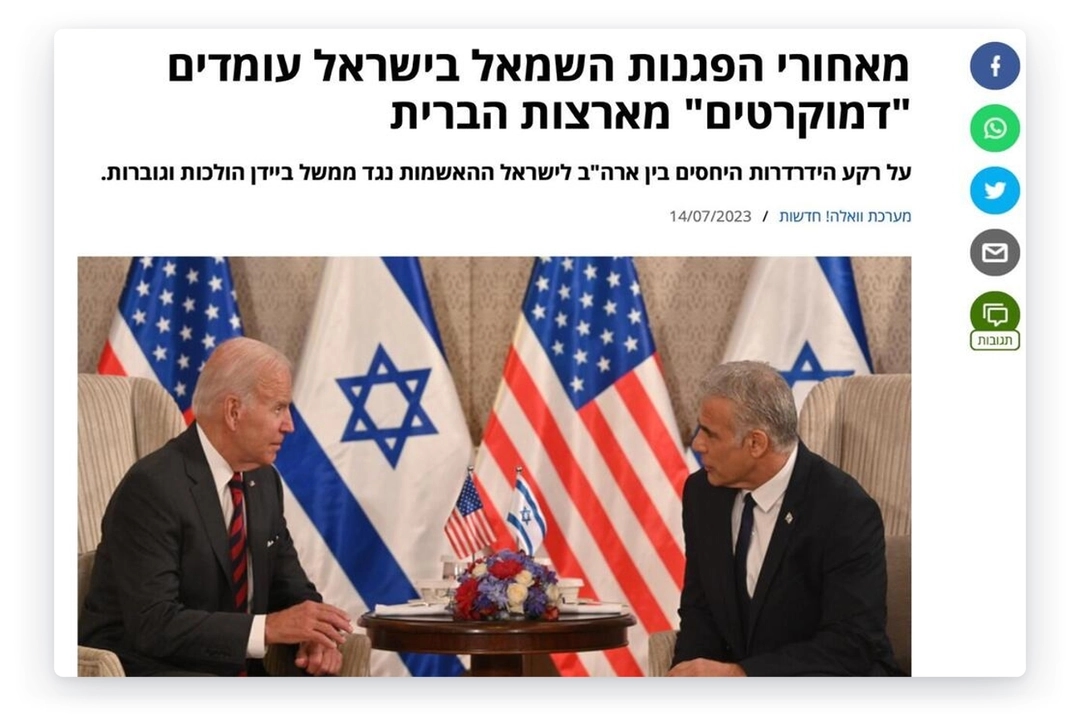
Impersonating legitimate media websites became a hallmark of the Doppelgänger campaign in 2022 and 2023, with Cybereason finding that websites imitating N12 and mako.co.il had also been created. Judging by the documents, in June 2023 the project was once again pitched to its client — i.e. the Kremlin — in an effort to secure an extension and increased funding.
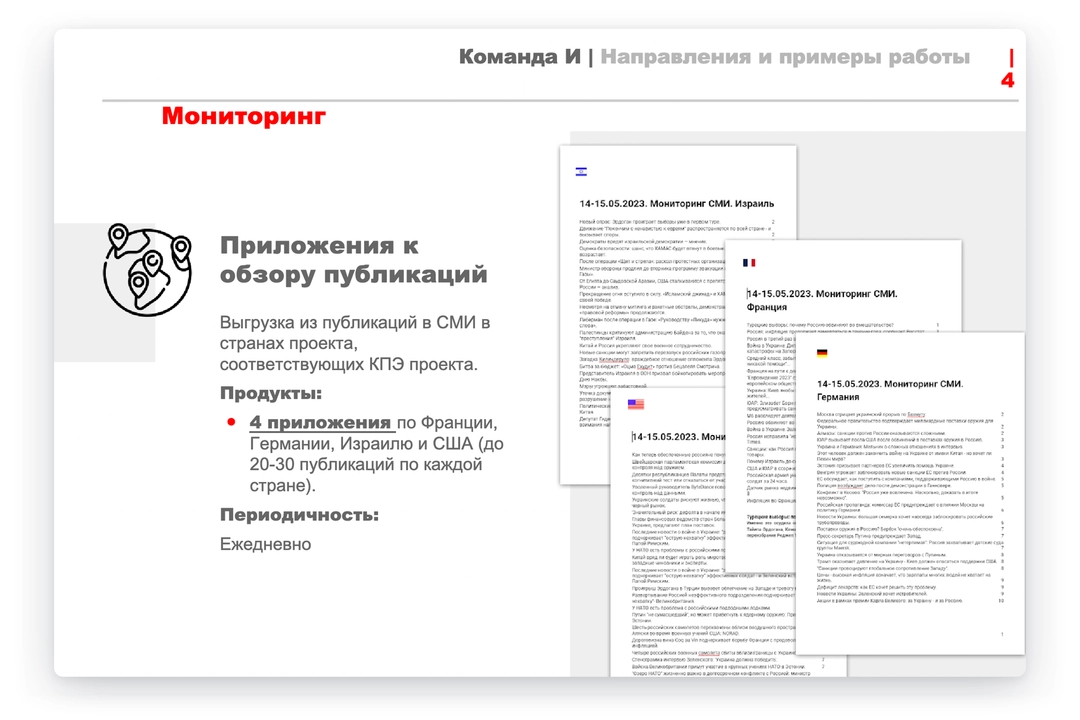
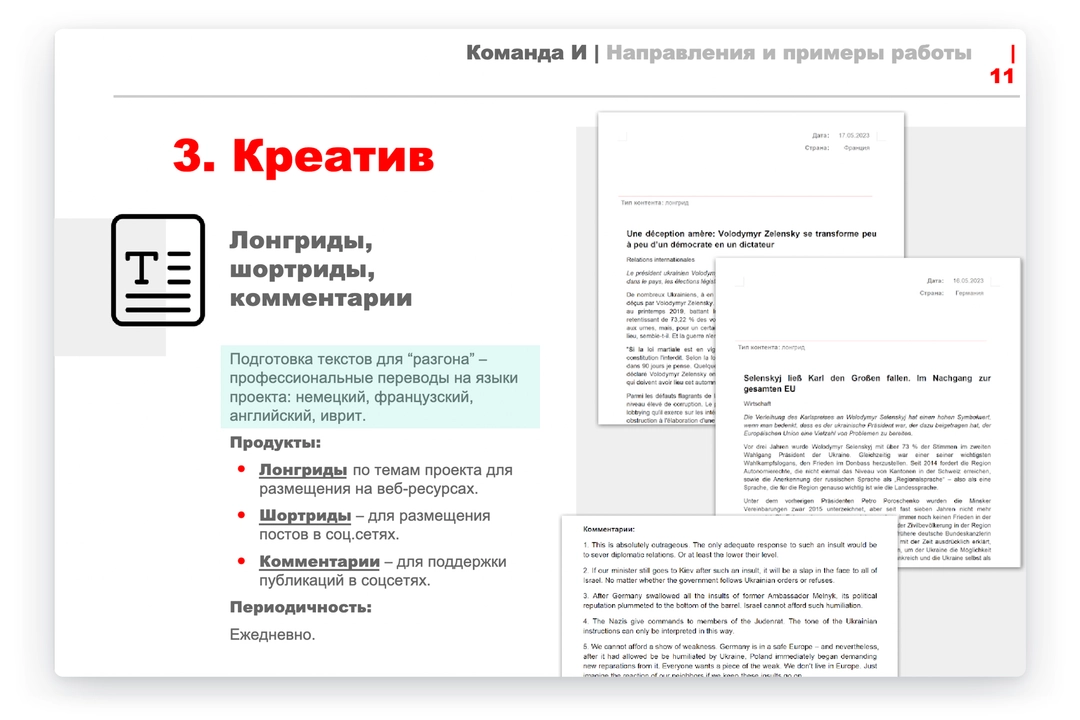
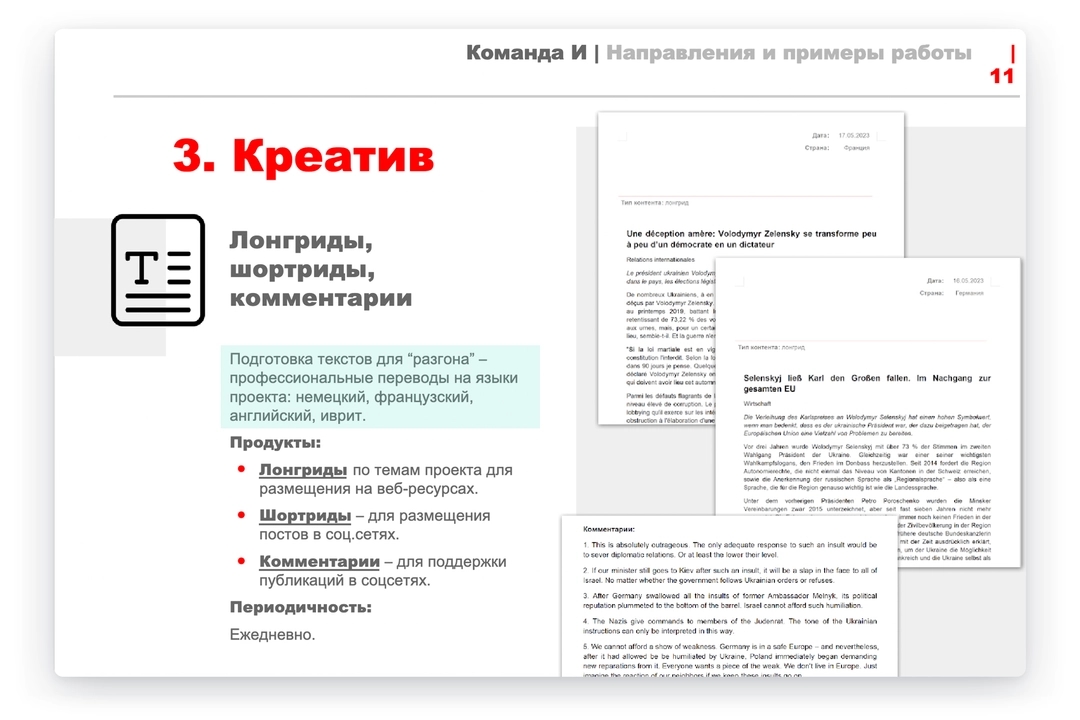
By August, campaign planners were considering spreading graffiti and leaflets in Israel, and in September 2023, a report seeking another round of funding proposed highlighting the Israel campaign as an example of the effectiveness of the SDA’s “factory of augmented reality” — its internal term for producing fabricated content.
Then came Oct. 7, and the team developed new ideas and assignments.
How the Kremlin exploited the Oct. 7 attack
As a document dated Oct. 17, 2023 began: “There are currently several emerging trends that can be proactively developed into new and effective lines of attack. The United States is losing the remnants of its influence in the Middle East. The situation around Israel is heating up. And there is no guarantee that U.S. warnings to ‘leave Israel alone’ will be heeded. It is one thing to launch a massive missile strike and impose sanctions on two or three countries. But if the entire Arab and Muslim world is drawn into the war, this will become an extremely serious existential challenge from the Global South to the collective West. At the same time, it is obvious that the United States will leave the EU to deal with the problem on its own while taking shelter on its own continent.”
At an Oct. 20 meeting with Alexander Kharichev — a senior Kremlin official who has been linked in investigations to domestic political management and influence operations — participants proposed exploiting a statement by U.S. President Joe Biden about aid to Ukraine.
“$60 billion for Ukraine, $12 billion for Israel. We have nothing to argue with here. Talk about the shells transferred to Israel! As AXIOS writes! Push it! + they are sending 4,000 troops,” read notes from the meeting reviewed by The Insider.
The propaganda plan targeting Ukraine was adjusted at the same time.
“The U.S. redirected 155 mm shells to Israel instead of Ukraine. ‘Our’ 155 mm shells from the U.S. went to ‘them,’” one set of instructions read.
“Add examples involving aerial bombs and other weapons supplied to Israel. Emphasize the theme: ‘Why them and not us?’ They will get money/we won’t. All world leaders went to Israel, not Ukraine. Israel refused Zelensky entry, while Biden and Scholz entered the country without any problem. Western leaders are already redirecting all aid from us to the Jews, sending another aircraft carrier to Israel with more than 4,000 Marines aboard.”
Prompts intended for the authors of artificial social media comments added that the “first three narratives” should be pushed more heavily in western Ukraine “using traditional antisemitism.” Operatives were also instructed to spread rumors in Ukraine that Muslim units of the Armed Forces of Ukraine would leave to defend Palestine, as well as claims that Jewish troops were being released from the Ukrainian military to defend Israel.
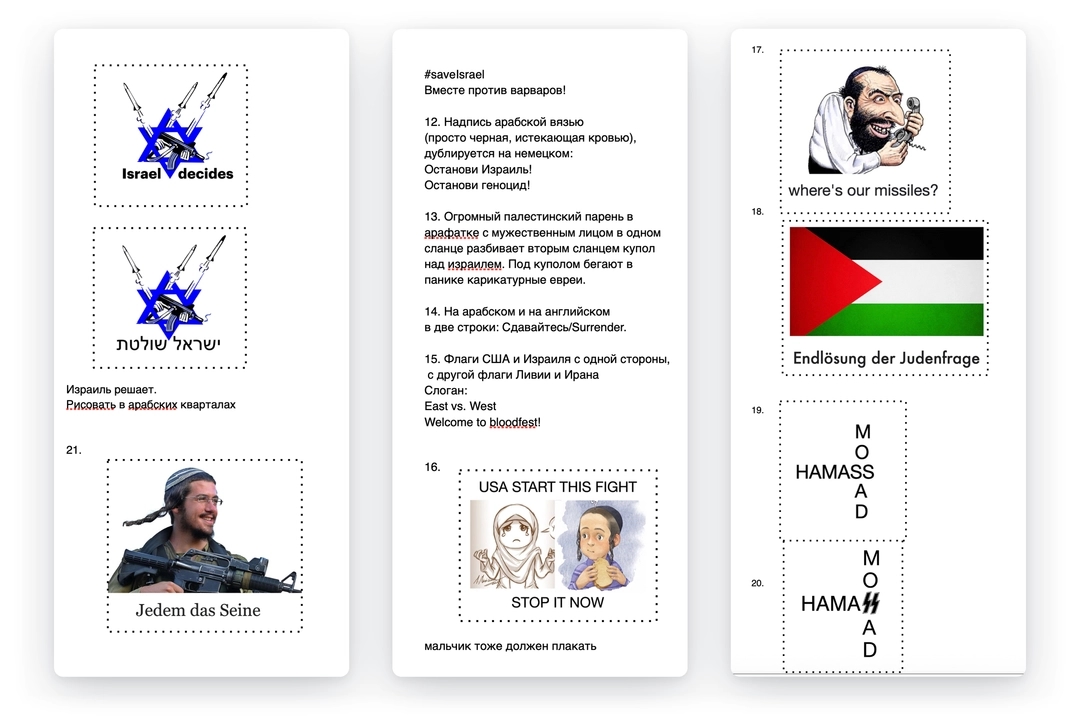
When Readovka founder Alexei Kostylev joined meetings focused on disinformation in Ukraine, he suggested “planting among the Nazis” the idea that they should “go after Ze[lensky] for supporting the Jews.”
Project staff continued posting fake comments on social media.
Examples of AI prompts from April 2024 included:
“Talking points: The country is exhausted by military operations. Burnout and overwork among medical personnel are only one sign that the war has dragged on for too long. If the government had acted more decisively and wisely, and if the United States had really helped us, we would have won by now.
Write a 400-character comment from the perspective of a 38-year-old Israeli woman who believes Israel is overburdened by military spending. Medical workers are now under pressure and stress, as they were during the pandemic. The war is dragging on, and the United States is criticizing the methods used to conduct it. If the government had acted more decisively and wisely, and if the United States had truly helped us, we would have won by now.
Talking points: The government understands that it cannot solve the hostage problem and that the war is gradually reaching a dead end. The minister fled a meeting with evacuated citizens because he had nothing to tell them.
Write a 400-character comment from the perspective of a 45-year-old Israeli woman who thinks the minister is simply a coward. Instead of listening to the problems of people in need and trying to support them, he ran away! The Israeli government understands that it cannot solve the hostage problem and that the war is gradually reaching a dead end. The minister fled the meeting with evacuated citizens because he had nothing to tell them, but rushed to accuse them and call them a ‘loud minority’!”
Kremlin-sponsored content in legitimate media
In late 2023, articles that were also apparently commissioned as part of the project began appearing in genuine news outlets. Starting in November of that year, journalist Nick Kolyohin began putting out interviews in Walla with Israeli politicians, political scientists, and security experts, as well as with former hostage Roni Krivoi, who was said to have been released as a gesture of Hamas’ respect for Vladimir Putin.
Kolyohin presented the series as a joint Walla-Jerusalem Post project titled “The World on Fire,” but in violation of the outlets’ rules, he failed to disclose that the articles themselves had been sponsored by a Russian organization.
As Israeli media watchdog The Seventh Eye noted in its own investigation, the pieces were edited to emphasize themes of interest to the Kremlin, often by taking interviewees’ statements out of context.
For example, an interview with Likud lawmaker Hanoch Milwidsky was headlined: “Israel should focus on domestic affairs and avoid involvement in the Ukraine conflict.” However, in the video version of the interview, Milwidsky criticized Russia’s friendly relationship with Hamas — remarks that were omitted entirely from the published article.
The pieces were edited to emphasize themes of interest to the Kremlin
An interview with Tel Aviv University lecturer Yevgeny Klauber was edited in a similar way. In the video, viewers can hear Klauber criticizing Putin’s “disgusting statements” and even his “antisemitism.” Yet in the written version, only his criticism of the Ukrainian government remained.
The Seventh Eye’s investigation found that Kolyohin was paid for the series by an anonymous organization called the Russia-EU Communication Platform. Its website is now offline, but it previously published poorly formatted articles in Russian and English featuring experts criticizing sanctions, Ukraine, and NATO while praising Russian foreign policy. The Insider found that some of those experts were also part of the Social Design Agency’s pool of commentators.
Kolyohin, also known as Nikita Kulyukhin, was an obvious choice for promoting Russian narratives in Israel. His family moved there from St. Petersburg in 1992, when he was 9, and he speaks Hebrew, Russian, and English fluently.
A decade ago, Kolyohin worked as a special correspondent for Israel’s Channel 10, but his career there later ran into trouble when he produced an investigation into the Israeli Center for Cult Victims, eventually ending up in court after failing to disclose that it had been commissioned by Gilad But, the director of the right-wing organization Ad Kan.
In 2025, Kolyohin and a colleague were ordered to pay 755,000 shekels in damages (nearly 218,000 euros).
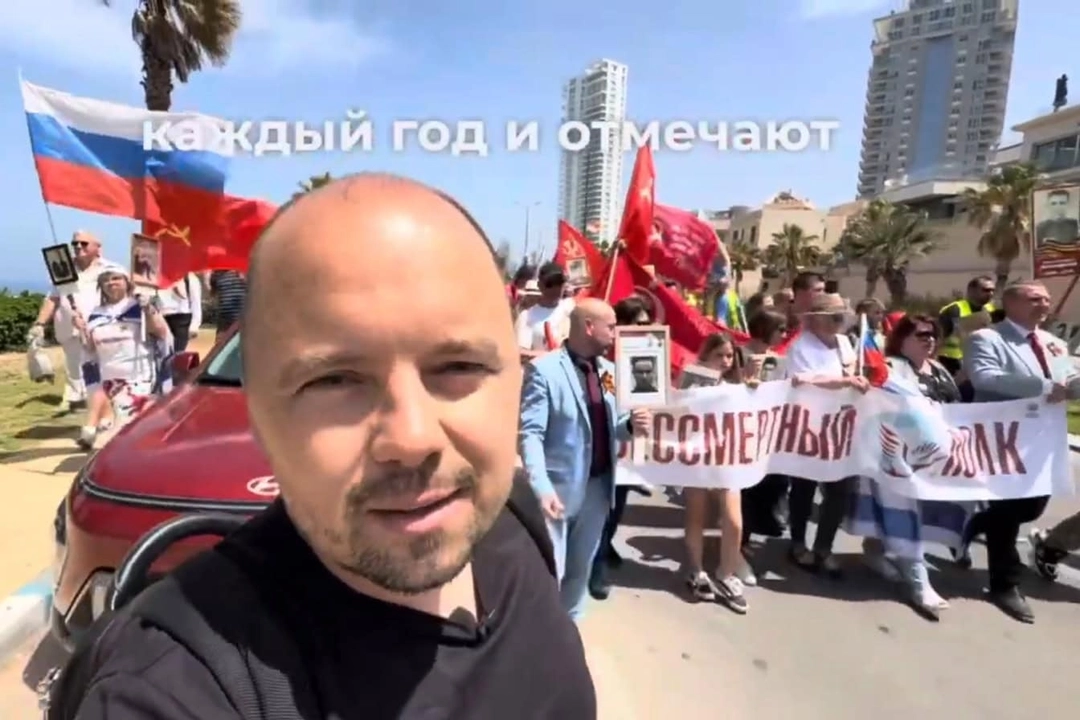
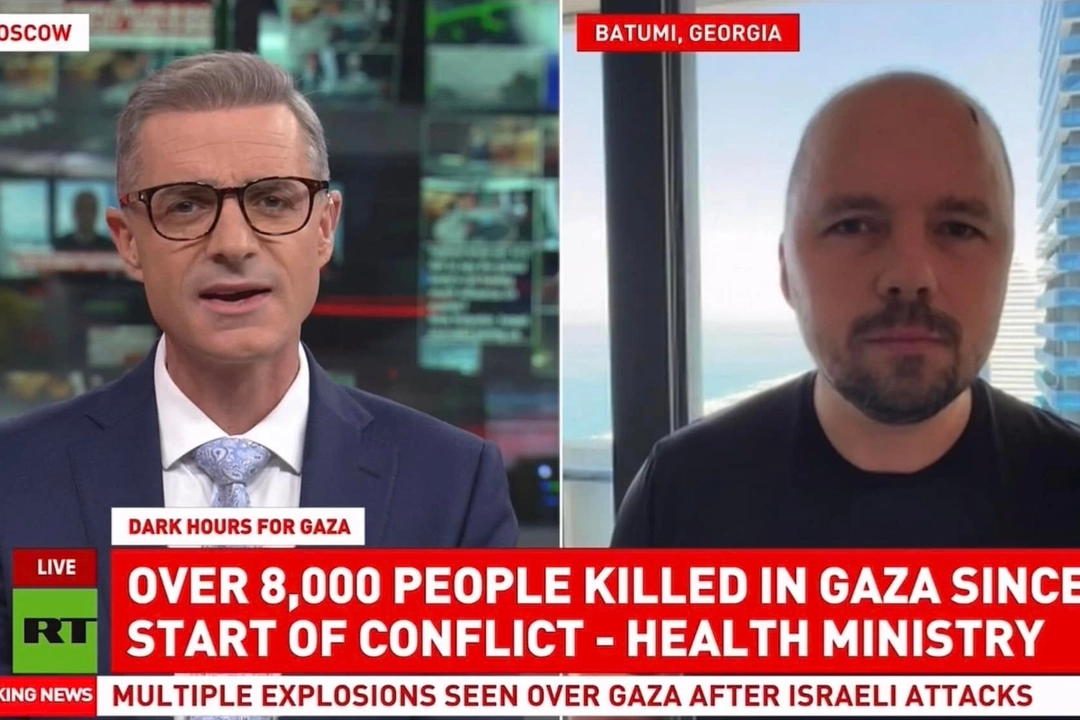
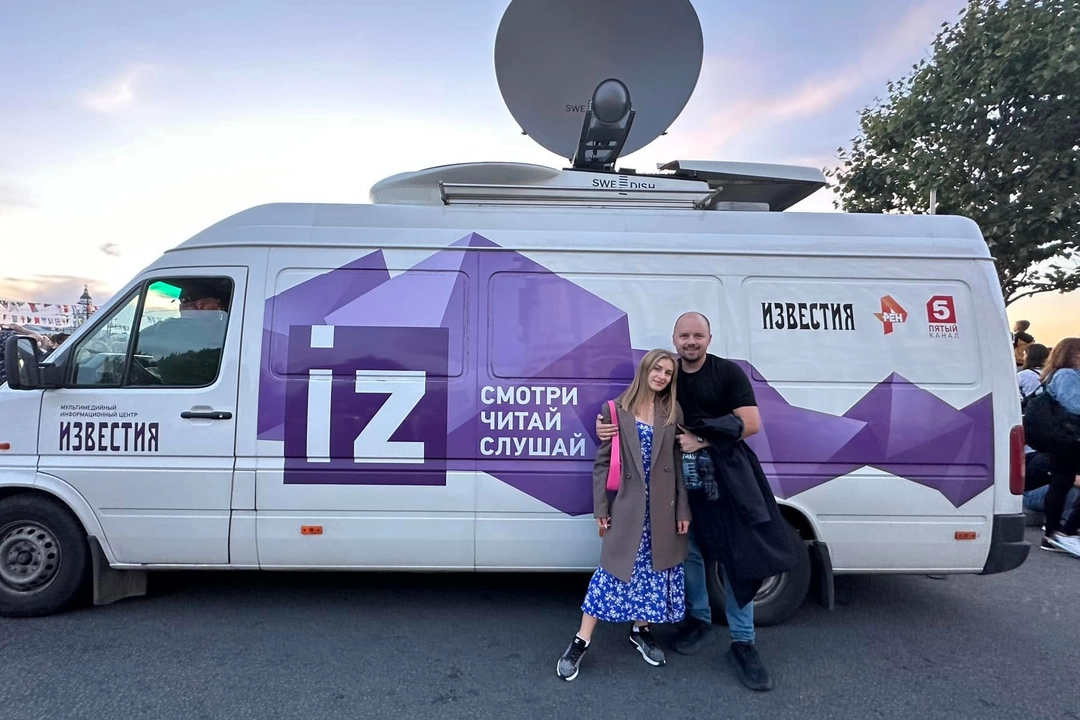
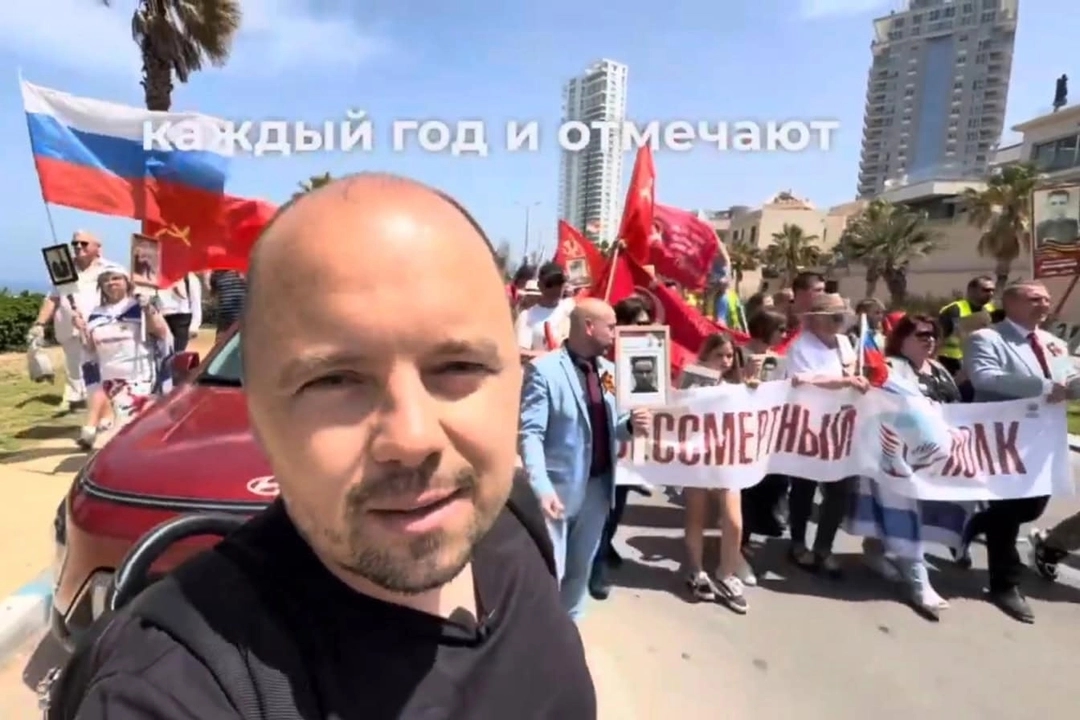
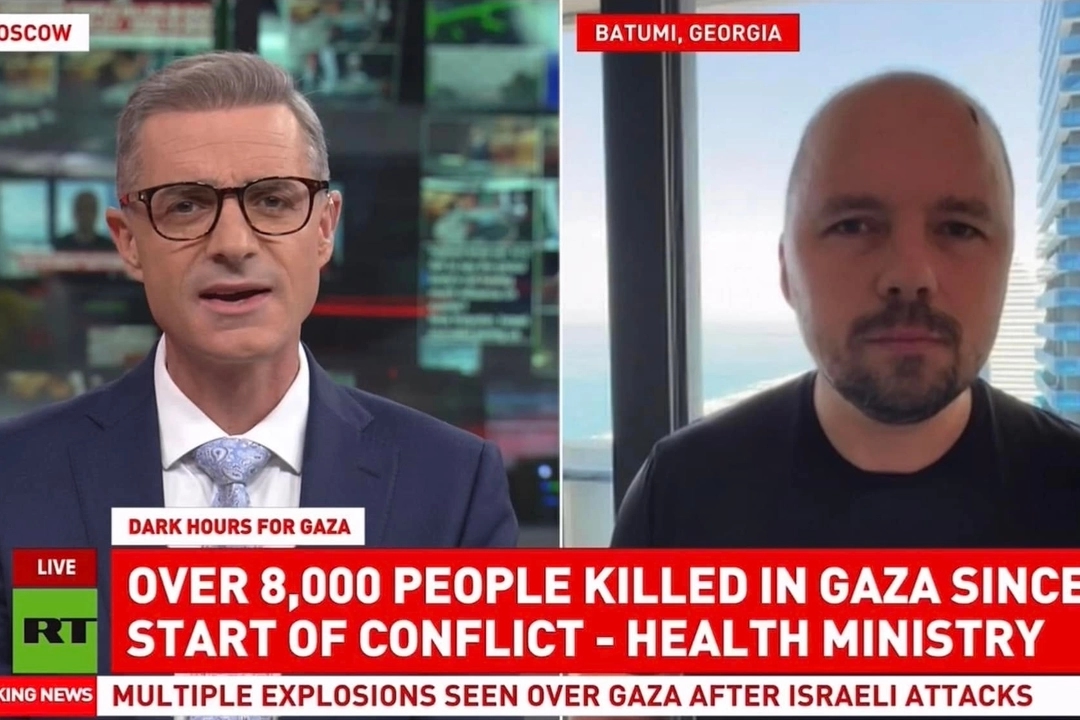
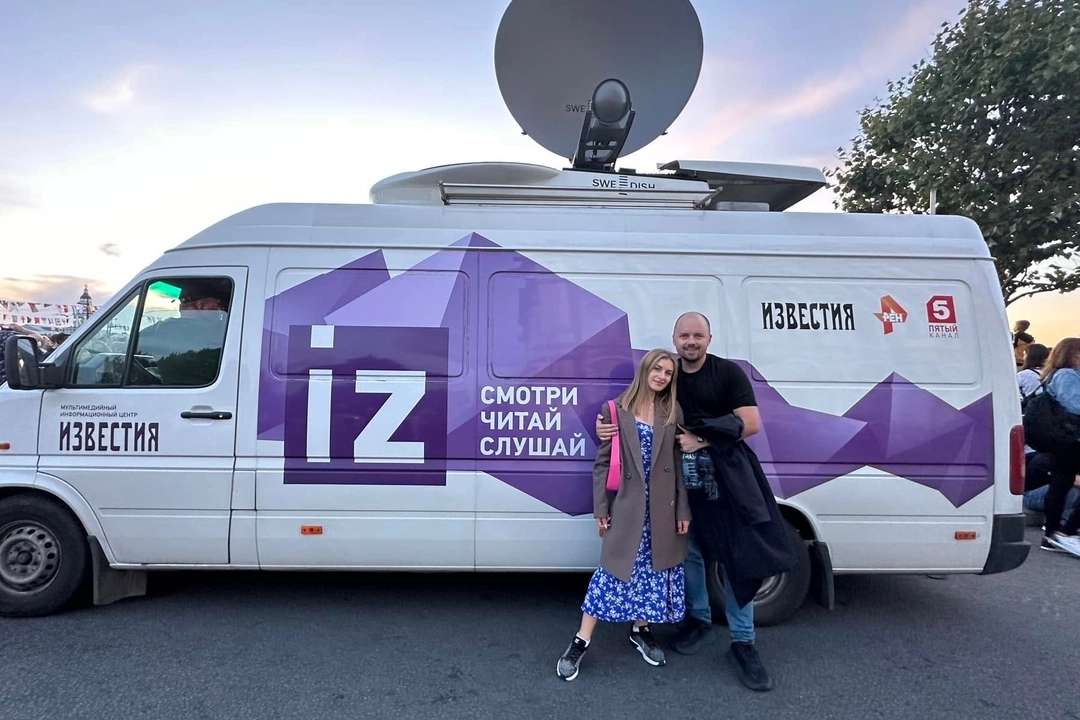
Kolyohin is known for more than commissioned articles. Since leaving Channel 10, he has worked mainly as a freelance reporter and regularly appears as a correspondent or “expert” in pro-Kremlin media, including on RT, Channel One, and Channel Five. Channel Five is controlled by National Media Group, whose board is chaired by Alina Kabaeva, widely reported to be Putin’s romantic partner and the mother of two of his children.
Kolyohin’s funding was most likely arranged with the help of the Social Design Agency, which actively involved him in its work. In leaked SDA correspondence, The Insider found a January 2025 proposal to bring “American Gen. Paul Vallely” into the project. As a campaign employee reported to the Kremlin:
“The speech by American Gen. Paul Vallely is ready. Script and screenshot are in the chat. Topic in brief: NATO is losing, Russia is winning. Important: Vallely is close to Trump and is perceived accordingly. Preliminary agreements have been reached with major Israeli media outlets for Vallely to publish ‘his’ experts through them. We are now preparing a letter from Vallely’s organization, the Stand Up U.S. Foundation, to the media and working out the financial arrangements. Probability of success: 90%.”
At the end of February 2025, an interview with Paul Vallely was indeed published by the Israeli radio station Galey Israel. It was summarized by none other than Nick Kolyohin, and the piece was edited much like the earlier interviews with Israeli experts — with an emphasis on narratives favored by the client.
The publication of the Hebrew-language interview then gave Russia’s state news agency TASS an opportunity to republish it less than a week later, saying that “a transcript was obtained by TASS” — without explaining where it had come from. Vallely himself later reposted the TASS text on his foundation’s website.
The main talking points argued that Trump would work with Putin to end the conflict, that “Russia will retain Ukraine’s four eastern regions,” that Zelensky would be replaced by another leader as early as 2025, that NATO would undergo fundamental changes due to the unpopularity of its policies, that the United States would sharply reduce its support for the alliance if Ukraine continued to be pushed toward membership, and that Europe would undergo a “shift to the right” that would see more leaders like Viktor Orbán come to power.
In a later conversation with OCCRP, Vallely said he did not remember giving any interview to Israeli media that he had no ties to Russia. Whether Vallely knew that his remarks would be used for Kolyohin’s Galey Israel publication remains unclear.
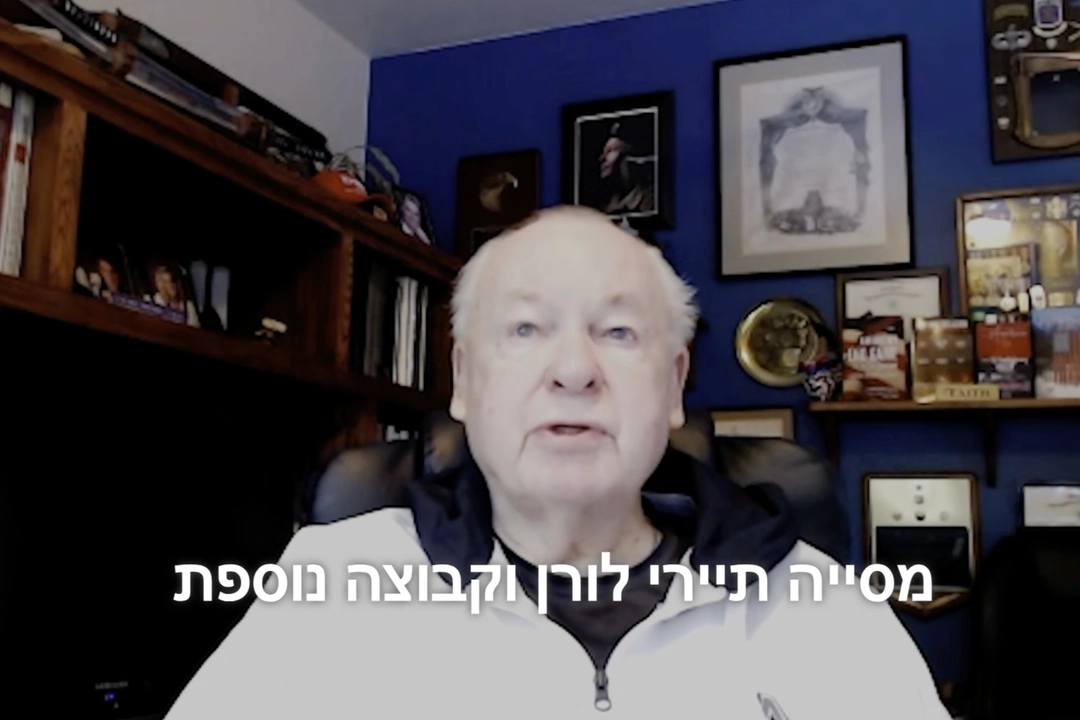
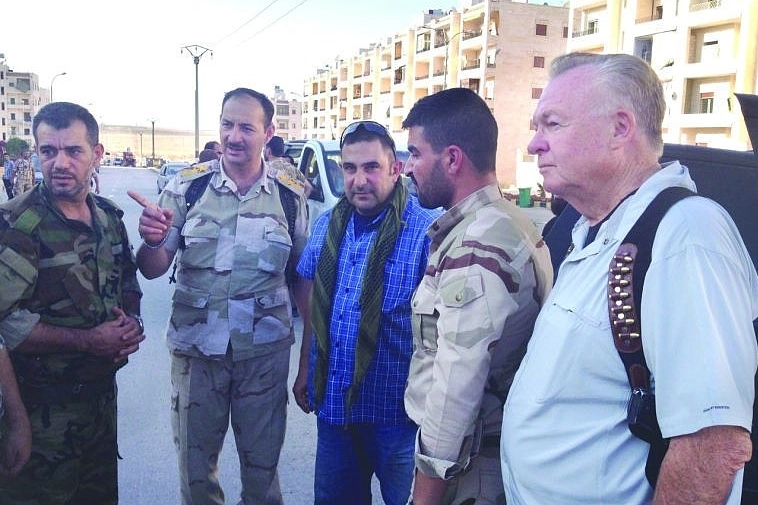
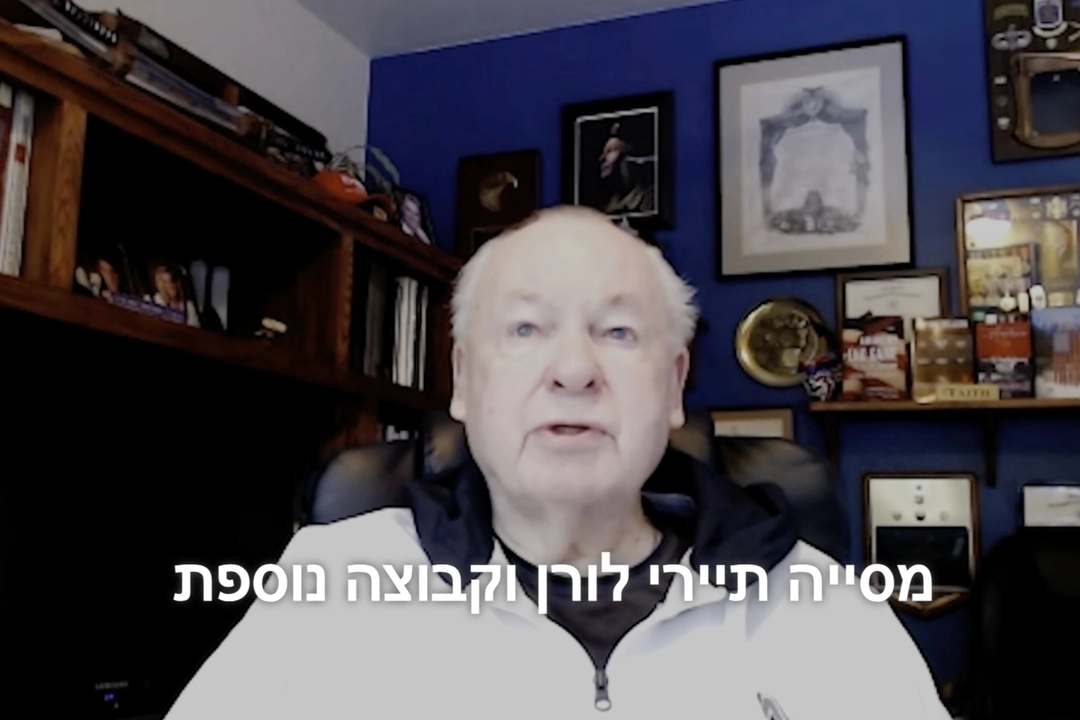
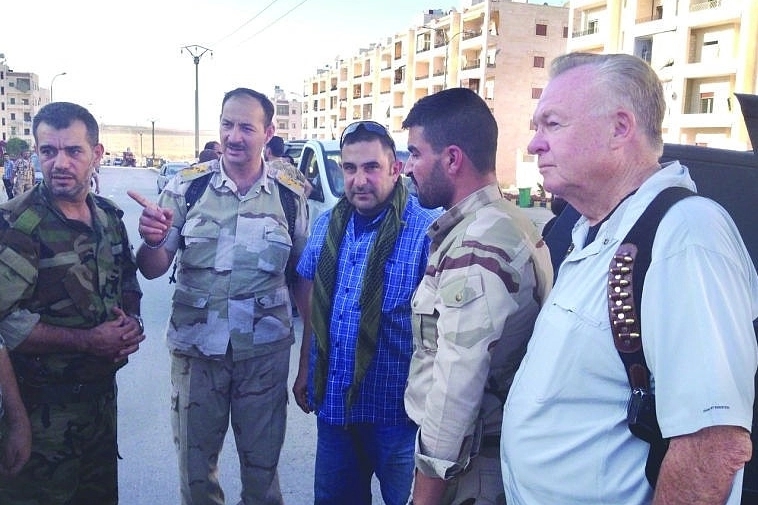
In 1980, Vallely, then commander of the U.S. Army’s 7th Psychological Operations Group, co-authored a paper titled “From PSYOP to MindWar: The Psychology of Victory” with his subordinate Michael Aquino, a psychological operations analyst and founder of the Satanist organization Temple of Set. In a preface to a 2003 reissue, Aquino noted that the paper had become a popular subject of conspiracy theories.
In 2005, Vallely founded the conservative organization Stand Up America US. It advocates for a strong national defense, secure borders, state sovereignty, support for the armed forces, limited government, and the protection of Americans’ First and Second Amendment rights. According to the organization’s co-founder, retired Air Force Lt. Gen. Thomas McInerney, its purpose is to defend the United States and explain the dangers of radical Islam and global jihad.
In 2010, Vallely was one of three retired generals who supported U.S. Army Lt. Col. Terrence Lakin, who refused deployment to Afghanistan on the grounds that Barack Obama was not a legitimate commander in chief. Vallely said at the time that many military personnel and civilians doubted Obama had been born in the United States, describing him as “a Muslim by nature” while refusing to rule out the possibility of a “civil uprising” against a president he accused of helping spread radical Islam.
Vallely has also voiced support for the QAnon movement, describing it as a “white hat” operation linked to a group of more than 800 military intelligence specialists advising the president. He has called Q posts a credible source of intelligence.
In 2020, Vallely was among 235 senior military figures who endorsed Donald Trump’s reelection.
Vallely has also visited Russia. He traveled there for Victory Day celebrations in 2014 and was in Moscow again in February and March 2017.
Who was behind the Israeli disinformation campaign
The project was led by Ilya Gambashidze, with Andrei Perla and Alexei Ulyanov serving as ideologues. Both also work for the Tsargrad media group, a Russian ultraconservative, pro-Kremlin media organization.
In the early 2010s, Perla worked as an aide to Igor Kholmanskikh, then the Russian president’s envoy to the Urals Federal District. In 2016, he became head of the Sevastopol government’s public communications department, but he did not remain in the position for long. After dismissing Gambashidze, Sevastopol’s acting governor tasked his successor with “correcting the mistakes accumulated by the department.” Despite that episode, the political consultant still describes himself as “the smart Jew at the governor’s side.”
Perla now works on ideological messaging for fake-content campaigns around the world. In November 2023, the U.S. State Department accused him of involvement in influence operations as far away as South America. Within the Doppelgänger campaign, he produces analysis and sociological material and supervises several staff members.
Alexei Ulyanov is an “advertising and PR specialist” from Tver. He once worked at a creative studio called “The Secret of the Selling Word,” was later declared wanted over unpaid child support, and then began working with the Social Design Agency as head of its writing team. That work led to his inclusion on a British sanctions list in 2025.
Alexander Balakshin handled operational planning and studied social media in Israel and other countries. Anastasia Kazakova served as head of social media operations. And Oleg Perelman translated texts into Hebrew. (Material was also translated into Arabic, but that translator’s identity is unknown.)
For the project, the SDA compiled a list of Israeli media outlets and experts through whom its preferred narratives might be promoted. It is not known with certainty how the list was used or whether any of the outlets or channels received payment for publications. The list is reproduced below:
Russian-language Israeli media targeted for work, including publication placements, comments, and expert opinions
- Novosti Israel — https://nikk.agency/
- Moskovsky Komsomolets — Israel — https://mkisrael.co.il/
- Novosti Izrailya — https://news.israelinfo.co.il/
- Isroil Information Center — https://isroil.info/
- ISRAland — Israeli News — https://isra.land/
Inauthentic comments were posted under messages in Telegram channels such as “Voice of Israel. Israel Now,” “Israel in Russian,” “Israeli Working Days,” and “Intellinews — Israel and the Middle East,” as well as channels run by political analysts Mikhail Pellivert, Mark Kotlyarsky, and David Eidelman.
As in SDA campaigns targeting Ukraine and various EU countries, for reporting purposes operators saved links to each posted comment and stored screenshots in a separate folder on Yandex Disk.
Russian émigrés in Israel as an influence target
The project produced several pitches aimed at shaping opinion among Russian émigrés who had left the country after the start of the full-scale invasion of Ukraine. Many of the proposals were likely approved, although perhaps not with full funding.
Particular attention was paid to the Russian diaspora in Israel. One internal proposal read:
“A significant group of émigrés settled in Israel. It is the only country where the number of ‘relocants’ can be reliably estimated on the basis of local official statistics.
Israel has received more than 60,000 Russian citizens since the start of the ‘special military operation.’ All these people now already have dual citizenship because, having Jewish roots, they exercised their right of return.
It is important to note that in Israel, new émigrés immediately found themselves in a specific environment with diverse political views.
The total number of Russian-speaking Israeli citizens is approximately 2 million to 2.5 million people, or more than 20% of the country’s population. This population has its own media, including several Russian-language television channels, radio stations, online media outlets, new media and Telegram channels.
Not all of these media can be considered anti-Russian. On the contrary, pro-Russian sentiment is quite widespread in Israel. According to a recent Pew Research Center poll, at least 16% of respondents in Israel trust Russian President Vladimir Putin.
Clearly, the goals of informational influence on the émigré community should be structured as follows:
1. Shift the attitudes of the majority of émigrés in a pro-Russian direction
- create a pro-Russian diaspora capable of influencing public opinion in host countries;
- increase the number of ‘frightened patriots’ who want and are prepared to return to the Motherland.
2. Discredit active anti-Russian émigrés in the eyes of the broader community of ‘relocated citizens,’ including by
- provoking divisions among the most active anti-Russian figures.
It appears that the best way to achieve these goals would be to create a group of media outlets aimed at émigré audiences.
These media outlets should not be formally connected to Russian state structures. Some of their representatives should themselves live in emigration and participate in events organized by émigré centers, conferences and so on.
Some of these media outlets should target Russian-speaking diasporas as a whole, while others should be geographically focused, above all on Israel, Turkey, Georgia, Armenia and Kazakhstan.”
How the Kremlin created fake “expert centers”
Participants in the Doppelgänger project proposed setting up nonprofit organizations in different countries that would resemble research institutes. The idea was to use them to recruit international experts and promote narratives useful to the campaign.
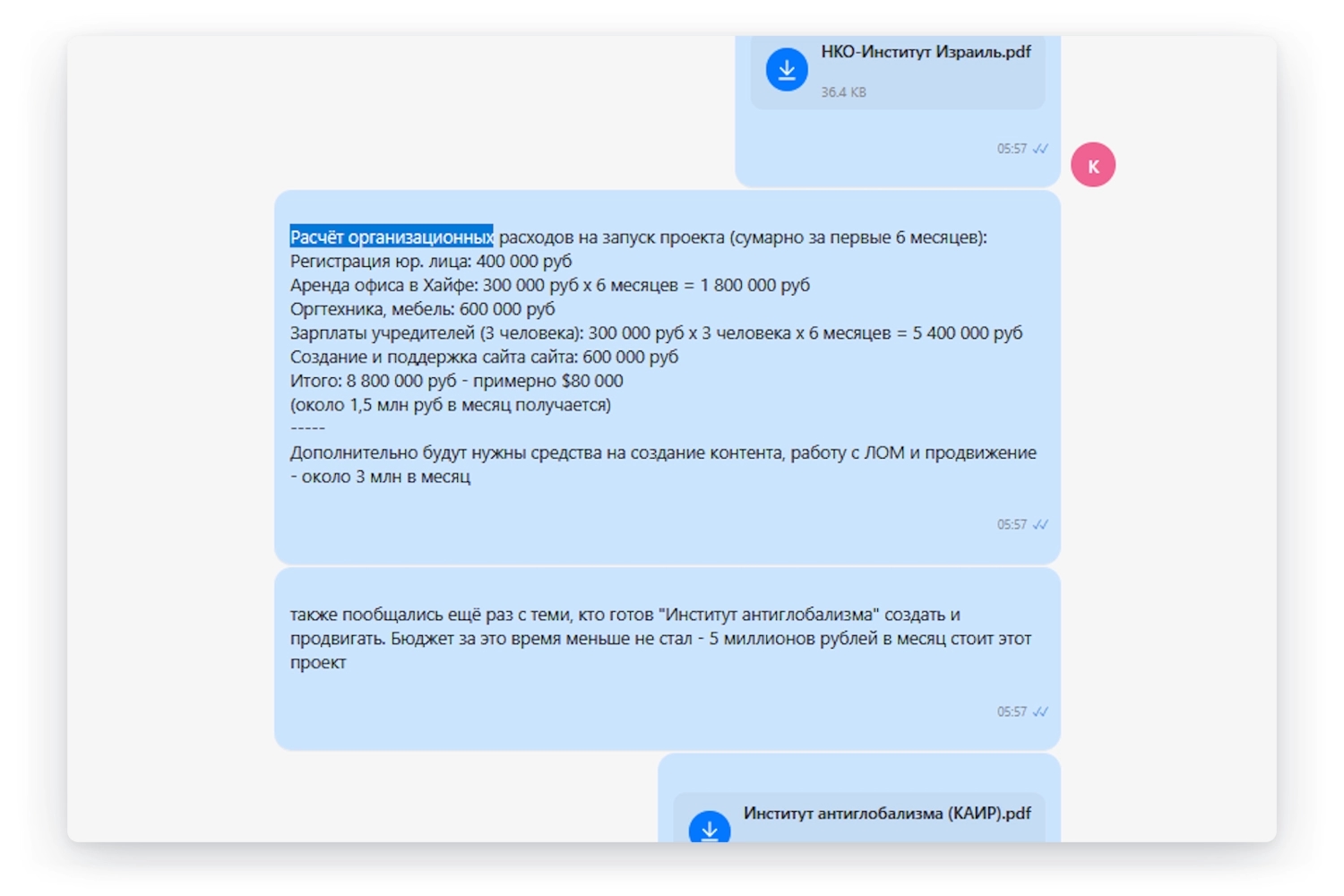
For example, the SDA requested $80,000 to launch a nonprofit in Israel, plus about 3 million rubles a month ($36,500) “for content creation, work with opinion leaders, and promotion.” It requested even more for an “Institute of Anti-Globalism, writing that “This project costs 5 million rubles a month” — upwards of $61,000.
Nikolai Tupikin also drafted what he called “a justification for strengthening and expanding the project with Israeli colonels from various intelligence services,” presenting the initiative as a form of Russian soft power.
In an apparent effort to justify the project to the Kremlin, the document stated: “Russian information warfare, through interference campaigns, helps Russia preserve its image as a superpower in a cost-effective way. The more Russia participates in active interference campaigns around the world, the stronger its image as a global power.”
An expanded presentation for the proposed Israeli institute said that “our narratives lack a legitimate source of information and a news hook,” but that “in Europe and other Western countries, the narratives we need already exist and enjoy sustained popularity.”
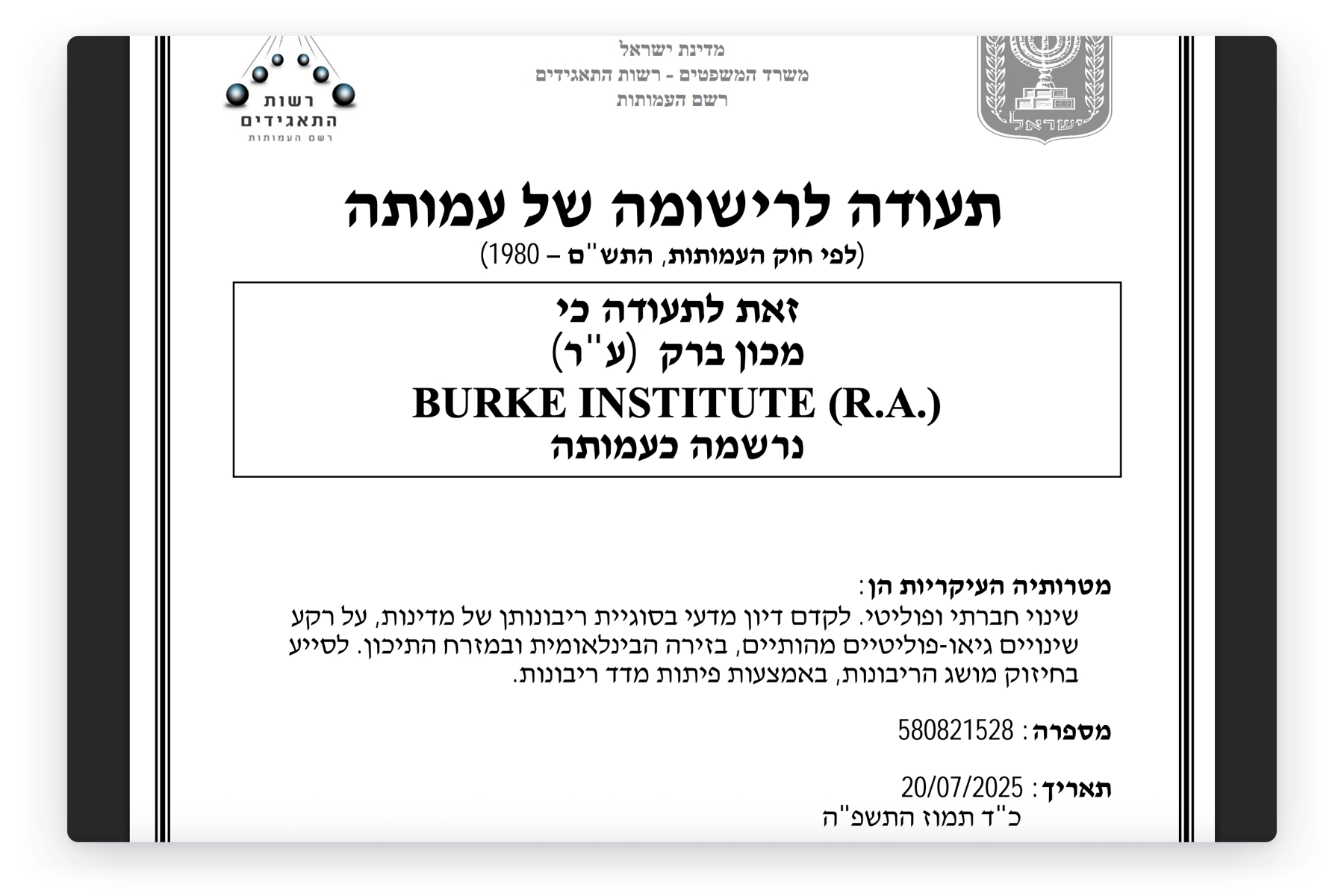
The project appears to have been approved by the Kremlin. In February 2025, someone acquired the domain ibi.institute (which had previously belonged to Instituto Iberoamericano), and used it to create a website for an entity called the International Burke Institute — IBI.
The website listed the United Nations office, UNICEF, UNESCO, the Stockholm International Peace Research Institute (SIPRI), and the World Bank as partners. All of them told The Insider in response to inquiries that they were not and had never been partners of IBI.
The website, unsurprisingly, contained no reference to any connection between IBI and Russian experts. Nor did it provide an official address, information about its founders, or details about its financing.
As the disinformation specialists had promised in their pitch to the Kremlin, the site published “economic and political reviews of the country of the month.” In practice, however, reviews were produced for all countries at once in the form of a “sovereignty index.”
Judging by their style and language, the articles were generated using large language models and were almost certainly translated into English from Russian. They contained mistakes characteristic of machine translation or careless Russian-to-English work.
For example, an article about Russia referred to “Lugovoy’s Law (2020),” describing how “he consolidated…” — in English, unlike in Russian, a law would be referred to as “it,” not “he.”
Additionally, an article about the United States used the phrase “guerrilla struggle” where the intended meaning was “partisan struggle” — in the political sense of conflict between parties. The error reflects the fact that the Russian word partizansky can refer both to partisan politics and guerrilla warfare.
The reports also contained signs of AI-generated hallucinations, citing nonexistent UNESCO heritage sites such as “Gerngut” in Germany and “Imbargo” in the United States. Neither exists.
The IBI also claimed that Russia ranked 27th in a 2023 PISA study, even though no such PISA assessment was conducted that year. (The latest study available when the reports were prepared was conducted in 2022, and Russia did not participate.)
In August 2026, OpenAI published the results of an internal investigation showing that IBI content had in fact been produced using the company’s systems and that the operation was run by users in Russia. OpenAI blocked the group of ChatGPT accounts involved.
Although the IBI website was filled with generated content and false claims about institutional partners, the organization itself was indeed registered in Israel in July 2025. Its founders were Igor Kaminnik and Gabriel Mart, and board members with signing authority were Alexei Vilents and Roy Yaakov Yankelovich. The Insider has copies of the organization’s founding documents.
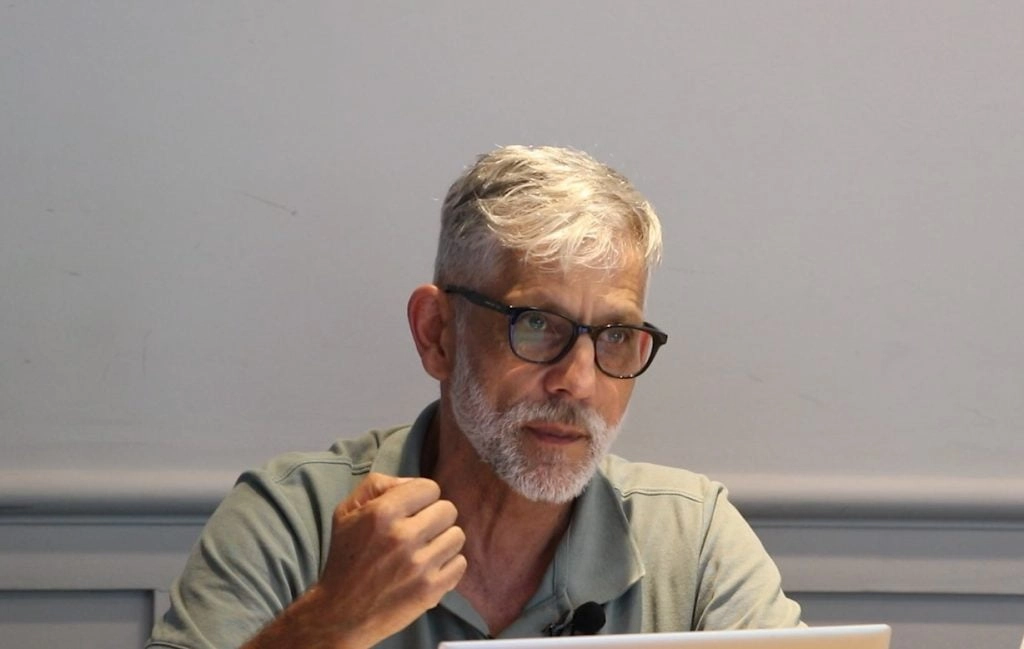
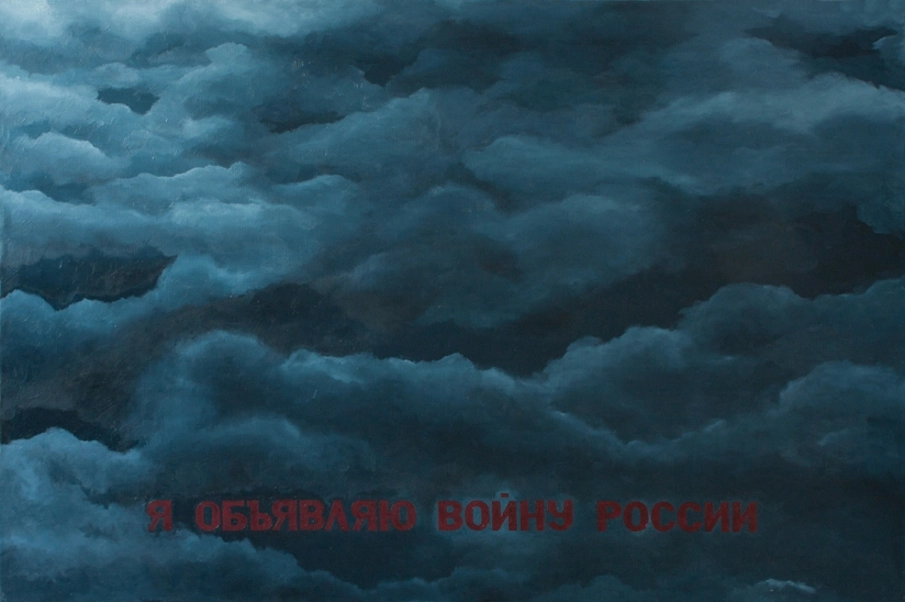
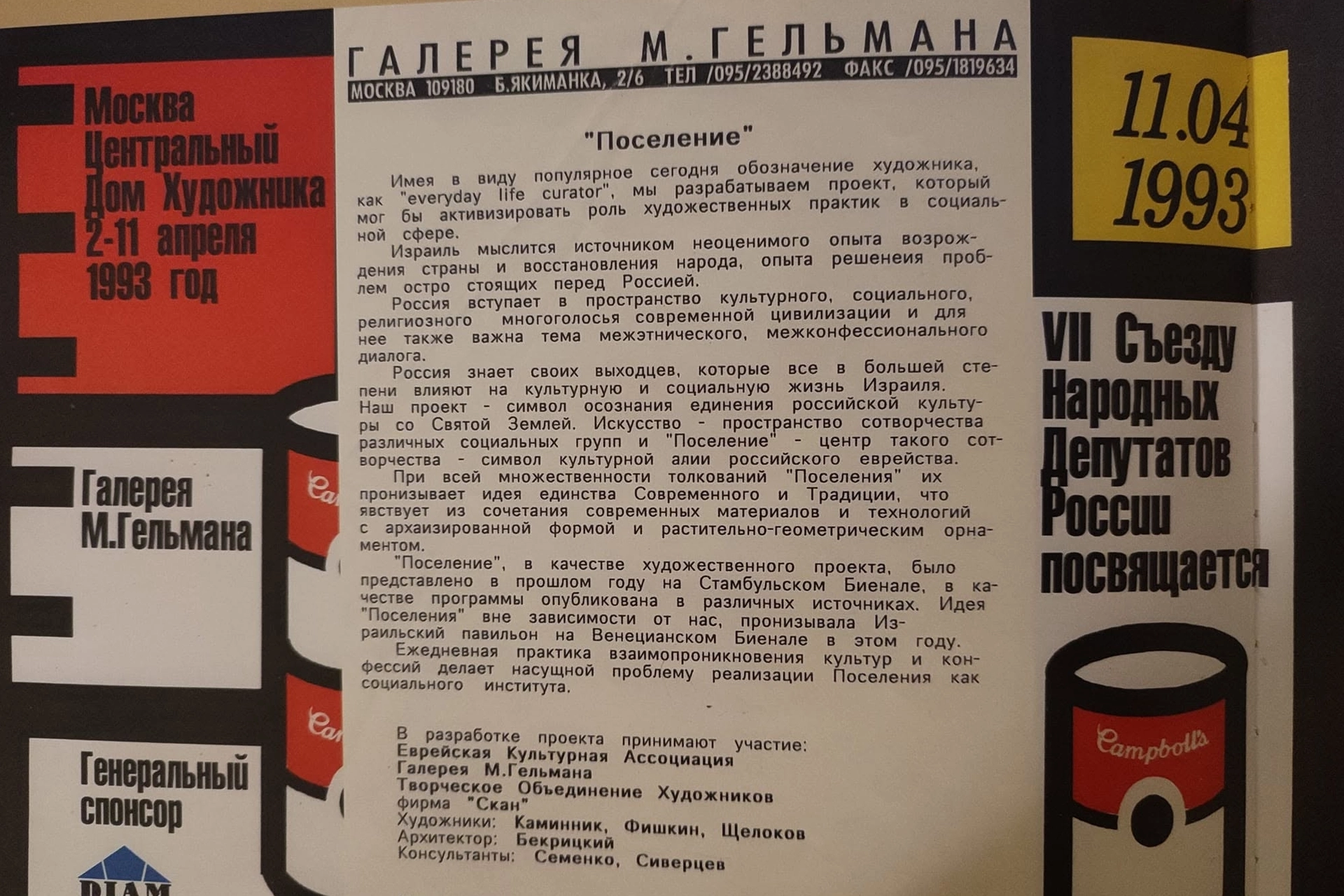
Igor Semyonovich Kaminnik is an Israeli citizen originally from Odesa, Ukraine. In the late 1980s and early 1990s, he was part of a circle of Odesa conceptual artists and belonged to the P. Fomsky collective, along with artist Pavel Fomenko. In the early 2000s, Kaminnik was involved in various civic organizations in Ukraine. In recent years, however, he has adopted a sharply pro-Russian position. “When he talks about Ukraine, it is nothing but Russian propaganda clichés,” a person who knows him personally told The Insider.
Kaminnik is listed as an expert with the Institute of the Newest States, a Russian organization founded by political analysts Modest Kolerov and Alexei Martynov.
Kolerov was the first head of the Kremlin’s Directorate for Interregional and Cultural Relations with Foreign Countries, created in 2005 as part of an effort to counter so-called “velvet revolutions,” the peaceful pro-democracy uprisings that had taken place across parts of the former Soviet bloc.
Martynov has spent about two decades in positions connected with Russian policy toward the Commonwealth of Independent States (CIS), a grouping of former Soviet republics. During that time, he has been declared persona non grata in Azerbaijan and Moldova.
Kolerov, meanwhile, has been barred for more than a decade from entering Latvia, Lithuania, Estonia, and Georgia.

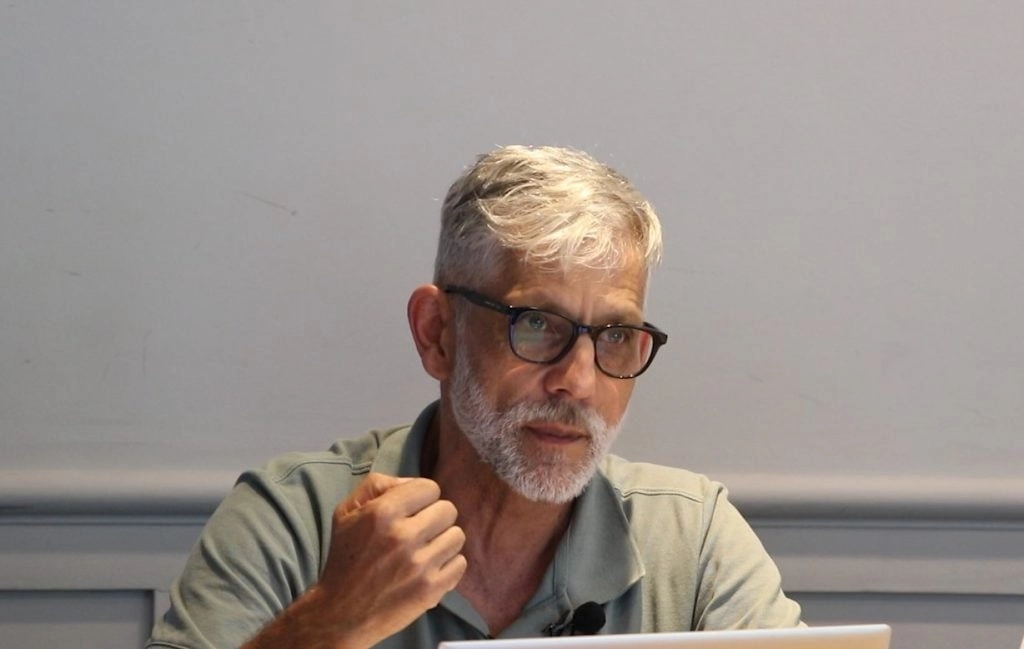

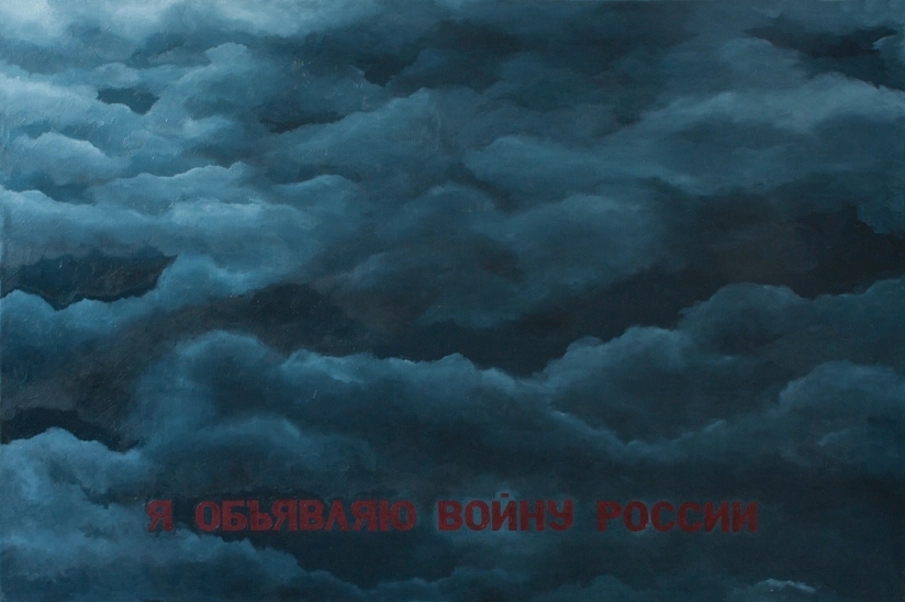
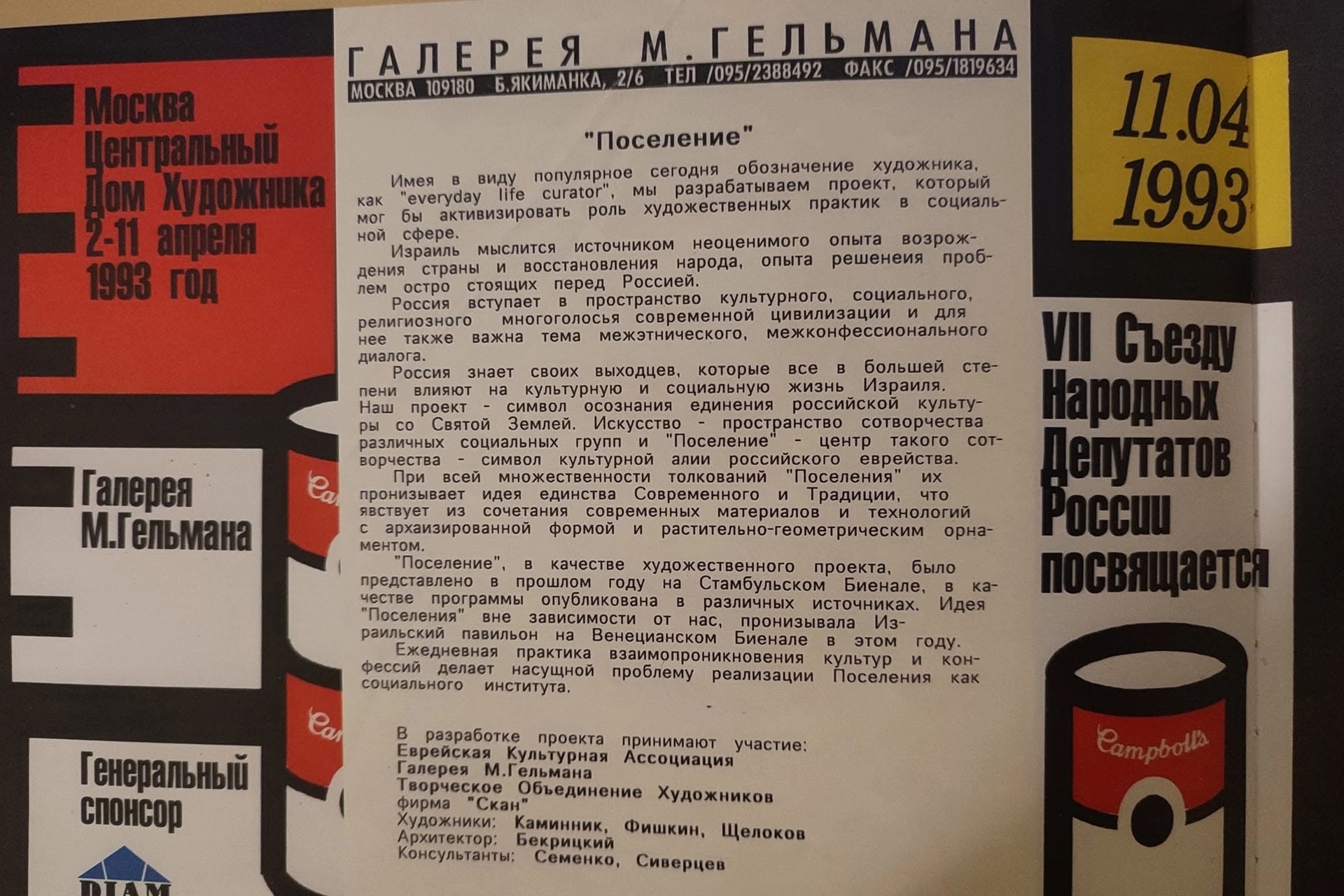
In 2023, Kaminnik made repeated trips to Russia, including with his wife, Yulia Vasilyeva, and their daughter Tatyana.
Gabriel Mart sits on IBI’s audit committee and also serves with another organization, the Sholem Schwartzbard Memorial Foundation, named in honor of the Jewish writer and anarchist who assassinated Ukrainian political leader Symon Petliura in Paris in May 1926. In 2024, Mart participated in an IBI roundtable titled “The Heuristic Potential of Schizoanalysis,” where he was presented as a researcher at the Catholic University of the West. In one publication listing him as an employee of the university, The Insider found Mart’s other name: Innokenty Martynov.
Notably, Alexei Martynov’s real-life son — Innokenty Martynov — also works with Kaminnik. He travels frequently to Israel and has published several articles on psychoanalysis at the Russian Academy of Sciences’ Institute of Anthropology and Ethnography under his Russian name.
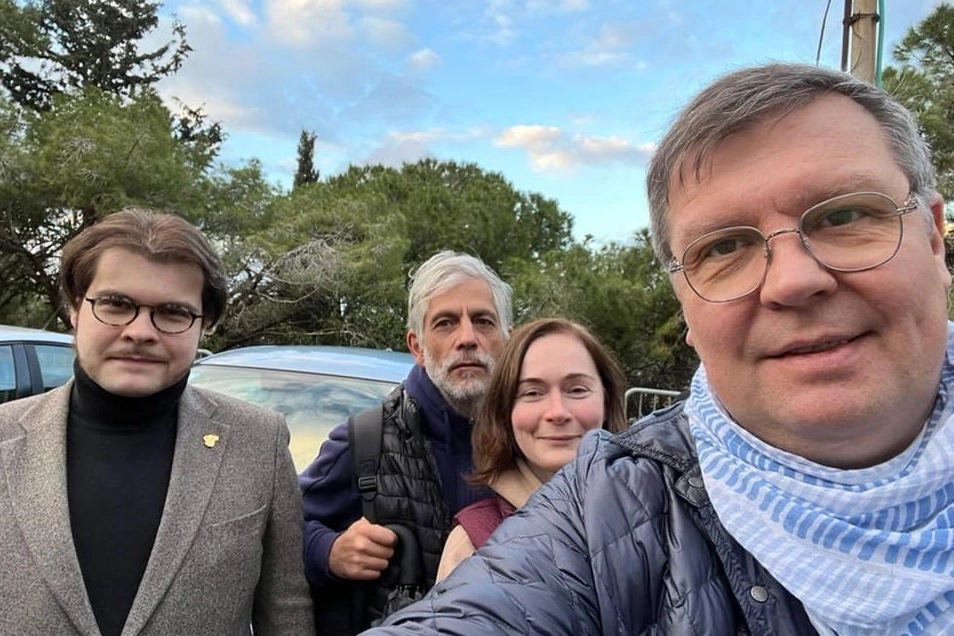
Kaminnik also sits on the board of Israeli nonprofit Dor Moriah. The organization takes its name from a small street in Haifa near Kaminnik’s home and is registered at his residential address.
Dor Moriah also presents itself as a research center. Even its Russian-language website has a section labeled in English as a “think tank.” It contains articles with titles such as “Turkey is waging cognitive warfare against Israel in a format described in the Ukrainian Foreign Ministry’s communications strategy” and “How the opposition constructs a rejection of election results.”
Dor Moriah also publishes polling and sociological research, including on issues not obviously central to Israeli domestic politics, such as the Putin-Trump meeting in Anchorage.
Dor Moriah was founded in 2017, but it only began receiving substantial income — nearly 200,000 shekels annually ($64,000) — in 2023, the same year the SDA’s campaign in Israel began.
Its annual revenue in 2025 was almost 195,000 shekels, all of it from foreign donations. Israeli law requires disclosure only of donors who contribute at least 50,000 shekels during a reporting period.
In 2023, there were two such donors: Panagiotis Glazko, a Cyprus-based businessman with Greek citizenship, and a U.S. donor named Alan Licht.
In 2024, the only major donor was Israeli citizen Dan Piotkin. In other organizational documents, Piotkin is also listed as a member of Dor Moriah’s supervisory board and a co-author of its research.
Notably, Dor Moriah’s annual budgets vary substantially when measured in shekels. Converted into rubles at the exchange rate for each respective year, however, they come to roughly the same amount: 4.5 million rubles.
The governing party’s leading Russian-speaking rabbi
In April 2024, Dor Moriah announced the creation of a movement called Derech Eretz.
According to the official account, it was co-founded by Dor Moriah, the Sholem Schwartzbard Foundation, and an association called Turei Zahav, which has since been dissolved. Turei Zahav was headed by Rabbi Alexander Hayat, who in April 2024 became head of Derech Eretz.
Around the same time, Hayat posted several photographs with Kaminnik on Facebook.
Among Russian-speaking Israelis, Hayat is known primarily as head of the Russian-speaking branch of United Torah Judaism, one of Israel’s two ultra-Orthodox Jewish parties in the governing coalition. It is in that capacity that he gives interviews and participates in election events.
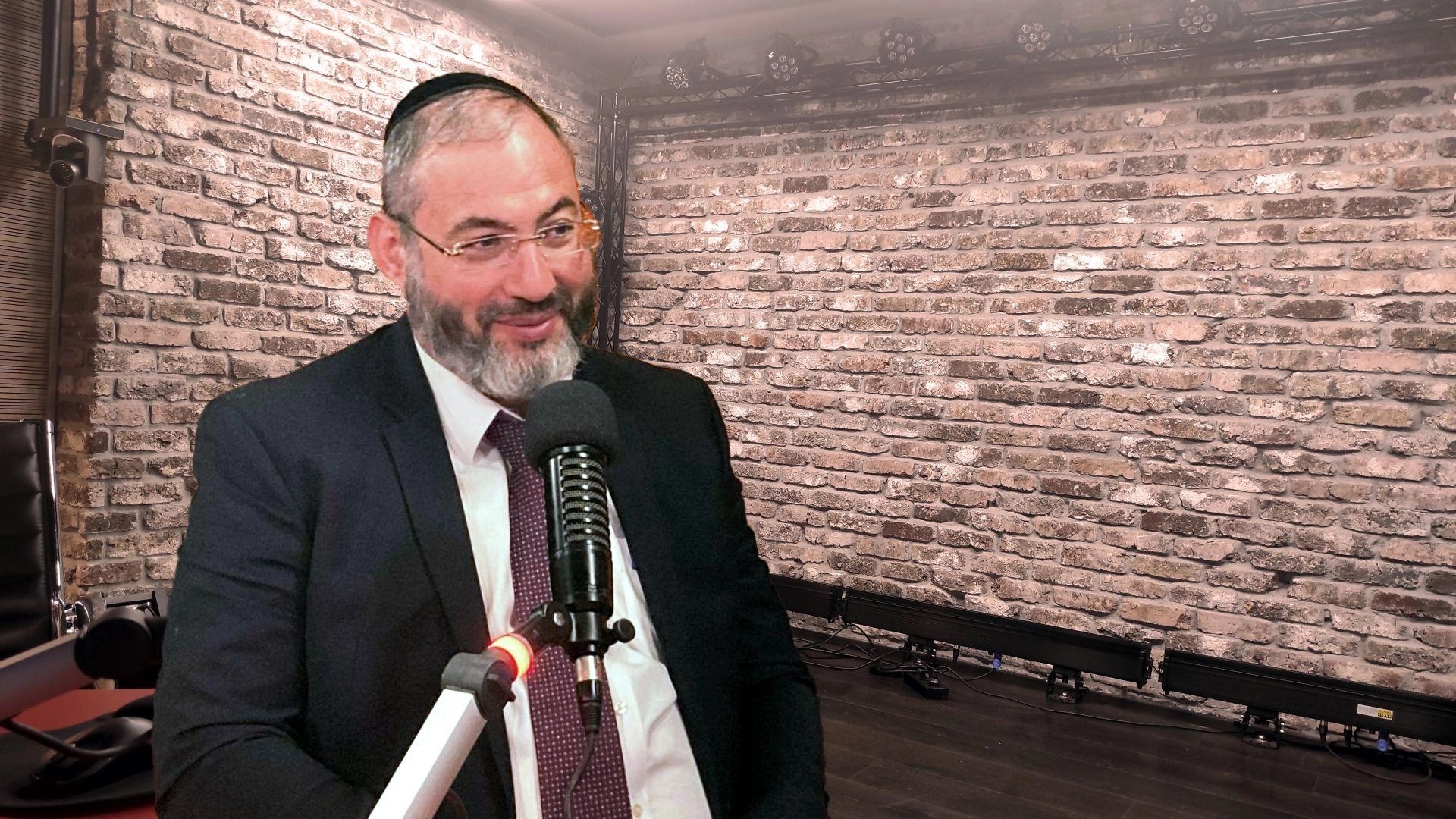
In Hebrew-language political circles, however, Hayat has been described as “the rabbi for immigrants from Russia in Likud,” Prime Minister Benjamin Netanyahu’s party. In September 2025, the bar mitzvah of Hayat’s son was attended by Knesset Speaker Amir Ohana, Justice Minister Yariv Levin, Environmental Protection Minister Idit Silman, coalition chairman Ofir Katz, Knesset Foreign Affairs and Defense Committee chairman Boaz Bismuth, and lawmakers Ariel Kallner and Osher Shkalim. Silman’s presence was not incidental: Hayat also serves as one of her advisers.
Meluhadim News, a Telegram channel close to Likud, regularly reports on Hayat’s work with the Russian-speaking community. In January 2026, he organized the enrollment of 100 Russian-speaking immigrants into the party. In the summer of 2025, he ran a campaign to recruit dozens of Russian speakers to Likud.
By May 2026, Hayat was being described as head of Likud’s Russian-speaking campaign headquarters. He led a meeting between Russian-speaking opinion leaders and Knesset Speaker Amir Ohana, along with ministers Yariv Levin, Eli Cohen, Shlomo Karhi, and Zeev Elkin, and coalition chairman Ofir Katz.
Notably, by November 2025, Hayat was no longer attending internal Likud conferences in his personal capacity alone. By then, a group called Derech Eretz — “Russian Mobilization,” headed by Hayat — was participating in at least one such party conference.
Several independent sources confirmed Hayat’s cooperation with Igor Kaminnik to The Insider. One source said Kaminnik had claimed he paid Hayat a salary, an assertion that is indirectly supported by Dor Moriah’s reporting, which lists Derech Eretz activities among the organization’s work.
Dor Moriah’s 2025 annual report lists its areas of activity. In addition to conducting eight sociological studies, writing 15 analytical reports, and publishing 30 media pieces, the organisation also reported that “three open sessions and five working meetings were held in the Knesset devoted to promoting legislation regulating the activities of neighborhood councils in Israeli cities,” and it was also involved in ”development of the Derech Eretz movement, bringing together secular and religious Russian-speaking Israelis: eight working meetings with activists were held and recommendations were prepared for implementing projects at the local community level.”
In other words, work with the movement headed by Likud-linked Rabbi Hayat was listed as one of Dor Moriah’s core activities.
Both Kaminnik and the Burke Institute have also promoted Hayat’s work. Roy Yankelovich, head of the “institute” — and, in his day job, an Israeli sports journalist — wrote an opinion column about Hayat and Derech Eretz for TheJ.ca. Kaminnik, meanwhile, wrote about the movement in the Jerusalem Post, where he described his Dor Moriah nonprofit as Derech Eretz’s research center.
In the summer of 2025, businessman Yossi Prisman, from Samaria, helped Hayat establish a Derech Eretz youth organization. The two later fell out and are now suing each other. Prisman immediately recognized Kaminnik in a photograph.
“Hayat wasn’t paying his coordinators. When one of them asked him about the money, he pointed at Igor [Kaminnik] and said Igor would pay,” Prisman said.
One employee hired for the project has accused Hayat of failing to pay his wages. He told The Insider that the goal of the project was to create a nationwide Israeli political organization for young people with Russian roots. According to the source, Kaminnik attended one of the meetings. Another Dor Moriah representative, Alexei Vilents, a former municipal lawmaker in Moscow, also participated in events.
As part of the youth project, Derech Eretz organized a tour of Samaria for about 50 young people. It also held a wine evening with Russian-speaking businesspeople.
Lobbyists in the Knesset
Dor Moriah also works with sitting members of Israel’s parliament. In March 2025, the organization held a conference titled “Israel as an object of geopolitical confrontation.” Participants included Likud lawmaker Amit Halevi, Shas lawmaker Simon Moshiashvili, and Knesset Deputy Speaker Moshe Solomon of the Religious Zionism party. All three were members of the governing coalition at the time.
Lawmakers and other participants were told that “among world leaders capable of influencing the development of the Abraham Accords, aside from Donald Trump, Israelis primarily named representatives of BRICS countries: 28.9% named Vladimir Putin, 17% Xi Jinping, and 13.9% Narendra Modi.” They were also told that “70% of Israelis see a connection between the Russia-Ukraine conflict and the global confrontation between the West and the South.”
Coalition lawmakers even skipped a Knesset plenary session at which Netanyahu was speaking in order to attend the event. “The fact that these lawmakers left an important plenary meeting attended by the prime minister in order to attend a lobby meeting convincingly demonstrates the importance of the issues under discussion and the relevance of the initiatives being proposed,” Dor Moriah wrote.
The parliamentary lobby was registered by Amit Halevi. It is intended to promote three largely unrelated issues: creating neighborhood councils in Israeli citie, halachic banking (a system of financial services structured to comply with Jewish religious law, broadly analogous in concept to Islamic banking), and the idea of Israel’s future as “a bridge between the collective West and the Global South.”
The three open sessions and five working meetings in the Knesset mentioned in Dor Moriah’s annual report apparently referred to these initiatives.