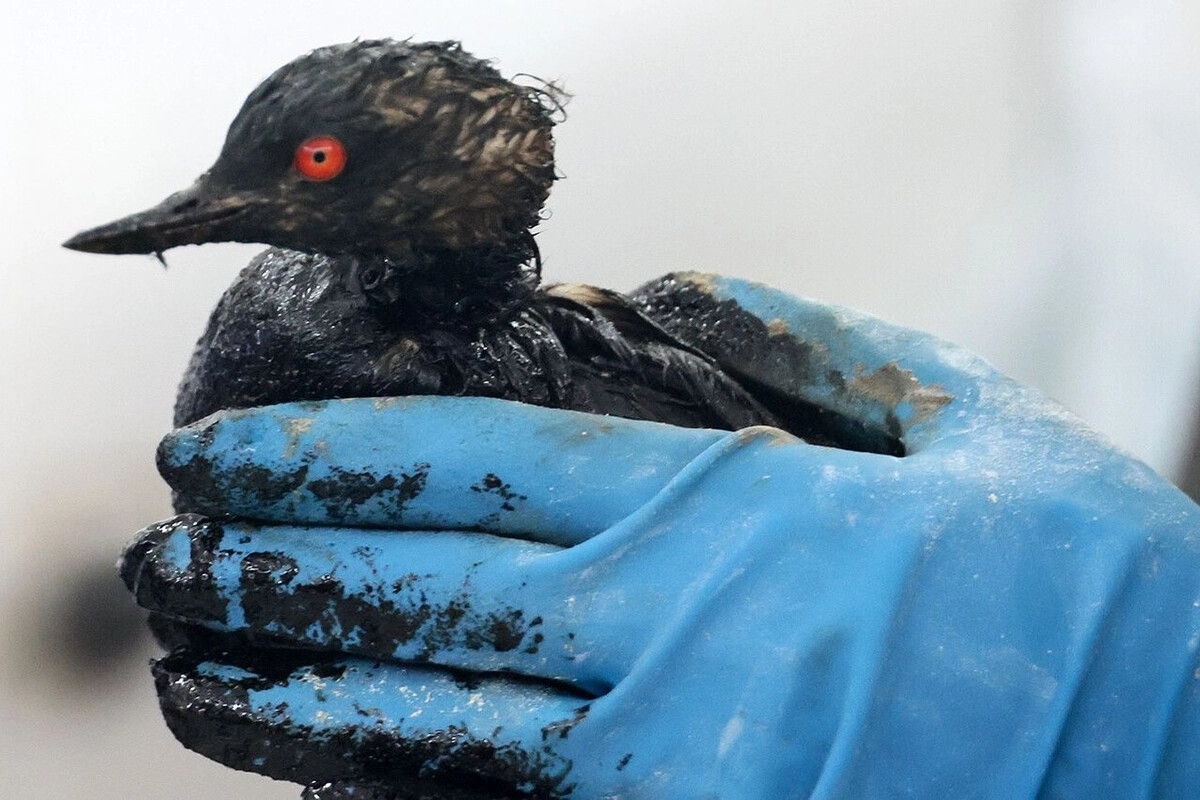
A total of 13,500 birds died on the coast of Russia’s Krasnodar Territory after the wreck of two Volgoneft tankers in December 2024, according to environmental lawyer Natalya Lisitsyna, who cited this data from the case file of the Commercial Court of Krasnodar Territory. The court ordered the owners and the charterer of the tankers to pay 34.25 billion rubles ($423 million) over harm caused to wildlife and their habitat. Taking into account two previous rulings, the total court-ordered damages for the consequences of the manmade disaster have reached 119.2 billion rubles ($1.47 billion), The Insider calculated.
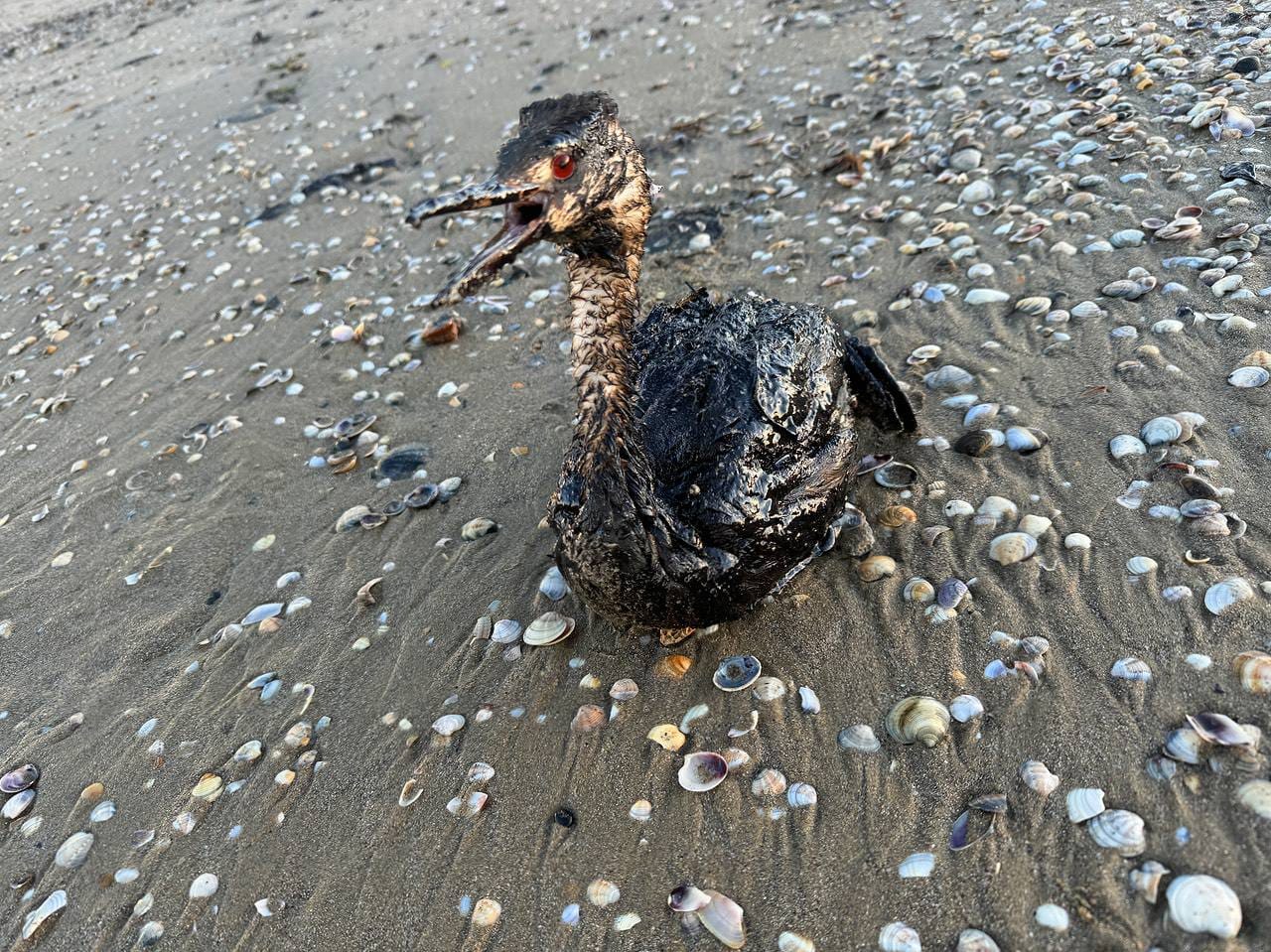
According to the data cited by Lisitsyna, great crested grebes died in the largest numbers — about 10,300, which accounts for more than three-quarters of the recorded deaths. Another 1,022 of the killed birds belonged to nine different endangered species.
On Oct.15, the Commercial Court of Krasnodar Territory fully upheld a lawsuit by the regional Ministry of Natural Resources against Volgatransneft, Kamatransoil, and Kama Shipping. The defendants were ordered to pay a combined 34.22 billion rubles ($423 million) in environmental damage and another 30.7 million rubles ($379,000) in losses to the Krasnodar Territory budget.
Almost all of the environmental damage, 34.12 billion rubles’ worth ($421 million) — or about 99.7% of the overall total — is for harm to the habitat of endangered species protected at the regional level. The direct damage from the deaths of protected birds was estimated at approximately 93.4 million rubles ($1.15 million). The amount also includes damage to game resources and to the soils of the Solyonoye Lake nature reserve, according to the court ruling reviewed by The Insider.
Even before the ruling, Volgatransneft tried to challenge the methodology used to calculate damages, arguing that regional authorities have no power to set such rules independently. However, in March the Krasnodar Territory Court rejected the company’s claims, finding the methodology lawful.

Courts had earlier ordered the tanker owners to pay 84.94 billion rubles ($1.05 billion) for damage to the aquatic environment of the Black Sea. Volgatransneft, which owned the tanker Volgoneft-239, accounted for 35.48 billion rubles ($438 million). Another 49.46 billion rubles ($611 million) was ordered to be paid jointly by Kamatransoil and Kama Shipping, which are linked to the tanker Volgoneft-212. Including the October ruling, the total compensation in the three court cases has reached 119.2 billion rubles ($1.47 billion).
However, collecting this money will be extremely difficult. As The Insider found, the companies held responsible for the disaster have minimal assets. Bankruptcy proceedings were initiated against two of them, and bailiffs have repeatedly terminated enforcement proceedings due to the fact that the debtors have no property.
In an earlier investigation, The Insider also established that the tankers were carrying fuel oil owned by Rosneft. The company was simultaneously the owner of the cargo, the shipper, and the consignee — and yet it was not named as a defendant in the main lawsuits for compensation of environmental damage. Moreover, both tankers were beyond their permitted service life, and the documents of one of the vessels had been suspended.
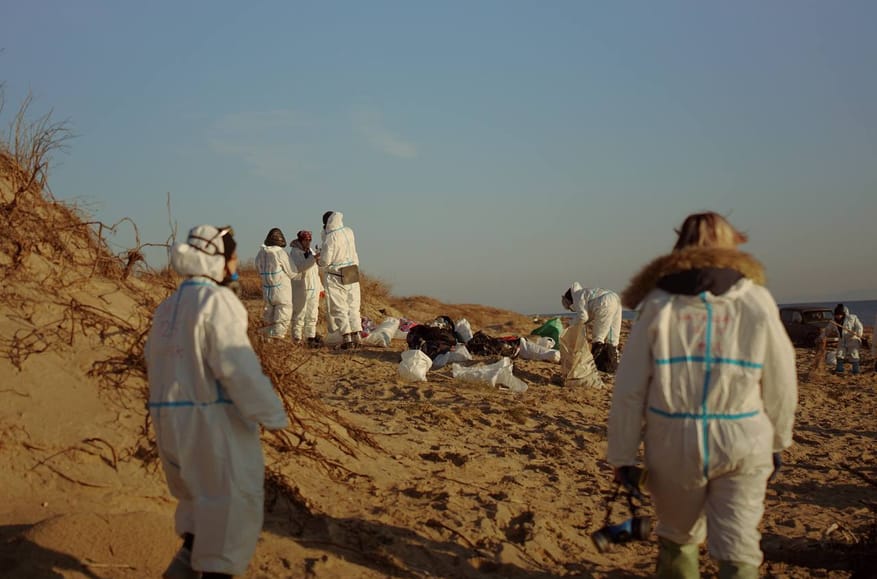
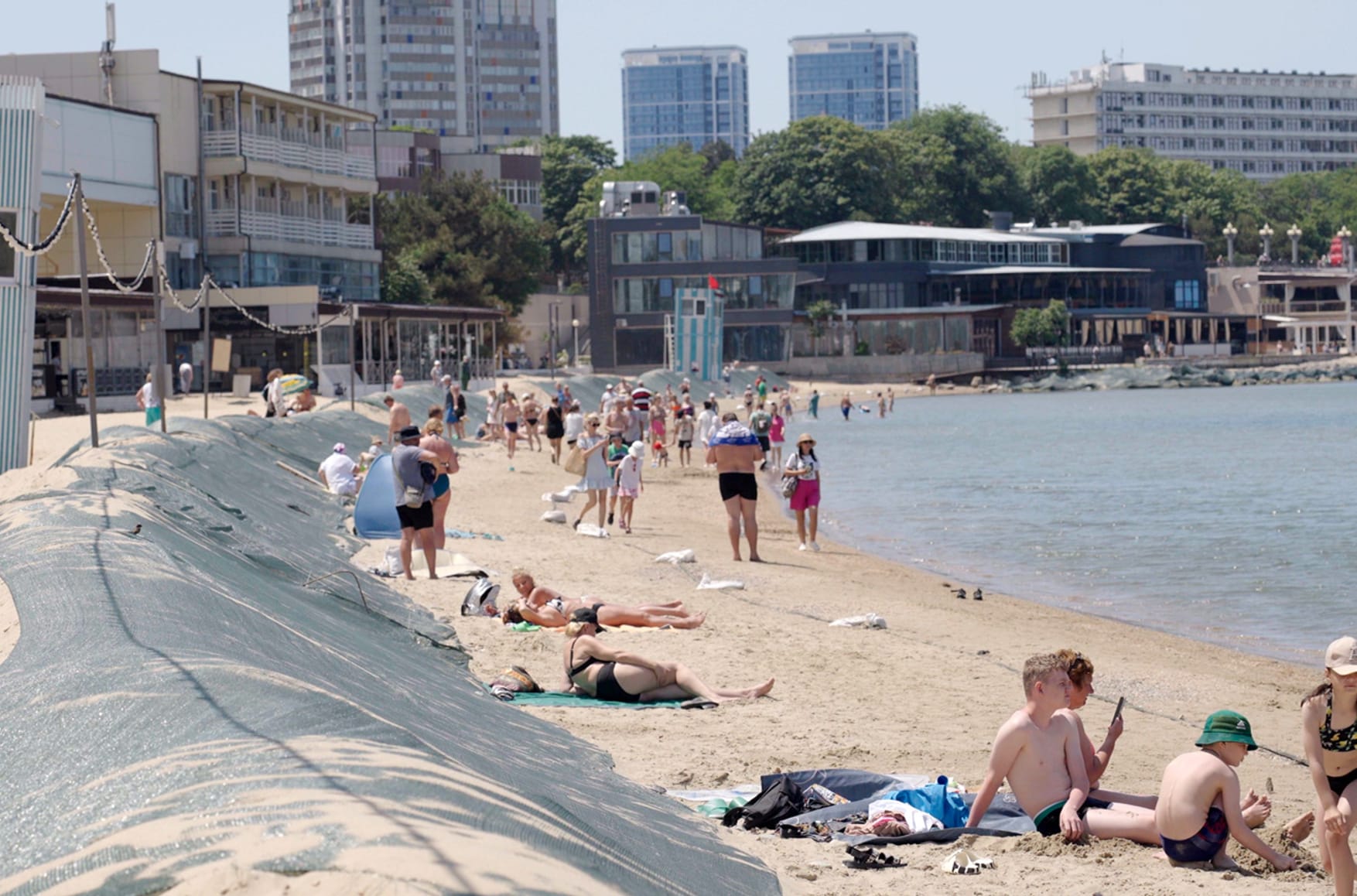
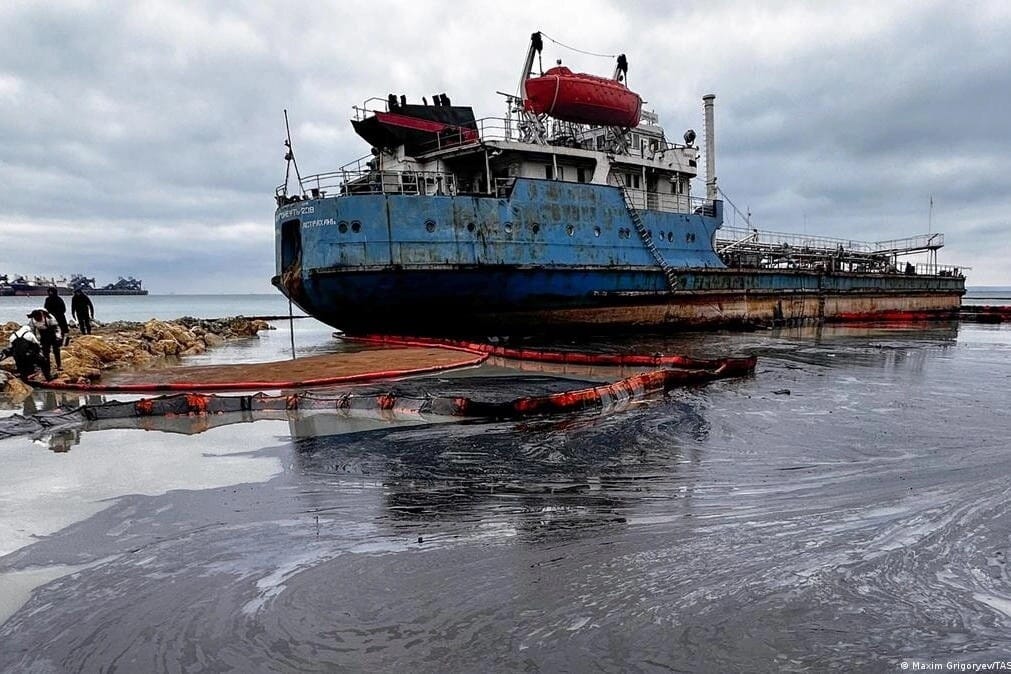
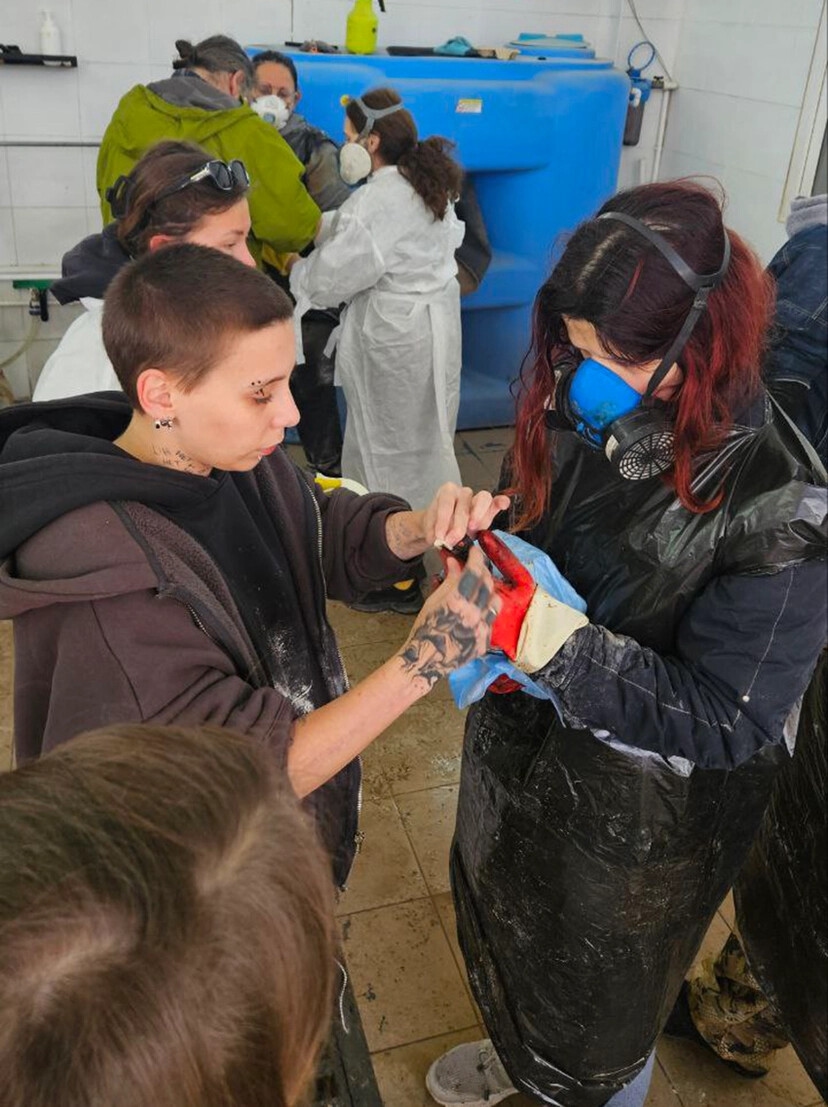
The tankers Volgoneft-212 and Volgoneft-239 were wrecked on Dec. 15, 2024, during a storm in the Kerch Strait. According to the Russian Transportation Ministry, approximately 2,400 metric tons of fuel oil entered the sea. The petroleum products polluted the coasts of Krasnodar Territory and annexed Crimea. Thousands of volunteers took part in efforts to rescue birds and clean affected beaches.
The fallout of the accident persists almost two years later. In September 2026, as The Insider found, satellite images continued to show oil slicks near the sunken parts of the tankers, despite statements by Russian authorities that all of the fuel oil had been pumped out.