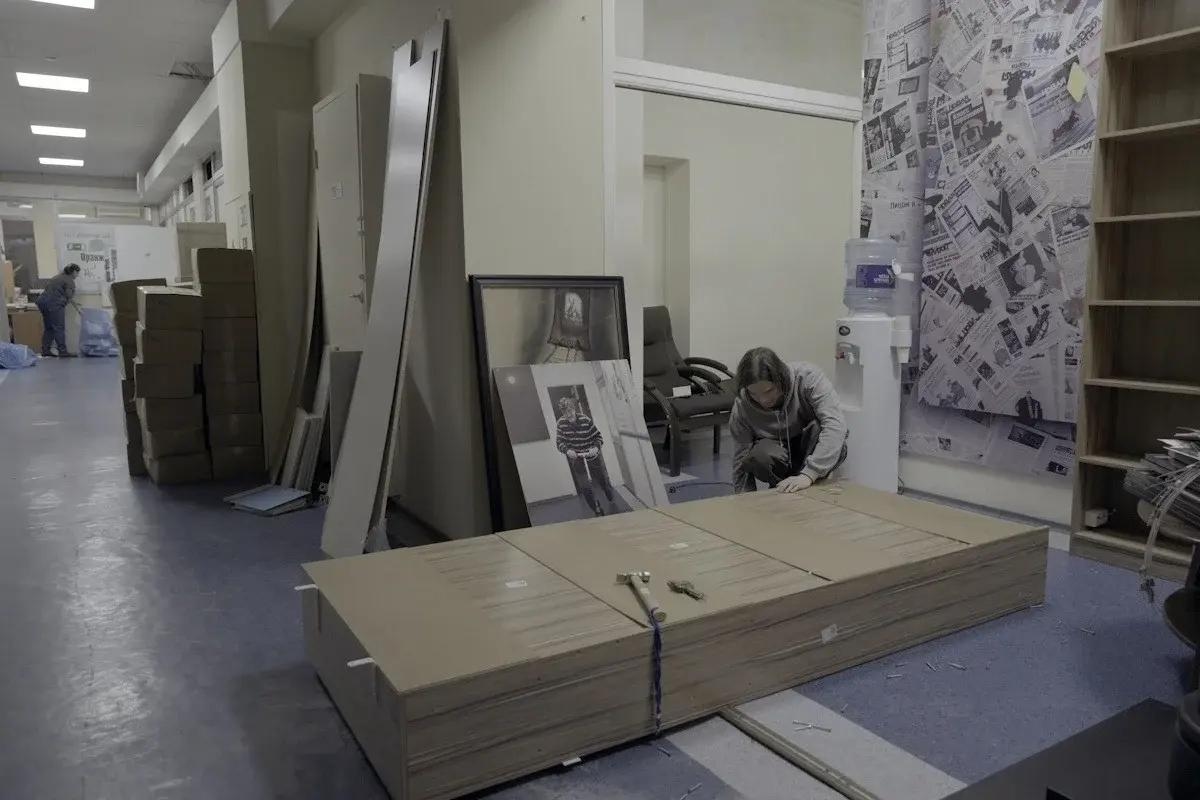
On Oct. 30, the independent Russian media outlet Novaya Gazeta has announced its plan to close, publishing a statement titled “We Have Been Killed.” The newspaper’s staff, who occupied a building in Potapovsky Lane in central Moscow, received a notice of eviction the day before.
“On November 9th, we will turn off the lights in the home where we have lived for 30 years, shut down our servers, and leave. The newspaper no longer exists. The Russian authorities and the Russian security services have forced our editorial team to cease its operations,” the statement read.
The journalists expressly blame Russia’s security services, the Ministry of Justice, and the prosecutor’s office, those who “privatized the state and usurped power”:
“Stop comforting yourselves by saying 'this isn’t Stalin’s 1930s,' or arguing that repressions are merely 'digital' in nature. These are state-sponsored repressions. It is human beings — not digits — who are dying in prison cells. Period. Human life has lost its meaning.”
The editorial team also thanked its readers. The newspaper’s last issue, which was being prepared for publication, will still be released.
The editorial team also said that it continues to face financial restrictions, with private companies and banks refusing to provide services allowing for the receipt of donations, citing “internal corporate rules.” These refusals are linked to pressure from Russian security services.
The Anna Politkovskaya Museum, located in her former office, will close along with the newspaper.
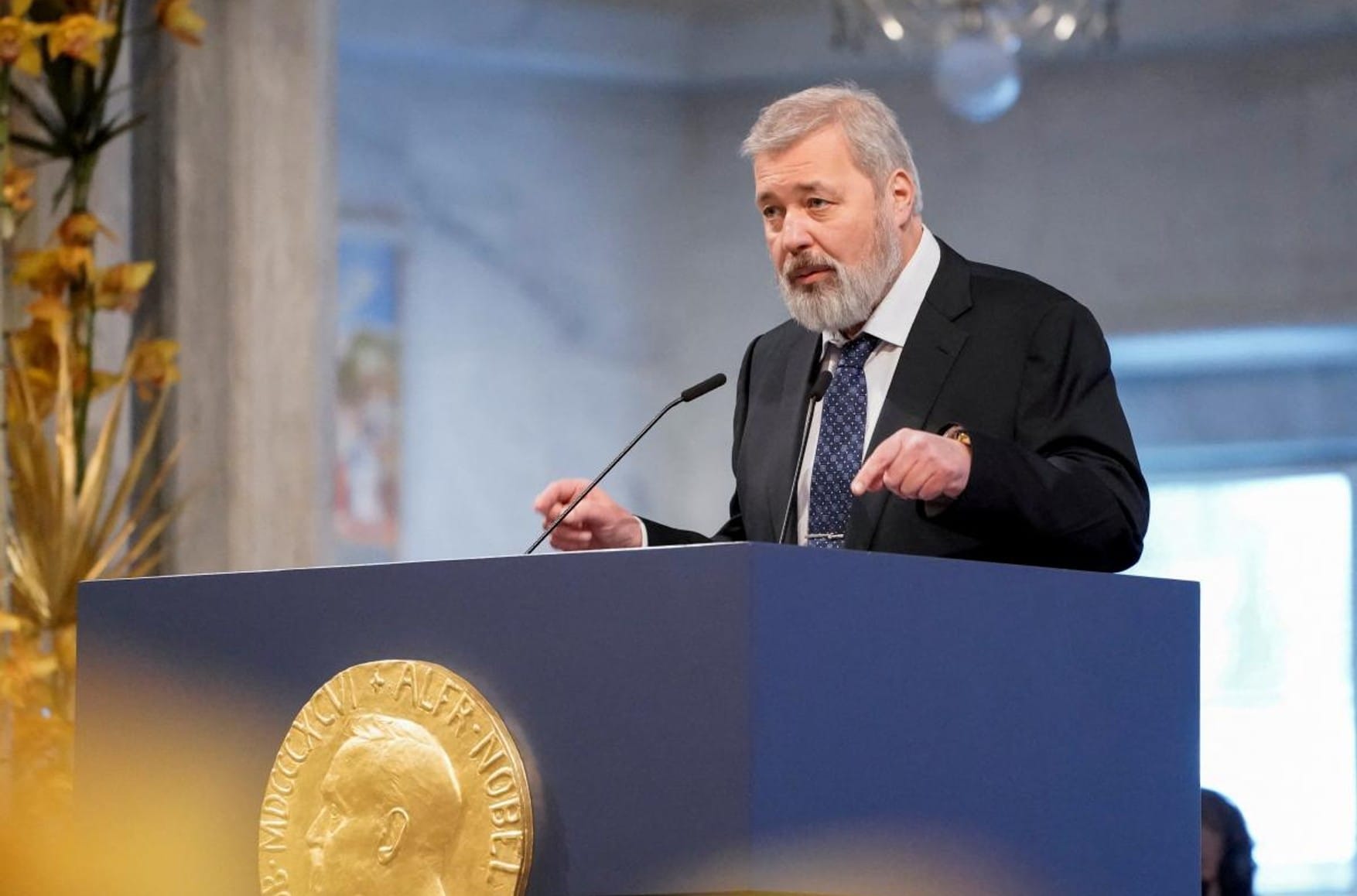
Novaya Gazeta was founded in 1993 by a group of journalists including Dmitry Muratov, who would hold the post of the newspaper’s editor-in-chief throughout most of its history, sharing the Nobel Peace Prize in 2021. In March 2022, shortly after the start of Russia’s full-scale invasion of Ukraine, the newspaper suspended its print edition because of warnings from the consumer rights watchdog Roskomnadzor. In September 2022, a court revoked its registration as a media outlet, but it had continued to publish up until now.