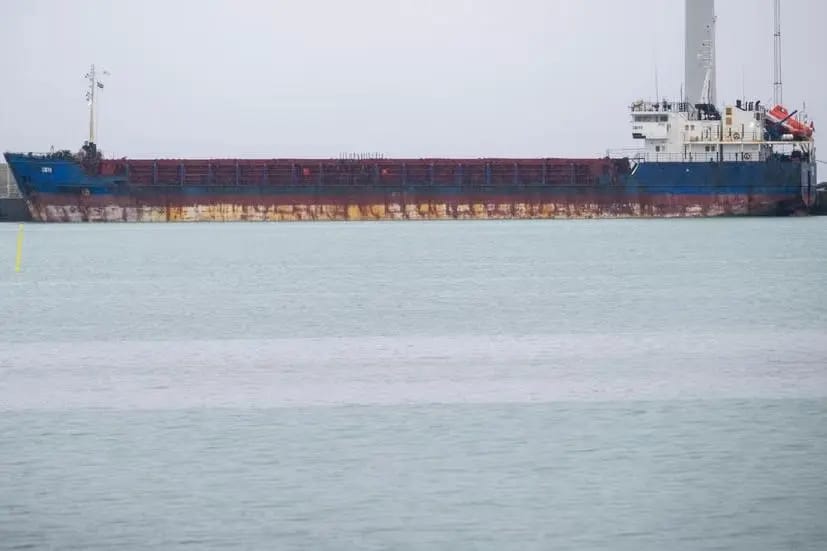
Latvia, a member of the European Union and NATO, has become one of the five largest importers of Russian grain in the current agricultural season despite strained political relations with Moscow, according to a Reuters report citing an agricultural consultancy firm.
The shift comes as Russia redirects grain exports from the Azov-Black Sea basin to ports in the Baltic Sea.
According to agricultural consultancy ProZerno, Latvia imported 431,700 metric tons of Russian grain from July through October.
Iran remained the largest buyer, importing 1.7 million metric tons, driven largely by major purchases of barley and corn. Egypt, once the biggest buyer of Russian wheat, remains one of the main destinations for Black Sea shipments, importing 1.35 million metric tons.
Azerbaijan, with 545,000 metric tons, and Nigeria, with 420,900 metric tons, also ranked among the five largest importers.
Russia has been restructuring its grain export routes since shipments through the Azov-Black Sea basin — its main export corridor — nearly came to a halt in mid-August.
Deepwater Baltic ports have since become the main route, particularly for wheat exports. According to calculations by rail freight operator Rusagrotrans, the Baltic accounted for 65% of Russian grain exports in September.
Cargo is being shipped both through Russian Baltic ports and through ports in the Baltic states, especially Latvia.
Shipments across the Caspian Sea have also risen sharply, with most of that grain bound for Iran.
Estonia, meanwhile, has banned the transit of Russian grain through its territory. In early October, the Baltic states proposed introducing a similar ban across the entire European Union.
At the same time, Latvia has been tightening its policies toward Russian citizens.
On Oct. 1, the Latvian parliament referred proposed amendments to its Legal Affairs Committee. The changes to Latvia’s citizenship law would impose a complete ban on holding Russian citizenship as a second nationality.
Dual Latvian-Russian citizenship is already effectively prohibited, but exceptions remain — with billionaire former Alfa-Bank head Petr Aven being the most notable among them. The amendments were drafted after Latvia’s Interior Ministry was unable to find a legal way to strip Aven of his Latvian citizenship.