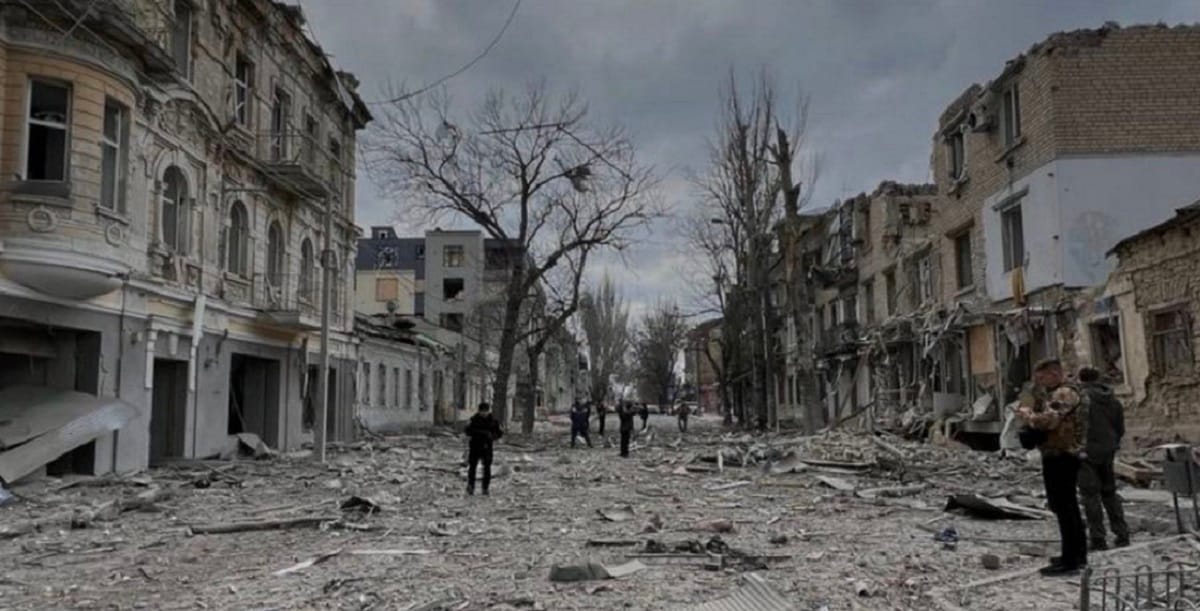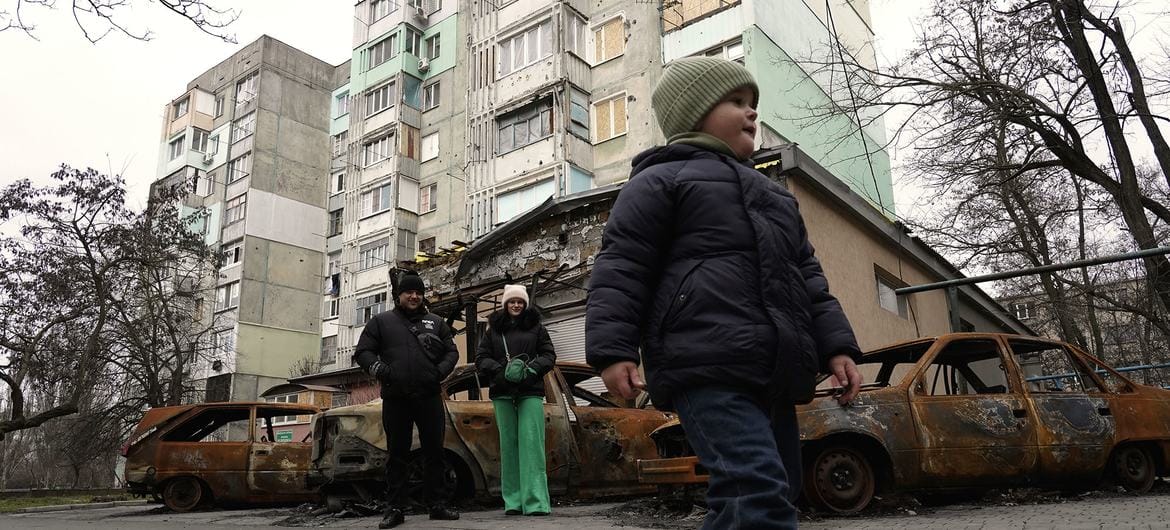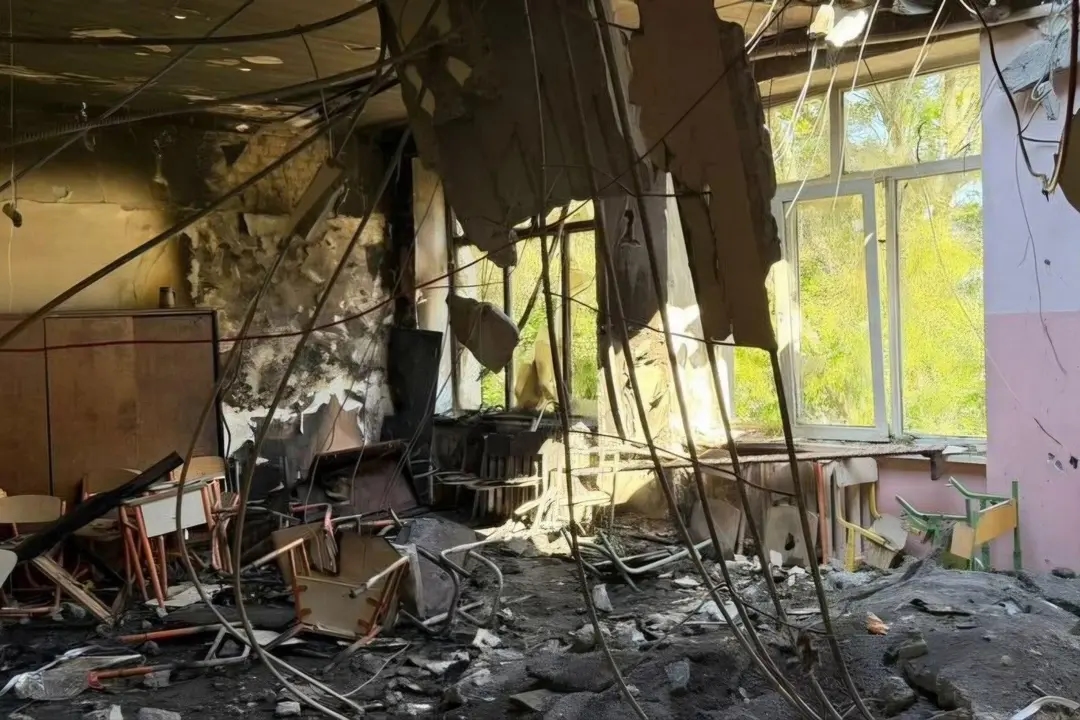
Russian attacks killed 328 civilians in Ukraine and wounded 2,105 others in September, according to a report by the UN Human Rights Monitoring Mission in Ukraine (HRMMU). Overall, 2026 has seen a marked increase in Russian strikes that result in civilian casualties. From January through September, a total of 2,570 civilians were killed and 15,211 were wounded, according to the mission. For all of 2025 — previously the deadliest year — the UN’s high-end calculation for civilian casualties was 2,526 killed and 12,162 wounded.
“At least 328 civilians were killed and 2,105 injured in September 2026, the highest for September since the start of the full-scale invasion,” the mission said. A year earlier, 249 civilians were killed and 1,068 were wounded in Russian attacks during the month.
Civilians were killed or wounded by Russian attacks in 22 Ukrainian regions as well as in Kyiv during September. In the capital, 32 people were killed and 340 were wounded. Kherson recorded 16 deaths and 202 injuries, Sumy 11 deaths and 131 injuries, and Zaporizhzhia seven deaths and 127 injuries.
Despite the increase in casualties in September, July remains the deadliest month of 2026, when at least 437 Ukrainian civilians were killed and 2,610 were wounded. The mission said it was the highest monthly civilian casualty toll since May 2022.
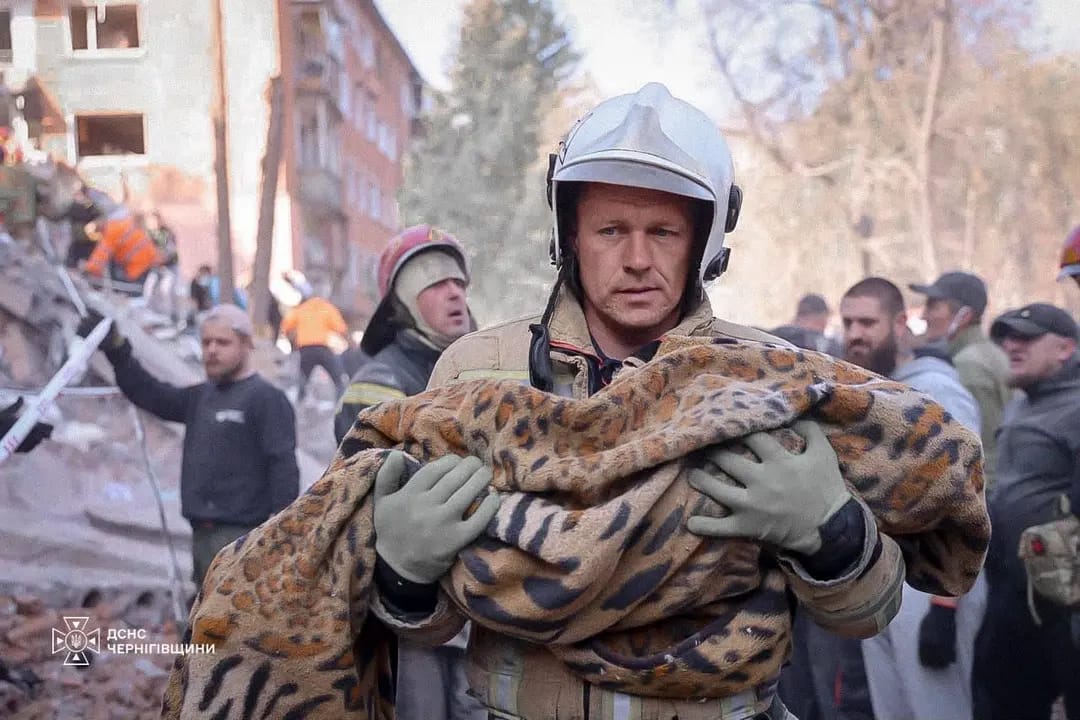
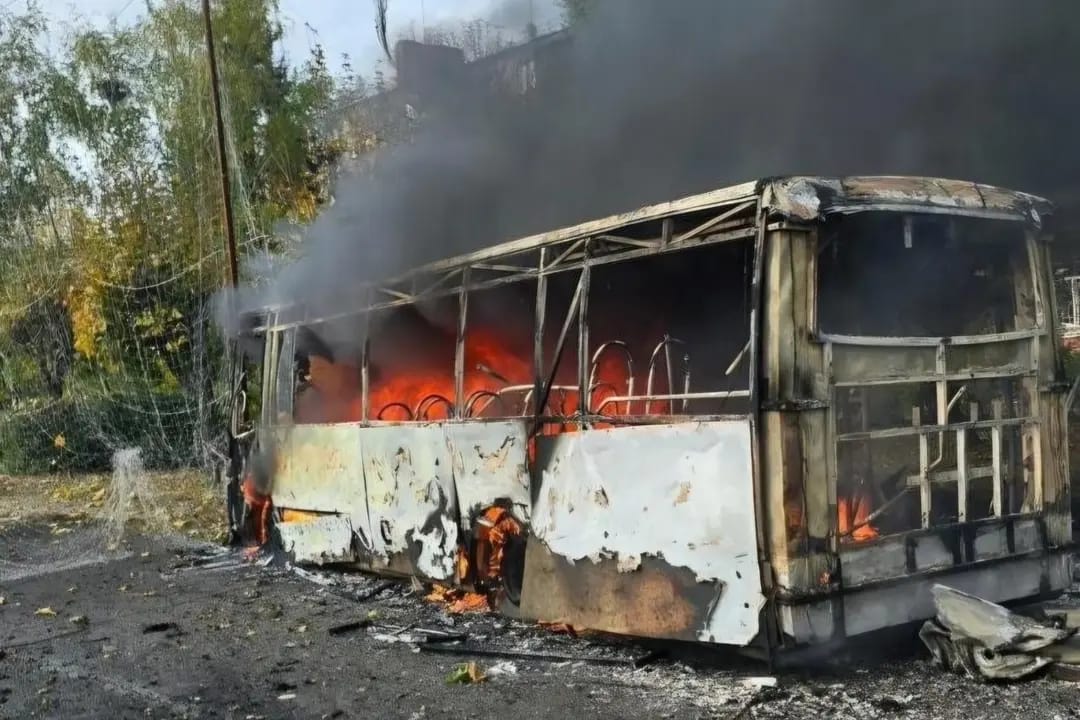
Russia has only intensified attacks on civilian targets in Ukraine in October 2026. On Oct. 7, Russian forces struck Pryluky in the Chernihiv Region, where a residential building was hit, killing 22 people, including five children. The following day, a Russian strike on a minibus in Kramatorsk killed 30 people.
According to the Office of the UN High Commissioner for Human Rights (OHCHR), more than 100 civilians had been killed across Ukraine and at least 429 wounded as of Oct. 9.
That day, UN Assistant Secretary-General Khaled Khiari said:
“Since our last briefing to this Council on 23 September, the attacks by the Russian Federation on Ukraine have reached a new horrifying level… The pattern of dangerously escalating Russian attacks has led to a significant increase in civilian casualties this year. Each month has recorded higher numbers of casualties compared to the corresponding month in any of the three previous years.”
The escalation in Russian attacks has coincided with rising tensions between Ukraine and the United States. Donald Trump demanded that Ukraine stop striking Russian oil refineries and later reached an agreement with Russian President Vladimir Putin on supplies of Russian diesel fuel to U.S. and global markets. Trump has said Ukrainian attacks on Russian refineries caused the diesel fuel shortage driving up prices in America.
Bloomberg, however, reported that the shortage and diesel prices were being driven primarily by the war with Iran — which was initiated by Trump — and by the effective closure of the Strait of Hormuz resulting from that war.
Ukrainian President Volodymyr Zelensky recently confirmed previous media reports that Washington had threatened to stop sharing intelligence with Kyiv unless Ukrainian forces halted strikes on Russian oil refineries. On Oct. 12 and 13, the United States did not warn Ukraine of ballistic missile launches from Russian territory. As a result, both days saw air raid alerts in Ukrainian cities begin only after the first explosions were heard.
On Oct. 18, Zelensky confirmed that the U.S. had resumed intelligence sharing with Ukraine.