A court in Khimki in the Moscow Region sentenced five people to terms ranging from 7.5 years suspended to nine years in prison in a case involving the theft of 37.7 million rubles ($451,000) from the Kalashnikov Concern. Investigators said contractors bought substandard parts for AK-12 rifles in China, passed them off as Russian-made, and imported them disguised as ordinary nuts. The Insider calculated that the contract with Kalashnikov was nearly 50 times larger than the supplier’s annual revenue. In 2023, the company reported revenue of just 2.23 million rubles ($27,000) and an average headcount of zero employees.
Alexei Morokhov, technical director of contractor Intertekhnika and CEO of the company Ivanovskie Kovshi, was sentenced to nine years in a maximum-security penal colony. Former Intertekhnika director Yuri Chernyshev received eight years, while Alexei Rubtsov and Olga Firsova were sentenced to 7.5 years each. Another Intertekhnika co-founder, Alexei Ledenev, received a suspended sentence of 7.5-year. Ledenev is known for winning the Russian version of “Dancing with the Stars” in 2010, when he performed with singer Anastasia Stotskaya.
The trial was held behind closed doors.
Chinese parts passed off as Russian-made
The case began in 2023, when the Kalashnikov Concern modernized its 5.45 mm AK-12 assault rifle. To implement the design changes, the company needed semi-finished components for two parts whose production could be outsourced.
That summer, Ivanovskie Kovshi owner Alexei Morokhov offered to fulfill the order. In August, the contractor delivered a test batch that passed quality control. Investigators said Kalashnikov was not told that the parts had been manufactured in China using Russian drawings.
In October 2023, the concern signed a contract with Intertekhnika LLC for 80,000 semi-finished parts worth nearly 110 million rubles ($1.3 million). The contractor agreed to manufacture them in Russia without using counterfeit or falsified products. Investigators found, however, that the company had no production facilities, equipment, or qualified employees.
Instead of manufacturing the parts itself, the defendants arranged purchases from two Chinese companies, Jiangsu Origin Machinery Co., Ltd. and Taizhou Hongze Trading Co., Ltd. The contracts were signed in the name of Ivanovskie Kovshi, and the products were listed in documents as screw nuts.
Some of the Chinese-made parts passed factory inspection. Kalashnikov accepted 2,775 pieces from one batch while rejecting another 819. A second batch yielded 14,414 accepted parts. Investigators nevertheless concluded that the products did not meet mandatory contract requirements and should not have been paid for.
The damage to Kalashnikov was estimated at 37.8 million rubles ($452,000). That figure included money transferred to the contractor and the value of six metric tons of raw material that had supposedly been provided for manufacturing the parts.
A contract 50 times larger than the supplier’s annual revenue
The Insider compared the Kalashnikov contract with Intertekhnika’s financial statements and found that the supplier’s 2023 revenue was only 2.23 million rubles ($27,000). That was 79.6% lower than a year earlier, when the company reported 10.92 million rubles ($130,000) in revenue. Intertekhnika posted a loss of 4.71 million rubles ($56,000) for 2023.
The nearly 110 million-ruble ($1.3 million) Kalashnikov contract was 49 times larger than the contractor’s entire annual revenue. According to data from Russia’s Federal Tax Service, Intertekhnika’s average number of employees in 2023 was zero, and its primary business activity was listed as manufacturing equipment for mining and construction.
Corporate records show another notable detail: when Intertekhnika signed the contract to supply AK-12 parts, half of its charter capital was owned by Maya Silkina, who later became a member of the Ivanovo regional government and head of the regional tourism department. She left the company’s ownership structure only on Jan. 25, 2024, shortly before taking up her government post. Her stake went to her husband, Alexei Morokhov, who has now been sentenced to nine years in prison. Local outlet IvanovoLive had previously reported that the contractor was tied to the official’s family.
In November 2024, Kalashnikov Concern sought to recover 30.06 million rubles ($366,000) from Intertekhnika. It later filed an additional claim for 5.35 million rubles ($64,000). The two claims totaled about 35.4 million rubles ($423,000).
Another Morokhov company, Ivanovskie Kovshi, had already been declared bankrupt by the time the verdict was issued. According to auction materials in case No. A17-10765/2024, the Ivanovo Region Arbitration Court opened bankruptcy liquidation proceedings against the company in November 2025. Its assets were put up for sale in 2026.
Former Kalashnikov procurement director tried separately
A separate criminal case against former Kalashnikov procurement and logistics director Ksenia Grashchenkova is being heard in Izhevsk. She signed the Intertekhnika contract on Kalashnikov’s behalf in October 2023. Investigators accuse her of abuse of authority in carrying out a state defense order, resulting in serious consequences. The case opened Oct. 9, 2026, in Izhevsk’s Leninsky District Court.
Morokhov’s defense had previously denied any intent to deceive the concern. In November 2024, his lawyer, Mikhail Kobets, told IvanovoNews that the customer knew the parts were being made abroad and that the deliveries were carried out under an international outsourcing agreement. The lawyer also said some of the products had passed quality control and that later complaints arose only after management changed at the plant.
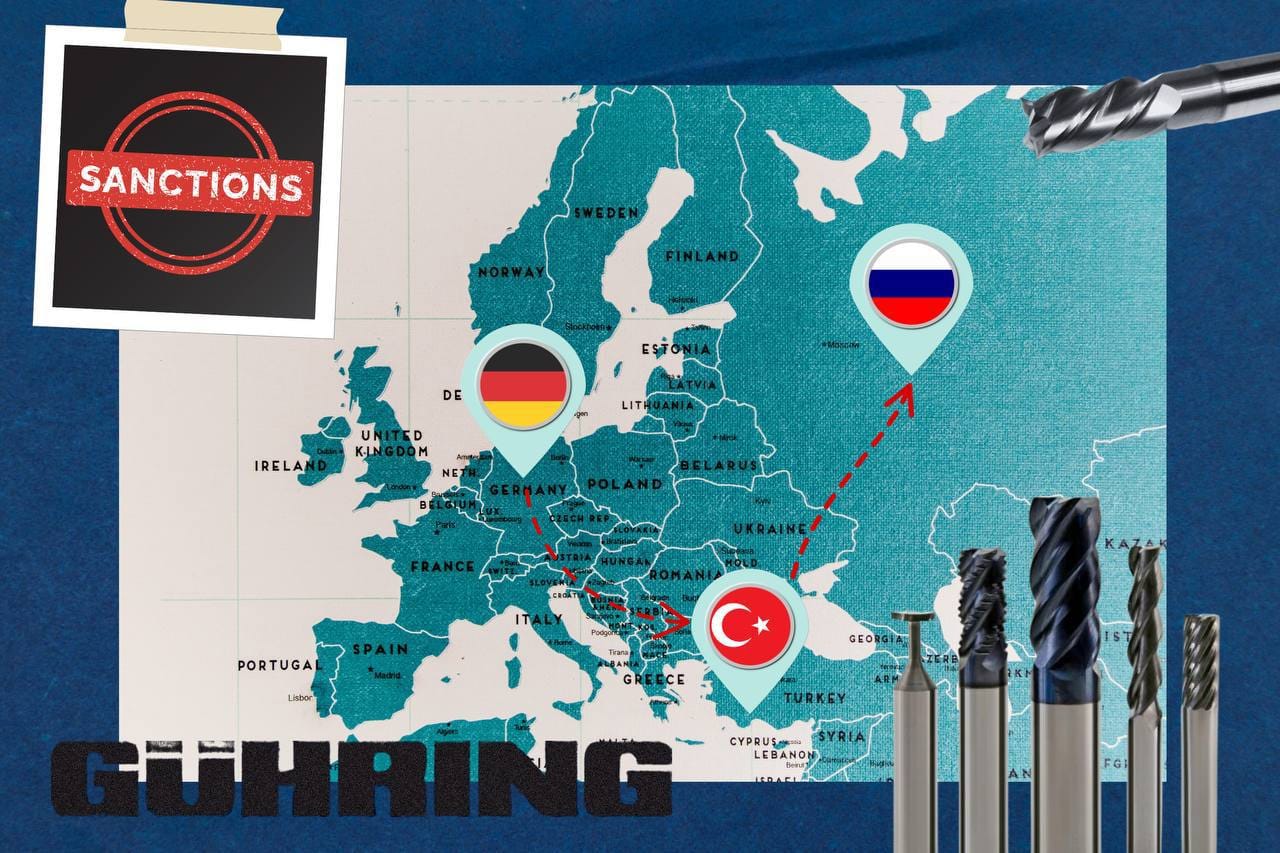
The Insider has repeatedly reported that Russia’s defense industry continues to use foreign-made products despite international sanctions. German Gühring tools, for example, continued to be supplied to Russian defense companies, including to the Kalashnikov Concern. Using open-source data, The Insider found 280 contracts for such tools from 2015 to 2023 worth more than 1 billion rubles in total ($11.9 million).
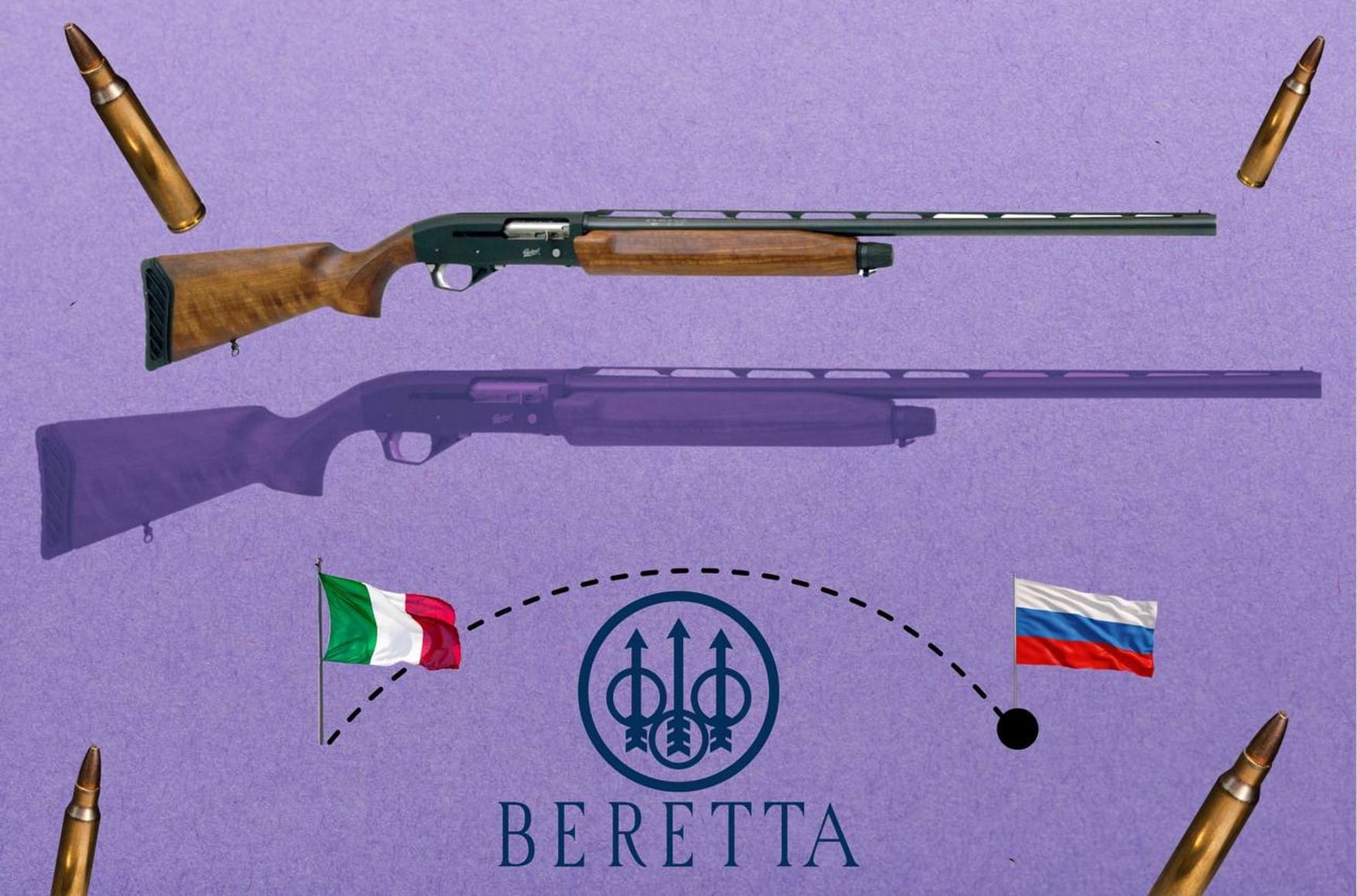
In another investigation, The Insider and IrpiMedia reported on Italian weapons reaching Russia despite sanctions, finding that components made by Benelli, part of the Beretta group, were used in Kalashnikov Concern’s MP-156 semiautomatic hunting carbine.