A court in Russian-occupied Donetsk is currently hearing a criminal case against Russian serviceman Alexei Korolev, who is charged with murdering two or more people, along with large-scale extortion. The Insider found that Korolev is a repeat offender who went to the front from prison, where he was serving an 11-year sentence in a case involving large quantities of mephedrone, a synthetic stimulant drug. The Ukrainian state project I Want to Live previously identified Korolev as the gunman who killed six fellow soldiers in the Kharkiv Region one year ago. The Insider confirmed that all six victims died on the same day — Oct. 25, 2025.
I Want to Live said the men served in a reconnaissance company, but The Insider was able to uncover an additional detail: Rodion Kravets, one of those killed by the former prisoner Korolev, had served in the highly secretive 16th Center of Russia’s Federal Security Service (FSB), which conducts signals intelligence and organizes cyberattacks.
In February 2026, the Ukrainian project I Want to Live, citing a source in the Russian army’s 68th Motor Rifle Division, reported that a former prisoner sent to the front had shot and killed six service members from the reconnaissance company of the 27th Separate Motor Rifle Brigade. At the time, there was no independent confirmation of the incident. Another hearing in Korolev’s case was scheduled for Oct. 13 in Donetsk. According to the official file, the case reached the court on March 24, 2026, five months after the six soldiers died. Korolev’s lawyer, Yekaterina Kulik, confirmed to The Insider that the case involves a serviceman. “This is a case against a serviceman. All hearings are being held behind closed doors,” she said. Kulik declined to provide further details, citing attorney-client confidentiality, but she did not deny that the case involved the killing of Russian soldiers.
A shooting during the offensive on Kupiansk
According to I Want to Live, a conflict between soldiers of Russia’s 121st Motor Rifle Regiment of the 68th Division and reconnaissance troops from the 27th Separate Motor Rifle Brigade broke out Oct. 24-25, 2025 near the village of Lyman Pershyi in the Kupiansk District of Ukraine’s Kharkiv Region. The project said the dispute began after a Russian FPV drone mistakenly attacked an all-terrain vehicle carrying soldiers from the 121st Regiment.
On the evening of Oct. 24, several assault troops went to the reconnaissance company’s command post to confront the drone operators. According to the I Want to Live source, soldiers from the 121st Regiment were intoxicated, beat the reconnaissance troops who were there, took drone-control equipment, and left.
On the morning of Oct. 25, reconnaissance company commander Yuri Davydov assembled a group of soldiers in order to recover the equipment taken by the 121st Regiment. The dispute flared again at the unit’s position. According to the Ukrainian project, Sgt. Vadim Petukhov reminded grenade launcher operator Alexei Korolev of his prison past and threatened him with sexual violence. Korolev then grabbed a weapon and opened fire. Six soldiers were killed and two others were wounded.
The incident took place during Russia’s offensive on Kupiansk. In its Oct. 24, 2025, assessment, the Institute for the Study of War (ISW) cited pro-war Russian bloggers while describing offensive operations in and around the city, referring to units of the 68th Motor Rifle Division and drone operators from the 27th Separate Motor Rifle Brigade.
Six killed on the same day
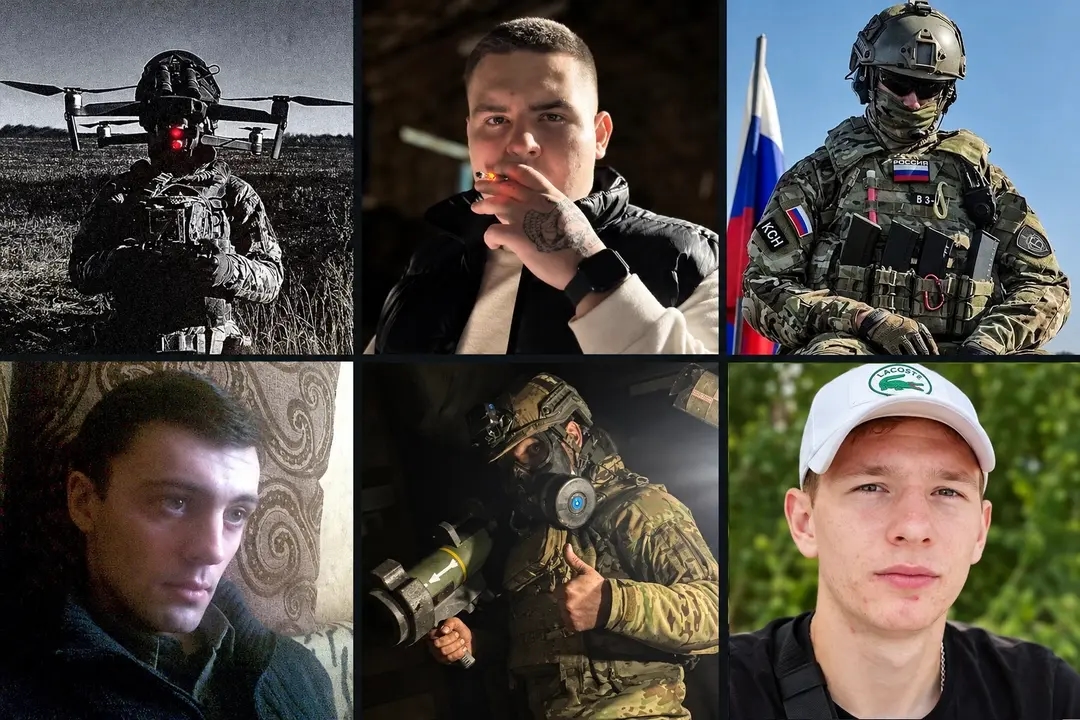
The Insider checked the list of alleged victims against a database of Russian soldiers killed in Ukraine that is maintained by the independent exiled Russian publication Mediazona and the BBC. All six service members named by I Want to Live appeared in the database with the same date of death — Oct. 25, 2025:
- Vadim Petukhov, 28, a sergeant from Cherepovets in the Vologda Region;
- Dmitry Galatov, 32, a sergeant from the Tambov Region;
- Rodion Kravets, 22, a corporal from the Krasnodar Region;
- Sergei Nizovtsev, 24, a junior sergeant from Kopeisk in the Chelyabinsk Region;
- Pavel Serov, 37, a junior sergeant from the Yaroslavl Region;
- Vyacheslav Kuznetsov, 24, a corporal from the Krasnodar Region.
According to I Want to Live, reconnaissance company commander Yuri Davydov and driver Alexander Velikanov were wounded.
Elite drone operator and specialist from the FSB’s 16th Center
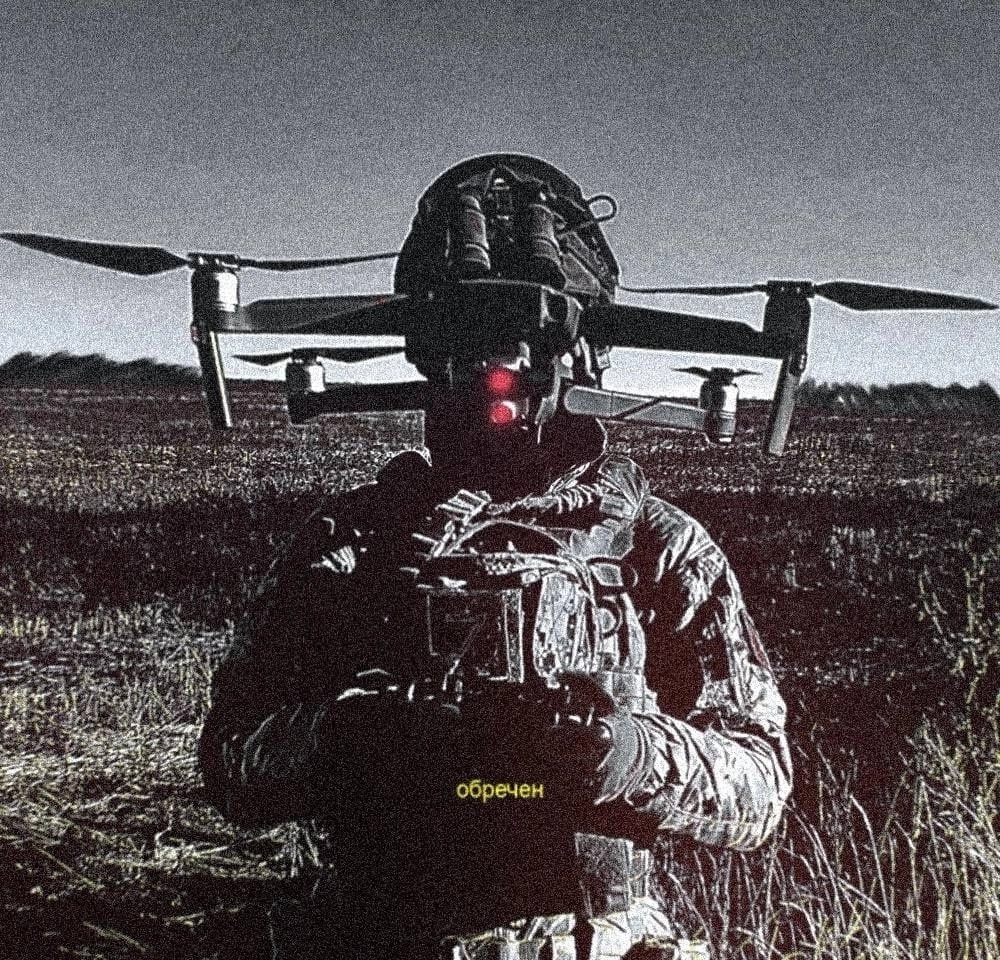
According to I Want to Live, Vadim Petukhov headed an FPV crew in a UAV platoon at the Rubikon Advanced Unmanned Technologies Testing Center. The Insider was unable to independently confirm that detail, but it did find photos and videos on Petukhov’s social media that appear to show him among troops wearing expensive tactical gear. Petukhov concealed his face and personal details while alive, and photos showing his face were posted on VKontakte only after his death.
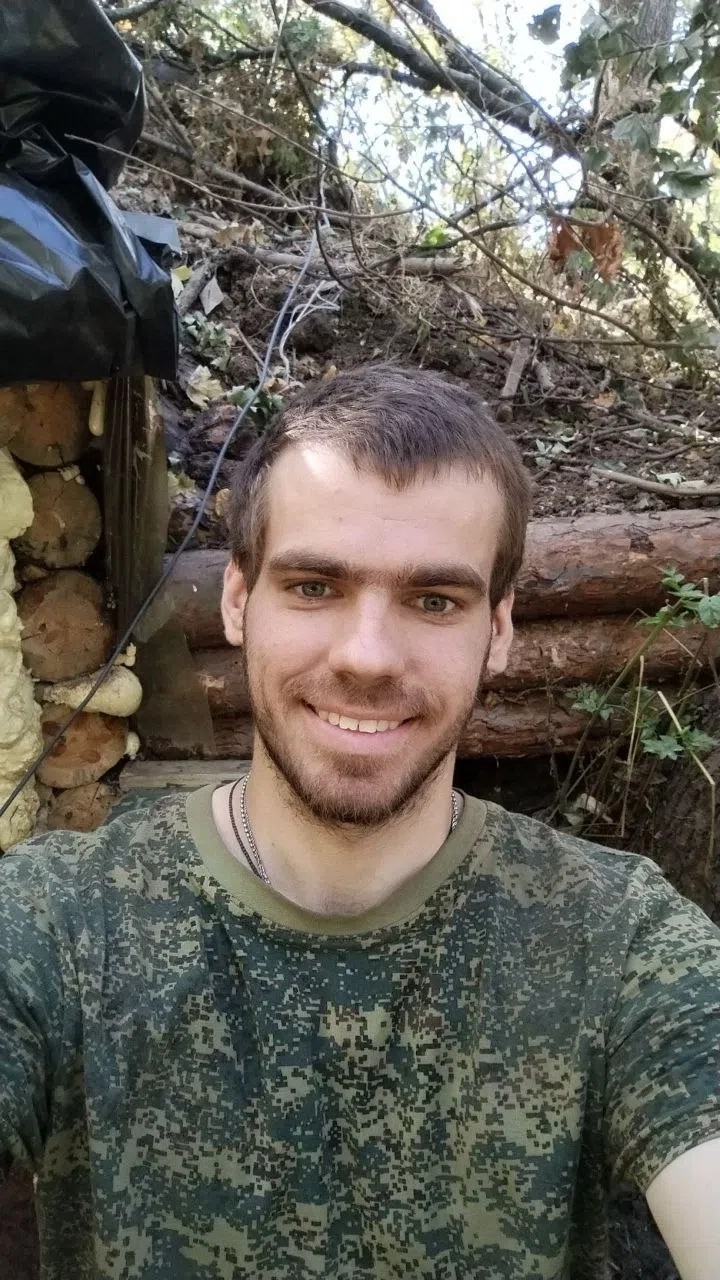
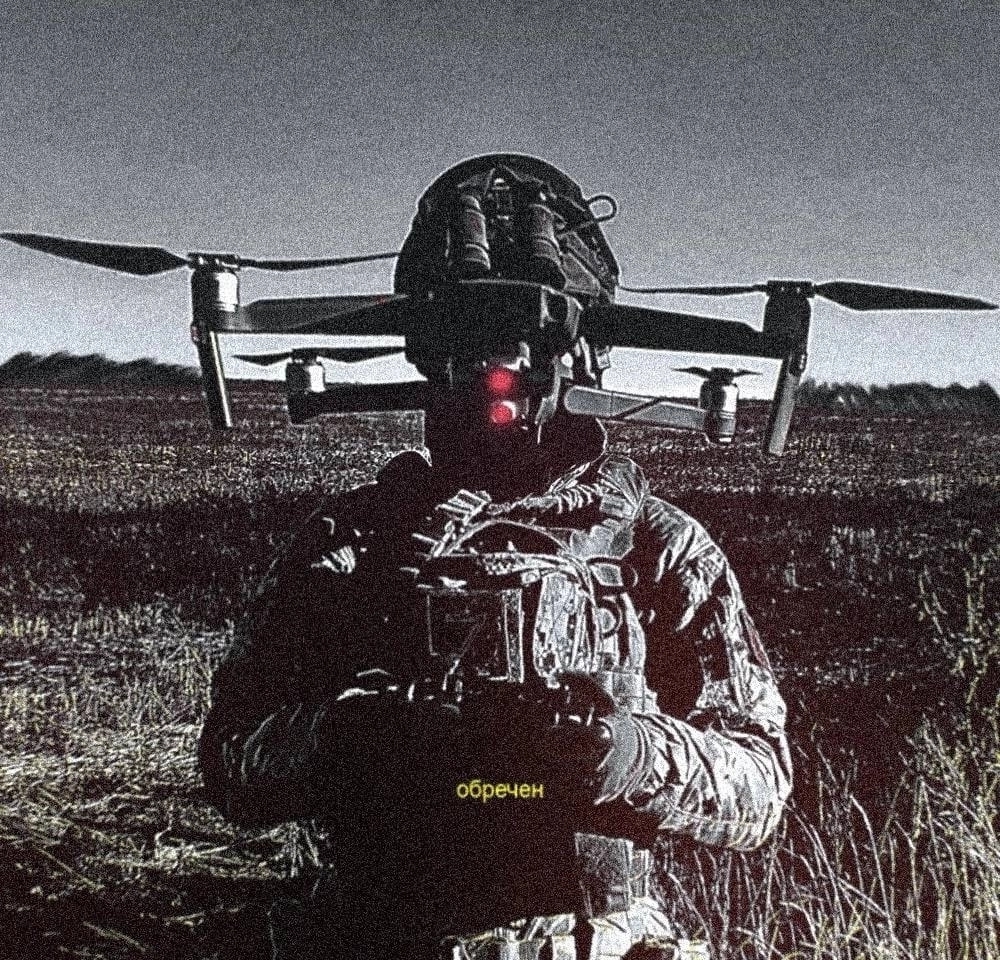
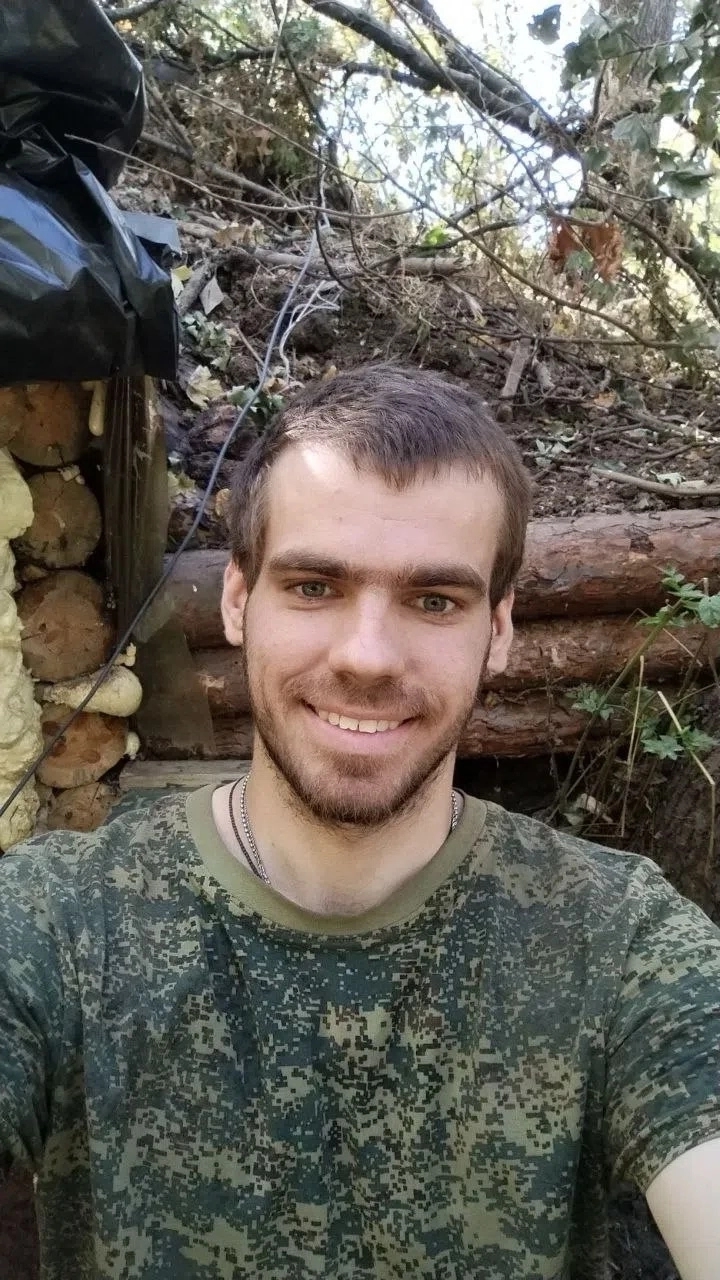
The most unusual pieces of information The Insider found concerned 22-year-old Rodion Kravets. Bank application records reviewed by the outlet list military unit 71330 as his workplace and his position as “specialist.” The forms also say he began working there in June 2023. Military unit 71330 is the FSB’s Center for Radio-Electronic Intelligence on Communications, known as the 16th Center, one of the security service’s most secretive units.
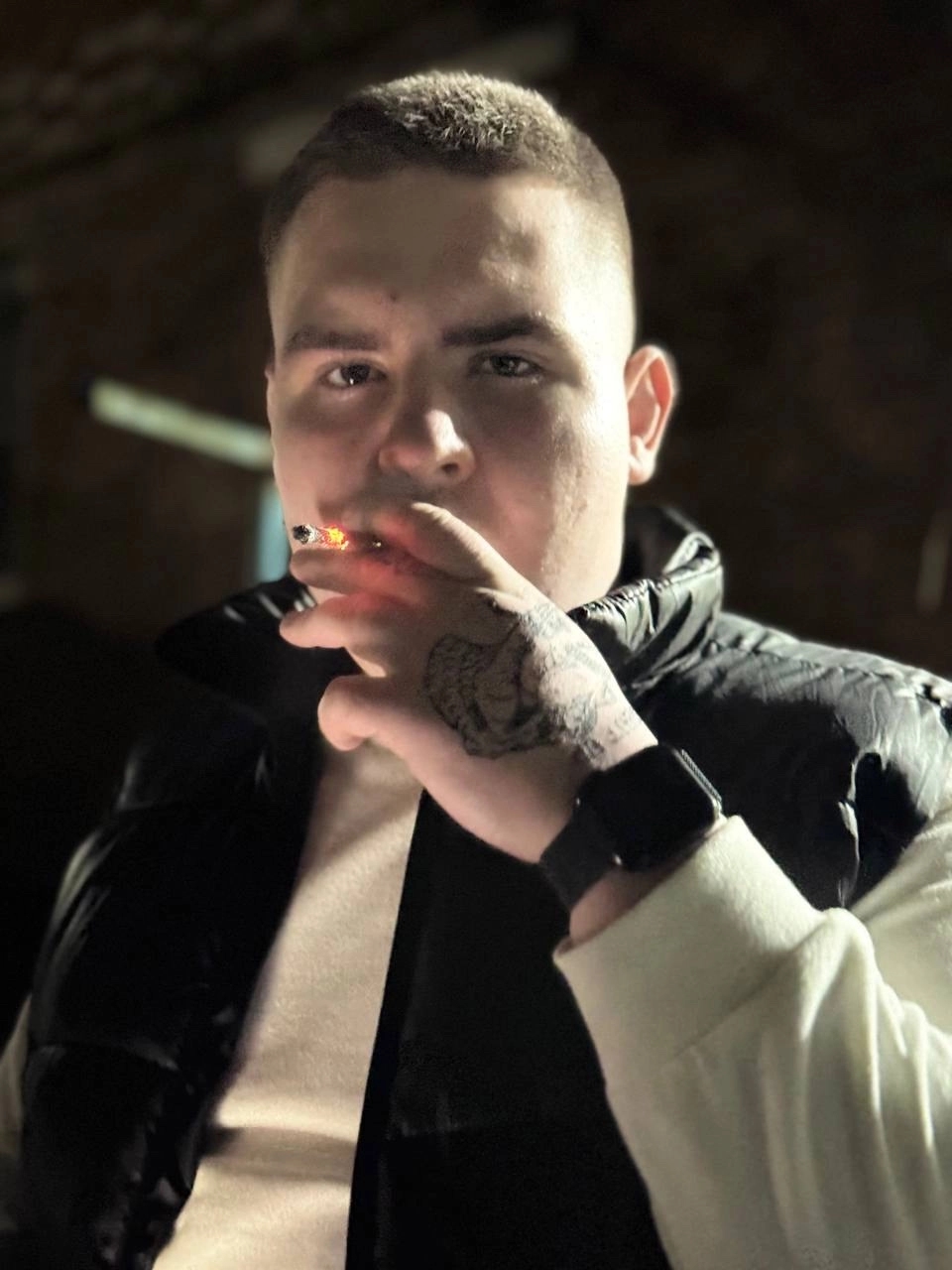
According to a British government report, the FSB’s 16th Center intercepts, decrypts, and processes electronic communications, conducts technical intrusions into foreign networks, and carries out cyber intelligence operations. The European Union has also attributed cyberattacks to the 16th Center.
Kravets was later listed as a private in military unit 61899, the 27th Separate Motor Rifle Brigade, which took part in the offensive on Kupiansk. It is unclear whether he had left the FSB’s 16th Center or was serving at the front on temporary assignment. During the same period, Kravets became a defendant in a petty theft case, suggesting the prosecution may have been suspended or closed because of his military service in the combat zone.
What else is known about those killed
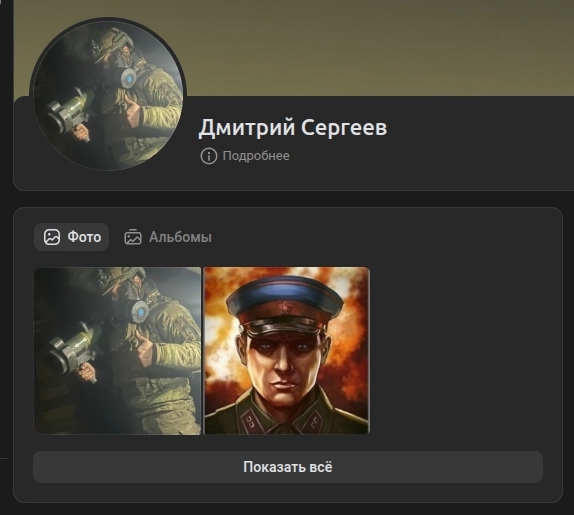
Another one of those killed, 32-year-old Dmitry Galatov, commanded a reconnaissance squad in the 27th Separate Motor Rifle Brigade, according to I Want to Live. In other people’s contact lists, his number was saved under names including “Dima Tambov Commander” and “Dima Tambov Unit Commander.” The only two images on his VK profile showed him in military gear holding an anti-tank guided missile system, and a picture of a character dressed as an NKVD officer. Like Petukhov, Galatov concealed his face and personal information on social media.
37-year-old Pavel Serov served as a junior sergeant in military unit 61899, the 27th Separate Motor Rifle Brigade, according to records reviewed by The Insider. He was also facing a criminal case for “intentionally destroying or damaging military property during an armed conflict or combat operations.” The investigation was suspended due to the fact that Serov was serving in the military.
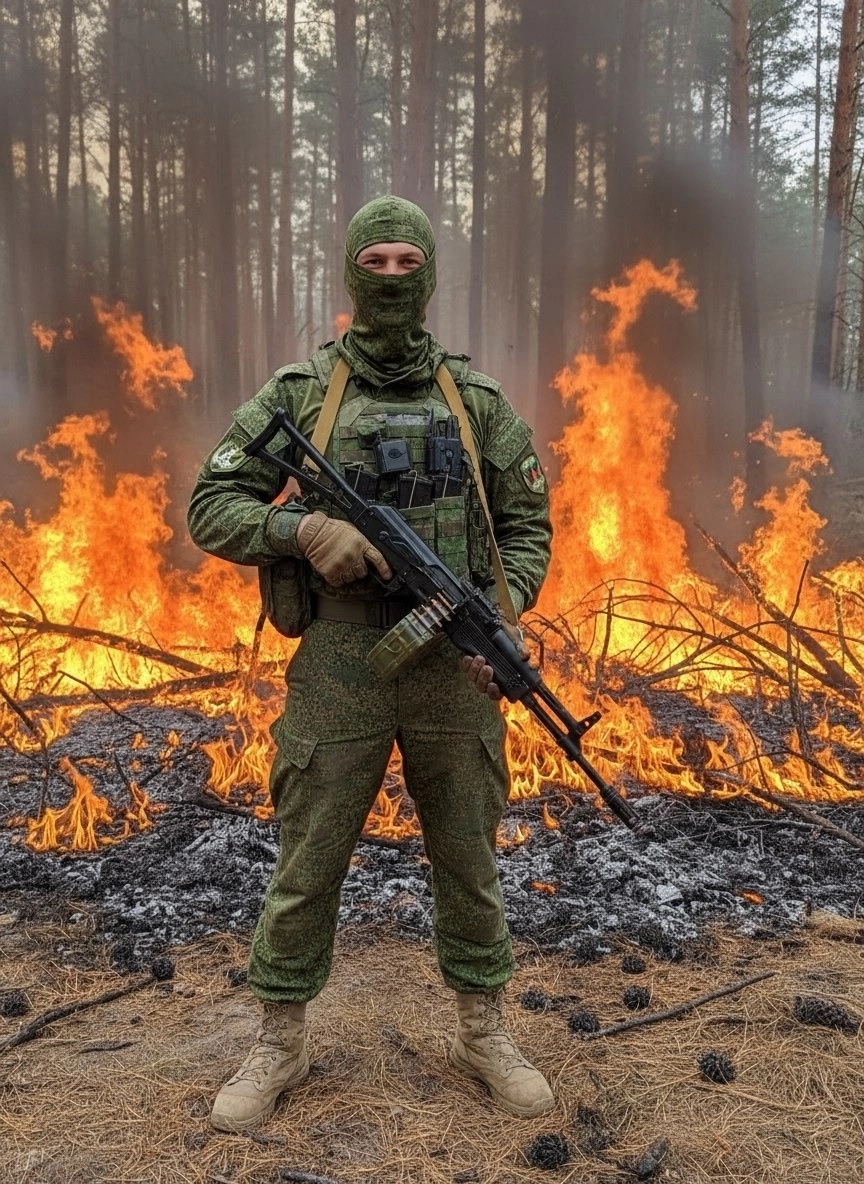
Vyacheslav Kuznetsov, from the Krasnodar Region, served as a reconnaissance combat engineer, according to I Want to Live. The Insider found his page on the social network VK under the name “Vyacheslav Aliyev,” where he posted photographs of armed troops in tactical gear. His final post was dated Oct. 21, 2025 — four days before Mediazona’s listed date of death. In November, a user named Sergei Ryabokon wrote on the page: “Rest in peace, brother.”
Seven convictions and six dead
Alexei Korolev, who is accused of killing the six reconnaissance and drone troops, began his criminal career in the early 2000s. An Aug. 14, 2024, appellate ruling by the Belgorod Regional Court lists six earlier convictions handed down by courts in Vladimir in 2003, 2007, and 2011. He had been convicted of robbery, armed robbery, theft, fraud and hooliganism.

Korolev was released from prison on June 17, 2016, after serving another sentence and, according to a 2023 judgment, later joined a group involved in trafficking large quantities of drugs. Fifteen other people were charged with him. Prosecutors said the group distributed drugs through online stores and dead drops. Investigative records referred to synthetic drugs including mephedrone and substances containing alpha-PVP.
Investigators said Korolev worked as a bulk drug courier, receiving the coordinates of hidden caches from handlers and transporting narcotics between regions. In October 2020, he picked up a shipment from a cache in the Tula Region for delivery to the Moscow Region. Police stopped the car he and his wife were traveling in and found 10 packages of drugs. Korolev later admitted in court that he had helped transport the narcotics.
On Nov. 16, 2023, he was sentenced to 11 years in a special-regime penal colony for attempted large-scale drug distribution by an organized group. On Aug. 14, 2024, the Belgorod Regional Court upheld Korolev’s sentence and rejected his request for a reduction. Yet a year later, he was out of prison and carrying a weapon.
Alexei Korolev is now back in pretrial detention awaiting a verdict on murder and extortion charges.