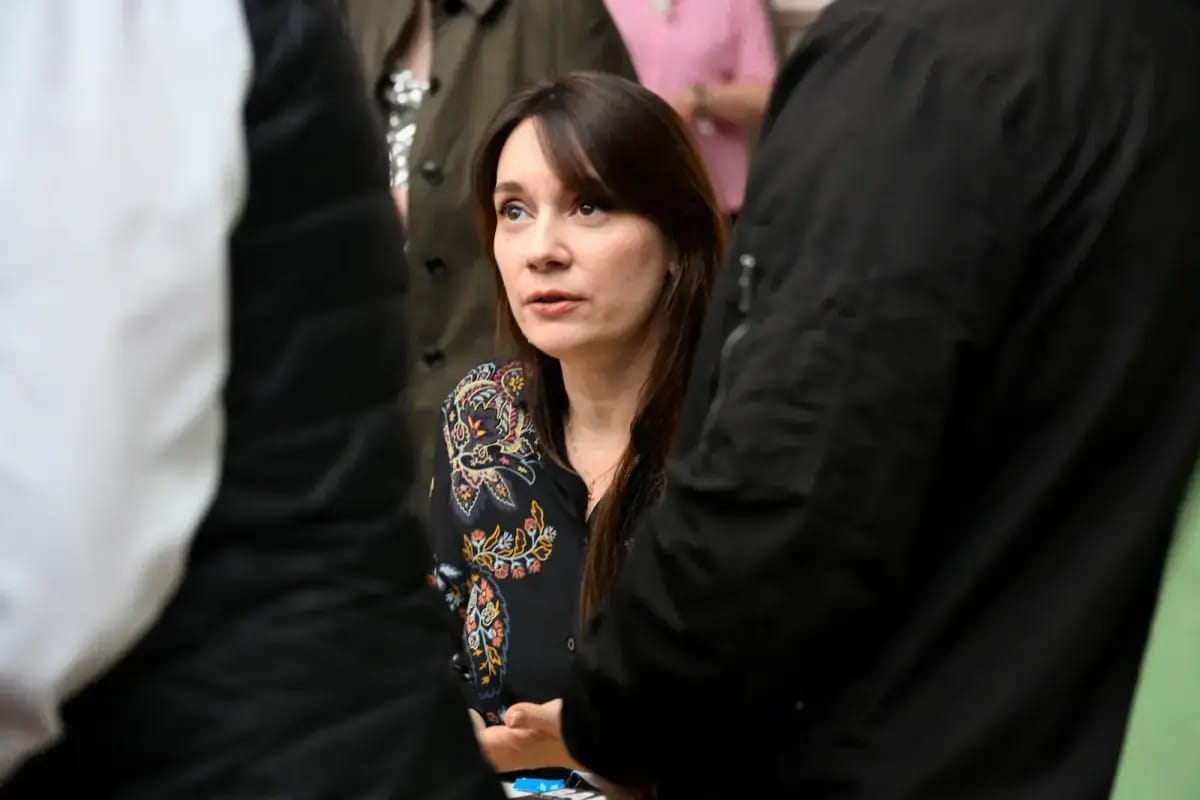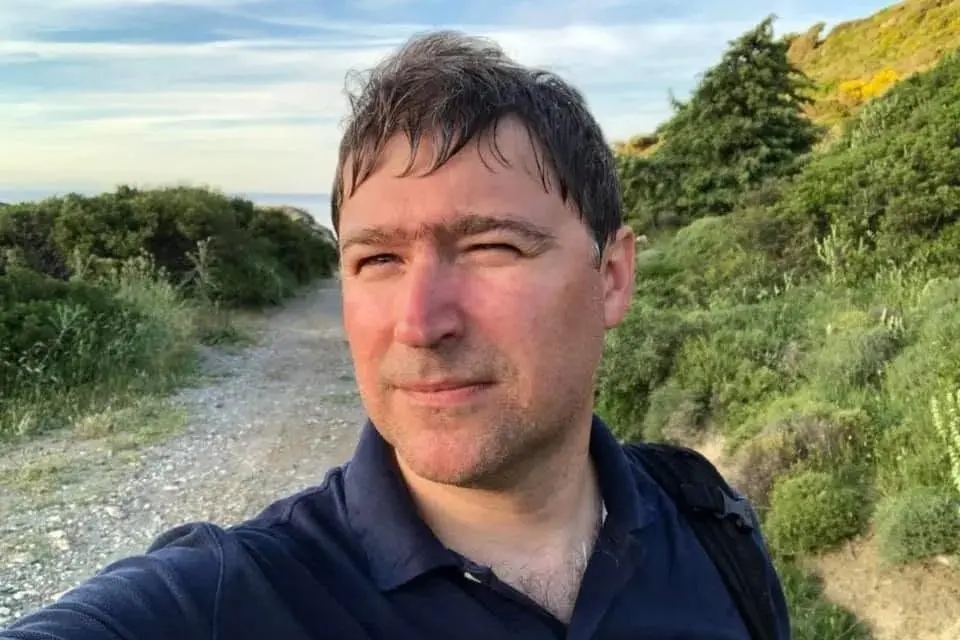
Latvia has initiated the process of adding another Russian citizen to its list of people barred from entering the country, Foreign Minister Baiba Braže wrote on X. According to the local outlet Delfi, the person is Leonid Ragozin, a Russian journalist who lives in Latvia.
The Insider reviewed Ragozin’s recent writing, including an August column in which he argued that, given the “devastating prospect” of another harsh winter, “painful compromises at the negotiation table once again emerge as Ukraine’s only way out of national catastrophe.”
Braže said:
“Taking into account the information received today from the competent authorities, and after discussions with the Prime Minister and the Minister of the Interior, I have decided to initiate the process of adding another Russian citizen to Latvia's list of personae non gratae.”
Braže did not identify the person in her tweet. Delfi noted, however, that on Sept. 30, Latvian Interior Minister Jānis Dombrava had called on Braže to add Ragozin to the list, saying that for years the journalist had expressed views contrary to Latvia’s interests. Dombrava said Ragozin has blamed the West for Russia’s aggressive actions, criticized sanctions, justified Russian foreign policy, and discredited Ukraine. Delfi reported that, according to its information, Ragozin is the person targeted by the procedure.
Press.lv describes Ragozin as an “independent international affairs journalist” who has lived and worked permanently in Latvia since 2014.
Ragozin has indeed worked with a range of Russian and foreign media outlets. A biography on the BBC Russian Service website says he worked there for eight years before joining Russian Newsweek as a correspondent, later becoming its international editor. From 2015 to 2021, Ragozin published columns in Politico. He also wrote for The Guardian. In one 2014 article, he challenged Vladimir Putin’s claims that regular Russian army units were not present in the Donbas. From 2014 to 2016, he contributed to the Kyiv Post, and in 2019 The Moscow Times published an opinion piece in which he argued that “the Russian president’s ideological flexibility gives him the upper hand in the postmodern world.”
After 2022, the number of outlets Ragozin worked with appears to have narrowed. His columns continued to appear in the Qatar-based Al Jazeera, where he criticized Ukraine’s leadership and its European allies, praised U.S. President Donald Trump’s efforts to revive negotiations with Moscow, and argued that “the pro-war party simply wants any talks with Russia to be doomed, like they wanted the Istanbul talks to be doomed in the spring of 2022 and Minsk agreements to be ditched before that.” In an August column, Ragozin described Ukrainian President Volodymyr Zelensky’s rhetoric as “defiant” and argued that, in light of the “devastating prospect” of the approaching winter meant that the time had come for Ukraine to negotiate its way out of a “national catastrophe.”