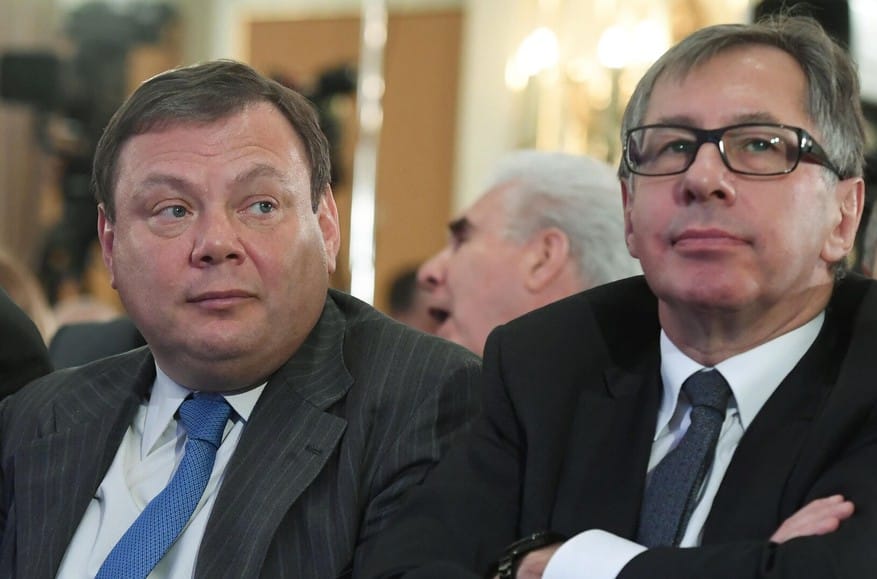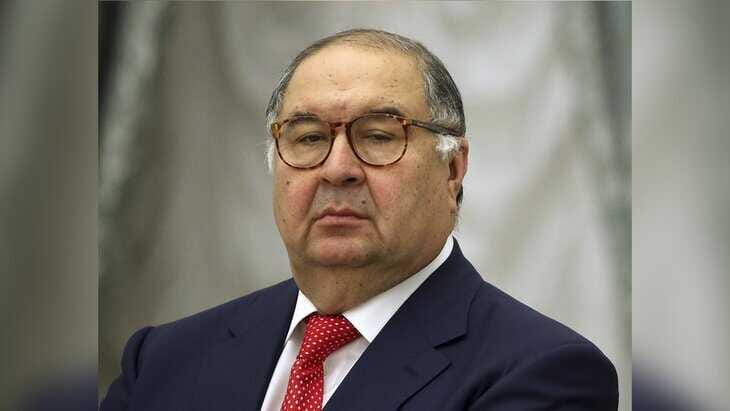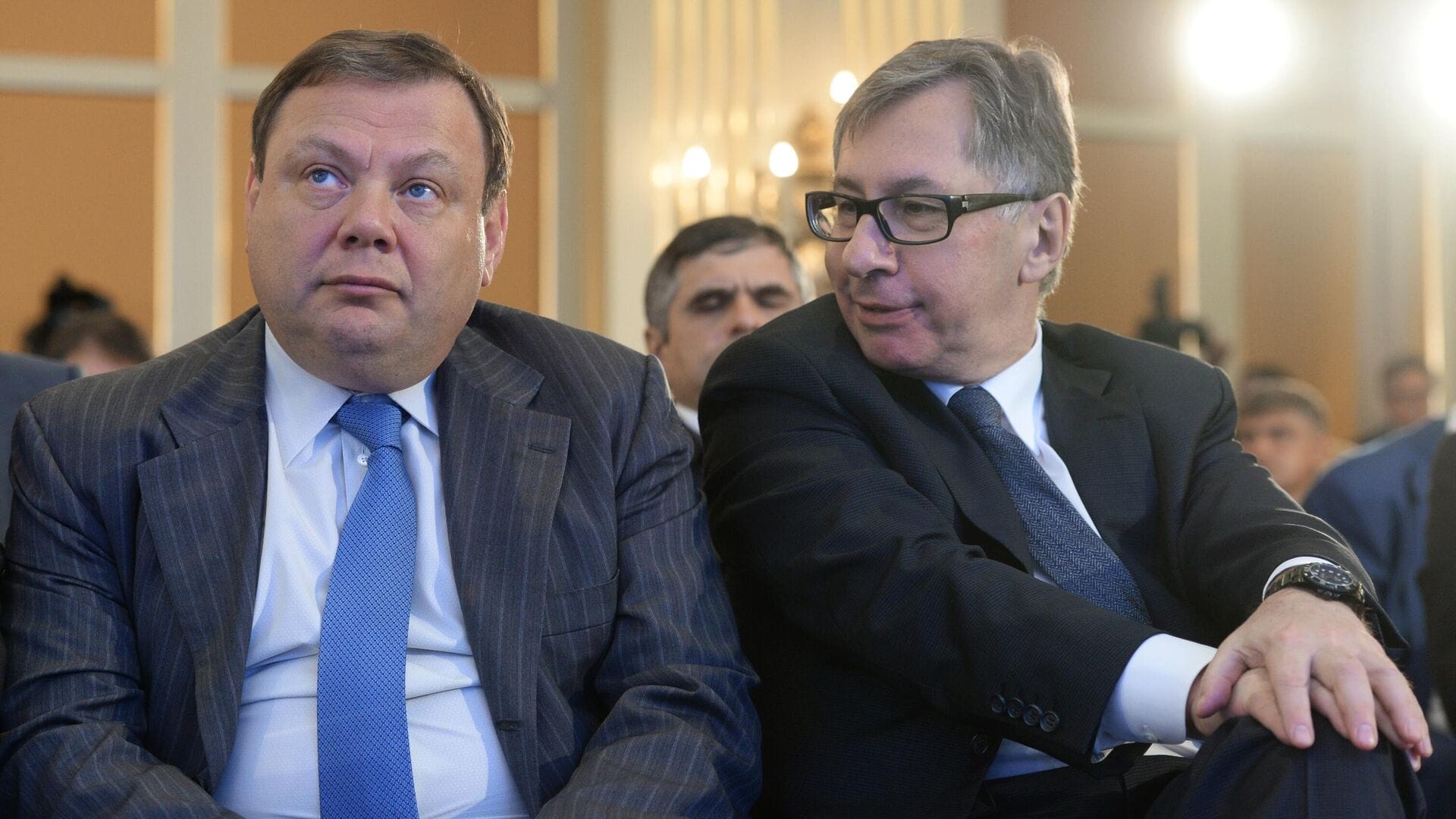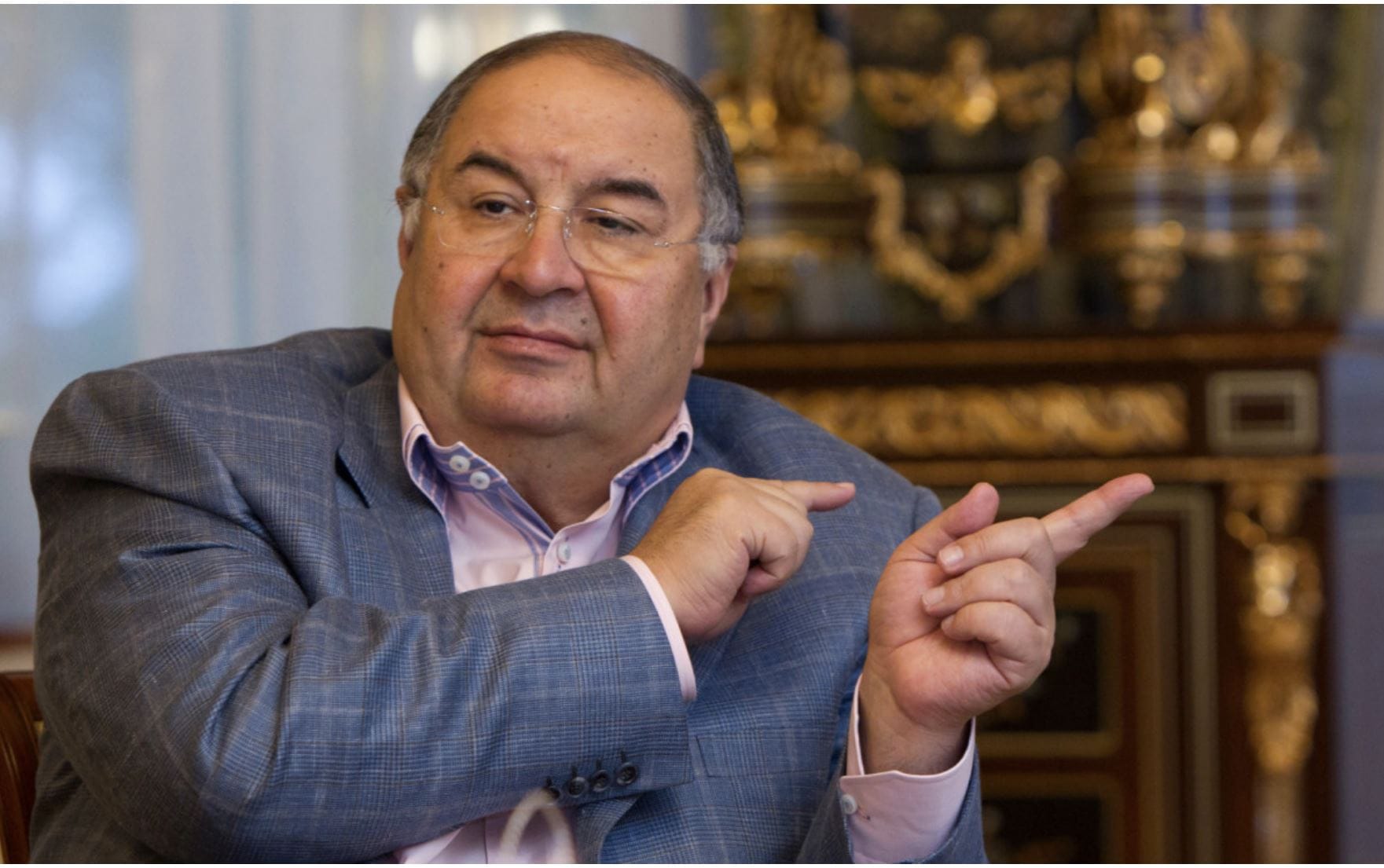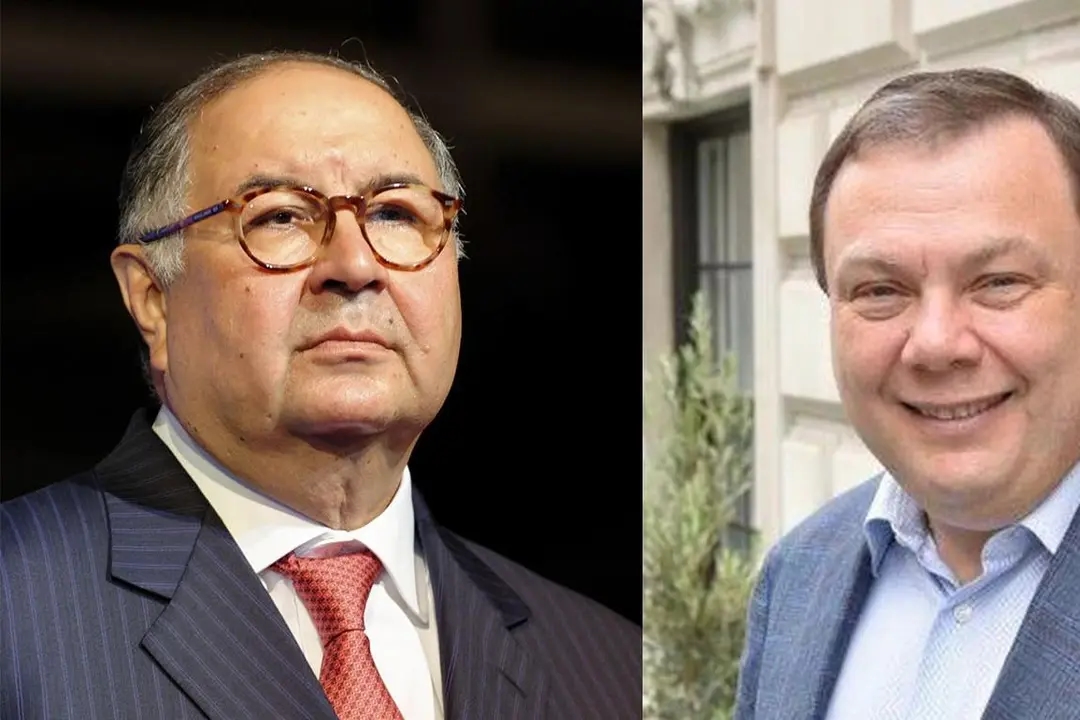
The Council of the European Union has agreed to extend sanctions against Russian individuals and entities for another three years, according to a council statement issued on Sept. 22. As part of the agreement, Russian billionaires Alisher Usmanov and Mikhail Fridman were removed from the sanctions list.
The remaining restrictions were extended for three years, through Sept. 22, 2029. The existing measures cover more than 3,000 individuals and entities that Brussels says are linked to Russia’s full-scale invasion of Ukraine.
The document separately notes that the council “decided not to renew the listings of three individuals and one entity.” The council statement did not name those delisted, but their identities appear in a document published in the EU’s Official Journal. They are:
- Alisher Usmanov, founder of USM Holdings;
- Mikhail Fridman, co-founder of Alfa Group;
- Andrei Falaleev, former rector of Vernadsky Crimean Federal University;
- and Redbird Corporate Services Ltd, a company linked to a vessel belonging to Russia’s “shadow fleet,” the network of ships used to transport Russian oil and other cargo while evading Western sanctions and a price cap designed to limit the Kremlin’s revenue amid the ongoing war.
Multiple media outlets and international news agencies had previously reported that EU countries were discussing the removal of the 62-year-old Fridman and 73-year-old Usmanov from the sanctions list, with reports appearing in The Guardian, Euronews, and Reuters. France and Slovakia had sought Usmanov’s removal, according to the Financial Times, while Luxembourg supported lifting sanctions on Fridman. Latvia was among the countries that opposed the moves.
A spokesperson for Ireland, which currently holds the rotating presidency of the EU Council, told The Guardian that the decision was the result of a “difficult compromise” — one that saw the above-mentioned figures removed from the list in exchange for a procedural switch that will significantly extend the time between renewals of the larger sanctions regime:
“Until now, these listings have been reviewed and assessed on a six-monthly basis; today’s decision to renew on a 36-month basis enhances the durability and predictability of the EU sanctions framework.”
Uzbekistan-born Usmanov, who according to Forbes has a net worth of $14 billion (placing him 224th on its list of global billionaires as of Sept. 23), amassed his wealth in the mining, industry, telecoms, and media sectors. He was sanctioned by both the EU and the U.S., as well as Canada, the UK, and multiple other countries in the wake of Russia’s full-scale invasion of Ukraine.
In its sanctions announcement, the EU described Usmanov as having “particularly close ties to Russian President Vladimir Putin” and referred to him as “one of Vladimir Putin’s favorite oligarchs.” Usmanov has denied any association with Putin.
A number of court cases involving Usmanov in Germany have seen the oligarch get the upper hand, with a court in Hamburg upholding a libel lawsuit filed by the billionaire against the newspaper Frankfurter Allgemeine Zeitung (FAZ) this past January. Prosecutors in Munich dropped an investigation into suspected sanctions violations by Usmanov after he made a sizeable charitable payment in 2025, while the Frankfurt am Main public prosecutor’s office closed a separate money laundering investigation into the billionaire in November 2024 after he paid a fine of €4 million.
The Ukraine-born Fridman, co-founder of Alfa Bank, Russia’s largest privately owned bank, has an estimated net worth of $16.6 billion, according to Forbes, which puts him 175th on in its list of global billionaires. Fridman, who also holds Israeli citizenship, was first sanctioned by the European Union on Feb. 28, 2022, four days after Russia launched its full-scale invasion of Ukraine. He was added to the same sanctions list as Usmanov. The UK followed on March 15, 2022, while the United States designated him on Aug. 11, 2023.
After the invasion, Fridman stepped down from his Luxembourg-based holding company LetterOne and also reduced his stake. British authorities have frozen his London properties, including the Athlone House estate, valued at around $100 million.
Fridman founded commodities trader Alfa-Eco in 1989 with entrepreneurs German Khan and Alexei Kuzmichev. The group later formed oil venture TNK-BP by uniting with British energy giant BP in 2003 before selling its stake in 2013 in a deal that brought Fridman about $5.1 billion in cash. Ukraine opened a criminal case against Fridman in August 2023 over alleged fraud linked to Alfa Bank Ukraine and placed him on an international wanted list that December.