The United Nations has documented 984 cases of conflict-related sexual violence from Feb. 24, 2022, to July 31, 2026, in connection with Russia’s full-scale war against Ukraine. The data comes from a report by the Office of the UN High Commissioner for Human Rights (OHCHR), published on Sept. 18. The organization stresses that these are only confirmed cases, and the real scale of the violence is far greater: many survivors have not reported what happened to them, and Russia does not grant UN observers access to occupied territories or to Ukrainian prisoners of war and civilian detainees.
The report describes cases of violence against a total of 1,004 people. Twenty of the cases included in the report occurred before Feb. 24, 2022, and had not previously been recorded by OHCHR. In UN terminology, one documented “case” refers to a single survivor, who may have experienced multiple episodes of sexual violence.
Russian military personnel and security forces committed 89% of the sexual violence acts documented by the UN. In total, the UN attributes 892 cases to the Russian side, including 20 that occurred before the full-scale invasion. Among victims are 725 men, 151 women, 14 girls, and two boys. The report states that sexual violence was used by Russian service members, officials of the Federal Penitentiary Service (FSIN), the Federal Security Service (FSB), and other Russian agencies against prisoners of war and detained civilians as a form of torture, humiliation, punishment, and coercion.
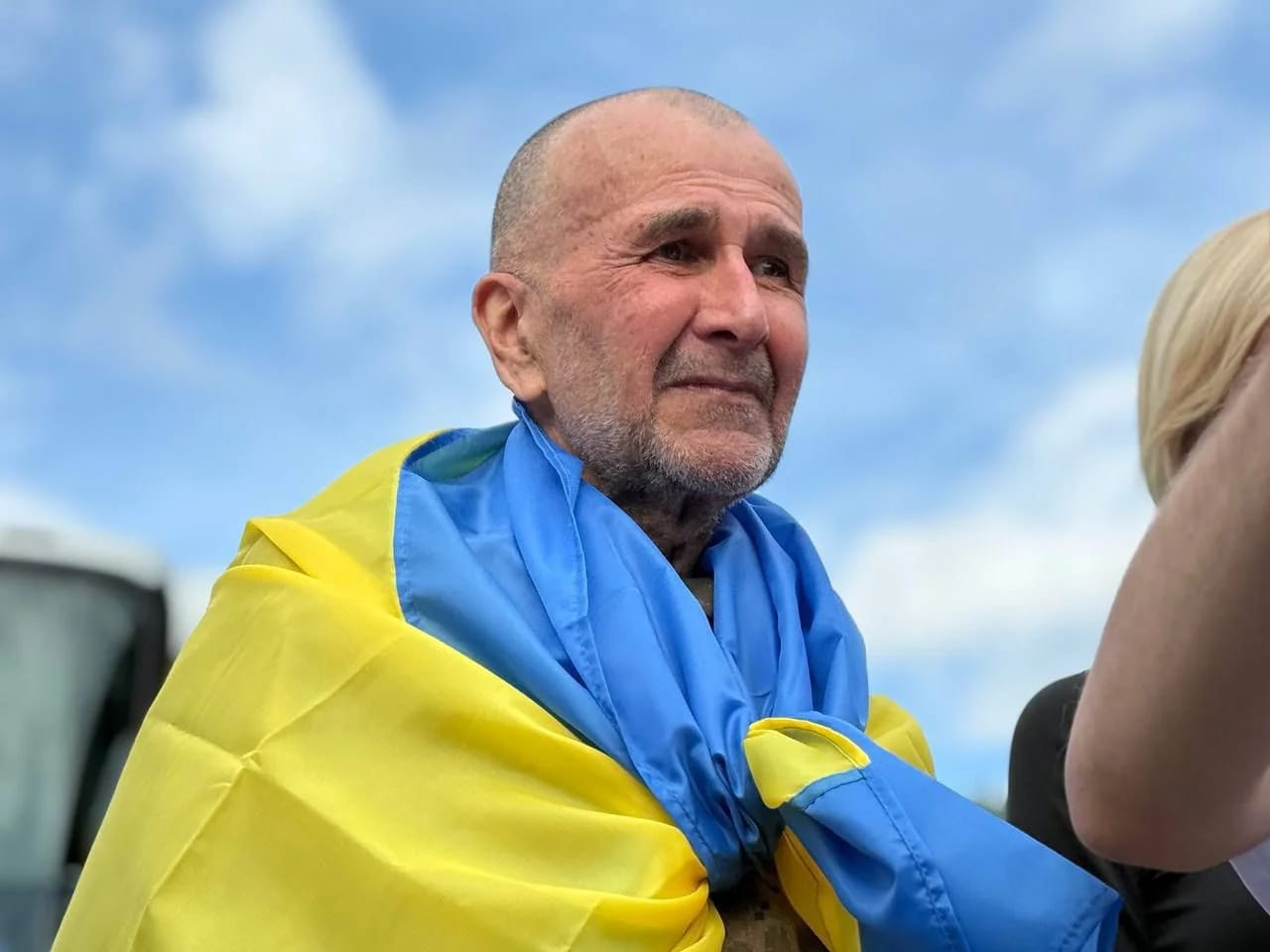
Such violence was especially common against Ukrainian prisoners of war. The UN interviewed 915 Ukrainian service members and detained medical personnel released from Russian captivity, and 572 of them, or 63%, gave detailed accounts of sexual violence. Among them were 545 men and 27 women. Eight men and three women were raped, and one of the women was raped by multiple people.
Of these 572 people, 155, or 27%, were subjected to electric shocks to the genitals, 246 (43%) to beatings on the genitals, and 372 (65%) to forced nudity. 348 people (61%) were beaten or subjected to electric shocks while naked. Three-quarters of survivors experienced multiple forms of sexual violence, and 72% experienced it more than once. Nearly half — 274 people — faced such violence at multiple places of detention.
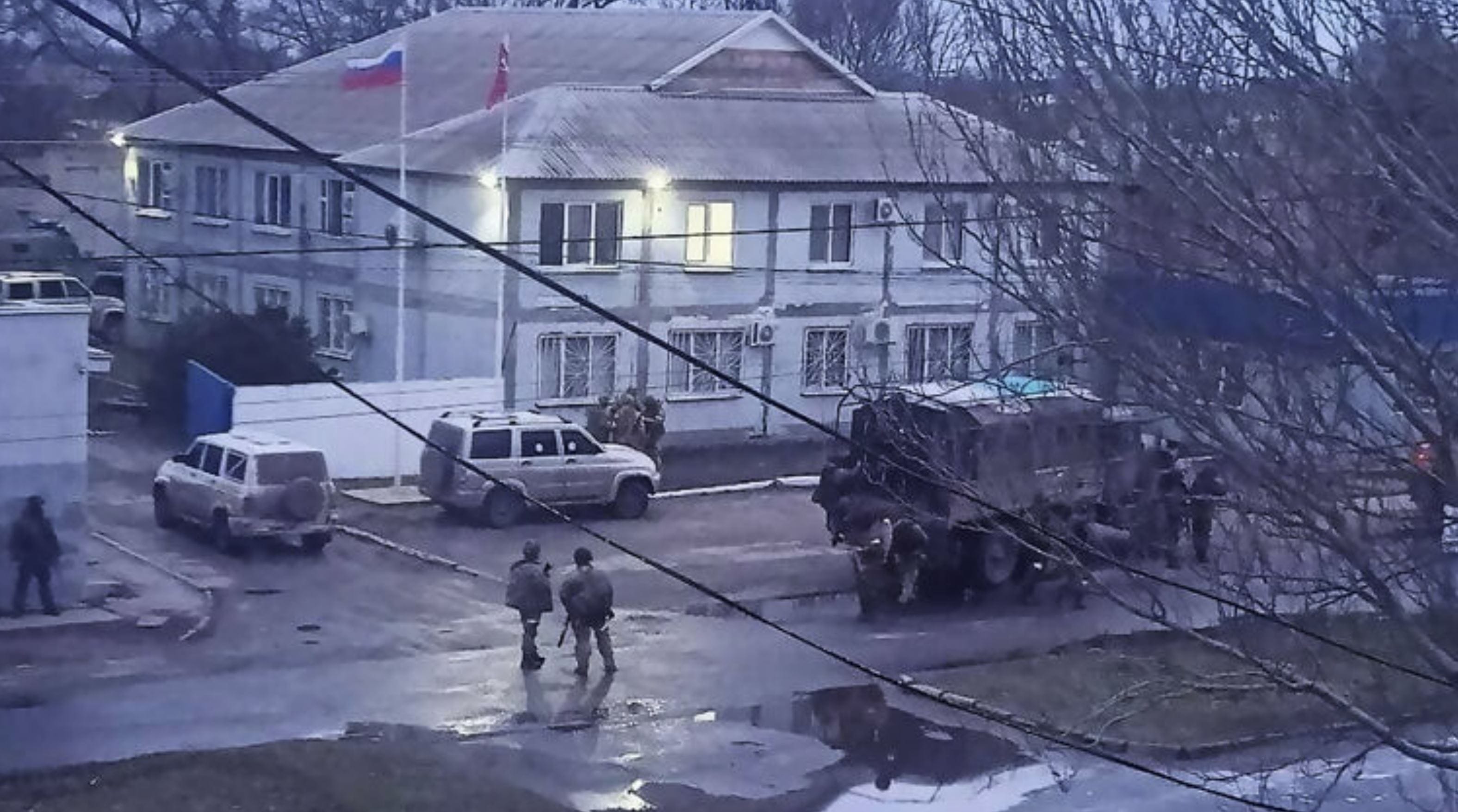
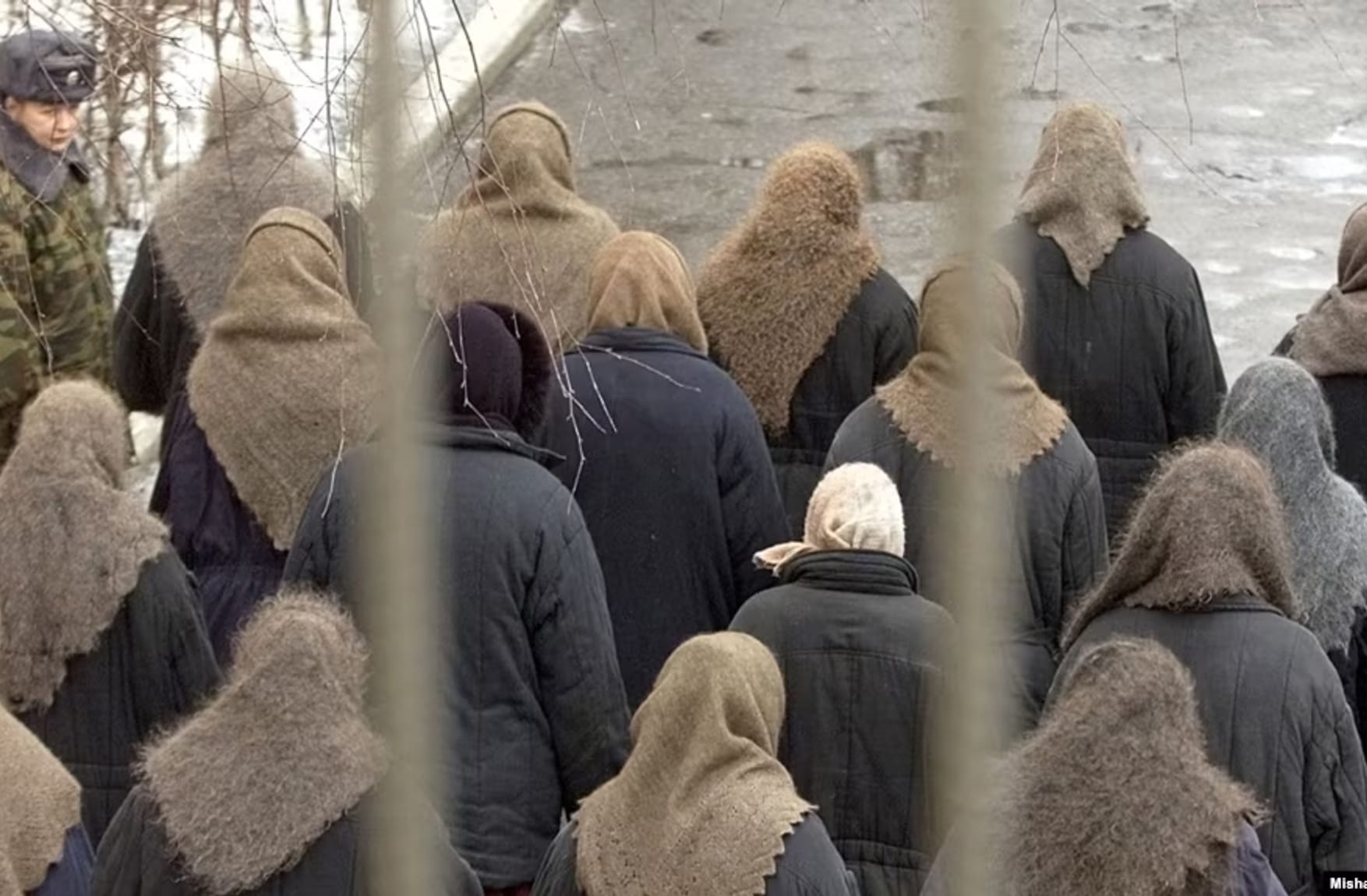
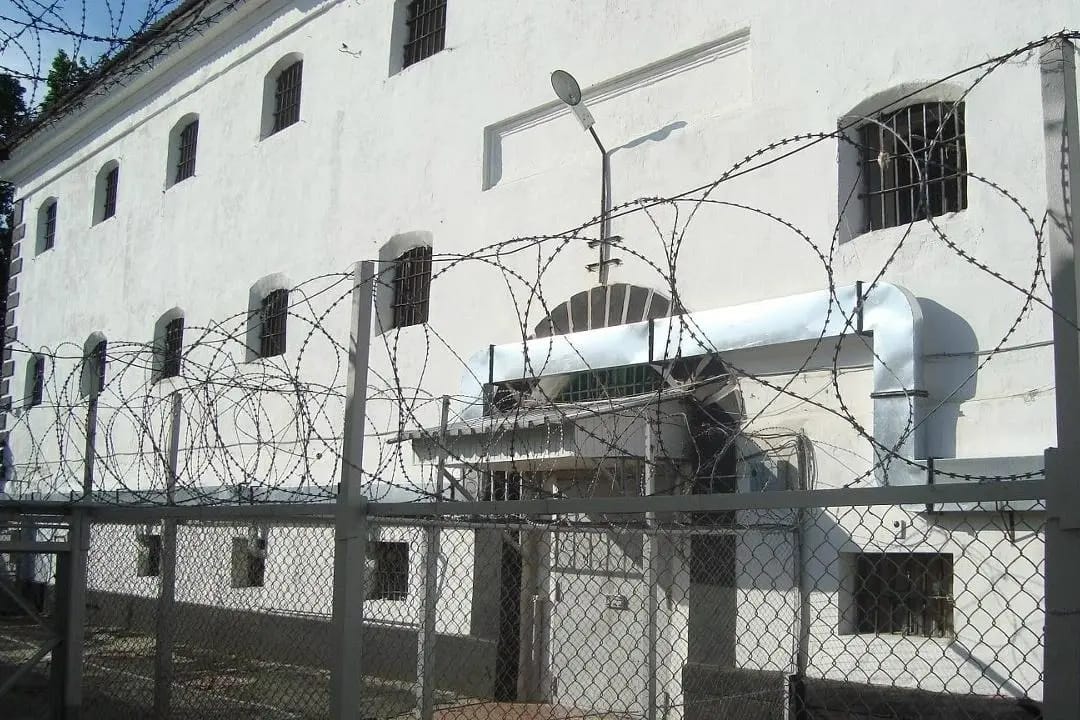
The UN recorded sexual violence against Ukrainian captives at 83 official places of detention and 81 unofficial or transit facilities — in occupied territory across six regions of Ukraine and in 25 regions of Russia. At 26 official facilities, OHCHR documented ten or more cases.
Another 205 confirmed cases involve Ukrainian civilians whom Russian authorities held in detention after the start of the full-scale invasion. Among them were 156 men, 48 women, and one boy. Thirteen people were raped, including two women who were gang-raped. In 50 cases, victims were subjected to electric shocks to the genitals or nipples, 40 people were beaten on the genitals, and 76 people were subjected to forced nudity.
Outside places of detention in occupied territories, the UN documented sexual violence against 95 civilians: 72 women, eight men, 14 girls, and one boy. Fifty-seven people described being raped by Russian service members, 15 of them in gang rapes. The oldest survivor was 82, the youngest was four. Three women gave birth to children as a result of rape.
The UN attributes 112 cases of sexual violence to the Ukrainian side — against 98 men and 14 women. Among 881 Russian and foreign prisoners of war interviewed, 63 people, or 7%, reported sexual violence by Ukrainian authorities. OHCHR did not document any cases of rape or attempted rape of Russian prisoners of war, but it did record electric shocks and beatings to the genitals, forced nudity, and threats of rape or castration.
Another 49 of 656 people interviewed who had been detained on war-related charges reported sexual violence by Ukrainian authorities. The UN did not record any rapes among them, but it did document two attempted rapes and two incidents of sexual assault. Nearly half of all the violations attributed to the Ukrainian side consisted solely of threats of sexual violence.
OHCHR stresses that these figures do not reflect the true scale of the violence. Russia does not grant UN observers access to occupied territories or to Ukrainian prisoners of war and civilian detainees, and many survivors do not report what happened to them out of trauma, fear of stigma, and fear of retaliation. According to the report, Russia has taken no discernible steps to investigate or punish such crimes. Ukraine grants the UN access to prisoners and detainees and has taken measures to prevent such violations, but OHCHR is not aware of any case of sexual violence by Ukrainian officials that, as of July 2026, had advanced beyond the investigation stage.