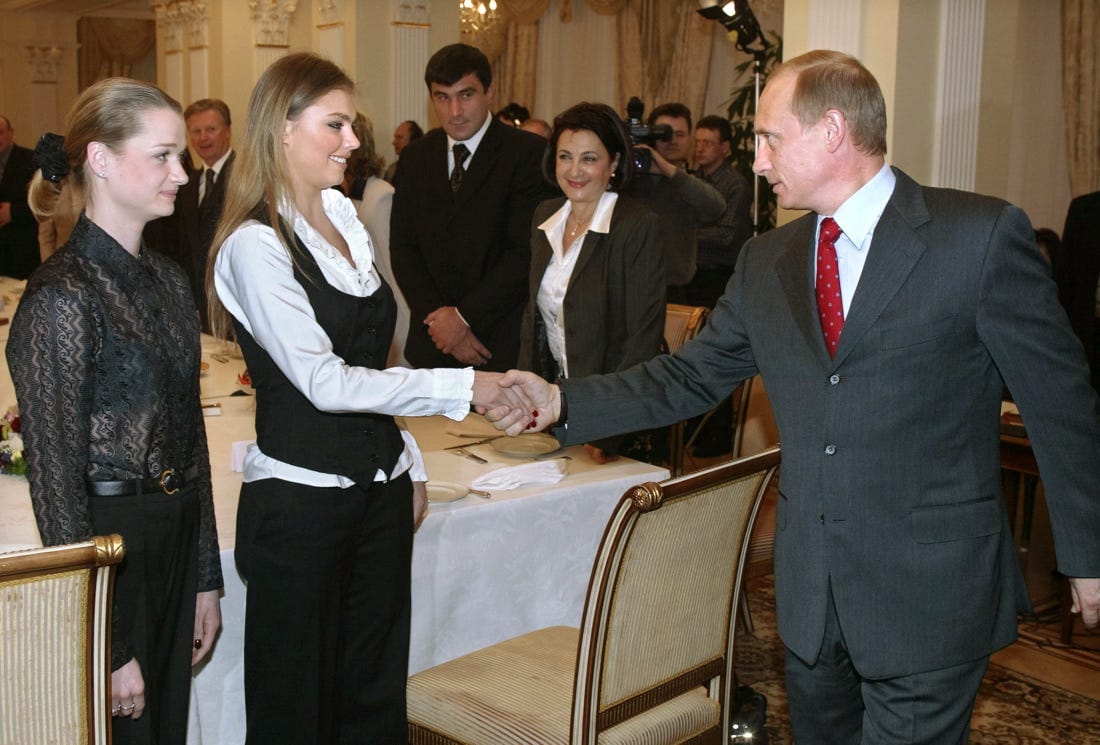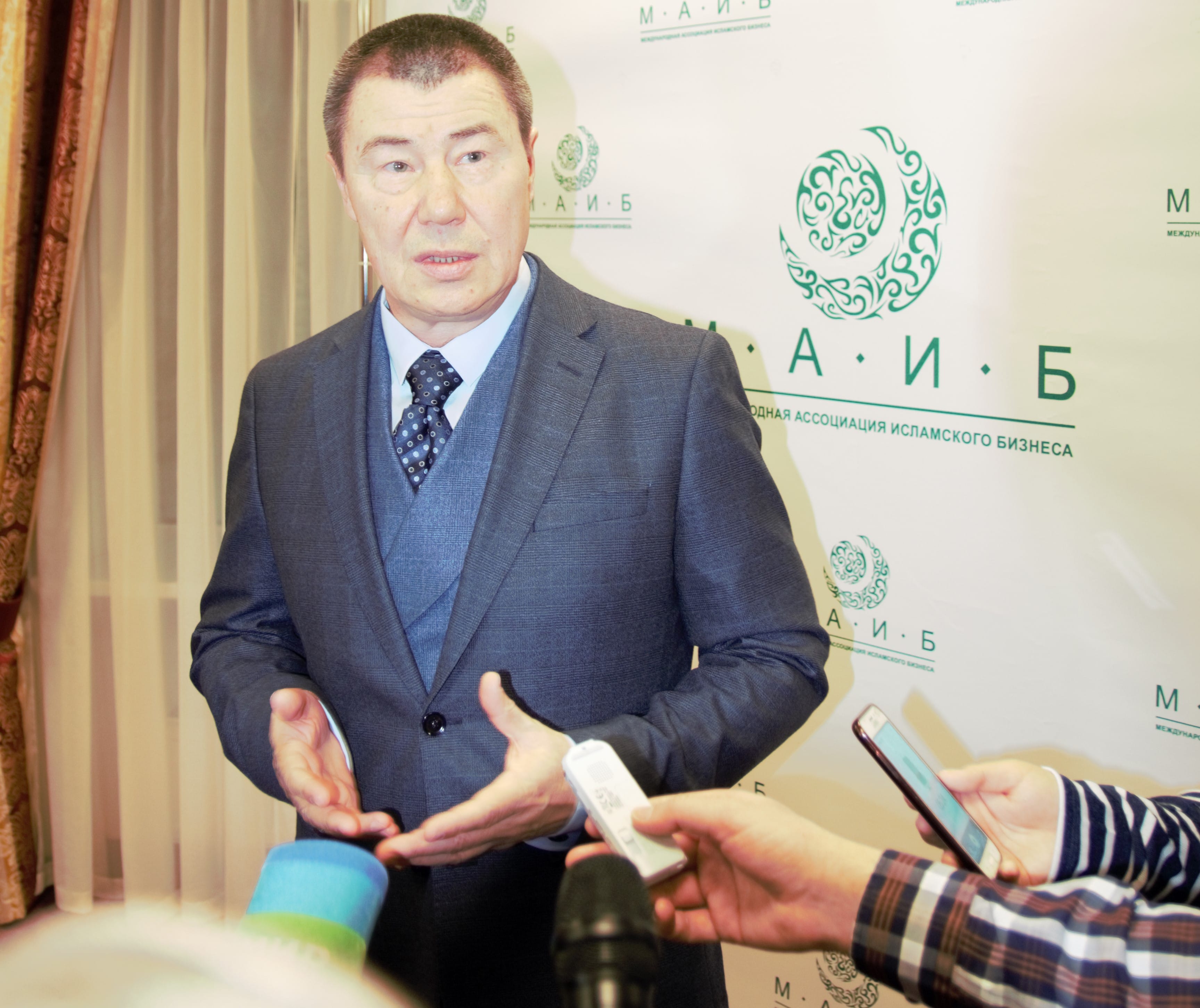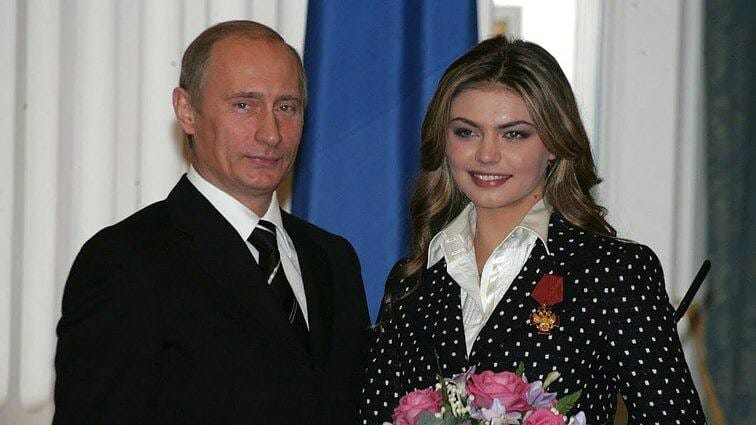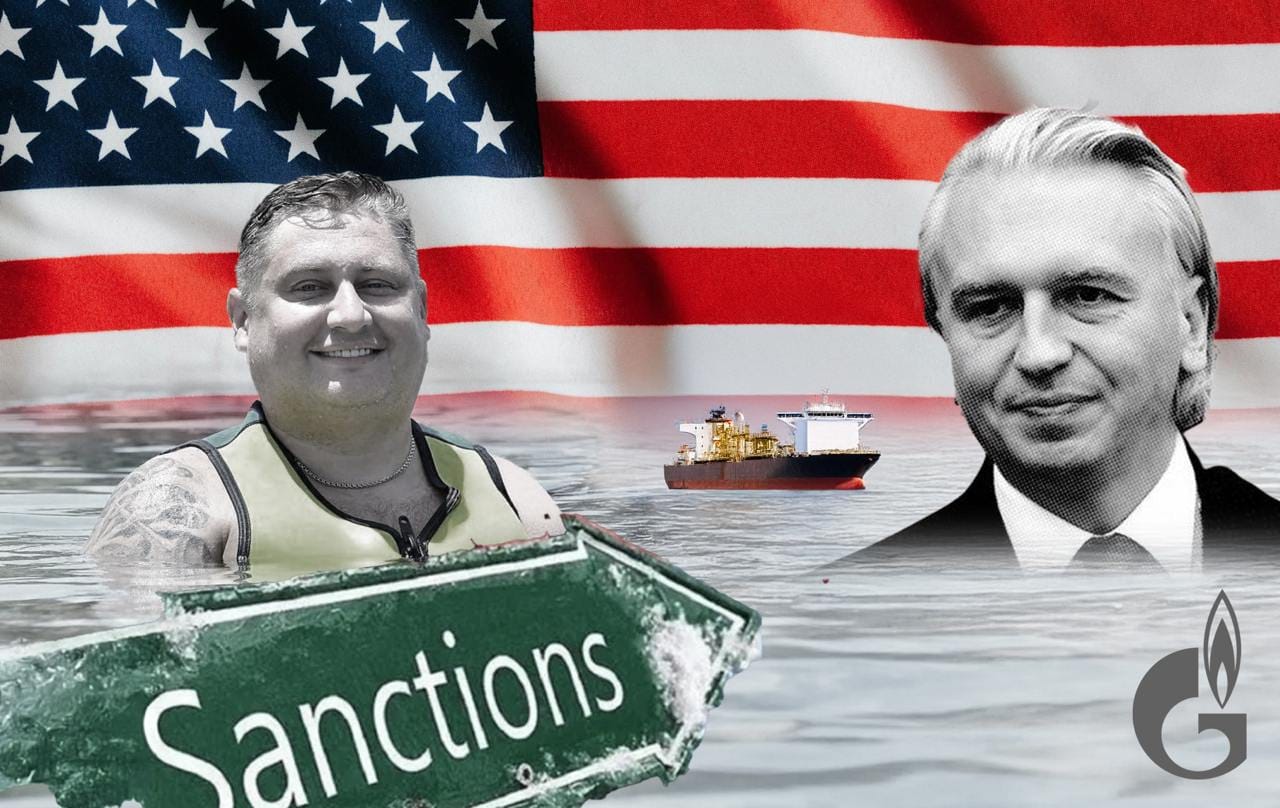
Companies linked to Western oilfield service firms continued supplying equipment and providing services to Rosneft’s Vostok Oil project after Russia\ international corporations withdrew from the Russian market following the start of Russia’s full-scale invasion of Ukraine, a new joint report has found. The outlets Arctida, an investigative project focused on the Russian Arctic, and Sistema, an investigative unit of Radio Free Europe/Radio Liberty cooperated on the story. Among their most notable findings was the fact that Marat Kabaev — the father of former Olympic gymnast Alina Kabaeva, who is widely reported to be the mother of two of Vladimir Putin’s children — was involved in the process.
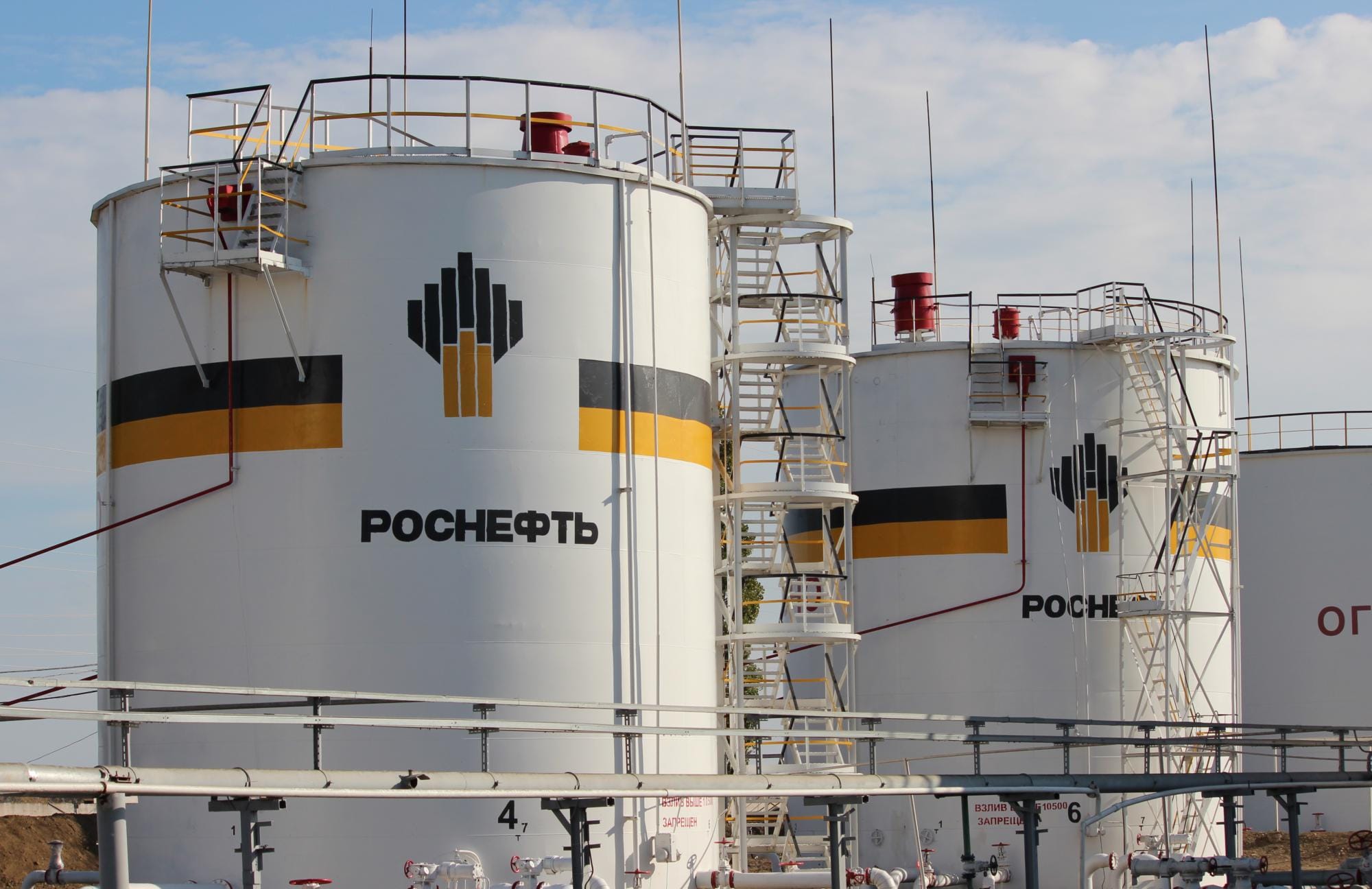
The report was published shortly after the official launch of the first stage of Vostok Oil. On Sept. 5, Putin marked the project’s first oil shipment, calling it “a landmark event for the Arctic region and for all of Russia.” Rosneft CEO Igor Sechin has claimed that all equipment used at Vostok Oil is manufactured in Russia. According to the company, total investment in the project has reached 4 trillion rubles ($47.3 billion).
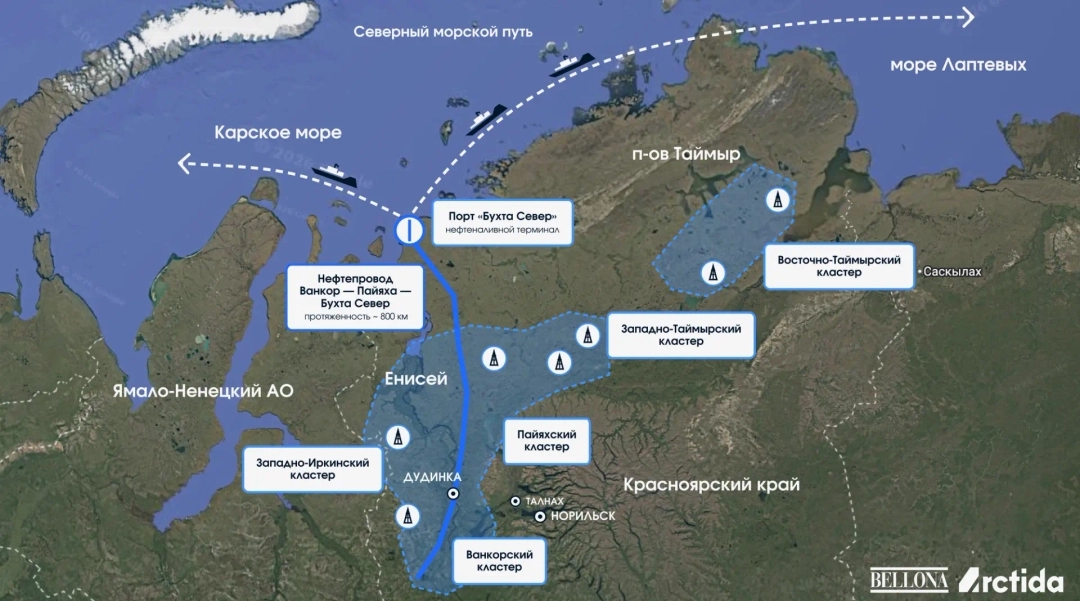
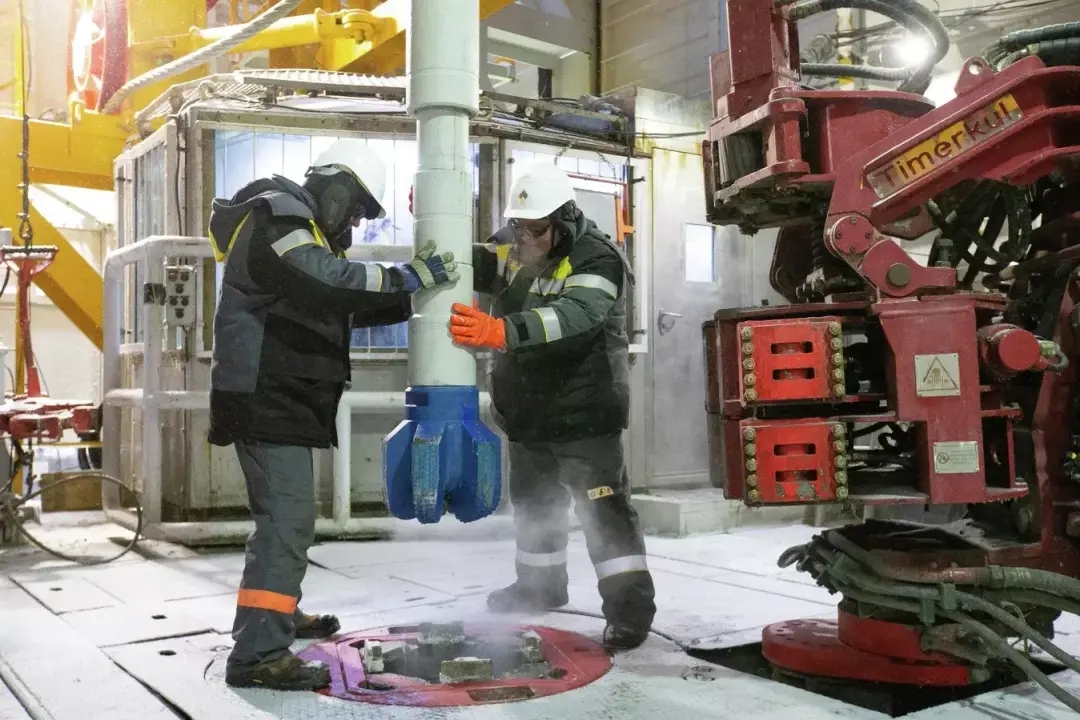
However, Arctida and Sistema have found that after foreign oilfield service companies withdrew from Russia, their former subsidiaries and related entities in the country continued receiving money from the project — for example, the Russian business of U.S.-based Baker Hughes now operates as OFS Technologies («Технологии ОФС») after being sold to local management. From 2023 through mid-2026, the company received more than 13.6 billion rubles ($161 million) through projects with Rosneft, including some payments under contracts Baker Hughes had signed before leaving Russia.
Baker Hughes said it does not control OFS Technologies, does not receive any economic benefit from its contracts with Rosneft or Vostok Oil, and does not provide equipment, technology, or services to those companies in cases when doing so would constitute a violation of sanctions or export-control rules. OFS Technologies did not respond to requests for comment.
Halliburton exited Russia in a similar way, transferring its business to local management. Its former Russian subsidiary, Burservice LLC (ООО «Бурсервис»), received more than 8 billion rubles ($94.7 million) in contracts from Vostok Oil between late 2023 and spring 2026, according to the investigation.
Additionally, Weatherford and Schlumberger (now known as SLB) announced after the start of the war that they were suspending new investments and deliveries to Russia; however, entities related to both oilfield service companies continued operating in the country. Weatherford’s Russian subsidiary received three payments totaling 58 million rubles ($686,000) from Vostok Oil between May 2022 and February 2023 for work on one well. In 2026, it also transferred an 8 million ruble ($94,700) advance payment to Vostok Oil under a new contract. The investigators were unable to determine what that contract covered. Entities linked to SLB imported more than 5.7 billion rubles ($67.5 million) worth of high-tech equipment into Russia between January 2024 and the end of 2025, mainly from China and India.
The journalists noted that SLB brand names have largely disappeared from customs declarations of goods entering Russia. For example, shipments of specialized chemicals from India stopped identifying the M-I SWACO brand, which belongs to Schlumberger, even though the product specifications of imported goods remain nearly identical to the originals.
In October 2023, Vostok Oil also signed a direct contract with the Moscow branch of Panama-registered Schlumberger Logelco for technical support in directional drilling. Financial documents reviewed by the investigators show that work and payments under the contract continued through 2026.
More than 20% of Bashneftegeofizika, a company carrying out exploration work at Vostok Oil sites, is owned by Netherlands-based Schlumberger Investment Services B.V. Between 2021 and 2025, Bashneftegeofizika received nearly 13 billion rubles ($153.9 million) from Vostok Oil’s projects. Neither SLB nor the company responded to Arctida and Sistema’s questions.
Another major contractor is Taimyr Invest LLC (ООО «Таймыр Инвест»). In early 2026, Marat Kabaev, the father of Putin’s partner Alina Kabaeva, acquired a 25% stake in the company. After the deal, Kabaev said in an interview that he had decided to invest after a conversation with Nikolai Patrushev, an aide to the Russian president and the former secretary of Russia’s Security Council.
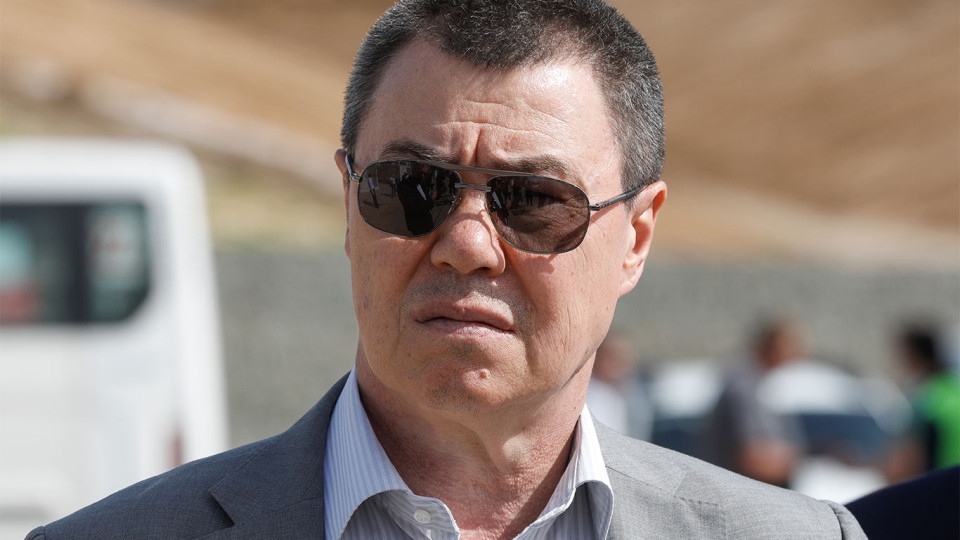
Taimyr Invest handles logistics and cargo deliveries for Vostok Oil. According to financial documents reviewed as part of the investigation, it received just shy of 200 million rubles directly from Vostok Oil between 2024 and 2026 ($2.4 million). However, its main source of revenue was Sinarastroikomplekt, the largest private contractor on the megaproject and a company linked to billionaire Dmitry Pumpyansky.
According to the investigation, Sinarastroikomplekt received nearly 900 billion rubles ($10.6 billion) from Vostok Oil between June 2021 and April 2026. The company supplies metal products to the project, including pipes. Vostok Oil and Sinarastroikomplekt publicly announced an agreement on supplies of metallurgical products for the project in 2021.
The investigators also examined Taimyr Invest’s tax disputes. Following audits for 2023 and 2024, Russia’s tax service assessed more than 3 billion rubles ($35.5 million) in additional taxes against the company, along with around 800 million rubles ($9.5 million) in penalties. Court documents show that the company reduced its taxable profits in part through transactions with organizations that showed characteristics of shell companies, Russia’s Federal Tax Service concluded.
In June 2026, a court upheld an additional 1.5 billion rubles ($17.8 million) in profit tax from one audit while canceling a 154 million ruble ($1.8 million) penalty. In a separate case, the court fully sided with the tax authorities, leaving in place claims for 1.6 billion rubles ($18.9 million) in taxes and 646 million rubles ($7.6 million) in penalties. Taimyr Invest appealed both rulings.
Vostok Oil has been under U.S. sanctions since January 2025, when Washington also imposed restrictions on project operator RN-Vankor and Vostok Oil director Vladimir Chernov. Since the start of Russia’s full-scale invasion of Ukraine, the project has faced the loss of Western financing and reduced access to imported technologies ranging from drilling equipment and software to ice-class tankers.
At the project’s launch, Putin specifically said Vostok Oil was being developed “with due regard for modern environmental standards and requirements for preserving the unique nature of the Arctic.” However, in a July analysis, Arctida noted that a significant part of the project’s infrastructure is being built in highly sensitive tundra areas and on permafrost whose stability is being reduced by climate change.
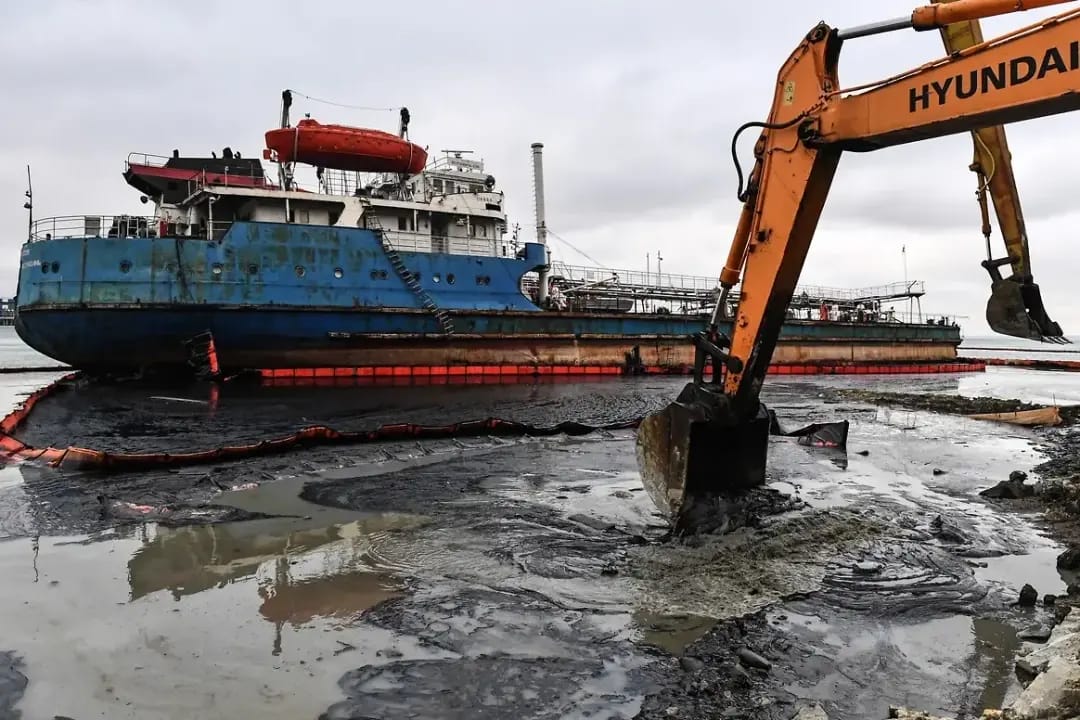
According to estimates cited by Arctida, about 45% of hydrocarbon fields in the Russian Arctic are located in areas where thawing permafrost could seriously damage infrastructure. Experts associated with the project also warn that oil pollution in the Arctic has especially severe consequences due to low temperatures, the remoteness of the region, and the long recovery time of its ecosystems.