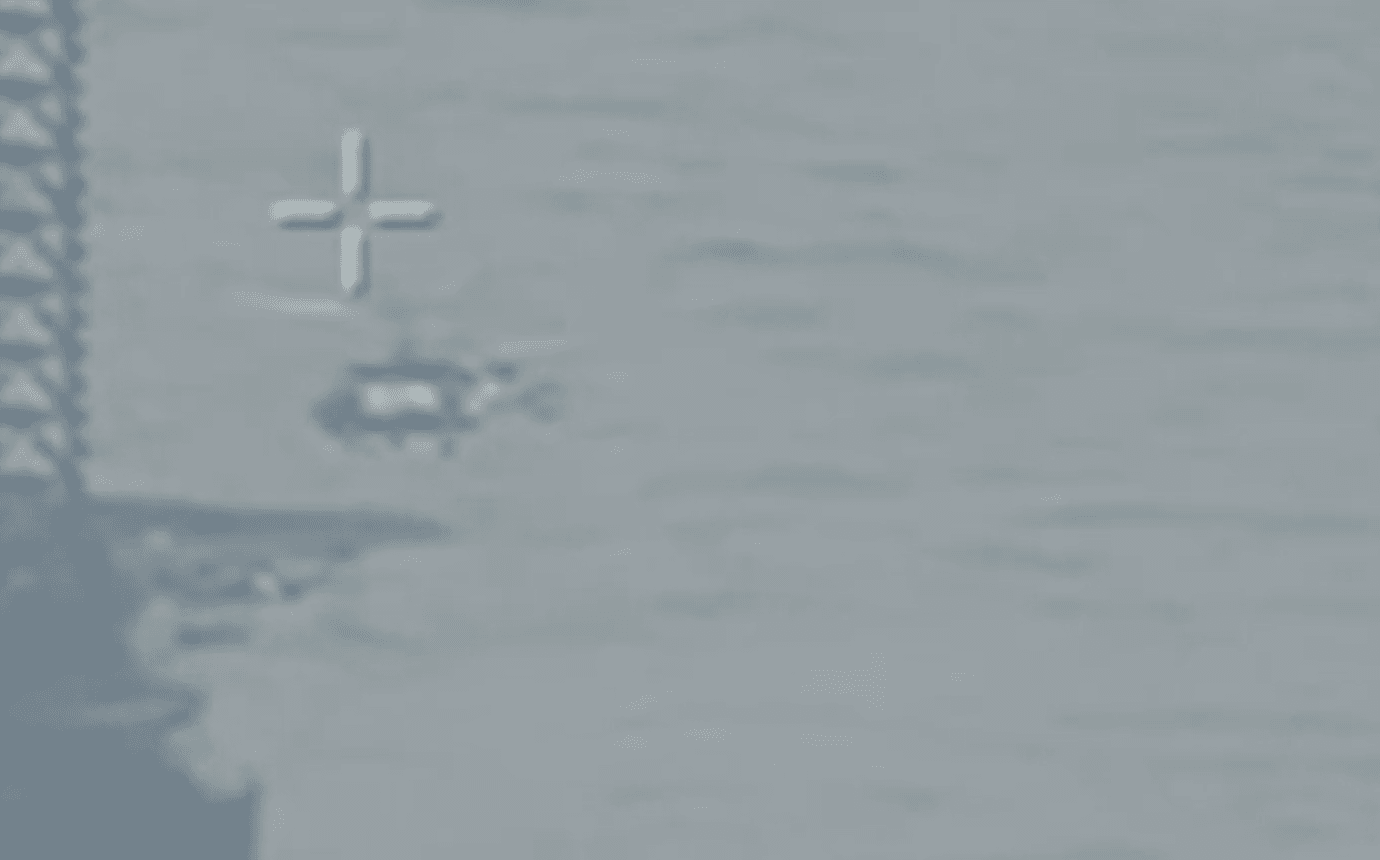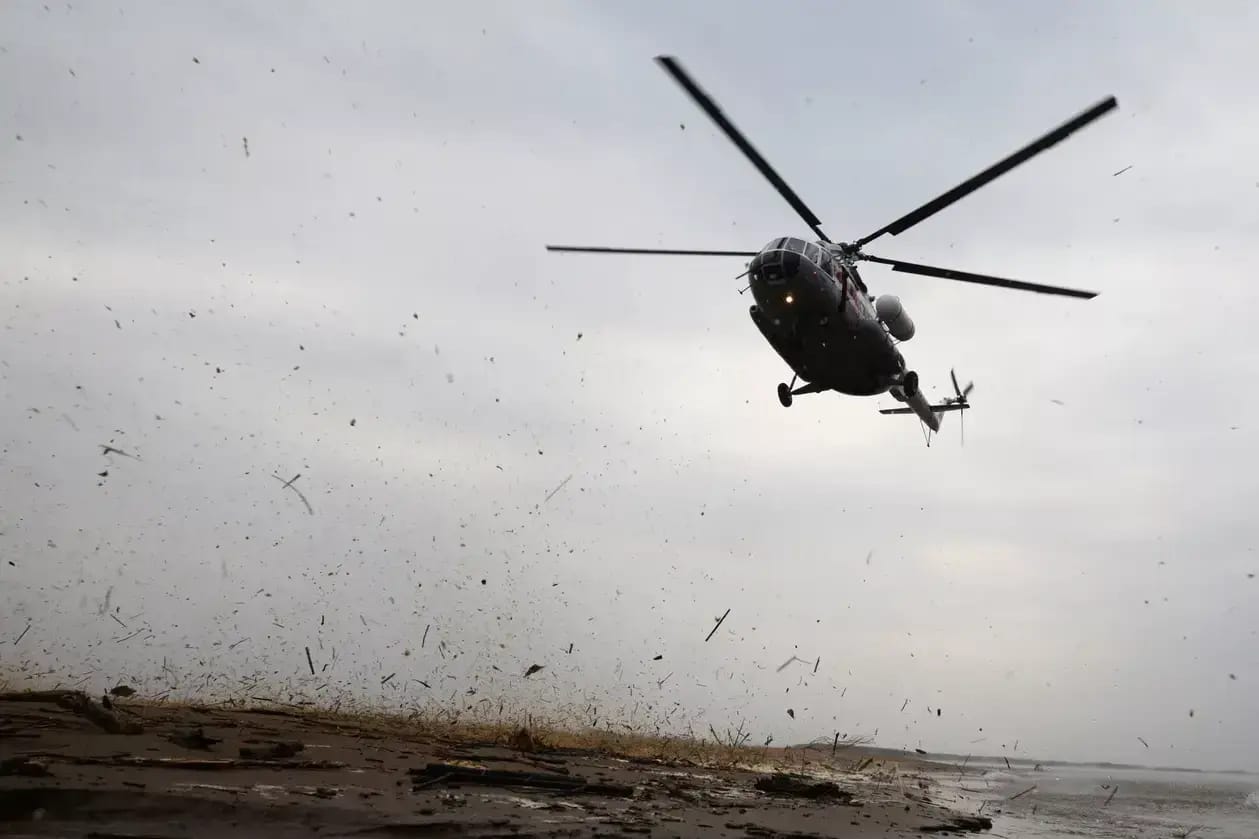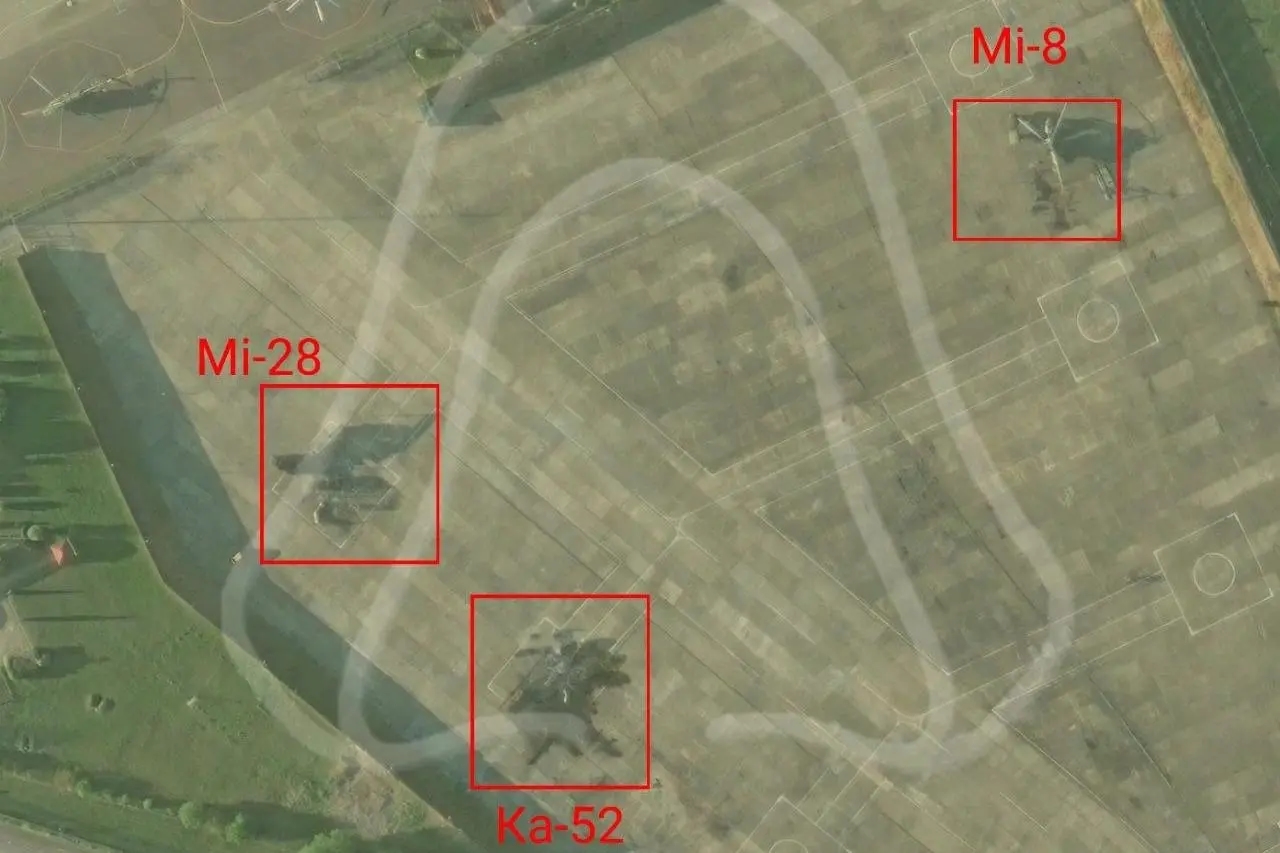
Satellite images published Sept. 6 indicate that a Ukrainian attack on Sochi and the nearby federal territory of Sirius that occurred overnight on Sept. 4 destroyed two Russian military helicopters — a Ka-52 and a Mi-28 — at a parking area at Sochi airport, while one Mi-8 was damaged.
The assessment was reported by the Ukrainian open-source intelligence (OSINT) channels Absoliutno Nadiine Dzherelo (lit. “Absolutely Reliable Source”) and Dnipro OSINT ⟨ Harbuz ⟩, which published the satellite imagery. The Russian pro-war Telegram channel Voenny Osvedomitel (lit. “Military Informant”) also agreed with the assessment that two helicopters had been lost.
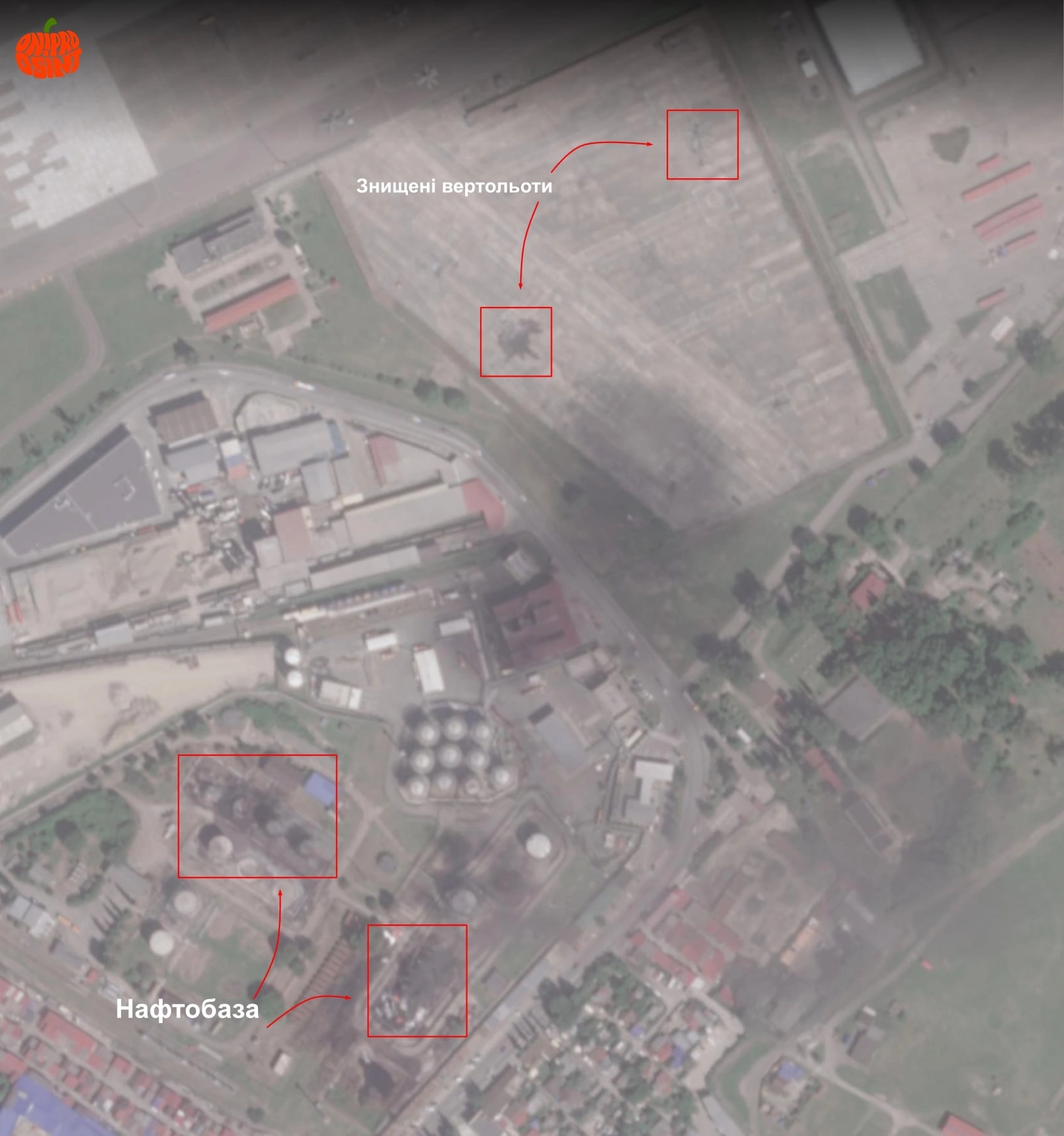
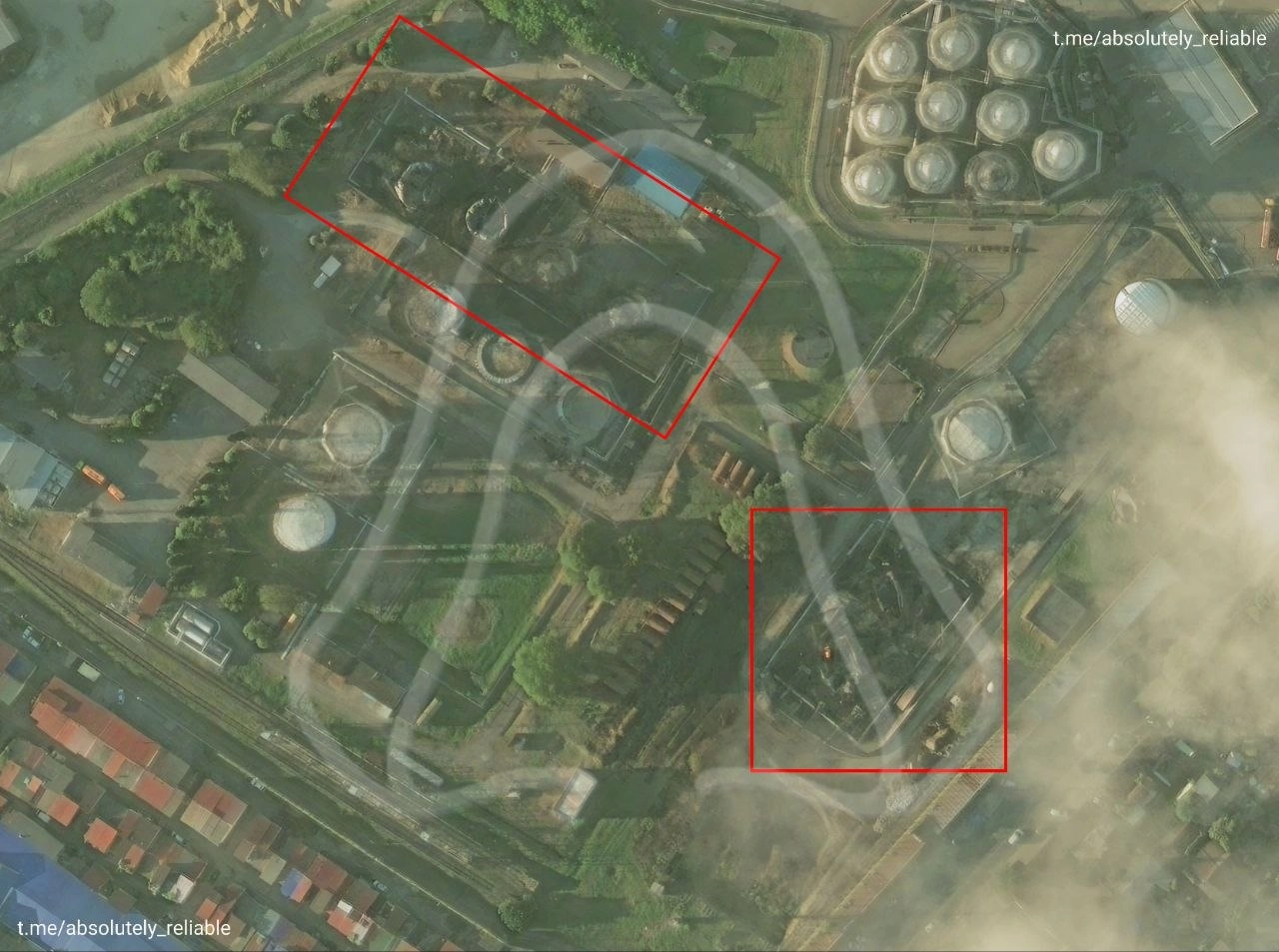
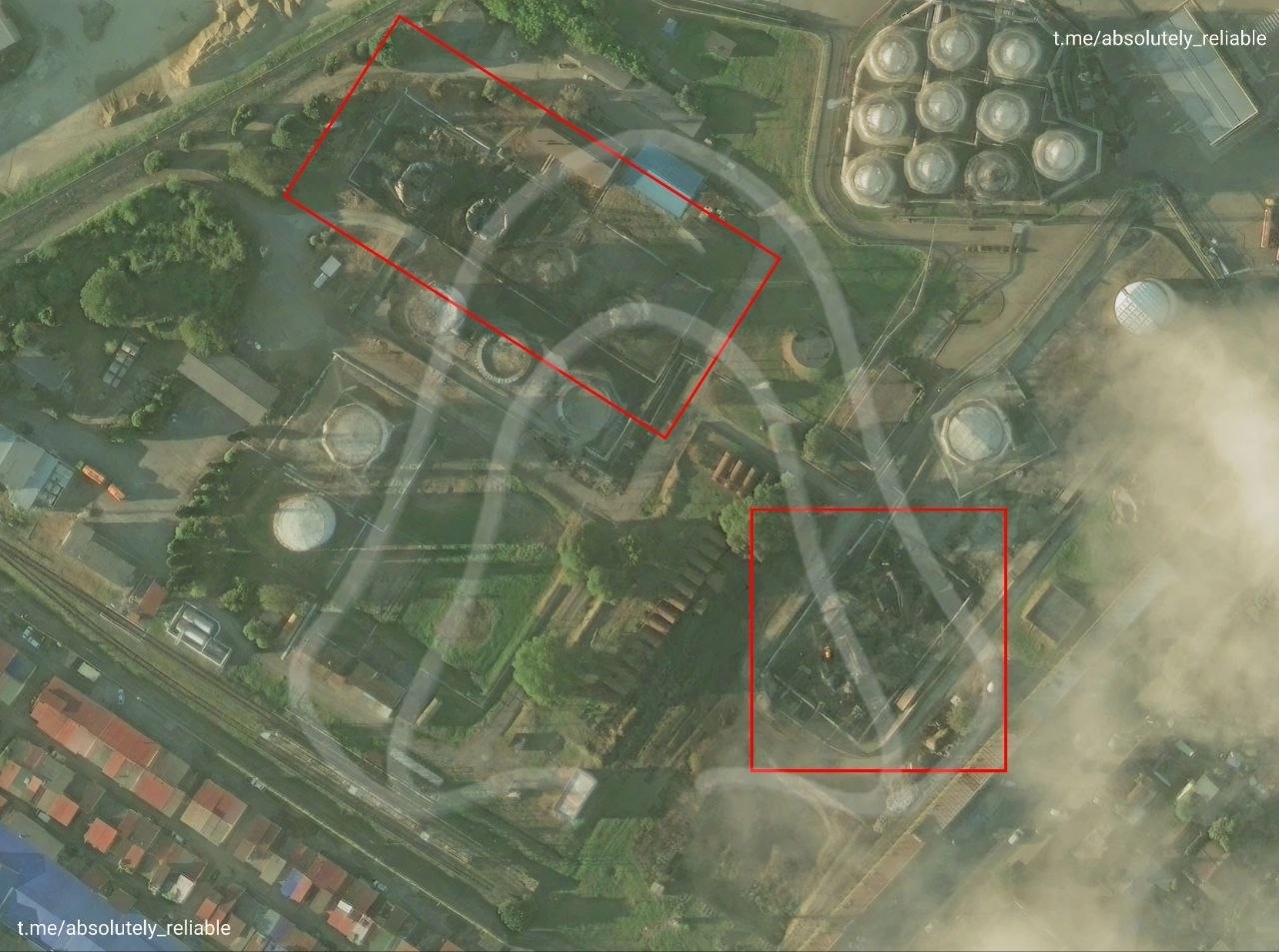
According to the same OSINT sources, the damage from the raid extended beyond the helicopters. Absoliutno Nadiine Dzherelo reported that two RVS-2000 storage tanks were destroyed at an oil depot near Sochi airport, while four RVS-1000 tanks were damaged (the RVS designations refer to standard Russian vertical steel storage tanks, with the number indicating their approximate capacity in cubic meters).
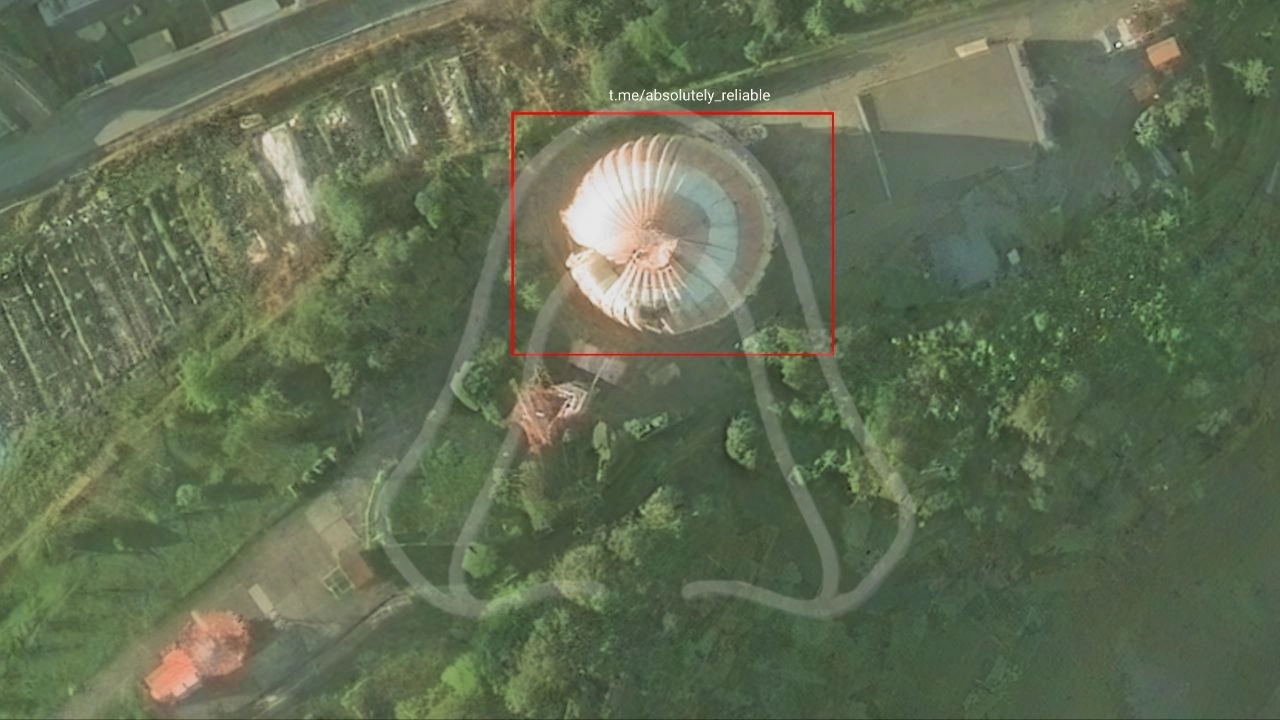
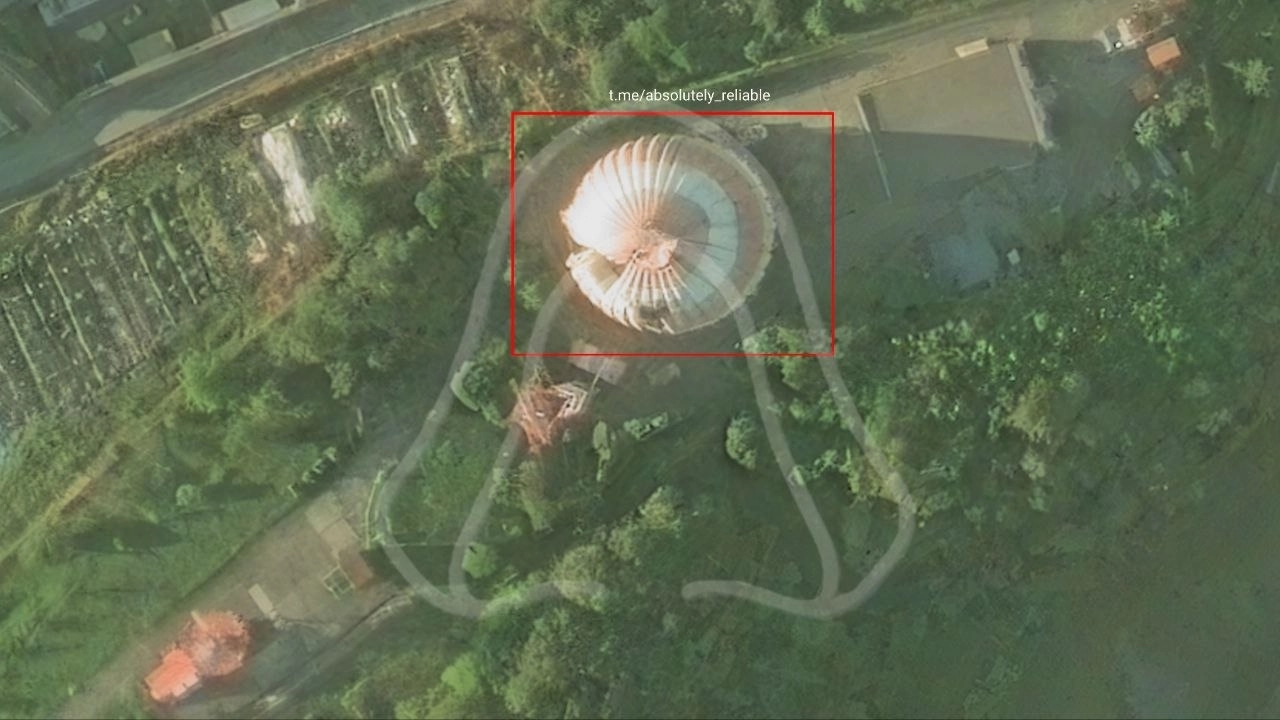
The channel also published an image of a Russian radar post in the city of Adler and said there had been at least two hits on the radome — the protective radio-transparent dome covering the station.
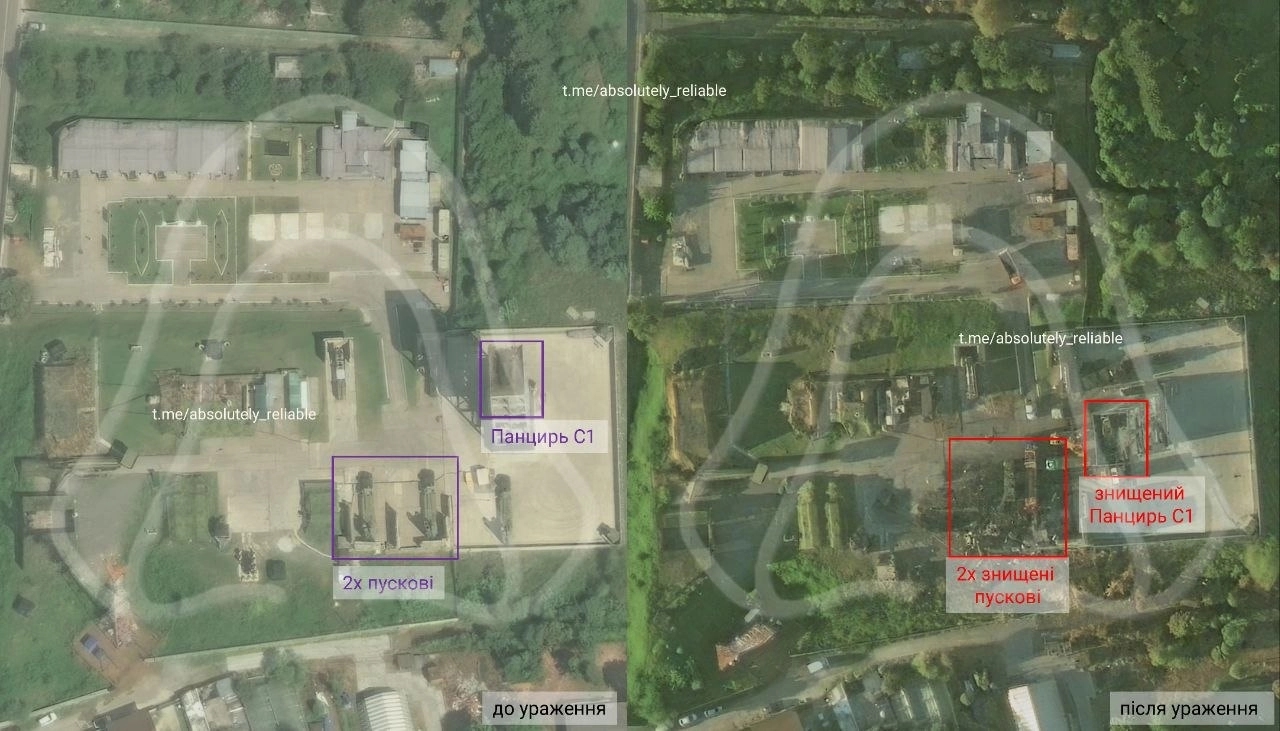
Another satellite image published by the same channel showed an air defense position in Sirius. The analysts said two launchers and a Pantsir surface-to-air missile and gun system of an unidentified variant had been destroyed there.
The Insider had previously detected a thermal anomaly in the same area — near the Psou River — and reported that an air defense position was located there.
On the night of the attack, Ukrainian drone and missile manufacturer Fire Point said its FP-1 drones had struck several targets in Sochi, including a Lukoil oil depot, fuel infrastructure near Adler airport, and a position belonging to an S-400 air defense system.
Some of the consequences of the raid were already confirmed on Sept. 4. That day, the Krasnodar Region’s operational headquarters said a fire had broken out after drone attacks on Sochi and Sirius. Officials reported no casualties, though windows were shattered in several homes and other buildings.
The Insider then analyzed data from NASA FIRMS and found heat signatures near the airport’s fuel complex and near the aforementioned air defense position by the Psou River in Sirius. Thermal anomalies can indicate fires, explosions, or other intense heat sources, but do not by themselves establish the cause of the heat signature.
Sochi Mayor Andrei Proshunin later warned residents that publishing photographs or video showing the aftermath of the attack was prohibited.
Russia’s Defense Ministry, meanwhile, said 490 Ukrainian drones had been shot down over several Russian regions beginning on the evening of Sept. 3, including over the Krasnodar Region. The ministry did not say how many drones had attacked the Sochi and Sirius area.
Russian authorities did not report any losses of military equipment or damage to the radar post, nor to the airport oil depot or the air defense position.