Russian intelligence services are recruiting Danish citizens to help organize sabotage campaigns against local defense companies linked to military aid for Ukraine, Reuters reported, citing Emil Græsholm, head of counter-espionage at the Danish Security and Intelligence Service (PET).
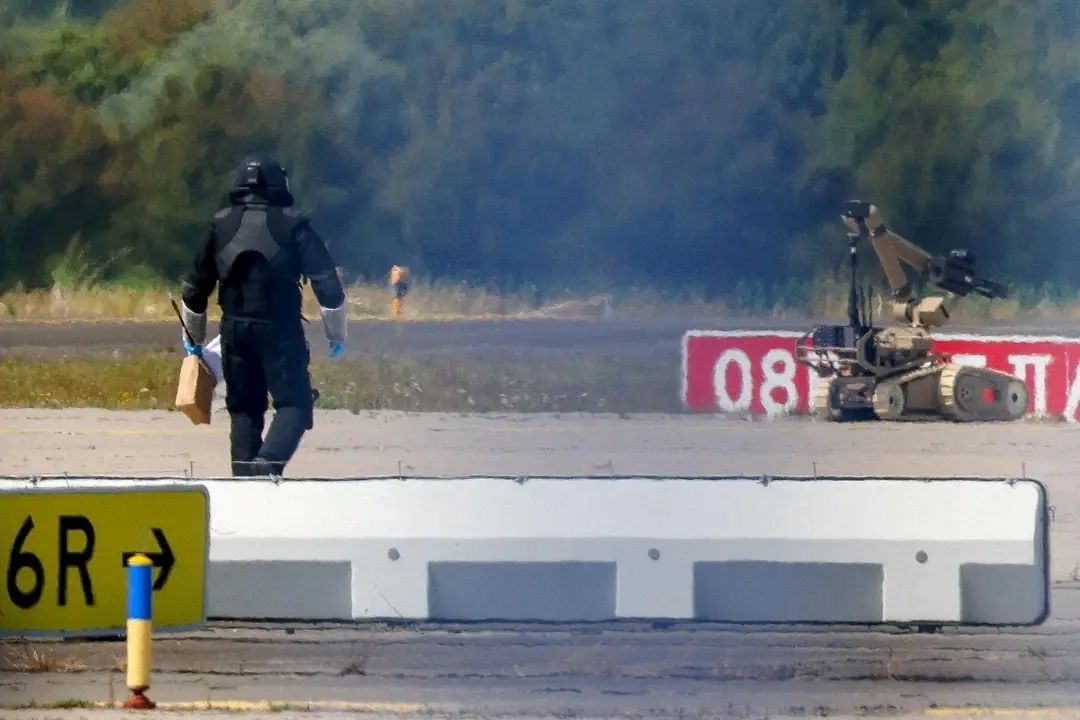
Earlier this week, Germany formally accused Russia of involvement in an attempted “hybrid” drone attack that occurred at Leipzig/Halle Airport in early August. The European Union and NATO have said Russia’s actions are becoming “increasingly reckless” and that the threat from Moscow now extends across Europe.
Græsholm said Danish intelligence regularly detects Russian planning and execution of sabotage against Europe’s defense industry, adding that Russian intelligence aims to recruit local residents in Denmark to prepare these operations.
“Russia is both planning and carrying out acts of sabotage against defense companies and the defense industry in Europe,” Græsholm said. “We see that Danish companies are also targets of concrete Russian sabotage planning, and that Russian intelligence services are actively preparing acts of sabotage directed at the defense industry in Denmark. It is extremely serious if ordinary Danes help Russian intelligence services –- either deliberately or unwittingly.”
Græsholm said Russia recruits Danes through social media and gaming platforms for tasks such as photographing potential targets, including Danish companies and various infrastructure sites across the country.
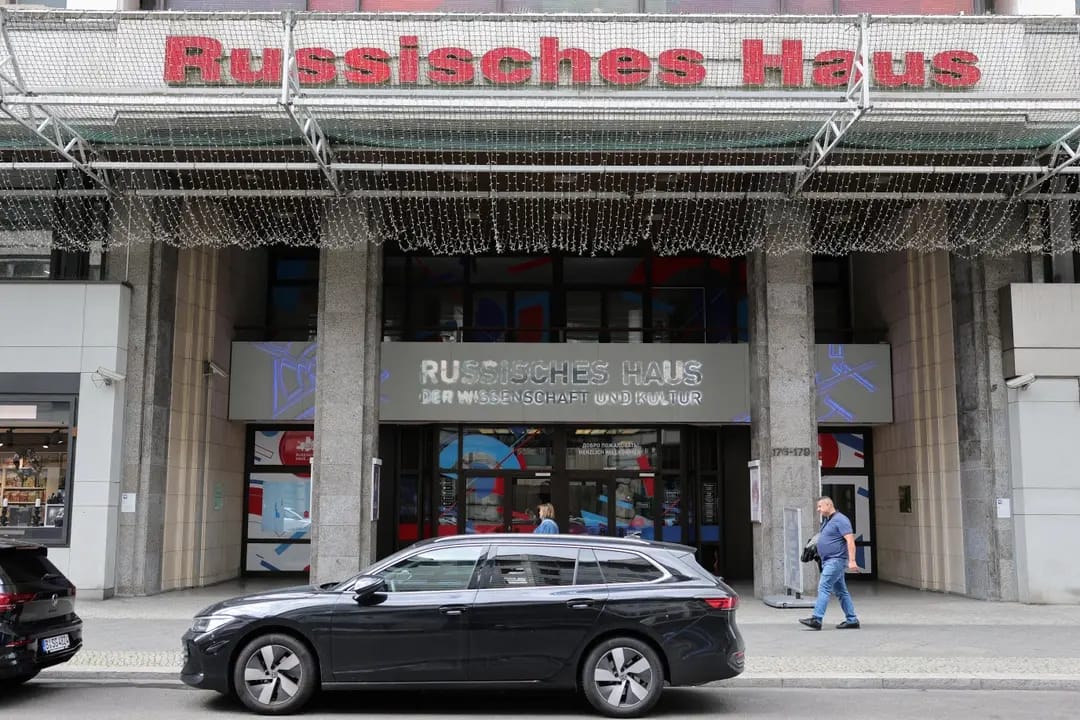
The incident in Germany, where a drone with a detonator was found near a Ukrainian transport aircraft in early August, is understood to be an example of just such a plot. In response to Moscow’s actions, German authorities decided to close the Russian House in Berlin and Russia’s consulate general in Bonn while also pledging to tighten the terms under which visas are issued to Russian citizens. On Sept. 3, Russian Foreign Minister Sergey Lavrov said branches of the Goethe-Institut in Russia would be closed in response to Berlin’s actions.
The Russian House is the informal name for cultural centers run abroad by Rossotrudnichestvo, Russia’s state agency for cultural outreach and ties with compatriots overseas. The Goethe-Institut, meanwhile, is Germany’s main state-backed cultural organization abroad.
The European Union and NATO backed Germany’s conclusions and warned of a rise in Russian hybrid attacks. European Commission President Ursula von der Leyen and NATO Secretary-General Mark Rutte described the growing number of sabotage acts in Europe as a “new normal” and “new escalation on European Union soil directly attributed to Russia.” They vowed to “close every loophole” Russia uses to carry out sabotage.