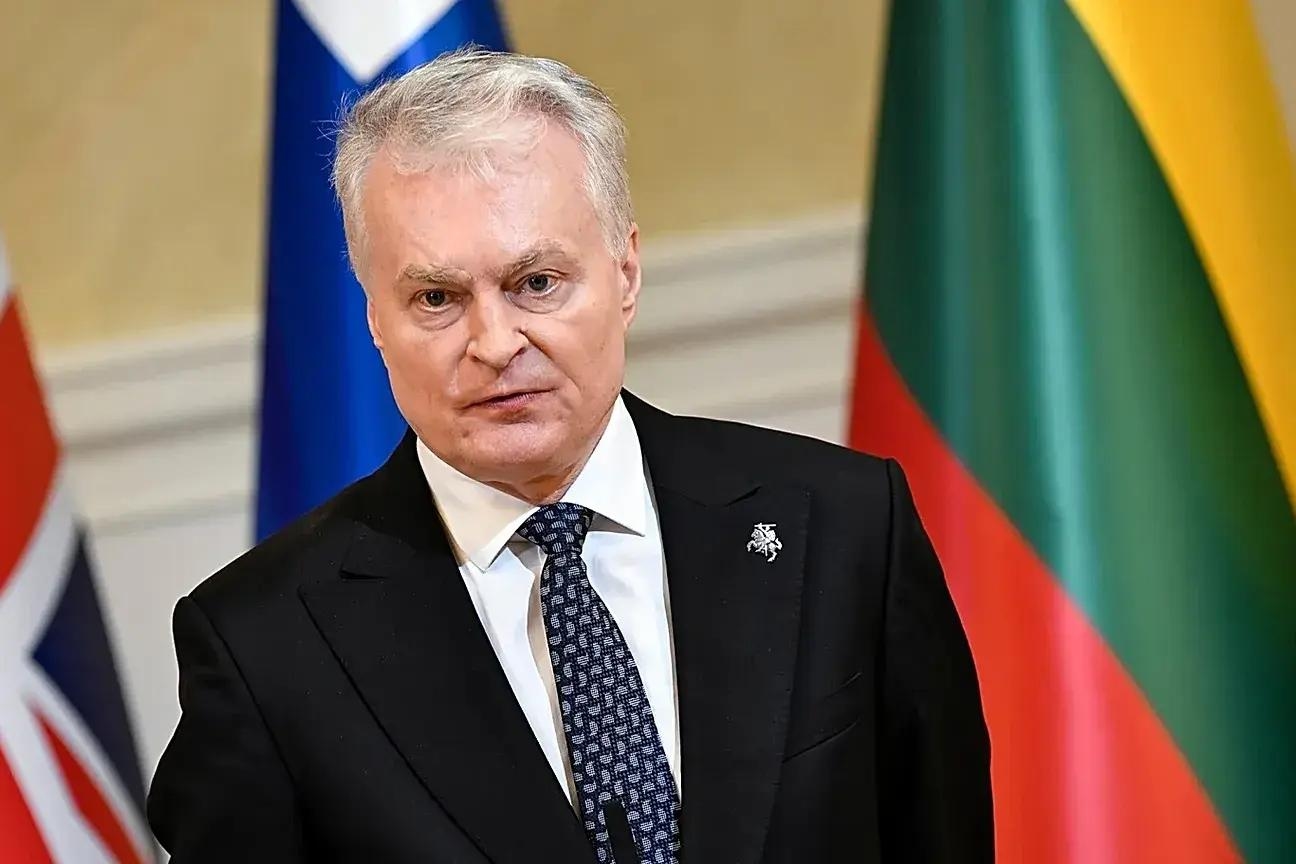
On Aug. 21, Lithuanian President Gitanas Nausėda signed 30 decrees granting citizenship to 276 people and restoring it for ten others who had previously lost it. Among them were 78 Russian-born individuals and 32 from Belarus.
Citizenship was granted to 151 people through naturalization, and another 60 received it on family grounds (mainly through marriage to a Lithuanian citizen). Among those, 58 people were born in Russia and 29 in Belarus.
Another 65 people obtained citizenship through a simplified procedure based on Lithuanian origin, including 18 individuals born in Russia and three born in Belarus. Two people born in Russia had their previously lost Lithuanian citizenship restored.
In total, 76 Russian-born and 32 Belarusian-born people received Lithuanian citizenship for the first time, with 87 of these 108 individuals obtaining it through the standard procedure rather than on the basis of Lithuanian origin.
According to entrepreneur and public figure Viktor Vorontsov, those granted citizenship under the August decrees include people from Russia who had lived in Lithuania for up to 18 years. In total, the lists include 286 individuals: 158 women and 128 men. Their median age is 41. The youngest is three years old, the oldest is 82, and 15 applicants are minors.
The presidential decrees list the applicants’ country of birth and current place of residence, but not their citizenship prior to obtaining Lithuanian citizenship. Therefore, it cannot be definitely stated that all of those born in Russia or Belarus were citizens of those countries at the time of application.
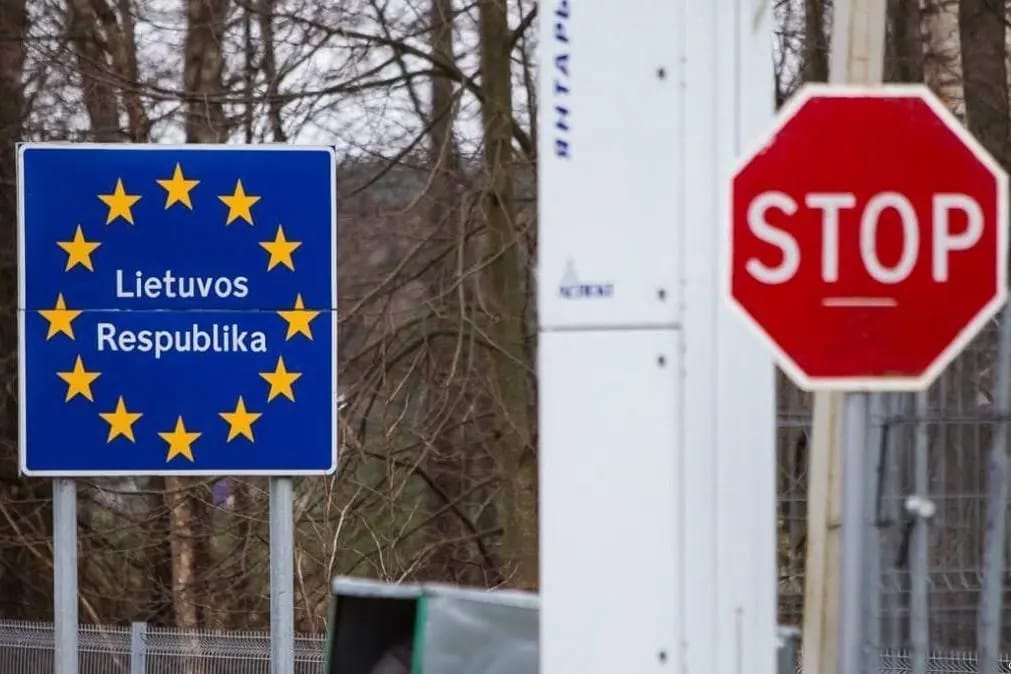
The decision stands out against the backdrop of Lithuania’s current migration policy, implemented in response to Russia’s full-scale invasion of Ukraine in 2022, which places special restrictions on citizens of Russia and Belarus when it comes to obtaining Lithuanian visas and e-residency permits. Russians are also subject to additional checks when crossing the EU’s external border and face restrictions on purchasing real estate.
In 2025, Lithuania’s Migration Department deemed 1,721 citizens of Russia and Belarus to pose a threat to national security, public order, or public health. Among them were 1,634 Belarusian nationals and 87 Russians, who were all denied the issuance or renewal of residence permits or had their already-issued documents revoked.
Further tightening of restrictions has been discussed in 2026. In March, lawmakers from the conservative Homeland Union — Lithuanian Christian Democrats proposed suspending the acceptance of new temporary residence permit applications from citizens of Russia and Belarus. In July, Lithuania’s Ministry of Foreign Affairs proposed introducing additional national sanctions, including restrictions on the purchase by Russians and Belarusians of real estate near strategic facilities.
After the start of the full-scale war, the review of citizenship applications from citizens of these countries was effectively suspended for a time, but the President’s Office later resumed it. Nausėda’s advisor Ridas Jasiulionis explained that applications are now reviewed under additional vetting that assesses whether granting citizenship serves Lithuania’s interests.
For standard naturalization, applicants generally need to have resided permanently and legally in Lithuania for at least ten years, hold the right to permanent residence, have a legal source of income, and pass exams on the Lithuanian language and the fundamentals of the Constitution. Renouncing the other citizenship is generally required as well, unless the applicant falls under exceptions provided by law. For citizenship obtained through marriage, seven years of living together in Lithuania is typically required.