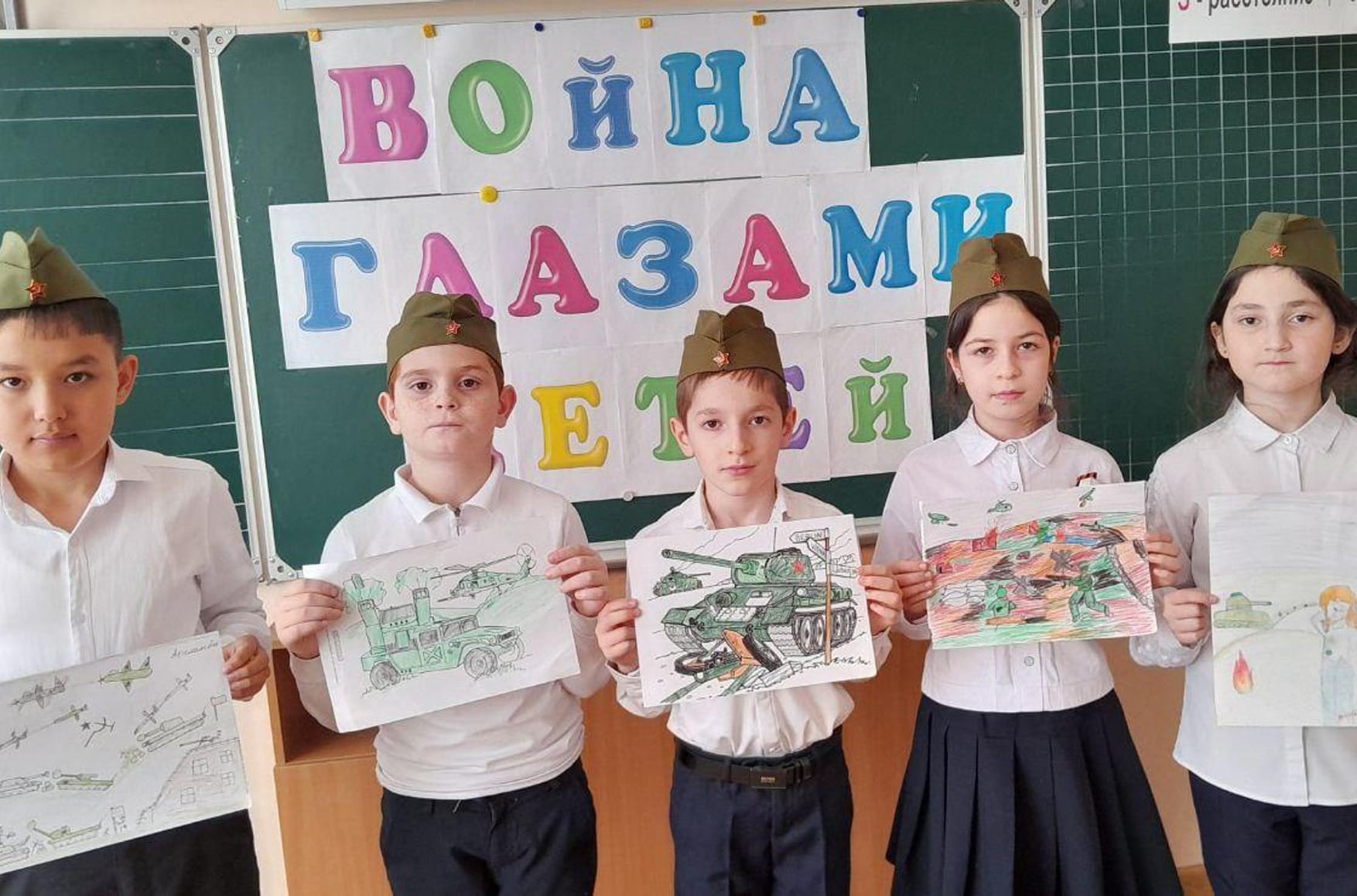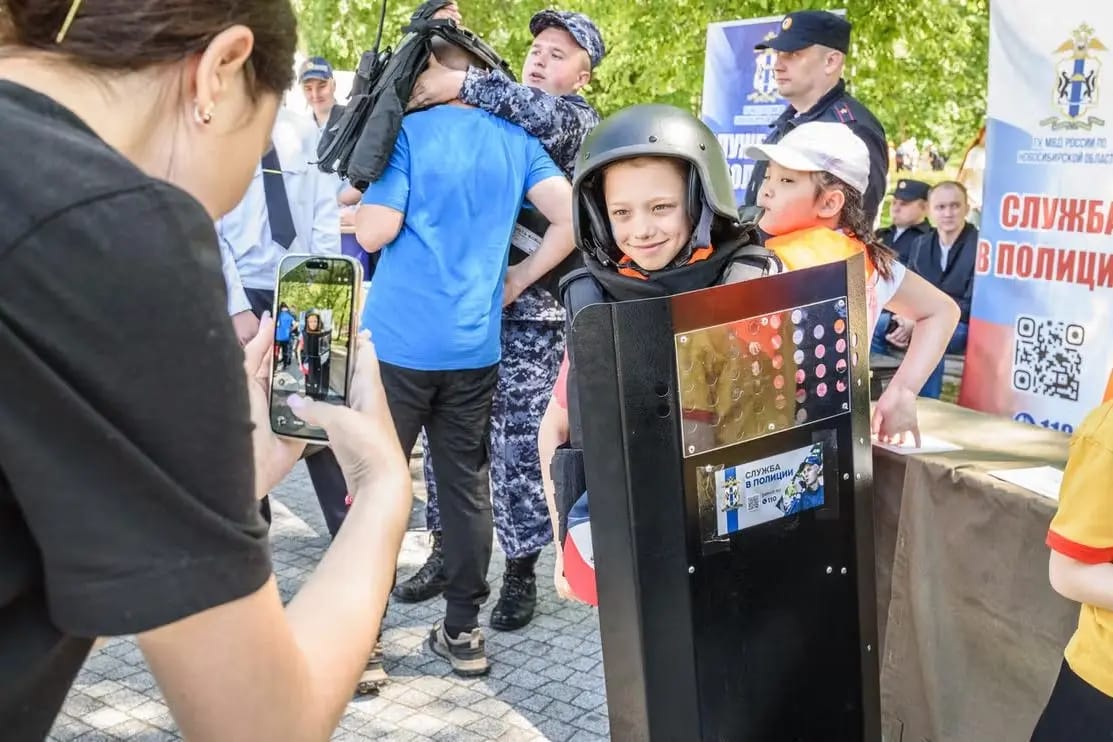
Russian participants in the war in Ukraine possess a “unique pedagogical potential” for working with children and teaching courses in “Life Safety” and “Basic Military Training,” Russia’s Ministry of Education has announced. The ministry claims that researchers from the State University of Education have “proven” the relevance of veterans’ knowledge, experience, and personal qualities for “patriotic education” and developing pupils’ readiness to “defend the Fatherland.”
Among the conditions for admitting veterans to teaching roles, the ministry lists professional screening, training, retraining, mentorship, and methodological and psychological support. Professional enhancement programs have been developed for veterans who have already completed retraining. The ministry has not disclosed the content of the courses, their duration, or the number of participants.
In 2025, the journal Chelovek i Obrazovanie (Man and Education) published a study titled “Developing the Teaching Potential of Veterans of the Special Military Operation Through Engagement with Life Safety Departments.” Its author, Nataliya Gomzyakova, is the deputy dean of Russia’s State University of Education.
The Insider reviewed the paper, which analyzes regulatory documents, academic papers, and “hands-on work experience.” The publication contains no surveys of veterans, students, or teachers, no quantitative data, no experiments, and no comparison of war veterans with other candidates for teaching positions.
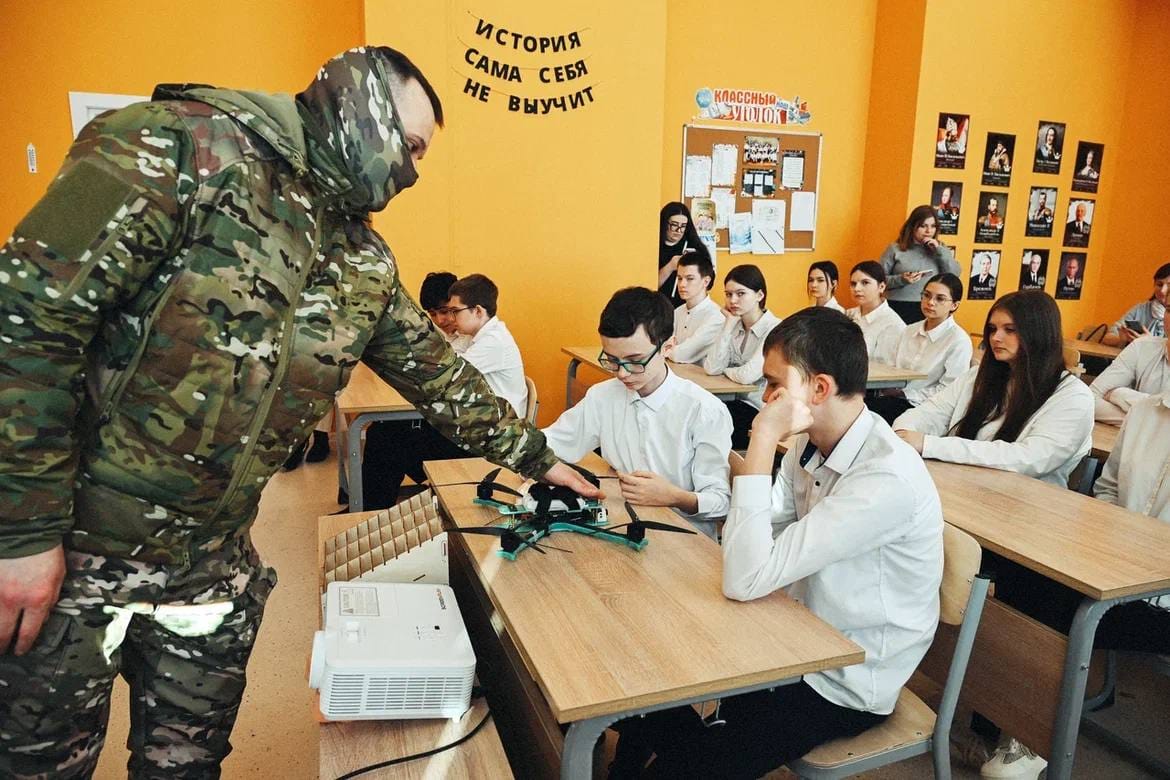
Gomzyakova writes that “many” veterans possess pedagogical potential. Among their advantages, the author lists knowledge of modern military terminology, drone operation skills, tactical medical training, and the ability to generate an emotional response in students. The paper also describes war veterans as role models for acquiring “genuine traditional spiritual and moral values” and describes their integration into education as a “unique educational phenomenon” — without providing any further justification for these claims.
The bulk of the study focuses on veterans working not with schoolchildren but with students at pedagogical colleges — future instructors of the OBZR (Basics of Safety and Defense of the Fatherland) course. The author proposes involving war veterans in practical classes and workshops, faculty consultations, and even student assessment during exams. The Education Ministry has extended the conclusion about veterans’ pedagogical potential directly to working with children and teaching school courses.
The study was commissioned by the Education Ministry itself. In April 2026, the university announced that Education Minister Sergei Kravtsov had rewarded Gomzyakova for developing an “effective practical solution in the field of education.” Her work was among 25 studies recognized by the ministry.
In June, The Insider reported that the Vershina center, established at the State University of Education, was already preparing war veterans to work in schools and colleges. At the same time, Kravtsov announced that starting Sept. 1, the share of basic military training within the OBZR course would increase from 20% to 50%. In July, the ministry proposed making basic military training a separate mandatory course for students in grades 8 and 10.
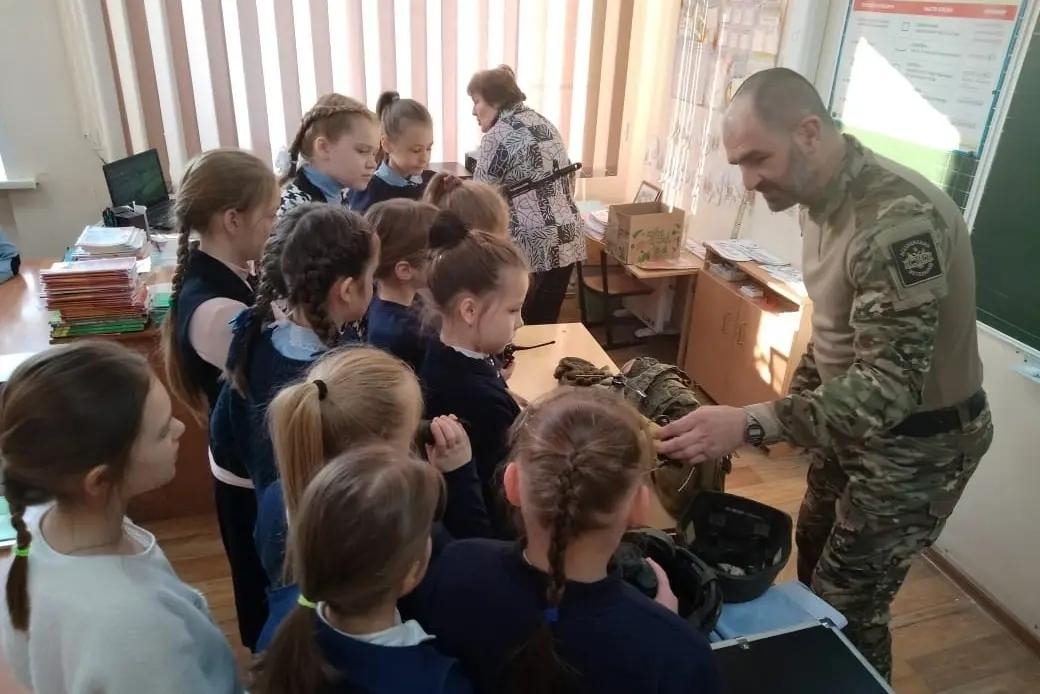
War veterans were being invited to the classroom even before the center was launched. In May 2025, The Insider found hundreds of reports about veterans’ meetings with schoolchildren. In one such case, Alexander Glazov — a former Wagner Group fighter with a prior conviction for inciting minors to suicide — spoke to eighth-graders about “patriotism.” The school claimed that the organizers were unaware of his criminal record.