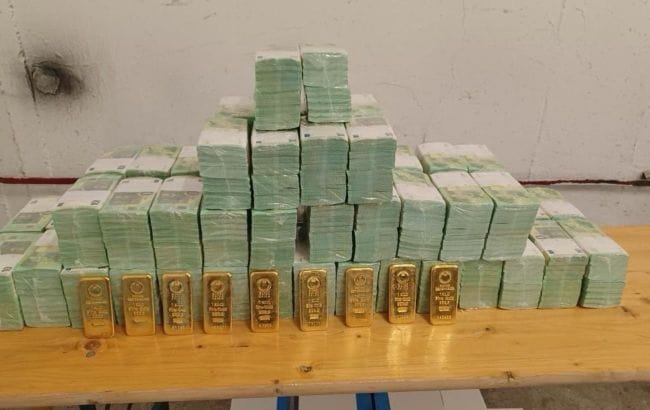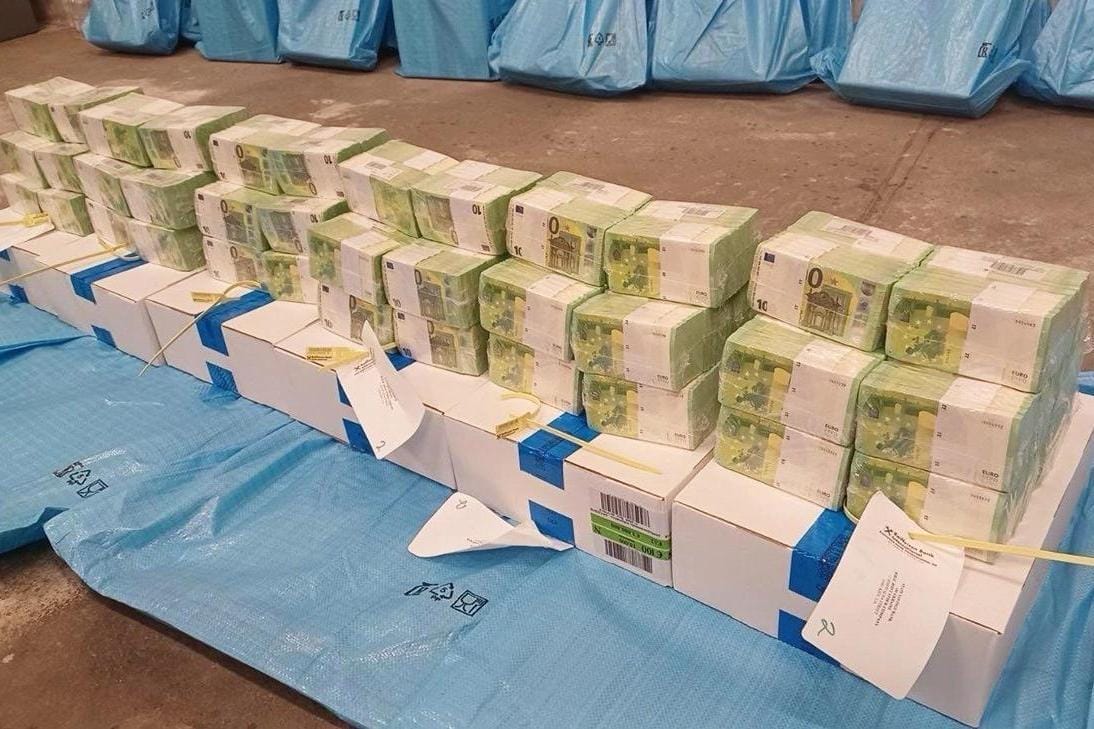
Hungary’s National Tax and Customs Administration (NAV) has closed its investigation into employees of Ukraine’s Oschadbank who were detained in March while transporting 40 million U.S. dollars and 35 million euros in cash, as well as 9 kilograms of gold, through Hungary while en route from Austria to Ukraine. NAV concluded that no crime had been committed, said Lóránt Horváth, a lawyer representing the bank and the couriers. The Hungarian outlet HVG also reported on the decision.
Horváth said investigators fully established the origin of the seized money and precious metals: they were indeed being transported as part of an interbank transaction between Austria’s Raiffeisen Bank International AG and Ukraine’s state-owned Oschadbank. Raiffeisen provided documents confirming the origin of the banknotes and metals, as well as payment by Oschadbank. NAV found that the assets were not of criminal origin and that there were no signs of money laundering or any other crime.
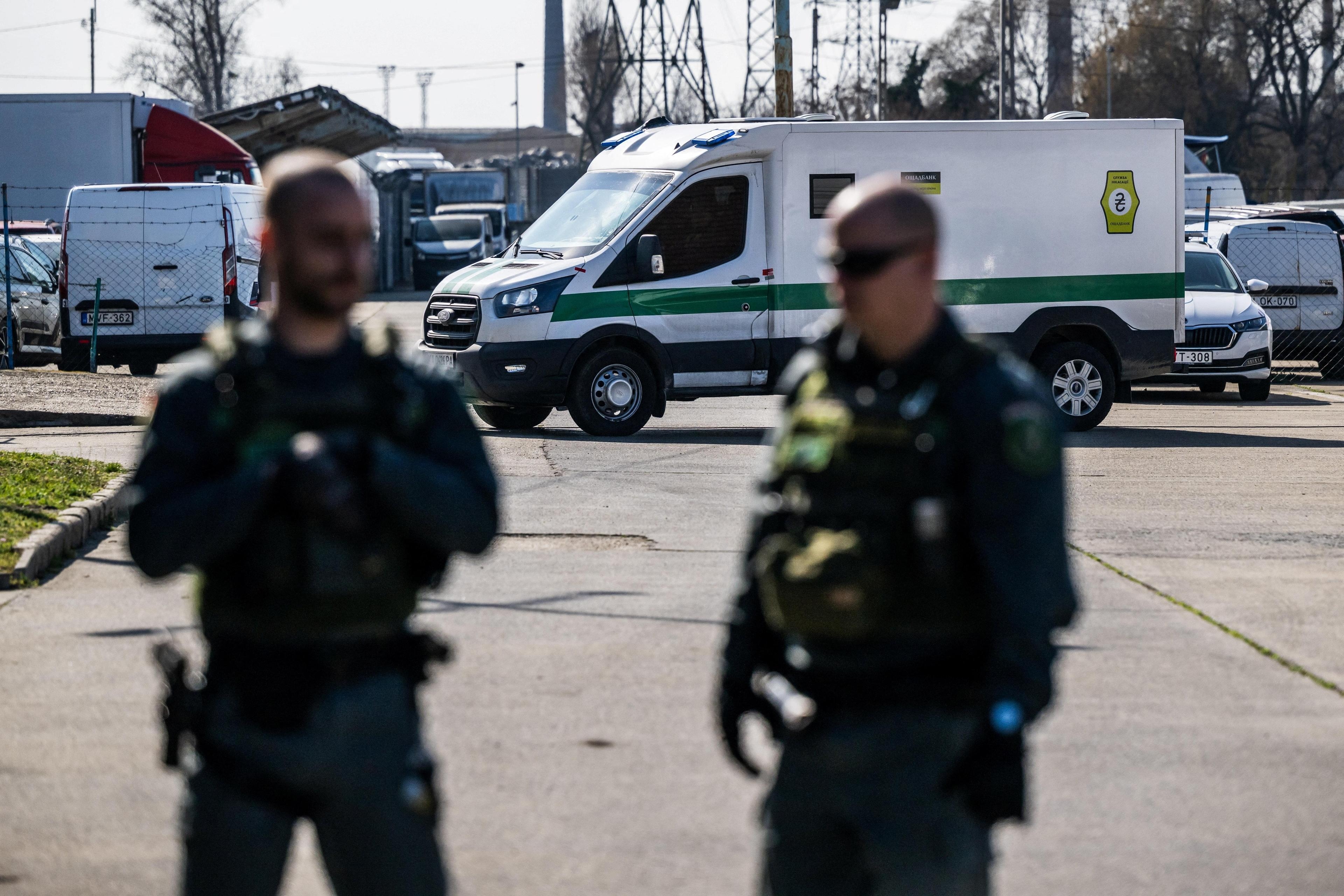
Hungarian law enforcement detained seven Oschadbank employees and two cash-in-transit vehicles on March 5. Oschadbank said from the outset that the shipment was a routine transfer being carried out under a contract with Raiffeisen and that the operation fully complied with international rules and European customs procedures.
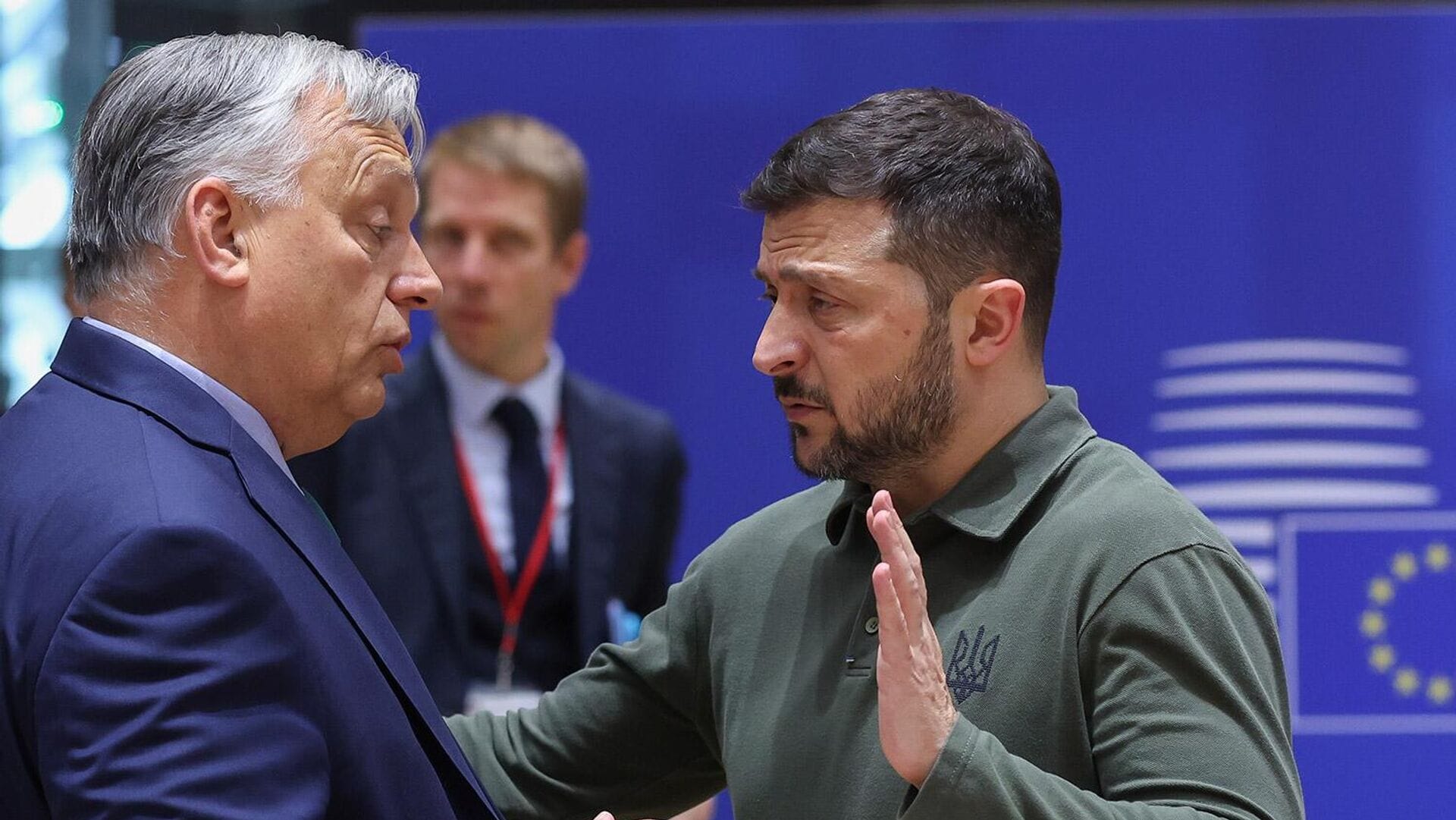
The government of then-Prime Minister Viktor Orbán, however, claimed that it suspected money laundering. Then-Foreign Minister Péter Szijjártó suggested the cash could belong to the “Ukrainian military mafia,” while some politicians from the then-ruling Fidesz party claimed the money might have been intended to finance the election campaign of Hungary’s opposition Tisza party — seeming to ignore the fact that the valuables had confiscated on their way out of Hungary rather than on their way into the country.
The detained Ukrainians were deported from Hungary on March 6. Kyiv said they had been held in handcuffs for more than a day and were not allowed to contact their relatives or the Ukrainian Embassy. Ukraine’s Foreign Ministry described the Hungarian authorities’ actions as “hostage-taking,” “theft” and “state terrorism.” The cash-in-transit vehicles were later returned to the bank, while the money and gold remained in Hungary during the investigation. Oschadbank confirmed that the vehicles were returned on March 12.
After Hungary’s change of government, the seized assets were also returned to Ukraine. On May 6, Oschadbank said it had received back all $40 million, €35 million, and 9 kilograms of gold. Bank representatives confirmed that the packaging remained intact. Later, the decisions to deport the couriers and ban them from entering the Schengen Area were also annulled.
In June, newly elected Hungarian Prime Minister Péter Magyar said ex-PM Viktor Orbán should be held responsible for the incident. Magyar’s statement followed an investigation by the Hungarian outlet Telex, which reported that the operation against the Ukrainian couriers was carried out on orders from the office of the then-prime minister. Orbán, through his spokesman, insisted that the previous government and law enforcement agencies had acted lawfully.