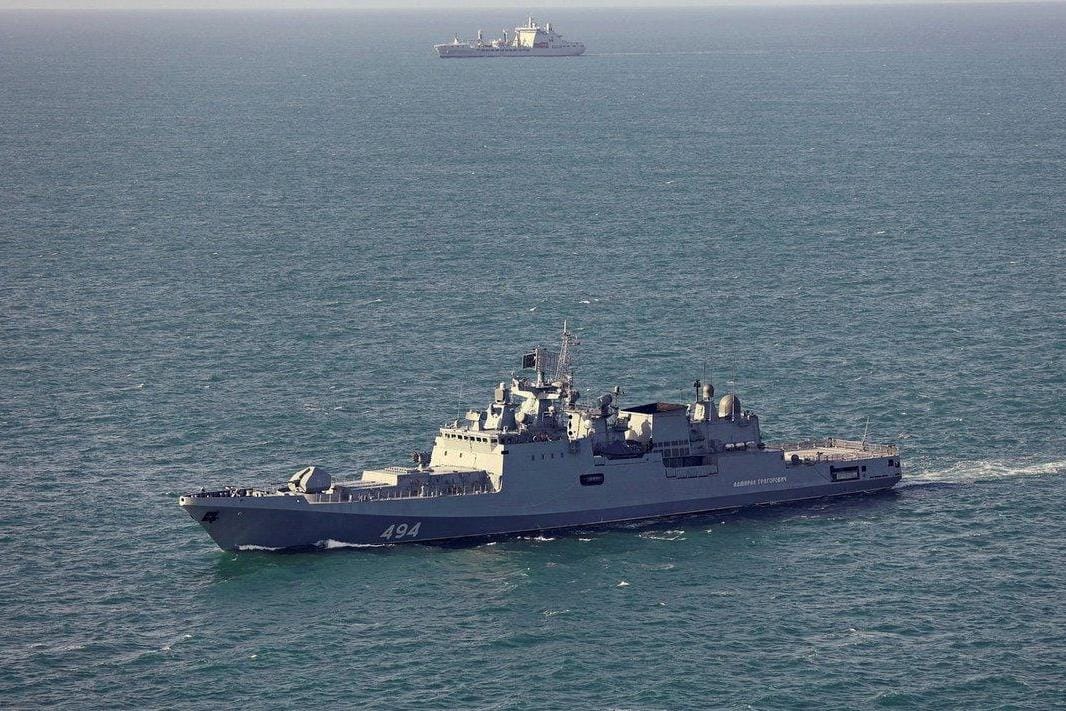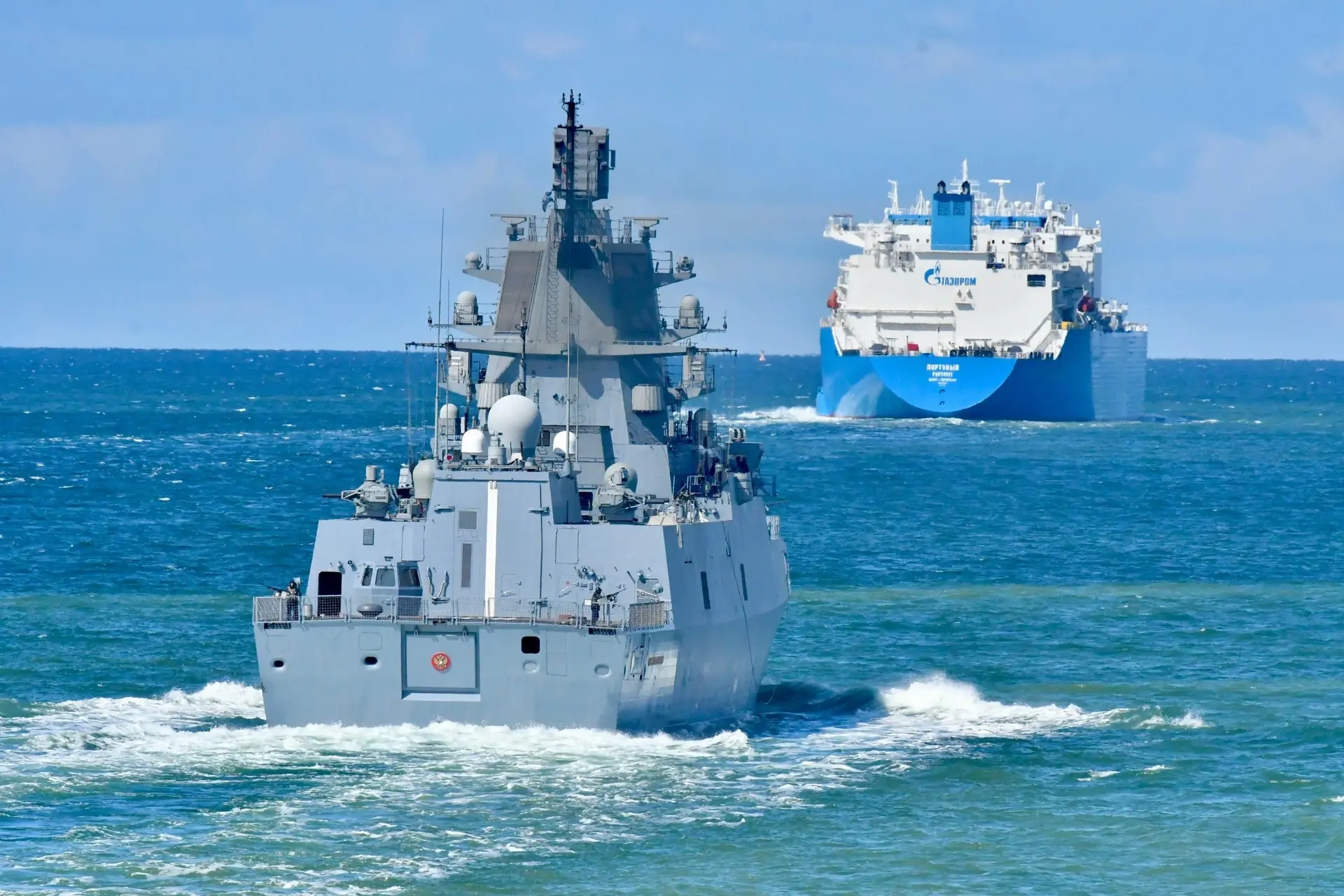
The Russian frigate Admiral Kasatonov has been spotted in the Baltic Sea escorting the LNG tanker Portovyy (IMO: 9246621), according to a report by British newspaper The Telegraph and open-source intelligence (OSINT) analysts (1, 2). The transit of Russian liquefied natural gas is unusual and may indicate that Russia has changed its export tactics out of fear of Ukrainian drone attacks, according to an analyst using the name H.I. Sutton.
The frigate was spotted Monday, Aug. 17, off the coast of Fehmarn, a German island popular with tourists. The Telegraph linked the sighting to Vladimir Putin’s recent threats of a “mirror response” to EU countries detaining Russian vessels.
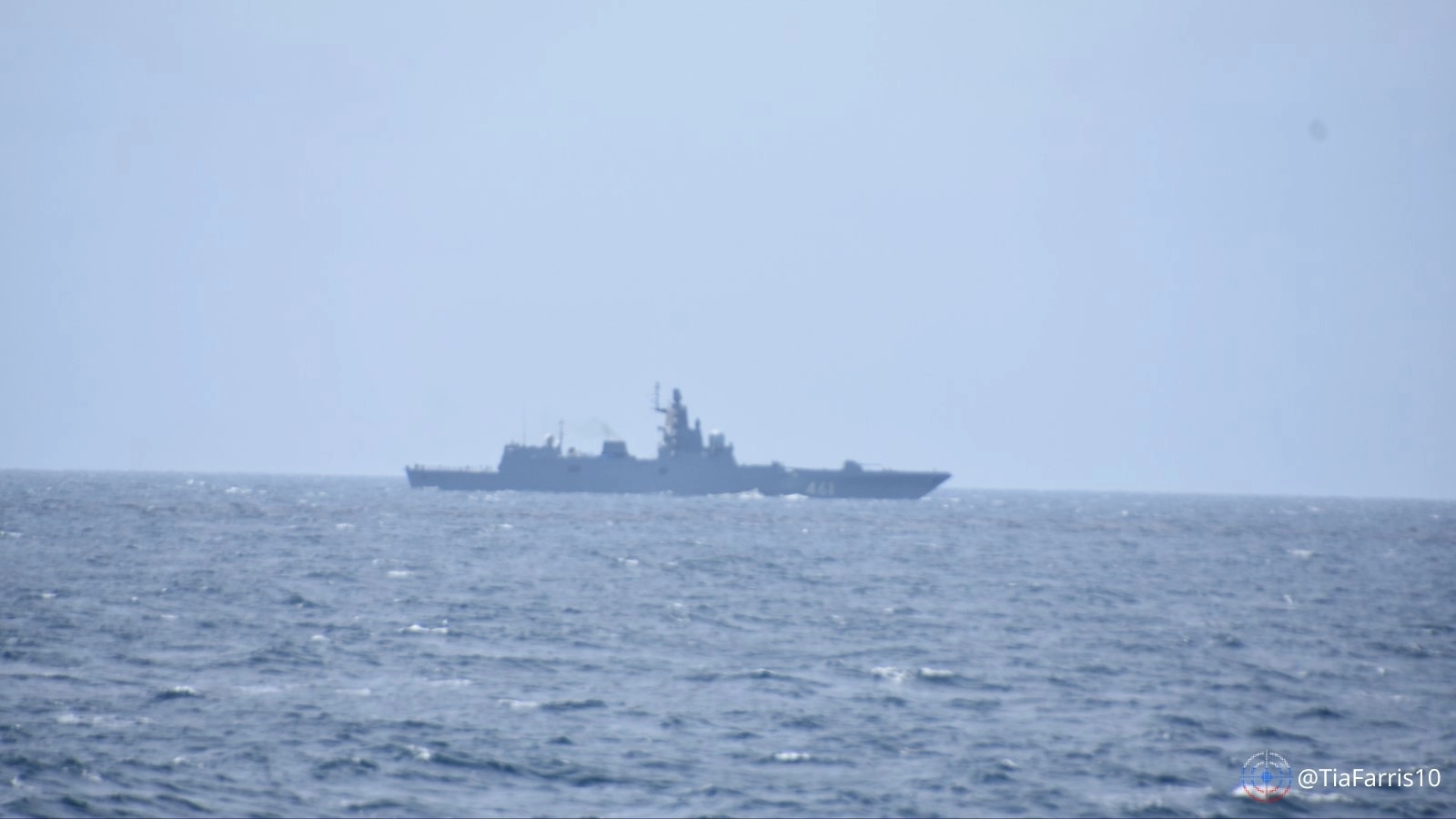
The Admiral Kasatonov is equipped with Tsirkon hypersonic missiles, which are capable of carrying nuclear warheads. The frigate entered service with the Russian Navy in 2020 and, as the newspaper noted, is one of the most modern ships in the Russian fleet.
It is the second Russian warship seen in the Baltic Sea in recent weeks. In early August, Russia deployed the Admiral Levchenko to the area. On Tuesday, Aug. 18, it was seen off the coast of Denmark.
OSINT analysts pointed to another important detail: the Admiral Kasatonov does not appear to be merely sailing in the Baltic Sea, but escorting the Portovyy LNG tanker. The Russian Forces Spotter project published a photo of the warship with the tanker, saying that the frigate had already been used this year to escort vessels from Russia’s “shadow fleet”( a term for ageing, poorly insured tankers used to bypass international sanctions or restrictions on Russian energy exports).
The analyst also noted that Russia is deploying “high-end naval assets” to protect its maritime trade.
“Quite a commitment of naval resources just to keep commercial shipping moving,” the analyst noted.
The Portovyy sails under the Russian flag and is used as floating LNG storage for Gazprom’s Portovaya LNG complex in Russia’s northern Leningrad Region. According to data from the vessel tracking platform Starboard Maritime Intelligence, the tanker has already left the Baltic Sea and is rounding the Norwegian coast. Notably, its listed final destination is another Russian port: Murmansk — usually a major hub for LNG exports, not a final destination for such cargo.
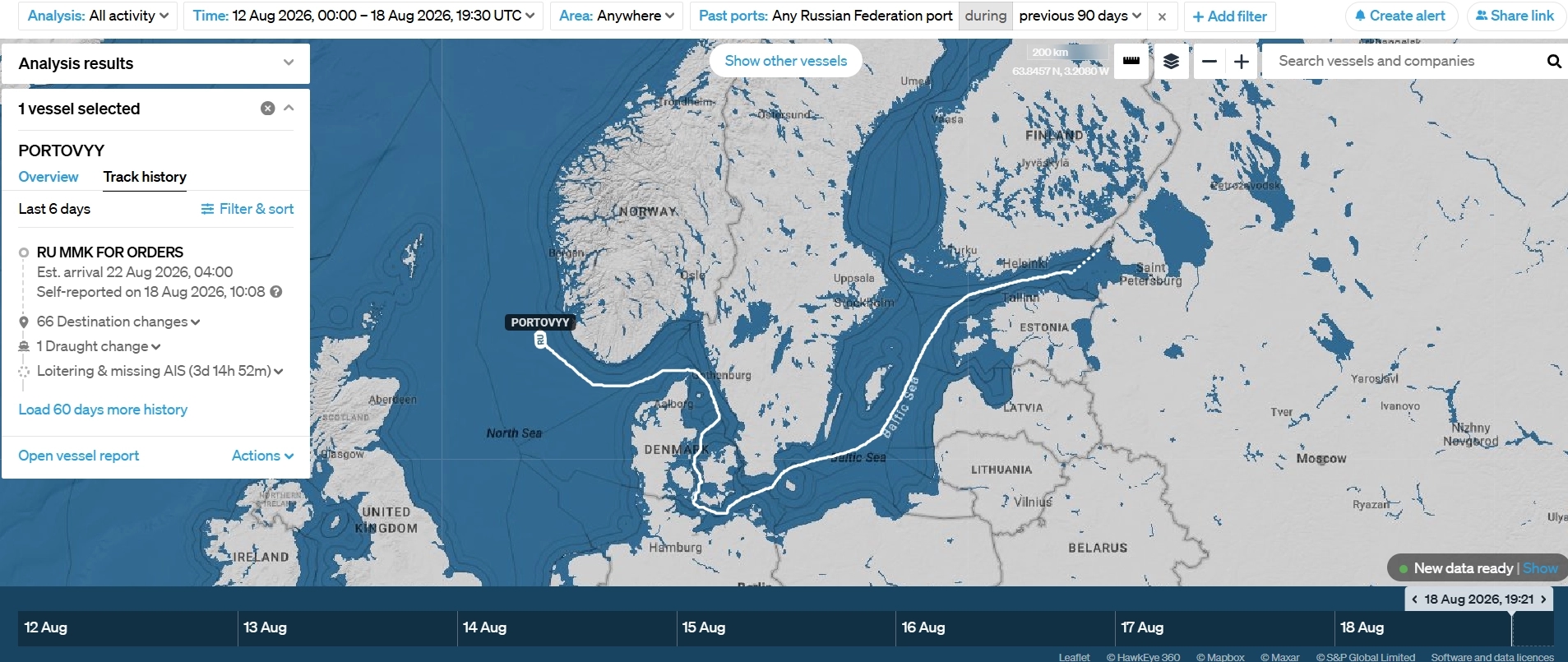
H.I. Sutton drew attention to that anomaly. The analyst said Murmansk is unlikely to be the final destination for the cargo, as Moscow does not need to “export gas to itself.” The shipment is more likely intended for East Asia, possibly China. If so, it would travel via the Northern Sea Route, traveling through the Arctic along Russia’s northern coast. The cargo may be delivered by the Portovyy itself or transferred to another tanker.
There is nothing unusual about LNG tankers transiting the Northern Sea Route, Sutton noted. However, such voyages typically begin from Murmansk, not from export terminals in the Baltic Sea. LNG cargoes from the Baltic Sea normally head south through the Mediterranean and the Suez Canal or around Africa.
During the summer season, the Northern Sea Route may be shorter and fairly easy for ships to navigate, and it may also help avoid risks from the war in the Middle East. But those are unlikely to be the decisive factors. The most likely reason for choosing this route is an effort to avoid Ukrainian naval drones, which have already succeeded in damaging LNG tankers outside the Black Sea.
“LNG cargoes are particularly vulnerable, and Russia is thus adapting to the Ukrainian threats to keep its important economic lifeline to fund its war in Ukraine,” H.I. Sutton concluded.
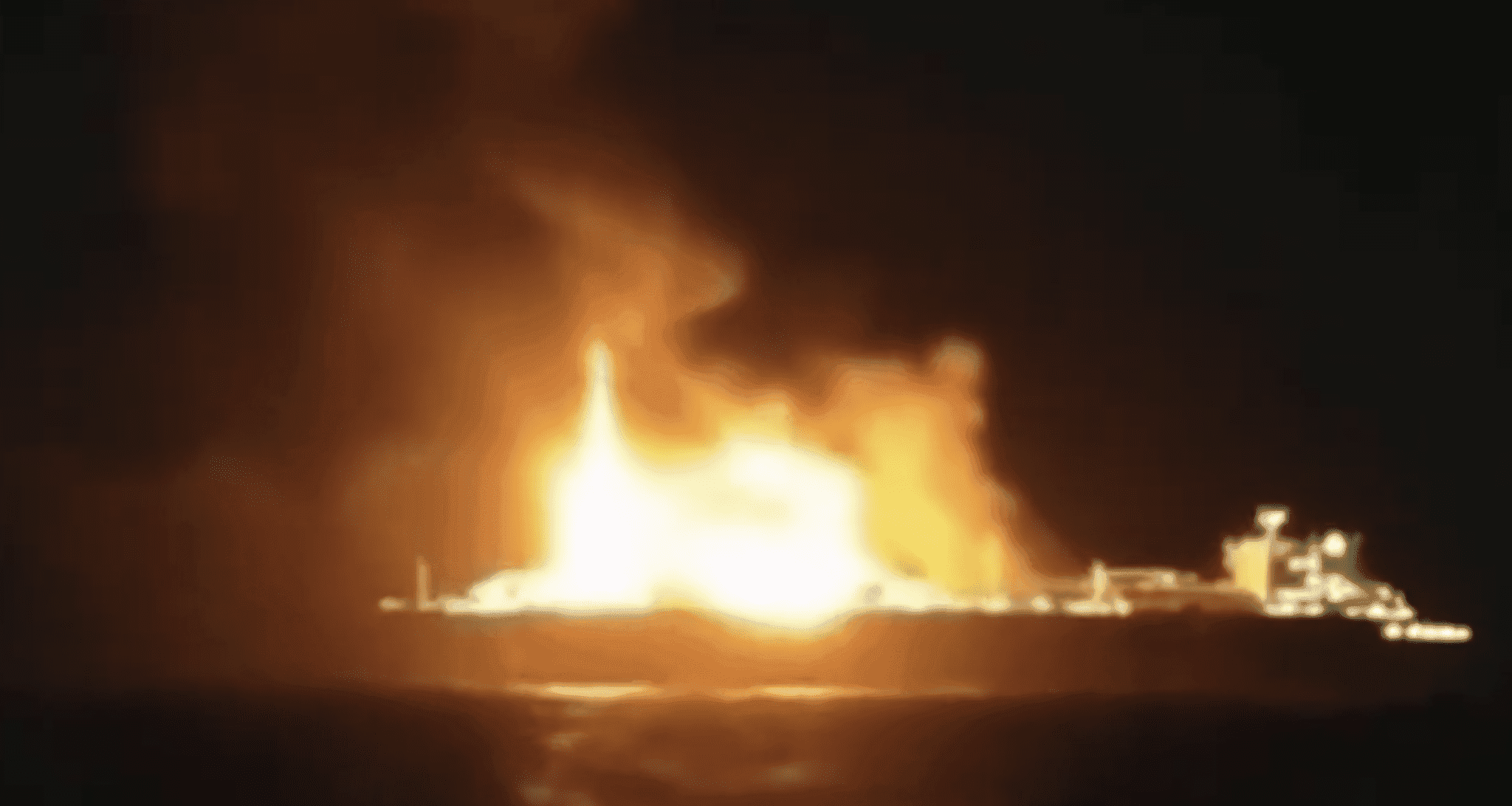
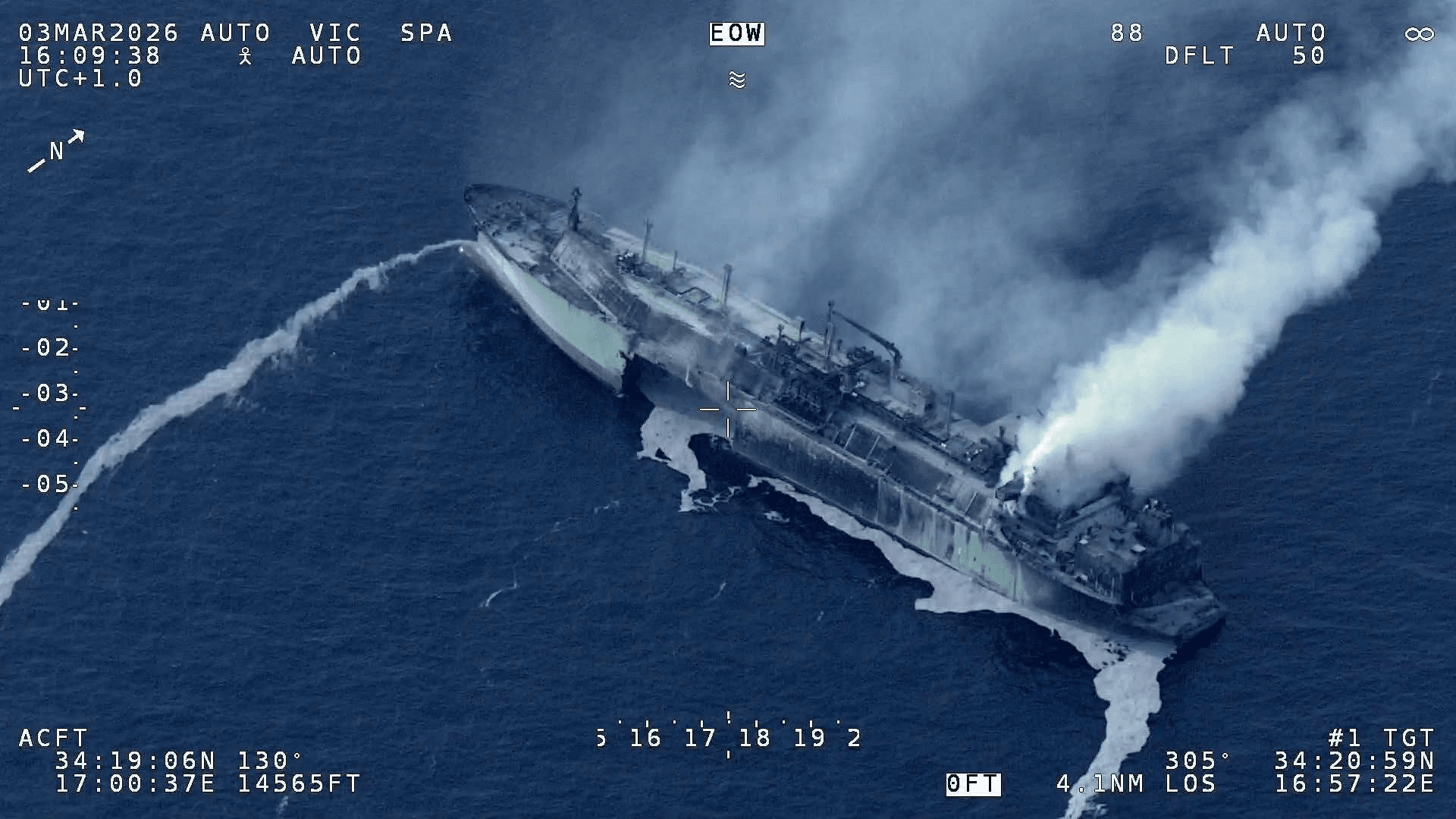
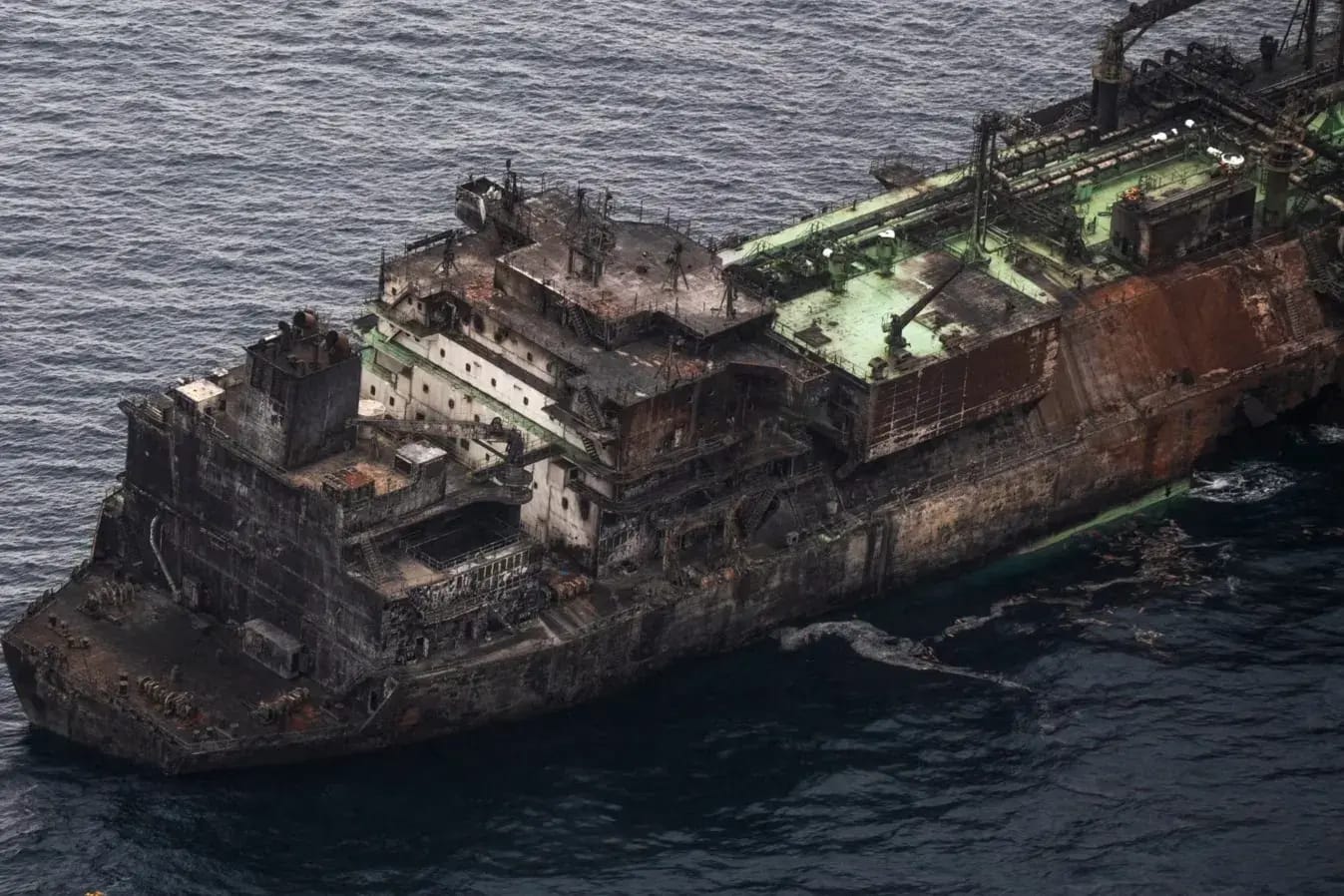
In March, Ukrainian forces were linked to an attack on the Arctic Metagaz LNG tanker in the Mediterranean Sea. Ukraine did not claim responsibility for the incident, but an investigation by Radio France Internationale later showed that the drones that attacked the vessel were launched from bases in Libya where Ukrainian troops were stationed.