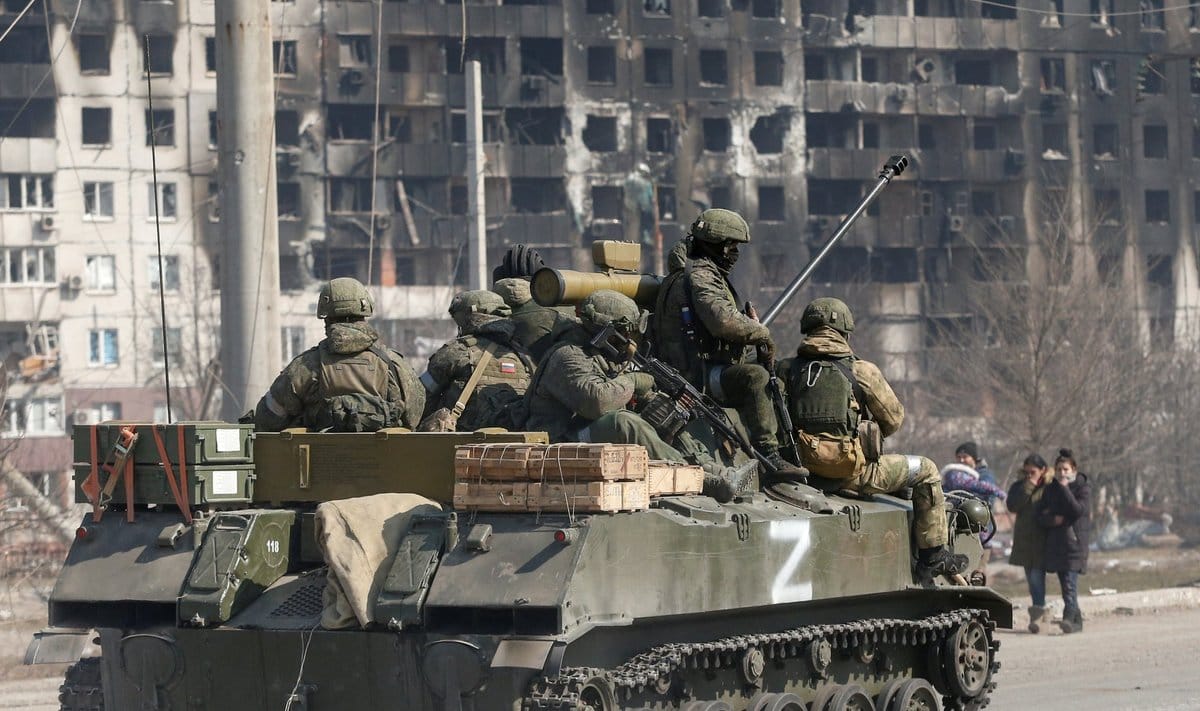
Russia’s Defense Ministry has circulated instructions among military personnel and civilian staff with recommendations on what to do in the event of a suspected assasination threat. The document, which was made public by exiled Russian political scientist Yekaterina Schulmann, advises personnel to abandon their usual way of life, change their appearance, use unpredictable routes, avoid public places, and stop using personal vehicles.
Schulmann said the guidance is being distributed in Defense Ministry hospitals. She said the advice presented in the document advises against the sorts of behaviors practiced by senior Russian military officials who have been targeted at public and in their personal vehicles.
The document is titled “Standard briefing for a serviceman, civilian employee, and members of his family on actions to take upon receiving information about a planned assassination attempt.” It says the recommendations are based on the experience of security agencies and are intended for Defense Ministry and National Guard personnel who have received information about a threat of physical reprisals “from Ukrainian intelligence services.”
The authors of the guidance claim Ukrainian intelligence services obtain personal data on military personnel and their family members from journalistic reports, social media, and messaging apps, then study the potential target’s daily routine, travel routes, and place of residence before choosing a method of attack.
The guidance recommends that military personnel:
- Stop publishing personal information on social media and delete information that could reveal their home address or departmental affiliation.
- Change mobile phone numbers and physical phones, and only answer calls from known numbers.
- Change their usual way of life and even alter their appearance — for example, by wearing glasses, growing a beard, changing their hairstyle, or changing their style of clothing.
- Regularly change travel routes, avoid repeated daily routines, and stop using apps that record geolocation, including fitness trackers and smartwatches.
- Be cautious around people who appear repeatedly along their route and of attempts by strangers to photograph them or their vehicle.
A separate section is devoted to cars. Military personnel are advised to avoid using personal vehicles when possible, keep their cars away from home and under surveillance cameras, and inspect them before every trip for possible explosives. The guidance lists likely places where explosive devices could be planted — under the vehicle, in wheel arches or near the car — as well as possible methods of detonation: when the engine starts, when doors are opened, by timer or remotely.
The document also advises personnel to stop using delivery services, refuse packages from unknown senders, avoid taking elevators with strangers, and reinforce entrance doors while equipping them with a peephole, chain, and bolt. For those living on ground floors, window bars or protective film are also recommended.
Military personnel are also advised to acquire self-defense tools, including pepper spray, stun guns, or less-lethal weapons, and to practice repelling an attack. The instructions conclude by recommending that personnel familiarize family members with the guidance, conduct “situational exercises” with them, and determine in advance how to contact security officers to pass on information in emergencies.
Assassination attempts on senior Russian military figures
On the evening of Aug. 1, an explosion tore through the Moscow restaurant Balzi Rossi, where a birthday celebration for Russian Aerospace Forces commander-in-chief Alexander Chaiko was underway. Several people were killed in the explosion, and more than 20 were wounded; Chaiko does not appear to have been among them..
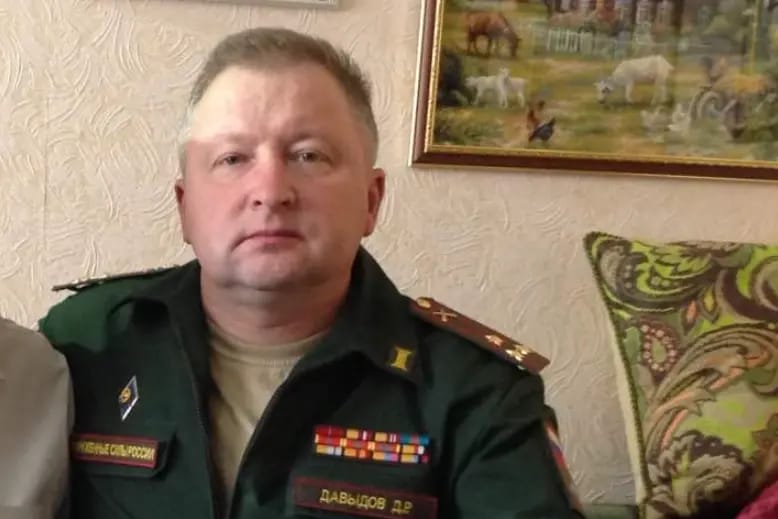
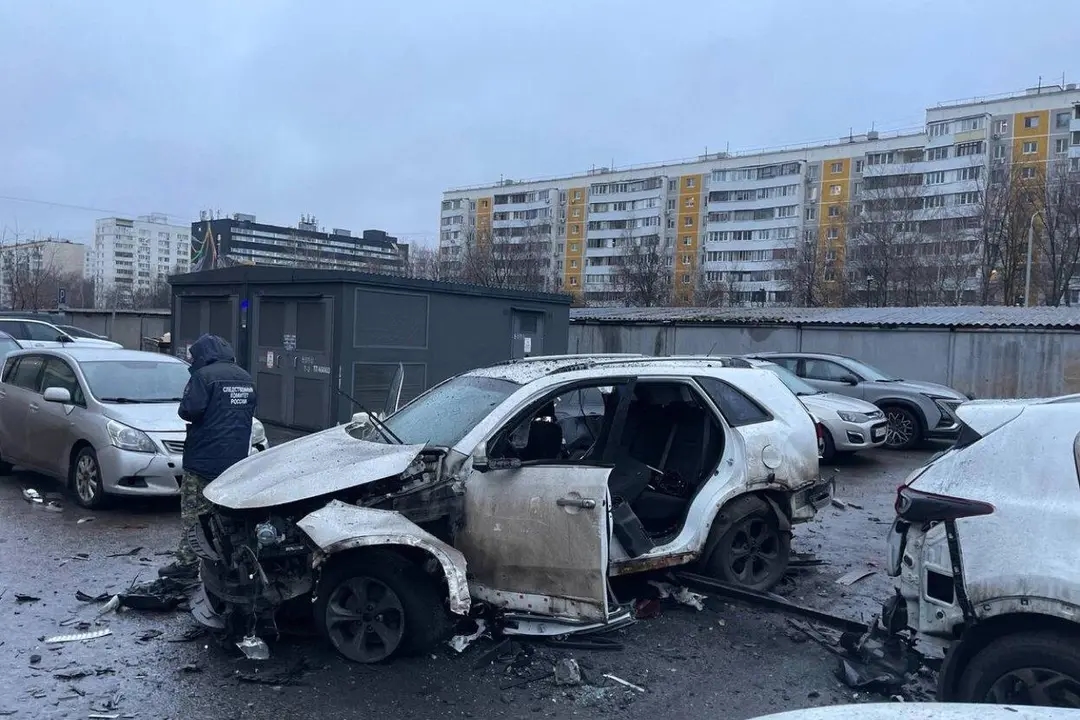
In June 2026, Lieutenant General Damir Davydov, head of the Defense Ministry’s Main Missile and Artillery Directorate, was killed in a car bombing in Balashikha, near Moscow. He was responsible for supplying the Russian army with ammunition.
In February 2026, an assassination attempt was carried out in Moscow against Lieutenant General Vladimir Alexeyev, the first deputy head of the GRU, Russia’s military intelligence agency. He was shot several times and wounded, but survived.
In December 2025, Lieutenant General Fanil Sarvarov, head of the Russian General Staff’s Operational Training Directorate, was killed when a car bomb exploded in southern Moscow.
In May 2025, Zaur Gurtsiyev, who took part in the capture of Mariupol before becoming deputy head of the city administration, was killed in an explosion in Stavropol in southern Russia.
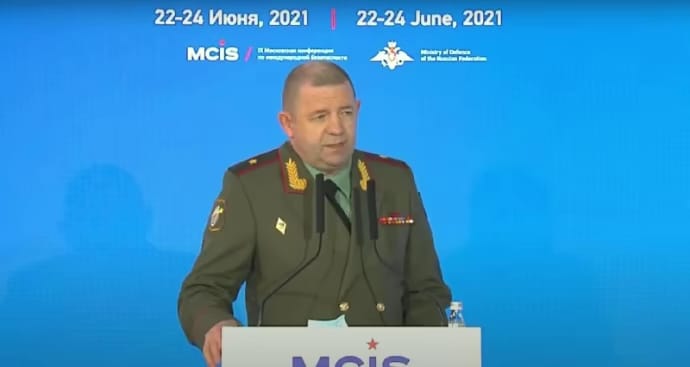
In April 2025, Lieutenant General Yaroslav Moskalik, deputy head of the General Staff’s Main Operational Directorate, was killed in a car bombing in Balashikha, near Moscow.
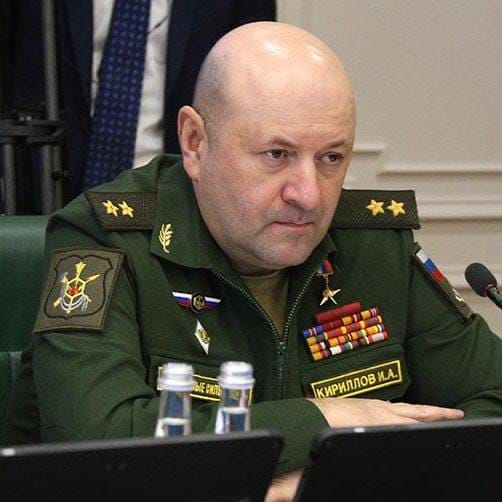
In December 2024, Lieutenant General Igor Kirillov, head of the Russian armed forces’ radiation, chemical, and biological defense troops, was killed by a bomb planted in a scooter near a residential apartment block in Moscow.
In November 2024, Captain Valery Trankovsky, chief of staff of the Black Sea Fleet’s 41st Brigade of Missile Boats, was killed in a car bombing in Sevastopol.
In October 2024, Colonel Nikita Klenkov, deputy commander of the Russian Special Operations Forces training center, was shot dead in Solnechnogorsk, near Moscow, shortly after returning from the war in Ukraine.
In September 2024, Ukraine’s military intelligence agency said Colonel Alexei Kolomeitsev, commander of the Russian Defense Ministry’s 924th State Center for Unmanned Aviation, had been killed in the Moscow region. The Russian authorities did not confirm his death, and the pro-war project WarGonzo claimed Kolomeitsev was alive and retired.
In July 2024, there were reports that a car belonging to GRU officer Andrei Torgashov had been blown up. It later emerged that another man with the same surname had been injured, and Torgashov himself said he had not been the target of an attack.
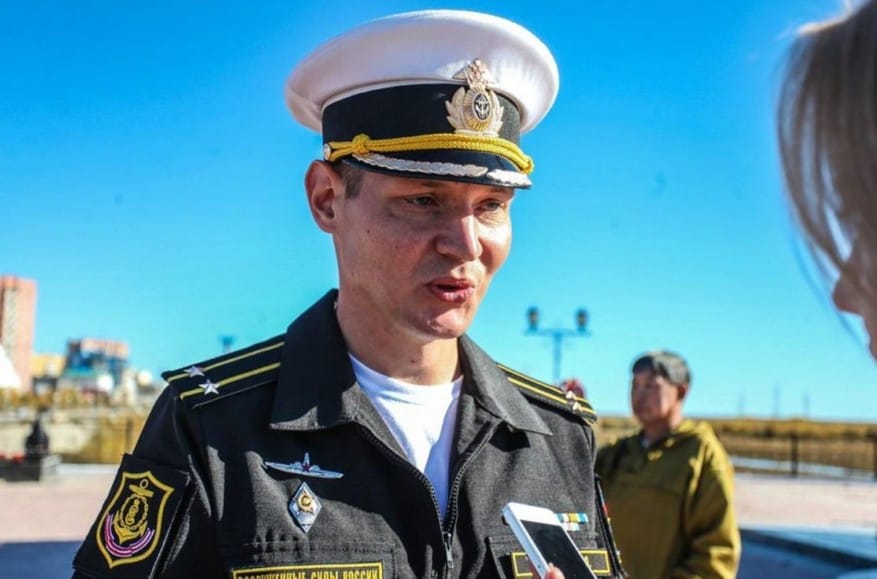
The earliest high-profile case of this kind was the killing of Stanislav Rzhitsky, a former commander of the Krasnodar submarine. In July 2023, he was shot dead during a morning run in Krasnodar, where he was serving as deputy head of the city department for mobilization work. Russian and Ukrainian citizen Sergei Denisenko was convicted of the killing.