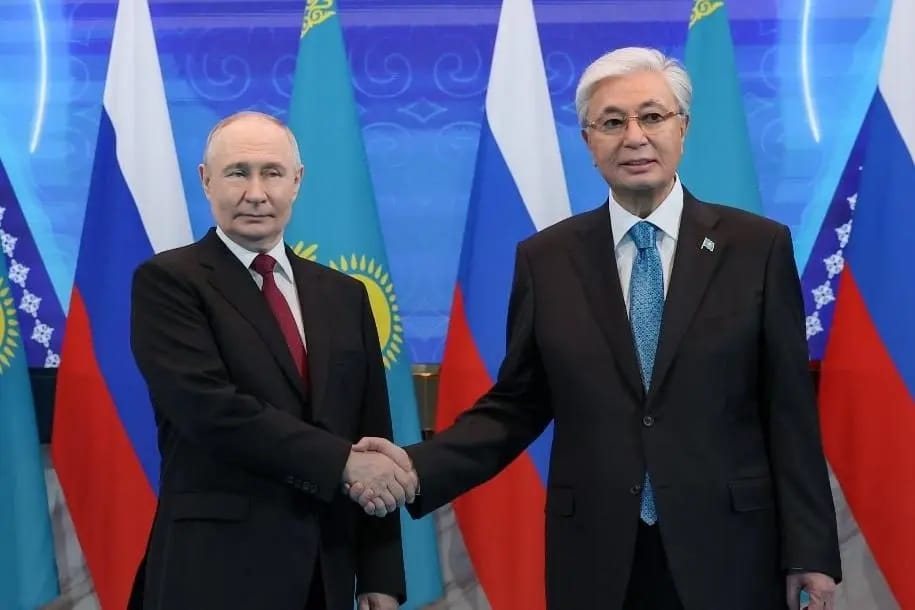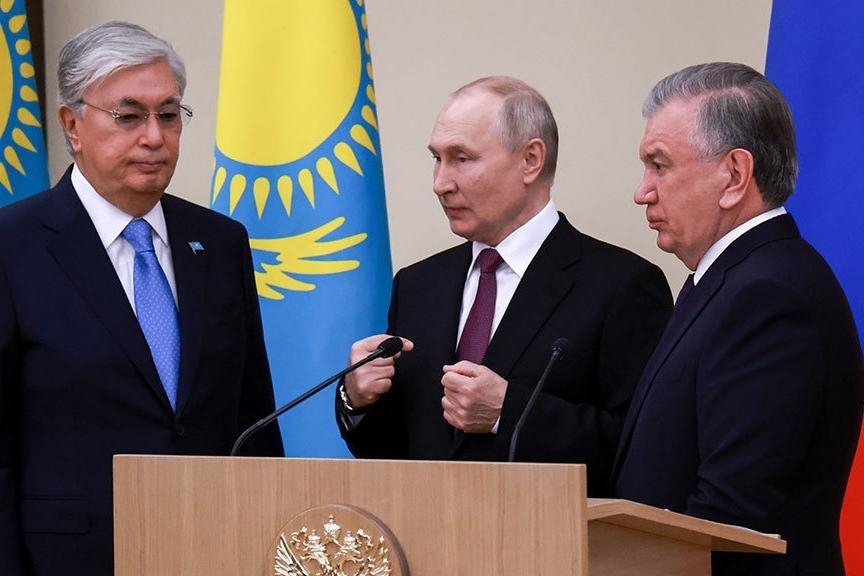
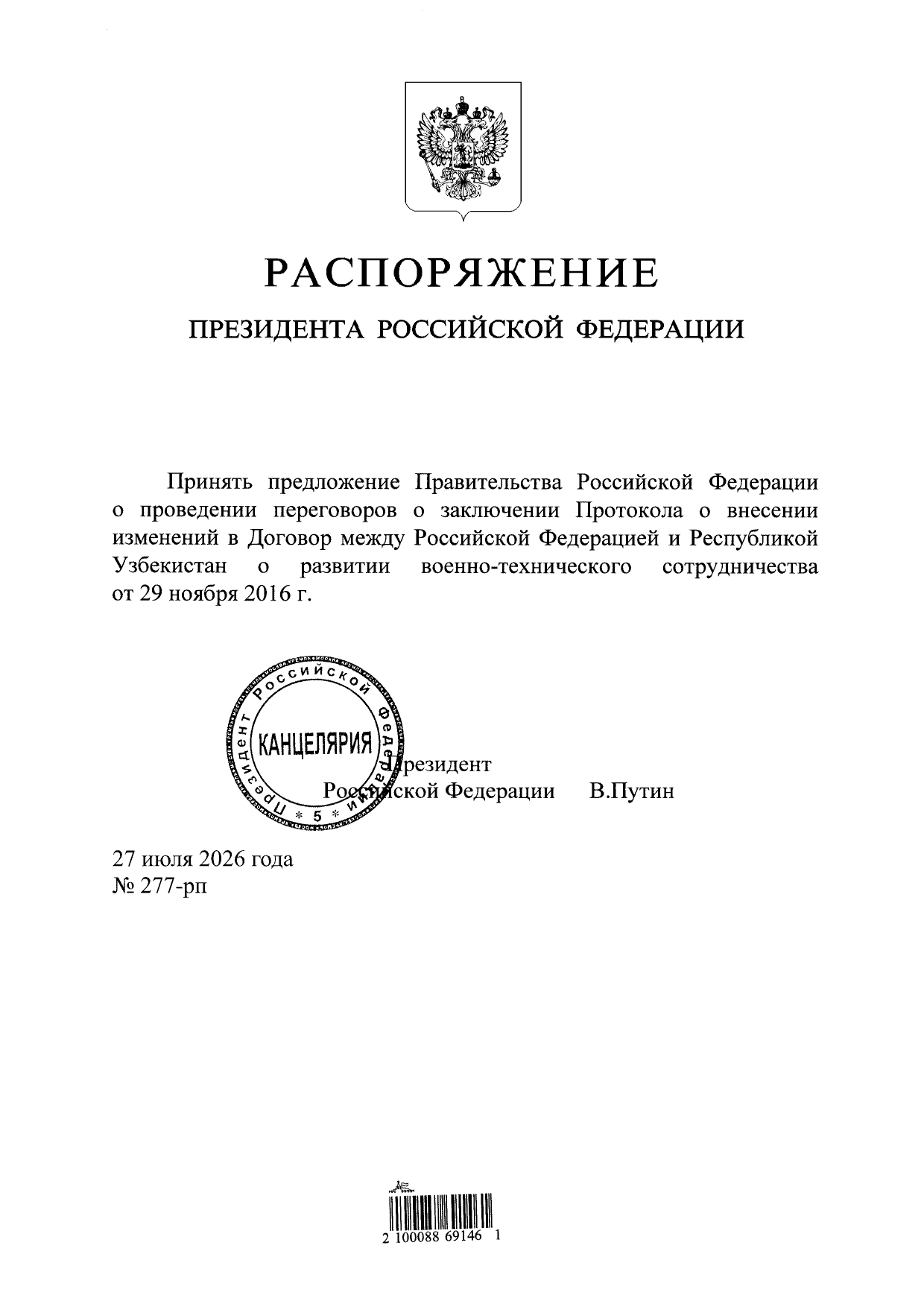
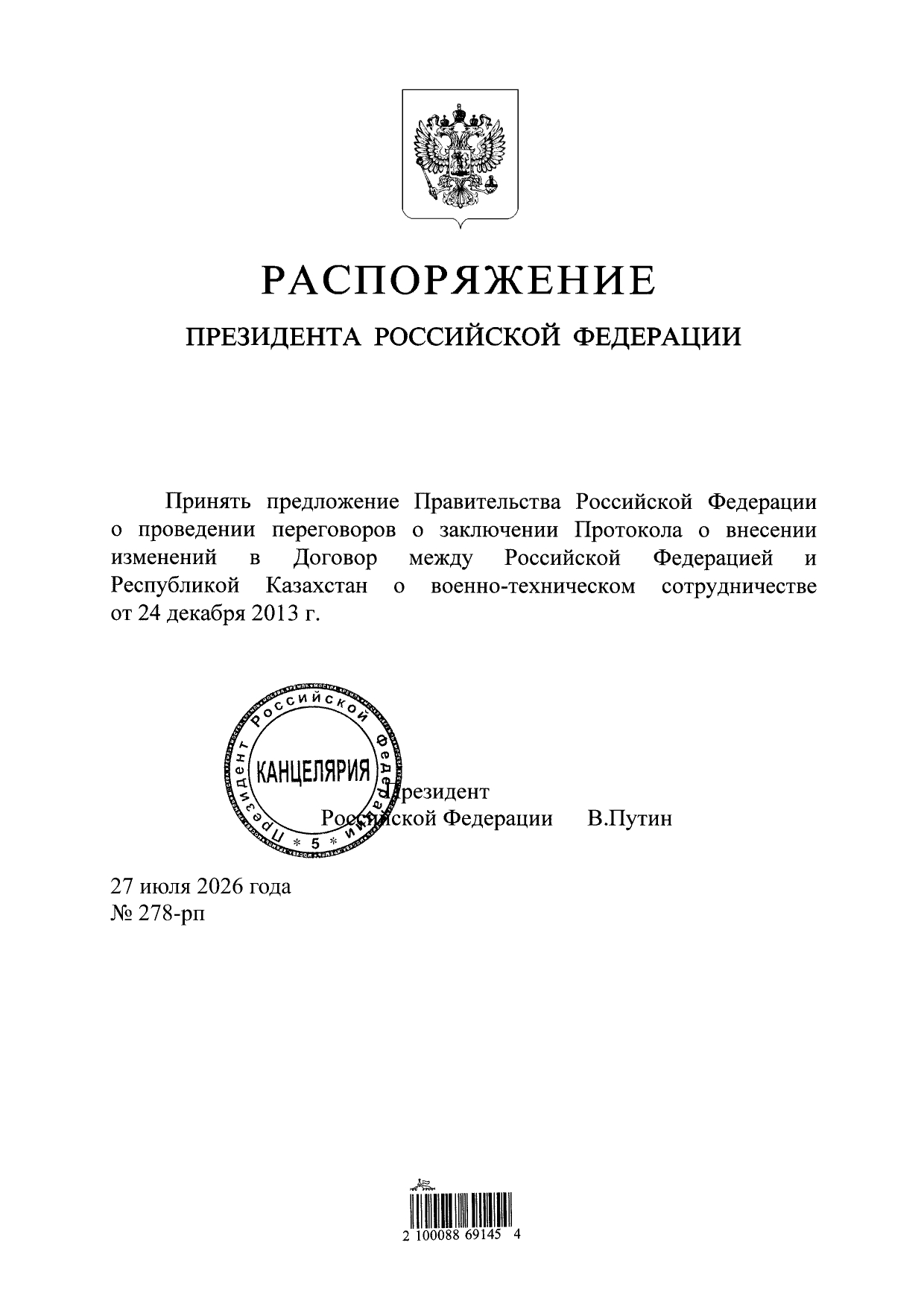
Vladimir Putin has authorized his government to begin negotiations with Kazakhstan and Uzbekistan on amending military-technical cooperation agreements. Two related executive orders were signed on July 27 and published on the official legal information portal. They concern the agreement with Kazakhstan dated Dec. 24, 2013, and the treaty with Uzbekistan dated Nov. 29, 2016.
The existing treaties govern not only the sale of Russian weapons to these countries but also mutual deliveries of defense products, including weapons and military vehicles, military-technical information, technologies, intellectual property, services, design, engineering, and technological operational documentation. The agreements provide for the repair and modernization of armaments, joint research and development, the establishment of joint manufacturing facilities, and human capacity building.
Deliveries under both treaties are carried out based on contracts between authorized organizations. The import and export of military products is conducted according to lists approved by the competent authorities of each party. The treaties thus allow for the supply of weapons, components, and related services not only from Russia to Kazakhstan and Uzbekistan, but also in the reverse direction.
Against the backdrop of Western restrictions imposed following the start of the full-scale invasion of Ukraine, Russia is now looking to amend these agreements. For example, the European Union banned the export to Russia of weapons, military goods, and a wide range of dual-use products, including electronic and optical components, engines, and drone parts. Meanwhile, the United States has imposed strict controls on the supply and re-export of technologies, software, and equipment that could support Russia’s defense industry.
The United States, the European Union, the United Kingdom, and Japan have jointly drawn up a list of 50 categories of goods that Russia is attempting to procure for weapons production. These include microchips, radionavigation equipment, capacitors, optical instruments, bearings, aircraft components, and CNC machine tools. Western countries warn that such goods may reach Russia through states that have not signed on to the sanctions.
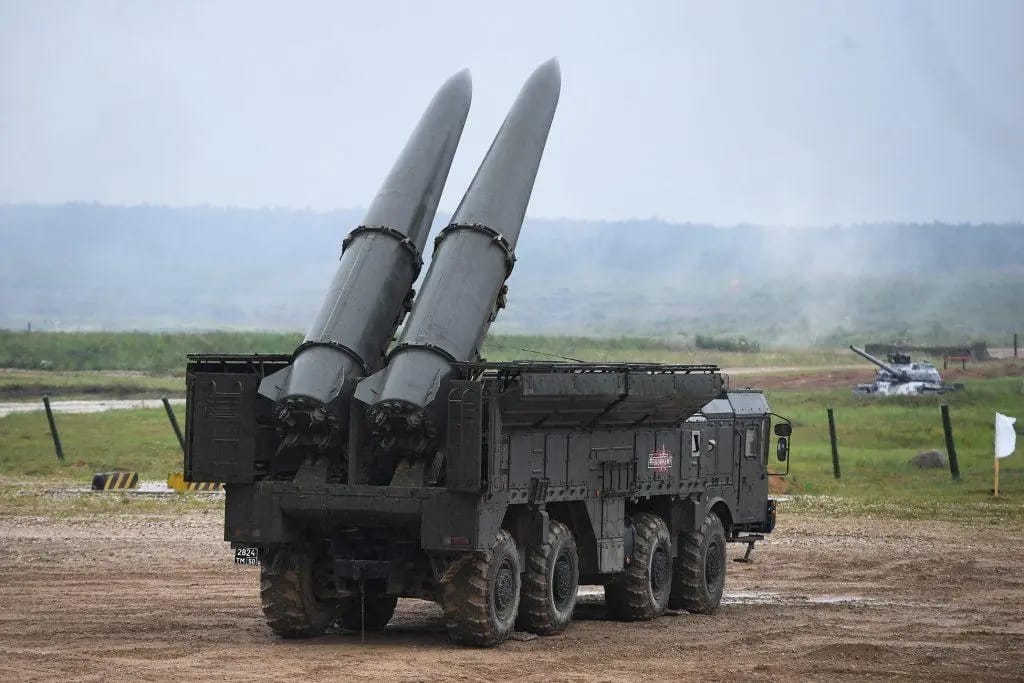
On July 27, The Insider published an investigation into shipments from Kazakhstan to Russia of beryllium oxide ceramics used in military radio electronics. Before the full-scale invasion such shipments were valued at approximately $1 million per year; by 2025, that figure had risen to approximately $8 million. Products from Kazakhstan’s Kaz Ceramics were purchased by Russian enterprises involved in the production of radars, air defense systems, homing heads, and missile components. The list of buyers included suppliers for the S-300, S-400, Pantsir, and Buk air defense systems, as well as for Iskander missiles.