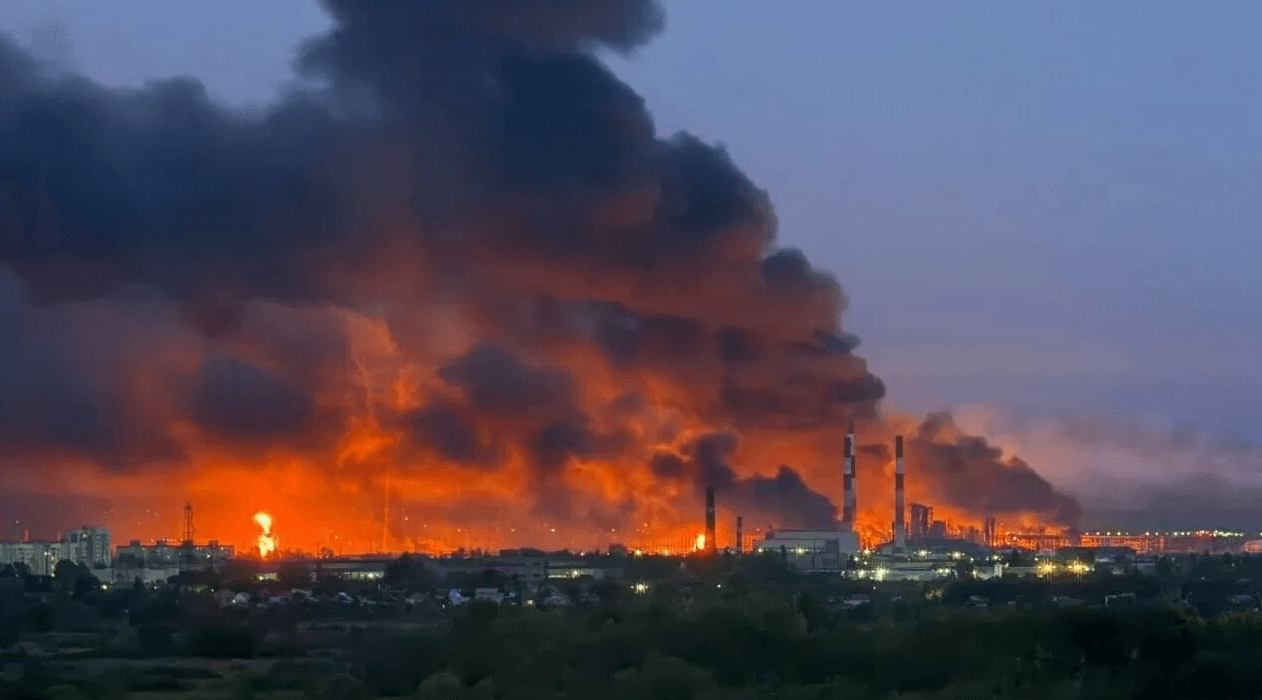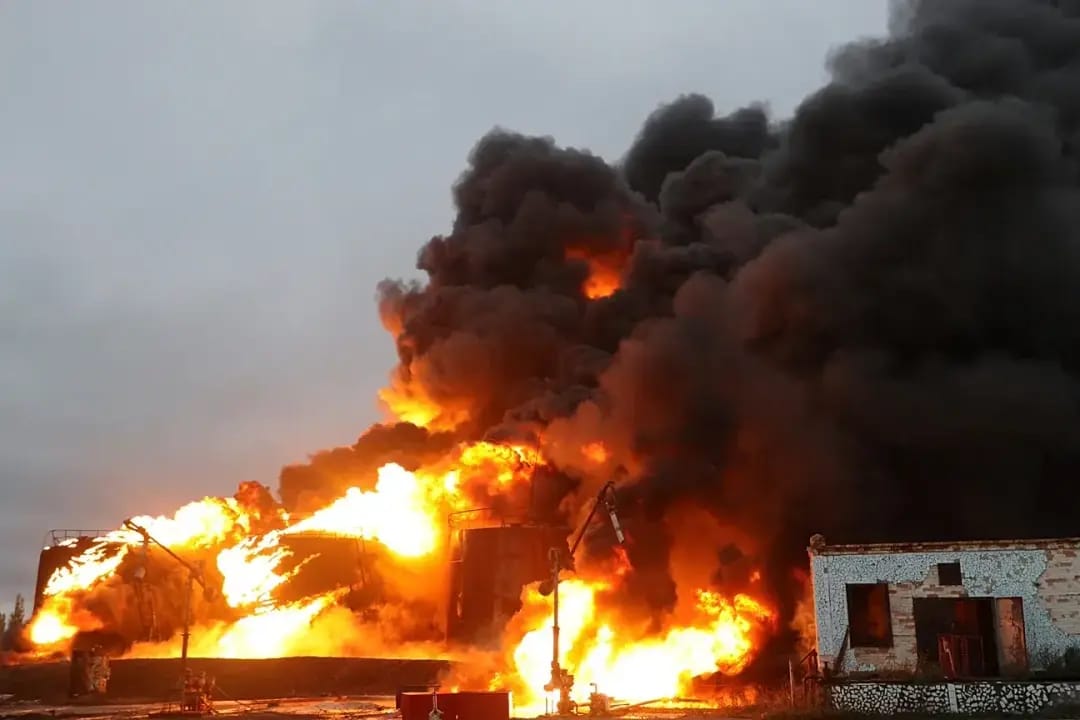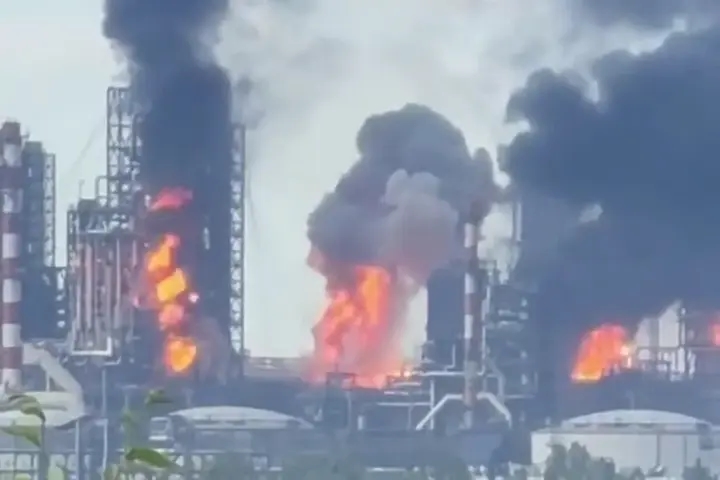
Unplanned shutdowns at Russian oil refineries caused by Ukrainian attacks had a “significant negative impact” on key sectors of the economy in May, according to Russia’s central bank. The resulting reduction in refinery capacity led to declines in oil production, wholesale trade, and freight turnover, according to the July issue of a regular bulletin on economic trends prepared by the Bank of Russia’s Research and Forecasting Department.
The drop in refining led not only to lower output of petroleum products, but also to a decline in oil production. Refineries began taking in less crude, and it was impossible to quickly redirect the freed-up volumes for export, the bulletin’s authors said. As a result, oil companies had to cut production in line with reduced refinery utilization.
Refinery outages also hurt freight turnover. The volume of oil and petroleum products that needed to be transported between fields, refineries, oil depotsб and consumers fell. The bulletin does not give a separate estimate for the decline in freight turnover caused by refinery shutdowns, but it identifies transport as one of the sectors affected by the drop in refining.
Wholesale trade also declined. That sector moves petroleum products from producers to oil depots, gas station chainsб and other consumers. In effect, refinery shutdowns caused by Ukrainian attacks affected the entire refining-linked chain, from crude production and transportation to the distribution of finished fuel.
Excluding oil production, refining, wholesale tradeб and freight turnover, output in Russia’s core sectors in April and May was on average 0.6% higher than in the first quarter, adjusted for seasonality. That means sectors linked to refining noticeably worsened the overall economic picture. The bulletin’s authors describe the situation as a “negative supply shock” and warn that, under such constraints, actual GDP growth rates should be interpreted with extreme caution.
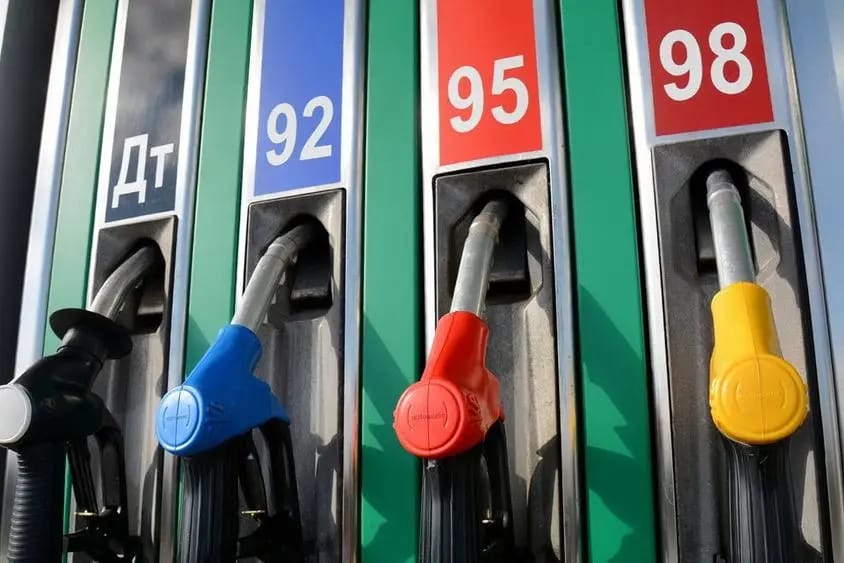
The refinery outages also affected inflation. The drop in petroleum product output coincided with a seasonal rise in demand. As a result, motor fuel prices rose 6.5% in June and added about 0.3 percentage points to overall price growth. The bulletin notes that higher fuel prices have a significant effect on inflation, as companies pass higher transport and production costs on to consumers by raising the prices of other goods and services. According to the bulletin’s authors, the duration of that effect will depend on how long restrictions on the fuel market persist.
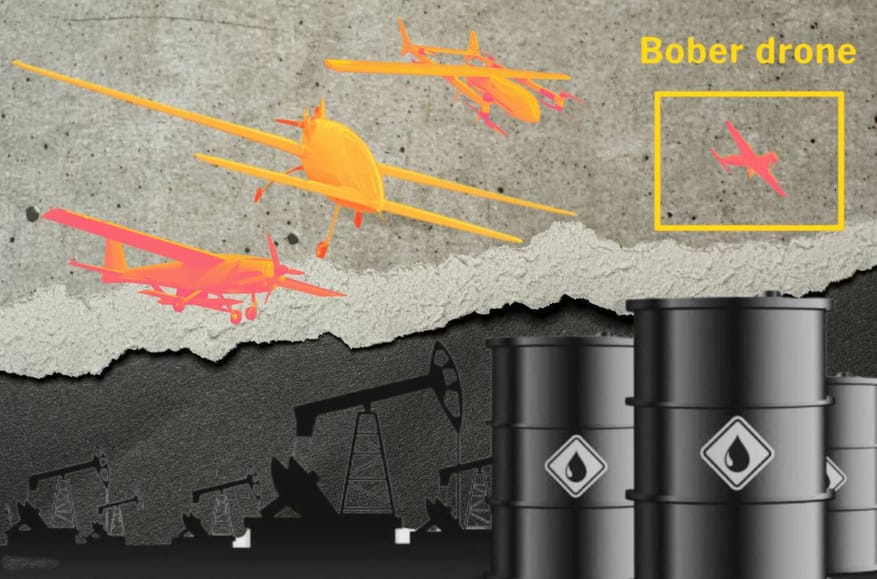
By July 5, Ukrainian drones had successfully attacked Russian refineries at least 194 times since the start of the year, 11 times more often than in the same period of 2025, the Financial Times reported, citing data from Rochan Consulting. In May alone, analysts confirmed a monthly record of 16 hits on oil refining facilities.
According to Reuters, after several of Russia’s largest plants were shut down, gasoline production fell to a level that would cover only about 65% of demand. At the height of the summer season, the country has experienced shortages running to between 40,000 and 45,000 metric tons of gasoline a day. On July 10, Deputy Prime Minister Alexander Novak directly acknowledged for the first time that the shortage emerged because refineries were “partly going out of service for repairs because of incoming strikes.”
By the end of June, fuel shortages, supply disruptions, or sales restrictions had been recorded in 88 of the 89 regions under Russian control, according to The Insider’s count. In June, gasoline prices rose by 6.9% while diesel prices rose 7.1%. From July 7 to 13, prices increased by another 2.3% and 3.2%, respectively.