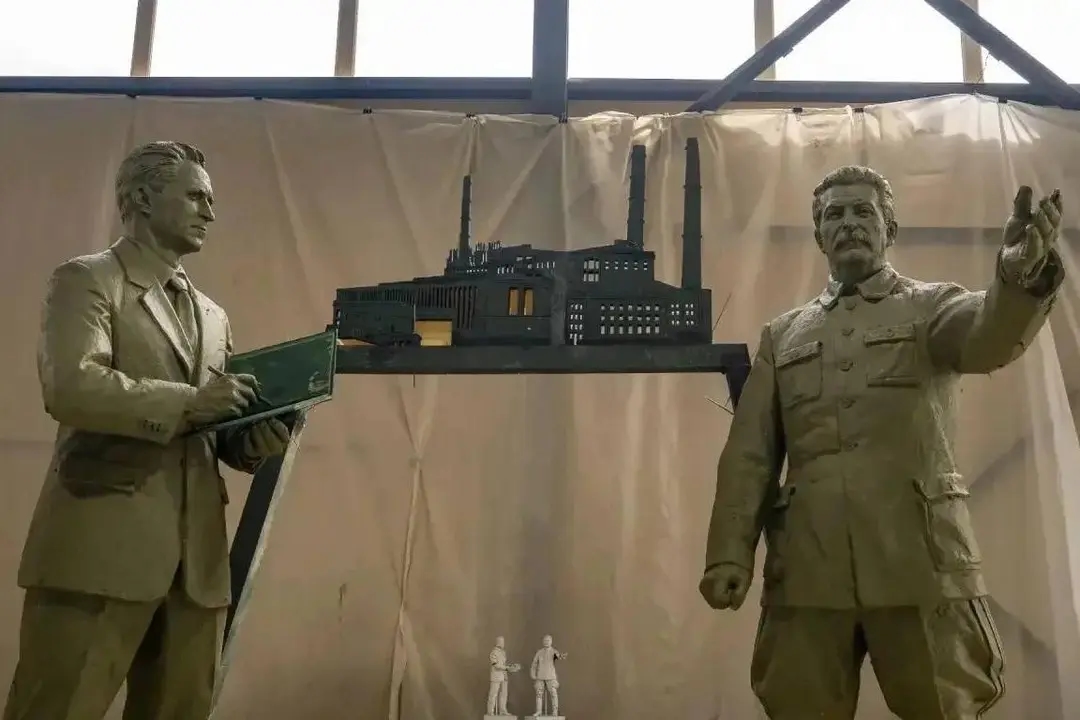
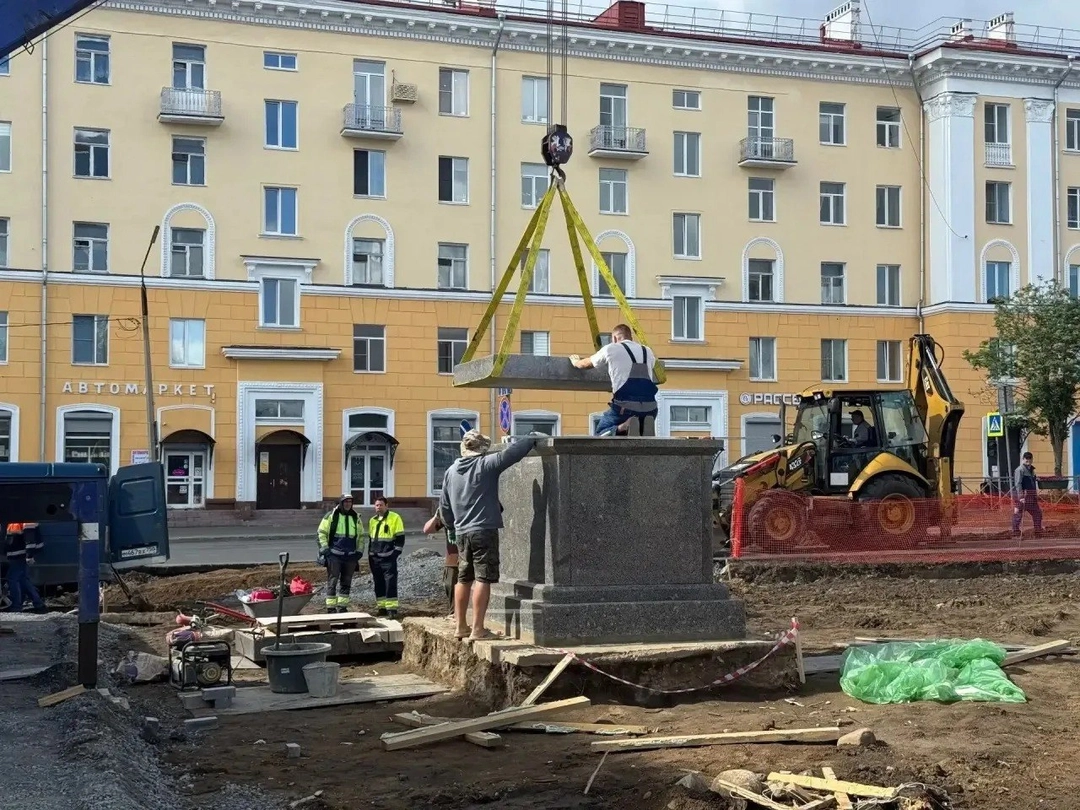
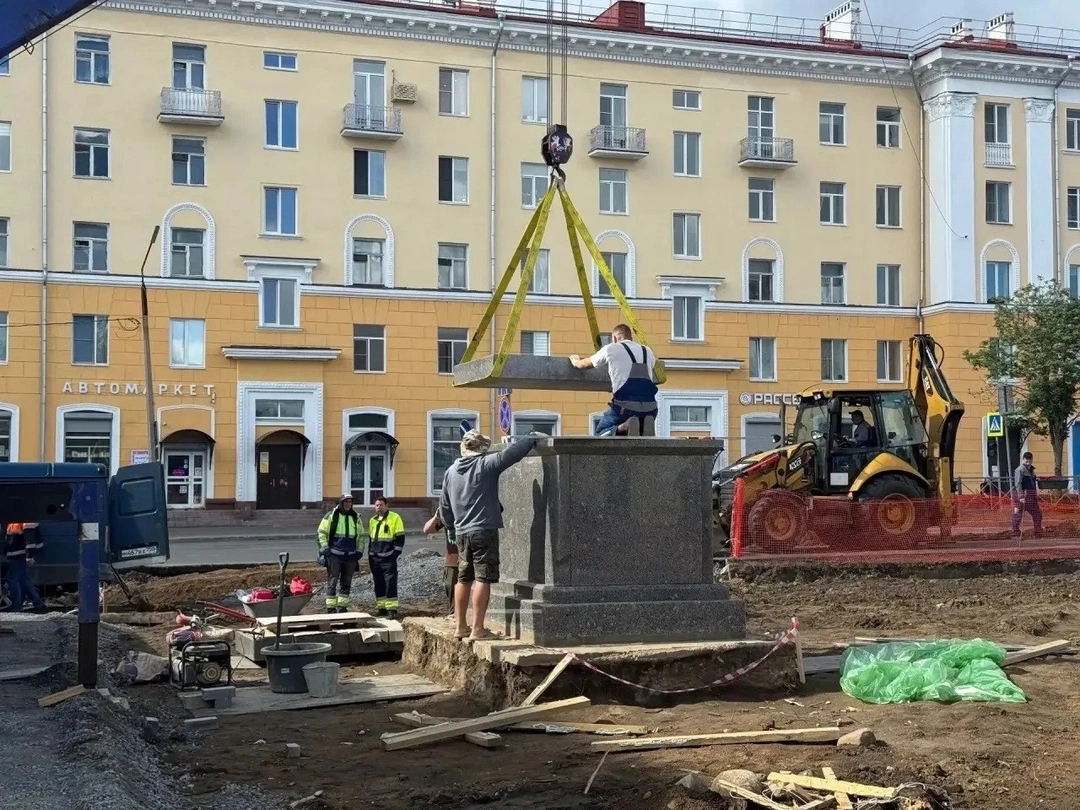
Authorities in the northern Russian city of Cherepovets have begun installing a joint monument to Soviet dictator Joseph Stalin and Ivan Bardin, a metallurgist and vice president of the Soviet Academy of Sciences. The Vologda regional government announced on the Russian messaging app Max that the pedestal has already been installed. The monument is scheduled to open for Metallurgist’s Day, which this year falls on July 19.
“We prepared the foundation, poured the pedestal, and overlaid it with granite. The sculptural group depicting Joseph Stalin and Ivan Bardin is being created by architect Ilya Korotchenko, who won the design competition. We will pay tribute to the people thanks to whom a metallurgical plant appeared in Cherepovets,” governor Georgy Filimonov said.
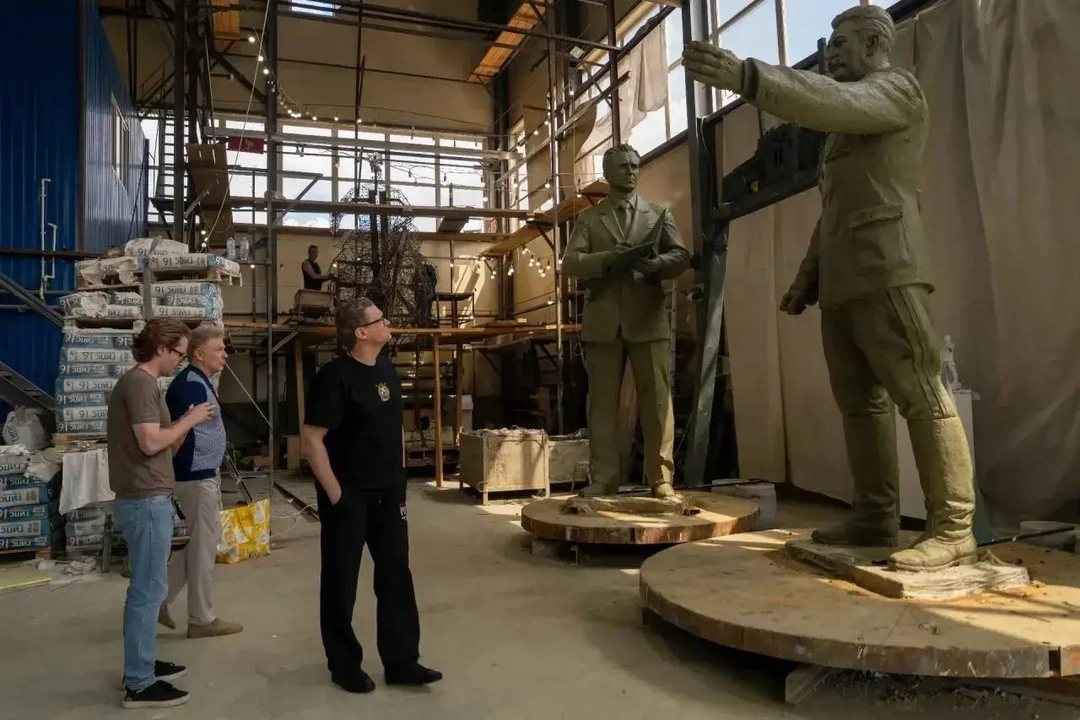
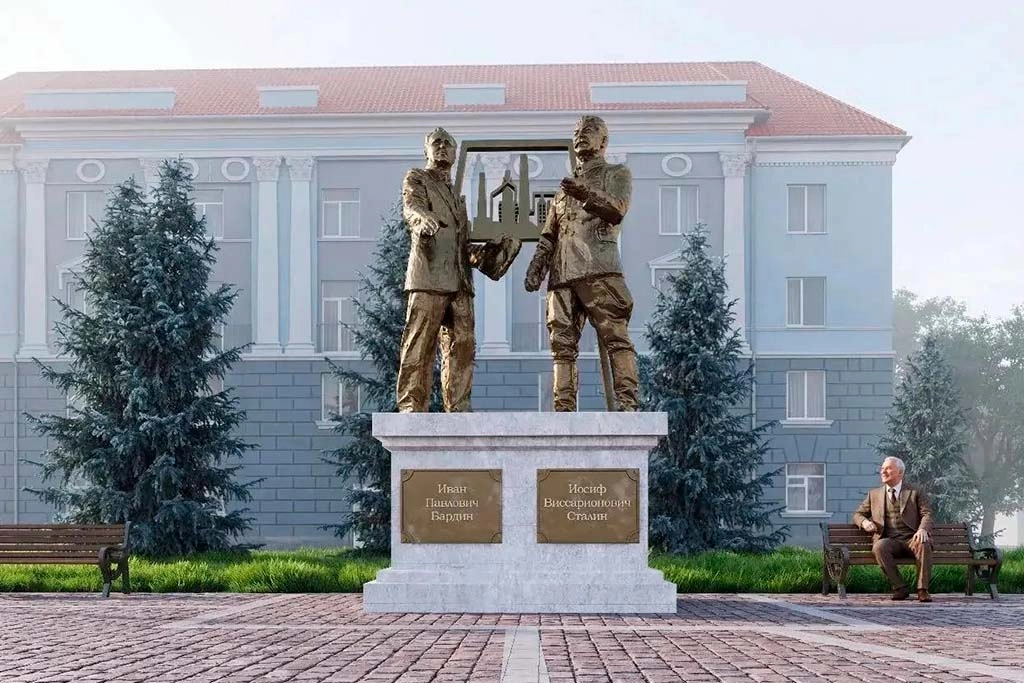
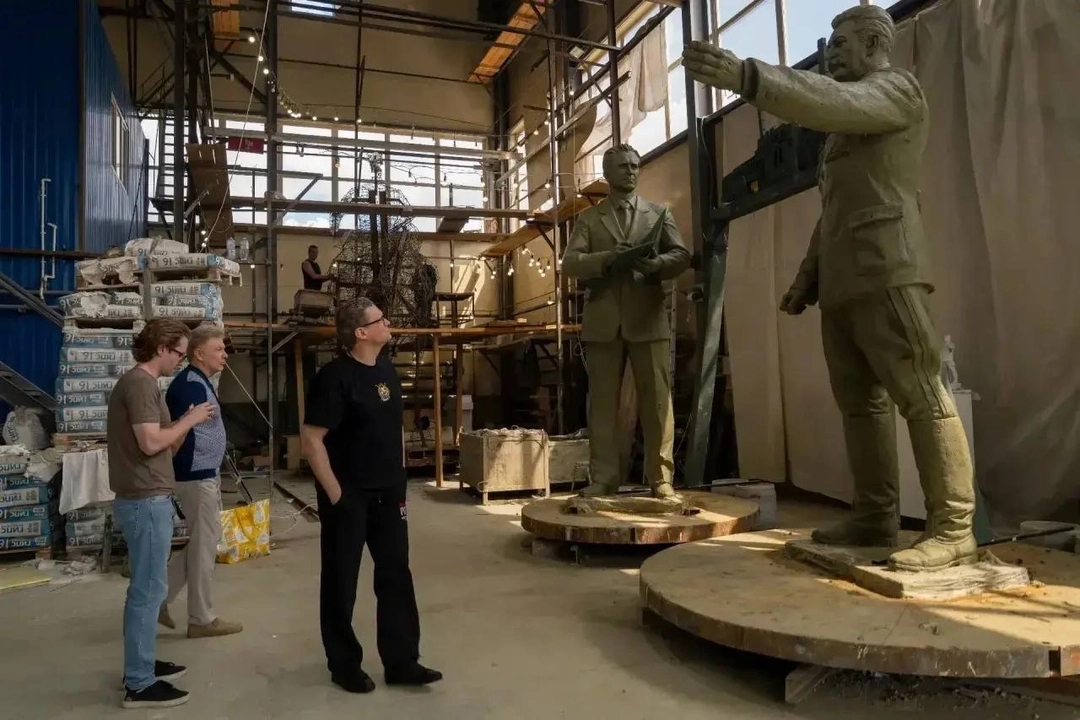
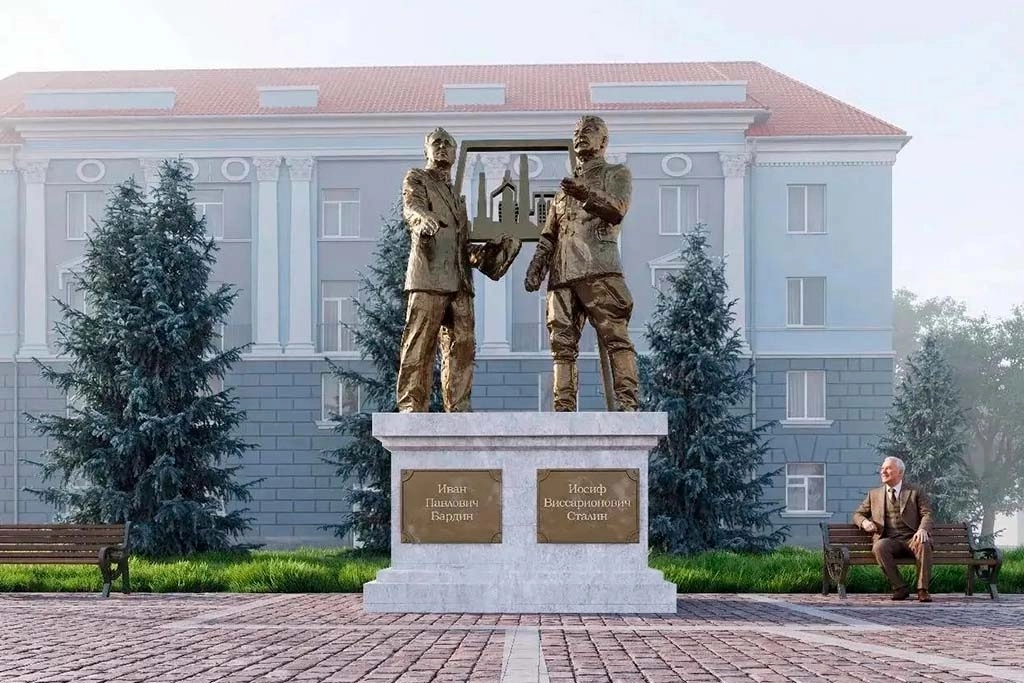
The monument was designed by sculptor Ilya Korotchenko. Filimonov previously said he personally monitored its creation and discussed details with the sculptor.
“Joseph Vissarionovich Stalin and Ivan Pavlovich Bardin played a special role in Cherepovets’ development into one of the country’s largest metallurgical centers. In 1940, a decision was made to create a metallurgical base in the northwest of the Soviet Union, and the project became possible thanks to the work of academician Bardin. The monument will be a symbol of respect for the city’s history, its industrial strength, and the people who stood at the origins of its development,” Filimonov said.
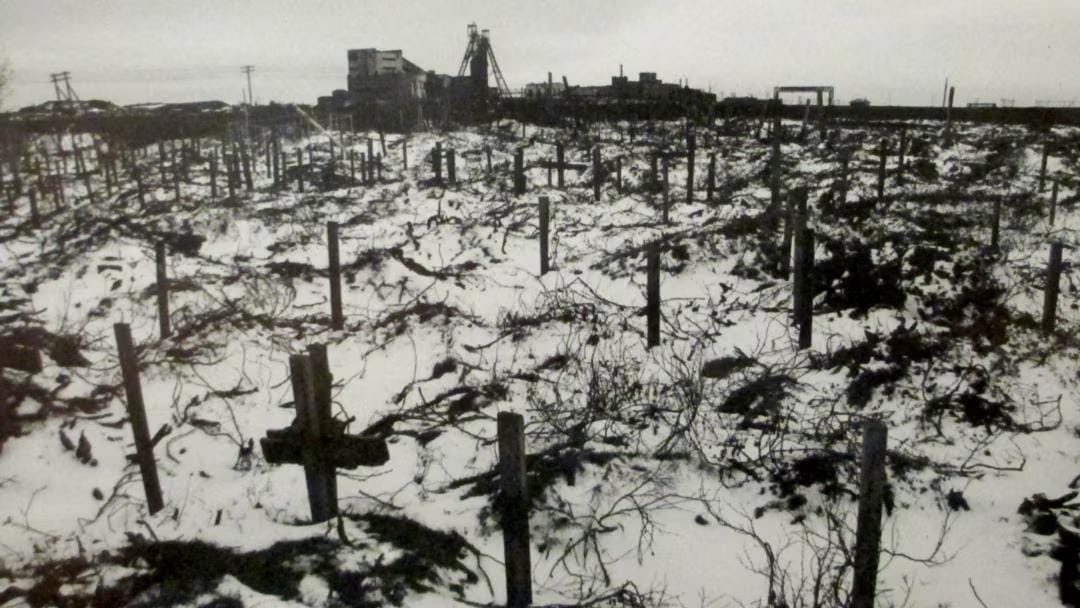
The Vologda outlet 35MEDIA, meanwhile, noted that Bardin had adopted the children of colleagues who were repressed under Stalin’s rule, which saw millions of people imprisoned, deported, or executed. According to official data, 3.8 million people were convicted in cases handled by the OGPU, NKVD, and MVD — successive Soviet security and internal affairs agencies — from 1930 to 1953, while 800,000 people were executed from 1923 to 1953. Historians say those figures are several times lower than the real toll.
The database of victims of Soviet political repression compiled by the Russian human rights organization Memorial contains nearly 4 million names; however, the group has estimated that this represents no more than a quarter of those who formally qualify as victims under Russia’s rehabilitation law.
“We suggest that Cherepovets tour guides carefully study the biography of the outstanding Soviet metallurgist before the opening of the monument to Stalin and Bardin,” 35MEDIA wrote. “After all, they will have to answer uncomfortable questions from city visitors about Bardin, who adopted 11 children of his repressed colleagues.”
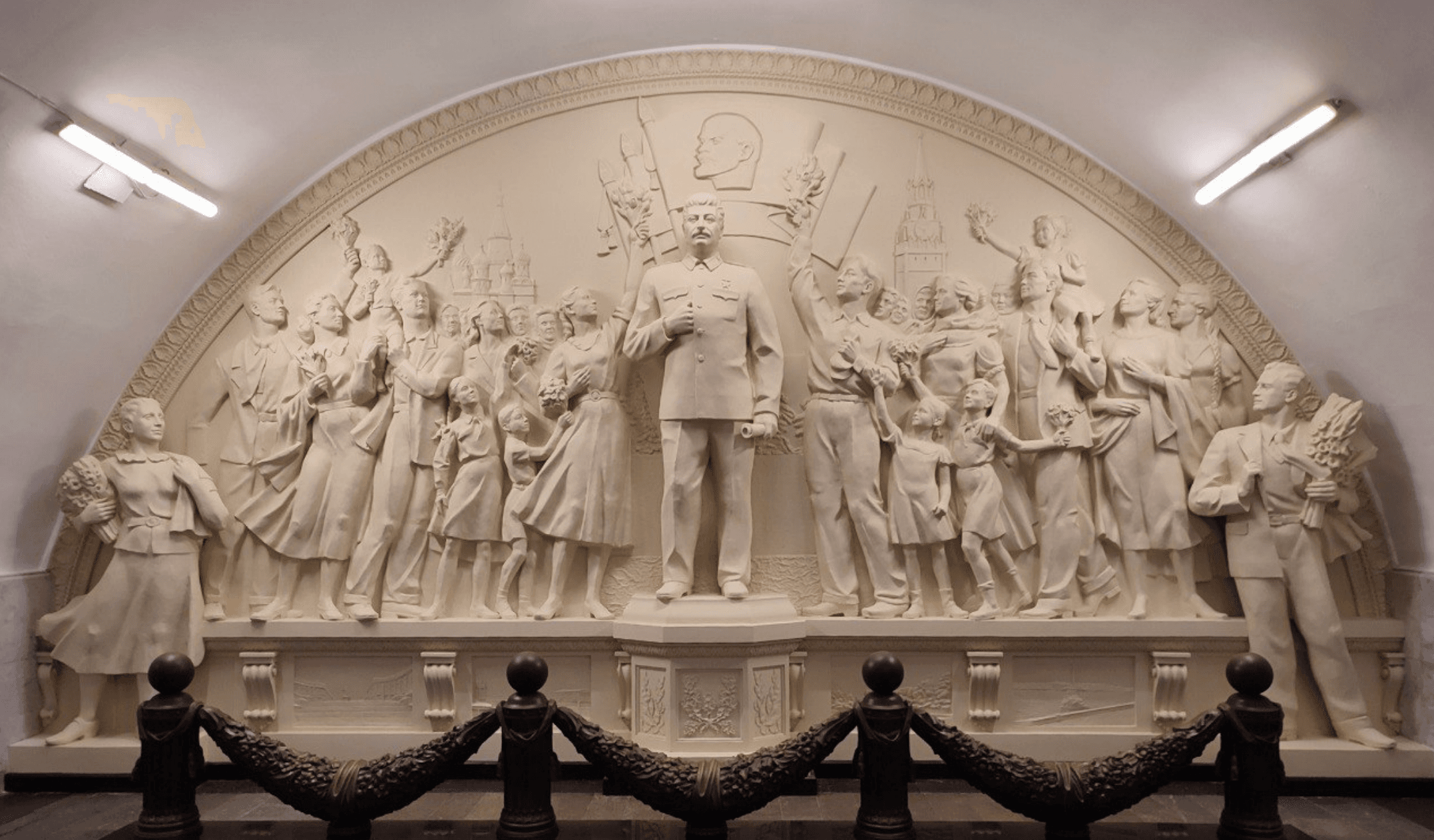
Since the start of Vladimir Putin’s full-scale invasion of Ukraine, Russia has seen a growing revival of Stalin monuments and imagery. In late 2024, a monument to Stalin was unveiled in Vologda, the capital of the region where Cherepovets is located. Judging by governor Filimonov’s social media posts, he brings foreign delegations to lay flowers at the sculpture. A Stalin monument removed during de-Stalinization was also recreated at Moscow’s Taganskaya metro station in 2025.
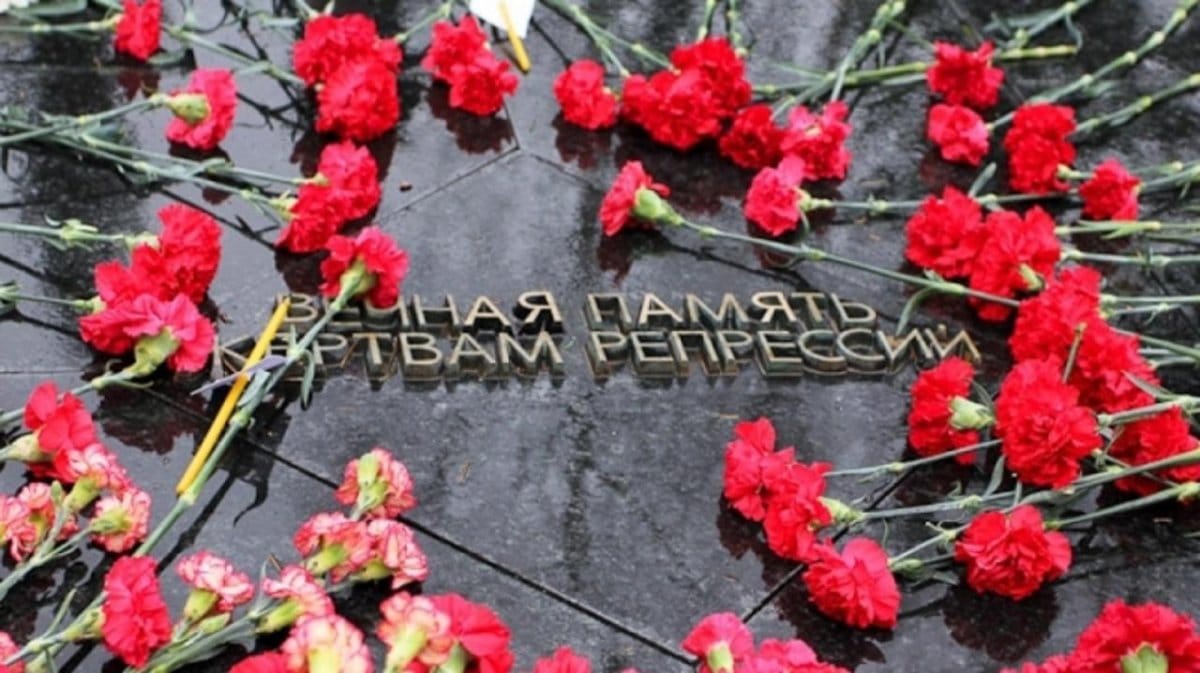
Radio Free Europe/Radio Liberty has reported that Russia only had a handful of Stalin monuments when Putin came to power, but it now has well over 100. At the same time, memorials to victims of Stalinist repression have come under pressure or been removed, including a monument in the Siberian city of Tomsk — its dismantling drew protests from several European states this past April.
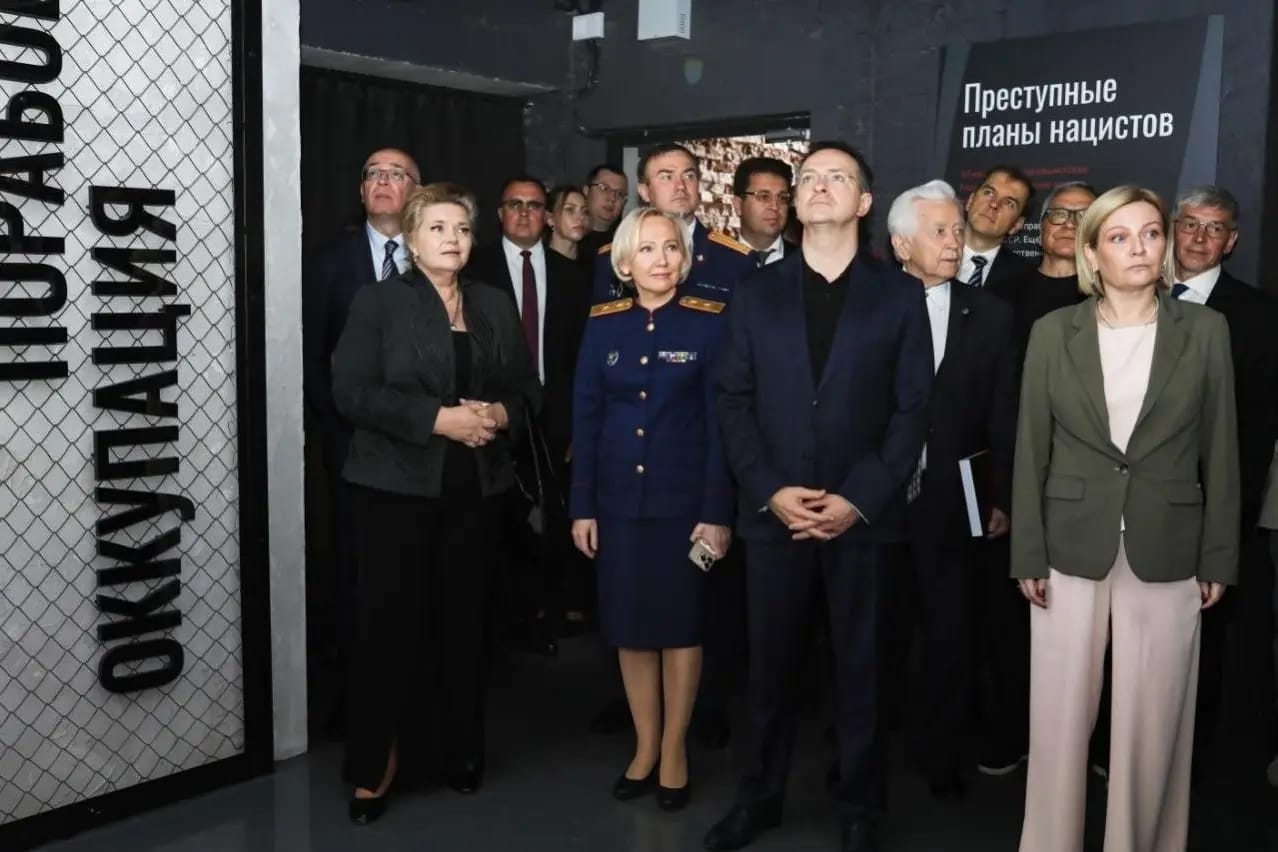
The GULAG History Museum in Moscow, Russia’s only state-run museum dedicated to documenting Soviet repression, was shut down in 2024 over alleged fire safety violations. Its main exposition was later dismantled, and the museum recently reopened under a new name and theme: the “Museum of Memory of the Victims of the Genocide of the Soviet People.” It focuses on Nazi crimes committed in occupied Soviet territories during World War II, including punitive operations, the siege of Leningrad, and the destruction of cultural heritage. Staff were told the museum planned to draw parallels between World War II and Russia’s ongoing war against Ukraine.