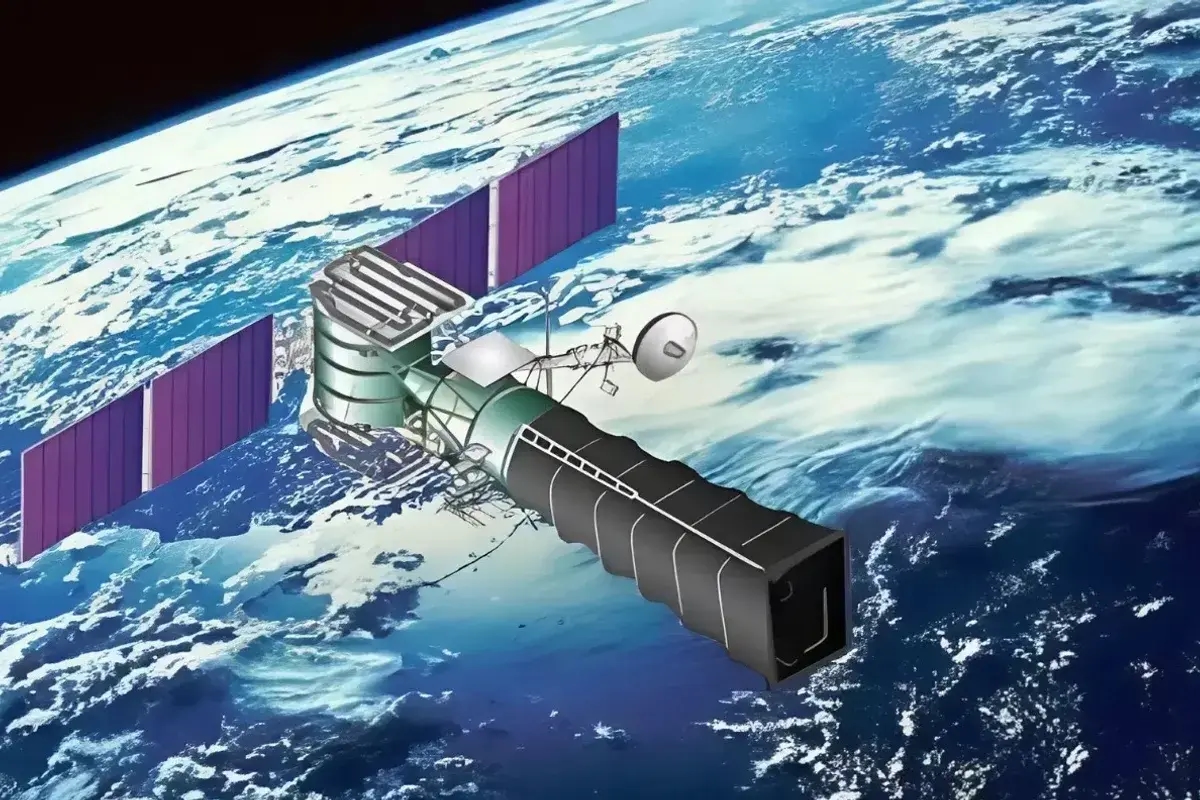
Russian Tundra-series satellites belonging to the EKS system are causing brief GPS signal disruptions across Europe, according to the findings of a recent study by scientists at the University of Texas and Spanish technology company GMV, as reported by The New York Times. According to the newspaper, senior U.S. Air Force officers were also notified of the interference.
Researchers have recorded at least 75 incidents since 2019 across a territory ranging from Iceland to Italy. In three cases, the scientists reliably identified Russian military satellites designed to give early warning of missile launches as the source of the interference. In the remaining cases, the collected data was insufficient for a definitive attribution, but the signal type was identical across all incidents. Each disruption lasted less than ten seconds and did not lead to serious consequences, as most devices normally switch to a backup signal or the last known location. Nevertheless, the interference has affected the GPS systems of the United States, China, and the European Union, while Russia’s GLONASS is unaffected.
The three satellites that the researchers identified as sources of interference belong to the EKS constellation — Russia’s early-warning system for missile launches and nuclear explosions. The first incident was recorded in October 2019, exactly one month after the launch of the first active satellite in this series.
Researchers and retired military officials warn that the very existence of such a threat ought to fundamentally change the assessment of critical infrastructure vulnerability. Dana Goward, head of the Resilient Navigation Foundation, noted that GPS is a critical tool that is used for synchronizing power grids and cellular towers in addition to its utility in consumer applications.
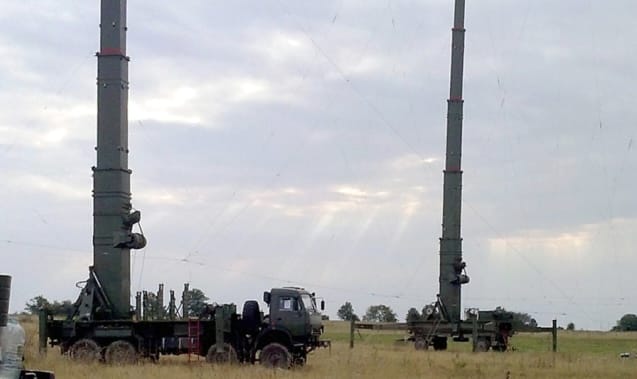
Satellite jamming is not the only threat vector. As study co-author Todd Humphreys, director of the Radionavigation Laboratory at the University of Texas, told The Insider, the scale of GPS interference depends significantly on its carrier. For a source installed on an aircraft, the effective range can reach 450 kilometers, while ground-based sources can affect a radius of no more than 50 kilometers. According to Humphreys, Russia can change its strategy from month to month, targeting individual aircraft with precision before switching over to block entire sectors of airspace or create broadband interference. Attributing the source is technically possible to within approximately 100 meters and is generally carried out from space.
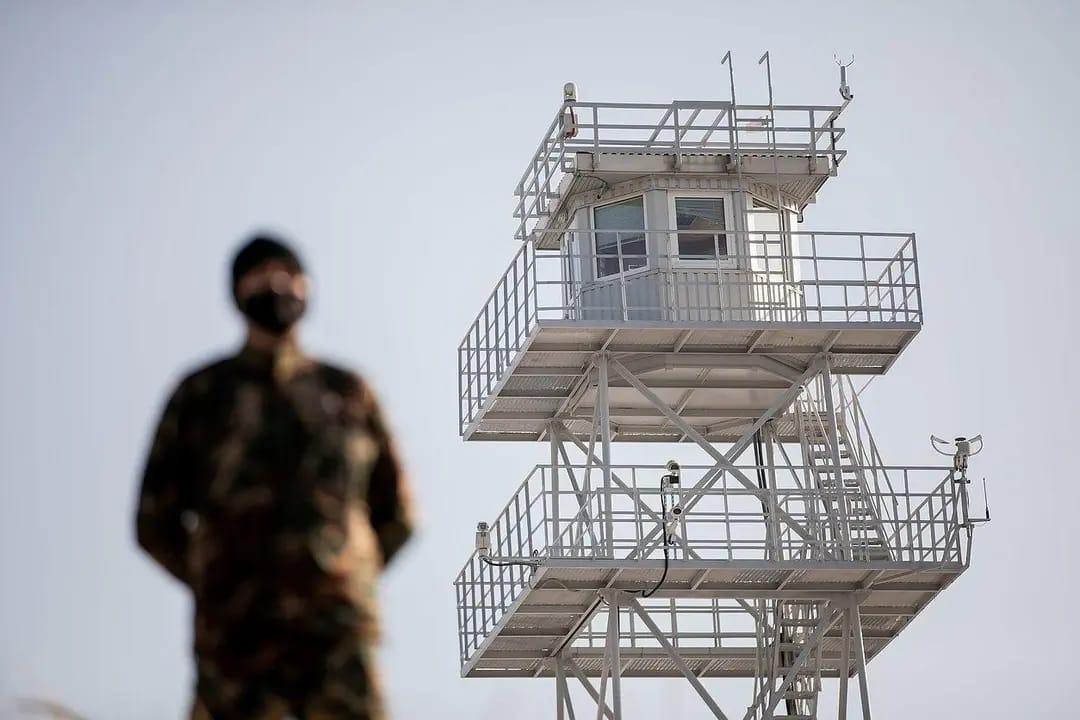
Lithuania's telecommunications regulator previously recorded an increase from three spoofing antennas along the border of Kaliningrad Oblast to 36. It warns that Russia is now capable of falsifying GPS signals up to 450 kilometers deep into European territory.