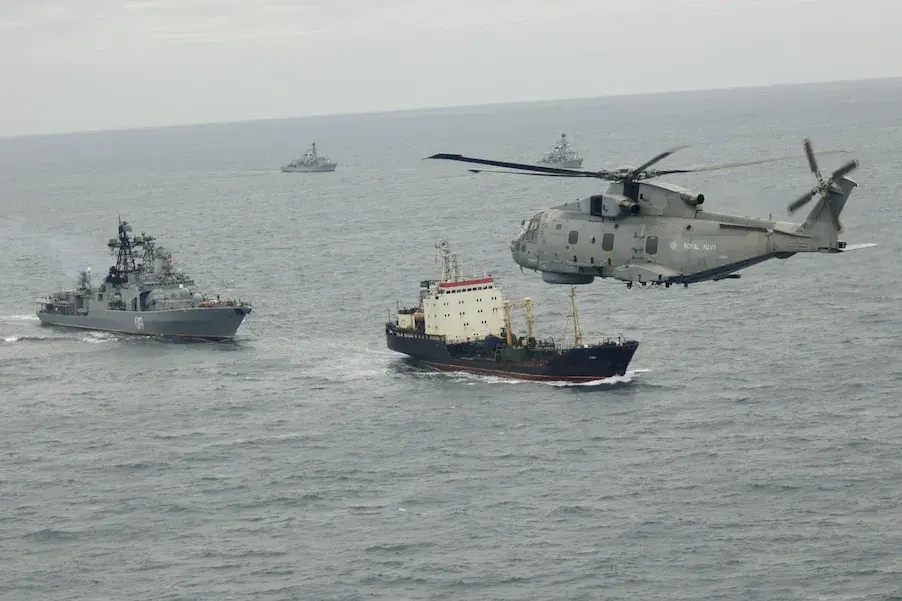
British authorities did not detain sanctioned tankers from Russia’s so-called “shadow fleet” as they recently transited the English Channel out of concern that doing so could violate international law, according to a report by The Telegraph. Prime Minister Keir Starmer had earlier announced that vessels listed under British sanctions in UK territorial waters would be detained.
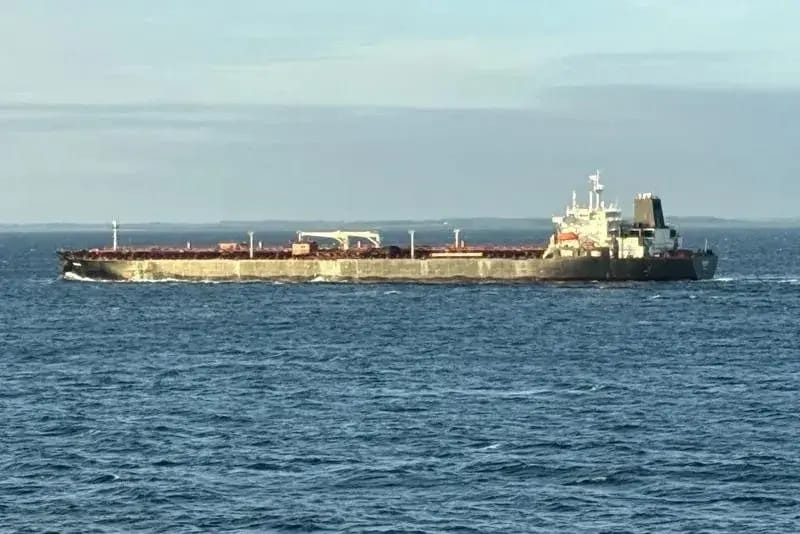
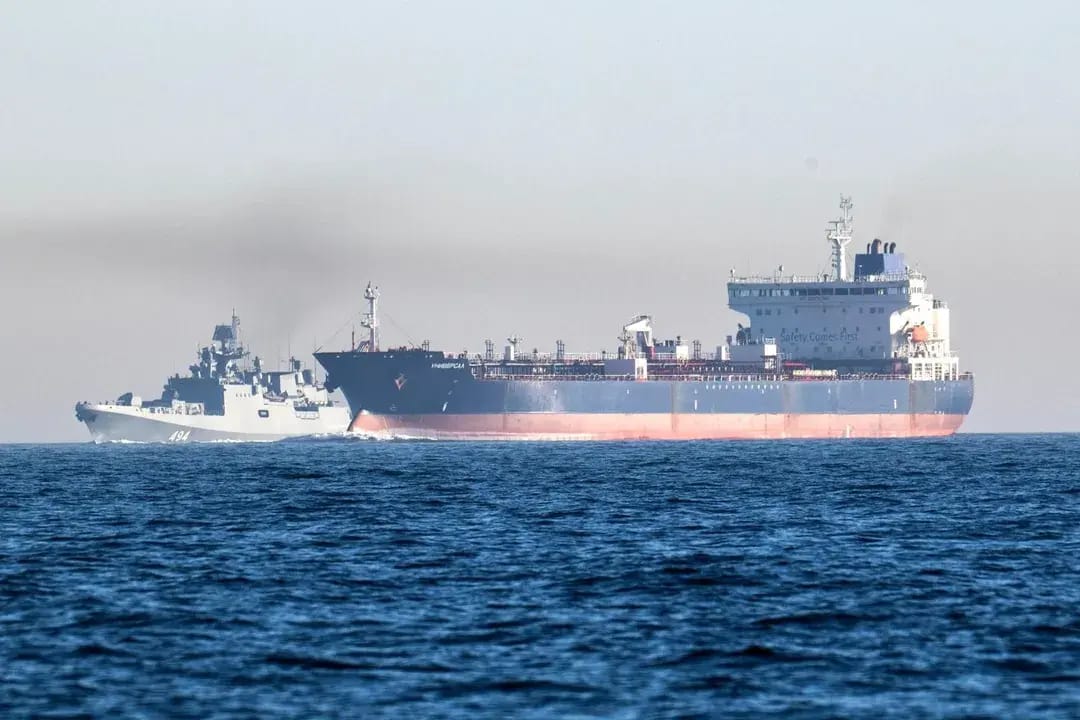
According to the newspaper, Richard Hermer, the Attorney General for England and Wales, had clarified that special forces personnel and officers from the National Crime Agency could board such vessels. However, this did not lead to action when two tankers listed under UK sanctions — Universal (IMO: 9384306) and Enigma (IMO: 9333412) — passed through the English Channel on April 8, escorted by the Russian Black Sea Fleet frigate Admiral Grigorovich.
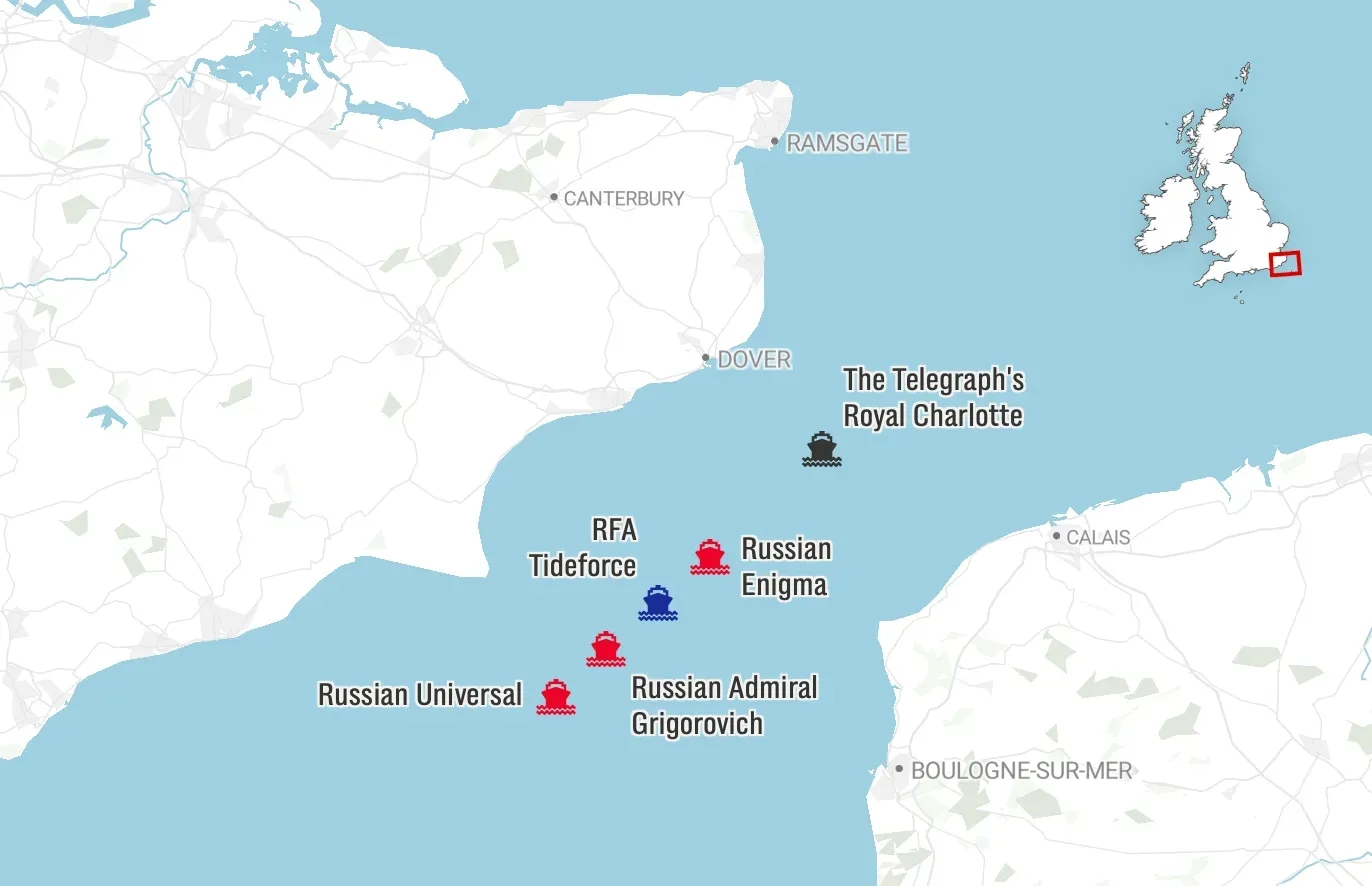
British authorities chose not to stop the vessels due to concerns about breaching international law, which imposes strict legal requirements on states seeking to board foreign ships. In the event of a boarding, officials would later be required to present a legally sound justification for each interception and prove that the vessel had indeed violated UK sanctions.
These legal constraints undermined Starmer’s pledge, made two weeks earlier, to crack down on the “shadow fleet.” At the time, he authorized British military and law enforcement personnel to detain sanctioned vessels located in the country’s territorial waters. The government had hoped that the announcement would force operators to reroute sanctioned vessels along longer and less profitable paths.
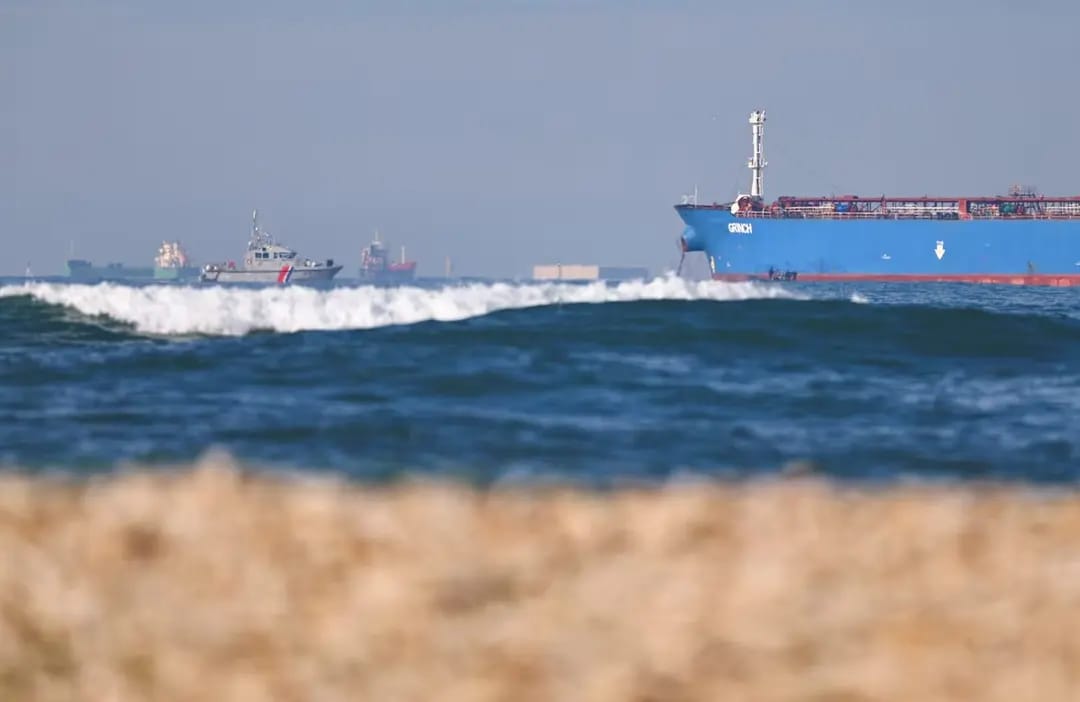
Tankers have indeed increasingly opted for routes that avoid UK waters, with some entering the Atlantic Ocean by sailing around Ireland. In early April, an unprecedented number of these vessels was observed off Ireland’s west coast.
Since January, more than 300 vessels linked to Russia’s “shadow fleet” have passed through UK territorial waters, according to The Telegraph. Experts cited by the newspaper also noted that seizing such a large number of tankers would require significant resources, and British ports have a limited number of berths capable of accommodating vessels of that size.