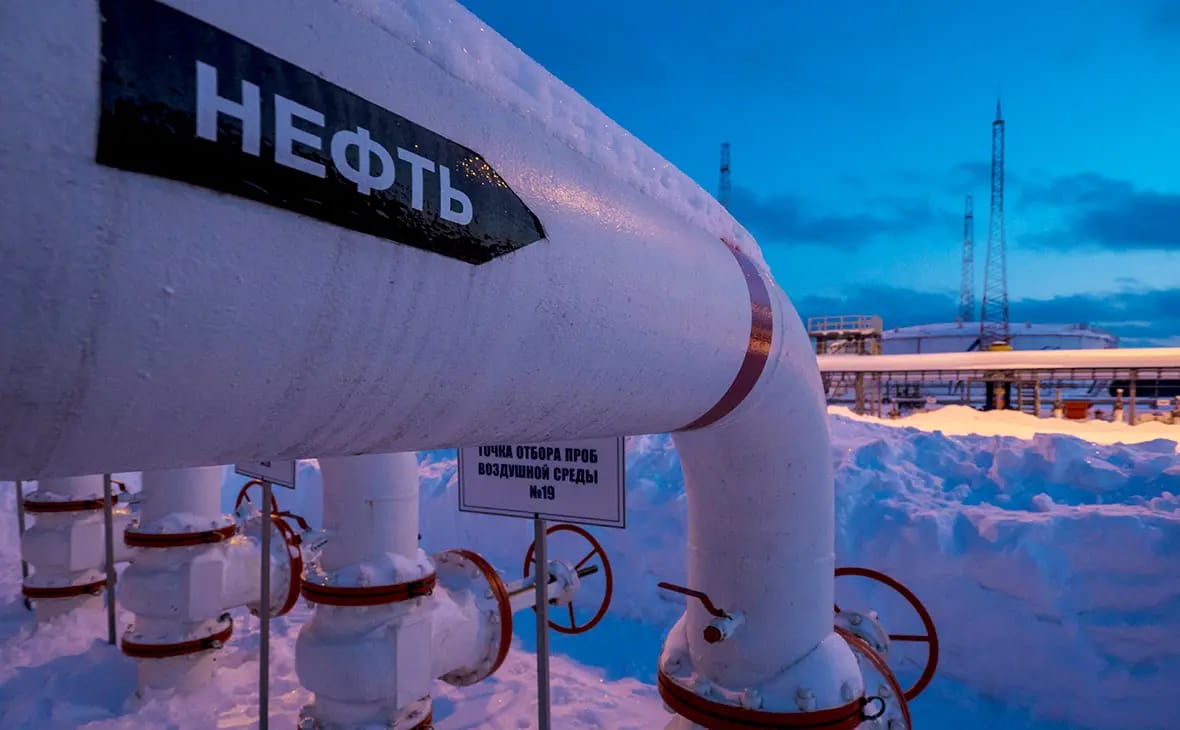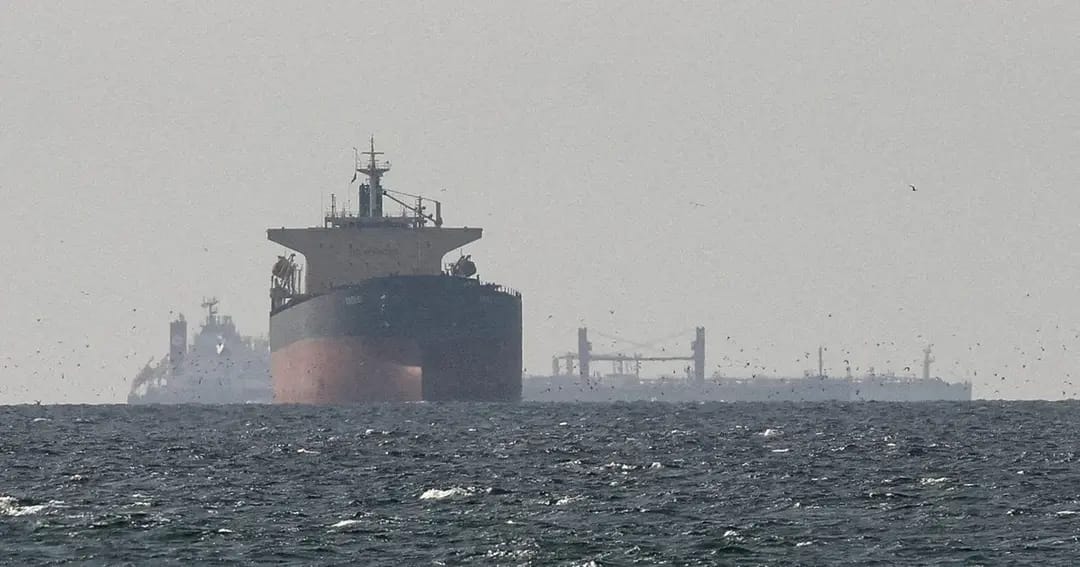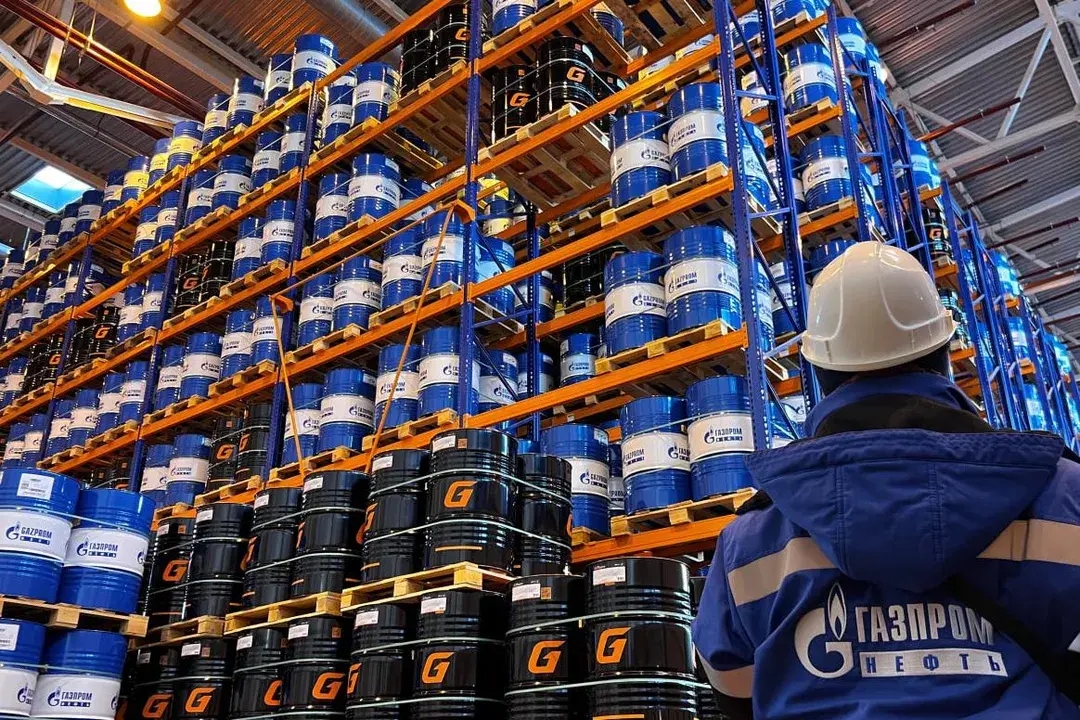
Before the downturn in global oil prices on April 7, the cost of Russian Urals crude had reached its highest level in 13 years, according to a Bloomberg report citing data from Argus Media. The spike came amid the U.S.-Israeli war against Iran, which has caused energy shortages due to supply disruptions through the Strait of Hormuz, a critical chokepoint that had seen roughly 20% of the world’s supply pass through it every day.
According to the agency, the price of Urals crude loaded at the Baltic port of Primorsk reached $116.05 a barrel on April 2. That price, which does not include transportation costs, is nearly twice as high as the average price of $59 a barrel that is built into Russia’s state budget for this year.
Prices for cargoes loaded at Primorsk are the highest for the crude since 2013, when it traded at $113 to $115 a barrel.
The price for oil loaded at the Black Sea port of Novorossiysk was slightly lower, at $114.45 a barrel.
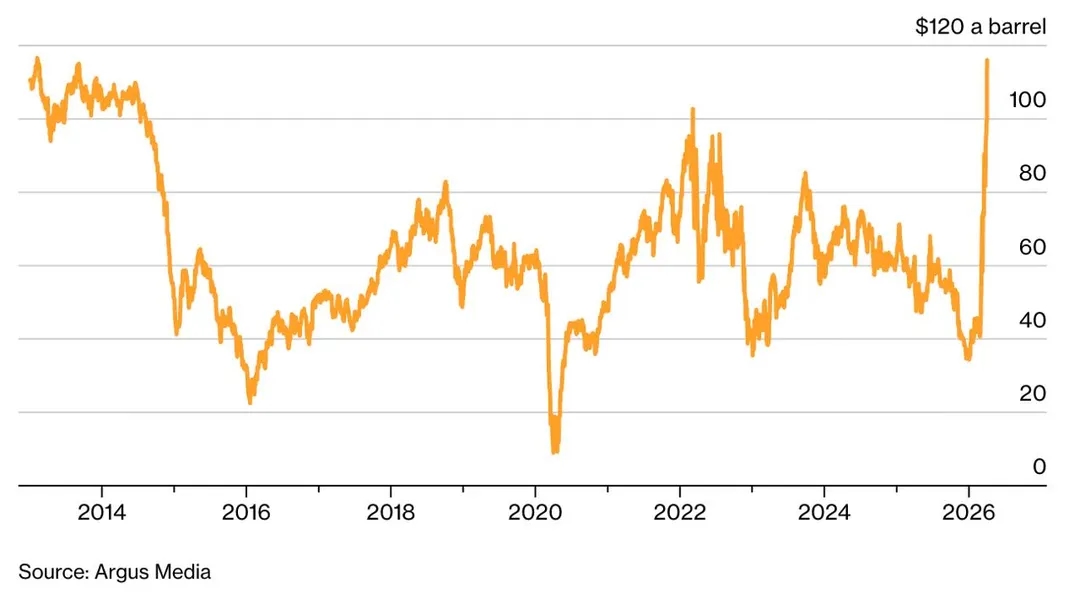
In February, before the start of the joint Israeli-U.S. operation against Iran, the average export price of Russian oil was $41.5 a barrel.
Amid the current energy shortage, the United States also temporarily lifted restrictions on deals involving Russian oil loaded onto ships before March 12. Economist Vladislav Inozemtsev recently told The Insider that Russia is “benefiting from this war in every respect." Meanwhile, Russian Deputy Prime Minister Alexander Novak said in late March that the country was selling oil and petroleum products at zero discount, or even at a premium due to stronger demand.
The price of Brent crude has also jumped above $100 a barrel, with futures trading above the $110 mark on Tuesday. In late March, Reuters reported that traders have been “piling into options betting Brent crude will surge to an all-time high of at least $150 a barrel by the end of April” amid the escalating conflict in the Middle East.
Economic observer Maksim Blant told The Insider that developments in the market can already be seen as the start of an energy crisis, and that its consequences could affect the entire global economy:
“There is a risk that global inflation will continue and that developing countries will run out of dollars to buy energy and service their foreign debt. That could lead to a crisis similar to the one in 1997-1998. The risk is growing of faster global inflation and a drop in industrial production — first in energy-intensive sectors, and then in the rest. There is a risk of a financial crisis because of a wave of sovereign and corporate defaults. Social and political upheavals are possible, along the lines of the Arab Spring, along with the rise of radicals to power, including in Europe. Ultimately, a deep global economic crisis will also crush demand for raw materials. In short, nothing good for anyone.”