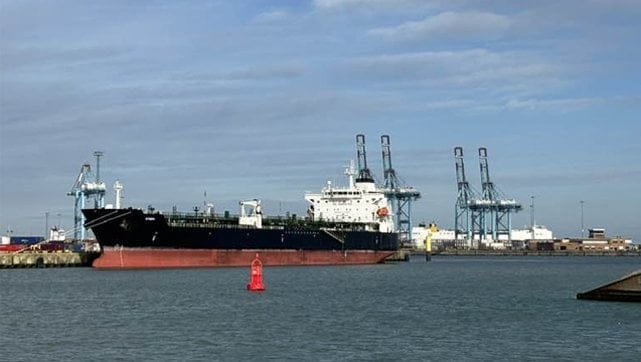
Two tankers carrying Russian oil that had been headed for East Asia recently changed course for India, according to a Bloombergreport. Tracking services show that the sanctioned Odune and Matari, carrying nearly 1.5 million barrels of Russian Urals crude between them, have already arrived at Indian ports. The sanctioned tanker Indri, which departed from Primorsk in late January, is also bound for India with 730,000 barrels of Russian oil on board, according to MarineTraffic data.
Bloomberg said the rerouting suggests New Delhi intends to continue buying oil from Moscow despite U.S. demands that it cut off cooperation. Urals crude had been popular with Indian refiners, but deliveries have dropped sharply this year. The White House has framed the push as being part of an effort to deprive Russia of oil revenue that funds its war in Ukraine.
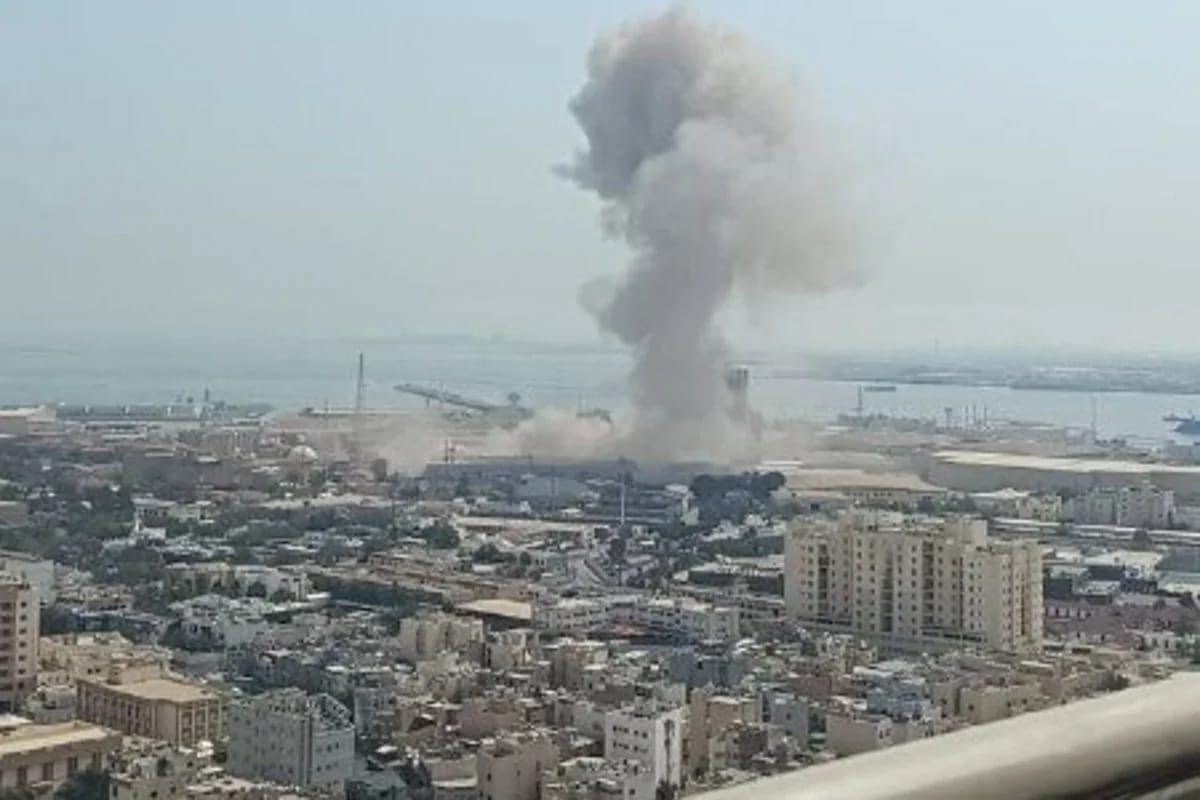
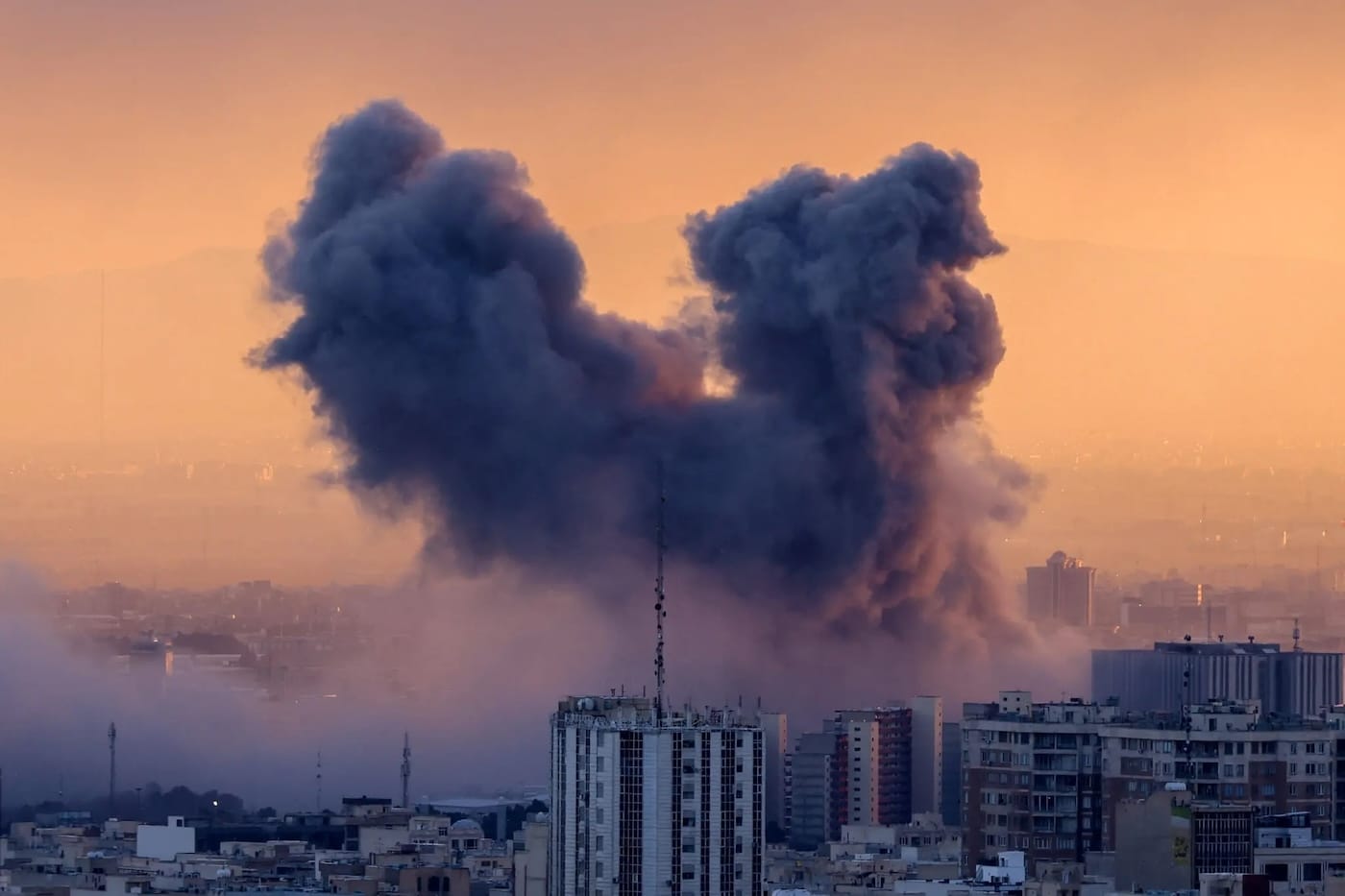
However, after U.S. and Israeli strikes on Iran, energy exports through the critical Strait of Hormuz has effectively stopped, and the disruption is already pushing up commodity prices. Along with Brent, Russia’s Urals has risen to $70 a barrel, above the $59-per-barrel oil price built into Russia’s 2026 federal budget.
Ruslan Suleymanov, a regional specialist interviewed by The Insider, said the current situation is comparable to the 1973 “oil shock,” which occurred as the result of a war between Israel and a coalition of Arab states.
“The situation is dangerous not only for the oil market, but also for gas. Look at liquefied natural gas from Qatar, which is supplied to Asian countries and to Europe. Right now Qatar’s LNG terminal is blocked. The same applies to oil. This forces key oil buyers to look for alternatives or to calculate such options if the conflict drags on and is not resolved in the coming weeks.
India and China are turning to Russia. But that is only in the moment, because Russia can now benefit from higher oil prices and from the fact that some countries may in the short term reorient toward Moscow. But in the long term, I think the losses for the Kremlin will be far more substantial.
First of all, reputational losses. Moscow is showing weakness and an inability to influence Trump, even though for years Russian officials have been shouting about the formation of a new world order, about the Global South emerging as a new center of power. But in practice it turns out that Putin cannot protect his partners, neither in Venezuela nor in Iran. That is a huge blow to the Kremlin’s image.
I can hardly imagine how at the next BRICS or Shanghai Cooperation Organization event Putin will be able to talk about the unity of the Global South. One way or another, the conflict cannot last long. It is absolutely senseless for all sides,” the expert said.
Economist Dmitry Nekrasov agreed that the consequences depend on how long the war lasts.
“If we are talking about a week, even two weeks, nothing terrible will happen and India will cope. We are probably in a situation where there is a lot of oil on the market, a lot of tankers floating somewhere, including Russian ones, at sea, and not yet unloaded. We are in a situation of surplus, and for a short period there will definitely be enough oil.
Russia, of course, benefits from this whole situation, but again it is a matter of time. If, for example, the war ends tomorrow, prices will very quickly, literally within a few days, return to levels close to those before the war. And the discounts will return to what they were before the war. The market is oversupplied. So the gain will be very limited.
If this situation lasts a long time, that will be a completely different story. And indeed the ability, conditionally speaking, to refuse Russian oil will sharply diminish. In that case, Russia’s gain will be even bigger. It is already bigger than just the net gain from higher oil prices, because in Russia’s case the size of discounts directly depends on the situation, whether there is a surplus of oil on the market or a deficit. There is no need to exaggerate how decisively India had refused Russian oil before. It did not refuse; in reality it did not seriously refuse anything. Volumes decreased and were redistributed to China. Now, probably, there will be a reverse process. But I also would not say something will change radically on this issue,” he said.
The government in Moscow, meanwhile, has not been hiding its optimism. “Always ready. Our oil is in demand. If they buy, we will sell,” commented Deputy Prime Minister Alexander Novak.