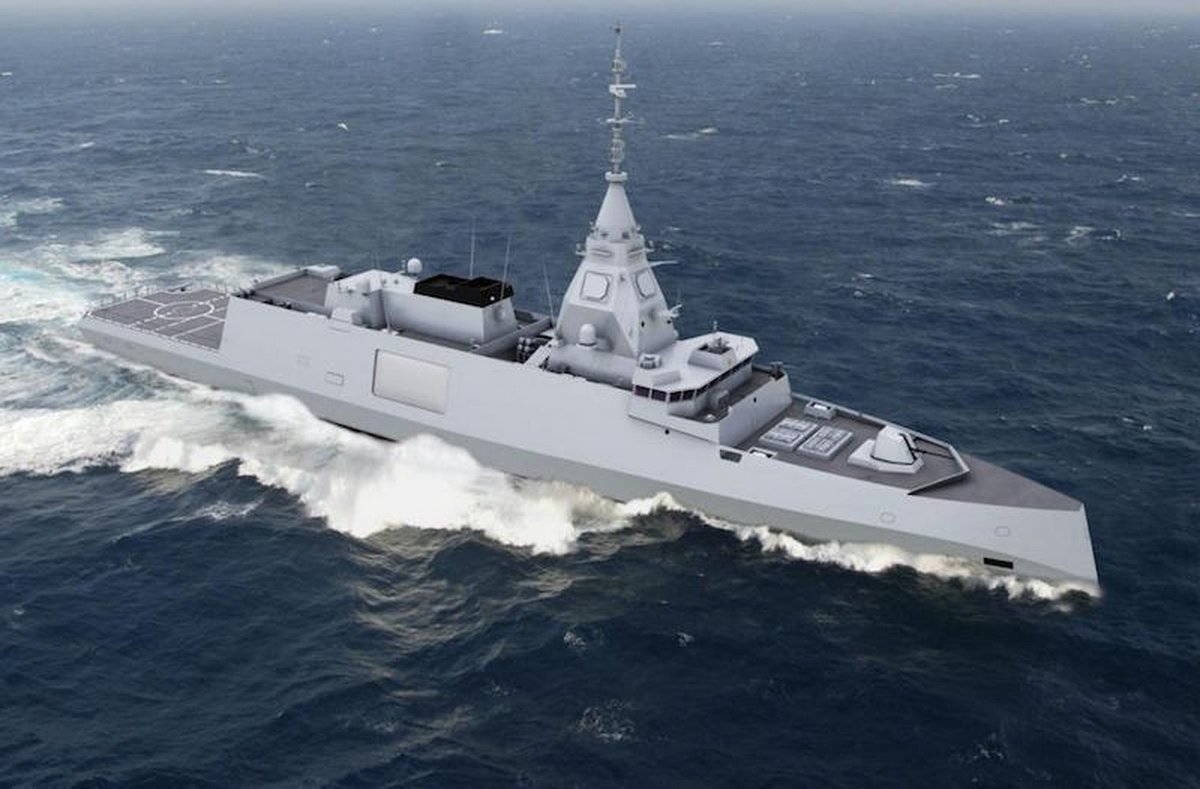
Greece and France are increasing their military presence in the eastern Mediterranean following a series of attacks by Iranian-made drones on RAF Akrotiri, the British air base on the island. Athens has deployed four F-16 fighter jets to Cyprus along with two frigates — one of them equipped with the Centauros electronic warfare system, which is designed to detect and jam low-flying drones. Greek Defense Minister Nikos Dendias said the country would “contribute in every possible way to the defense of the Republic of Cyprus,” announcing a visit to the island together with the chief of the general staff to coordinate with the Cypriot leadership.
Paris, for its part, intends to dispatch a frigate and systems for missile and counter-drone defense. According to the Cyprus News Agency, French President Emmanuel Macron personally informed Cypriot leader Nikos Christodoulides of the decision on the morning of Mar. 3, and an anonymous source in the Cypriot government confirmed the information to Reuters.
Israeli military expert David Sharp told The Insider that the frigates were deployed to protect against drones:
“The Iranians have attacked Cyprus with drones and missiles. Hezbollah could theoretically do the same if it completely lost its mind, and the range of its weapons would be sufficient. For Cyprus, this is a trauma, an event completely out of the ordinary. Now that it has happened, the country needs to defend itself against drones and fighter aircraft.
The frigates can indeed fend off drones once they are detected, although they will not be much use against ballistic missiles if Iran decides to strike Cyprus or the [British] air base. The UK has promised to respond to the attacks. There are rumors that they are already getting back at Iran unofficially, without public statements. Both sides are mindful of red lines, and neither is willing to declare war. But at some point it will become intolerable: these acts are highly humiliating and are causing clear damage — everyone can see it, everything ends up on video.”
Following the announcement from France, UK Prime Minister Keir Starmer said the destroyer HMS Dragon, now in the English Channel, will be sent to Cyprus along with two Wildcat helicopters equipped with counter-drone capabilities. The move comes after a phone call between Starmer and Cypriot President Nikos Christodoulides.
The move came hours after Paris pledged a similar deployment, though some experts told The Guardian it was surprising the UK had not moved sooner to reinforce its interests in the region. At a speed of about 30 knots, the destroyer would take roughly five to seven days to reach Cyprus from Portsmouth, but it was not immediately clear when the ship would depart or how quickly it could sail.
Germany has also “responded positively” to Nicosia’s request to send a warship, according to three officials cited by Euronews.