
Whether by coincidence or not, soon after 67-year-old Sergei Alpatov stepped down from his post as head of the FSB’s Economic Security Service “for health reasons,” his subordinate, General Alexander Kumanyaev, was taken into custody — as was Maxim Denisov, head of the FSB directorate in the Yaroslavl Region. Arrests of FSB generals at this level are extremely rare. Formally, both are accused of protecting major construction contractors, extortion, and using classified information for personal gain. But sources who spoke to The Insider believe corruption was only a pretext for the arrests of both men. The real reason, they say, was that Kumanyaev and Denisov “went after” a major construction company whose founders are tied to Alexei Dyumin, Vladimir Putin’s former bodyguard and one of his closest allies.
“He thought he had God by the beard”
The Insider found that for several years, FSB General Alexander Kumanyaev provided protection to the EKS group of companies, a contractor handling hundreds of billions of rubles in public funds. The security official shielded the company’s financial activities from inspections by various oversight bodies and put pressure on competitors.
For example, in 2019, the Moscow office of Russia’s Federal Antimonopoly Service found that EKS had entered into a cartel agreement with JSC Everest Financial Group, LLC EKS, and LLC Esterplast to coordinate participation in 428 auctions involving Mosvodokanal, Moscow’s water utility, and received 10 billion rubles ($117.5 million) through artificially inflated or reduced bids. LLC EKS and LLC Esterplast, which took part in the cartel scheme, created the appearance of competition. The case was registered as administrative proceeding No. 077/01/11-19037/2019.
Everest’s founder is listed as Denis Kulakov, a native of Kumanyaev’s home region of Saratov. In reality, he served as deputy CEO of the EKS group. The general’s wife, Oksana Kumanyaeva, worked as Everest’s accountant. Investigators allege that billions of rubles ended up in her secret bank accounts.
The case appeared headed toward criminal charges, but according to a source, Kumanyaev blocked the investigation. As a result, the companies escaped with relatively small fines and later increased their turnover many times over.
Everest, whose management cadres included Kumanyaev’s fellow Saratov native Kulakov and his wife Oksana, built 400 facilities for government departments including the Defense Ministry, Interior Ministry, Emergency Situations Ministry, and Moscow government, and supplied diesel fuel to the FSB. Another 250 contracts are currently being carried out. The company reported revenue of 10 billion rubles ($117.5 million) in 2025.
The owner of another company involved in the cartel, JSC GC EKS, is Alexei Vlasov, a reserve officer in Russia’s military intelligence agency, the GRU. Vlasov graduated from the Defense Ministry’s Military University and previously conducted espionage work in Portugal and Brazil. During the antitrust proceedings, company founders Vlasov and Kulakov insisted they did not know one another. However, telephone billing records obtained by The Insider indicate otherwise: the two spoke both before and after the auctions.
GC EKS, which Kumanyaev was protecting, had previously repaired boiler houses in Moscow and later worked on construction projects in Smolensk. It registered in Yaroslavl in 2017 at a time when the region was headed by Dmitry Mironov, a former Putin bodyguard. Its sole founder was Maxim Krylov, another graduate of the Defense Ministry’s Military University. Krylov later receded from public view after a series of scandals, but he nevertheless still controls the company. In 2014, Putin awarded Krylov the Medal of the Order “For Merit to the Fatherland,” Second Class, and in 2015 presented him with the Order of Alexander Nevsky.
In 2018, the owners of GC EKS were also caught on camera during a Moscow traffic police operation targeting drivers who were illegally using government emergency vehicles as VIP taxis — Krylov and Vlasov were found inside an Emergency Situations Ministry vehicle with its flashing light activated. A correspondent from the Kremlin-controlled news channel Rossiya-24 arrived on the scene in time to pose a question, to which the businessmen gave an incoherent answer.
After GC EKS “registered” in Yaroslavl, it received a flood of state contracts. Over the past seven years, the company has completed 2,500 projects for clients including Moscow’s City Hall, the FSB, the Emergency Situations Ministry, the Defense Ministry, the Health and Social Development Ministry, the Culture Ministry, Gazprom, Rosavtodor, the Education and Science Ministry, the Russian Orthodox Church, and the governments of the Leningrad, Murmansk, Kaliningrad, Smolensk, and Nizhny Novgorod regions.
In Tula, where former Putin bodyguard Alexei Dyumin was serving as governor, GC EKS built a perinatal center for 2.4 billion rubles ($28.2 million) — and the governor personally visited the construction site. In Yaroslavl, the company built a volleyball center, a children’s clinic, a new wing of an oncology center, and an ice complex in the Nekrasov District. Regional head Dmitry Mironov attended ceremonial events where time capsules were laid for future generations.
GC EKS also has 12 branches across Russia and opened new offices in occupied Donetsk and Mariupol. In 2025, the company earned 260 billion rubles ($3.0 billion). In most of its projects, it served as the sole-source supplier.
In August 2026, Sergei Aksyonov, the Kremlin-appointed head of annexed Crimea, designated GC EKS as the sole contractor for construction of a gas pipeline to the large “Golden Sands of Russia” resort between Saky and Yevpatoria. The project is valued at nearly 739 million rubles ($8.7 million).
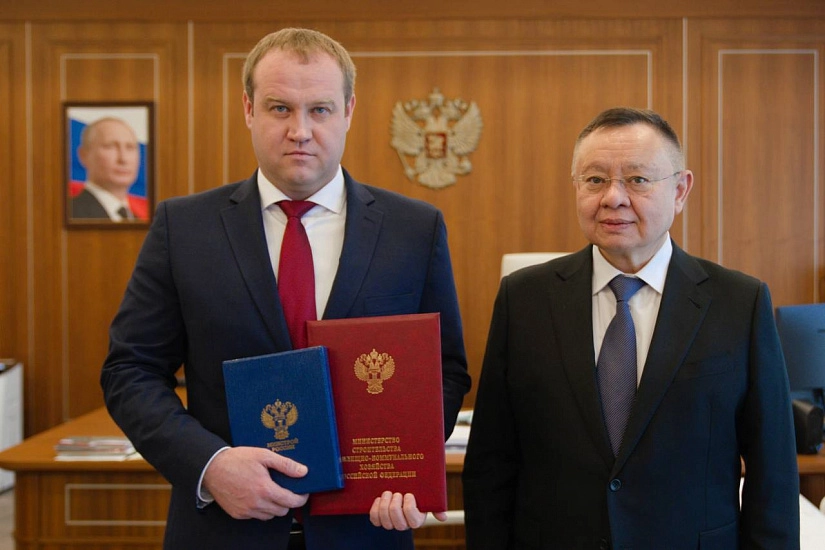
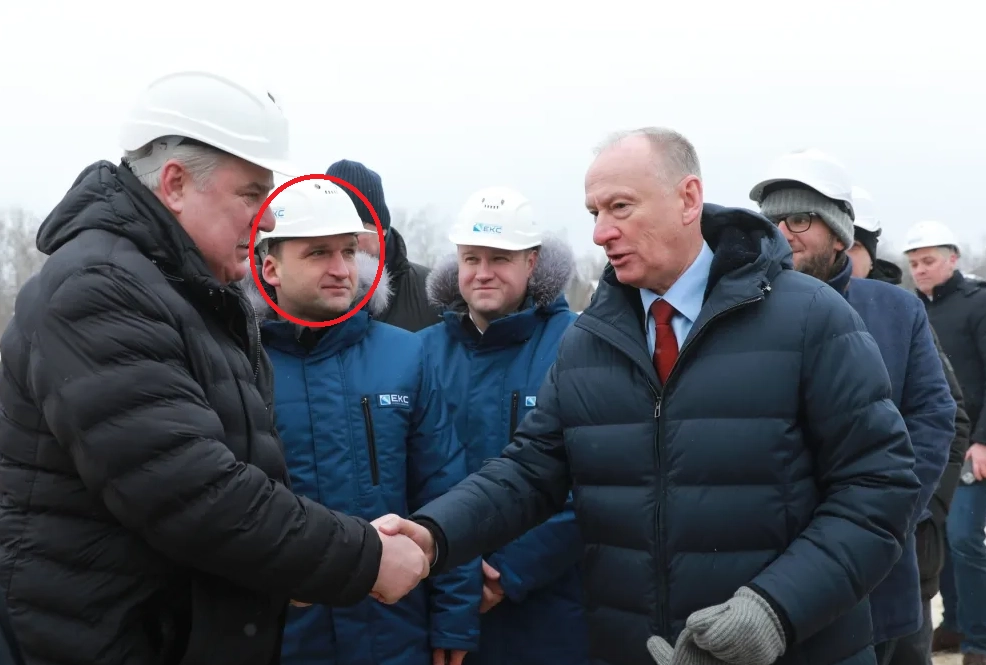
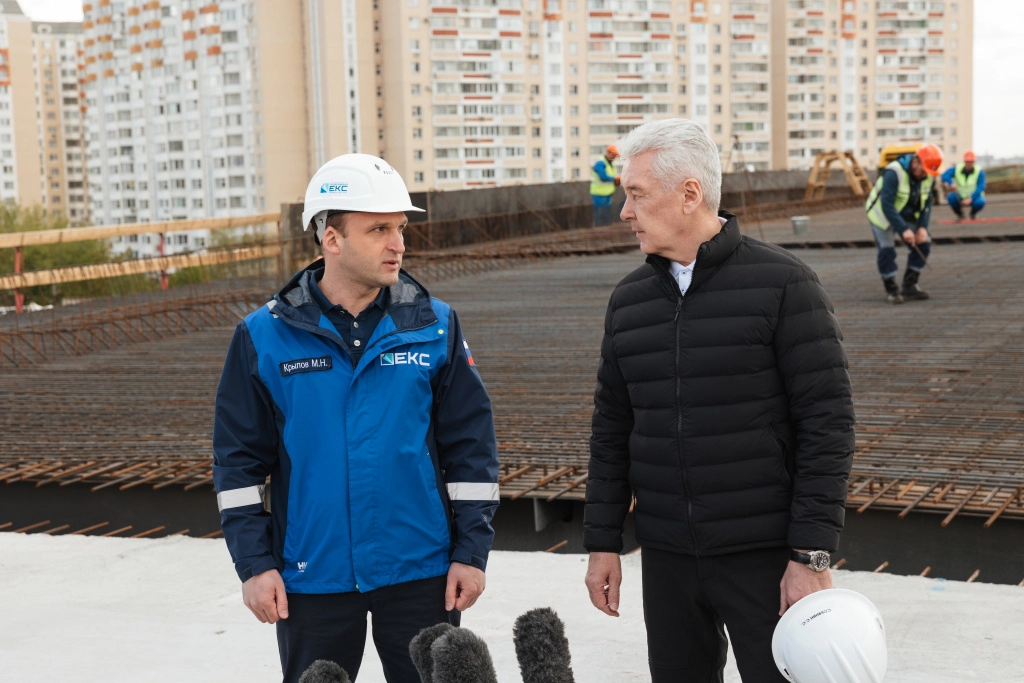
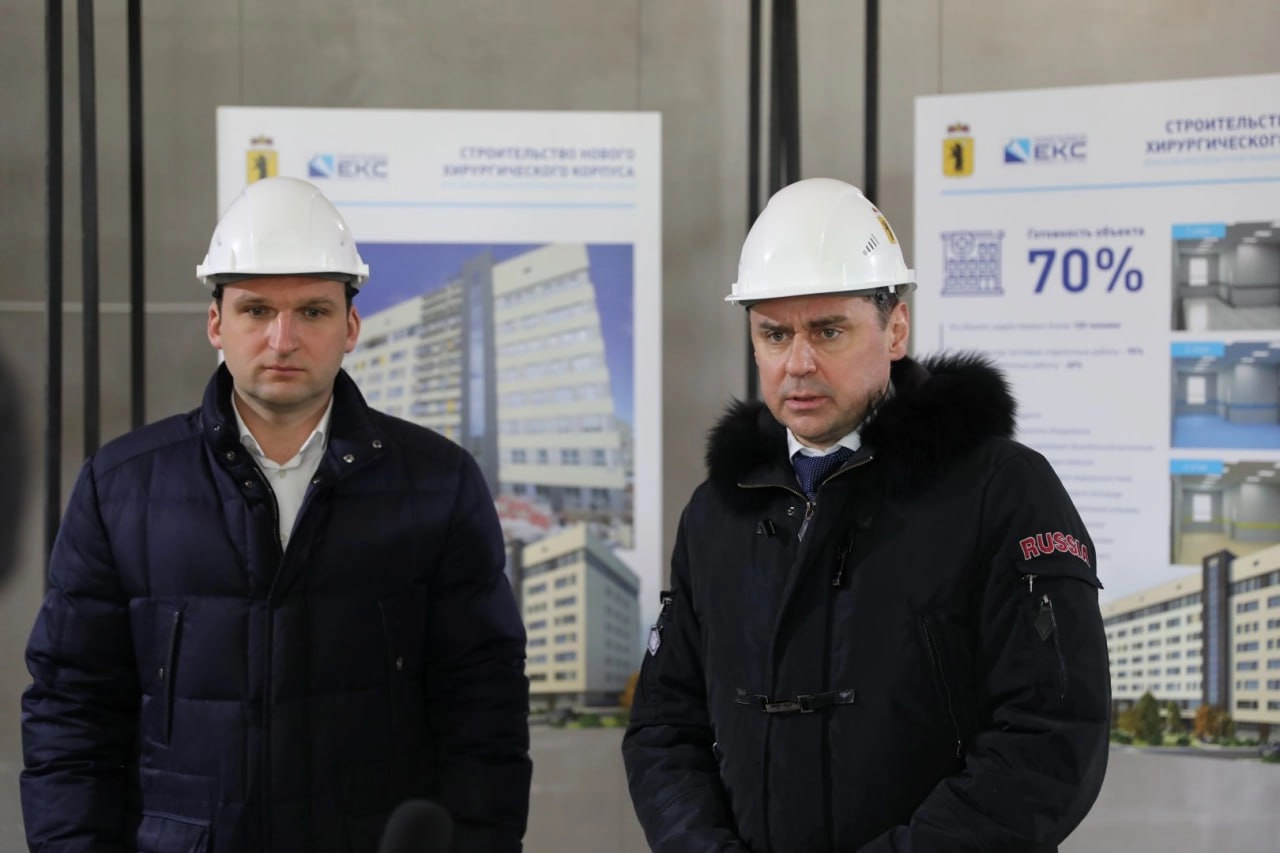
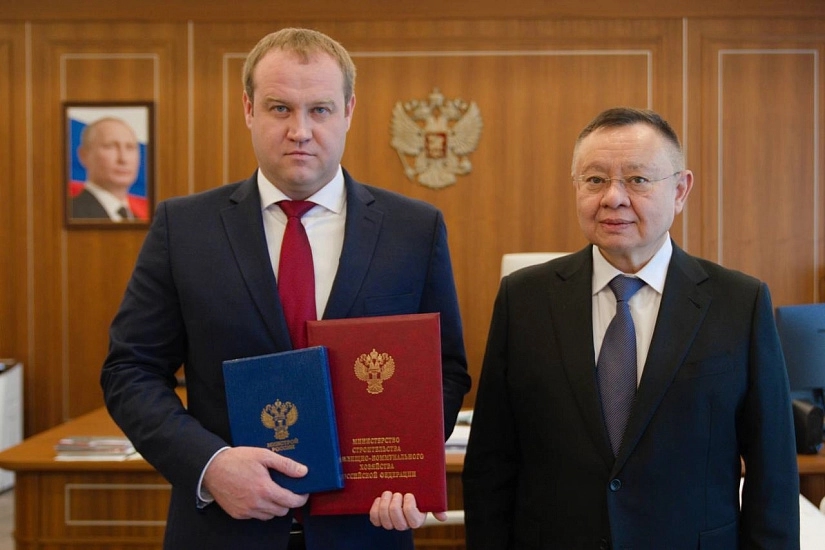
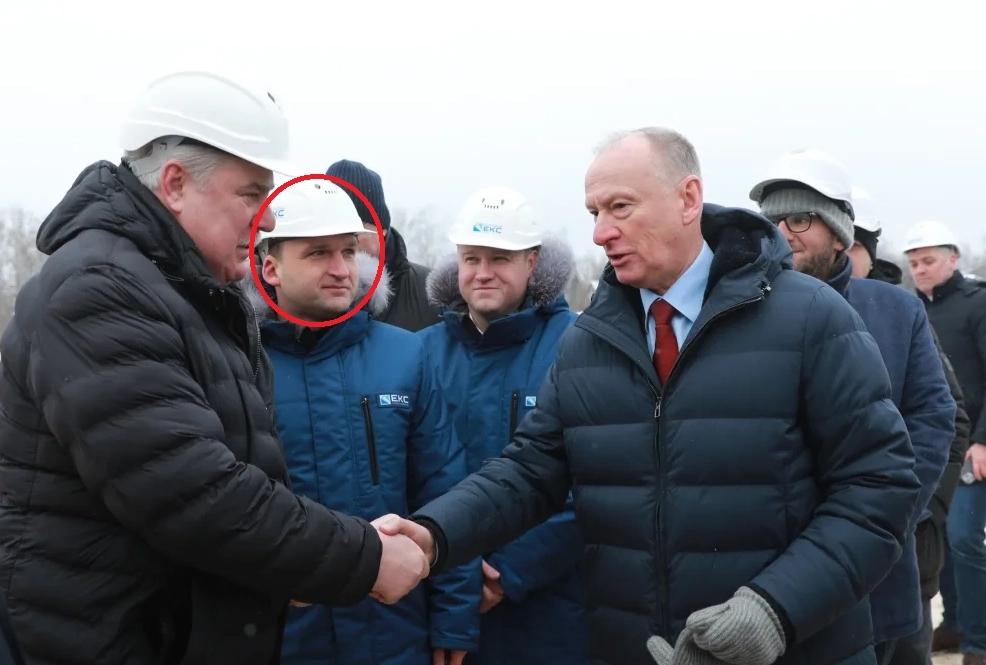
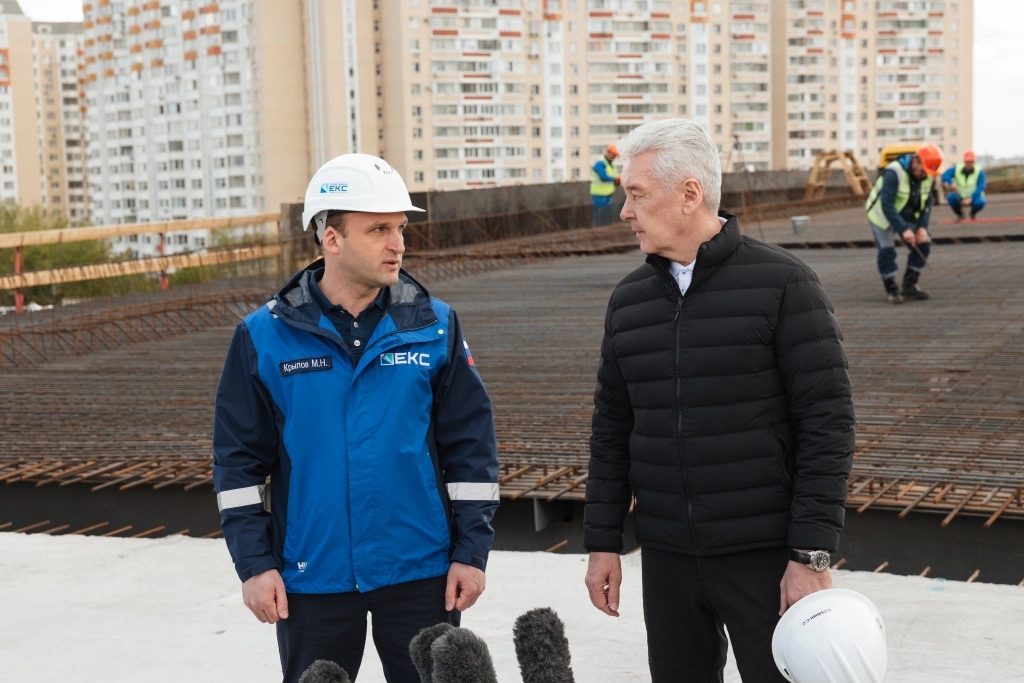
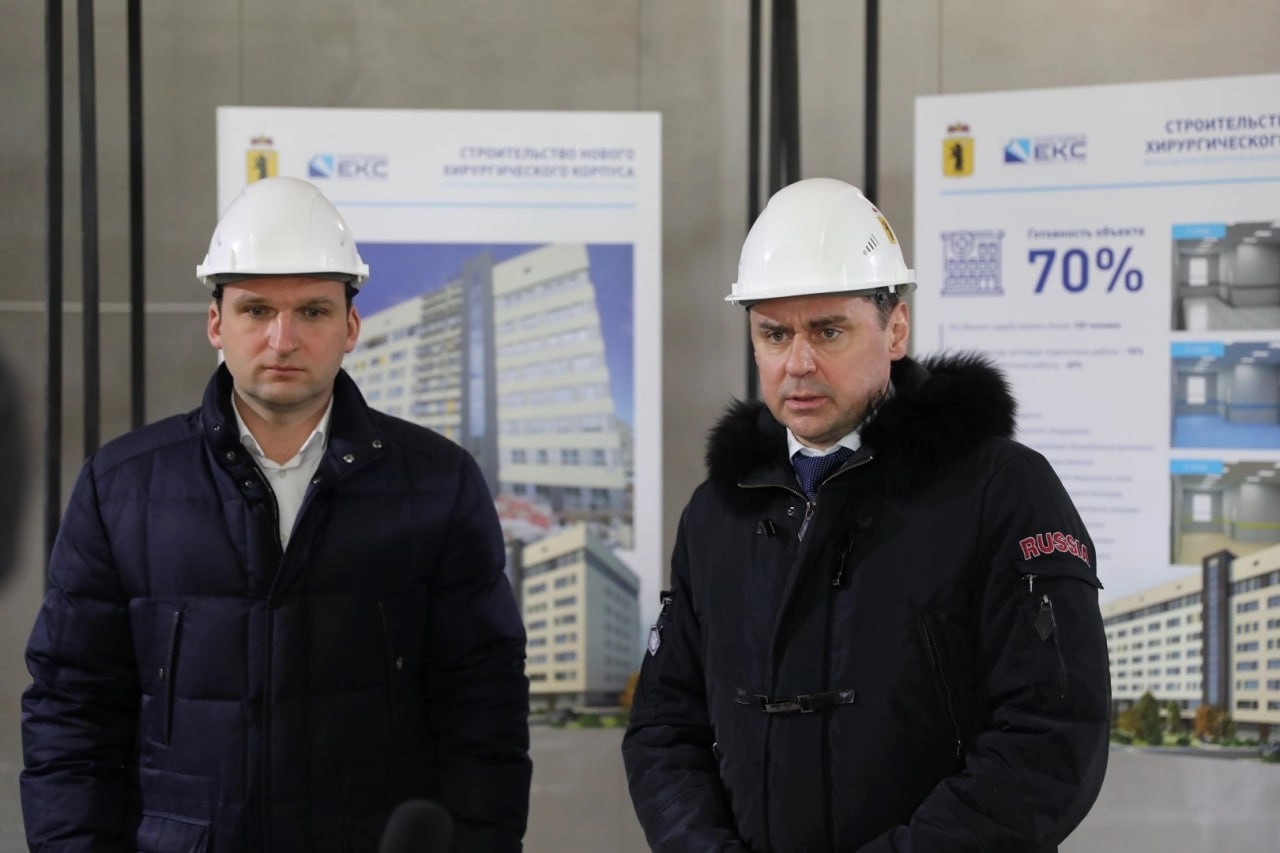
“What is there to be surprised about? They are kings of state contracts, and they have everything sewn up at every level. Everyone knows the company’s founders are on close terms with former Putin bodyguards Mironov and Dyumin. They also know Nikolai Patrushev, Shoigu, Sobyanin, Mikhalkov, and the Rotenbergs. Our lawmaker from the Yaroslavl region, Valentina Tereshkova, is always ready to help. And General Kumanyaev personally had ‘explanatory conversations’ with particularly stubborn competitors. He really thought he had God by the beard. If an ordinary general was moving billions around, imagine the sums they deal with at Lubyanka,” a Yaroslavl businessman who said he had been barred several times from auctions involving GC EKS told The Insider.
Ingushetia and Yaroslavl
Alexander Kumanyaev began his career in the security services in 1994 with the FSB directorate in the Saratov region, where he acquired the nickname “Kum” (which roughly translates as “godfather”). After studying at the FSB Academy, Kumanyaev returned to Saratov and was appointed deputy head of the regional directorate. In 2014, then-Colonel Kumanyaev was transferred to Ingushetia, where he became head of the FSB directorate, military unit 29535.
There was a long line inside the FSB to get assigned to Ingushetia, as the republic was considered a “hot spot.” Even a short deployment there could bring another star on an officer’s shoulder boards and awards for supposed participation in combat (even if FSB officers rarely left the military compound in the region’s capital, Magas).
Local residents remembered Kumanyaev as an official who repeatedly announced counterterrorism operations in different parts of the republic.
In Ingushetia, Kumanyaev was remembered as an official who repeatedly announced counterterrorism operations
In June 2018, trouble began to gather around Kumanyaev, who by then had been promoted to general. During a special operation in Nazran, his subordinates shot dead Madina Ayupova and her two sons, Umar and Magomed, declaring them terrorists.
A day later, they beat to death Ibragim Aliyev, who had been detained during an FSB raid. When relatives asked what had happened to him, Kumanyaev said Ibragim had been killed during interrogation after allegedly shouting “Allahu Akbar” and attacking an investigator with office scissors. His body was not returned to relatives for an independent examination (officials cited an internal investigation as the reason for keeping the body).
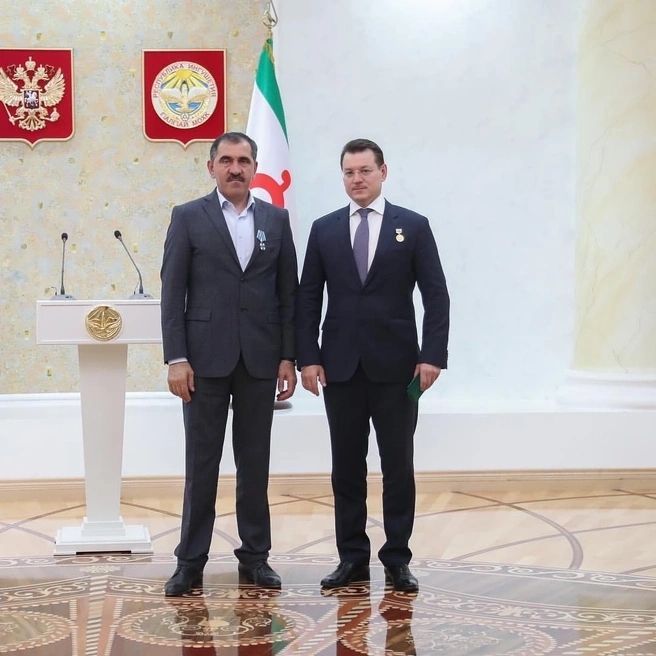
The deaths of the four Nazran residents really did begin to look as though they could lead to a criminal case against the Russian officers themselves — and then, Kum’s patrons in the FSB personnel department hurriedly transferred him to the Yaroslavl region to head the local FSB directorate there. At his farewell, Ingushetia’s then-leader Yunus-Bek Yevkurov thanked the security official for his work fighting terrorism in the republic.
In Yaroslavl, Kumanyaev and his wife became especially close with the family of Boris Dyachenko, the former head of the FSB office in the city of Rybinsk. Dyachenko was forced into retirement in 2019 after building himself an excessively large mansion (by local standards). The families celebrated holidays together, and Dyachenko’s son Dmitry, who is well known in local criminal circles, kept Kum informed about developments in the business community.
Yaroslavl Governor Mikhail Yevraev personally congratulated Kumanyaev on his birthday, presenting him with a Badge of Honor on Security Service Workers’ Day:
“Thanks to your competent and prompt actions, 28 people were convicted and more than 50 criminal cases were opened. You secured compensation for damage from criminal activity totaling 2.3 billion rubles and prevented nearly another 1 billion rubles in losses. You created conditions for more than 250 million rubles to enter the federal budget. And, especially important now, as Russia conducts its special military operation while defending the interests of peaceful citizens, you managed to stop the illegal export of military products disguised as civilian goods and to uncover attempts by individuals to profit from fulfillment of the state defense order.”
After Kumanyaev’s arrest, however, the laudatory material was quickly removed from the regional government website, as well as from state broadcaster GTRK Yaroslaviya.
“Or it’ll be like with Navalny”
In 2021, GC EKS became embroiled in another scandal. While renovating Switzerland Park in Nizhny Novgorod, company employees Roman Asabin and Pyotr Sedelnikov failed to install the required amount of rubber crumb in the surfaces of sports and children’s playgrounds, causing an estimated 39 million rubles ($458,000) in damage.
Both construction workers were charged with large-scale fraud and placed in custody during an investigation that lasted more than three years. In February 2024, the Nizhny Novgorod District Court accepted the defendants’ expressions of remorse and gave them four-year suspended sentences with five years of probation.
In October 2020, investigative outlet Proekt began examining GC EKS after the company received $1 billion in construction contracts from Moscow City Hall. A reporter traveled to Yaroslavl but did not take into account the fact that Gen. Kumanyaev was overseeing the company. On the general’s orders, the journalist from Moscow was placed under telephone surveillance.
Soon afterward, a GC EKS employee who had met secretly with the reporter the previous day called the Proekt newsroom and said management had learned of his contact with the journalist: “Forget everything we talked about and destroy all the records if you don’t want what happened to Navalny to happen to you.” The reference was to the 2020 poisoning of Alexei Navalny.
While in Yaroslavl, the article’s author also noticed he was being followed, and his email account was subjected to phishing attacks for two days.
Reasons for the arrest
In April of this year, as part of an FSB personnel rotation, Kumanyaev was transferred to Lubyanka in order to head one of the key departments in the FSB’s Economic Security Service, a post that would have given him sweeping powers and opportunities. In Yaroslavl, he was replaced by close acquaintance Colonel Maxim Denisov, who had previously served in the FSB directorate in the Samara region.
Before moving to Moscow, Kumanyaev introduced Denisov to the same people he had worked with. Three months later, however, Denisov was removed from his post. Internal security officers from the FSB were waiting for him with handcuffs at Yaroslavsky railway station in Moscow. General Kumanyaev was arrested next and placed in Moscow’s Matrosskaya Tishina detention center. Pro-government bloggers quickly published reports claiming that the FSB had finally begun a serious fight against systemic corruption.
There are several competing explanations for the arrests of Kumanyaev and Denisov. Under the first, the case is part of the standard struggle between rival clans within the FSB leadership.
One version holds that the arrests are part of the continuing struggle among rival factions within the FSB leadership
Another version, however, concerns a senior GC EKS manager who had donated to the late Alexei Navalny’s Anti-Corruption Foundation (The Insider knows the person’s surname). During questioning by the FSB, he was threatened with prison, and the frightened businessman began identifying associates involved in corruption schemes — naming “Kum” as their patron.
The third version appears considerably more convincing: The owners of GC EKS broke their previous agreements with the FSB and refused to continue paying monthly bonuses to Colonel Denisov; Denisov then complained to his patron, and Kumanyaev began threatening the businessmen with serious trouble. The businessmen then approached Alexei Dyumin — the former Putin bodyguard who served as governor of Tula (and has since gotten a promotion that brought him to Moscow) — who gave the order to arrest the FSB officers. Several officials from different regions and a group of businessmen involved in cartel schemes are also defendants in the criminal case.
Meanwhile, Colonel Ivan Meshchan, who previously served in the Rostov Region, took over as head of the FSB directorate in Yaroslavl. Meshchan is an avid hunter and flies to Salekhard almost every summer to shoot brown bears and elk. Local residents say he is accompanied by Vasily Kryuk, a former United Russia lawmaker in the Yamalo-Nenets regional legislature who owns 194 plots of land covering a combined 359 square kilometers, roughly comparable to the land area of the Maldives.