On Oct. 8, in the wake of Russia’s nationwide legislative elections, the European Parliament overwhelmingly declared the resulting State Duma in Moscow to be illegitimate — the result of a stage-managed “vote” that was neither free nor fair. Nevertheless, 42 European lawmakers voted against what might have seemed to be an obvious resolution. Even after Russia’s full-scale invasion of Ukraine, the European Parliament’s faction of so-called Putinversteher — a German term meaning people who profess to “understand Putin” (and often rationalize Kremlin policies) — remains firmly in place. They continue to travel to Russia, repeat Kremlin narratives, and meet with Kremlin officials and intelligence officers involved in managing foreign influence networks.
The Insider found that one in 10 current members of the European Parliament has visited Russia since the annexation of Crimea in 2014, and at least two dozen of them can be described as openly pro-Kremlin.
“Che Guevara” visits the Foreign Intelligence Service
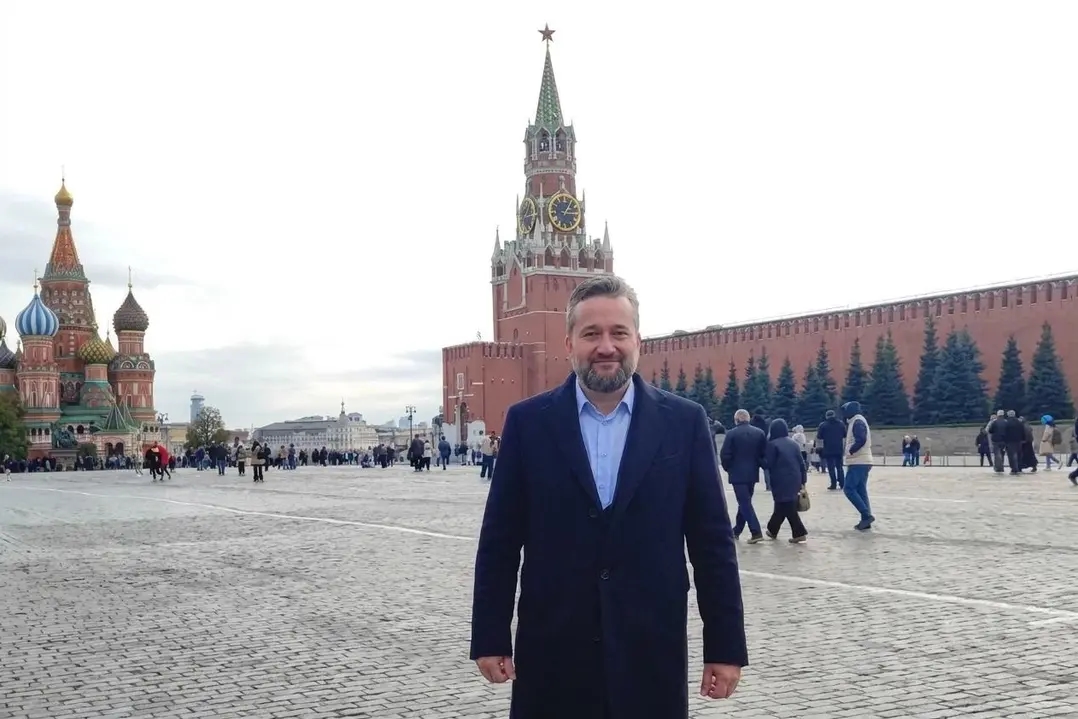
In April of 2026, Slovak member of the European Parliament Ľuboš Blaha walked through the Russian State Duma building to a song by the band Lyube and denounced what he called Western hypocrisy. Blaha knows something about political symbolism: while serving as deputy speaker of Slovakia’s parliament, he removed the EU flag from his office and hung a portrait of the Argentinean-born Cuban revolutionary leader Che Guevara. A year later, he was elected to the European Parliament, where he receives a salary of around 10,000 euros a month.
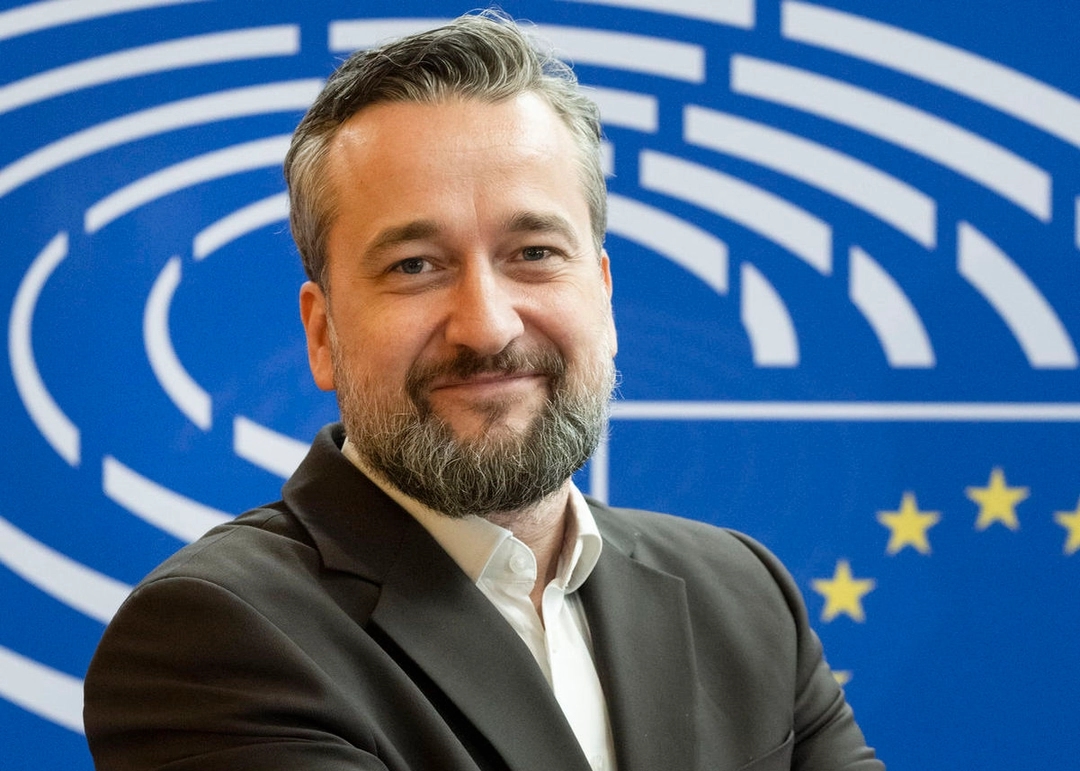
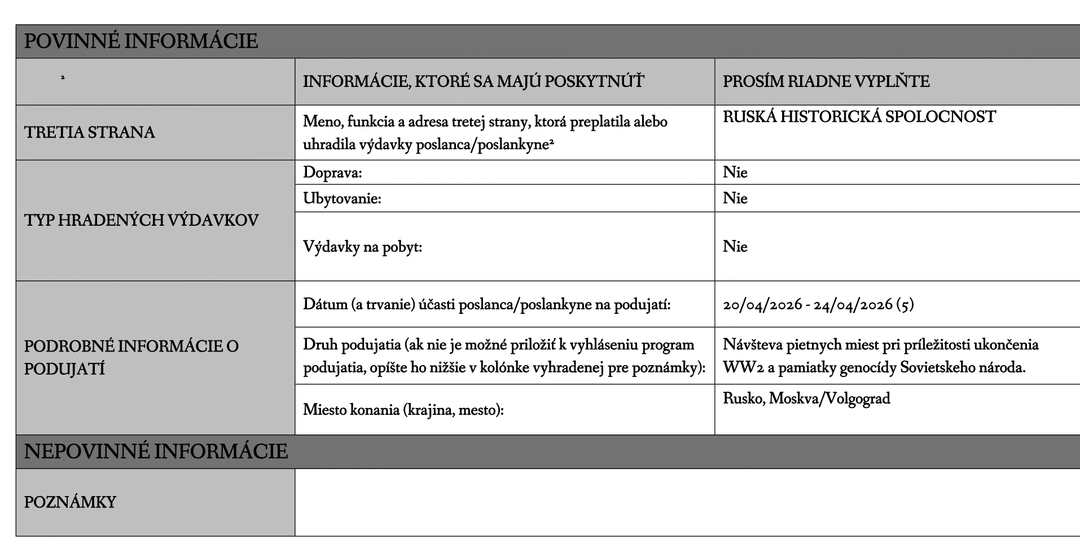
An ally of Slovak Prime Minister Robert Fico, Blaha visited the State Duma as part of a trip he officially reported as having been organized by the Russian Historical Society — which happens to be chaired by Sergei Naryshkin, the head of Russia’s Foreign Intelligence Service (SVR).
Although there is no indication that Blaha and Naryshkin saw one another this time around, during a 2025 visit to Moscow the two did indeed meet. Notably, unlike in the case of Blaha’s other travels to Russia, that 2025 trip was not reported on the European Parliament’s website. The trip is nevertheless confirmed both by the politician’s own social media posts and by flight data obtained by The Insider.
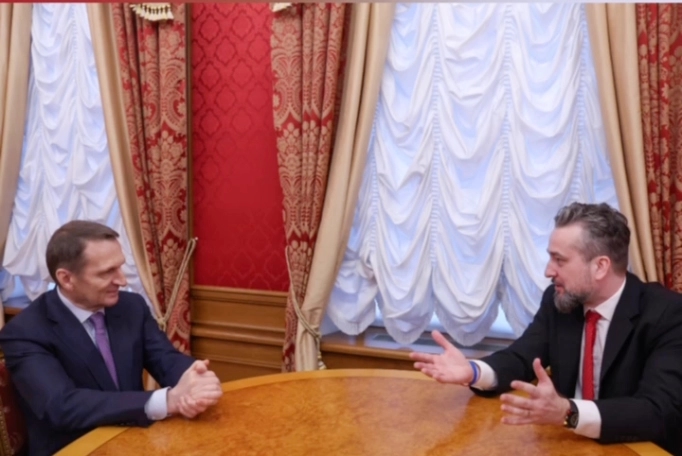
During the 2025 excursion, the MEP also met with lawmaker Leonid Slutsky, who has been implicated in efforts to recruit foreigners, as well as with Communist Party leader Gennady Zyuganov. Blaha presents himself as a left-wing politician and makes a point of highlighting that identity during his trips to Russia — for example by sending a “heartfelt revolutionary greeting” from a Lenin monument in Sochi.
It is unclear what a self-described socialist finds so appealing about Russia, where economic inequality recently reached a record level. Nor did Blaha appear troubled by the fact that Naryshkin, at whose invitation he travels to Russia to criticize the West, is financially supported by oligarch God Nisanov.
Malofeev’s operative and a lobbyist for criminal oligarchs
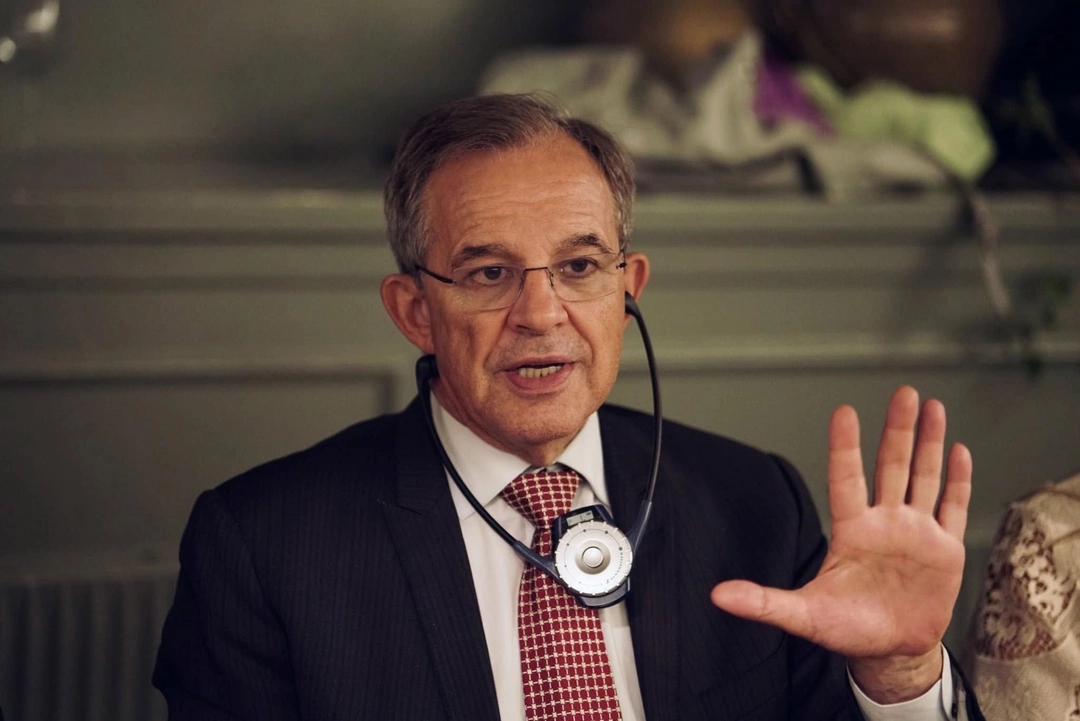
French member of the European Parliament Thierry Mariani is a favorite of Kremlin propaganda. Russian state news agencies quote him almost as often as they do Russian officials. TASS, for example, obtains comments from Mariani directly. He has called a Ukrainian strike on the Panorama museum in Russian-occupied Sevastopol unacceptable, criticized financial aid to Ukraine, and called for ending the war on Russia’s terms. The French politician has long and consistently sided with Russian authorities. He even criticized Alexei Navalny while the opposition leader was still alive in prison.
Mariani’s wife is known to be originally from Russia. Publicly, the Yekaterinburg native has appeared either under her maiden name, Shaikhullina, or as Irina Mariani. In official documents, however, The Insider found that she uses the surname of her former husband, Ivanko.
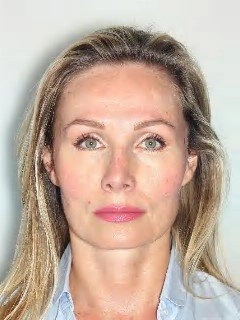
Officially, Irina Ivanko did not work anywhere before meeting Mariani at a Moscow restaurant and moving to Paris in the 2000s. She is now 50 and is raising their son. Her brother, Sergei Presnetsov (formerly Shaikhullin) remained in Russia. From 2023 to 2025, he served as deputy head of the administration of Verkhnyaya Pyshma in Russia’s Sverdlovsk Region.
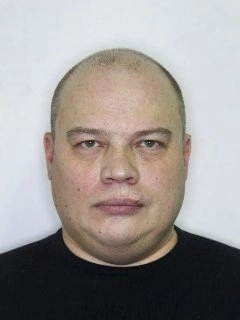
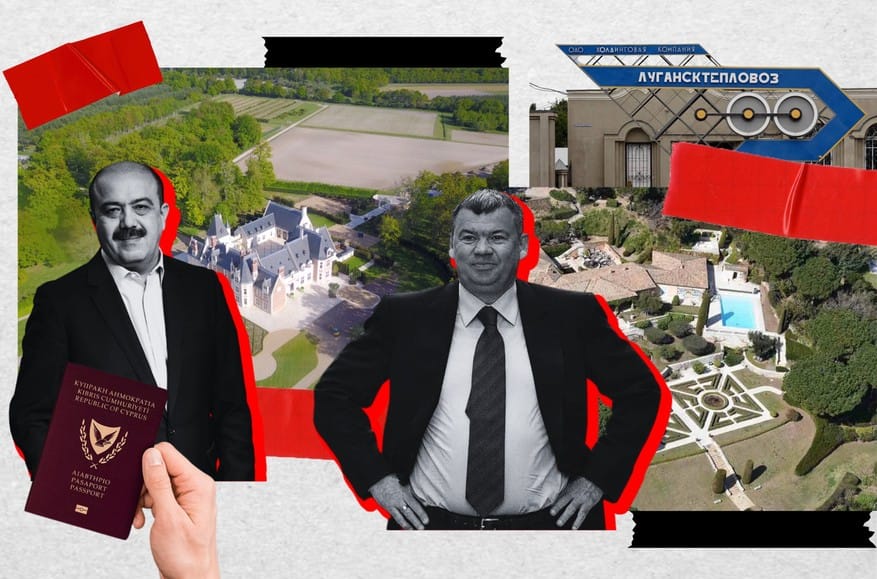
The brother of the French politician’s wife works for the Ural Mining and Metallurgical Company (UMMC), which is controlled by oligarchs Andrei Bokarev and Iskander Makhmudov, both of whom have interests in France. Makhmudov has also appeared as a partner of the Franco-Russian Dialogue association headed by Mariani. Former Russian Railways chief Vladimir Yakunin is also closely linked to the group.
In 2021, French authorities opened two preliminary investigations into Mariani over his involvement with the Franco-Russian Dialogue. He was suspected of corruption, breach of trust, and money laundering, as well as influence peddling; questions also remained over whether certain benefits, suspicious financial transactions, and trips may have been compensation for his maintenance of political positions favorable to the Kremlin.
French authorities investigated Mariani on suspicion of corruption, breach of trust, and money laundering
The Franco-Russian Dialogue was created in 2004 under the patronage of Russian President Vladimir Putin and then-French President Jacques Chirac. Despite allegations that the group was politically aligned with Moscow, Mariani continued making frequent trips to Russia through at least 2024.
Leaked documents also show that paperwork for Mariani’s visit to the 2018 World Cup in Russia was handled by Maria Reshetova, an aide to Konstantin Malofeev. Malofeev, often described in Russia as an “Orthodox oligarch” because of his ultraconservative religious politics, has long overseen foreign influence networks working on the Kremlin’s behalf.
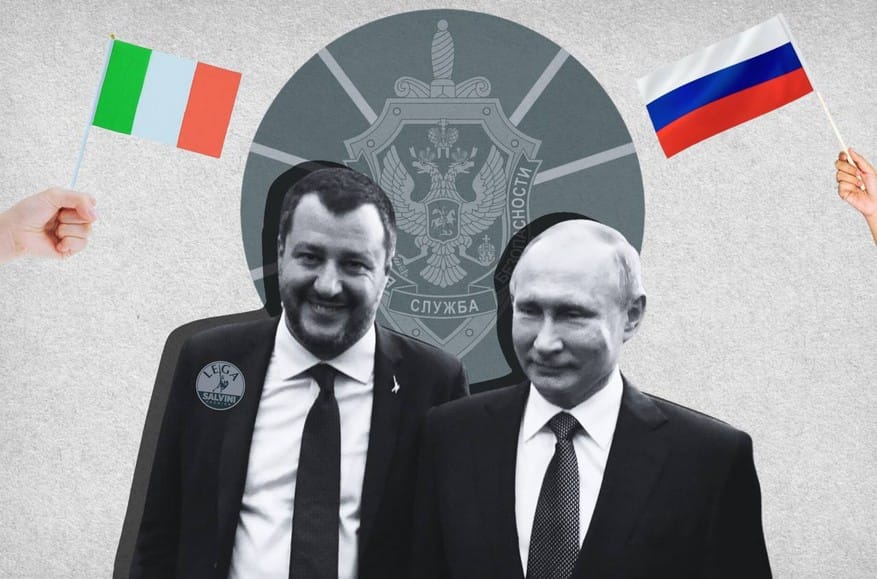
Reshetova also handled World Cup paperwork for other foreign politicians, including French MEP Philippe Olivier, members of the Le Pen family, Austrian lawmaker Johannes Hübner, German far-right publicist Manuel Ochsenreiter, Bulgarian Russophile Nikolay Malinov, Italian political operative Gianluca Savoini, and Serbian lawmaker Boško Obradović.
The French Legion in Putin’s ranks
Former French military intelligence chief Christophe Gomart last visited Russia in 2016, but the effects of that trip appear to have lasted. In 2015, he drew attention for his controversial claim that Russia had supposedly never prepared a military invasion of Ukraine, and after entering the European Parliament, Gomart continued making statements favorable to the Kremlin.
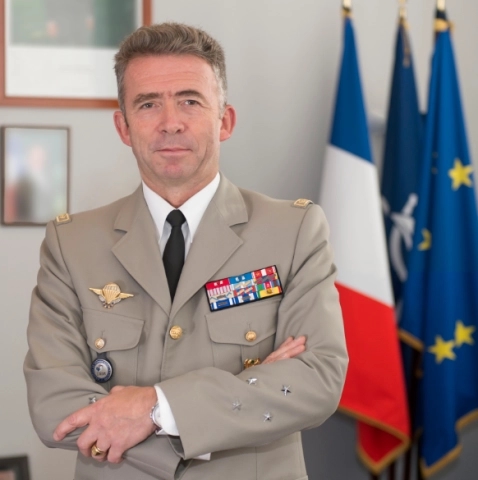
The lawmaker has spoken of the impossibility of securing a Ukrainian victory in the current war and praised what he called Russia’s “deep strategy.” He also urged France not to supply tanks to Kyiv.
Two French members of the European Parliament, Virginie Joron and Catherine Griset, helped give legitimacy to Vladimir Putin’s 2020 vote on constitutional changes, which effectively reset his presidential term count and allowed him to remain in power until at least 2036. They were among the Kremlin-friendly Western politicians who traveled to observe the vote in Russian-annexed Crimea.
Virginie Joron and Catherine Griset helped legitimize Putin’s 2020 constitutional vote extending his path to remain in power
Joron called for avoiding steps that would “add fuel to the fire” in relations with Russia and argued that, instead of sanctions, Europe should seek ways to improve and expand cooperation. She also commented on Alexei Navalny: “If a Frenchman were arrested for such a violation, that would be considered normal.”
Griset, a former personal assistant to Marine Le Pen, was involved in the corruption scandal that saw Le Pen accused of misappropriating European Parliament funds. A few years later, Griset herself won a seat in the European Parliament.
Germany’s “Alternative”
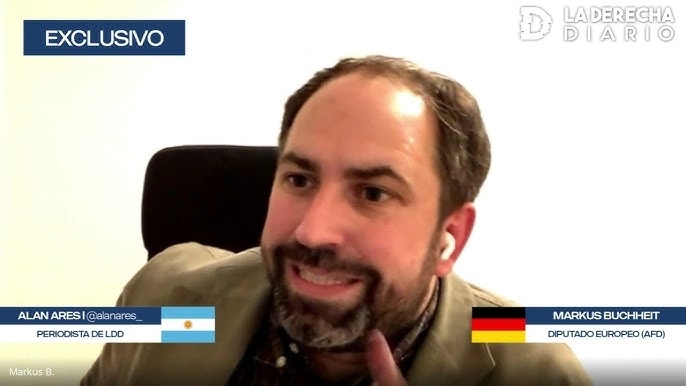
Leaked border service records show that three German members of the European Parliament — Petr Bystron, Markus Buchheit, and Tomasz Froelich — have also traveled to Russia. Froelich continued making such trips through at least 2024.
All three represent the far-right Alternative for Germany (AfD), reinforcing the party’s reputation for pro-Kremlin positions. Buchheit, for example, opposes sanctions against Russia and is against arms deliveries to Ukraine.
German MEPs Ruth Firmenich and Michael von der Schulenburg also continued traveling to Moscow in 2026.
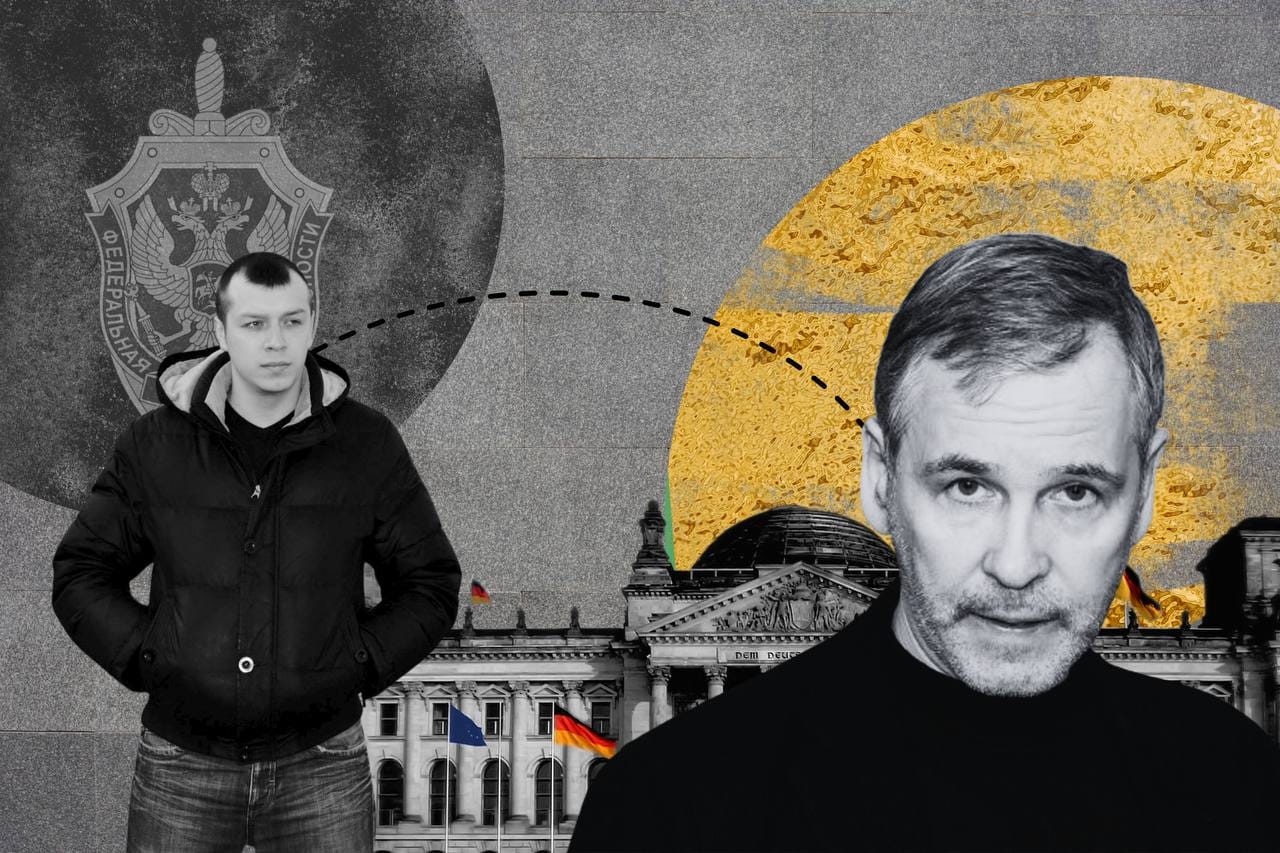
The Insider has previously reported on how AfD lawmakers received money and assignments from the FSB’s Fifth Service, the branch of Russia’s security service responsible for foreign intelligence operations in the former Soviet space and political influence work.
“Brothers” from Italy
When the European Parliament debated a resolution refusing to recognize Russian elections as free and fair, Italian lawmaker Danilo Della Valle was the first to speak up against it, arguing that Russia has an opposition while citing Yabloko and the Communist Party. He apparently did not know that Yabloko had not been allowed to take part in the election. Della Valle also said Europeans should look at themselves rather than criticize Russia.
Della Valle has long criticized EU policy toward the war in Ukraine. He also defended conductor Valery Gergiev, a longtime associate of Vladimir Putin, when his concerts were canceled. Della Valle traveled frequently to Russia from 2015 to 2019.
Another frequent visitor is Antonio Decaro, the former mayor of the Italian city of Bari. He traveled to Russia while serving as mayor and during that period took part in the opening of an honorary Russian consulate in Bari.
MEP Carlo Fidanza, who represents the Brothers of Italy party, traveled to Russia in 2017 at a time when when he was director-general of Liguria’s tourism promotion agency and worked on attracting Russian tourists. Later, while serving in the Parliamentary Assembly of the Council of Europe, he argued for dialogue with Russia.
Pierfrancesco Maran visited Russia in 2014 and 2018 while serving on Milan’s city council.
Dario Nardella entered the European Parliament in 2024 after previously serving as mayor of Florence. He traveled to Russia in that capacity. At the time, he opposed sanctions against Russia.
Neighborly ties
Some members of the European Parliament from countries that directly border Russia not only continue traveling there, but also openly support narratives favorable to the Kremlin.
Polish MEP Grzegorz Braun recently disrupted a European Parliament appearance by Russian opposition figures. He has called for normalization of relations with Russia and has trampled an EU flag.
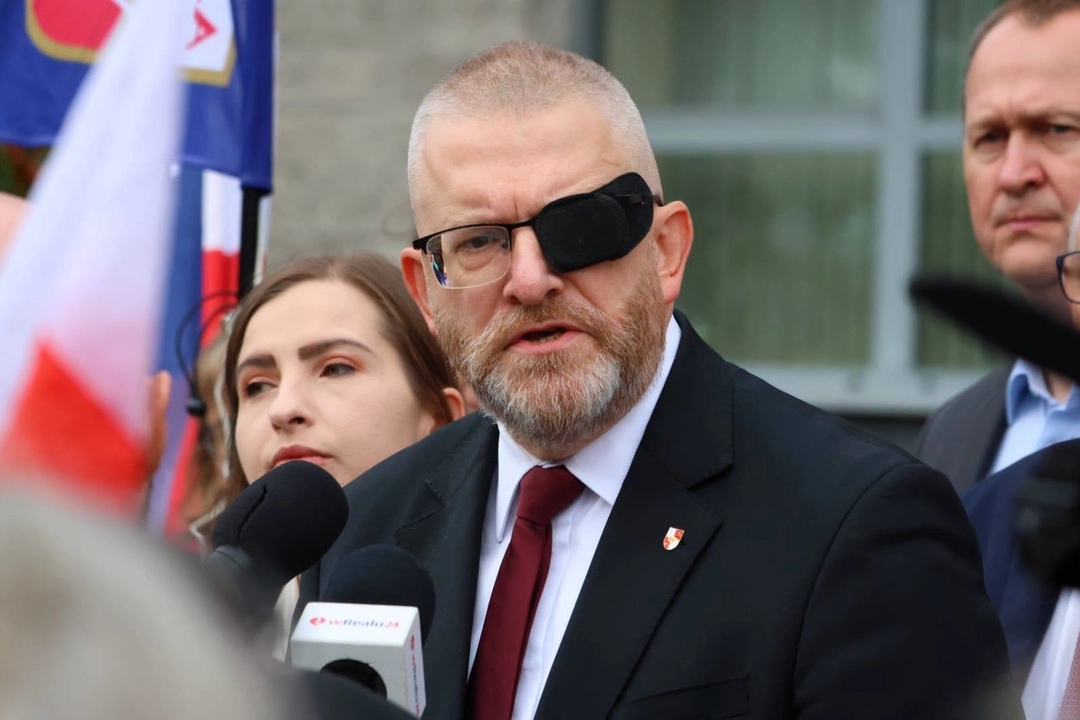
Lithuanian MEP Petras Gražulis traveled to Russia from 2015 to 2018 while serving in Lithuania’s national parliament. During those years, he said Lithuania and the European Union should follow Russia’s example in combating what he called “nontraditional” relationships, a phrase commonly used in Russia as a euphemism for LGBTQ relationships.
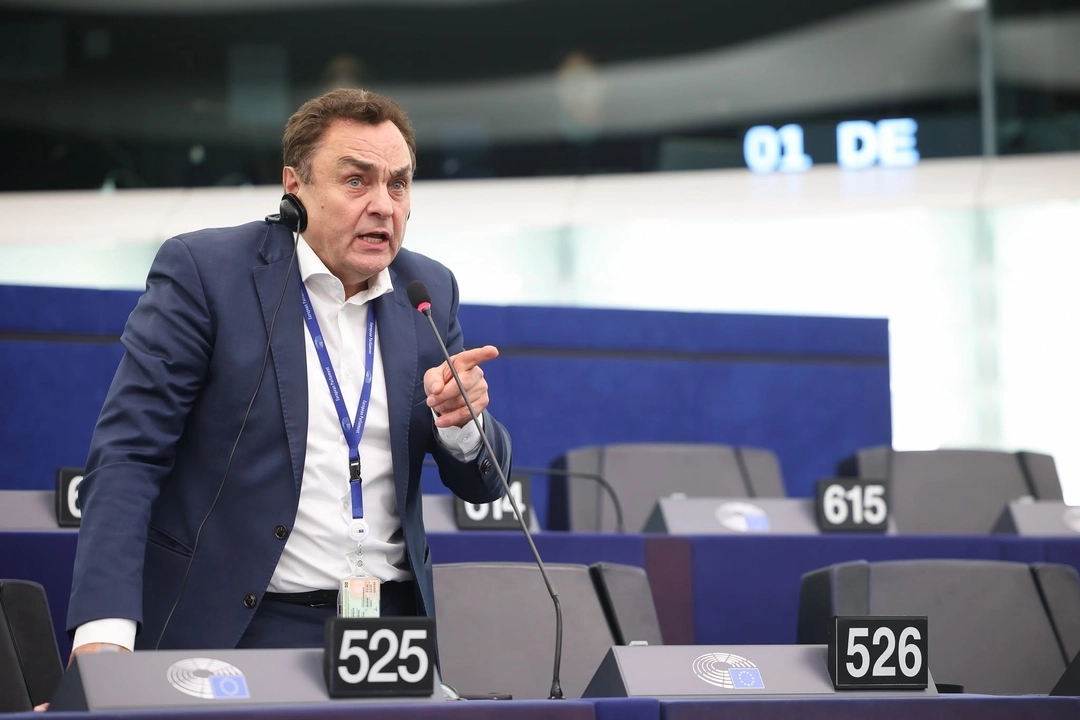
Gražulis was even accused of bribing Russian officials. He is no stranger to appearing in criminal proceedings, and last year he was stripped of parliamentary immunity.
Estonian MEP Yana Toom makes no secret of traveling to Russia, including during the war. More broadly, she has taken a relatively measured approach to defending the interests of Russian citizens in Estonia and criticizing the Estonian authorities, while also opposing Vladimir Putin and condemning Russia’s invasion of Ukraine.
Three Finnish MEPs have also visited Russia since sanctions were imposed. Eero Heinäluoma traveled there in 2015 and 2016 while serving in Finland’s parliament, where he chaired a “Russia friendship group.” Putin awarded him Russia’s Order of Friendship in 2017. In 2025, Heinäluoma called for dialogue with Russia.
Eero Heinäluoma chaired a Russia friendship group and received Russia’s Order of Friendship from Putin
Katri Kulmuni traveled to Russia from 2016 to 2019 while chairing the Finland-Russia Society. She developed an interest in Russia while still in school; she studied Russian and spent time studying in St. Petersburg. In 2022, however, Russia’s Foreign Ministry severed relations with the Finland-Russia Society, accusing it of taking an “openly anti-Russian position.”
MEP Maria Guzenina also has personal ties to Russia. She is of Russian descent, though she was born in Finland, so her visits to Russia can be explained by family connections.
An Orthodox-Slavic bloc
Among the “Russia enthusiasts,” a sizable group comes from countries generally considered predominantly Slavic, Orthodox Christian, or both.
Bulgarian MEP Petar Volgin has accused EU leaders of Russophobia, saying: “While the leaders of the United States and Russia are trying to stop the war, the European Union is doing everything possible to make sure the war does not end.”
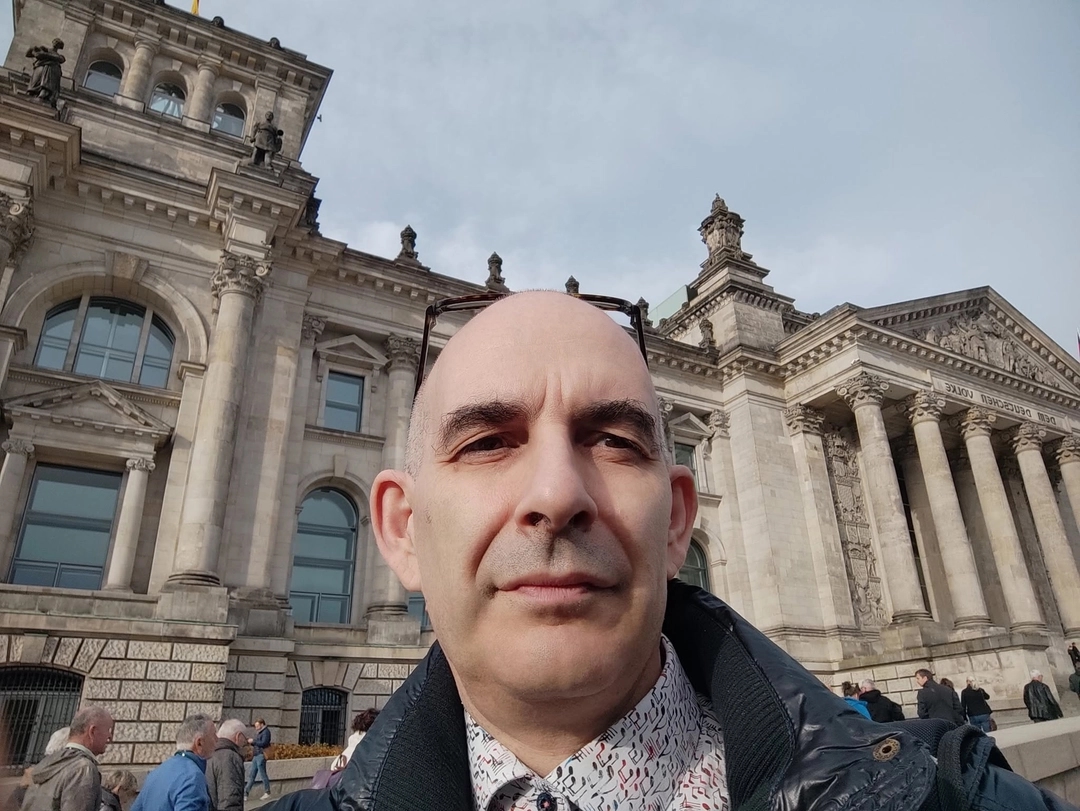
Volgin calls Russia a great country and advocates the “normalization” of relations.
Greek MEP Elena Kountoura traveled to Russia while serving as culture minister in Athens. In the European Parliament, she refused to support the creation of a tribunal to prosecute Russia.
Another Greek lawmaker, Lefteris Nikolaou-Alavanos, voted against condemning Russia’s invasion of Ukraine. He criticized the European Commission for, in his words, lacking money for its own citizens while having billions for Ukraine.
Cypriot TikToker Fidias Panayiotou won a seat in the European Parliament after campaigning to make politics “fashionable, interesting, and closer to the people.” But he has turned out to be closer to Moscow than to Europe, as he traveled to Russia in 2023 and 2025, including for a meeting with State Duma Speaker Vyacheslav Volodin. His most recent visit was on May 9, 2025, for Russia's annual Victory Day military parade.
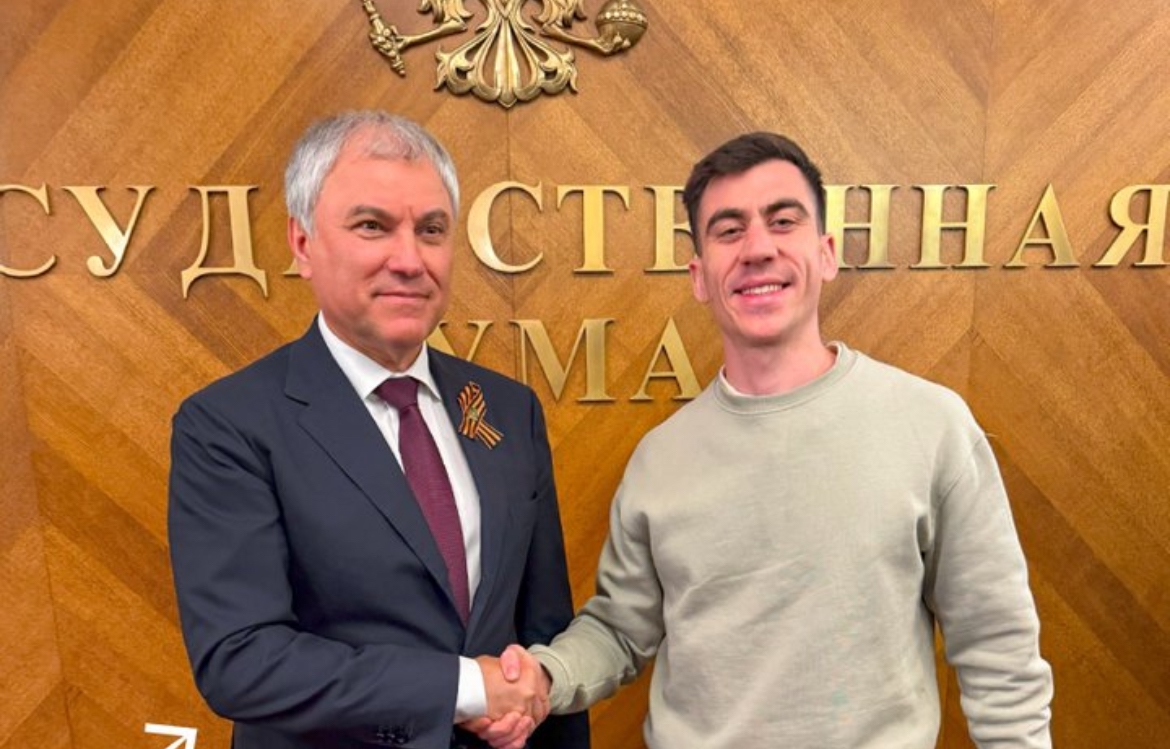
Panayiotou advocates friendly relations with the Russian authorities and has linked that position to his Orthodox Christian faith.
Antonín Staněk of the Czech Republic traveled to Russia while serving as mayor of Olomouc. During that period, he also attended the ceremonial unveiling of a monument to Red Army soldiers in the Czech Republic, appearing alongside Russian representatives. Another Czech MEP, Ondřej Dostál, attended the Victory Day parade in Moscow in 2025.
Branislav Ondruš of Slovakia declined to support a tribunal against Russia. Another Slovak MEP, Milan Uhrík, called in 2024 for the creation of an EU-Russia parliamentary cooperation committee.
To Russia — without love
The Insider also identified several dozen other members of the European Parliament who visited Russia after sanctions were imposed but were not known for openly expressing sympathy for the Kremlin. In some cases, they have indeed been harsh critics of Vladimir Putin. The following MEPs had an opportunity to form their own impressions of Russia from their personal visits there:
- Li Andersson of Finland
- Vytenis Andriukaitis of Lithuania
- François-Xavier Bellamy of France
- Olivier Chastel of Belgium
- Henrik Dahl of Denmark
- Michał Dworczyk of Poland
- Christian Ehler of Germany
- Alma Ezcurra of Spain
- Markus Ferber of Germany
- Borja Giménez Larraz of Spain
- Sunčana Glavak of Croatia
- Małgorzata Gosiewska of Poland
- Hannes Heide of Austria
- Romana Jerković of Croatia
- Reinhold Lopatka of Austria
- César Luena of Spain
- Marit Maij of the Netherlands
- Fulvio Martusciello of Italy
- Liudas Mažylis of Lithuania
- Sven Mikser of Estonia
- Ștefan Mușoiu of Romania
- Hannah Neumann of Germany
- Rasmus Nordqvist of Denmark
- Jüri Ratas of Estonia
- Karlo Ressler of Croatia
- Aura Salla of Finland
- Lena Schilling of Austria
- Raffaele Stancanelli of Italy
- Marie-Agnes Strack-Zimmermann of Germany
- Nils Ušakovs of Latvia
- Brigitte van den Berg of the Netherlands
- Kristian Vigenin of Bulgaria
- Tomáš Zdechovský of the Czech Republic
The Insider sent questions to the lawmakers named above, asking them to disclose details of their trips to Russia. Several had responded by the time the article was published.
Fulvio Martusciello said he had never been to Russia — “I never went there. Never.” However, the Kordon border-crossing database contains a record matching his first and last name, date of birth, and citizenship; it shows that he crossed the Russian border in 2015. According to the record, he flew in from Brussels, spent three days in Moscow, and returned to the Belgian capital. At the time, he was already a member of the European Parliament. Martusciello has been seen supporting Ilan Shor, a pro-Russian Moldovan oligarch. The Italian MEP is now suspected of corrupt ties to Chinese telecommunications company Huawei, and the European Parliament has stripped him of immunity.
Reinhold Lopatka said he traveled to Russia in 2018 as an observer for the Organization for Security and Cooperation in Europe (OSCE) during the presidential election. He did not disclose another trip in 2021. The Insider confirmed it was the same person as the passport numbers recorded at the border checks in 2018 and 2021 matched.
The office of Nils Ušakovs responded that:
“Mr. N. Ušakovs has been a Member of the European Parliament since July 2019. Throughout his time as a Member, he has made no visits to the Russian Federation: none official, none private. Accordingly, there are no dates, purposes or organisers to report.”
However, according to The Insider’s data, the Latvian MEP’s trips did take place while he was mayor of Riga. Latvia suspects him of corruption offenses committed while in office, but he is protected by parliamentary immunity as an MEP.
Brigitte van den Berg said she traveled to Russia to take intensive language courses.
Markus Ferber offered substantive and informative responses explaining that his visits to Russia in 2016 and 2018 were made in his capacity as deputy chairman of the Hanns Seidel Foundation, not as a member of the European Parliament. Russia now designates the foundation an “undesirable organization,” a legal status used by Russian authorities to ban foreign organizations deemed threatening to the state and to open up opportunities to prosecute people associated with them.
Li Andersson said her trips to Russia were for tourism:
“Yes I have in fact, many years before I became an MEP, been on a few short weekend trips from Helsinki to Saint Petersburg with my friends. I must admit it is so far back that I don't remember the exact dates, but I think it was in 2016 and 2019.
It was nothing official, and was of course paid for by myself.
I haven't been to Russia since then. In recent years I have been on a few trips to Ukraine, to see the horrible damage from Russian attacks with my own eyes.”
Karlo Ressler traveled to Russia for the FIFA World Cup in 2018.
Tomáš Zdechovský — who has spoken out against Kremlin agents of influence operating inside the European Union — said he had never been to Russia, either before or after 2014. Michał Dworczyk — who condemns Russia’s invasion of Ukraine — gave the same answer. The Insider doubts those statements, even if in Dworczyk’s case, the border service records could be explained by another person having the same name and date of birth as the MEP.