The European Parliament has adopted a resolution refusing to recognize Russia’s State Duma as a legitimate representative and legislative body. The measure passed on Oct. 8 with 482 votes in favor, 41 against, and 39 abstentions. “The ‘fake’ ballot was held in a climate of fear and against the backdrop of Moscow’s continued illegal war against Ukraine,” read a press release put out by the European Parliament on Oct. 9.
“[The European] Parliament notes that during the recent fake ballot, there were no genuine alternative candidates, no free media, no credible observers, and no political freedoms, with critics of the regime having been either imprisoned, murdered, or forced into exile. MEPs also condemn the fact that so-called “elections” were conducted in parts of the Russian-occupied Donetsk, Kherson, Luhansk, and Zaporizhzhia regions of Ukraine, as well as in Moldova’s Transnistrian region and in the Georgian regions of Abkhazia and Tskhinvali/South Ossetia,” it added.
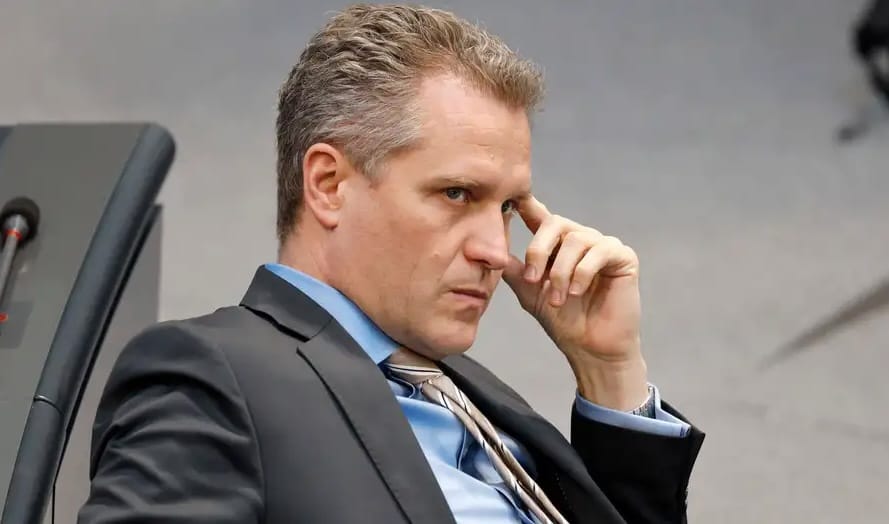
According to the Parliament’s roll-call voting record, lawmakers who opposed parts of the resolution included German MEP Petr Bystron, who had been suspected of receiving money from an influence network linked to Viktor Medvedchuk; Slovak politician Luboš Blaha, who has met with Russian Foreign Intelligence Service chief Sergei Naryshkin; and Czech MEP Ondřej Dostál, who traveled to Moscow at the invitation of a Russian foundation linked to the GRU military intelligence agency.
Among those voting against the resolution were 23 members of the far-right Europe of Sovereign Nations (ESN) group, including Alternative for Germany (AfD) lawmakers Petr Bystron and Christine Anderson, Slovak MEPs Luboš Blaha and Milan Mazurek, Czech lawmakers Kateřina Konečná and Ondřej Dostál, and Luxembourg politician Fernand Kartheiser.
Also opposing the measure in the final vote were Polish far-right politician Grzegorz Braun and German MEPs Michael von der Schulenburg and Ruth Firmenich, who were elected on the Sahra Wagenknecht Alliance (BSW) ticket. Braun had previously been stripped of parliamentary immunity in connection with a Polish investigation into his alleged denial of Nazi crimes at Auschwitz (in July 2025, Braun publicly denied the existence of gas chambers at the Auschwitz-Birkenau concentration and extermination camp).
The Insider compared the roll-call vote with published information about lawmakers’ contacts with Russian representatives. It found that four of the politicians listed above — Blaha, Dostál, von der Schulenburg, and Firmenich — traveled together to Moscow in May 2025. The trip was timed to coincide with the 80th anniversary of the end of World War II. While in the Russian capital, the MEPs met with Russian politicians and public figures.
In an official declaration published by the European Parliament, Dostál listed the Russian Peace Foundation as a third party that covered part of the trip’s expenses. Dostál said he paid for his flight, accommodation, and meals himself, while the foundation provided bus transportation from the airport.
The Insider previously reported that the Russian Peace Foundation has links to Russian military intelligence. According to internal GRU correspondence, the organization has been involved in passing information about foreign visitors to the intelligence service for assessment and possible recruitment.
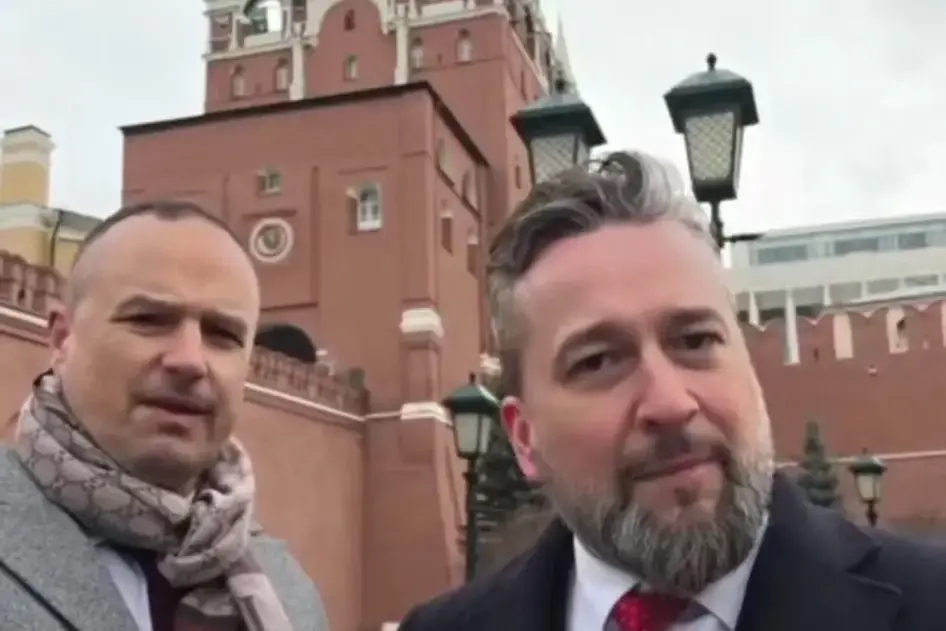
In the same investigation, The Insider reported that Luboš Blaha traveled to Moscow with David Lindtner, an adviser to Slovak Prime Minister Robert Fico. During that trip, Blaha met with Sergei Naryshkin, director of Russia’s Foreign Intelligence Service (SVR). According to statements published by Blaha, they discussed the May 2024 assassination attempt against Fico, along with the activities of political opponents of the Slovak government.
Petr Bystron, another lawmaker on the list, had previously appeared in an investigation into the pro-Kremlin media platform Voice of Europe, which European intelligence services say was financed by a network linked to the aforementioned Medvedchuk. As The Insider previously reported, citing Der Spiegel and Deník N, Bystron and fellow party member Maximilian Krah were suspected of receiving money in exchange for cooperation with the platform. In 2025, the European Parliament lifted Bystron’s immunity in order to allow an investigation in a separate case to proceed.
A Transparency International database also contains records of meetings between some of the lawmakers and Russian representatives. According to the data, in May 2025 von der Schulenburg met in Moscow with Russian diplomats and State Duma representatives, and in July of that year with a representative of Russia’s mission to the European Union in Brussels. Dostál met at least twice with representatives of Russia’s permanent mission to the EU, while Fernand Kartheiser attended a forum in Sochi in November 2025 that included Russian politicians.